
Reviewed · SPICE FARM TOURS
Zanzibar: Spice Farm Tour and Cooking Class with Lunch
Your nose drives this tour, literally.
At a spice farm in Zanzibar, you walk village paths, touch plants, and learn how spices become the backbone of Swahili food. I like that you do more than watch, you smell and touch the spices and harvest ingredients yourself. The main thing to consider is cash, you may be asked to tip more than once during the day.
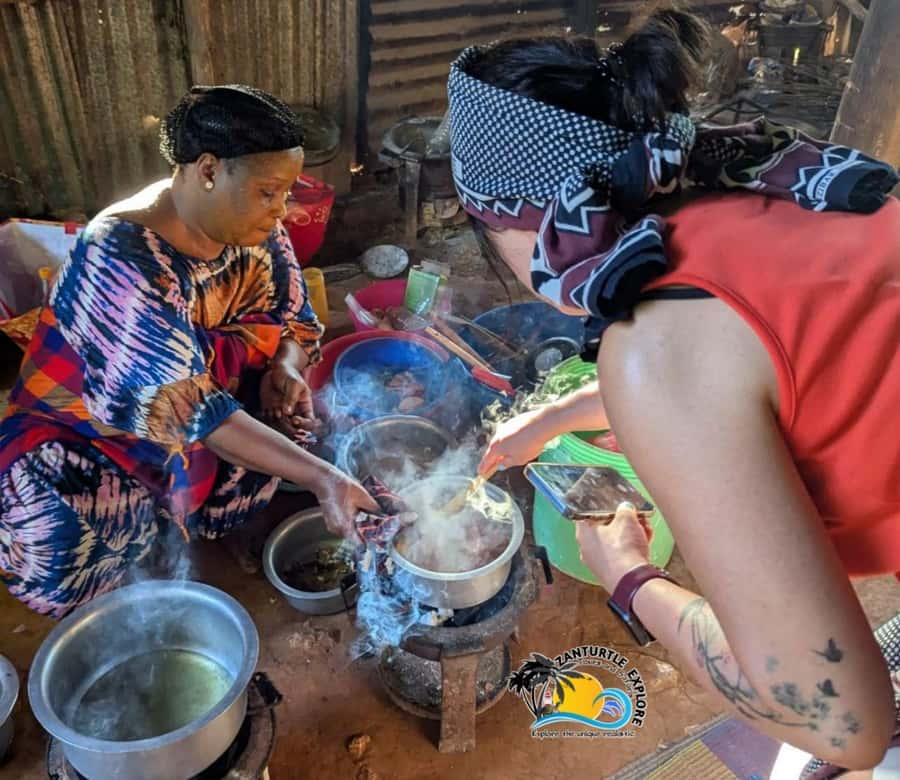
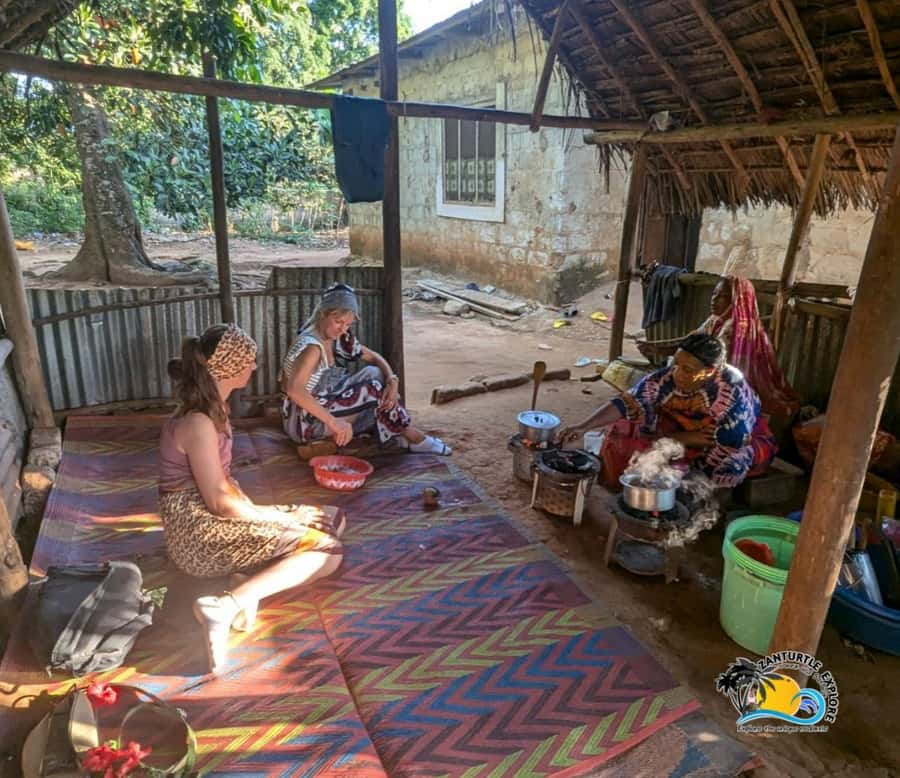
I also love the cooking part. You work with a local chef on an outdoor setup, then sit down for the meal you helped make, including three courses and dessert.
One caution, plan for small extra costs. Bring cash for tips, because requests for tips can pop up throughout the experience.
In This Review
- Key takeaways before you go
- From pickup to Jambo Spice Farm Dole: where the day starts
- Walking the plantation and villages: smelling spices where they grow
- The spice lesson you actually remember: uses, not just names
- Cooking class with a local chef: making Swahili food on real tools
- Lunch, fruit tasting, and the shopping pause for spices
- Price and value: is $63 worth it
- Logistics that matter: timing, shoes, and cash
- Who this suits best, and who might prefer something else
- Should you book this Zanzibar spice farm and cooking class?
- FAQ
- How long is the Zanzibar spice farm and cooking class tour?
- Does the price include hotel pickup and drop-off?
- What does the tour include besides the cooking class?
- Is lunch included?
- What kind of cooking will you do?
- What languages are the live guides available in?
- What should I bring?
- Is the tour wheelchair accessible?
Key takeaways before you go
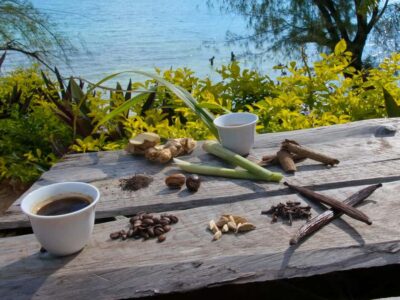
- Sense-first spice learning, you smell and touch plants like cloves, cinnamon, ginger, and lemongrass
- Village-to-plant context, you walk through village areas and spice plantations, not just a staged garden
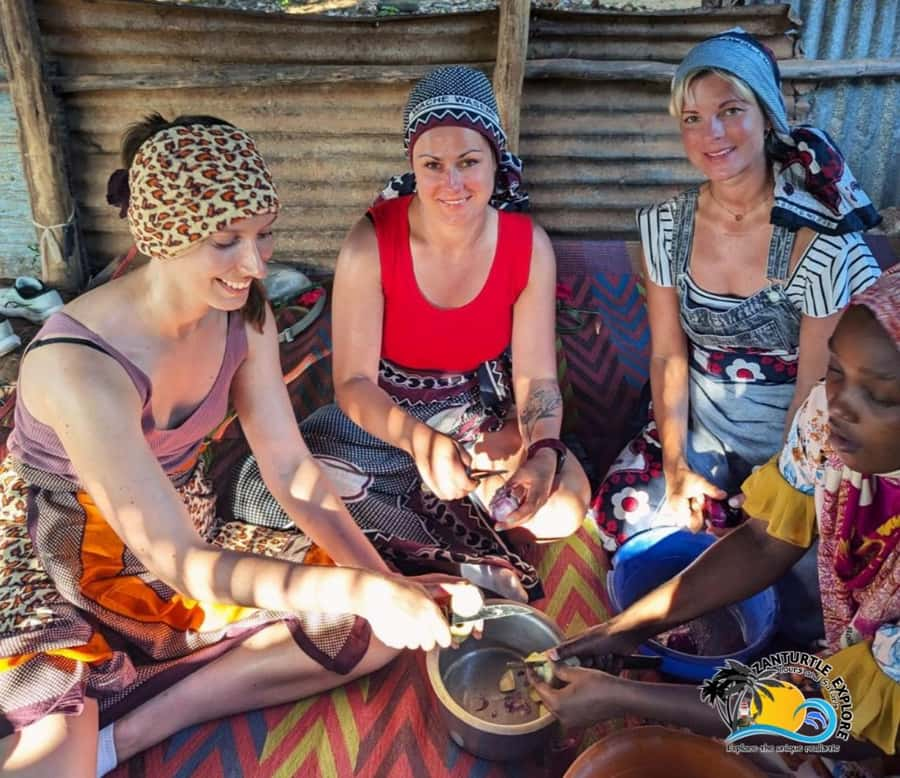
- Hands-on cooking with a local chef, your role is active, not just watching
- A real lunch you helped create, soft drinks plus the dishes from the class
- Fruit tasting and palm-leaf add-ons, tropical fruit samples and palm-leaf accessories may be part of the fun
From pickup to Jambo Spice Farm Dole: where the day starts
This is a 5-hour, hotel pickup and drop-off tour that feels like a half-day adventure with a clear rhythm. You get picked up from one of four areas, including Stone Town, then you ride in a van for about an hour toward the spice farm.
Once you arrive at Jambo Spice Farm Dole, the pace shifts from city travel to slow, sensory exploration. Expect a break at the start, then time for a guided visit and walking tour. Since this is a private group, you should be able to ask questions without competing with a big crowd.
English guides are available, but there are many options listed, including Italian, French, German, Portuguese, Spanish, Polish, Arabic, Swahili, Czech, Russian, and Romanian. If language is important to you, it is worth checking ahead so you get the guide you prefer.
More spice farm visits in Zanzibar City:
- Zanzibar: Stone Town, Spice Tour, Prison Island with Lunch
★ 4.4 · 1,219 reviews - Zanzibar: Prison Island, Stone Town, & Spice Farm Tour
★ 4.5 · 579 reviews - Zanzibar: Stone Town, Spice tour & Prison Island with Lunch
★ 4.6 · 453 reviews
Walking the plantation and villages: smelling spices where they grow
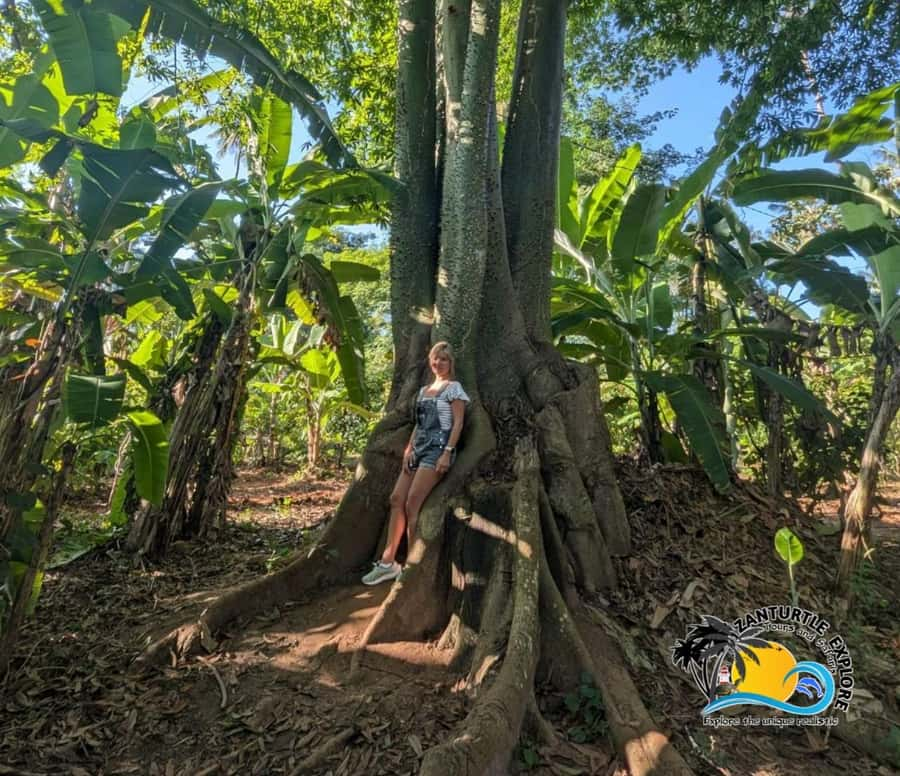
This tour’s core is a guided walking route through villages and spice plantations. You do a proper walk, with time to notice plants as living things, not packaged products. The idea is simple, you learn by using your senses.
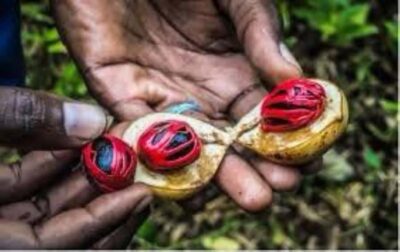
On the farm walk, you will get close to spice trees and plants, including the kinds that show up again and again in Zanzibar cooking. You should be able to taste, smell, and touch spices and fruit, and you will also hear how people use them in everyday life.
You will likely see how laborers handle the plants. The experience description includes watching people climb spice trees and coconut trees, then searching out specific plants and cutting different barks. That part matters because it explains why Zanzibar spices have such a strong reputation. It is not magic, it is labor, timing, and know-how.
If you get a guide like Mateo, you may experience the walk as a playful guessing game, where you look at leaves and trees and try to identify what you are smelling. That kind of approach makes the learning stick, especially when you are standing right next to the source.
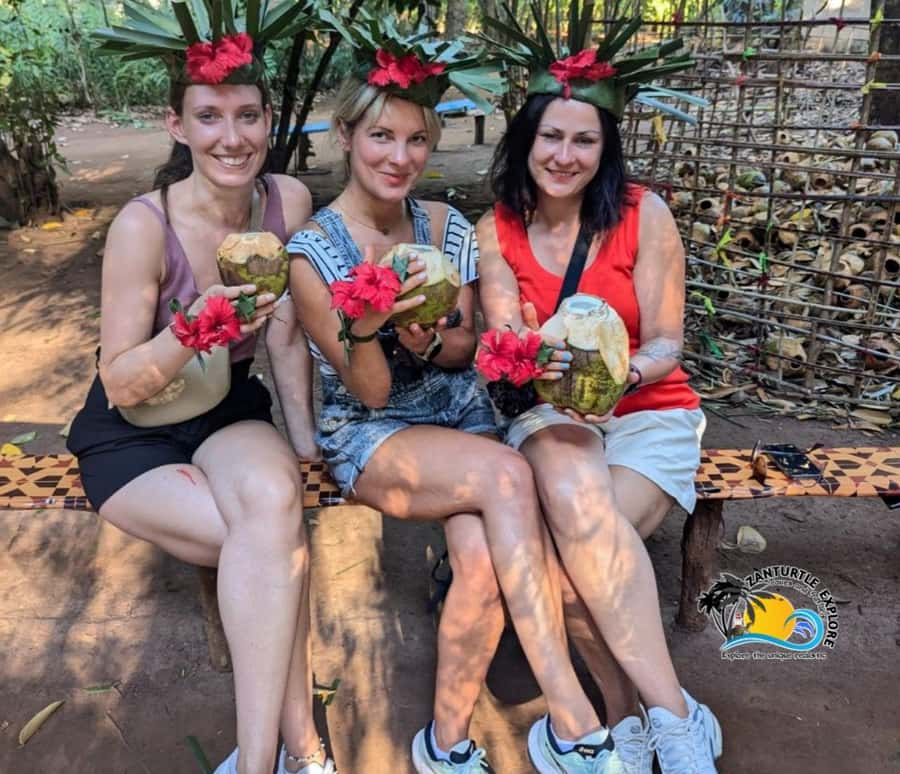
You also get tropical fruit tasting during the farm time. The description calls out fruit like pineapple, bananas, oranges, and water melon. One review also mentioned red bananas and small mangoes, so if you are hoping for variety, you have a decent chance of tasting multiple types.
And yes, you may get palm-leaf accessories too, like ties, rings, armbands, and glasses. Think of it as a small, lighthearted way to feel connected to the setting, especially if you tend to rush through tours.
The spice lesson you actually remember: uses, not just names
A common problem with spice tours is that they list spices and move on. Here, the focus is on origins and traditional uses, which is what you need if you want to cook Zanzibar-style food at home later.
The tour highlights include learning the origins of spices and their importance in Zanzibar cuisine, plus traditional spice uses. That means you should not just hear that something is aromatic, you should get explanations for how it shows up in real dishes.
You will also have the chance to taste or sample things directly from plants. Touching leaves, smelling bark, and tasting fruit all at once helps your brain connect name to sensation. I find that this kind of multi-sense learning makes it easier to spot these flavors later when you are eating in Stone Town or at a beach restaurant.
One more practical angle: you get to see what spice harvesting involves. That matters because many spices are not the same as how they look in jars. Seeing barks and plant parts while someone explains the use gives you a more accurate mental picture.
Cooking class with a local chef: making Swahili food on real tools
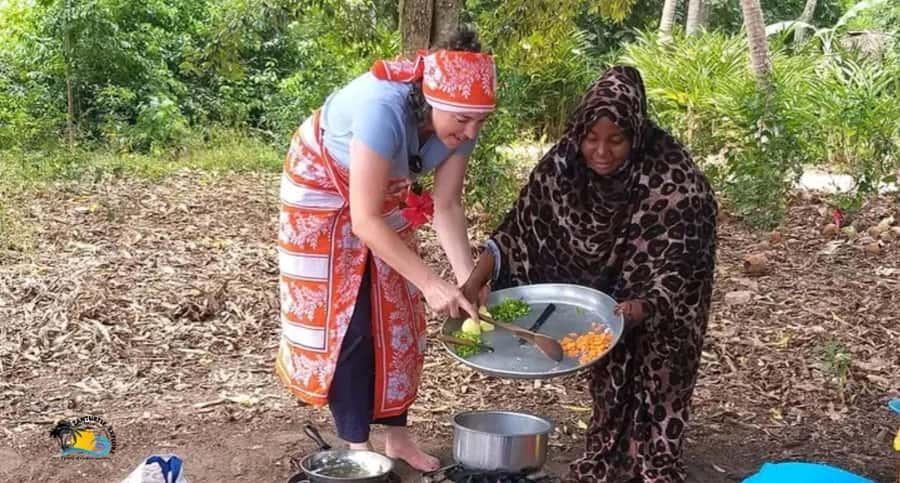
After the walking tour, you return to the class space to cook. The cooking segment is described as a hands-on class, and the format is practical, not theatrical.
You work with a local chef to prepare a 3-course meal and dessert. The cooking tools and techniques are described as traditional, passed down through generations, and you are meant to see them as part of the process, not just as decorations.
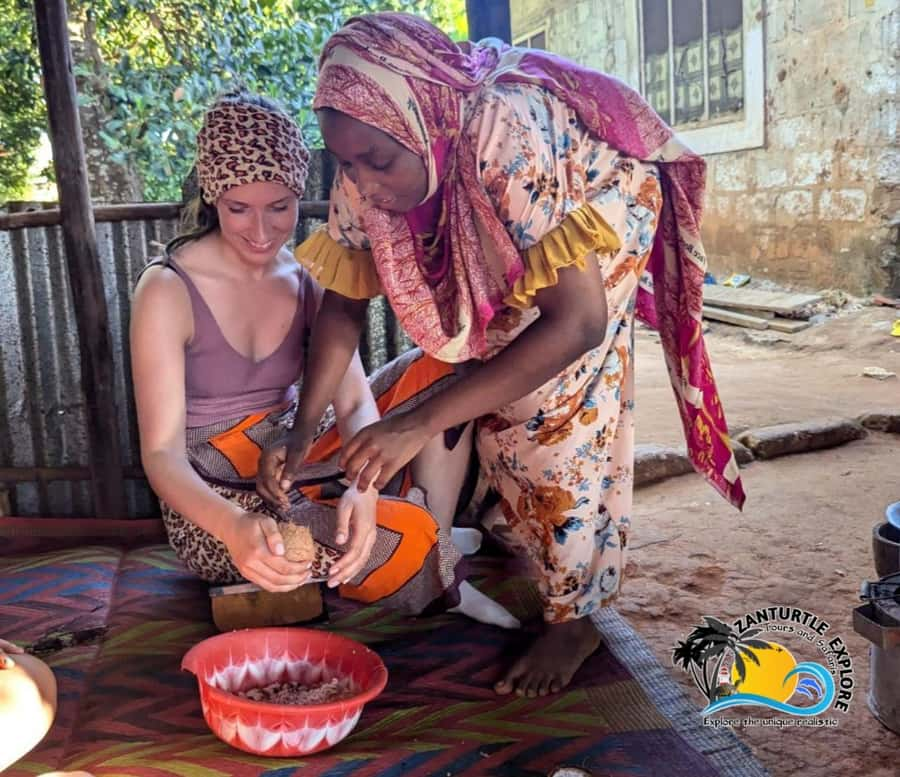
In at least one experience, the cooking felt more like cooking alongside locals than a formal lesson where the chef does everything. That can be good news if you like participation. You will likely do tasks like chopping and stirring, while the chef leads flavor decisions and final cooking steps.
A dish you should expect to learn about is Tanzanian pilau rice. One account also mentioned a curry and side dishes as part of the meal. Since the tour includes lunch of the dishes you prepare, you are not just practicing, you get to eat the result.
Cooking outdoors is part of the feel. One review highlighted cooking on open fire and in the open air, which fits Zanzibar well. If you are sensitive to heat or smoke, consider wearing breathable clothes and keeping sunscreen handy.
A few more Zanzibar City trips to compare
- A private half day spice farm with a cooking lesson
★ 5.0 · 13 reviews - Zanzibar: Spice Farm Tour with Traditional Cooking Class
★ 4.8 · 6 reviews - Zanzibar Cooking Class [Swahili food test ] and Spice farm Private tour
★ 4.5 · 6 reviews - Spice tour and cooking class (local food)
★ 5.0 · 5 reviews
Lunch, fruit tasting, and the shopping pause for spices
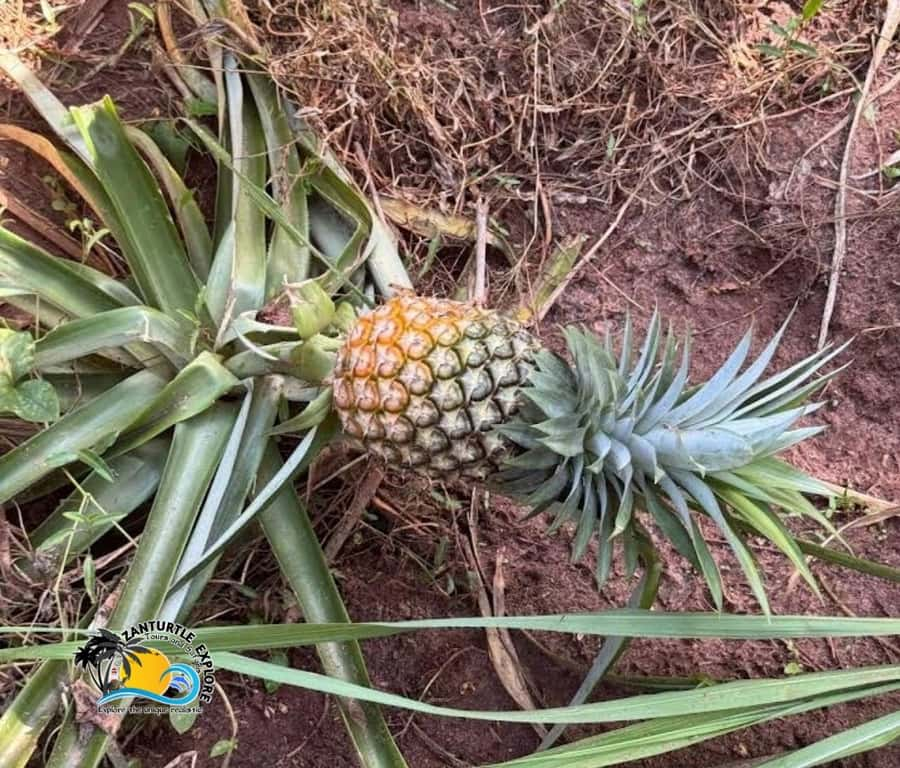
Lunch is included, and it is the dishes you prepared during the class. Soft drinks and fruits are also included, and you will have local snack time as well.
This is also when the day usually includes a short shopping component. The experience notes free time and shopping, and one review mentioned buying spices and finding them at a better rate than what you might see at Stone Town market. That does not mean every purchase is cheaper, but it suggests the farm shop can be a useful stop if you actually want to take some spices home.
Keep in mind that buying spices is one of the easiest ways to feel like you got value from the day. You already learned what you smelled and tasted, so you have context when you choose what to buy.
Also, if you want souvenirs beyond food, the palm-leaf accessories are often a fun and cheap bonus. Just remember, you should still bring a hat, because you are outdoors for real.
Price and value: is $63 worth it
At $63 per person, the question is whether you get enough included to justify the total. Based on what you are getting here, the value is actually pretty solid for a half-day.
You pay for:
- hotel pickup and drop-off
- a guided walking tour through spice plantations
- a cooking class with a local chef
- ingredients and cooking equipment
- lunch plus soft drinks and fruits
- tastings that involve spices, smells, and fruit
When you add it up, the price is not only for the cooking class. You are also paying for the farm experience and guided context, plus the meal you eat at the end.
The main cost risk is not the tour price, it is extra spending during the day. You may want to budget cash for tips, since multiple people can ask for tips at different moments. If you are the type who hates surprise costs, go in prepared.
Spice shopping can also add to your budget. If you know you want to buy a few items, bring extra cash and have a simple plan, like one small set of spices you know you will use.
Logistics that matter: timing, shoes, and cash
This tour is about 5 hours total, and the van time is part of it, roughly an hour each way. That means you do not want to book anything tight right after. I would treat it as a solid half-day block.
For what to wear, do not overthink it. You need comfortable shoes with grip. You are walking in plantation paths and village areas, not on a smooth sidewalk. Bring a hat and sunscreen, because you will spend time outdoors.
You are also advised to bring cash. That is not only for farm purchases, it is also useful for tips if they come up. If you do not like carrying cash, at least bring enough for small, on-the-spot requests.
A camera is encouraged, and it makes sense. The whole point of this experience is sensory, but photos help you remember plants and setup when you are back home.
Who this suits best, and who might prefer something else
This is a great fit if you want a day that is active. If you like touching, smelling, and asking questions while you walk, you will enjoy it.
It also suits food-focused travelers who want a practical skill. Learning Zanzibar-flavored staples like pilau rice and curry basics gives you something you can repeat.
If you want a very low-participation experience, keep your expectations realistic. The cooking is described as hands-on, and at least one account emphasized that it felt like cooking with locals rather than a purely instructional class.
Finally, if you dislike any tipping culture or you strongly prefer a perfectly timed pickup, this might feel a bit stressful. There have been reports of pickup mix-ups and missed pickups, so if you are sensitive to logistics, I suggest you keep your phone charged, be at the pickup spot early, and stay ready to communicate.
Should you book this Zanzibar spice farm and cooking class?
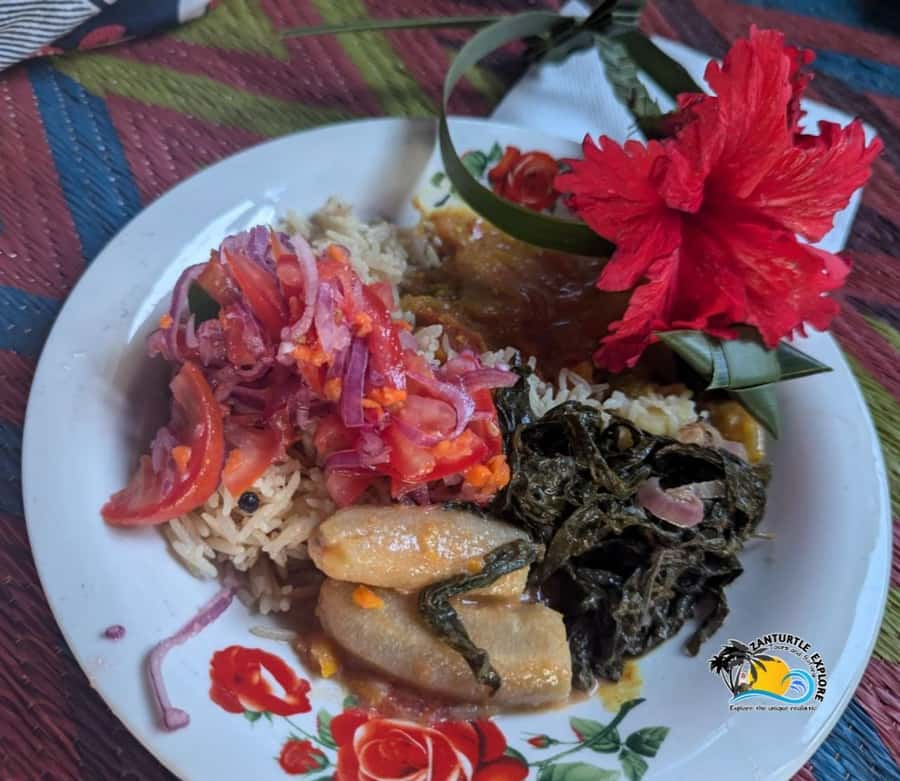
Yes, if you want a half-day that mixes hands-on spice learning with a meal you helped cook. The best part is the sensory education, you are standing next to the plants, smelling the real thing, and learning how Zanzibar spices connect to Swahili food.
I would especially book it if you love food and want more than a photo stop. The walking route through village and plantation areas, plus tasting fruit and spices, gives you a fuller sense of place than a quick tour.
The only reason to hesitate is comfort with extra cash and tipping requests, plus the possibility of pickup delays. If you show up prepared, wear good shoes, and keep some cash ready, this can be a memorable Zanzibar day that actually sticks with you.
FAQ
How long is the Zanzibar spice farm and cooking class tour?
The duration is listed as 5 hours.
Does the price include hotel pickup and drop-off?
Yes. Hotel pickup and drop-off are included.
What does the tour include besides the cooking class?
It includes a guided walking tour through spice plantations, spice and fruit tastings, and a guided visit that includes village and plantation walking time.
Is lunch included?
Yes. Lunch is included, and it is the dishes prepared during the cooking class. Soft drinks and fruits are also included.
What kind of cooking will you do?
You will cook a traditional Swahili meal and prepare a 3-course meal and dessert with a local chef.
What languages are the live guides available in?
Live tour guides are listed in English, Italian, French, German, Portuguese, Spanish, Polish, Arabic, Swahili, Czech, Russian, and Romanian.
What should I bring?
Comfortable shoes, a hat, a camera, sunscreen, and cash.
Is the tour wheelchair accessible?
Yes, the tour is listed as wheelchair accessible.
More Farms in Zanzibar City
- Full-Day Private Stone Town +Spice Farm and Prison Island Tour
★ 4.5 · 216 reviews - Zanzibar full day Jozani forest + Spice farm and stone town
★ 4.7 · 90 reviews - STONE TOWN, PRISON ISLAND AND SPICE FARM ( Lunch included )
★ 5.0 · 53 reviews - Zanzibar Private Spice Farm and Stonetown Tour(Include Lunch)
★ 5.0 · 53 reviews
Just posted around Zanzibar City
- Zanzibar Walking Tour: Unveiling the Secrets of Stonetown★ 4.8 · 11 reviews
- Zanzibar: Tour to Prison Island and Nakupenda sandbank with lunch★ 4.3 · 3 reviews
- Zanzibar: Stone Town Walking Tour With Hotel Pickup★ 4.6 · 4 reviews
- Zanzibar: Stone Town Walking Tour with Freddie Mercury …★ 4.3 · 4 reviews
- Zanzibar: Stone Town Tour with Slave Market Ticket★ 3.5 · 5 reviews
- Zanzibar : Stone Town Tour,history without transport★ 4.8 · 3 reviews
- Stone Town Tour, Prison Island and Spice Tour with Lunch★ 4.8 · 6 reviews
- Zanzibar stone town tour★ 4.2 · 4 reviews
Spice Farm Tours, compared.

Stone Town, Spice Tour, Prison Island with Lunch
Read our review →
Stone Town, Spice tour & Prison Island with Lunch
Read our review →
Full-Day Private Stone Town +Spice Farm and Prison Island Tour
Read our review →

The Swahili Spice Experience – Spice Tour + Culinary Journey
Read our review →Browse the lists this tour appears in