
Reviewed · STONE TOWN TOURS
Zanzibar: Stone Town Tour with Slave Market Ticket
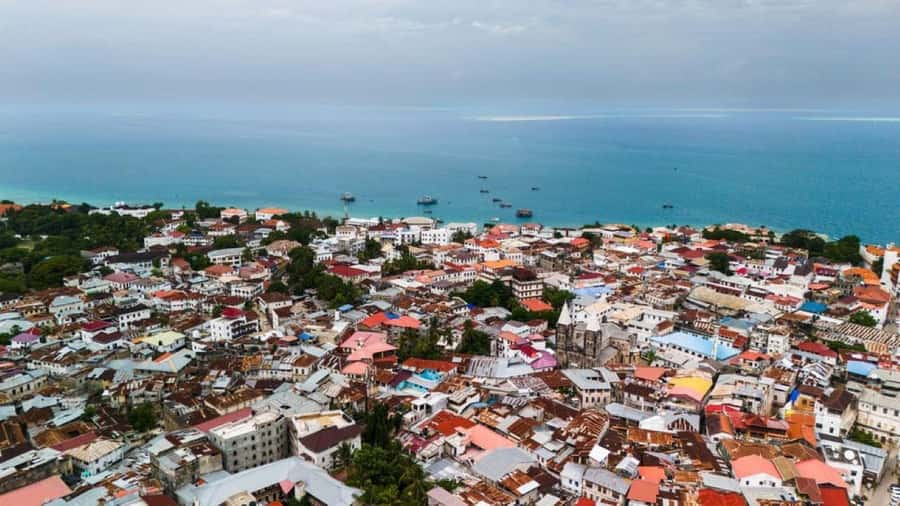
Stone Town hits hard, then steals your attention. This 3-hour walk ties together Stone Town architecture and the East African slave trade story, with stops from the former slave market to Forodhani Gardens. I love how the route stacks major landmarks close together, and you get a live guide plus bottled water for $29.
The tradeoffs are simple: you spend plenty of time on narrow streets and in markets, so comfy shoes matter. Also, the Freddie Mercury Museum costs extra, and it is smart to double-check your slave-market entry before you go in, since a few guests reported paying twice when timing or tickets got messy.
In This Review
- Quick hits before you go
- Why this Stone Town tour fits the 3-hour sweet spot
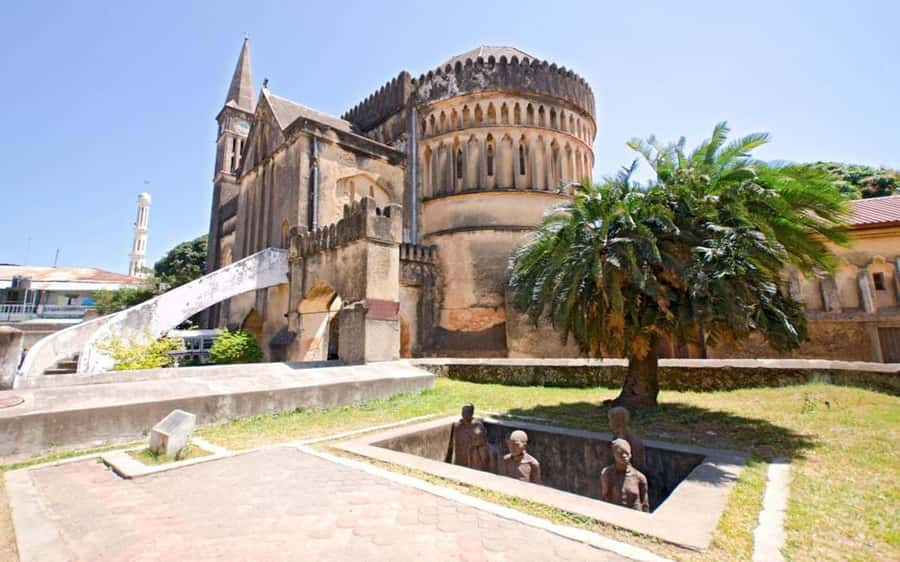
- Old Slave Market to Anglican Church, the most important first stop
- Darajani Market and the City Market, where daily life meets the trade
- Zanzibar Coffee House stop, a calm pause in a tight maze
- Sultan’s Palace and Stone Town’s blended architecture
- Old Portuguese Fort, Anglican Cathedral, and Tip Tip House stops
- Forodhani Gardens: food, people-watching, and Zanzibar pizza
- House of Wonders (Beit el-Ajaib), the tallest building with a story
- Freddie Mercury Museum is optional, photos near his childhood home are part of the walk
- Notre Dame of Zanzibar and the final walk through narrow lanes
- Price and value: what $29 includes, and what you will likely pay extra
- Who this tour suits best, and who may want a different plan
- Booking smart tips so your day runs smoothly
- Should you book this Stone Town Stone Town Tour?
- FAQ
- How long is the Stone Town tour?
- What is included in the price?
- Is the Freddie Mercury Museum included?
- What stops will the tour include?
- Do I get hotel pickup?
- Is hotel transfer available if I am not staying in Stone Town?
- What languages are the guides available in?
- Is there free cancellation, and can I pay later?
Quick hits before you go
- Start at the old slave market, now an Anglican church, with the admission ticket included
- Swahili culture made visible, through architecture and stories tied to Arabian, Indian, European, and Portuguese influence
- Darajani Market time, where you can look, snack, and shop among fruits, spices, meats, and fish
- Forodhani Gardens food stop, with options like seafood, sugarcane juice, barbecues, and Zanzibar pizza
- Photo-worthy icons, including the House of Wonders (Beit el-Ajaib) and stops tied to Freddie Mercury
- Multiple language options and pickup in Stone Town, plus bottled water during the walk
Why this Stone Town tour fits the 3-hour sweet spot
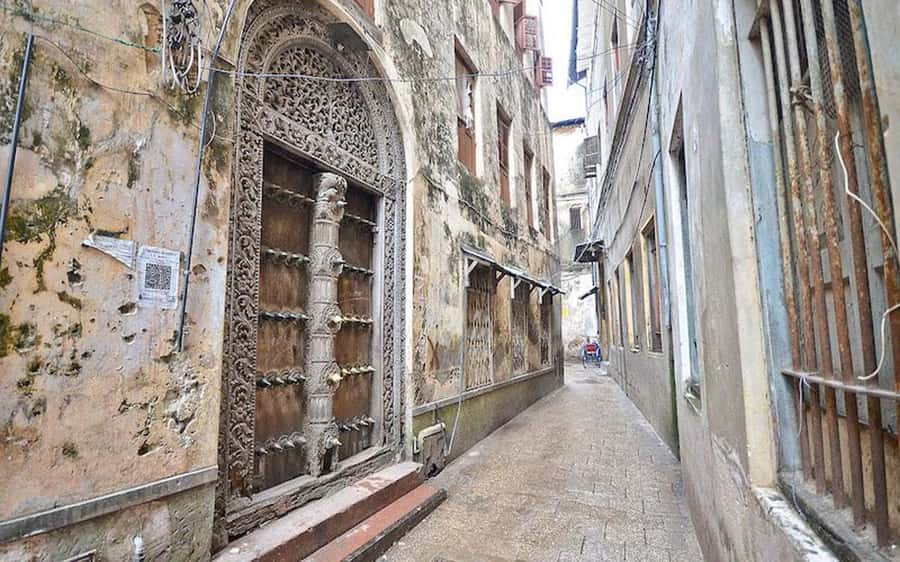
Stone Town is a place where you can walk in circles fast, especially if you are trying to follow every sign, door, and balcony at once. This tour keeps you moving with a plan, which is exactly what you want in a compact, UNESCO World Heritage site.
At the same time, it is not a lecture-from-a-bus day. You are doing a walking route that mixes heavy themes with street-level details: Swahili culture, the sultanate, churches, forts, and markets. If you like getting your bearings quickly, this kind of route is a good first pass before you go back on your own.
Just remember the practical side. It is a 3-hour walking tour, so plan for sun and crowds in the busiest lanes, plus the slow moments when you pause for photos or questions.
More Stone Town walks:
- Zanzibar: Stone Town, Spice Tour, Prison Island with Lunch
★ 4.4 · 1,219 reviews - Zanzibar: Prison Island, Stone Town, & Spice Farm Tour
★ 4.5 · 579 reviews - Zanzibar: Stone Town, Spice tour & Prison Island with Lunch
★ 4.6 · 453 reviews
Old Slave Market to Anglican Church, the most important first stop
You begin at the Former East Africa Slave Market, which today is an Anglican church. That opening matters because the rest of Stone Town makes more sense once you understand what shaped the trade routes coming through this part of the Indian Ocean world.
This is also where the tour gives you something tangible: the entry ticket to the former slave market is included. Your guide is there to explain the East African slave trade history, including the role of Dr. David Livingstone and other missionaries. Even if you have read a bit before, having the story threaded into the place you are standing in is usually the difference between facts on paper and facts that stick.
One thing to watch: a few people reported needing to pay again for the slave market entry when things felt unclear on the day. My advice is simple. When your guide hands over the ticket or confirms entry, take a second to make sure you understand what is covered and what is not, before you line up.
Darajani Market and the City Market, where daily life meets the trade
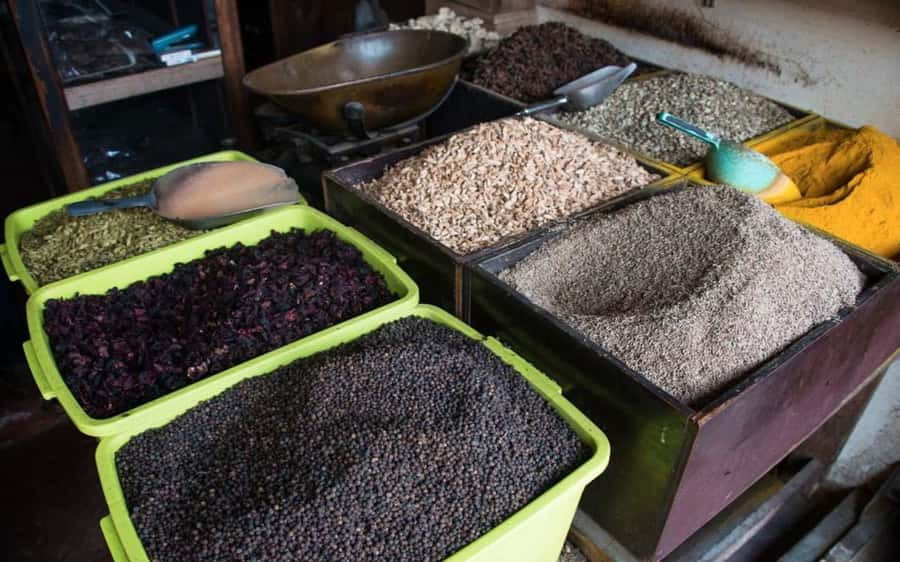
After the serious start, you shift to street level at Darajani Market. This is where you see the real rhythm of Zanzibar: stalls with fresh fruits, vegetables, meats, fish, and the spices that give the islands their unmistakable smell.
You will have time to browse and shop, and you can sample local delicacies if you want. Even if you do not eat much, watching how people move through the market teaches you more than a photo can. It is also an easy place to pick up small snacks for later, especially if your day is long.
The tour also connects you to the City Market, established in 1904. That date gives you a sense of how long this commercial center has been part of Stone Town’s daily engine. For me, that makes Stone Town feel less like a museum town and more like a working neighborhood.
Practical note: markets and food lines mean you might end up walking slower than expected. If you have a tight schedule later, plan buffer time.
Zanzibar Coffee House stop, a calm pause in a tight maze
Stone Town streets can feel like a living puzzle. After Darajani, you stroll through the narrow lanes and arrive at the Zanzibar Coffee House for a break.
This stop is not just about caffeine. It is a breather where you can sit for a minute, slow down, and reset your senses. The coffee is described as aromatic, and even a short drink can make the rest of the tour easier on your feet.
This is also one of those moments where you can ask questions without feeling rushed. If you want your guide to clarify what you saw earlier, this is the time to do it.
A few more Zanzibar City trips to compare
- Stone Town Guided Tour: Culture, Slave Market & Spice Market
★ 4.8 · 44 reviews - Spice , Prison Island ,Stone Town and Slave Market Site Tour
★ 5.0 · 24 reviews - Zanzibar:Stone town Street food market walking tour,transfer
★ 4.5 · 9 reviews - Zanzibar: Stone Town Heritage & Slave Market Tour
★ 4.4 · 7 reviews
Sultan’s Palace and Stone Town’s blended architecture
Next you move into the sultanate era with a stop at the Sultan’s Palace. Here the tour shifts from markets to power, rules, and the symbols that rulers used to show control, wealth, and identity.
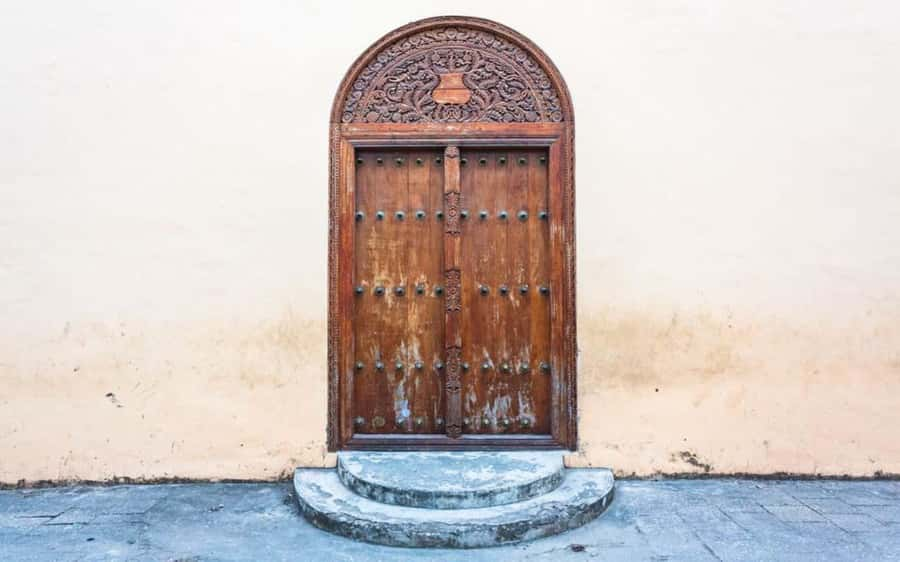
Stone Town is famous for its architecture, especially the carved Zanzibar doors, balconies, and building lines that show influence from different trading worlds. The tour frames these details as a fusion: Swahili culture shaped by contact with Arabian, Indian, European, and Portuguese influences.
If you pay attention, you start noticing patterns. Certain doors and carvings feel ceremonial. Balconies feel designed for showing who had status. Even if you only catch fragments while walking, the guide helps connect the visual cues to the story.
That matters because Stone Town can be visually loud. Your brain starts to organize it when you have a storyline to hang the doors and facades on.
Old Portuguese Fort, Anglican Cathedral, and Tip Tip House stops
As the tour continues, you hit several landmark stops that help you map out the layered history of Stone Town. You will see the Old Portuguese Fort and the Anglican Cathedral, and the route includes Tip Tip House.
These are the kinds of places that can feel like random stops unless someone explains how each one fits the big picture. The fort themes speak to defense and control. The churches speak to missionary presence and European religious architecture. Tip Tip House adds another slice of local story, giving the route more texture than just one period.
The best part of these stops is that they are spread through the tight street grid, so you keep moving rather than bouncing between far-away locations. It is efficient, but it still gives you the chance to look closely at what is in front of you.
If you hate walking in crowds, you might want to plan your day so you are not doing other long activities right before this tour.
Forodhani Gardens: food, people-watching, and Zanzibar pizza
One of the most memorable moments of this walk happens at Forodhani Gardens, a popular evening spot in Stone Town. The tour describes it as a place where you can find local treats such as seafood, sugarcane juice, barbecues, and the famous Zanzibar pizza.
Even when you do not order a full meal, it is worth arriving with the mindset that this is a chance to eat casually and watch how the place works. Street food locations are often the easiest way to experience a destination without needing a reservation.
You can also take in the energy of the gardens in a way that feels more like local life than sightseeing. This stop works especially well if you are curious about what people actually eat after the sun starts to lower.
Budget tip: the tour lists the foods available, but it does not say meals are included. If you want to sample several items, bring extra cash or a payment method you trust.
House of Wonders (Beit el-Ajaib), the tallest building with a story
The House of Wonders, also called Beit el-Ajaib, is next. It is described as the tallest building in East Africa, and it comes with ceremonial history plus stories that people still talk about.
This stop is a good example of why guided tours help in Stone Town. A tall building is easy to spot, but the meaning of why it is there and what it represented is harder to guess from the street alone.
The tour gives you the context so you can look at the building with a clearer lens. Even if you do not memorize every detail, you usually walk away remembering a couple key images: the scale, the location, and the sense that Stone Town’s past is built into the skyline.
Freddie Mercury Museum is optional, photos near his childhood home are part of the walk
If Queen is part of your travel playlist, this section is a must. The Freddie Mercury Museum is not included, and it is listed as about $8 per person, so you will decide on the spot if you want to pay extra.
What you do get during the tour is a visit to the area tied to Freddie Mercury’s childhood, with time to learn his connection and take photos near the childhood home.
That is a smart structure. If you are a big fan, you can add the museum entry. If you are not, you still get the story tie-in without feeling like the day revolves around one celebrity attraction.
Practical tip: if you want the museum, consider doing it right after this stop while the momentum is on your side.
Notre Dame of Zanzibar and the final walk through narrow lanes
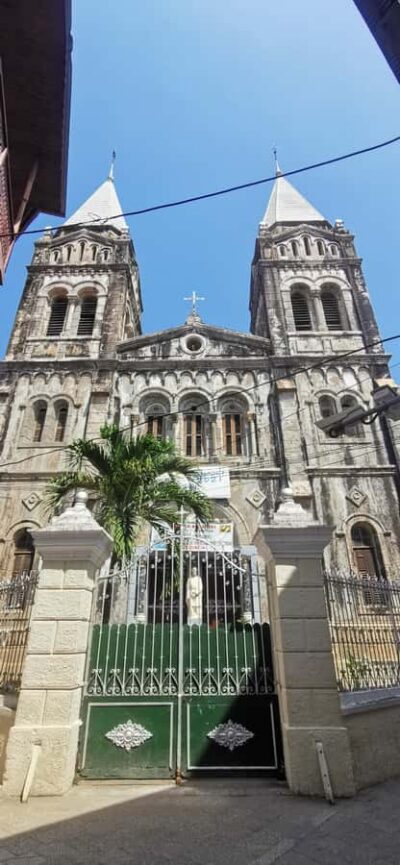
You finish with the French Catholic Cathedral, Notre Dame of Zanzibar, located in the heart of Stone Town. The cathedral is described as beautifully sculpted, and it is a great closing contrast to the earlier stops.
After that, you take a leisurely walk through the narrow streets again, with time to browse souvenir shops and boutiques before you return to your pick-up point or hotel.
This end stretch is useful because it lets you convert what you just learned into personal choices. Maybe you saw a style of door carving and want to find a small item that matches. Maybe you want to pick up something from a market you visited earlier. The tour gives you the structure first, then gives you room to wander.
Price and value: what $29 includes, and what you will likely pay extra
At $29 per person for a 3-hour guided walk, this can be good value, especially because the Former East Africa Slave Market entry ticket is included, along with guided services and bottled water.
You also get pickup from Stone Town hotels, which matters because Stone Town is walkable, but not always easy to meet up in without local help.
What costs extra is clearly stated. Personal expenses are on you, and the Freddie Mercury Museum entry (about $8 per person) is not included. If you plan on eating at Forodhani Gardens, you may pay for what you choose to buy there too, since the tour describes what is available rather than meals being included.
One more value factor: live guides are offered in English, French, German, and Italian. Language can make or break a tour, and there is some evidence that guide clarity can vary. If you are not confident with English or another offered language, pick the language you can follow comfortably.
Who this tour suits best, and who may want a different plan
This is best for first-timers to Stone Town who want a guided route that covers major landmarks without eating up your whole day. It also fits well if you like architecture, door carvings, and the way different cultural influences show up in real street scenes.
I would also steer you toward this tour if you want a guided explanation of the slave trade history and how it connects to the wider trade routes. Starting at the former slave market makes that part of Stone Town hard to skip, and hard to misunderstand.
It might be less ideal if you strongly prefer a slow, sit-and-stare pace. Narrow streets, market stops, and photo moments can add up to a lot of standing and walking. If you also need guaranteed, very precise timing, build in slack, because the experience length can vary when guides are replaced or when the group moves faster or slower than expected.
Booking smart tips so your day runs smoothly
Here is how to set yourself up for an easier experience. First, wear shoes you can walk in for hours. Stone Town lanes are uneven and tight, and you will feel every step by the end.
Second, bring some flexibility with spending. Even though the slave market ticket and bottled water are included, you will likely want to purchase something at Darajani Market or eat at Forodhani Gardens, plus you may decide on the Freddie Mercury Museum entry.
Third, confirm your entry details at the slave market stop. Since a couple people reported having to pay again, you want to be sure the ticket you are carrying is the one accepted for entry.
Lastly, if your language matters, choose the guide language option you can follow with confidence. One guest reported difficulty understanding English. You do not want to spend a good chunk of the walk straining.
Should you book this Stone Town Stone Town Tour?
Yes, if you want a focused, guided way to see Stone Town’s big sights in 3 hours, with the slave market admission included and multiple stops tied to architecture, sultanate stories, markets, and churches. This is also a solid pick if you like mixing history with everyday life, because the route connects landmarks to the markets people actually use.
Skip it or pick a different option if you cannot handle walking narrow streets, or if you need a tour that is consistently the full length with no timing hiccups. Also, if you hate paying for optional add-ons, remember the Freddie Mercury Museum is extra.
If you do book, go in with two expectations: it is a short walk through a dense place, and the first stop is heavy. Then the rest of Stone Town feels clearer, and you will enjoy the doors, forts, and food more because you understand the story behind them.
FAQ
How long is the Stone Town tour?
The tour lasts 3 hours.
What is included in the price?
The price includes the entry ticket to the former East Africa Slave Market, guided tour services, and bottled water.
Is the Freddie Mercury Museum included?
No. Entry to the Freddie Mercury Museum is not included, and it is listed as about $8 per person.
What stops will the tour include?
You will see key Stone Town landmarks including the former Slave Market, Darajani Market, Zanzibar Coffee House, the Sultan’s Palace, Forodhani Gardens, House of Wonders (Beit el-Ajaib), the Old Fort, Tip Tip House, the Old Portuguese Fort, the Anglican Cathedral, the City Market (established in 1904), and the French Catholic Cathedral (Notre Dame of Zanzibar), plus photos near Freddie Mercury’s childhood home.
Do I get hotel pickup?
Yes, pickup is included from Stone Town hotels.
Is hotel transfer available if I am not staying in Stone Town?
Hotel transfer is available upon request, but it is not included by default.
What languages are the guides available in?
The live guide is available in English, French, German, and Italian.
Is there free cancellation, and can I pay later?
Yes. You can cancel up to 24 hours in advance for a full refund, and you can reserve now and pay later.
More Shopping Tours in Zanzibar City
- Arusha: Traditional Tanzania Cooking Class & Food Market Tour
★ 5.0 · 34 reviews - Stone Town Private Tour with Slave Market Tickets
★ 5.0 · 13 reviews - Tanzanite experience tour – Tanzanite shopping in Arusha
★ 5.0 · 12 reviews - Arusha: Traditional Tanzania Cooking class& Food Market Tour
★ 4.9 · 12 reviews
Just posted around Zanzibar City
- Zanzibar Walking Tour: Unveiling the Secrets of Stonetown★ 4.8 · 11 reviews
- Zanzibar: Tour to Prison Island and Nakupenda sandbank with lunch★ 4.3 · 3 reviews
- Zanzibar: Stone Town Walking Tour With Hotel Pickup★ 4.6 · 4 reviews
- Zanzibar: Stone Town Walking Tour with Freddie Mercury …★ 4.3 · 4 reviews
- Zanzibar : Stone Town Tour,history without transport★ 4.8 · 3 reviews
- Stone Town Tour, Prison Island and Spice Tour with Lunch★ 4.8 · 6 reviews
- Zanzibar stone town tour★ 4.2 · 4 reviews
- Zanzibar: Stone Town, History and Jozani Forest Guided Tour★ 4.8 · 13 reviews
Stone Town Tours, compared.
Stone Town, Spice Tour, Prison Island with Lunch
Read our review →

Prison Island, Nakupenda, StoneTown Tour with BBQ
Read our review →Stone Town, Spice tour & Prison Island with Lunch
Read our review →
3 Hours Private Stone Town walking Tour with Guide
Read our review →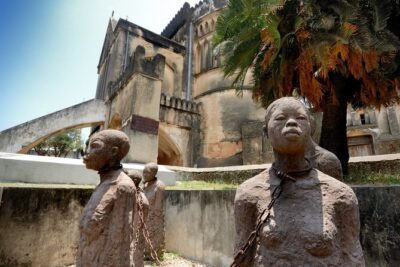
Full-Day Private Stone Town +Spice Farm and Prison Island Tour
Read our review →
Stone Town Historical Cultural Walking Guided Tour
Read our review →Browse the lists this tour appears in