
Reviewed · STONE TOWN TOURS
Stone Town Private Tour with Slave Market Tickets
Paper doors, hard history, and food smells. Stone Town is one of Zanzibar’s most layered places, where Swahili culture mixes Arab, Indian, European, and Portuguese influences in UNESCO-listed streets. You’ll pair that architecture with the 19th century trading and slave-trade story at the Old Slave Market, then balance it out with local markets and cathedral stops.
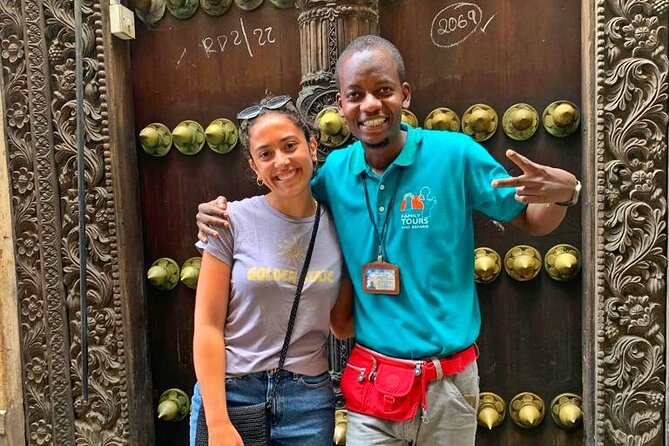
I especially like two things. First, the guide, Maulid Omar, brings the sites to life with clear storytelling and real local context, including time in the winding back streets and markets. Second, the tour does smart value math for a short half-day by including bottled water, guiding, and the entrance ticket for the former slave market. The one thing to watch is the Freddie Mercury Museum stop, since admission there is not included, so you should plan for extra cost if you want to go in.
In This Review
- Key things to know before you go
- Stone Town in half a day, with history and food in the same route
- The included Old Slave Market stop, and why it sets the tone
- Freddie Mercury Museum: great stop, but plan the ticket
- Ngome Kongwe Old Fort: Portuguese chapel, Arab fort, and an open-air view
- Darajani Market: where Stone Town smells like Zanzibar
- Zanzibar Coffee House stop: a breather between big sites
- Sultan Palace Museum stop: People’s Palace Museum and royal interiors
- Forodhani Gardens: morning visit with evening food in mind
- St Joseph’s Roman Catholic Cathedral and the French connection
- Old Dispensary: a quieter historical marker with a specific name
- Tippu Tip’s House: a quick look at a powerful slave trader’s legacy
- Price and value: why $30 can make sense, and when it won’t
- What to expect from the guide and group setup
- Who should book this tour
- Should you book Stone Town Private Tour with Slave Market Tickets?
- FAQ
- How long is the Stone Town private tour?
- What time does the tour start, and where is the meeting point?
- What’s included in the tour price?
- Is the Freddie Mercury Museum admission included?
- Is this a private tour?
- Can I cancel and get a refund?
Key things to know before you go
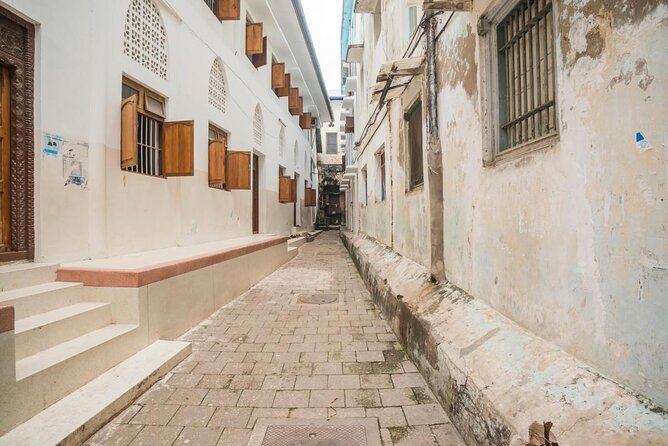
- Maulid Omar’s guiding style: focused, story-driven, and built for moving through real neighborhoods, not just postcard stops.
- Slave Market ticket is included: you get entry as part of the tour, which matters for pacing and access.
- Markets are part of the route: Darajani Market gives you a practical look at daily life, produce, spices, and seafood.
- Short visits, lots of variety: expect a fast pace across 10 stops in about 3 to 4 hours.
- Extra add-on at Freddie Mercury Museum: the stop is scheduled, but the museum ticket is your responsibility.
- Good mix of faith, trade, and royal power: cathedrals, forts, and the Sultan Palace all show different sides of Stone Town.
Stone Town in half a day, with history and food in the same route
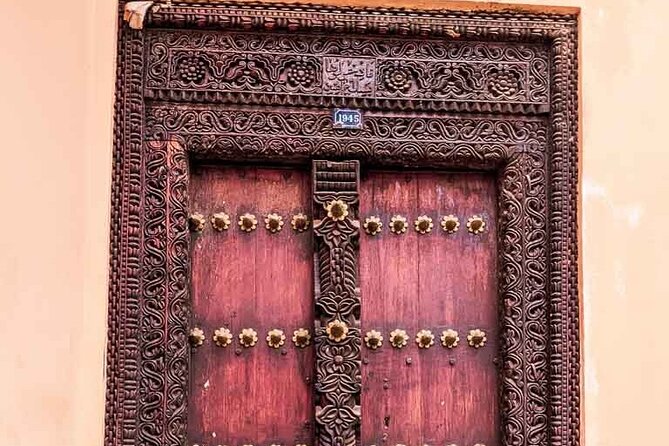
Stone Town is UNESCO World Heritage for a reason. The place is packed with architectural fingerprints, from mosques and palaces to the famous carved doors that look like they have secrets in every panel. What I like about this private tour is that it doesn’t treat history like a museum label. It uses the streets themselves as the lesson.
You also get the big, honest Zanzibar backstory. In the 19th century, Stone Town functioned as a trading hub for spices, ivory, and slaves across East Africa. This tour threads that story through the most important sites, then balances it with the sensory side of town: markets, coffee, and the food scene near Forodhani.
More Stone Town walks:
- Zanzibar: Stone Town, Spice Tour, Prison Island with Lunch
★ 4.4 · 1,219 reviews - Zanzibar: Prison Island, Stone Town, & Spice Farm Tour
★ 4.5 · 579 reviews - Zanzibar; Prison Island, Nakupenda, StoneTown Tour with BBQ
★ 4.3 · 457 reviews
The included Old Slave Market stop, and why it sets the tone
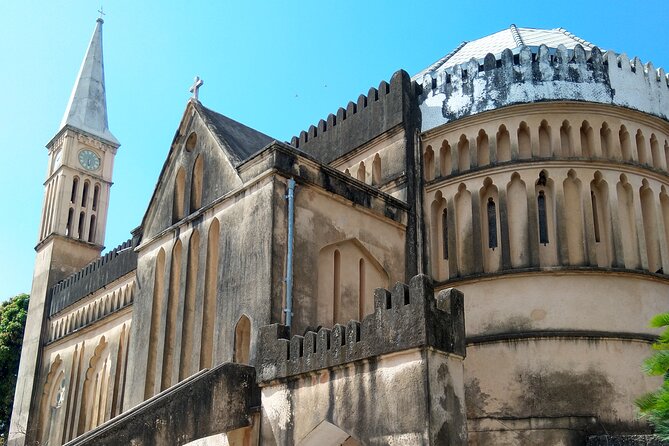
You start at the Old Slave Market area and the Anglican Cathedral nearby. This is the heaviest stop on the route, and it’s also the one that gives the tour its moral center. You’ll trace the history of the slave trade here in Zanzibar and across East Africa, and you’ll spend time at the slave monuments and key parts of the site, including the Slave Chamber and the area where people were sold.
This visit also includes the entry ticket, so you do not waste time sorting out access on the spot. The tour description points to artifacts found on site and the presence of well-known historical figures connected to the story, including Dr David Livingstone and missionaries. If you’re the kind of person who likes details, this stop tends to satisfy, because the point is not just seeing a location, it’s understanding what happened there.
Practical consideration: wear comfortable shoes and give yourself time to slow down. The tour only budgets about an hour here, so if you want longer contemplation, keep that in mind and consider adding extra time on your own afterward.
Freddie Mercury Museum: great stop, but plan the ticket
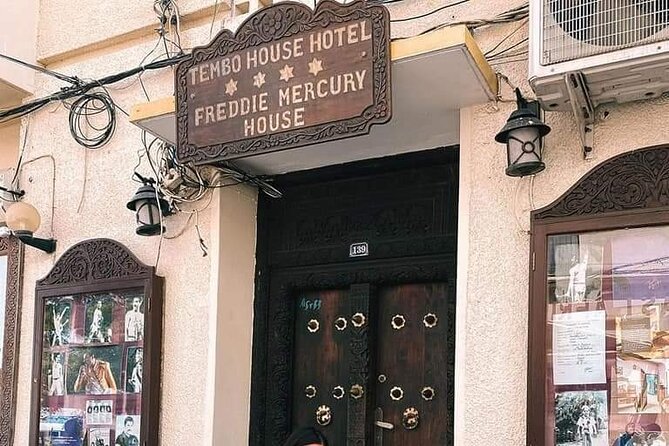
Next up is the Freddie Mercury Museum. The visit is short, about 20 minutes, and the schedule is clearly built as a quick connection to the pop culture side of Stone Town.
Here’s the catch: the admission ticket is not included. So if you want to enter the museum, you’ll need to pay separately. It’s not a dealbreaker, but it does affect your total cost and how you should think about the price.
Tip: if you’re only curious from the outside, you can use the time to reset before moving into the fort and the markets. But if you’re a fan, budget extra and treat it like a proper stop, not just a photo break.
Ngome Kongwe Old Fort: Portuguese chapel, Arab fort, and an open-air view

Then you head to the Old Fort, also known as Ngome Kongwe. The time here is about 20 minutes, so you’re not expecting a long guided lecture, more like a guided orientation.
What you’re looking for in this short window is the layered “who built what” story. The tour highlights the open amphitheatre, a Portuguese chapel element, and the Busaid Arab fort angle. If you enjoy architecture and the way power leaves physical marks, you’ll probably find this stop satisfying even within the tight time frame.
One note for pacing: if you want to photograph everything at once, do it, but keep your eyes on the guide’s cues. With this route, the best value comes from following the narrative order, not trying to see every surface independently.
A few more Zanzibar trips to compare
- Stone Town Guided Tour: Culture, Slave Market & Spice Market
★ 4.8 · 44 reviews - Spice , Prison Island ,Stone Town and Slave Market Site Tour
★ 5.0 · 24 reviews - Zanzibar:Stone town Street food market walking tour,transfer
★ 4.5 · 9 reviews - Zanzibar: Stone Town Heritage & Slave Market Tour
★ 4.4 · 7 reviews
Darajani Market: where Stone Town smells like Zanzibar
After forts and museums, you shift to day-to-day life at Darajani Bazaar. This stop is around 20 minutes and is free of entry fees, which makes it a smart use of your time.
You’ll walk the market for fruits, vegetables, fish, meats, and spices. The tour also builds in time for you to shop, test items, photograph, and look at the fresh daily catch from the Indian Ocean. That last part matters because markets here run on daily supply, not “shelf stock.” You get a more real picture of what people actually buy for meals.
The other thing I like is that markets are where Zanzibar’s mix of influences shows up in practical ways. Even if the food is the main event, the trading patterns and the spice economy are the invisible backbone.
Practical advice: expect people. Bring patience, and keep your questions simple. If you want samples, ask first and go slowly. In a market, your pace is part of the experience.
Zanzibar Coffee House stop: a breather between big sites
From Darajani, the tour moves into the narrow lanes of Stone Town, up to Zanzibar Coffee House. The schedule gives about 15 minutes here, described as a place to take a nap and enjoy a coffee of your choice.
This is not about visiting a landmark for an hour. It’s about resetting your senses after markets and history. Even if you do not order anything fancy, the value is in the pause, in the chance to sit in a busy part of town and watch the rhythm.
If you’re sensitive to heat or you want to cool down, this is a smart moment to hydrate. The tour includes bottled water, so use that early rather than waiting until you feel sluggish.
Sultan Palace Museum stop: People’s Palace Museum and royal interiors

Next is the People’s Palace Museum, which takes you up toward the Sultan Palace. The visit is about 20 minutes and is free of entry fees per the tour description.
You’ll get time to capture the history of the Sultan dynasty of Zanzibar and explore the ambience inside the majestic palace. This stop matters because it adds the “power and governance” layer that complements the trade and slave-trade context.
One consideration: palace interiors can be airy, but you may still want light layers depending on the day. Also, since you only have about 20 minutes, set expectations accordingly. You’re getting the story and a taste of the rooms, not a full museum day.
Forodhani Gardens: morning visit with evening food in mind

You then reach Forodhani Gardens, about 20 minutes. The description calls it a famous evening spot where locals sell sea foods, sugarcane juices, BBQ, and Zanzibar pizza, among other foods.
Here’s the practical catch. The tour starts at 8:30 am, so you might not see the same evening food scene at that hour. What you can count on is the location and the atmosphere of the area, plus the chance to plan your later visit if you want the full evening vibe.
If you love street food, Forodhani is the place to return to. Even if this stop is more of a preview, it helps you understand what people mean when they talk about Zanzibar night life by the gardens.
St Joseph’s Roman Catholic Cathedral and the French connection
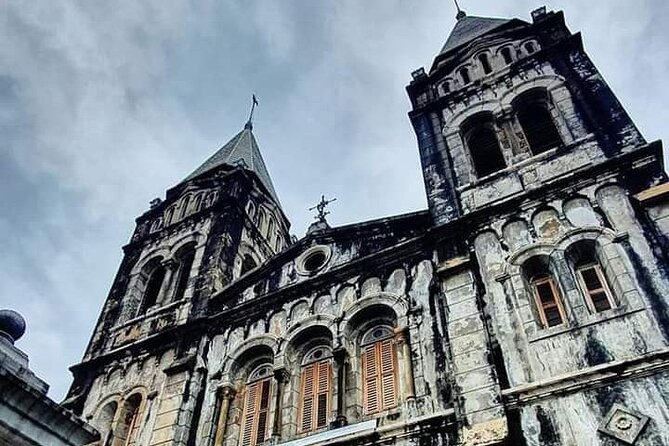
The tour continues to St. Joseph’s Roman Catholic Cathedral, also referenced as the French catholic cathedral Notre Dom of Zanzibar. You’ll spend about 20 minutes here.
This is a nice switch from palace rooms and market smells. The focus is on the well-sculptured church inside the heart of Stone Town and the stories behind it. If you enjoy how colonial-era faith sites intersect with local history, this stop gives you that angle without turning it into a long stop.
Tip for the timing: treat this as a calm, visual pause. After multiple stops, churches are where your mind can catch up to what you just learned.
Old Dispensary: a quieter historical marker with a specific name
After the cathedral, the route takes you to the Old Dispensary, about 20 minutes. This is described as the first dispensary in town, established by Sultan Business advisor Tharia Thopan.
What I like about including a specific-person origin story is that it widens the history beyond trade and buildings. Health and public services are part of how places develop. You get a clear thread to follow, because the tour gives you an actual name to remember.
Keep your expectations realistic: this stop is short. You’re there for context and a sense of scale, not a deep archaeological dig.
Tippu Tip’s House: a quick look at a powerful slave trader’s legacy
Finally, you visit Tippu Tip’s House on Shangani Street. This stop is about 20 minutes.
The tour frames it as the house of the world-powerful and famous slave trader Tip Tip. This choice makes the route feel complete, because it adds a personal historical figure into the larger trade systems you saw earlier.
Practical consideration: as with the slave-market stop, it can be emotionally heavy. The time is limited, but the story is not meant to be brushed off. If you prefer a lighter pace, this part may feel intense. On the other hand, if you want a full understanding of the systems and actors involved, it works.
Price and value: why $30 can make sense, and when it won’t
At $30 per person, this tour is positioned as a solid half-day value, mainly because the price covers several things you would otherwise pay separately. You get bottled water, guiding services, the included entrance fee, and entry tickets at the former slave market.
That included slave-market ticket is a meaningful part of the value. History like this is not just “look around.” You need entry access, and having it rolled into the tour helps the schedule flow.
The “watch this” part is the Freddie Mercury Museum admission, which is not included. So your final spend can rise if you choose to enter. Also, since the tour is only 3 to 4 hours, it’s not designed to be slow and thorough at each site. It’s a “best-of Stone Town with an order to the learning” style of tour.
One more number worth noting: this activity is often booked about 88 days in advance, and it has a strong overall rating of 4.9 out of 5. That usually signals consistent guide quality and a route that people feel meets expectations.
What to expect from the guide and group setup
This is a private tour, meaning only your group participates. That tends to make a difference in a place like Stone Town, where walking through streets and markets can be chaotic if you’re always matching someone else’s pace.
Your guide for this experience is Maulid Omar. The tour’s approach is to connect each site to a story, not just list facts. In the parts of Stone Town that feel like a maze of narrow lanes, a good guide becomes your navigation tool and your context provider.
Even with a private group, the stops are time-boxed. The itinerary design is clear: cover multiple themes in one morning, so you leave with a map in your head, not just photos on your phone.
Who should book this tour
You’ll likely enjoy this tour if you want:
- A tight, well-ordered Stone Town introduction with both architecture and trade history.
- A guide who can handle sensitive topics with clear structure.
- Market time at Darajani, not just a “see it from outside” pass.
- A short list of major sights in one walkable loop across Stone Town.
You might rethink if you hate fast pacing, or if you want a long museum-style day. This route favors motion and interpretation over slow wandering.
Should you book Stone Town Private Tour with Slave Market Tickets?
If your goal is a memorable first day in Zanzibar that makes sense of Stone Town, I’d book it. The included slave market entry, the guide’s focus, and the blend of cathedrals, forts, markets, and palace interiors make it a high-impact use of time.
Be smart about two things. First, budget extra for Freddie Mercury Museum if you want entry. Second, go in mentally prepared for the emotional weight of the slave trade history. If you do that, the rest of the route feels like balance, not distraction.
If you want, tell me your travel dates and whether you plan to visit the Freddie Mercury Museum. I can suggest how to budget your day and what to prioritize inside that short time window.
FAQ
How long is the Stone Town private tour?
The tour lasts about 3 to 4 hours.
What time does the tour start, and where is the meeting point?
It starts at 8:30 am. The meeting point is Forodhani park at the Forodhani of Zanzibar location (R5QQ+VJ6).
What’s included in the tour price?
The price includes bottled water, guiding services, entrance fees, and the entry/admission tickets at the former slave market.
Is the Freddie Mercury Museum admission included?
No. The visit is included as a stop, but admission to the Freddie Mercury Museum is not included.
Is this a private tour?
Yes. It is private, and only your group will participate.
Can I cancel and get a refund?
Yes, cancellation is free. You can cancel up to 24 hours in advance for a full refund. If you cancel less than 24 hours before the start time, you will not get a refund. Weather can also affect the tour, and if it is canceled due to poor weather you will be offered a different date or a full refund.
More Shopping Tours in Zanzibar
- Stone Town walking tour, shopping, history and culture
★ 5.0 · 6 reviews - Zanzibar: Stone Town Tour with Slave Market Ticket
★ 3.5 · 5 reviews - Arusha: Traditional Tanzania Cooking Class & Food Market Tour
★ 5.0 · 34 reviews - Tanzanite experience tour – Tanzanite shopping in Arusha
★ 5.0 · 12 reviews
Just posted around Zanzibar
- Zanzibar:Jozani forest, Spice farm with Swahili Cuisine clas★ 4.2 · 3 reviews
- ZANZIBAR:Amazing tour Nakupenda SandBank with fruits★ 5.0 · 3 reviews
- Zanzibar Walking Tour: Unveiling the Secrets of Stonetown★ 4.8 · 11 reviews
- Zanzibar: Walking Spice Farm with Local Cooking Class★ 4.4 · 9 reviews
- Zanzibar: The Rock Restaurant and Salaam Cave Tour★ 3.8 · 10 reviews
- Zanzibar: Tour to Prison Island and Nakupenda sandbank with lunch★ 4.3 · 3 reviews
- Zanzibar: Swimming With Horse and Clear Kayaking Tour★ 3.9 · 5 reviews
- Dolphin tour at kizimkazi and Salaam cave★ 3.3 · 15 reviews
Stone Town Tours, compared.
Stone Town, Spice Tour, Prison Island with Lunch
Read our review →

Prison Island, Nakupenda, StoneTown Tour with BBQ
Read our review →Stone Town, Spice tour & Prison Island with Lunch
Read our review →
3 Hours Private Stone Town walking Tour with Guide
Read our review →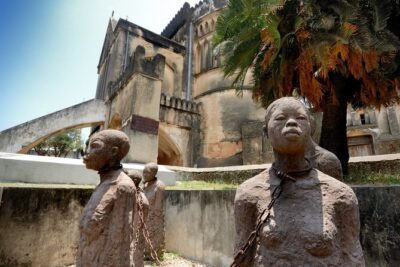
Full-Day Private Stone Town +Spice Farm and Prison Island Tour
Read our review →
Stone Town Historical Cultural Walking Guided Tour
Read our review →Browse the lists this tour appears in