
Reviewed · SPICE FARM TOURS
Zanzibar: Spice Farm Tour with Cooking lesson
Spices have stories you can taste. This 5-hour Zanzibar tour blends a spice farm visit, a Darajani market start, and a hands-on cooking class where you harvest what ends up on your plate.
I love the clear explanations on where island spices came from and why they matter in Swahili cooking, including their medicinal uses. I also love the sensory tasting moments, where you sample spices alongside fruits like coconut, watermelon, cloves, and banana.
One possible drawback: it is not suitable for people with food allergies, and the hands-on nature of the class plus market walking may feel like a lot if you are traveling with very young kids.
In This Review
- Key highlights you will remember
- Darajani Market to Spice Farm: the flow makes sense
- Darajani Market stop: where you learn what to look for
- Getting to the farm by public vehicle: part of the “real”
- Spice farm walking tour: you harvest what you cook
- Smell and taste lesson: spices paired with fruits
- The cooking class: old coast techniques, modern hands-on teaching
- Lunch and drinks: tropical fruits you harvested
- Music and dance: quick culture, not a long show
- Price and value: what $66 buys in 5 hours
- Who should book this tour, and who should skip it
- Practical tips for a smooth, low-stress day
- Should you book this Zanzibar spice farm and cooking lesson?
- FAQ
- How long is the Zanzibar spice farm tour with cooking lesson?
- Where is the tour located?
- Is hotel pickup and drop-off included?
- How do I get to the spice farm after the market?
- What languages is the live tour guide available in?
- Is the tour wheelchair accessible?
- What’s included in the cooking class and meal?
- Do you harvest ingredients yourself?
- Is the tour suitable for people with food allergies?
- What is not included in the price?
- What should I bring, and is alcohol allowed?
Key highlights you will remember
- Darajani Market walk before the farm to learn local life and buy ingredients for your class
- Harvest your own vegetables and spices so you cook with real farm-picked flavor
- Smell-and-taste spice lessons paired with fruits such as coconut and watermelon
- Traditional Swahili cooking with old coast methods and duplicated cooking apparatus
- Lunch plus tropical fruits and a bit of traditional music and dance for full-circle culture
Darajani Market to Spice Farm: the flow makes sense
This tour is built like a good cooking show, with the market as your opening chapter and the spice farm as your source kitchen. You start with a guided walk through Darajani Market, where you get a feel for daily life and learn what people actually buy and use. Then you grab the ingredients for your cooking lesson and head out by public vehicle to the farm.
I like this approach because it keeps the “spice story” practical. You are not just hearing about spices, you are seeing the supply chain, meeting the buying habits, and then going to the place where many of those ingredients grow. If you enjoy food travel that connects the dots, this format clicks fast.
More spice farm visits in Zanzibar City:
- Zanzibar: Stone Town, Spice Tour, Prison Island with Lunch
★ 4.4 · 1,219 reviews - Zanzibar: Prison Island, Stone Town, & Spice Farm Tour
★ 4.5 · 579 reviews - Zanzibar: Stone Town, Spice tour & Prison Island with Lunch
★ 4.6 · 453 reviews
Darajani Market stop: where you learn what to look for
At Darajani Market, the guide takes you through a short, focused walk that is meant for two things: understanding local life and purchasing ingredients for your class. Expect a real market environment, not a quiet demo space.
Here is why this part matters for your cooking:
- You learn what ingredients are worth paying attention to before you step into the farm.
- You get a first taste of how Swahili cooking uses spices and everyday produce together, not separately.
Practical note: bring your comfortable shoes. You will be walking, and markets are not known for smooth flooring.
Getting to the farm by public vehicle: part of the “real”

After shopping, you take a public vehicle to the spice farm. That matters more than it sounds. It keeps the day from feeling like a sealed-off tour bubble.
Also, because it is a shared vehicle, you tend to get a more natural rhythm with the local schedule. The tour is 5 hours total, so the timing is tight enough to stay efficient, but loose enough to feel like a day you could actually have on your own.
Spice farm walking tour: you harvest what you cook
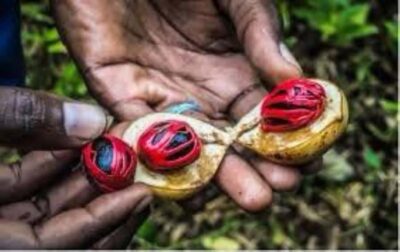
When you arrive, you take a walking tour around the farm with your culinary expert. This is where the tour becomes hands-on. You harvest vegetables and spices that will be used in your cooking class.
What you should pay attention to on the farm:
- How the guide explains each spice’s role, not just its name.
- The difference between how spices look on the plant versus what they do in food.
- How local herbs and spices have stories tied to Zanzibar’s coast culture.
If you love tactile experiences, this is the heart of the tour. You are not just watching, you are picking. That changes how you taste later, because your brain links scent and flavor to the plant you handled.
A few more Zanzibar City trips to compare
- A private half day spice farm with a cooking lesson
★ 5.0 · 13 reviews - Zanzibar: Spice Farm Tour and Cooking Class with Lunch
★ 4.2 · 11 reviews - Zanzibar: Spice Farm Tour with Traditional Cooking Class
★ 4.8 · 6 reviews - Zanzibar Cooking Class [Swahili food test ] and Spice farm Private tour
★ 4.5 · 6 reviews
Smell and taste lesson: spices paired with fruits
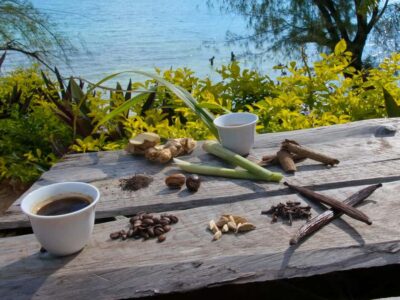
One of the standout features is how you taste spices alongside fruits like coconut, watermelon, cloves, and banana. This is not random snack time. It is a guided sensory exercise.
Why pairing spices with fruit works:
- Fruit sweetness helps you notice spice heat, sharpness, and aromatic oils.
- You start recognizing spices by smell before you even use them in the cooking.
- It gives you a more memorable “flavor map” for cooking back home.
Also, the tour includes explanations of origins and medicinal uses of spices and local herbs. You might not cook with those medicinal traditions directly, but you will understand why certain spices were historically valued beyond taste.
The cooking class: old coast techniques, modern hands-on teaching
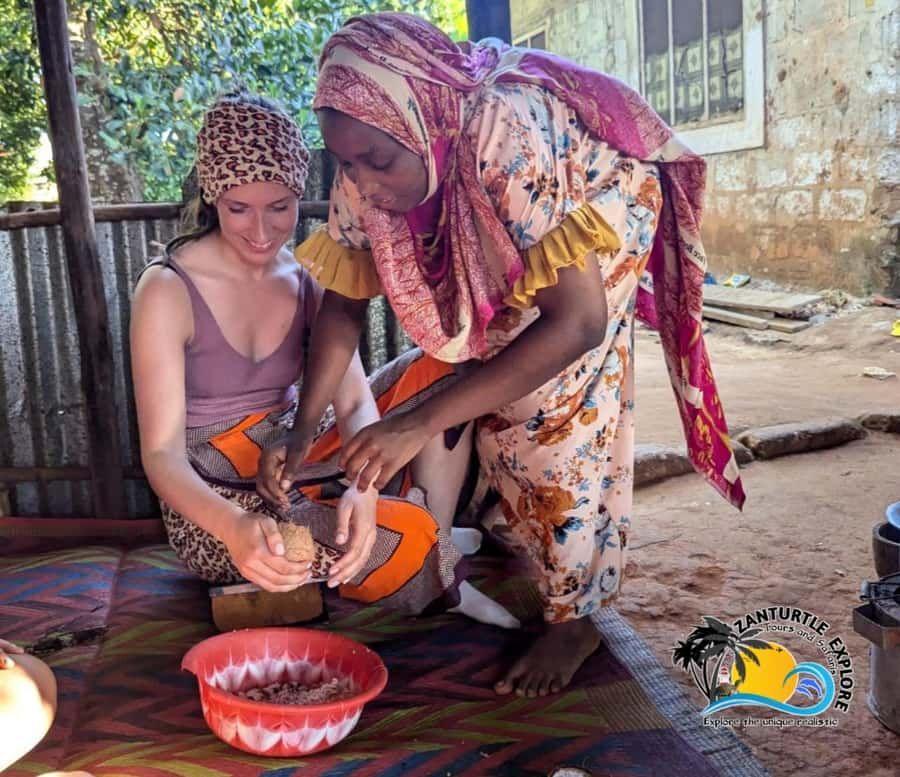
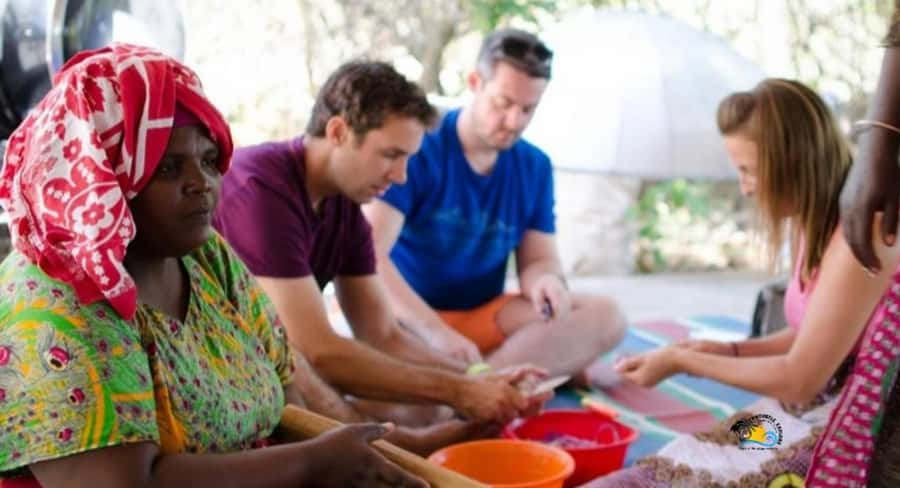
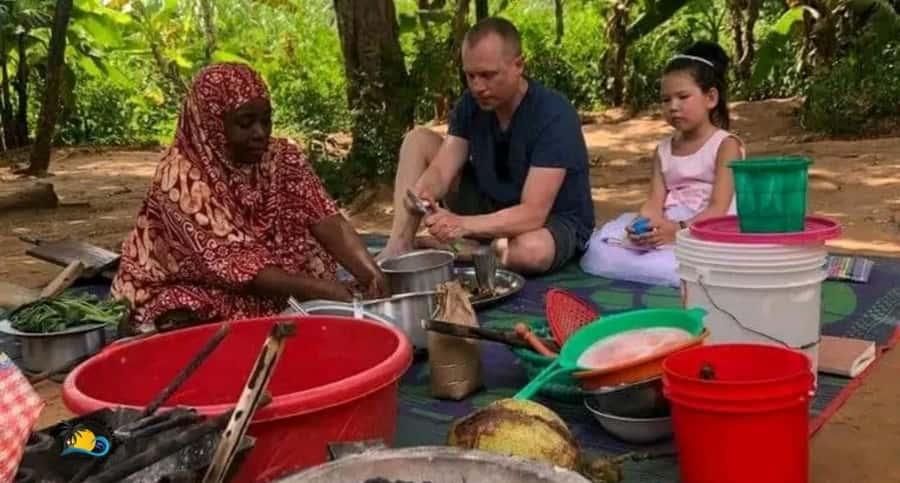
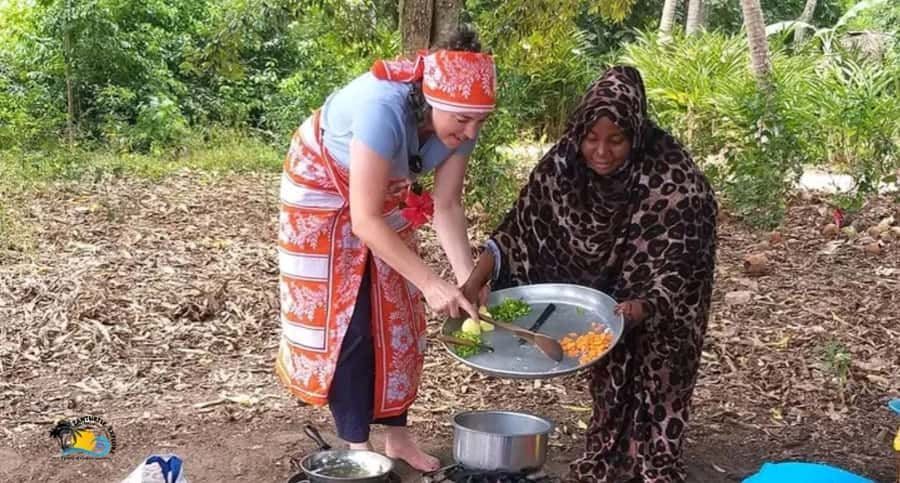
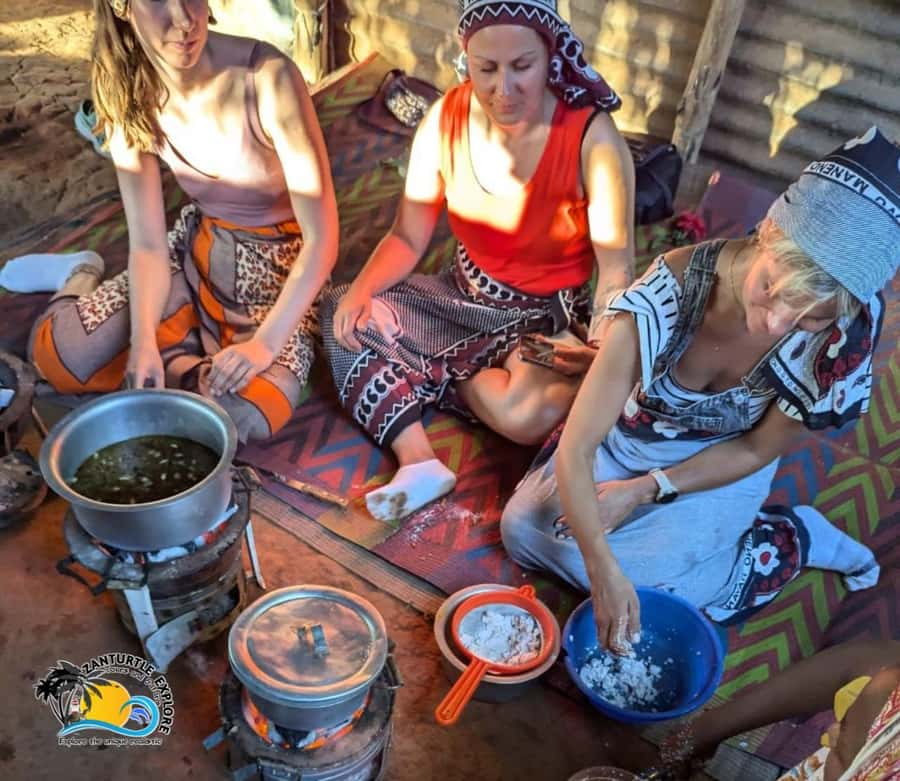
Back at the cooking space, you learn the origins and importance of spices in Zanzibar food and use old cooking techniques for your meal. The class includes traditional cooking apparatuses duplicated from bygone eras, which adds a neat sense of continuity. You are cooking in a setup that reflects how coastal people prepared food long before today’s kitchen trends.
You will cook together with the chef and guide, and the group cooking is supported by the included cooking equipment. The pacing is designed to keep you involved step by step, and the vibe tends to be patient and encouraging, so you are not left flailing over a mortar or pan.
What you will cook:
- A traditional Swahili meal, made as a group and served for lunch
Because the specific dish name is not listed in the details I received, treat it as a Swahili cooking experience rather than a guaranteed recipe match to any one famous plate. The value is in learning how the spice logic works.
Lunch and drinks: tropical fruits you harvested

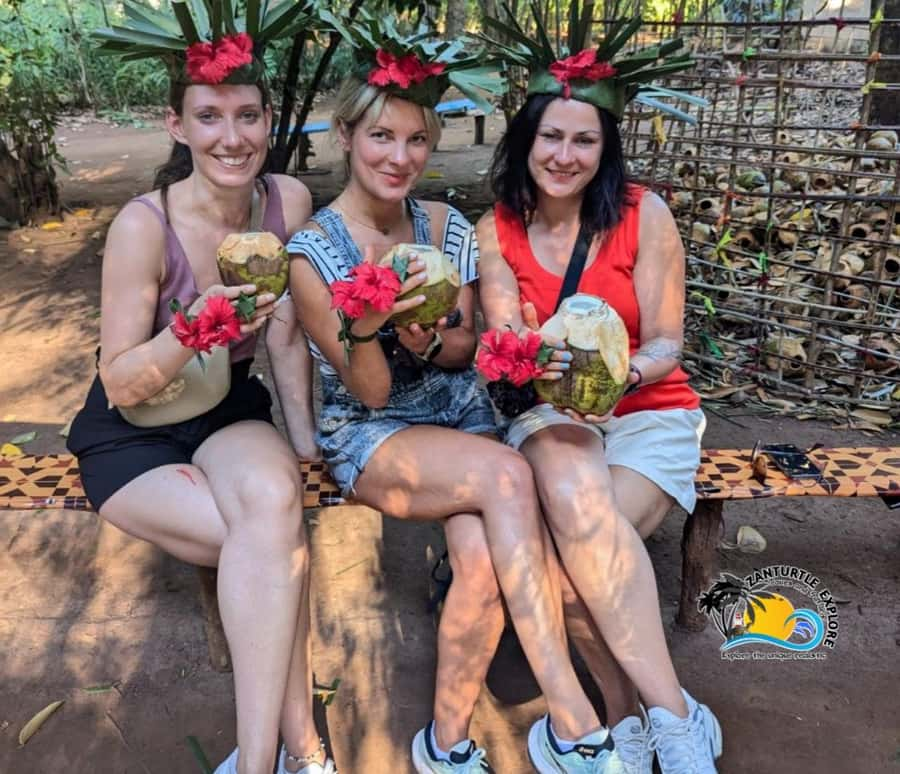
After you cook, you eat what you made. Lunch is included, along with drinks and tropical fruits. The fruits are described as the ones you harvest during the day.
This is a satisfying payoff because your effort does not stop at cooking. You also get the full flavor arc, from plant to spice to meal to fruit finish. It is one of those rare tours where the final meal feels earned instead of pre-assembled.
And yes, you will likely keep thinking about the spice and fruit pairings when you finally taste them again later.
Music and dance: quick culture, not a long show
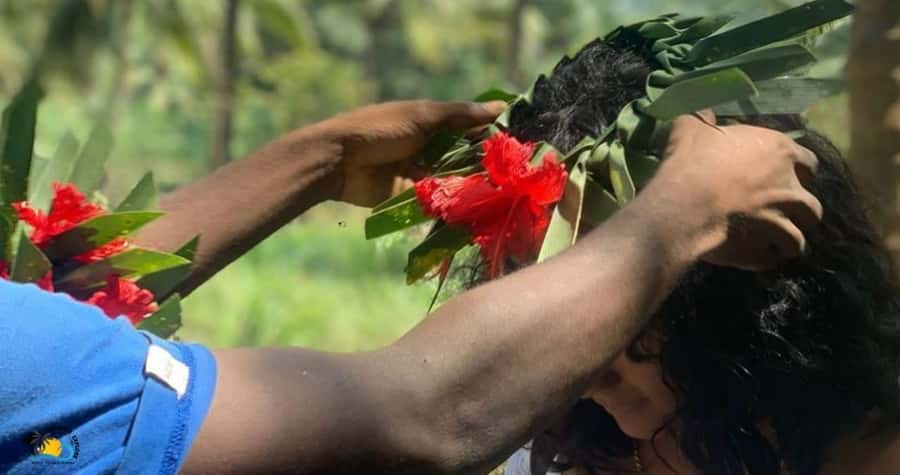
The tour also includes traditional music and dance. This usually functions as a short cultural break after the practical work, so you can switch from food mode to celebration mode.
If you enjoy seeing how food and culture blend on the island, this little add-on is worth it. If you prefer long performances, keep your expectations flexible, since this is still first and foremost a spice-and-cooking experience.
Price and value: what $66 buys in 5 hours
At $66 per person for about 5 hours, the price feels reasonable if you care about hands-on learning. You are not just paying for a guide, you are paying for:
- hotel pickup and drop-off across Zanzibar
- market ingredient buying
- spice farm visit plus harvesting
- a cooking class with equipment
- lunch and drinks, including tropical fruits
- entrance and conservation-related fees
- traditional music and dance
- government fees and taxes
In other words, the cost is doing a lot of work. If you only wanted a short guided stroll, you would likely find cheaper options. But if you want a full loop, market to farm to cooking to lunch, $66 is easier to justify.
Who should book this tour, and who should skip it
This tour is a great match if you:
- love food experiences that tie learning to actual cooking
- enjoy spice flavors and want to understand how they are used in Zanzibar food
- want a guided, structured activity that ends with a real meal
I would be more careful if you:
- have food allergies, because the tour is explicitly not suitable for people with them
- are traveling with very young kids, since the format includes market walking and a cooking setup that may not be built for small attention spans
- are expecting a rigid “chef tasting menu” style, because the day is interactive and hands-on, with pacing shaped around participation
Practical tips for a smooth, low-stress day
Here is how to set yourself up for success with minimal fuss:
- Wear comfortable shoes, since you walk both in the market and around the farm
- Bring a camera if you want spice-plant photos and cooking moment shots
- Bring cash, since it is specifically listed as something to have
- Tell the guide if you want special requests before the reservation is finalized, since requests can be written down
Also note the tour rules: intoxication, alcohol, and drugs are not allowed. So plan your day accordingly and keep it clean and comfortable.
Should you book this Zanzibar spice farm and cooking lesson?
I think you should book it if your idea of a good Zanzibar day is hands-on food learning, spice sensory work, and a meal you helped make. The market start gives you context, the farm harvest gives you authenticity, and the cooking class plus lunch gives you payoff.
You might skip it if you need allergy-friendly options or you are traveling with kids who struggle with both market walking and a cooking class environment. But for most adults and food-loving groups, this is a strong value, especially because it turns spice curiosity into a real Swahili cooking outcome.
FAQ
How long is the Zanzibar spice farm tour with cooking lesson?
The duration is 5 hours.
Where is the tour located?
It takes place in the Unguja South Region of Tanzania, in Zanzibar.
Is hotel pickup and drop-off included?
Yes. Pickup and drop-off are included, and you meet the representative in your hotel lobby or reception area.
How do I get to the spice farm after the market?
After the market shopping, you take a public vehicle to the spice farm.
What languages is the live tour guide available in?
The tour guide is available in Arabic, English, French, German, Italian, Polish, Spanish, Swahili, Russian, and Portuguese.
Is the tour wheelchair accessible?
Yes, it is listed as wheelchair accessible.
What’s included in the cooking class and meal?
The cooking class includes cooking equipment, and you get lunch and drinks, plus tropical fruits associated with what you harvest.
Do you harvest ingredients yourself?
Yes. You harvest vegetables and spices from the farm for your cooking class.
Is the tour suitable for people with food allergies?
No. It is not suitable for people with food allergies.
What is not included in the price?
Visa and international flights are not included.
What should I bring, and is alcohol allowed?
Bring comfortable shoes, a camera, and cash. Alcohol and drugs are not allowed, and intoxication is not permitted.
More Farms in Zanzibar City
- Full-Day Private Stone Town +Spice Farm and Prison Island Tour
★ 4.5 · 216 reviews - Zanzibar full day Jozani forest + Spice farm and stone town
★ 4.7 · 90 reviews - STONE TOWN, PRISON ISLAND AND SPICE FARM ( Lunch included )
★ 5.0 · 53 reviews - Zanzibar Private Spice Farm and Stonetown Tour(Include Lunch)
★ 5.0 · 53 reviews
Just posted around Zanzibar City
- Zanzibar Walking Tour: Unveiling the Secrets of Stonetown★ 4.8 · 11 reviews
- Zanzibar: Tour to Prison Island and Nakupenda sandbank with lunch★ 4.3 · 3 reviews
- Zanzibar: Stone Town Walking Tour With Hotel Pickup★ 4.6 · 4 reviews
- Zanzibar: Stone Town Walking Tour with Freddie Mercury …★ 4.3 · 4 reviews
- Zanzibar: Stone Town Tour with Slave Market Ticket★ 3.5 · 5 reviews
- Zanzibar : Stone Town Tour,history without transport★ 4.8 · 3 reviews
- Stone Town Tour, Prison Island and Spice Tour with Lunch★ 4.8 · 6 reviews
- Zanzibar stone town tour★ 4.2 · 4 reviews
Spice Farm Tours, compared.
Stone Town, Spice Tour, Prison Island with Lunch
Read our review →
Stone Town, Spice tour & Prison Island with Lunch
Read our review →
Full-Day Private Stone Town +Spice Farm and Prison Island Tour
Read our review →

The Swahili Spice Experience – Spice Tour + Culinary Journey
Read our review →Browse the lists this tour appears in