
Reviewed · CAMPING SAFARIS
Unforgettable 5 days Tanzania Private Budget Camping safari
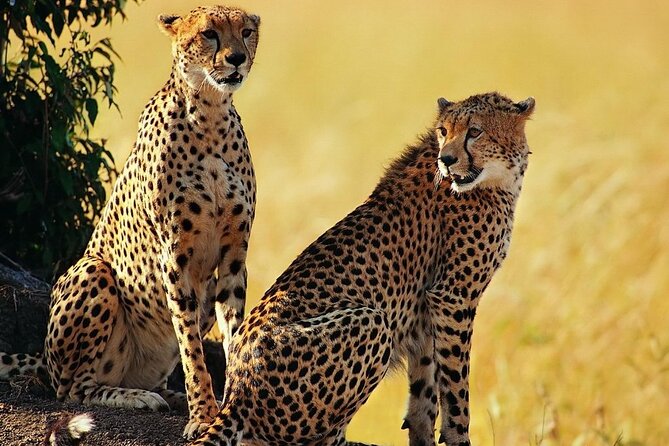
Watching lions in open country feels unreal. This 5-day Tanzania private budget camping safari links Tarangire, Serengeti, Ngorongoro Crater, and Lake Manyara into one practical route, with camping nights that put you close to the sounds of the bush. I especially love the mix of classic habitats, baobab country in Tarangire, wide Serengeti plains, and the crater wonder of Ngorongoro, plus the optional Maasai cultural touch that adds something human to all the wildlife. The other thing I like is the small-group, private feel, with an experienced professional guide keeping the day organized.
My one possible drawback is the camping style. You’re trading some comfort for value, so you should expect a simpler setup than a lodge safari, and you’ll also spend long day hours on the move, especially with crater logistics and game drive timing.
In This Review
- Key highlights you will care about
- Price and what $2,088 really buys
- Day 1 in Tarangire: baobabs, elephants, and first-night campfire vibes
- Day 2 in Serengeti: afternoon plains, plus Great Migration timing (seasonal)
- Day 3 in Serengeti, then onward to Ngorongoro: two moods in one day
- Day 4 at Ngorongoro Crater: the full-day drive you plan the whole safari around
- Day 5 at Lake Manyara: tree-climbing lions and birdlife on the way back
- The camping reality: value without pretending it is luxury
- Maasai culture touch: why that human element matters
- Who this safari fits best (and who should think twice)
- Booking checklist and practical tips before you go
- Should you book this Tanzania private budget camping safari?
- FAQ
- FAQ
- What parks are included in this 5-day safari?
- Where does the safari start and end?
- What time does the tour start?
- Is this a private safari?
- Are park admission tickets included?
- What meals are included?
- Is the safari refundable if I cancel?
- Are service animals allowed?
Key highlights you will care about
- Private safari feel at a budget price: only your group participates, with an experienced professional guide.
- Four top parks in five days: Tarangire, Serengeti, Ngorongoro Conservation Area, and Lake Manyara.
- Game drives timed for wildlife: early mornings in Serengeti, plus a full-day drive in Ngorongoro.
- Camping under the stars: dinner and breakfast routines keep you grounded in the bush.
- Maasai culture add-on potential: optional village visits, and many travelers value the direct meeting and hospitality.
- Ngorongoro included ticket day: the crater excursion day lists the admission ticket as included.
Price and what $2,088 really buys
At $2,088 per person for about 5 days, this is positioned as an “affordable adventure” safari, not a luxury lodge trip. That matters because you are still covering four major wildlife zones, which is where costs typically climb. Here, the biggest lever is budget camping. You get the safari rhythm, park time, and guide attention, while keeping accommodation spend lower.
You also get clarity on what is included versus not. Meals are part of the package (breakfast four times, lunch five times, dinner four times). Park fees are largely handled as free on the itinerary days, with the Ngorongoro Crater admission ticket explicitly included for the crater day. What is not included is the stuff you might add later: flights, visas, personal needs, and tipping the crew. If you plan your budget with those items upfront, the headline price starts to make more sense.
One more value note: a private tour means you are not negotiating around other groups. That can make a real difference when you want the guide to explain animal behavior, adjust timing, or handle the natural pace of spotting wildlife.
More Safaris in Arusha
- Balloon Safari & Bush Breakfast in Serengeti – Miracle Experience
★ 5.0 · 1,646 reviews - 4 Days Group Camping Safari
★ 5.0 · 1,101 reviews - 5 Days Group Camping Safari
★ 5.0 · 730 reviews
Day 1 in Tarangire: baobabs, elephants, and first-night campfire vibes
Your safari starts in Arusha with a start time listed at 8:00 am. The day is about getting to Tarangire and settling into the rhythm: wildlife drive, then camp and dinner.
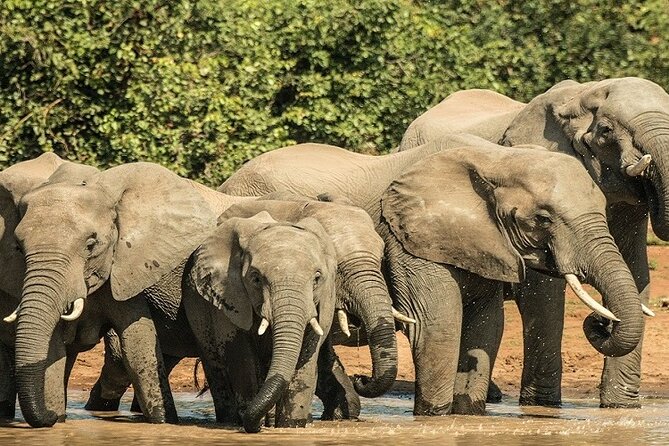
Tarangire National Park is known for its baobab trees, and the itinerary is built around that feel. Expect a game drive that focuses on the iconic big animals, with elephants called out as a likely highlight. This is a strong first day because you ease into the safari style, you see your first mix of plains and wildlife activity, and you end with the kind of night you only get on a camping trip.
The day’s pace is listed at about 6 hours, and you return to a budget campsite for the evening. The program includes a shared dinner around the campfire setup, which is a great moment to reset before the longer Serengeti days. If you like your days structured but not rushed, this opener works.
What to watch for: because Tarangire is your first park, you may feel a burst of excitement. The practical move is to keep your eyes on trackable wildlife patterns, not just the biggest animal you see first. When your guide starts pointing out behavior, you learn how to keep spotting throughout the week.
Day 2 in Serengeti: afternoon plains, plus Great Migration timing (seasonal)
After breakfast, you head to Serengeti National Park. The itinerary calls out a changing route, from acacia-studded plains into the broader Serengeti expanse. That transition matters because it helps you understand why different areas feel different on the ground, even before you see animals.
You arrive in the afternoon and go straight into a riveting game drive. Serengeti is where you start to feel the park’s scale. The program also mentions the Great Migration as a seasonal wonder. That means the exact action you see depends on timing. If the migration is moving through the region during your travel window, this day can feel like a front-row seat.
You end with camping again. Even on a shorter day like this one (about 6 hours), Serengeti sets the tone for your week. The afternoon drive can also be a nice change of pace if you do not want back-to-back early wakeups right away.
A practical tip: plan to be flexible with your photo goals. In Serengeti, the best moments often happen fast. If you’re too focused on one shot, you can miss the animal behavior your guide is tracking.
Day 3 in Serengeti, then onward to Ngorongoro: two moods in one day
Day three is a split personality day: another Serengeti morning and then a move to the crater rim.
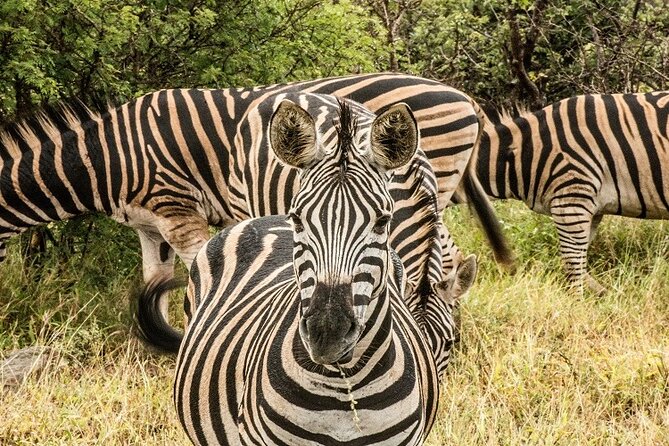
You wake up for an early morning game drive in Serengeti. Early starts are not just a “thing safari people say.” Cooler air often means more active animal movement, and the light can make the whole savannah feel sharper. The itinerary lists possible sightings like lions and giraffes, which fits Serengeti’s variety.
After breakfast, you travel toward the Ngorongoro Conservation Area, passing through the Rift Valley scenery. This drive is a transition from wide open plains to the dramatic crater zone you will explore tomorrow. The program suggests you arrive at your budget campsite on the crater rim, so the view acts like a slow build-up to the big descent day.
This day is listed at about 8 hours. That extra time is probably what makes day three feel meaningful rather than just “a transfer day.” You are not only moving, you are changing landscapes and mindset.
What to keep in mind: crater days are full days. The smarter play is to treat this night on the rim as your mental warm-up. If you go to sleep thinking about how you will descend and how the animals behave inside the crater, the next day will land harder.
More camping safaris from Arusha:
- 3 Days Serengeti & Ngorongoro Group Camping Safari
★ 5.0 · 574 reviews - 2 Days Tarangire and Ngorongoro Group Camping Safari
★ 5.0 · 146 reviews - 6 Days Tanzania Budget Camping Safari
★ 5.0 · 145 reviews - 3 Days Tarangire, Ngorongoro & Lake Manyara Group Camping Safari
★ 5.0 · 102 reviews
Day 4 at Ngorongoro Crater: the full-day drive you plan the whole safari around
Ngorongoro Crater is the anchor. This is the day your itinerary gives the most “big ticket” attention to, with a full-day game drive inside the crater basin.
The tour frames the crater as a UNESCO-listed natural amphitheater, and it delivers on the promise of dense wildlife populations. You descend into the crater for a full-day drive, and the itinerary specifically mentions rhinos, wildebeest, and more. That combination is a good reminder that the crater is not just about one famous species. It’s about ecosystems packed together, which often means you get to see different animal styles in one area.
A picnic lunch is included inside the crater area, giving you a mid-day break without losing your wildlife time. Then you ascend back to your campsite with the kind of memories that tend to stick: the crater’s scale, the way animals move across it, and how the experience feels like a single enclosed world.
This is listed at about 8 hours, so you should treat it like your “focus day.” The practical approach is to wear layers, keep your eye line wide, and let the guide choose the best routes based on where animals are active. If you’re traveling for the classic “Big Five chance” feeling, this is the day most likely to scratch that itch.
One realistic note: you are not guaranteed specific animals. The itinerary lists high chances of spotting lions, elephants, rhinos, leopards, and buffalo across the trip, but seeing any one of them depends on the day’s conditions. The upside is that your itinerary is built to maximize contact time in the places where those sightings happen most often.
Day 5 at Lake Manyara: tree-climbing lions and birdlife on the way back
Your final park is Lake Manyara National Park, and it’s a smart way to close. The itinerary calls out diverse scenery, from woodlands to grassy plains, plus famous birdlife. Then it adds the rare highlight: tree-climbing lions, which are associated with this area.
You’ll go out on a game drive that targets resident wildlife, and you end the day by returning toward Arusha. The drive timing is listed at about 8 hours. That’s enough time for one good final look at the bush and a smooth finish.
If you’ve spent the past three days learning the rhythm of plains and crater ecosystems, Lake Manyara provides variety. It’s a good “change in texture” park, so your last day doesn’t feel like repeat scenery.
A small psychological win: closing with something different can make the whole trip feel more complete. You leave with a set of images that cover multiple wildlife styles, not just one type of terrain.
The camping reality: value without pretending it is luxury
This safari is explicitly a budget camping experience. That means your “comfort” trade-off is part of the deal, and the upside is the closeness to the night sounds and the simple camp routine.
What camping adds to the safari:
- You feel the time shift more strongly, waking up with the day’s mood and settling in under the stars.
- Dinner and breakfast become part of the experience, not just logistics.
- You get a calmer pace at night, compared with constant hotel check-ins.
What you should plan for:
- Expect simpler lodging than a lodge safari.
- You should pack for changing temperatures and be ready for the outdoors parts of the trip.
- Because your days are long, sleep quality matters, so bring a way to block light and keep warm if needed.
The itinerary is also designed to keep you fed and moving, with meals included across multiple days. That reduces the “hidden costs” that catch people on budget trips.
Maasai culture touch: why that human element matters
The tour information includes an optional local cultural visit, specifically tied to Maasai villages. That is not just a checkbox. It’s often the most memorable contrast to wildlife days, because it turns the story from animals only into people and place.
The strongest theme from Maasai-focused experiences connected to this safari style is hospitality and direct connection. Past travelers have described meeting Maasai people in places like Olpopongi, and valuing the uniqueness of the culture, including traditions like arrows and community welcome. Some travelers even talk about arranging a longer visit that includes overnight in a Maasai house, which suggests there is room to customize the cultural side if you want deeper engagement.
For this 5-day camping safari specifically, your itinerary notes the Maasai element as optional. So ask up front how it fits your dates and whether it’s a short village stop or a more involved visit.
My practical advice: if cultural interaction is a priority for you, do not leave it for the last day. It’s best to clarify the timing before you start, so you can pack appropriately and avoid feeling rushed.
Who this safari fits best (and who should think twice)
This is a great fit if you want:
- A private safari feel without paying lodge prices
- Big park variety in a short time window
- Camping nights as part of the adventure
- An experienced guide who keeps the route logical
It may be less ideal if you:
- Want ultra-comfort accommodations
- Do not like long drive days (about 6 to 8 hours listed per day)
- Need very predictable animal sightings, since wildlife is always conditional
If you’re a first-time safari traveler, this route can also help you understand how different parks behave. You get Tarangire’s baobab elephant energy, Serengeti’s plains and migration potential, Ngorongoro’s dense crater ecosystem, and Lake Manyara’s birdlife plus the chance of tree-climbing lions.
Booking checklist and practical tips before you go
Here’s how I’d set yourself up to enjoy this safari fully, using only what you know from the package structure.
What to confirm with the operator before payment:
- Pickup details from Arusha, since pickup is offered
- Whether your Ngorongoro day includes the admission ticket as listed
- Exact meals plan for your travel dates, since breakfasts and dinners are listed multiple times
- What optional Maasai village visit looks like for your dates
What to budget beyond the package:
- Flights and visas (not included)
- Tipping the crew (not included)
- Personal needs
What to pack around “camping under the stars”:
- Warm layers for night and early morning drives
- Something rain-ready, because weather can shift quickly
- A camera strap and a small day bag that lets you keep hands free during spotting
If you do those basics, the trip becomes smooth and enjoyable instead of stressful.
Should you book this Tanzania private budget camping safari?
I think this is a strong choice if you want a real safari circuit, four famous parks, and you’re okay trading lodge luxury for camping closeness to nature. The route makes sense, the guide-driven structure helps you keep your time efficient, and the crater day in particular is the kind of experience people plan an entire Africa trip around.
You should book if you:
- Like the idea of camping at night
- Want Serengeti and Ngorongoro highlights in one week-sized window
- Value a private setup with guided game drives
Hold off if you:
- Can’t handle a simpler accommodation style
- Prefer shorter travel days
- Need guaranteed wildlife sightings (nobody can promise those)
FAQ
FAQ
What parks are included in this 5-day safari?
The itinerary includes Tarangire National Park, Serengeti National Park, Ngorongoro Crater (in the Ngorongoro Conservation Area), and Lake Manyara National Park.
Where does the safari start and end?
It starts in Arusha, Tanzania and ends back at the meeting point in Arusha.
What time does the tour start?
The listed start time is 8:00 am.
Is this a private safari?
Yes. Only your group will participate.
Are park admission tickets included?
Admission ticket details are listed per day. Ngorongoro Crater admission is included for the crater day, and admission ticket is shown as free for the other itinerary days.
What meals are included?
The package includes dinner four times, lunch five times, and breakfast four times, as listed in the included items.
Is the safari refundable if I cancel?
No. This experience is non-refundable and cannot be changed for any reason.
Are service animals allowed?
Yes. Service animals are allowed.
If you want, tell me your travel month and what you care about most, lions, migration timing, or culture, and I’ll help you decide how to prioritize the days on this route.
More Safaris from Arusha
- 7-Day Premium Luxury Tanzania Safari All-Inclusive
★ 5.0 · 426 reviews - 3-Day Classic Serengeti Safari
★ 5.0 · 263 reviews - 8 Days Great Wildebeest Calving Migration Safari from Arusha
★ 5.0 · 254 reviews - Group Safari 7 Days in Tanzania’s Main Parks
★ 5.0 · 240 reviews
Just posted around Arusha
- 8 Days Serengeti Migration safari★ 5.0 · 11 reviews
- tarangire & ngorongoro 2 days tour★ 5.0 · 14 reviews
- serengeti, ngorongoro & tarangire 4 days private tour★ 5.0 · 18 reviews
- tarangire, ngorongoro & lake manyara park 3 days private tour★ 5.0 · 11 reviews
- serengeti & ngorongoro 3 days private tour★ 5.0 · 15 reviews
- climb the KILIMANJARO via Lemosho route★ 5.0 · 4 reviews
- Mt. Kilimanjaro: Shira plateau to Cathedral point 3872m Day hike★ 5.0 · 7 reviews
- Kilimanjaro Waterfalls Hike & Moshi Hot Springs Day Trip Tour★ 5.0 · 4 reviews
Camping Safaris, compared.
3 Days Serengeti & Ngorongoro Group Camping Safari
Read our review →
2 Days Tarangire and Ngorongoro Group Camping Safari
Read our review →
3 Days Tarangire, Ngorongoro & Lake Manyara Group Camping Safari
Read our review →
5-Day private Camping Safari Tour in Tanzania
Read our review →
Browse the lists this tour appears in