
Reviewed · WORKSHOPS
Private Traditional Pottery Class near Arusha
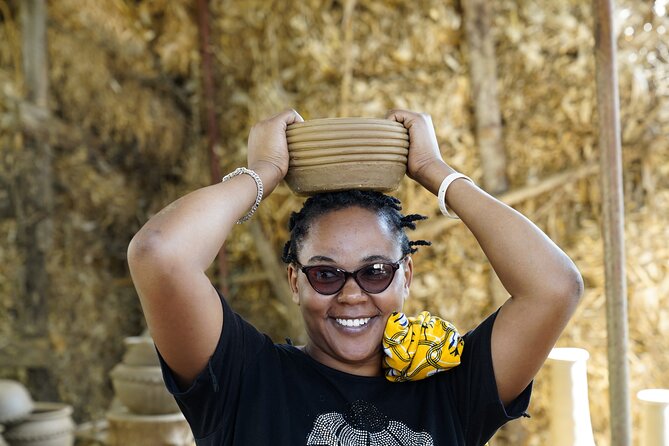
Make clay, meet the community, go home with art. This 2-hour pottery class in Tengeru near Arusha teaches you how to prep local clay, shape it on a foot-powered wheel, and fire it in a traditional kiln. I love the chance to learn about Meru tribe culture from a local guide, not just how to throw pottery. I also love that your finished creation is something you genuinely made and can take home. One thing to plan for, there is no hotel pickup included, so you’ll need your own way to get to the meeting point.
The day starts with a visit to The Small Things, where you’ll see the work supporting orphaned and vulnerable children and families. Then you head to the pottery area with a small team of local potters, where the tone is relaxed, practical, and very hands-on. Expect a small group setting (up to 8 people), which usually makes it easier to get help while your hands learn the motion.
In This Review
- Key highlights at a glance
- Clay, community, and Tengeru: what this 2-hour class really delivers
- The Small Things visit: why the community stop feels more than symbolic
- Meru tribe culture with a local guide: learning that stays relevant
- In the workshop in Tengeru: from local clay to firing in a traditional kiln
- Your take-home pottery: the souvenir that actually feels personal
- Lunch and water: what is included, and what you may pay extra for
- Price and value: is $50 worth it?
- Group size, timing, and getting there from Arusha
- Who should book this pottery class near Arusha?
- Should you book it? My decision guide
- FAQ
- How long is the traditional pottery class?
- How much does it cost per person?
- Is lunch included?
- What is included in the pottery class materials?
- Do you offer pickup from Arusha hotels?
- What if bad weather cancels the experience?
Key highlights at a glance
- The Small Things stop: you see how your activity connects to real community support.
- Meru tribe context: a local guide shares history and culture while you work.
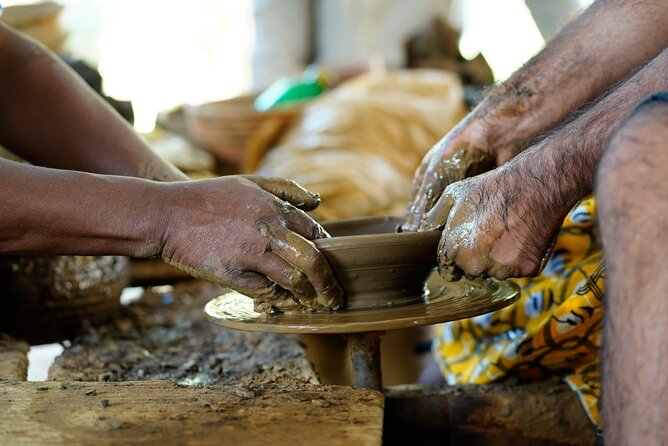
- Foot-powered pottery wheel: you do the shaping steps, not just watch.
- Traditional kiln firing: your piece is made with local tools and locally mined clay.
- Take-home souvenir: you leave with your own clay creation.
- Small group size: maximum 8 travelers, so you’re not lost in a crowd.
Clay, community, and Tengeru: what this 2-hour class really delivers
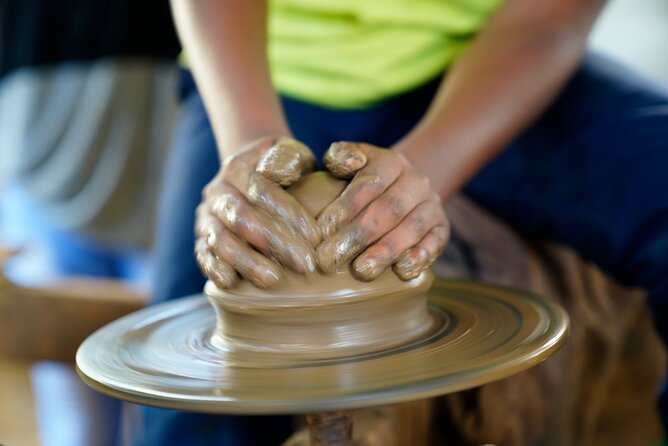
This is the kind of experience that feels simple on paper and much richer in real life. You spend a focused window of time in Tengeru working with clay, but you also get the context of why the community partnership matters. You’re not just buying a souvenir, you’re making one, and you’re seeing how tourism can support local families.
The flow is straightforward. First, you visit The Small Things to understand what the organization does. Then you head out to where traditional potters teach you the full process, from preparing clay through turning, trimming, and firing. If you like practical skills, friendly teaching, and a cultural side that is actually tied to the place, this hits the mark.
Your time is about 2 hours total. That’s long enough to get your hands working and leave with something real, but short enough that it doesn’t swallow your whole day.
A few more Arusha trips to compare
- NGO Lifted Strong – Traditional Tanzanian Cooking Class
★ 5.0 · 39 reviews - Arusha: Traditional Tanzania Cooking Class & Food Market Tour
★ 5.0 · 34 reviews - Cooking and Sewing & Jewelry Workshops in Arusha
★ 5.0 · 14 reviews
The Small Things visit: why the community stop feels more than symbolic
The day begins at The Small Things, which focuses on helping orphaned and vulnerable children and families in the community. In other words, you’re not hearing a generic pitch and moving on. You’re given a chance to connect what you’re doing next with the people the program supports.
This stop also changes the tone of the pottery part. When you understand the mission up front, the workshop doesn’t feel like a staged show. It feels like you’re joining local life for a bit, guided by people who care about their community and their craft.
And there’s a practical upside. You’ll be able to ask questions early, before you move into the hands-on chaos of clay. That helps the guide do a better job of tailoring explanations as you work.
Meru tribe culture with a local guide: learning that stays relevant
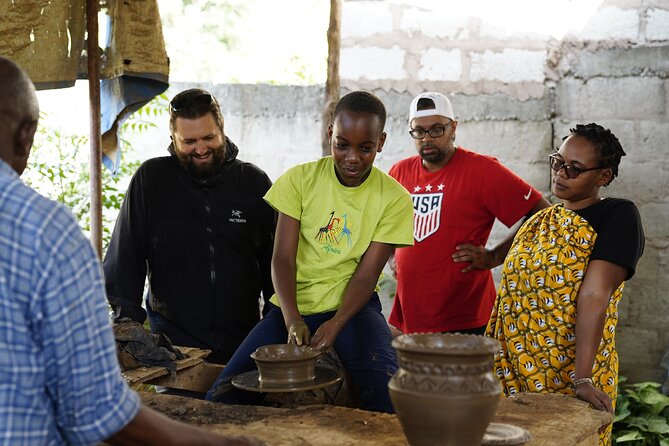
A local guide teaches you about the history and culture of the local Meru tribe during the day. The best cultural moments are the ones that connect to what you’re doing, and here the connection is natural. Pottery is not just a skill, it’s part of how communities make things, pass on knowledge, and keep routines alive.
You should expect an approach that’s conversational and grounded in daily reality. The vibe from the experience’s guides, including names like Reuben and Andrew from past classes, leans toward welcoming and explanation that makes sense while you’re still holding tools.
If you’re the type who likes to understand the place before taking photos, this is a good fit. If you just want the hands-on portion, the cultural context is still brief enough to stay comfortable.
In the workshop in Tengeru: from local clay to firing in a traditional kiln
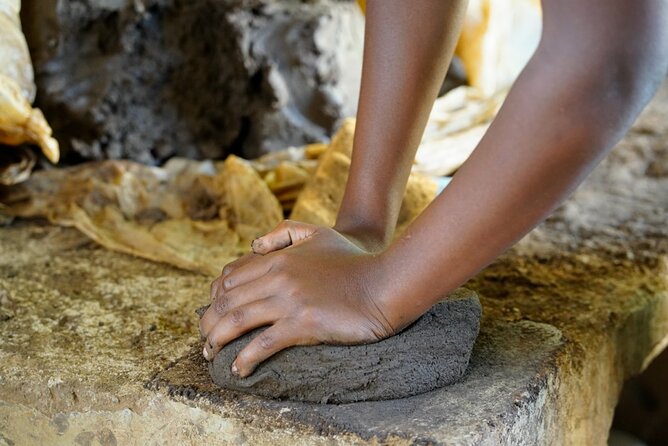
Now for the fun part, making pottery. You’ll work with local potters using locally mined clay and traditional tools. This matters because it shapes how the class feels. It’s not the polished, studio-style demo where everything is prepped for you. You learn the real sequence, and you get to do the motions that make pottery what it is.
Here’s the typical workflow you’ll go through:
- Prepare the clay: you’ll learn how the clay is handled and set up before it hits the wheel.
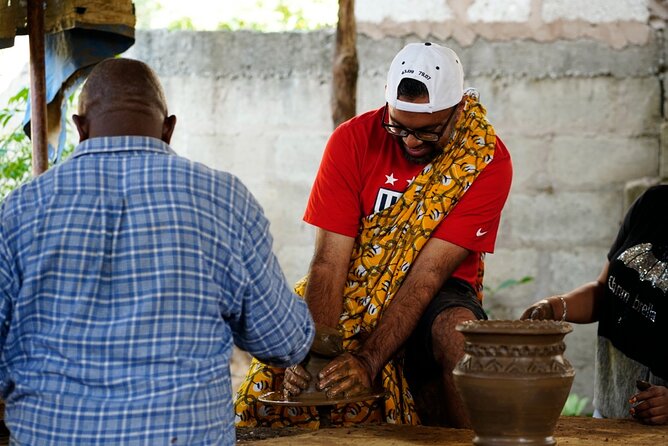
- Turn and shape on a foot-powered wheel: you’ll do the throwing on a wheel driven by your own motion.
- Trim and refine: you learn how to remove excess and improve the shape while the piece is still manageable.
- Fire it in a traditional kiln: the firing step is what takes time, and your piece is made using the kiln process used locally.
The class is designed so you’re not waiting around. Even if you’ve never touched a pottery wheel before, the structure makes it clear what comes next. The foot-powered wheel is the standout. It gives you real control, and it’s also a memorable physical experience, because your legs are part of the process.
One more detail that’s easy to overlook until you’re there: the class runs in a practical environment, so you’ll want to come ready for hands-on work. Expect a bit of mess, especially around clay preparation and shaping. That’s part of the deal, and it’s also why the results feel earned.
Same base in Arusha, a completely different day:
- Balloon Safari & Bush Breakfast in Serengeti – Miracle Experience
★ 5.0 · 1,646 reviews - Tanzania Classic – 7 Days
★ 5.0 · 1,151 reviews - 4 Days Group Camping Safari
★ 5.0 · 1,101 reviews - 5 Days Group Camping Safari
★ 5.0 · 730 reviews
Your take-home pottery: the souvenir that actually feels personal
Your finished pottery creation is designed to be something you can take home. That’s the key value here. Generic souvenirs are easy to forget. A piece you made yourself is harder to ignore, because it’s tied to the moment you learned the steps.
This class also avoids the common disappointment of do-it-yourself tours that end with nothing usable. Here, you go through the process ending with firing in a traditional kiln, so you’re not just shaping wet clay and hoping it survives.
If you’re buying gifts, this is a strong option for people who appreciate craft. Even if the final piece is slightly uneven, that’s part of its charm. Handmade pottery tends to look more human than factory work, and your piece will look like it belongs to your trip.
Lunch and water: what is included, and what you may pay extra for
Water is clearly included, with bottled water provided. Lunch is a little trickier because the information you get can vary by how the provider handles the day.
You should assume lunch might be available with an extra cost. There is an option to provide lunch for $10 USD at The Small Things site. So if lunch matters to you, it’s smart to plan on the possibility of an extra fee, and confirm what’s included in your specific booking.
If you prefer to keep things simple, treat water as the guaranteed comfort and eat before or after if you’re on a tight schedule.
Price and value: is $50 worth it?
At $50 per person, this class lands in the “worth it if you care about doing something real” category. You’re paying for more than a short demonstration. You’re paying for:
- hands-on instruction with local potters,
- the use of tools and materials,
- local clay and the traditional firing process,
- a cultural guide element tied to the Meru tribe,
- and the community connection through The Small Things.
For many visitors, the biggest value is the combination. Pottery alone can be fun, but it can also feel like a standalone activity. The community stop changes that by giving your day a purpose and a story that feels grounded.
Also, the class caps at 8 travelers. That usually means better attention while you work, which helps you get something you can be proud of. If the activity were cheaper but crowded, you might struggle to get enough guidance. In this size, you’re more likely to get the kind of help that corrects your hand position and timing.
You do need to be okay with a no-pickup situation. That affects convenience, and it’s worth factoring into the true value. If you’re in Arusha and can easily reach the meeting point, the price feels more straightforward.
Group size, timing, and getting there from Arusha
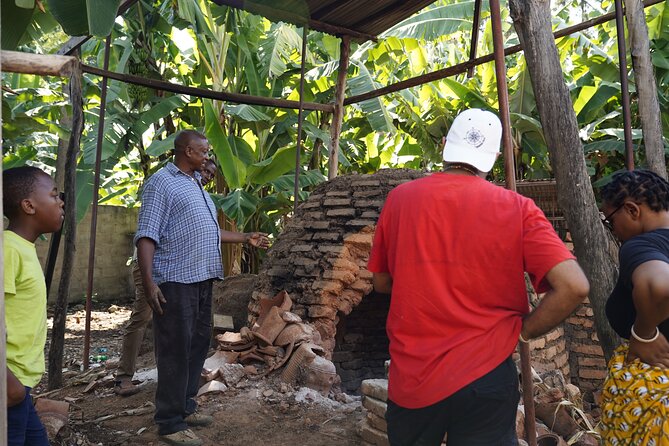
This is a small group experience, maximum 8 travelers. The upside is interaction. You’re likely to feel welcomed and guided rather than processed. Some visitors also describe the pace as friendly, which fits the small-class setup.
Timing is about 2 hours, so you’re not committing to a half-day tour. That makes it easier to fit alongside other Arusha-area activities. It’s also a good “skills day” option if you want one cultural stop without a long travel slog.
Logistics matter here. Pickup from hotels or from Arusha is not included. Your meeting point is listed as an unnamed road in Tanzania, and the activity ends back where you start. Plan to handle getting to the meeting point yourself, and consider using nearby public transportation if it’s convenient for your route.
Good weather is also required. If it’s canceled due to poor conditions, you’ll be offered another date or a full refund. Translation: don’t schedule this as your one perfect-day must-do unless you have flexibility.
Who should book this pottery class near Arusha?
Book this if you want:
- hands-on craft (you’ll actually shape and work the clay),
- a cultural guide who explains the Meru tribe context,
- a small-group setting where you can ask questions,
- and a souvenir that you made, then fired, not just assembled.
It’s also a good family-friendly choice. One review mentioned a family of five and an especially memorable moment during the day, which suggests the guides can be patient and encouraging with kids. If you’re traveling solo, the small class size also helps you feel included instead of stuck watching from the edge.
Skip it if you hate mess or you’re short on time and only want an ultra-fast, low-participation activity. This is participatory by design. Also, if you need door-to-door pickup, you’ll have to plan your own arrival since pickup is not included.
Should you book it? My decision guide
I think you should book this if your idea of a good Arusha day includes practical learning plus real local connection. The standout strengths are the combination of making pottery, the Meru tribe cultural teaching, and the early visit to The Small Things so the day has a purpose beyond craft.
Before you book, do two quick checks. First, make sure you can reach the meeting point on your own, since pickup is not included. Second, plan around good weather, because the activity depends on it.
If those two items work for your schedule, this is an easy yes. You’ll leave with a take-home piece and a clearer picture of how tourism can support community work while keeping the focus on local skills.
FAQ
How long is the traditional pottery class?
The experience lasts about 2 hours.
How much does it cost per person?
The price is $50.00 per person.
Is lunch included?
Bottled water is included. Lunch can be provided for an extra $10 USD at The Small Things site.
What is included in the pottery class materials?
All tools, equipment, and materials are provided, along with bottled water.
Do you offer pickup from Arusha hotels?
No, pickup from local hotels or from Arusha is not included.
What if bad weather cancels the experience?
This experience requires good weather. If it’s canceled due to poor weather, you’ll be offered a different date or a full refund.
Just posted around Arusha
- 8 Days Serengeti Migration safari★ 5.0 · 11 reviews
- tarangire & ngorongoro 2 days tour★ 5.0 · 14 reviews
- serengeti, ngorongoro & tarangire 4 days private tour★ 5.0 · 18 reviews
- tarangire, ngorongoro & lake manyara park 3 days private tour★ 5.0 · 11 reviews
- serengeti & ngorongoro 3 days private tour★ 5.0 · 15 reviews
- climb the KILIMANJARO via Lemosho route★ 5.0 · 4 reviews
- Mt. Kilimanjaro: Shira plateau to Cathedral point 3872m Day hike★ 5.0 · 7 reviews
- Kilimanjaro Waterfalls Hike & Moshi Hot Springs Day Trip Tour★ 5.0 · 4 reviews
Workshops, compared.
Half-Day Kuza Cave Swimming Adventure and Cooking Class
Read our review →
NGO Lifted Strong – Traditional Tanzanian Cooking Class
Read our review →
Traditional Tanzania Cooking Class & Food Market Tour
Read our review →
Cooking and Sewing & Jewelry Workshops in Arusha
Read our review →
Mnemba Dolphin Tour, Clear Kayak, Cooking Class, Horse Riding
Read our review →Browse the lists this tour appears in