
Reviewed · CAMPING SAFARIS
Multi-Day Camping Safari Experience in Arusha
Calving season in Serengeti can feel unreal. This multi-day camping safari is built around following the Great Wildebeest Calving Migration from December to April, with time in Ndutu and the wider Southern and Central Serengeti ecosystem. You also add in Tarangire, Ngorongoro Crater, and Lake Manyara, so you get variety instead of only one park.
I especially like the way the timing targets calving and predator chances, with full game-drive days when wildebeest and zebras gather on the short-grass plains. I also like the small group setup, since the safari runs with a maximum of 6 travelers, and the reviews highlight smooth communication and guides who work hard to find the action. One consideration: it is a camping-style trip, and sleeping is described as only ok, so if you expect hotel-level comfort, you may want to temper expectations.
In This Review
- Key Highlights That Make This Safari Work
- Calving Season Drama in Southern Serengeti and Ndutu Plains
- From Arusha to Tarangire: Elephants, Baobabs, and Tree-Climbing Lions
- Ndutu Game Drive Days: Where Calving and Predators Collide
- Sunrise Serengeti, Then Ngorongoro Crater: The Two-Stop Mindset
- Ngorongoro Descent (600 Meters): Predators, Lake Magadi, and Dense Wildlife
- Lake Manyara Finish: Birds, Flamingos, and the Rift Valley Wall
- Camping Safari Setup: Pop-Up Roof Jeep, Unlimited Water, and Meal Support
- Price and Logistics: Does $1,496 Feel Like Good Value?
- Who Should Book, and Who Might Want a Different Plan?
- Booking Advice: What to Ask Yourself Before You Commit
- Should You Book This Multi-Day Camping Safari in Arusha?
- FAQ
- Which parks are included on this 6-day safari?
- What time of year is this safari designed for?
- How many days does the experience last?
- Is pickup offered?
- What’s included for meals?
- Is there drinking water available?
- What vehicle setup will you use for game drives?
- What is the maximum group size?
- Is free cancellation available?
Key Highlights That Make This Safari Work
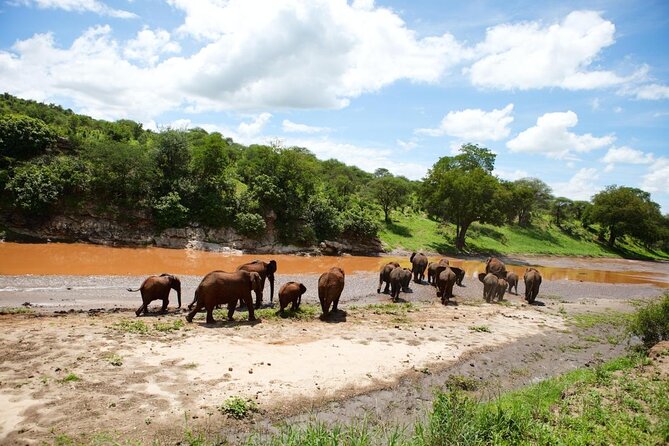
- Calving focus in Ndutu, timed for when wildebeest herds concentrate and calves are most active (typically around February).
- Game drives across multiple habitats, including swamps, woodland, soda lakes, and short-grass plains.
- Ngorongoro Crater descent (600 meters) for dense wildlife viewing and frequent predator sightings.
- A packed circuit of parks, starting in Tarangire and ending at Lake Manyara for birds and flamingos.
- Long hours for the right moments, including an early wake-up for sunrise viewing inside Serengeti.
- Guides praised by name, including Robert, Raymond, and Swalehe, for spotting wildlife and managing the logistics.
Calving Season Drama in Southern Serengeti and Ndutu Plains
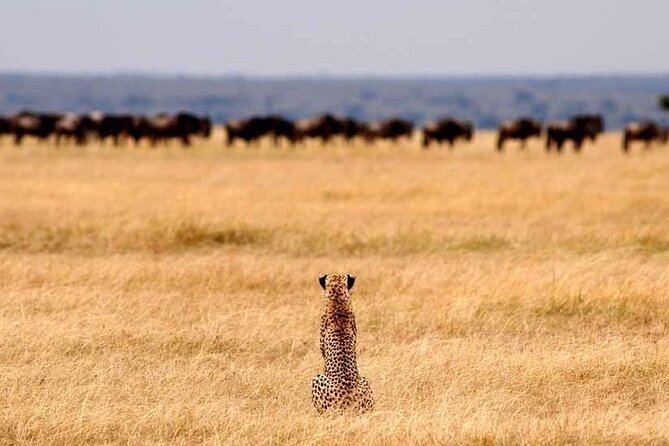
If you come for the migration, the Ndutu area is the reason. This safari is designed for December through April, when the short-grass plains in the Southern Serengeti and Ndutu region typically hold large concentrations of wildebeest. That is also when calving starts to peak, with the calendar window around February and a calving period that can last about three weeks.
This timing matters because calving changes everything on the plain. The grass is short, cover is limited, and young animals are vulnerable. The upside for your camera and your eyes is that predator activity also ramps up, since cheetah, lion, hyena, and leopard sightings become a real goal rather than a far-off dream.
One neat detail to understand before you go: wildebeest calves can get up fast. The tour description notes that calves can run minutes after birth and are strong enough to keep up within a few days. That means you are not only watching a herd, you are watching a fast-moving cycle of births, chases, and shifting groups across the plains.
More Safaris in Arusha
- Balloon Safari & Bush Breakfast in Serengeti – Miracle Experience
★ 5.0 · 1,646 reviews - 4 Days Group Camping Safari
★ 5.0 · 1,101 reviews - 5 Days Group Camping Safari
★ 5.0 · 730 reviews
From Arusha to Tarangire: Elephants, Baobabs, and Tree-Climbing Lions
Your trip starts by getting out of Arusha and into Tarangire National Park. Tarangire is known for large herds of elephants and for its famous baobab trees, sometimes called the Tree of Life. Baobabs here are not just background plants, they create strong visual points that help you track where animals are heading across the landscape.
Tarangire is also described as having a river system that flows all year round, and that matters during dry seasons because water concentrates life. In practical terms, it usually means steadier wildlife sightings compared with parks where water sources are seasonal.
And then there is the iconic Tarangire twist: tree-climbing lions. You might not see them on every day, but this park has a reputation for it, so your guide will be scanning rooftops of branches and edges of open ground with that specific in mind.
Ndutu Game Drive Days: Where Calving and Predators Collide
The Ndutu portion is the heart of this safari. After breakfast, you head into the Ngorongoro conservation area, where Lake Ndutu sits nearby. The tour notes that Lake Ndutu is alkaline, but the water is still described as drinkable and consumed by wildlife. Even if you do not taste anything yourself, this is a reminder that the local ecosystem is built around water access during migration season.
In the afternoon portion, you will spend time on a game drive focusing on migration concentrations on short grass plains. This is also when you tend to find elephants, birds, and resident game alongside the wandering wildebeest and zebra herds.
On the full day game drive, you get more than just one type of scenery. The plan includes multiple habitats such as swamps, woodland, soda lakes, and short-grass plains. That matters because it increases your odds of seeing different animal behaviors in the same day. Predators do not hunt only in one style of terrain, and prey does not feed only in one patch either.
This is where I think your guide’s skill really shows. The provided feedback includes names like Robert and Swalehe, with comments about guides who know the landscape and are able to find what you are hoping to see. With calving season, animals shift quickly, so your timing and your ability to spot signs often beat pure luck.
A practical tip from this focus: keep your daypack light and your camera ready. When calving is happening, action can start suddenly and end quickly, and you want to react fast.
Sunrise Serengeti, Then Ngorongoro Crater: The Two-Stop Mindset
Day four starts early, with wake-up around 5:45 for breakfast and a chance to see the sunrise inside Serengeti. Then you go on an early morning drive up to around 11:30. This is smart planning because wildlife activity often peaks when temperatures are cool and animals are moving for feeding or watering.
After that, you head back for hot lunch, pack, and then transfer toward Ngorongoro, reaching Simba campsite for dinner and overnight. That shift is not just a route change. You are moving from the open-sky drama of the plains into the enclosed bowl world of the crater.
If you are sensitive to early mornings, this is the part to mentally prepare for. The upside is that you get to experience the light and the mood of Serengeti before the day heats up, and that can feel like a different planet compared with mid-day drives.
More camping safaris from Arusha:
- 3 Days Serengeti & Ngorongoro Group Camping Safari
★ 5.0 · 574 reviews - 2 Days Tarangire and Ngorongoro Group Camping Safari
★ 5.0 · 146 reviews - 6 Days Tanzania Budget Camping Safari
★ 5.0 · 145 reviews - 3 Days Tarangire, Ngorongoro & Lake Manyara Group Camping Safari
★ 5.0 · 102 reviews
Ngorongoro Descent (600 Meters): Predators, Lake Magadi, and Dense Wildlife
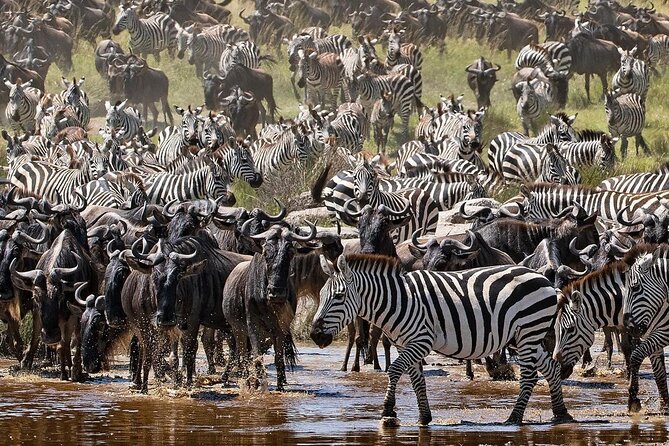
Ngorongoro Crater is famous for a reason, and this safari treats it like the major event it is. The plan calls for an early breakfast followed by a drive into the Ngorongoro Conservation Area, then a descent about 600 meters into the crater.
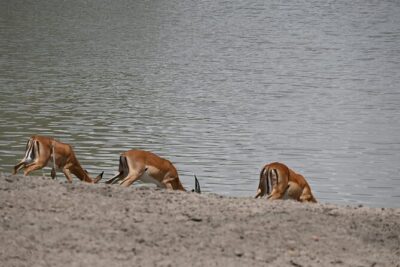
Down there, the wildlife density is the selling point. The tour description lists herds of wildebeest, zebra, buffalo, eland, warthog, hippo, and giant African elephants. That lineup alone is enough to keep your eyes busy for hours.
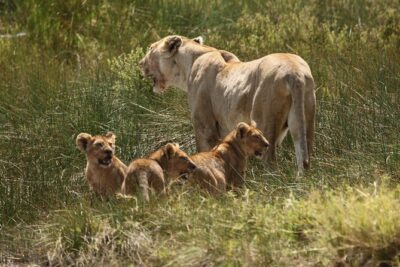
Then add predators. The description specifically highlights dense predator presence, including lions, hyenas, jackals, cheetahs, and leopard sightings, with leopard described as especially hard to spot and requiring a trained eye. This is one reason a good guide matters so much on this route. When animals blend into terrain, a guide who scans steadily and understands where to look can make a big difference in what you see.
You also visit Lake Magadi, a shallow alkaline lake in the south-west corner of the crater. This is where flamingos, hippos, and other water birds can appear. Even if you are focused on mammals, the birdlife and shoreline activity can slow you down in a good way, giving you a break from constant spotting.
Lake Manyara Finish: Birds, Flamingos, and the Rift Valley Wall
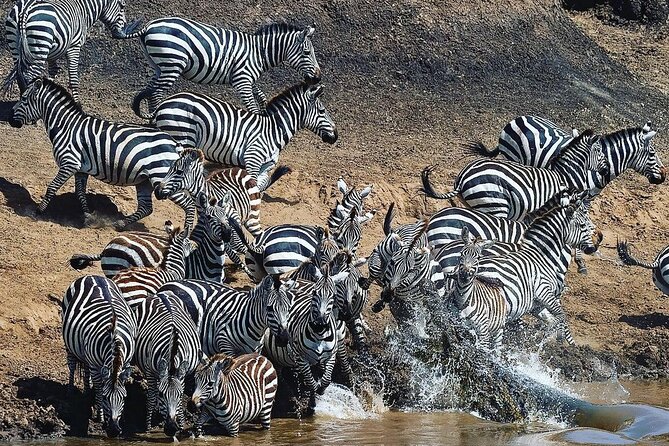
On day six, you end with Lake Manyara National Park. The tour description gives a literary shoutout to Ernest Hemingway calling it the loveliest I have seen in Africa. Whether you care about the quote or not, the setting is the point: the park is framed by the Rift Valley wall, and Lake Manyara covers a large portion of the park.
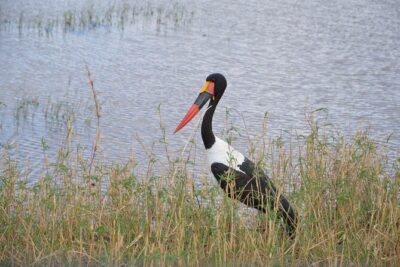
This area is known for a compact circuit that still delivers diversity. The description notes that it is one of the most diverse reserves in the country and calls out the bird numbers: over 400 species, plus thousands of pink-hued flamingos when conditions suit.
If you want a calmer finale after intense game drive days, Lake Manyara can deliver that. It is not just a long straight hunt for the next predator. It is also birds, scenery, and a different rhythm.
Camping Safari Setup: Pop-Up Roof Jeep, Unlimited Water, and Meal Support
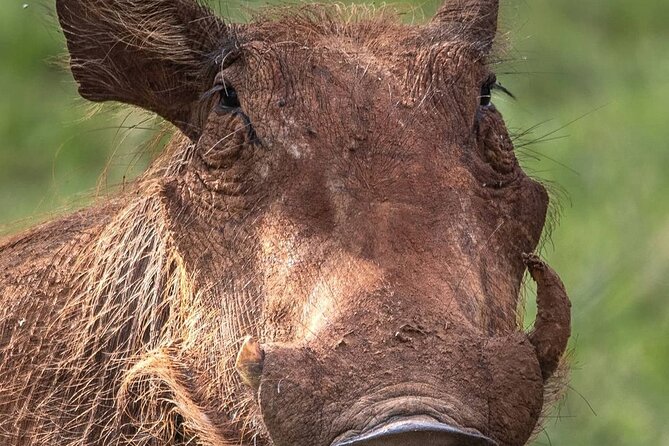
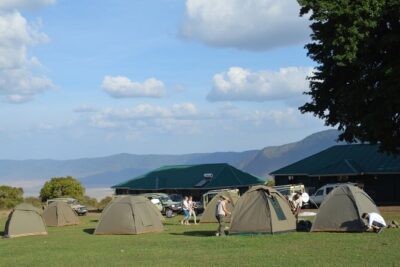
This is a camping safari, but it is not a rough-and-roam experience. You get a pop-up roof safari jeep, which is a practical upgrade for viewing. When you are on uneven ground or need a higher angle over vegetation, that roof function helps you stay oriented and capture cleaner shots.
The inclusions also cover a lot of the daily friction:
- Unlimited drinking water during the trip
- WiFi on board
- Meals listed as breakfast for 6 days, lunch for 6, and dinner for 5
The reviews also strongly emphasize food. One review says the meals were far above expectations and very delicious. Another mentions good meals as a highlight. That is a big deal on safari because your energy depends on it, especially with early starts.
Sleeping is the main comfort note to be aware of. One review says sleeping is ok. So plan for basic camping conditions and prioritize warmth, layers, and a sleep setup that works for you.
Finally, group size matters for comfort and attention. With a maximum of 6 travelers, you typically get a calmer vibe in the vehicle, and your guide can tailor the pacing more than on large-group tours.
Price and Logistics: Does $1,496 Feel Like Good Value?
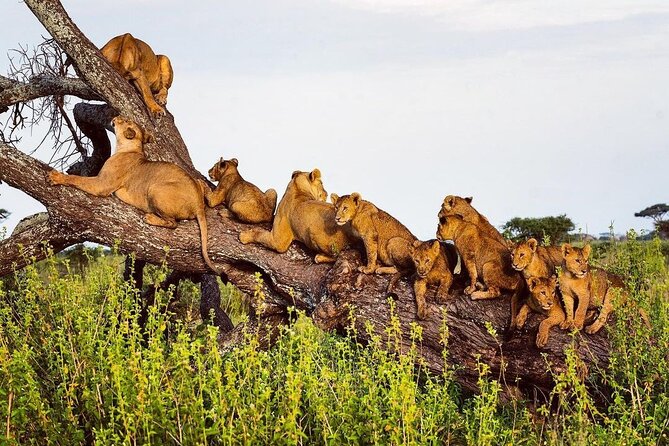
Let’s talk money honestly. At $1,496 per person for about 6 days, this is not a budget safari, but it is also not out of line for a route that includes multiple major parks, calving-season timing, and a crater descent.
Where the value comes from:
- Calving season specificity. You are not traveling just to see wildebeest, you are targeting the time window when herds concentrate for birthing and when predator action tends to spike.
- Multi-park routing. Tarangire, Ndutu/Serengeti, Ngorongoro, and Lake Manyara is a serious circuit.
- Inclusions. The package lists all fees and taxes, plus a lot of meal coverage.
- Vehicle and guide support. The pop-up roof jeep and the small-group size help convert your time into sightings.
Where the price could feel heavy:
- If you only care about one park, you might wonder why you are paying for four. This safari is a whole-system experience, not a single-park ticket.
- If you want a super plush lodging setup, you may feel the gap between camping and what you are used to.
One more reality check. In savanna wildlife viewing, sightings are never guaranteed. That said, the structure here concentrates your time in places and moments when the odds favor big events, including calving activity and predator movement.
Who Should Book, and Who Might Want a Different Plan?
This safari is a great fit if you:
- Want to focus on wildebeest calving season, not just generic Serengeti sightings.
- Enjoy early starts when they buy you cooler light and more active animal behavior.
- Prefer a small group experience with a guide who pays attention, and not a crowded caravan.
This might be less ideal if you:
- Expect hotel-level comfort. The camping format and the note that sleeping is ok suggests simple conditions.
- Have trouble with early mornings. Day four starts very early for sunrise viewing.
It also suits families and groups of mixed ages since the tour description says most travelers can participate, and the vehicle and meal support make the logistics simpler than independent travel would.
Booking Advice: What to Ask Yourself Before You Commit
Before you book, I’d use three quick questions to decide:
- Are you coming for calving-season drama, specifically December to April timing? If yes, this safari’s route and schedule make sense.
- Are you comfortable with a camping rhythm and long, game-drive days? If yes, you will likely enjoy the pacing.
- Do you value a guide who actively works the terrain? The reviews repeatedly highlight guides by name such as Robert, Raymond, and Swalehe for finding animals and handling logistics.
Should You Book This Multi-Day Camping Safari in Arusha?
My take: if you want the best shot at seeing calving season in the Southern Serengeti and Ndutu plains, this is a focused way to do it. You get the big three wildlife anchors on the route, Tarangire, Serengeti calving grounds, and Ngorongoro, then a scenic bird finale at Lake Manyara.
Book it if your priority is wildlife timing and you are fine with camping comfort that is described as ok. Pass or rethink if you need higher-end lodging or you are more interested in relaxing than maximizing your game-drive hours.
If you do book, I’d pack for variable temperatures, keep your camera accessible, and trust that the guide will be constantly scanning the landscape. In calving season, good timing turns the day from sightings into stories.
FAQ
Which parks are included on this 6-day safari?
The itinerary includes Tarangire National Park, the Ndutu area in the Serengeti region, Ngorongoro Conservation Area (including a crater visit and Lake Magadi), and Lake Manyara National Park.
What time of year is this safari designed for?
It is designed for the Great Serengeti wildebeest calving migration, with timing given as December to April.
How many days does the experience last?
The duration is 6 days (approx.).
Is pickup offered?
Yes, pickup is offered.
What’s included for meals?
Breakfast is included for 6 days, lunch is included for 6 days, and dinner is included for 5 days.
Is there drinking water available?
Yes, unlimited drinking water is included.
What vehicle setup will you use for game drives?
You use a pop-up roof safari jeep.
What is the maximum group size?
The maximum group size is 6 travelers.
Is free cancellation available?
Yes. You can cancel up to 24 hours in advance for a full refund. If you cancel less than 24 hours before the start time, the amount paid is not refunded.
More Safaris from Arusha
- 7-Day Premium Luxury Tanzania Safari All-Inclusive
★ 5.0 · 426 reviews - 3-Day Classic Serengeti Safari
★ 5.0 · 263 reviews - 8 Days Great Wildebeest Calving Migration Safari from Arusha
★ 5.0 · 254 reviews - Group Safari 7 Days in Tanzania’s Main Parks
★ 5.0 · 240 reviews
Just posted around Arusha
- 8 Days Serengeti Migration safari★ 5.0 · 11 reviews
- tarangire & ngorongoro 2 days tour★ 5.0 · 14 reviews
- serengeti, ngorongoro & tarangire 4 days private tour★ 5.0 · 18 reviews
- tarangire, ngorongoro & lake manyara park 3 days private tour★ 5.0 · 11 reviews
- climb the KILIMANJARO via Lemosho route★ 5.0 · 4 reviews
- Mt. Kilimanjaro: Shira plateau to Cathedral point 3872m Day hike★ 5.0 · 7 reviews
- serengeti & ngorongoro 3 days private tour★ 5.0 · 15 reviews
- Kilimanjaro Waterfalls Hike & Moshi Hot Springs Day Trip Tour★ 5.0 · 4 reviews
Camping Safaris, compared.
3 Days Serengeti & Ngorongoro Group Camping Safari
Read our review →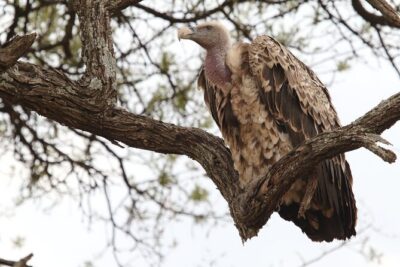
2 Days Tarangire and Ngorongoro Group Camping Safari
Read our review →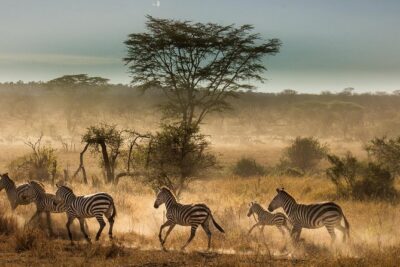
3 Days Tarangire, Ngorongoro & Lake Manyara Group Camping Safari
Read our review →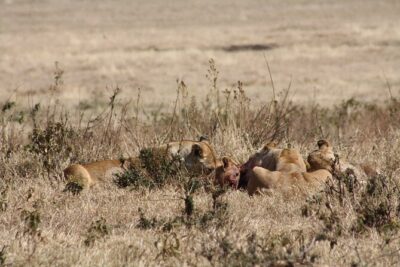
5-Day private Camping Safari Tour in Tanzania
Read our review →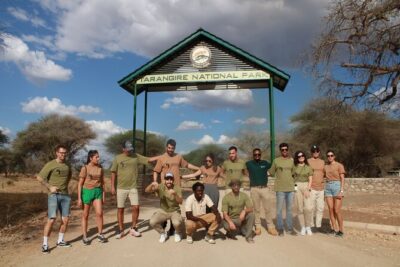
Browse the lists this tour appears in