
Reviewed · SERENGETI SAFARIS
From Arusha: 6 Day Classic Game Drive Serengeti & Ngorongoro
Six days, four safari hotspots, one smooth plan. This classic loop from Arusha takes you from Lake Manyara’s birdlife and tree-climbing lions to Ndutu’s calving-season action, then into Serengeti for migration country, and finally down into Ngorongoro Crater for a top-tier Big Five day.
I really like the way this itinerary stacks Lake Manyara and the famous tree-climbing lions, then pairs it with Ndutu calving season timing where predator sightings are common. I also like that you get a true “drive and watch” pace, with long game-drive days and overnight stops in places close to the parks, so you are not losing time to constant packing and repacking.
One thing to consider: this is an active safari. You start early (8:00 am) and you spend many hours on safari roads, so if you prefer lots of downtime, this may feel like “busy” more than “relaxing.”
In This Review
- Key takeaways before you go
- Arusha start: your safari wheels roll at 8:00 am
- Lake Manyara day: birds on the lake, baboons on the roadside, lions in the trees
- Day 2 transit and Ndutu afternoon: Ngorongoro Conservation Area scenery and Maasai country
- Ndutu full day: calving season predator drama with camera-ready time
- Serengeti: the big plains feel, six million-hoof energy, and a lot of different species
- Ngorongoro Crater: Big Five odds inside a volcanic caldera
- Karatu and back to Arusha: the end of the road, not the safari story
- What you actually get for the price, and why it can be worth it
- Lodges, “unique locations,” and the full board rhythm
- Guides and driving: why names matter for safari quality
- Who this safari suits best
- Should you book this Arusha to Ngorongoro safari loop?
- FAQ
- What parts of Tanzania does this safari cover?
- How long is the tour?
- What time does the safari start?
- Is pickup included?
- Is this tour private?
- What meals are included?
- Are park fees included?
- What are the main taxes or fees not included?
- Are drinks included?
- Is there a mobile ticket?
- What is the cancellation policy?
Key takeaways before you go
- Park fees are included, so your safari budget is easier to manage.
- Lake Manyara’s small-area variety means flamingos, baboons, and grazing animals can all show up in one day.
- Ndutu’s calving season focus increases your odds for lion action and leopard sightings along the riverbanks.
- Serengeti migration country sets you up for that huge-herd feeling when conditions line up.
- Ngorongoro Crater is a Big Five target inside a dramatic volcanic caldera.
- Guides get praised for spotting and communication, including names like David Lasway, Godlisten Nassari, Peter Malley, Khalid Talib, and Shabani.
Arusha start: your safari wheels roll at 8:00 am
Most people underestimate how important the first morning is. With this tour, your day begins with an 8:00 am start, and pickup is offered from your Arusha accommodation or the airport. That matters because safari success often comes down to being on the road early enough to hit prime animal-viewing windows.
From Arusha, you transfer into your first main wildlife base: Lake Manyara. The drive is short enough to feel like you are moving fast, but you still get a real transition from city life into conservation-country quiet.
What I like for you here is the “no-stress” setup: transport and a driver-guide are included, and the tour is private, meaning it is only your group. If you travel with friends or family, this can feel more personal than hopping between random pickup points.
More Serengeti safaris:
- Balloon Safari & Bush Breakfast in Serengeti – Miracle Experience
★ 5.0 · 1,646 reviews - 3 Days Serengeti & Ngorongoro Group Camping Safari
★ 5.0 · 574 reviews - 5-Day Highlights mid-Range Crater, Serengeti, Tarangire
★ 5.0 · 296 reviews
Lake Manyara day: birds on the lake, baboons on the roadside, lions in the trees
Lake Manyara is one of Tanzania’s best examples of how a small park can pack in huge variety. You spend a full day on game drives here, and the setting is all about contrast: the alkaline soda lake draws birds, the forest edge brings baboons, and the open grass area gives you classic grazing sightings.
Here is what makes Manyara special in a practical way:
- Flamingos in big numbers are a major draw, and the park’s lake attracts impressive bird life (the site notes 400-plus bird species have been identified).
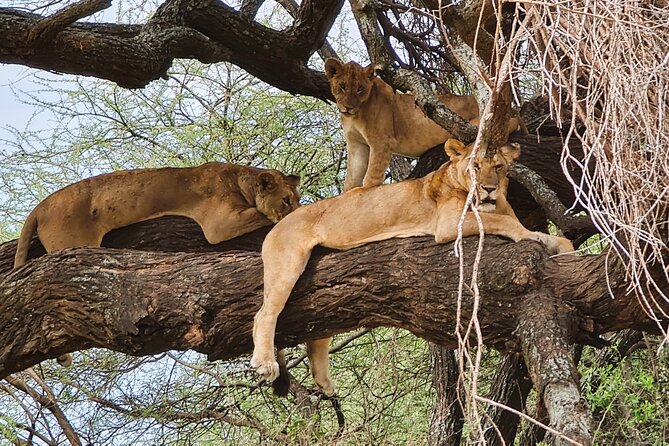
- If you are hunting for something unusual, this is where tree-climbing lions come into the story. The park’s mahogany and acacia trees are part of what makes this behavior possible, and that alone turns a safari day into a “check the box with wow” moment.
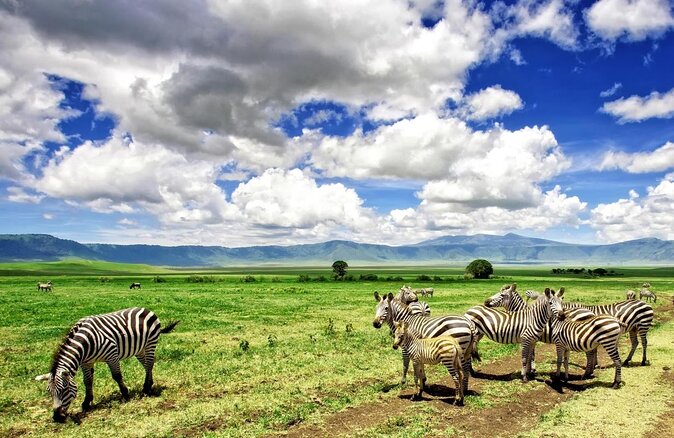
You can also expect the more standard safari mix on the grassy banks: wildebeest, giraffe, zebra, and buffalo. And because the park road winds through areas used by wildlife, you do not feel like you are only searching in empty distance.
Possible drawback: Manyara is smaller than some other parks, so your “best show” may depend heavily on where wildlife is that day. A good driver-guide helps you do the searching smartly rather than randomly.
Day 2 transit and Ndutu afternoon: Ngorongoro Conservation Area scenery and Maasai country
On the way to Ndutu in South Serengeti, you drive through the Ngorongoro Conservation Area and get a change in scenery before the action begins at the wildlife hotspots. The conservation area is also home to the Maasai, and the route can deliver early wildlife sightings and impressive views along the way.
The afternoon drive around Lake Ndutu is where this tour starts leaning hard into seasonal timing. Ndutu is famous during:
- Great Migration season (noted as November through April)
- Calving season (noted as December through February)
Seasonal timing matters because predator-prey dynamics change with the calendar. In other words, you are not just going to “see animals,” you are going where animals are most likely to be doing something dramatic.
A big advantage here is the tour’s focus on the kind of sightings that photographers and wildlife nerds love:
- Lion sightings are described as common in this area.
- The riverbank is noted as home to one of the world’s densest leopard populations.
That leopard detail is a big deal. Leopards can be harder to spot elsewhere, so being in a place where the odds are described as strong changes your whole day.
Ndutu full day: calving season predator drama with camera-ready time
Day 3 is another full day around Ndutu Lake, and this is where the tour earns its name as “classic” instead of “just a drive-by.”
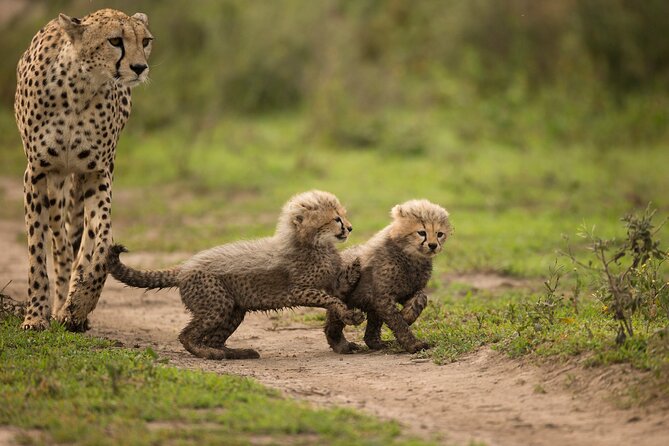
You start after breakfast and then you are out for long enough to let Ndutu do its thing. During Great Migration and calving season, the predator-prey action is the headline, with lions and other predators moving through the same areas where newborns and migrating herds create constant opportunity.
If you care about photography, this kind of pacing is practical. You are not being yanked from spot to spot every hour. You have time to watch how animals behave, which is often when the best moments happen, not just at first sighting.
One more thing I appreciate: the tour keeps expectations grounded. It does not promise specific animal sightings as a guarantee. But it does explain why the location and season are chosen, and that is how you end up with a better odds safari.
More Ngorongoro Crater trips:
- 5 Days Camping Tarangire, Serengeti & Ngorongoro crater & Visiting Maasai
★ 5.0 · 229 reviews - 4 Days Join Group tour Tarangire Serengeti and Ngorongoro crater
★ 5.0 · 219 reviews - 4-Day Safari from Arusha: Tarangire, Serengeti and Ngorongoro
★ 5.0 · 173 reviews - 2 Days Tarangire and Ngorongoro Group Camping Safari
★ 5.0 · 146 reviews
Serengeti: the big plains feel, six million-hoof energy, and a lot of different species
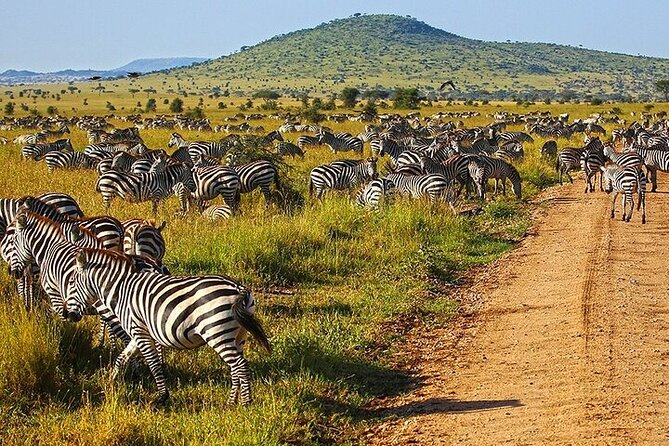
Then comes Serengeti National Park, the famous one, and for good reason. Serengeti is described as spanning 14,763 square kilometers, and it is the kind of park where “endless plains” is not just marketing language. You really do get wide-open sightlines, which helps you track animals across distance.
This part of the safari is built around migration country. The tour notes the annual wildebeest migration, with around six million wildebeest in motion when conditions align, plus hundreds of thousands of zebras and Thomson’s gazelles joining the grazing.
On top of that, Serengeti is where you expect variety:
- Buffalo, elephant, giraffe
- Lion, hippo, hyena
Even if you are not chasing the migration at its peak, the system of Serengeti sightings works because animals share space in different ways. Sometimes you get action at short range, sometimes it is a long-distance silhouette hunt. Either way, you have a full day to work it.
Practical note: in Serengeti, the day can feel like it has multiple “moods.” Early light can help with animal spotting and photography, but midday can be tricky for long-distance viewing. A patient driver-guide makes a difference by reading how animals are positioned through the day.
Ngorongoro Crater: Big Five odds inside a volcanic caldera
Ngorongoro Crater is the “last big box” day, and it is the one many people save their biggest hopes for. The tour describes it as the world’s largest intact volcanic caldera, and you get a full day game drive within it.
The most practical reason crater days are special is that it compresses habitat. You go down into a bowl that supports lots of wildlife across the conservation area, so you are not always searching for the right ecosystem. You are watching wildlife share the same dramatic stage.
The tour highlights the Big Five chance as the main draw. The crater’s rims and conservation area support year-round wildlife concentration, which can boost the odds versus trying to find everything across miles of scattered habitat.
The crater is also described as visually unforgettable from the lookout. You get that mixture of cool mountain air, cloud movement near the rim, and a sense that nature is doing something grand whether you are watching it from above or below. If you are the type who likes views as much as animals, this day delivers both.
Possible consideration: crater days can feel physically demanding because you are spending a full day on safari. If you have any mobility limits, you should plan for long hours and be ready for changing temperatures between rim and interior.
Karatu and back to Arusha: the end of the road, not the safari story
Day 6 shifts gears. After breakfast, your driver-guide brings you back toward Arusha, and the route passes through Karatu. From there, it is about a three-hour drive to Arusha.
This is a “close the loop” day. You are not adding another park. You are getting a smooth transfer and drop-off in central Arusha, your accommodation, or the airport.
I like this ending because it keeps things realistic. You have already had long safari days, so finishing with transport rather than another game drive helps you decompress.
What you actually get for the price, and why it can be worth it
The listed price is $2,864.00 per person, and value here depends on what is included, because safari costs stack quickly in Tanzania.
What this package includes:
- Park fees
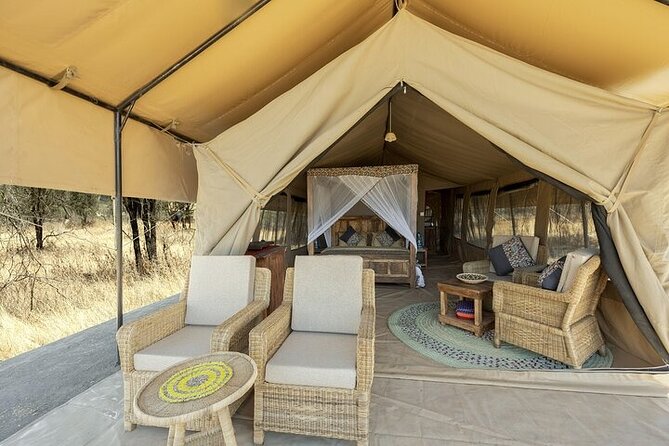
- Overnight stays in accommodations described as unique and close to the parks, on a full board plan
- Transport and a driver-guide
- Meals: breakfast (5), lunch (5), dinner (5)
That meal coverage matters more than many people think. When your days are long and you are moving between parks, not having to hunt for lunch or pay for food on your own keeps the experience smoother and easier to budget.
Not included:
- Tourism Development Levy of $1.50 pp/pn
- Village tax of $1.00 pp/pn
- Drinks, personal expenses, and tips (optional)
Two small practical tips for you here:
- Budget a little extra for those per-night taxes at check-in, even though the big chunk of park costs is covered.
- Plan to bring safari-day essentials (sun protection, layers for early mornings, and comfortable shoes for lodge areas). The tour handles driving and park access, but your comfort day to day is on you.
If you want a private safari that hits four top areas in six days, this pricing is in the “serious safari” range. It can feel steep until you compare it to the cost of park fees, lodging, and transport if you tried to cobble it together yourself.
Lodges, “unique locations,” and the full board rhythm
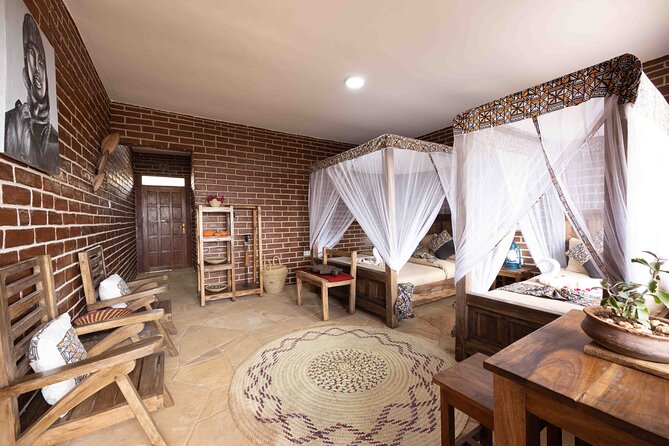
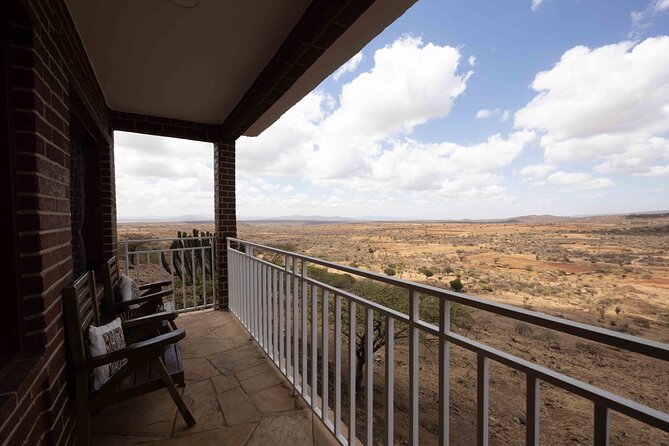
The tour specifies overnight stays in unique locations close to the national parks, using a full board meal plan. Translation: you get meals and a base that minimizes wasted time.
Here is what that rhythm usually does for your safari:
- You can focus on game drives, not planning meals.
- You can keep an energy level that matches long days.
- Even if wildlife is slow on a given drive, you are not burning your evening trying to solve logistics.
You should still expect that lodges and camps in these areas can vary in style and setting. But the important part for your experience is that sleep and meals are built into the package so the safari feels like one continuous journey rather than separate parts.
Guides and driving: why names matter for safari quality
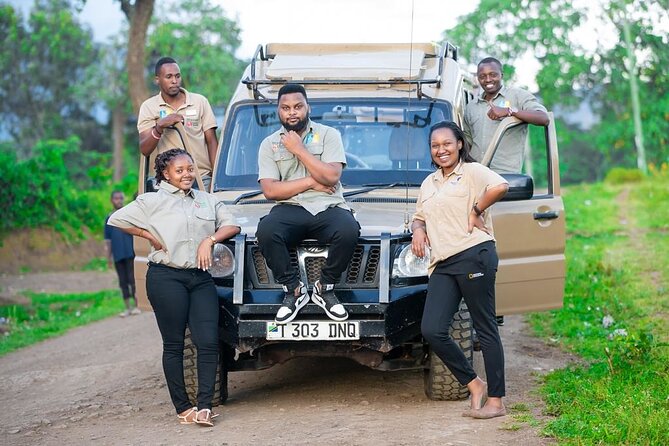
A recurring theme in the feedback tied to this safari style is that the driver-guide is a major part of the success. Names that show up in the experience feedback include Emmanuel Adson, Godbless, David Lasway, Stanley, Peter Malley, Khalid Talib, Godlisten Nassari, and Shabani.
When guides are strong, you feel it in small ways:
- Better spotting and faster reading of animal movement
- Clear explanations about where to look and why
- A calm, careful driving style that helps you feel safe while still chasing opportunities
If your priority is getting the most from each day, pay attention to the guide fit. This tour is private, so the guide’s approach can shape the whole pace.
Who this safari suits best
This tour fits you best if:
- You want a classic “northern circuit major hits” style itinerary in one week
- You care about seasonal drama at Ndutu and the migration story at Serengeti
- You would rather spend money on transport, park access, and guide time than micromanage logistics
- You prefer a private setup where your group drives together
It may be less ideal if:
- You want minimal long drives and early starts
- You dislike busy itineraries and prefer slower travel with lots of rest days
Should you book this Arusha to Ngorongoro safari loop?
I would book this if your goal is a tight, high-impact Tanzania safari with real seasonal focus and strong park coverage. The value is strongest when you want park fees handled, meals taken care of, and long game drives that give you time to watch animals behave, not just rush to see a glimpse.
I’d pause only if you know you struggle with long road days or you want a more relaxed schedule. If you are okay with early starts and full-day drives, this itinerary is built for that kind of safari mindset.
If you book, do yourself a favor: come with flexible expectations, keep your camera ready, and let the guide’s route decisions guide your day. That is where the magic usually happens.
FAQ
What parts of Tanzania does this safari cover?
It includes game drives at Lake Manyara National Park, Ndutu Lake in South Serengeti, Serengeti National Park, and a full day at Ngorongoro Crater. It also includes travel through the Ngorongoro Conservation Area, and it returns via Karatu on the last day.
How long is the tour?
The duration is 6 days, approximate.
What time does the safari start?
The start time is 8:00 am.
Is pickup included?
Yes. Pickup is offered from your place of stay in Arusha or from the airport.
Is this tour private?
Yes. It is listed as private, so only your group participates.
What meals are included?
The package includes breakfast (5), lunch (5), and dinner (5), following a full board meal plan.
Are park fees included?
Yes. Park fees are included.
What are the main taxes or fees not included?
You will pay a Tourism Development Levy of $1.50 pp/pn and a village tax of $1.00 pp/pn at check-in.
Are drinks included?
No. Drinks and personal expenses are not included.
Is there a mobile ticket?
The tour features list a mobile ticket.
What is the cancellation policy?
Free cancellation is available. You can cancel up to 24 hours in advance of the experience for a full refund, with cut-off times based on local time.
Just posted around Arusha
- 8 Days Serengeti Migration safari★ 5.0 · 11 reviews
- tarangire & ngorongoro 2 days tour★ 5.0 · 14 reviews
- tarangire, ngorongoro & lake manyara park 3 days private tour★ 5.0 · 11 reviews
- serengeti, ngorongoro & tarangire 4 days private tour★ 5.0 · 18 reviews
- serengeti & ngorongoro 3 days private tour★ 5.0 · 15 reviews
- climb the KILIMANJARO via Lemosho route★ 5.0 · 4 reviews
- Mt. Kilimanjaro: Shira plateau to Cathedral point 3872m Day hike★ 5.0 · 7 reviews
- Kilimanjaro Waterfalls Hike & Moshi Hot Springs Day Trip Tour★ 5.0 · 4 reviews
Serengeti Safaris, compared.
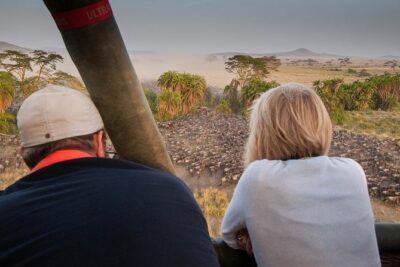
Serengeti Balloon Safari and authentic bush breakfast
Read our review →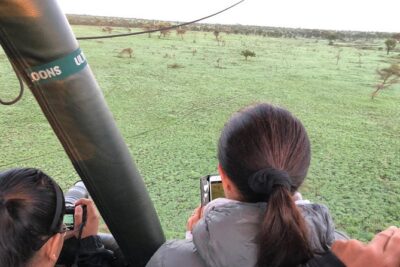
Balloon Safari & Bush Breakfast in Serengeti – Miracle Experience
Read our review →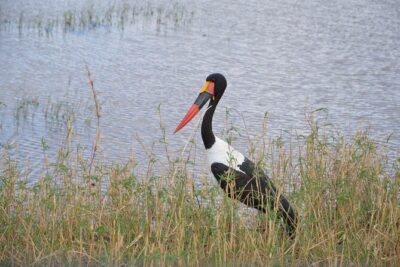
3 Days Serengeti & Ngorongoro Group Camping Safari
Read our review →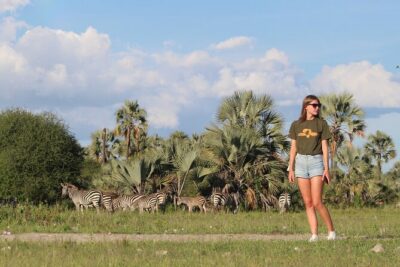
5-Day Highlights mid-Range Crater, Serengeti, Tarangire
Read our review →
Private 6-Day Tarangire Manyara Crater and Serengeti with Mid-Range Lodges
Read our review →
5 Days Camping Tarangire, Serengeti & Ngorongoro crater & Visiting Maasai
Read our review →Browse the lists this tour appears in