
Reviewed · CAMPING SAFARIS
Embark on a 5-day camping safari adventure.
Big cats in your camp calendar. This 5-day camping safari links Tarangire, the Serengeti, and Ngorongoro for a classic Northern Tanzania route that feels big-time, without big-time price stress. I like the small-group setup (max 6) and the way the schedule keeps you doing real game viewing across multiple parks. One drawback to plan for: it is a packed, early-start trip, and camping means you trade plush comfort for being closer to the action.
You also get a few thoughtful touches that make the long days easier. At Migombani Campsite, the infinity pool sits with views toward Lake Manyara, and that is a great way to unwind after the dust and the long drives. The operator has a track record with guides like Bernard and Wilson in recent safaris, so you are not just getting a driver, you are getting someone who knows where to point the vehicle and how to read the bush.
In This Review
- Key highlights you will feel on this trip
- The route: Tarangire, Serengeti, and Ngorongoro in 5 days
- Day 1 in Tarangire and Migombani Campsite, with Manyara views
- Day 2 in the Serengeti, arriving in Seronera Valley
- Day 3: a full Serengeti day with changing terrain zones
- Day 4: Ngorongoro Conservation Area and sleeping near the rim
- Day 5: descending into Ngorongoro Crater and returning to Arusha
- Camping safari comfort: what is included, what to plan for
- Food, dietary options, and how to keep meal time easy
- Driver, guide, and the small-group advantage
- Price and value: what you really get for $1,250
- Who this safari fits best
- Should you book this 5-day camping safari?
- FAQ
- Where do we meet for this safari in Arusha?
- What parks are included in the itinerary?
- Is this a camping safari or a lodge-based safari?
- Are park fees and taxes included in the price?
- How large is the group?
- Can I request vegetarian food?
Key highlights you will feel on this trip
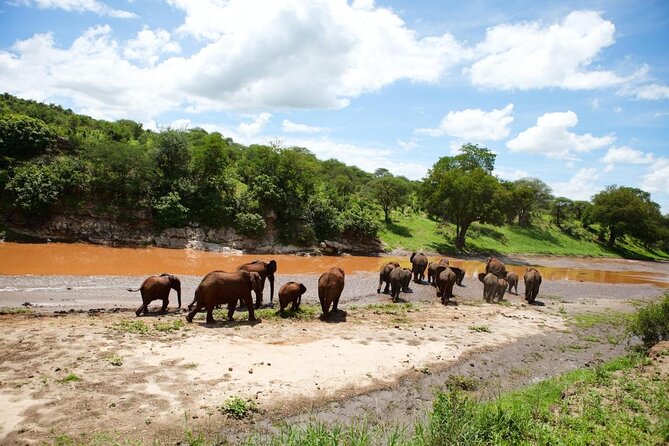
- Small private group (up to 6), so you can actually hear your guide and move at a natural pace
- Tarangire to Serengeti to Ngorongoro in one tight loop, a great use of 5 days
- Tented accommodation with bed linen, plus all the big meal times covered
- Game viewing days that are built around mornings and long hours, not quick photo stops
- Serengeti ecology context explained on the drive, including why the plains matter
- Ngorongoro crater descent for an easy-to-understand wildlife shortcut, once you get down into it
The route: Tarangire, Serengeti, and Ngorongoro in 5 days
This itinerary is designed for one thing: maximizing time in Tanzania’s best-known wildlife zones without turning your trip into a daily logistics puzzle. You start in Arusha, then go straight into Tarangire National Park for your first full game-viewing day. From there, you move into the Serengeti for two days, with overnight camping in the Seronera Valley. Then it is onward to the Ngorongoro Conservation Area, where you sleep near the rim and descend into the crater on the final day.
Why this sequence works is simple. Tarangire is a different flavor than the Serengeti. The Serengeti gives you the big, open-country feel where wildlife can be seen across wide distances. Ngorongoro is a concentrated ecosystem, so you get a “many species in one place” day without needing to cover huge ground all day.
More Safaris in Arusha
- Balloon Safari & Bush Breakfast in Serengeti – Miracle Experience
★ 5.0 · 1,646 reviews - 4 Days Group Camping Safari
★ 5.0 · 1,101 reviews - 5 Days Group Camping Safari
★ 5.0 · 730 reviews
Day 1 in Tarangire and Migombani Campsite, with Manyara views
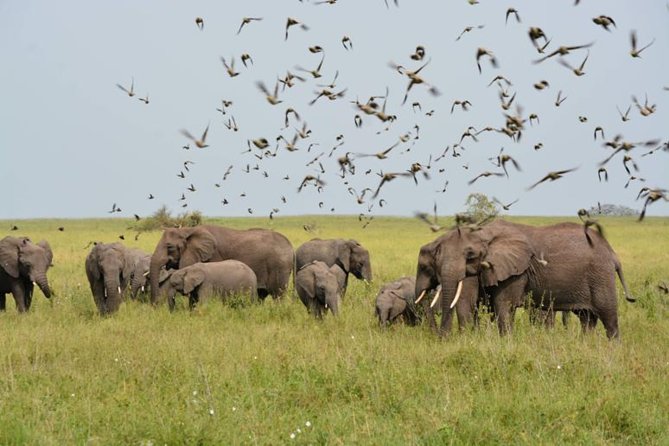
You depart Arusha in the morning and head for Tarangire National Park, where you get the remainder of the day for game viewing, plus a picnic lunch in the bush. Tarangire is the kind of park where your guide’s scouting matters, because you are looking for movement, not just sitting and hoping. Expect long, satisfying wildlife time that feels like the safari starts immediately.
Later, you head to Migombani Campsite for dinner and overnight. The standout comfort detail here is the infinity pool with views toward Lake Manyara. Even if you do not swim, it is a nice mental reset after a day of heat, dust, and animal spotting. From the campsite, you also get great views of Lake Manyara, which means you can end the day looking at something beautiful while the safari photos load.
Practical note: Day 1 is a full day right away. That is great if you want momentum, but it means you will want to keep your evening simple, hydrate, and let the sleeping happen when it is time.
Day 2 in the Serengeti, arriving in Seronera Valley
After breakfast, you leave for the Serengeti National Park with a picnic lunch packed for the road and time in the park. This is your big Day 2 game-viewing day, and it is built for long hours: drive, stop, scan, spot, repeat.
Your overnight base is a campsite in the Seronera Valley, where you have dinner and sleep. That matters because it keeps you close to the action for your next day. It also helps you avoid the common safari problem where you spend half your time in transit and only half actually in wildlife country.
Here is the context that your guide will likely bring up during this drive: the Serengeti ecosystem is enormous, about 35,000 square kilometers, and it stretches into Kenya’s Masai Mara. The name is linked to the Masai word siringit, meaning endless plains, and the migration is the headline event of that ecosystem.
How to think about Day 2: treat it like your first “full taste” of the Serengeti. You will likely see a wide variety of animals and habitats in one day, and you can use what you spot on Day 2 to know what to watch for on Day 3.
Day 3: a full Serengeti day with changing terrain zones
Day 3 is another full day in the Serengeti, again with a picnic lunch, dinner, and overnight at the same Seronera area camp. This is where the safari turns into more than just checklists. You get time for patterns: how animals behave at different times, where predators wait, and how prey shifts across the plains.
The Serengeti itself is split in a way that helps you understand what you are seeing. South of the park, there are the famed plains. The Lobo area to the north can be more rolling and less visited. To the east, the scenery turns more wooded and riverine around areas like Kirawira and Grumeti. You do not have to memorize those names to enjoy the day, but it helps when your guide explains why visibility and animal movement can feel different across regions.
If your goal is the Big Five, you should know this: no itinerary can promise specific animals on specific minutes. What you can count on is time. Two full Serengeti days in a row give you a better chance to see more, and it also gives your guide room to adjust when wildlife appears where you do not expect it.
More camping safaris from Arusha:
- 3 Days Serengeti & Ngorongoro Group Camping Safari
★ 5.0 · 574 reviews - 2 Days Tarangire and Ngorongoro Group Camping Safari
★ 5.0 · 146 reviews - 6 Days Tanzania Budget Camping Safari
★ 5.0 · 145 reviews - 3 Days Tarangire, Ngorongoro & Lake Manyara Group Camping Safari
★ 5.0 · 102 reviews
Day 4: Ngorongoro Conservation Area and sleeping near the rim
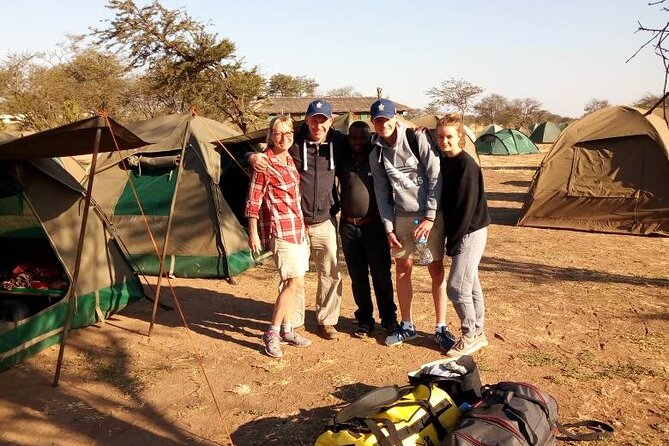
In the morning on Day 4, you leave the Serengeti and head toward the Ngorongoro Highlands and Simba Campsite on the edge of the rim. You still carry a picnic lunch, and you get game viewing as you travel. Then dinner and overnight at the rim.
This is also your first “big change of setting” day. The Ngorongoro Conservation Area covers about 8,300 square kilometers around the crater and highlands. The crater was once tied to Serengeti National Park operations, but in 1956 it was designated a conservation area after pressure and lobbying from the local Masai community, including land dispossession issues linked to how national parks were established.
Why that matters to you on safari is more practical than political. Ngorongoro is not just a hole in the ground you visit for one look. It is an entire protected ecosystem, and sleeping at the rim helps you get ready for that final day when the crater becomes your whole world.
Day 5: descending into Ngorongoro Crater and returning to Arusha
Day 5 starts early with you descending the crater walls for game viewing, plus a picnic lunch. This is the day most people picture when they imagine Ngorongoro: a dramatic, concentrated wildlife viewing experience where you are in one enclosed system and watching how animals use it.
The crater itself is about 210 square kilometers, and it is famous for a steady mix of wildlife thanks to the range of ecosystems inside it. The ecosystem variety is the whole point. Instead of chasing multiple habitats across huge distances, you get a cross-section of animal life within a single setting.
After lunch, you leave the crater area and drive back toward Arusha, arriving mid to late afternoon. That timing is nice because you still get a full safari day before you deal with real-world wrap-up, like packing and a shower that feels like a small luxury.
Camping safari comfort: what is included, what to plan for
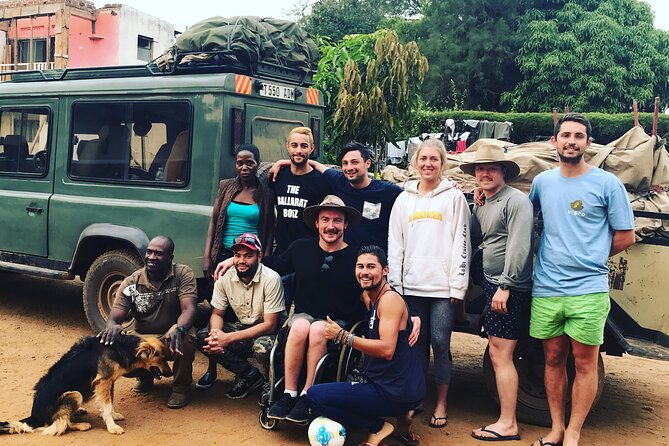
This trip is camping, but not bare-minimum camping. You get tented accommodation and all bed linen, which makes a big difference for sleeping comfort and cleanliness. Meals are also covered across the main days: breakfast (4), lunch (5), and dinner (4). Park fees and handling charges are handled too, which keeps the budget calmer while you are in the bush.
What camping changes is not safety so much as expectation. You should plan for basic outdoor conditions: cool nights, warm days, and the reality that you are living lightly. You might want to bring your own small comforts, like a flashlight headlamp, a good water bottle, and layers that handle temperature swings.
Also keep in mind the group size is capped at 6. That is one reason camping can feel friendly rather than chaotic. Small-group camping tends to mean quieter mornings and a more personal feel when you return to camp.
Food, dietary options, and how to keep meal time easy
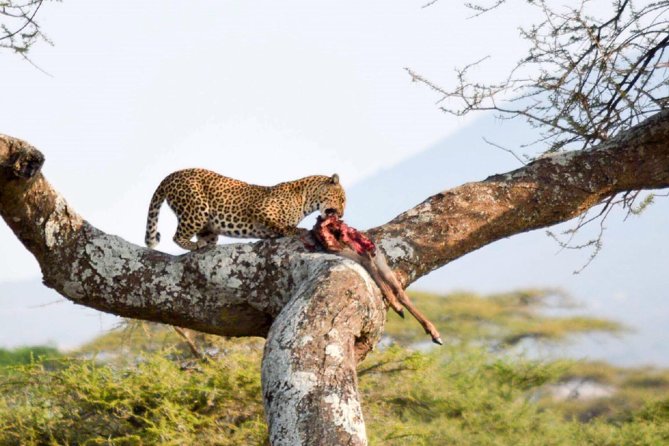
Meal coverage is a strong value point here. You are not hunting for restaurants between parks. Lunches are packed as picnic lunches on park days, and dinners and breakfasts come with your overnight camp plan.
If you have dietary needs, good news: you can request a vegetarian option if you tell the operator at booking. That is exactly the kind of detail that matters on safari, because it is not fun to guess what you can eat while you are tired.
My advice: make sure your dietary request is clear early. When food is handled well, the whole day feels smoother.
Driver, guide, and the small-group advantage
This is a private tour with your group only, and the driver/guide comes included, plus bottled water. That is not just nice. It is practical. In safari country, your guide’s ability to read wildlife movement and choose routes in real time can make the difference between a long day that feels average and a long day that feels unforgettable.
The operator behind this trip, The East African Safari and Touring Company, has built a reputation through guides who have shown up in past experiences. Bernard, Wilson, and Emmanuel have been highlighted in feedback, and that gives you some confidence in consistency of guiding style.
And because the maximum group size is 6, you should expect a better conversation ratio. You can ask questions without shouting, and you are not constantly competing with ten other people for the same window of attention.
Price and value: what you really get for $1,250
At $1,250 per person for about 5 days, this is not a bargain safari, but it also does not read like an inflated luxury markup. The value is in what is bundled:
- Private driver/guide
- Tented accommodation with bed linen
- Meals across the trip’s main days
- All taxes, park and conservation fees
- Bottled water
- Pickup offered, plus a clear meeting point at AIM Mall Mbauda Arusha
What you should budget separately: tips, personal items, snacks, and any government-imposed increase of taxes or park fees. That is standard for safaris, but it is smart to keep a little flexibility.
If you are trying to “do the big parks” without spending lodge-level prices, this camping approach is often one of the most rational compromises. You get the core safari experience, plus you spend your money where it matters, in the parks.
Who this safari fits best
This tour is a great fit if you want:
- Classic Northern Tanzania hits in one week window, Tarangire, Serengeti, and Ngorongoro
- A small private group where the guide can actually work with you
- Camping with real comforts, thanks to bed linen and included meals
- An itinerary that gives you multiple full game-viewing days, not just a drive-by
It might not be ideal if you want a fully soft, lodge-style vacation. Camping is still camping, and Ngorongoro’s crater descent means you should be comfortable with early mornings and the physical reality of being on crater walls.
Should you book this 5-day camping safari?
If your goal is a focused safari route that hits the big three regions, this is a strong candidate. The included meals, park fees, and private guide make the value easier to understand, and the small-group cap keeps the experience from feeling mass-produced.
I would book it if you are happy trading luxury for proximity: sleeping close to the bush, eating well even on picnic days, and spending your time where the animals are, inside the parks. I would hesitate if you need a slower pace or you know camping will stress you out.
If you want, tell me your travel month and your priorities (photo safari, Big Five odds, comfort level). I can help you sanity-check whether this 5-day loop matches your expectations.
FAQ
Where do we meet for this safari in Arusha?
The tour starts at AIM Mall Mbauda Arusha TZ, Arusha 3424, Tanzania. It ends back at the same meeting point.
What parks are included in the itinerary?
The itinerary includes Tarangire National Park, Serengeti National Park, and Ngorongoro Conservation Area, including game viewing inside Ngorongoro Crater.
Is this a camping safari or a lodge-based safari?
It is a camping safari with tented accommodation. You will stay at Migombani Campsite, a campsite in the Seronera Valley, and Simba Campsite on the edge of the rim.
Are park fees and taxes included in the price?
Yes. All taxes, park and conservation fees, and handling charges are included.
How large is the group?
The maximum group size is 6 travelers, and it is a private tour so only your group participates.
Can I request vegetarian food?
Yes. Vegetarian options are available if you advise the operator at the time of booking.
More Safaris from Arusha
- 7-Day Premium Luxury Tanzania Safari All-Inclusive
★ 5.0 · 426 reviews - 3-Day Classic Serengeti Safari
★ 5.0 · 263 reviews - 8 Days Great Wildebeest Calving Migration Safari from Arusha
★ 5.0 · 254 reviews - Group Safari 7 Days in Tanzania’s Main Parks
★ 5.0 · 240 reviews
Just posted around Arusha
- 8 Days Serengeti Migration safari★ 5.0 · 11 reviews
- tarangire & ngorongoro 2 days tour★ 5.0 · 14 reviews
- serengeti, ngorongoro & tarangire 4 days private tour★ 5.0 · 18 reviews
- tarangire, ngorongoro & lake manyara park 3 days private tour★ 5.0 · 11 reviews
- climb the KILIMANJARO via Lemosho route★ 5.0 · 4 reviews
- Mt. Kilimanjaro: Shira plateau to Cathedral point 3872m Day hike★ 5.0 · 7 reviews
- serengeti & ngorongoro 3 days private tour★ 5.0 · 15 reviews
- Kilimanjaro Waterfalls Hike & Moshi Hot Springs Day Trip Tour★ 5.0 · 4 reviews
Camping Safaris, compared.
3 Days Serengeti & Ngorongoro Group Camping Safari
Read our review →
2 Days Tarangire and Ngorongoro Group Camping Safari
Read our review →
3 Days Tarangire, Ngorongoro & Lake Manyara Group Camping Safari
Read our review →
5-Day private Camping Safari Tour in Tanzania
Read our review →
Browse the lists this tour appears in