

Reviewed · WALKING TOURS
Coffee walk with stay in the village
A coffee walk can sound pretty simple, until you see the whole process from seed to cup. This 3-day Arusha experience takes you into the coffee village itself, including 2 nights in a guesthouse on the farm. I love that it’s built around organic and Fairtrade coffee, so your trip connects what you sip with what the growers actually earn.
I also like how the day feels human, not rushed, with a proper guided walk and real village stops along the way. You’ll meet people, walk through the community, and then spend time seeing how traditional and organic coffee production differ. The only drawback to consider is the schedule and walking time, especially on day 2, since it’s a full day of walking from the guesthouse to the village area and down toward the roaster.
In This Review
- Key things to know before you go
- From Arusha to a coffee village, starting with a 17:00 pickup
- Day 1 evening: settle into the guesthouse and get your bearings
- Day 2 at 09:30: village walks, schools, church, and the coffee farm trail
- A heads-up on walking time and pace
- The seed-to-cup story: traditional vs organic coffee you can actually see
- Roaster walk and the part most coffee tours skip
- Hot lunch in the garden: Tanzanian flavors and a real break
- Day 3: slow breakfast and the drive back to Arusha
- Price and value: $270 that goes beyond a souvenir cup
- Who should book this coffee village stay
- What to bring and how to get the most out of it
- Should you book the Coffee Walk with village stay?
- FAQ
- How long is the coffee walk with stay in the village?
- Where are you picked up in Arusha?
- What meals are included during the 3 days?
- Is the coffee farm organic and Fairtrade?
- How much walking is involved on day 2?
- What is the cancellation policy?
Key things to know before you go
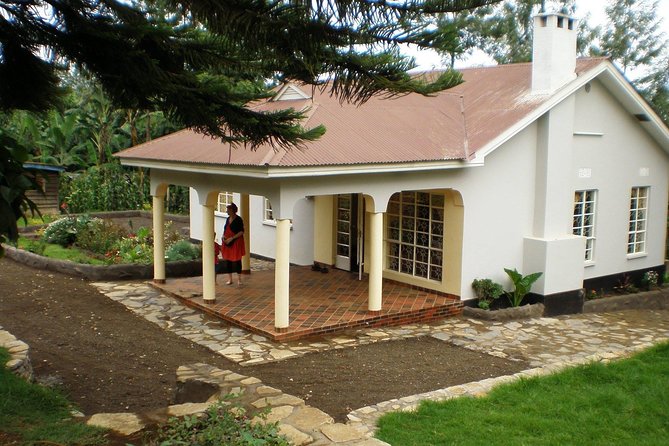
- You sleep where the coffee is grown, with 2 nights at the village guesthouse
- Day 2 is a real walk, including a 30-40 minute walk down to the roaster
- Fairtrade means real income support, with farmers paid 3 times the normal price
- Organic farming with no chemical spraying, which the tour highlights for safer farming and healthier drinking
- Your guide matters, with Samwel specifically praised for being friendly and plant-smart
- Meals are part of the story, including a hot Tanzanian lunch in the garden
From Arusha to a coffee village, starting with a 17:00 pickup
This trip starts with transport that’s easy to plan. On day 1, you’re collected from Arusha town at 17:00 for a drive of about 30-40 minutes to the coffee village. If you’re flying in, airport pickup is possible too, and you’ll just need to tell the operator where to pick you up.
That evening arrival has one practical advantage. Instead of scrambling into a full day right away, you settle in, get oriented, and then you can take a relaxed village walk before dinner. It’s also a nice rhythm shift from typical Arusha tours that feel like nonstop transfers. Here, you’re aiming for a slower start so you can focus on the coffee story.
More Walking Tours in Arusha
- Arusha Guided Walking City Tour, Culture, Lifestyle & History
★ 5.0 · 150 reviews - 7-Day Private Tanzania Safari with Sunset Walking on the Crater Rim and Maasai
★ 5.0 · 40 reviews - 4 Days lodge safari Tarangire , Ngorongoro crater & Walking
★ 5.0 · 39 reviews
Day 1 evening: settle into the guesthouse and get your bearings
Day 1 is about arriving, checking into your rooms, and easing into village life. After pickup and the drive, you’ll have time to settle before dinner, plus a little walk in the village when the light is still decent.
I like this approach because it helps you understand what you’re about to see the next day. When you get the chance to wander briefly before the guided coffee walk, you start noticing details like how daily life works around the farm. It also makes the evening meal feel more grounded, not like an afterthought.
Dinner is served at the guesthouse, and it’s described as home-made, prepared by a chef. Reviews also repeatedly mention that the guesthouse and its garden are beautiful, and that the meals hit the right comfort-food note. If you’ve ever had “tour lunch” that tastes like it was assembled in a hurry, this is the opposite vibe.
Day 2 at 09:30: village walks, schools, church, and the coffee farm trail
Day 2 begins after breakfast, with the coffee guide meeting you at around 09:30. From the guesthouse, you’ll walk toward the village center where you can see community spaces like a hospital, primary and secondary school, an orphanage, and the oldest church in the mountain.
This part matters more than it sounds. A coffee farm tour can easily turn into plant viewing with no context. Here, the walk gives you the “why” behind the tour, because you’re not just seeing where coffee grows. You’re also seeing where people live and how the farm connects with the community.
Then you switch from village center walking to farm walking. The route leads you to the organic coffee farm, where your guide explains and shows differences between traditional and organic coffee production. The guide is a big reason people love this tour. In particular, Samwel is mentioned as friendly, outgoing, and very comfortable explaining local plants and coffee. One reviewer even notes that he grew up in the area, which tends to translate into a more natural, less scripted conversation.
A heads-up on walking time and pace
Day 2 is listed as about 6 hours, and you’ll cover multiple segments on foot. You’ll also walk 30-40 minutes down to the roaster. That’s not a technical hike, but you should plan for solid walking. Wear shoes you can live in, and think about packing light so you’re not juggling too much.
A few more Arusha trips to compare
- Materuni Waterfalls, coffee tour & Kikuletwa Hot Springs
★ 5.0 · 643 reviews - Materuni waterfalls coffee tour & Chemka hot springs Day trip
★ 5.0 · 131 reviews - Maasai village visit, Materuni waterfalls & coffee experience
★ 4.5 · 95 reviews - Materuni Waterfalls & Coffee Tour from Moshi
★ 5.0 · 92 reviews
The seed-to-cup story: traditional vs organic coffee you can actually see

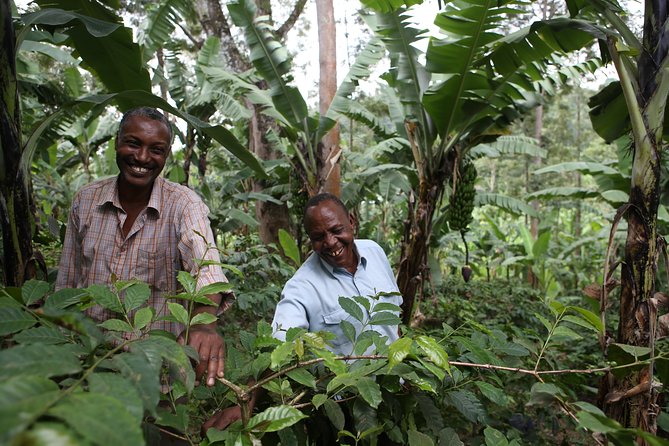
This is where the tour gets interesting fast. The farm portion focuses on the long journey of coffee, from growing practices to what happens after the beans are harvested. The tour highlights that the coffee farm supplying the experience is organic and Fairtrade, and that the coffee trees are not sprayed with chemicals.
Why you should care: the tour frames organic and Fairtrade as practical choices for people, not just marketing words.
- Fairtrade pay support: the tour says farmers receive 3 times the normal price. That’s meant to improve their ability to cover basics like education for children.
- No chemical spraying: the tour claims coffee trees aren’t sprayed with chemicals, which it connects to a safer working environment for farmers and a healthier end product for you.
On the ground, the tour is designed to make those claims feel real. You’re shown the difference between traditional production and organic production. You’re also walking through the physical steps, including the roaster segment later in the day. Even if you don’t consider yourself a coffee geek, you’ll come away understanding why processing matters.
Roaster walk and the part most coffee tours skip
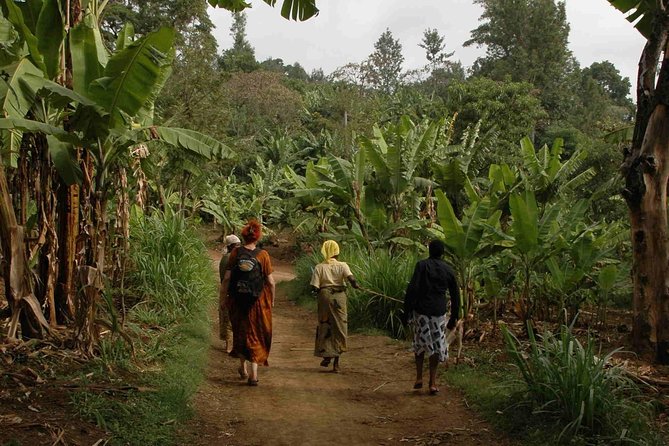
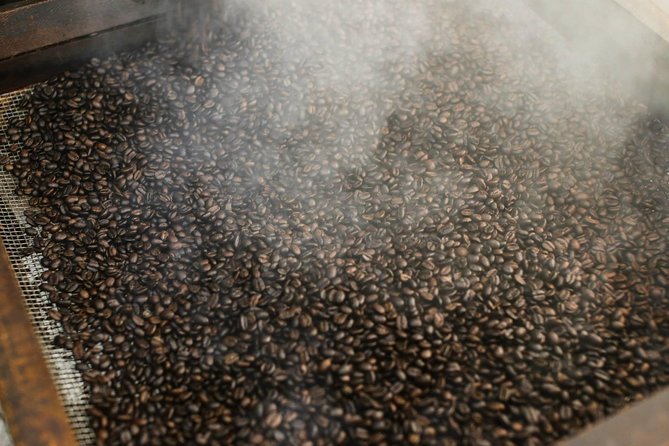
After you see the farm side of production, you move toward the roaster. The walk down to the roaster takes 30-40 minutes. The guide uses this time to explain what you’re seeing and to tie it back to local culture and traditions.
Not every coffee tour includes the roaster segment as a walking moment with context. Here, the roaster walk is part of the experience, not just a transfer. It’s a chance to ask questions, and if you get a guide like Samwel, the conversation tends to stay lively. The reviews are consistent on this: people remember the guide as a highlight, and they mention good conversation along with coffee learning.
Hot lunch in the garden: Tanzanian flavors and a real break
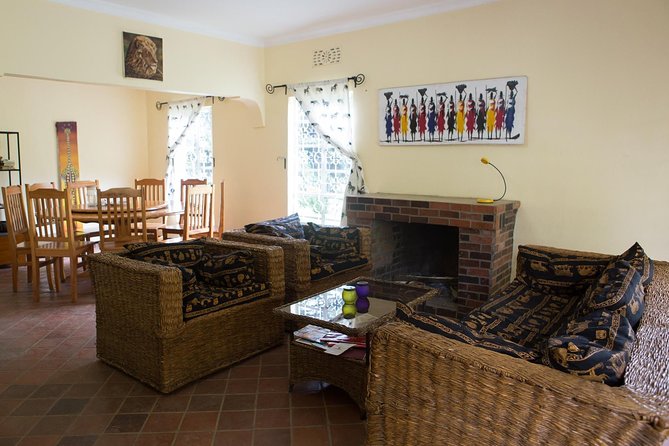
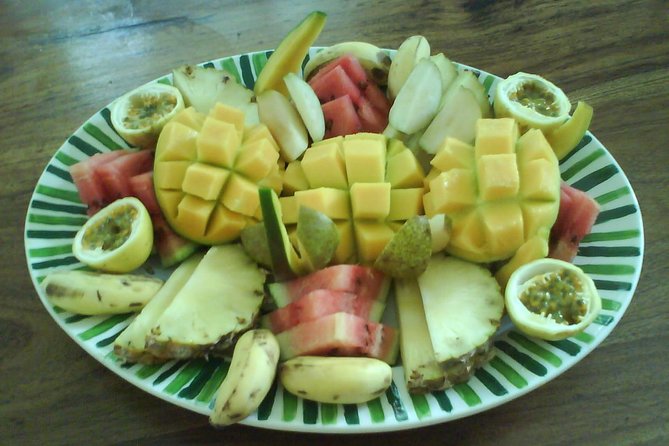
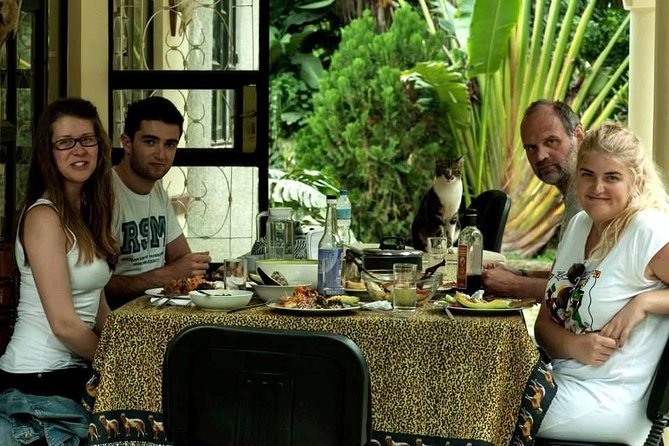
Midday lunch is served in the garden, and it’s described as a hot Tanzanian meal with village specialties. The menu listed includes chapati, roasted banana, rice, ugali, goat sauce, spinach, salad, and fruits of the sea.
That combination tells you the tour isn’t treating lunch as a rushed stop. It’s part of the village day, served where the story is happening. I also appreciate that lunch is Tanzanian rather than generic “tourist buffet” food. Even if some items are new to you, the setting and timing make it easier to try without stress.
One practical thought: the day is long, so eat well when it’s served. This is also one of the best times to take a breather before the later part of the tour.
Day 3: slow breakfast and the drive back to Arusha
Day 3 is simpler by design. You start with a slow breakfast, then you drive back to Arusha town so you can keep exploring Tanzania. The listing notes 3 hours for this return portion.
This is a nice way to end the experience because you’re not rushed into another activity right after a long day of walking. You get to regroup in the morning, then transition back to the city. If you’re planning a safari or trekking afterward, this timing can fit well. It also means you leave the coffee village feeling like you actually had time there, not just passed through it.
Price and value: $270 that goes beyond a souvenir cup
At $270 per person for about 3 days, you should think of this as paying for access and context, not just coffee tasting. The value comes from several parts that are harder to assemble than you might expect:
- Two nights included in a guesthouse located in the same village where the coffee is produced
- Guided walking time on day 2, including farm segments and the roaster walk
- Home-made meals, with breakfast and dinner prepared by a chef, plus a hot lunch served during the farm walk
- Ethical positioning around Fairtrade pay and organic farming, including the claim that farmers are paid 3 times the normal price
That last point is the one that really changes the math. If coffee tourism is just about taking photos and buying branded beans, it’s usually a disconnect. Here, the tour explicitly ties your participation to farmer income and safer production practices.
Also, the tour is structured as a private tour/activity, meaning only your group participates. That can be good value if you’re traveling with friends or family because you get the guide’s attention without sharing your day with strangers.
Who should book this coffee village stay
This is a great fit if you want coffee learning with real-life context. You’ll enjoy it if you like:
- guided walking tours that explain what you’re seeing
- culture and community stops, not just plantations and views
- ethical travel that tries to connect the product to the people
It’s less of a match if you’re looking for a quick coffee demo in a city café. This is slower, and it asks you to walk.
Most importantly, it suits people who appreciate a guide-led day. Reviews consistently point to the coffee guide experience as a standout, with Samwel praised for being friendly, outgoing, and very good at explaining plants and local life. That kind of guide energy can make the difference between a “nice tour” and an unforgettable day.
What to bring and how to get the most out of it
The tour is listed as most travelers can participate, but day 2 includes meaningful walking. Here’s what helps you enjoy it more:
- comfortable walking shoes for farm paths and the roaster segment
- a light layer for morning shade and later warmth
- a small day bag so you can keep your hands free on the walks
If you’re the type who asks questions when something interests you, you’ll get more out of it. The format makes it natural to talk with your guide about coffee production, village life, and traditions. And if you’re a coffee drinker who wants to understand why your cup tastes the way it does, the seed-to-cup focus will give you a satisfying new perspective.
Should you book the Coffee Walk with village stay?
Yes, if you want a coffee experience that connects farming, community, and food. I’d book it if you care about Fairtrade support, want to learn how organic coffee is produced without chemical spraying, and you’re happy spending a full day on foot with a guide.
I wouldn’t book it if you want a minimal walking day or a purely tasting-based experience. This tour is about walking, learning, and eating in the village. When that’s what you’re after, it’s a strong value at $270, mainly because you get two nights on the farm and a guided day with context.
If you’re in Arusha with a few days to spare, this is one of the more meaningful ways to use your time.
FAQ
How long is the coffee walk with stay in the village?
The experience is listed as about 3 days. It includes 2 nights at the guesthouse in the same village where the coffee is produced.
Where are you picked up in Arusha?
You’re collected from Arusha town at 17:00 on day 1, with a drive of about 30-40 minutes to the village. Pickup from the airport is also possible, and you should share where you want to be picked up.
What meals are included during the 3 days?
You’ll get home-made breakfast and dinner served at the guesthouse (prepared by the chef). On day 2, lunch is served hot in the garden with Tanzanian specialties such as chapati, ugali, spinach, salad, and more.
Is the coffee farm organic and Fairtrade?
Yes. The coffee farm supplying the trip is described as organic and Fairtrade. The tour also states that farmers are paid 3 times the normal price and that the coffee trees are not sprayed with any chemicals.
How much walking is involved on day 2?
Day 2 is about 6 hours. You’ll walk from the guesthouse to the village center and then to the organic coffee farm, plus there is a 30-40 minute walk down to the roaster.
What is the cancellation policy?
Free cancellation is available. You can cancel up to 24 hours in advance of the experience start time for a full refund.
Just posted around Arusha
- 8 Days Serengeti Migration safari★ 5.0 · 11 reviews
- tarangire & ngorongoro 2 days tour★ 5.0 · 14 reviews
- tarangire, ngorongoro & lake manyara park 3 days private tour★ 5.0 · 11 reviews
- serengeti, ngorongoro & tarangire 4 days private tour★ 5.0 · 18 reviews
- serengeti & ngorongoro 3 days private tour★ 5.0 · 15 reviews
- climb the KILIMANJARO via Lemosho route★ 5.0 · 4 reviews
- Mt. Kilimanjaro: Shira plateau to Cathedral point 3872m Day hike★ 5.0 · 7 reviews
- Kilimanjaro Waterfalls Hike & Moshi Hot Springs Day Trip Tour★ 5.0 · 4 reviews
Walking Tours, compared.

3 Hours Private Stone Town walking Tour with Guide
Read our review →
Stone Town Historical Cultural Walking Guided Tour
Read our review →
Arusha Guided Walking City Tour, Culture, Lifestyle & History
Read our review →

Browse the lists this tour appears in