
Reviewed · WORKSHOPS
Arusha: Local Tanzanian Cooking Class by Kingstone Asilia
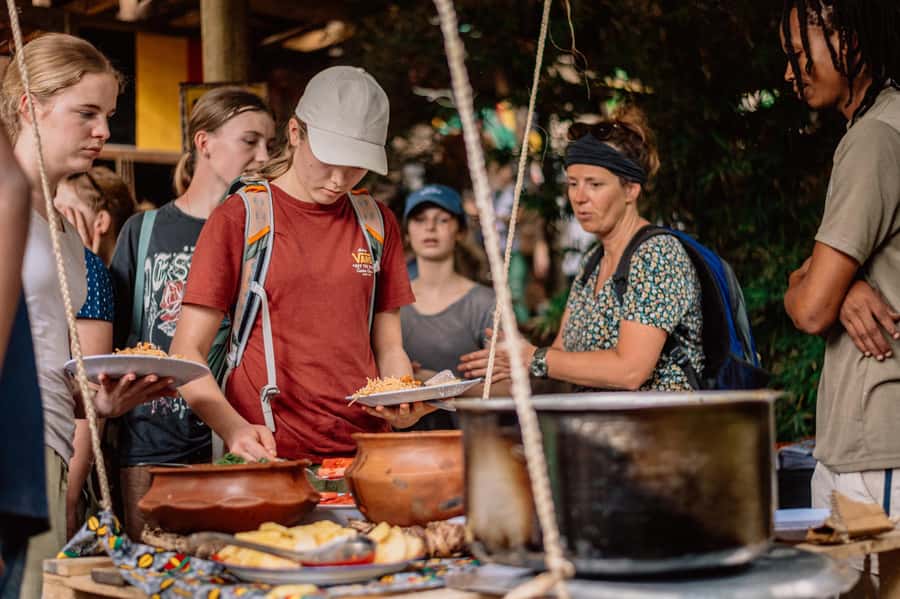
Cooking in Arusha beats eating out every time. This class blends market shopping with a real family-run farm kitchen, so you come away with food skills and local context, not just a meal.
What I like most is the start at a local vegetable market, where you negotiate prices and choose the ingredients you will actually cook. I also love the setting at the Kingstone Asilia farm, with a wooden nature hideaway overlooking the grounds, plus the chance to ask questions and swap stories in a relaxed, green space. One consideration: the experience is very hands-on and food-focused, so if you want a quick sightseeing stop or a super fast paced tour, you may find it more slow and centered on cooking than you expected.
In This Review
- Key highlights you will feel right away
- How this Arusha cooking class stays grounded in everyday life
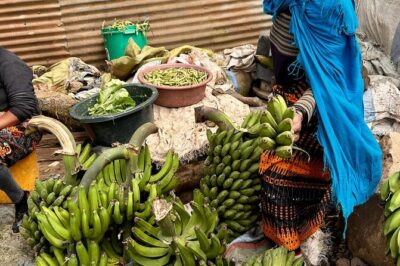
- The market stop: where you learn what ingredients really cost
- Kingstone Asilia farm hideaway: the calm setting that makes cooking easier
- Before you cook: how dietary needs get handled
- Hands-on cooking of typical Tanzanian dishes, with real technique
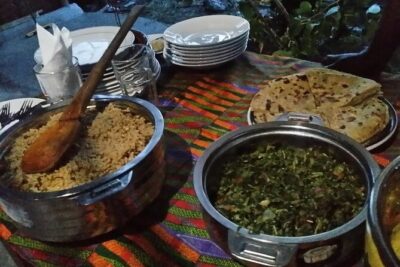
- The buffet lunch: fresh, vegetarian, and actually satisfying
- Culture exchange that feels like conversation, not a lecture
- Price and value: is $50 fair for a 5-hour, market-to-table day?
- Getting there: meeting point, pickup option, and what to plan
- Who this class is best for in Arusha
- Should you book this Kingstone Asilia cooking class?
- FAQ
- How much does the Arusha cooking class cost?
- How long is the cooking class?
- Is lunch included, and is it vegetarian?
- Can you accommodate dietary requirements?
- Do you visit a local market?
- Is pickup and dropoff included in the price?
- Where do I meet the group if I am not using pickup?
- Is the tour guide available in English?
- Is there free cancellation and reserve-and-pay-later?
Key highlights you will feel right away
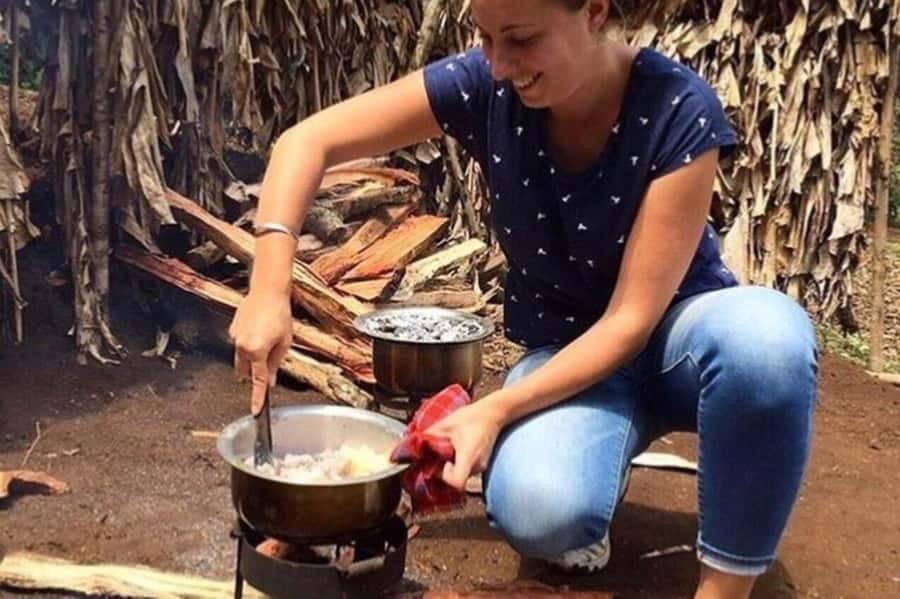
- Local market time to pick fresh vegetables and practice price haggling
- Family farm hideaway on the outskirts of Arusha, with a calm nature feel
- Hands-on vegetarian Tanzanian cooking with guidance and tastings
- Freshly prepared buffet lunch plus all food and drink included
- Coffee from their own farm and a chance to spot monkeys nearby
- Culture chats that go beyond recipes, with an English-speaking guide
How this Arusha cooking class stays grounded in everyday life
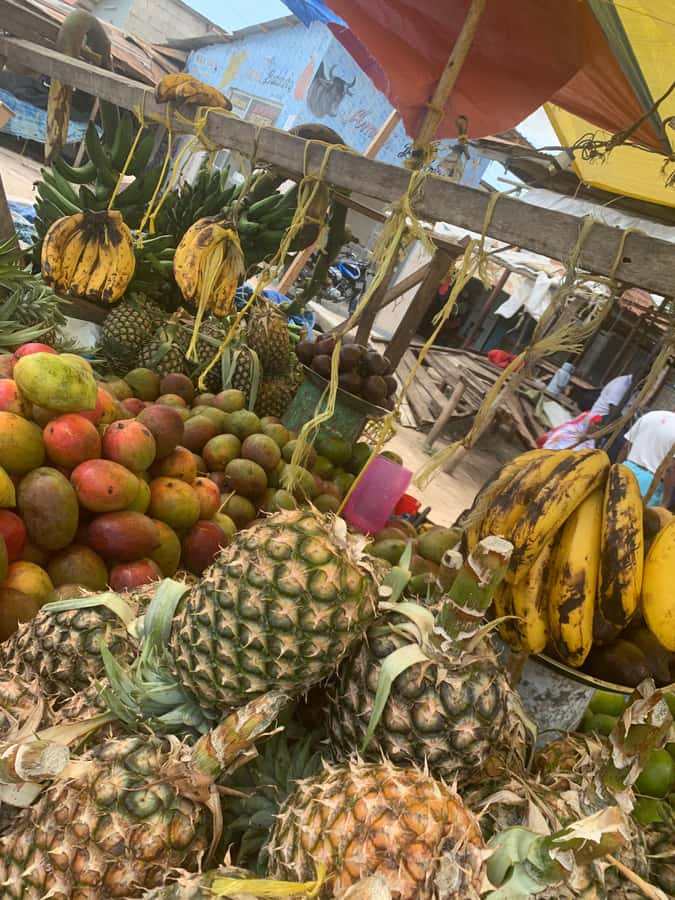
This is not a cooking class that happens in a polished studio with one bland explanation and a plate at the end. It starts where Tanzanians actually start: with ingredients, with people who grow and sell them, and with the social rhythm of a local market.
Then it moves to a family farm on the green outskirts of Arusha. You cook in a simple wooden nature hideaway, built by the Kingstone Asilia family. That matters because it changes the whole tone. You are not pretending to experience local food, you are learning it where it lives, and you can ask questions as you go.
If you care about how food becomes food, you will enjoy this. If you are mainly hungry for a photo-friendly tourist activity, you might feel slightly less impressed. The value here is practical learning, real ingredients, and a warm family-style atmosphere.
A few more Arusha trips to compare
- NGO Lifted Strong – Traditional Tanzanian Cooking Class
★ 5.0 · 39 reviews - Arusha: Traditional Tanzania Cooking Class & Food Market Tour
★ 5.0 · 34 reviews - Cooking and Sewing & Jewelry Workshops in Arusha
★ 5.0 · 14 reviews
The market stop: where you learn what ingredients really cost
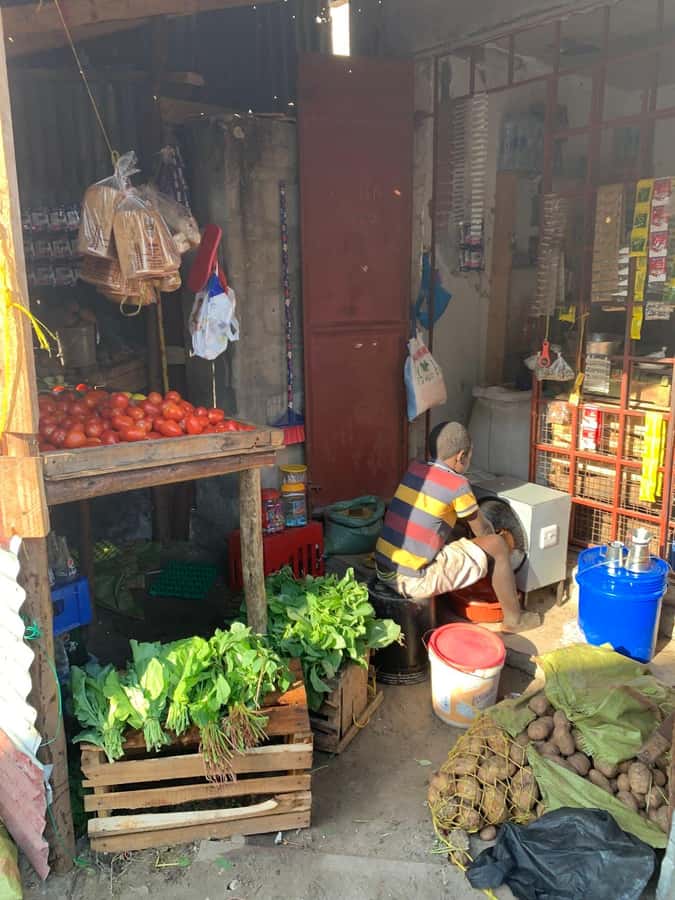
The day begins by heading from town to a local fresh food market. You will pick vegetables and other key ingredients for the meal, and you get a chance to negotiate prices as part of the experience.
That sounds simple, but it is one of the most useful parts of the tour. Markets teach you how locals think about quality and seasonality. You see what is available right then, and you understand why certain ingredients show up more often on Tanzanian plates. You also get a gentle nudge out of visitor mode. Even if your bargaining is shaky, trying is part of the immersion value.
A practical tip: come with small bills and a calm approach. For extras later, cash is required, so it helps to already be organized. Also, markets can be busy and active, so expect a bit of movement and noise as you walk the stalls.
Kingstone Asilia farm hideaway: the calm setting that makes cooking easier
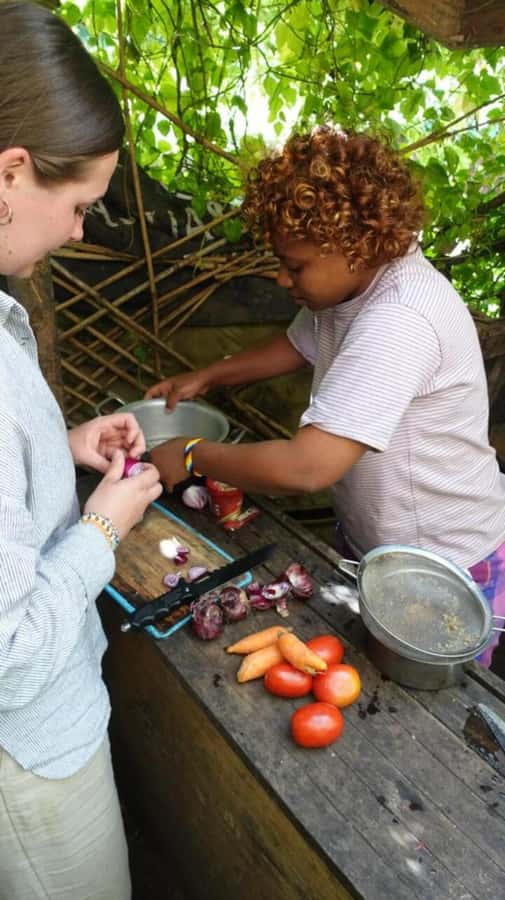
After the market, you head to the Kingstone Asilia family farm outside Arusha. The cooking happens in a wooden nature hideaway overlooking the farm grounds. It is peaceful, green, and built specifically to support this kind of community hosting.
Why that matters for your enjoyment: cooking can be stressful when the space is cramped, cold, or chaotic. Here you get a more open, relaxed environment. You can actually watch the steps, ask questions, and adjust as you cook.
Another plus is that this is a family-run project, not a temporary pop-up. One of the strongest themes you will notice is the ethical, community-based feel of the day. You are eating something made with local ingredients and learned through local hands, which is what many people want when they say they want something real.
And if you are lucky, you may spot monkeys walking around nearby. It is not guaranteed, but it is the kind of small nature moment that makes the day feel memorable without turning it into a forced performance.
Before you cook: how dietary needs get handled
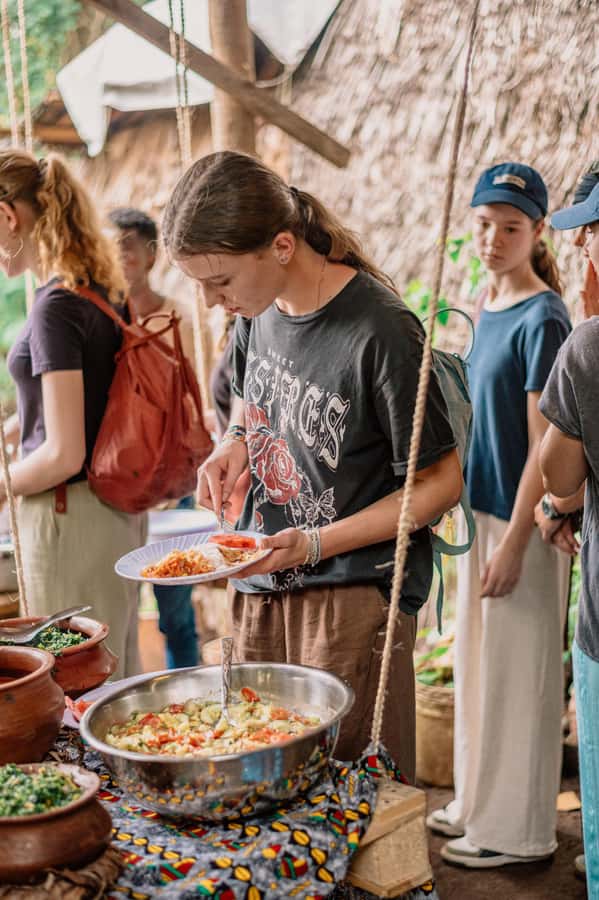
One of the smartest details is that you can share dietary requirements or food preferences before the cooking starts. The food is tailored to your tastes while still aiming to keep the experience local and authentic.
This is especially important here because the class focuses on vegetarian Tanzanian dishes. Vegetarian cooking can mean a lot more than simply leaving out meat. It is about building flavor with vegetables, spices, sauces, and technique. The more your needs are clear upfront, the more likely you will get dishes that truly fit you.
If you tell them what you avoid (for example, allergens or strict preferences), you help the host plan what you will cook and what the buffet lunch will include. It also makes the class feel personal, not like you are being processed through a single fixed menu.
Same base in Arusha, a completely different day:
- Balloon Safari & Bush Breakfast in Serengeti – Miracle Experience
★ 5.0 · 1,646 reviews - Tanzania Classic – 7 Days
★ 5.0 · 1,151 reviews - 4 Days Group Camping Safari
★ 5.0 · 1,101 reviews - 5 Days Group Camping Safari
★ 5.0 · 730 reviews
Hands-on cooking of typical Tanzanian dishes, with real technique
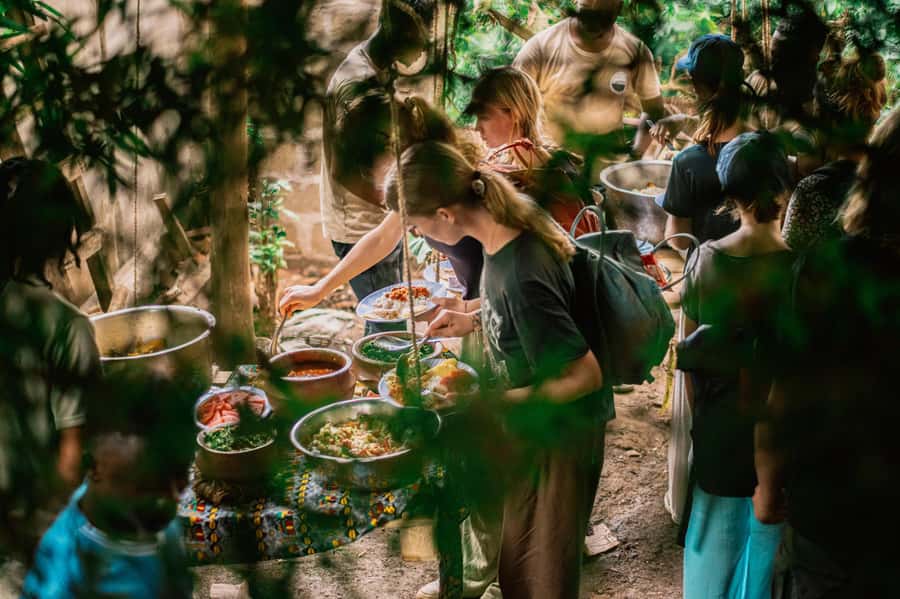
Once you arrive at the farm hideaway, you start preparing ingredients and cooking. The teaching style is practical. You learn traditional methods for getting ingredients ready and then cook typical Tanzanian dishes with the guide’s direction.
From recent experiences, people have described learning multiple vegetarian Tanzanian dishes in the session. That is a good sign because a cooking class that only teaches one small recipe can feel thin. Here, the structure is set up so you cook enough to feel capable afterward, and you taste what you make as the day goes on.
What you should pay attention to while cooking:
- Ingredient preparation: how vegetables are cleaned, cut, and handled matters for texture.
- Spice and seasoning timing: seasoning is not a one-time step, it builds.
- Consistency: sauces and stews can shift based on heat and liquid levels.
- Tasting as you go: you will learn what to adjust, not just what to follow.
Also, the guide explains what you are doing in everyday terms. Language is English, so you do not need to guess. If you get a guide like Ozili, one guest shared that he explained different trees and plants in the surroundings, which turned the day into more than cooking school. You might get that extra layer of local context too.
The buffet lunch: fresh, vegetarian, and actually satisfying
The reward at the end is a vegetarian buffet lunch, cooked fresh with local ingredients. All food and drink are included in the price, so you are not doing mental math halfway through wondering what will be charged later.
This is where the day stops being theoretical. You eat what you prepared, not just samples. And because the cooking happened with attention to ingredients and technique, you get a real sense of what makes Tanzanian vegetarian food work. It is not about bland substitution. It is about flavor and balance.
One guest noted they had coffee during the workshop from the farm. That matches the overall farm feel of the day, and it is the kind of included touch that makes the meal stretch into a longer, slower break.
If you have a sensitive stomach, you will still want to eat carefully, but overall this is food prepared fresh on-site, which tends to be a good situation when you are traveling. Just go at your own pace, and drink what is provided.
Culture exchange that feels like conversation, not a lecture
Cooking is social here. After the meal, there is time to exchange stories of cultures and different life experiences. The goal is not a performance. It is a relaxed conversation in a place that naturally encourages talking.
This is where you get real value beyond food. Tanzanian life is often shown to visitors through quick facts and a scripted explanation. In this setting, you hear ideas as people connect them to everyday routines, food choices, and community projects.
You can also ask questions as they come up during cooking. If something in the ingredient selection or the cooking method seems unfamiliar, this is the perfect moment to clarify. That back-and-forth is a big reason the experience scores high with people who want something outside the standard tourist circuit.
Price and value: is $50 fair for a 5-hour, market-to-table day?
At $50 per person for a 5-hour experience, the value depends on what you want from the class.
If you want a quick meal, this might feel pricey. But if you want hands-on learning plus a real market visit plus a full included lunch and drinks, it starts to make sense fast. You are paying for multiple components:
- market shopping time where you select ingredients
- instruction on preparing and cooking multiple dishes
- a fresh vegetarian buffet lunch
- included food and drink throughout the day
- the farm setting, hosted by the Kingstone Asilia family
Also, the farm aspect adds practical value. A farm-based setting supports authenticity in a way that a standard kitchen cannot. You are not only tasting food, you are seeing where the ingredients connect and how the family structures the day.
One more value detail: pickup and dropoff are not included in the price. If you want that convenience, there is a $15 extra charge (45,000 TSH) total from central Arusha locations. If you are already planning to arrange transport, you can keep costs down by using the meeting point option instead.
Getting there: meeting point, pickup option, and what to plan
You have a couple of ways to do the start smoothly.
Option one is meeting them at the Kambi Ya Chupa Madukani area. You can take a bus there, then tell a motorbike driver to take you to Kingstone. This is a practical path if you are comfortable using local transport.
Option two is pickup and dropoff from town for an extra $15 (45,000 TSH) total, paid in cash. If you are short on time or you do not want to negotiate rides twice, this is an easy way to reduce stress.
For planning, do not leave this to the last minute. The farm is on the outskirts of Arusha, and you will also spend time at the market before you cook. Arriving early, or at least on time, helps the whole day flow.
Who this class is best for in Arusha
This cooking class is especially well suited if you:
- want vegetarian Tanzanian dishes and practical cooking skills
- care about local sourcing, not just eating something Tanzanian-shaped
- like small, human-scale experiences with story sharing
- prefer a day outdoors and calm, not a rushed city checklist
It is also a strong fit for people who want an ethical community angle. The farm project feel and family-run structure come through in the way the day is hosted and how the setting supports conversation and learning.
If you are an ultra-veg beginner, you can still enjoy it, but go in ready to taste and adjust. If you have no interest in cooking at all and only want to eat, you may prefer a restaurant meal. Here, you learn by doing, and the doing is the point.
Should you book this Kingstone Asilia cooking class?
I recommend booking if your main goal is a hands-on Tanzanian food experience that starts in a real Arusha market and ends with a fresh farm lunch in a calm hideaway. The biggest strengths are the market ingredient shopping, the family farm setting, and the way dietary needs can be handled so the food fits you.
I would skip it or rethink it if you want a pure sightseeing day, or if you get uncomfortable with active markets and hands-on prep. Also, budget for the optional pickup if you dislike figuring out local transport to the outskirts.
If your travel style is curious, food-focused, and open to conversation, this is the kind of day that makes Arusha feel personal, not like a stopover.
FAQ
How much does the Arusha cooking class cost?
The price is $50 per person.
How long is the cooking class?
It lasts 5 hours.
Is lunch included, and is it vegetarian?
Yes. A vegetarian buffet lunch is included, and it is cooked fresh with local ingredients. All food and drink are included.
Can you accommodate dietary requirements?
Yes. You can express dietary requirements or food preferences before the tour begins so the dishes can be tailored to your tastes.
Do you visit a local market?
Yes. You go to a local fresh food market where you select vegetables and ingredients and negotiate prices as part of the experience.
Is pickup and dropoff included in the price?
No. Pickup and dropoff are not included, but the provider offers this service from central Arusha locations for an extra $15 (45,000 TSH) total, paid in cash.
Where do I meet the group if I am not using pickup?
You can find the meeting location on Google, or take a bus to Kambi Ya Chupa Madukani and then ask a motorbike driver to take you to Kingstone.
Is the tour guide available in English?
Yes. The tour includes a live guide and the tour is in English.
Is there free cancellation and reserve-and-pay-later?
Yes. You can cancel up to 24 hours in advance for a full refund. You can also reserve now and pay later (pay nothing today). For extras, the provider says they can only accept cash payments, and alcohol is available to purchase at their bar.
Just posted around Arusha
- 8 Days Serengeti Migration safari★ 5.0 · 11 reviews
- tarangire & ngorongoro 2 days tour★ 5.0 · 14 reviews
- serengeti, ngorongoro & tarangire 4 days private tour★ 5.0 · 18 reviews
- tarangire, ngorongoro & lake manyara park 3 days private tour★ 5.0 · 11 reviews
- serengeti & ngorongoro 3 days private tour★ 5.0 · 15 reviews
- climb the KILIMANJARO via Lemosho route★ 5.0 · 4 reviews
- Mt. Kilimanjaro: Shira plateau to Cathedral point 3872m Day hike★ 5.0 · 7 reviews
- Kilimanjaro Waterfalls Hike & Moshi Hot Springs Day Trip Tour★ 5.0 · 4 reviews
Workshops, compared.
Half-Day Kuza Cave Swimming Adventure and Cooking Class
Read our review →
NGO Lifted Strong – Traditional Tanzanian Cooking Class
Read our review →
Traditional Tanzania Cooking Class & Food Market Tour
Read our review →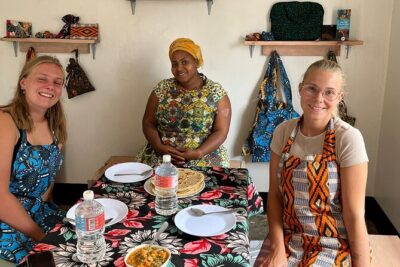
Cooking and Sewing & Jewelry Workshops in Arusha
Read our review →
Mnemba Dolphin Tour, Clear Kayak, Cooking Class, Horse Riding
Read our review →Browse the lists this tour appears in