
Reviewed · VIP
8-Day Grumeti Migration Safari-Luxury Tour May-July
Big cats and a river crossing in one run.
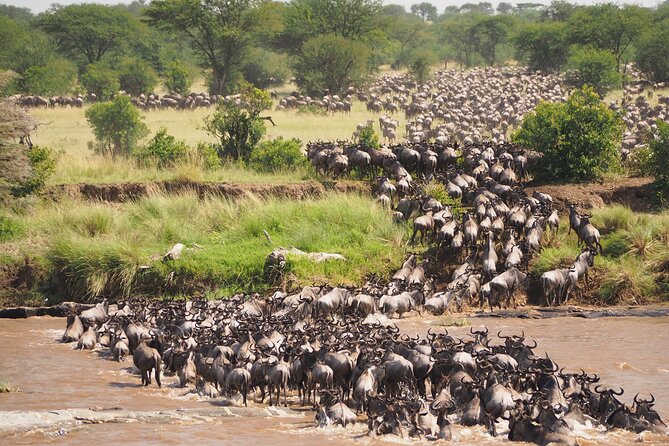
This 8-day luxury safari targets the Grumeti Wildebeest Migration window (May to July) while still giving you real variety across Tarangire, Lake Manyara, Serengeti, and Ngorongoro. I like the way the route balances classic big-game viewing with a focused try for the Grumeti River crossing in the western corridor. I also love the human touch, with guides like Calvin Kileo and Ombeni praised for spotting animals, driving carefully, and keeping the day comfortable.
One consideration: migration timing is nature-led, so even the best plan can mean different levels of action each day. This trip is designed to maximize your odds, but you still want to be ready for the idea that wildlife moves, and good weather is required for the experience.
In This Review
- Key points
- The Grumeti migration corridor, and why this route makes sense
- Moshi, Arusha, and the “first day doesn’t waste time” approach
- Days 2-3: Tarangire for elephants, then Lake Manyara for birds and lions
- Serengeti day 4: Big cats and big-game searching before the migration focus
- Serengeti days 5-6: Grumeti river crossing odds plus Seronera resident wildlife
- Ngorongoro Conservation Area day 7: switching from open plains to dramatic wildlife country
- Ngorongoro Crater day 8: early start, then the drop back to the airport
- Luxury camp reality: what the “luxury” part actually buys you
- The human engine: guides like Calvin Kileo, Bariki, Morris, Willam, and Ombeni
- Price and value at $6,276 per person: what you’re paying for
- Who this tour fits best
- Practical expectations for May to July, and how to set your sights
- Should you book this Grumeti migration luxury safari?
- FAQ
- Where does the safari start and how do you get to the start point?
- What parks and areas are included in the 8-day plan?
- Does the tour include a chance to see the Grumeti River crossing?
- How long is the safari?
- What meal service is included during the tour?
- Is this a private tour?
- What is included in the price?
- What is not included?
- What if weather is poor?
Key points
- Grumeti migration focus (May to July): your route is built to put you in the right region for crossing chances.
- Two Serengeti zones: Seronera for resident wildlife, plus the western Grumeti area for migration viewing.
- Luxury camp rhythm: long game drives, but meals are handled in a neat, practical way (hot lunch stops with table setup).
- Strong guide track record: names that stand out include Calvin Kileo, Bariki, Morris, Willam, and Ombeni.
- Big wildlife variety, not just one moment: Tarangire elephants and Lake Manyara’s birdlife and tree-climbing lion territory.
The Grumeti migration corridor, and why this route makes sense
If you’re chasing the Great Migration story, you quickly learn a simple truth. The herds do not follow schedules, and the action can shift from day to day.
That’s why I like this plan. It doesn’t just say migration, it actually routes you into the areas most tied to the western corridor, with the Grumeti River crossing as a key viewing target during May through July. At the same time, you’re not locked into only one place. You also spend time in the Serengeti central Seronera zone and end with Ngorongoro, which is a different kind of wildlife experience altogether.
You’ll likely feel the difference in pacing too. Some safari itineraries rush you through parks like a checklist. This one keeps you in the field day after day, with breaks built in, so you can react when animals appear. And in a migration safari, being able to respond fast is not a small thing.
More Safaris in Moshi
- Safari Serengeti And Ngorongoro
★ 5.0 · 288 reviews - Big Five Safari In Tanzania
★ 5.0 · 99 reviews - Unforgettable Tanzania Safari And Zanzibar Beach
★ 5.0 · 97 reviews
Moshi, Arusha, and the “first day doesn’t waste time” approach
Most trips start with a lot of waiting. This one starts with a proper handoff.
You meet your guide and transfer to Arusha for dinner and an overnight hotel stay. Arusha is Tanzania’s gateway town at the base of Mt. Meru, and it’s a practical place to get oriented before you move into safari country. You’re also getting a smooth setup for the rest of the trip, including roundtrip airport transfer included in the package.
What you should expect on that first day is not “wildlife day,” it’s logistics done well. It helps you arrive without feeling like you have to problem-solve on day one, which matters because the real magic comes later, when you’re driving for hours in search of animals and river activity.
Days 2-3: Tarangire for elephants, then Lake Manyara for birds and lions
Tarangire National Park is a strong start because it’s known for its elephant sightings and birdlife, with a quieter safari feel compared to the busier circuits. You’ll do a full day game drive, with the day split into morning and afternoon blocks, then head to dinner and an overnight camp.
One detail I really appreciate here is the meal style. Lunch is served as a hot meal with soup, bread rolls, a main dish, and fruits salad, plus tea and coffee, and sometimes wine. It’s not just a “snack and go” moment. You get an actual break, which helps you stay sharp during long drives.
Then you move to Lake Manyara National Park, another great contrast. Manyara is famous for birdlife, and it’s one of the few places where people have a chance at spotting tree-climbing lions. The park sits around a floodplain with a narrow belt of acacia woodland where these animals can show up.
You’ll have another full day game drive with lunch handled the same way, then dinner and overnight at the lodge. If you’re wondering whether this is a “repetition” of day two, it isn’t. Tarangire leans more toward elephants and open-game viewing, while Manyara tends to reward patience and good spotting.
Serengeti day 4: Big cats and big-game searching before the migration focus
Day four is your entry into Serengeti National Park time in a big way. After breakfast at your lodge, you drive into Serengeti for game drives aimed at big cats and big five style viewing. You’re not only there for one target, which I think is a smart way to travel.
Late in the day, you head toward Ngorongoro to your lodge or camp for dinner and overnight. This split matters. It gives you a chance to experience Serengeti wildlife rhythms before you start committing more days to migration-specific viewing areas.
Also, don’t underestimate how valuable it is to build momentum. With multiple drive days in a row, your guide can learn how you like to move through the day, how long you prefer to scan, and when you want to push for the next sighting. That “flow” is part of why good guides stand out.
More safaris from Moshi:
- 8-Day Essence of Tanzania Safari – Luxury
★ 5.0 · 72 reviews - Great Migration Safari In Tanzania
★ 5.0 · 71 reviews - 6 Days 5 Night Safari
★ 5.0 · 57 reviews - 7-Day Magical Tanzania Safari -Premium High End Package
★ 5.0 · 53 reviews
Serengeti days 5-6: Grumeti river crossing odds plus Seronera resident wildlife
This is the heart of the trip, and the way it’s structured is what makes it more than a one-note safari.
Day five brings you to the Serengeti western side, the Grumeti area, with a direct focus on river crossing viewing. This is where your May-July timing becomes part of the plan, since that’s when the migration is commonly found in the western corridor. You also keep searching for big cats and big five style sightings while you’re in the field.
Day six shifts you to Seronera, the central Serengeti zone. You still do game drives all day, but the “why” changes. Seronera is known for resident wildlife, which means you’re not only relying on migration movement. That’s a good insurance policy for your trip because it gives you quality wildlife viewing even if the crossing is quieter that day.
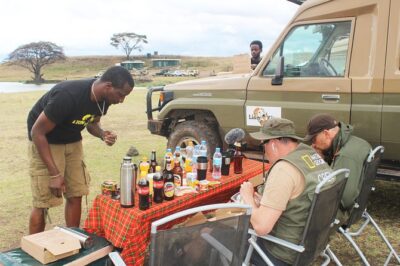
A practical bonus is the lunch setup. You’ll stop for a hot lunch service, and your driver sets the table in a shaded spot, with the meal described as soup, bread rolls, a main dish, fruits salad, plus tea and coffee (and sometimes wine). This kind of stop helps you recharge, then get back out quickly for more scanning time.
If your goal is a migration safari with a safety net, the Seronera day is a key reason this works.
Ngorongoro Conservation Area day 7: switching from open plains to dramatic wildlife country
On day seven, you move into Ngorongoro Conservation Area for another full day of game driving. The plan keeps the big cats and big five style search going, with a late afternoon drive to a camp for dinner and overnight.
The biggest difference here is landscape and feel. Ngorongoro areas often change the way animals move through space, and the viewing style can feel different from Serengeti. Instead of thinking only in terms of vast plains, you start paying more attention to how wildlife uses terrain and how quickly sightings can happen.
This day also gives you time to adjust to a different kind of safari rhythm, setting you up for the crater experience the next morning.
Ngorongoro Crater day 8: early start, then the drop back to the airport
Your day eight starts with an early breakfast and then a drive to Ngorongoro Crater for a game drive. The crater is described as the jewel of Ngorongoro, with a huge volcanic caldera. The numbers you’re given help you grasp why it’s such a famous wildlife bowl: it’s about 20 km across and around 600 meters deep.
You’ll have lunch in the field as usual, with the car shade setup for your hot meal and tea or coffee. Then you continue with game drives, and later drive back to Arusha for airport drop-off.
If you’re trying to choose between a migration-focused trip and an iconic wildlife destination, the crater day is the compromise that makes people happy after they finish. You get the migration pursuit, and then you still close with a place that’s known for dramatic animal concentration and big safari memories.
Luxury camp reality: what the “luxury” part actually buys you
Luxury safari can mean a lot of things. Here, luxury is paired with close-to-nature camps and lodges, plus comfortable, practical service while you’re out driving.
Your days involve long periods of time on roads and in the field, and that’s where luxury can either help or feel like marketing. In this case, the meal setup helps a lot. Instead of rushing through a quick sandwich stop, you get hot food with a proper table service style, plus drinks.
You also benefit from a private format. This is a private tour, only your group participates, which often means the guide and driver can adjust how long you watch something without worrying about shoehorning in another group’s time. That’s a quiet but real value add in wildlife viewing.
One more comfort detail that shows up in guide feedback is vehicle comfort. At least one guest highlighted that the car has air conditioning, which matters on long drive days when you’re wearing safari clothes and staying focused.
The human engine: guides like Calvin Kileo, Bariki, Morris, Willam, and Ombeni
On safari, the guide is half the experience. The other half is the animals, and the guide is what gets you to the animals fast enough.
The praise in the feedback you shared comes in a few repeat themes. One is careful driving and planning. Another is animal spotting, even for animals that are hard to see. A third is the way guides explain what you’re seeing in a way that feels personal, not robotic.
Here are a few named examples to give you a feel for the guide quality:
- Calvin Kileo was called conscientious and careful, with guests noting he spotted a lot and always had water available.
- Bariki stood out for storytelling and for expressing real love for wildlife, plus for answering questions and finding animals that were easy to miss.
- Morris and Willam received praise for excellent animal-finding skills and for strong driving familiarity with road conditions.
- Willam was also mentioned for patience and for keeping the day comfortable, including an attention to details like table setup and the air-conditioned vehicle.
- Ombeni (also spelled Ombenni in one note) was praised as conscientious and careful, with attention to comfort cues like whether guests felt too hot or cold.
You should care about this because good spotting changes what you actually see. A good guide doesn’t just drive to a location, they read the terrain, look for feeding behavior, and scan patterns that point to where animals are likely to appear.
Price and value at $6,276 per person: what you’re paying for
Let’s talk money in a straight line. The listed price is $6,276 per person for an eight-day luxury safari.
That number is big, but you’re not just buying vehicle time and a few park entries. You’re also getting:
- Park fees included for non-residents
- A professional driver/guide
- Roundtrip airport transfers
- Breakfast every day (8), lunch (7), and dinner (7)
So the value here is mostly in reducing friction. If you were piecing together a similar route yourself, it’s not the driving that’s expensive, it’s coordinating park access, transfers, and consistent camp service. This package also takes the guesswork out of “will I get a good guide” because the experience is directly tied to that driver/guide quality.
The “not included” items are also worth understanding. International flights are on you, as are tips and personal items. The tipping guideline is listed at US$15 per person per day, so you should budget for that if you’re planning a smooth, stress-free trip.
Who this tour fits best
This is best for you if:
- You want a migration safari but still want a strong baseline of resident wildlife viewing.
- You’re okay with a drive-heavy schedule across multiple parks and you want that payoff in sightings.
- You care about comfort during the day, not only at night.
- You like the idea of luxury lodges or tented camps close to nature, where you can actually relax between game drives.
It may not be the best fit if you only want one thing, for example only the river crossing and nothing else. Even though this trip aims for the Grumeti crossing during May to July, wildlife is unpredictable, and you’ll be spending time across other parks.
Practical expectations for May to July, and how to set your sights
Because the trip is timed for May to July, you should treat the river crossing as a priority viewing opportunity, not a guaranteed event you can count on like a museum ticket. The plan is built to maximize your chance, with the western corridor and Grumeti area included for crossing viewing.
At the same time, you’re not betting everything on one moment. The Seronera day and the Ngorongoro days help ensure you still have serious wildlife time even if crossing activity is lower on a given day.
One more point: the experience specifically notes it requires good weather. If conditions are poor, the tour may be canceled and you’d be offered another date or a full refund. That’s normal for safari travel, and it’s worth having flexibility in your calendar.
Should you book this Grumeti migration luxury safari?
I’d say yes if you want a thoughtful migration hunt with strong backup viewing and real comfort in the middle of it.
Book it if you:
- Want a route that includes both Serengeti Seronera and the Grumeti western corridor during the prime May to July window.
- Prefer a private, guide-led safari with long days in the field and meals handled in a consistent, organized way.
- Value named guide quality, especially for careful driving and animal spotting, as highlighted by guides like Calvin Kileo and Ombeni.
Hold off if your budget cannot handle the tipping guideline and you want zero chance of weather disruptions. Also, if you’re only interested in one specific wildlife moment, you might feel impatient when the day focuses on broader game drives.
If you want the best of both worlds, migration plus classic safari country, this is a strong candidate.
FAQ
Where does the safari start and how do you get to the start point?
The meeting point is Kilimanjaro Airport (Kilimanjaro National Park area, Tanzania). Roundtrip airport transfer is included, and on day 8 you’ll be driven back to Arusha for airport drop-off.
What parks and areas are included in the 8-day plan?
You’ll visit Tarangire National Park, Lake Manyara National Park, Serengeti National Park (including Seronera and the western Grumeti area), Ngorongoro Conservation Area, and Ngorongoro Crater.
Does the tour include a chance to see the Grumeti River crossing?
Yes. The plan is designed to include Grumeti River crossing viewing in the western corridor area during the May to July migration window.
How long is the safari?
It runs for 8 days (approx.).
What meal service is included during the tour?
Breakfast is included 8 times, lunch 7 times, and dinner 7 times. Lunch and meal service are described as hot food with soup, bread rolls, a main dish, fruits salad, and drinks like tea and coffee (and wine is mentioned as part of the meal service in some days).
Is this a private tour?
Yes. It is a private tour/activity, and only your group will participate.
What is included in the price?
Included items are park fees for non-residents, a professional driver/guide, roundtrip airport transfer, and the listed meals. A mobile ticket is also mentioned.
What is not included?
Not included are international flights, additional accommodation before and at the end of the tour, tips, and personal items such as souvenirs, travel insurance, visa fees, and similar costs.
What if weather is poor?
The experience requires good weather. If it’s canceled due to poor weather, you’ll be offered a different date or a full refund.
Just posted around Moshi
- machame route★ 5.0 · 16 reviews
- Kilimanjaro Climbing Umbwe Route★ 5.0 · 3 reviews
- Wildlife Extravaganza: Manyara, Tarangire & Ngorongoro in 3 Days★ 5.0 · 3 reviews
- Mt Kilimanjaro 6 days Marangu route hike★ 5.0 · 3 reviews
- 3 Days Private E-Bike Tour in West Kilimanjaro★ 5.0 · 3 reviews
- West Kilimanjaro cycling Adventures★ 4.5 · 8 reviews
- Kilimanjaro Climb • Marangu Route ~ 9 Day★ 5.0 · 4 reviews
- Private Cycle to Kilimanjaro Bike Park Safari★ 5.0 · 6 reviews
VIP, compared.
7-Day Premium Luxury Tanzania Safari All-Inclusive
Read our review →
5 Days Best of Tanzania Luxury Safari Northern Circuit
Read our review →
12 days Luxury Tanzania Honeymoon Safari and Zanzibar
Read our review →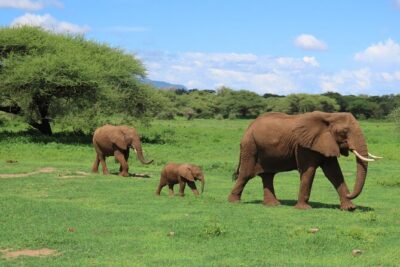
Top Best 5 Days Tanzania Luxury Safari to Serengeti
Read our review →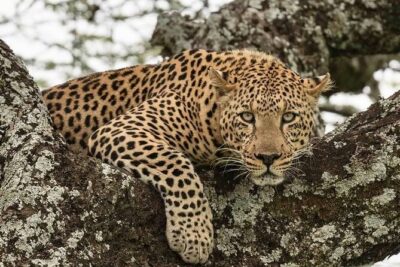
Browse the lists this tour appears in