
Reviewed · SERENGETI SAFARIS
7 Day Tanzania visiting Arusha, Lake Manyara, Serengeti, Ngorongoro & Tarangire
Seven days, five parks, serious wildlife time.
This Tanzania safari is built for day after day game drives in big-name habitats, with a pop-up-top 4×4 that keeps sightlines high when the action is fast. I also like the mix of classic parks and the more human side of Tanzania, with chances for birdlife at Arusha National Park and hands-on perspectives beyond pure spotting.
Two favorites for me: the Arusha walk with an armed ranger for a different feel than sitting in a vehicle, and the Ngorongoro crater floor drive for close-range animals around watering holes. One consideration: you are stacking long travel days plus early starts, so if you want a slow pace, this route may feel intense.
In This Review
- Quick hits before you go
- 7 days, 5 parks: what this Tanzania route feels like
- Arusha National Park with an armed ranger walk
- Tarangire full-day game drive and those baobabs that dwarf everything
- Serengeti afternoons and the Seronera lion-rich central area
- Ngorongoro crater rim to crater floor: the day you remember
- Lake Manyara half-day return: tree-climbing lions and flamingo timing
- Getting value from the private 4×4 and your accommodation choice
- How culture and Olduvai-style stops fit into a safari week
- Who should book this 7-day Tanzania safari, and who should rethink it
- Should you book this 7-day Tanzania safari?
- FAQ
- What parks are included on this 7-day Tanzania safari?
- Is transportation included during the safari?
- Is this a private tour?
- What kind of accommodation can I choose?
- What meals are included each day?
- Where does the safari start and end?
- What start time should I expect?
- What is the cancellation rule if weather is poor?
Quick hits before you go
- Pop-up-top 4×4 transport for better wildlife viewing from your seat.
- Walking in Arusha National Park with an armed ranger, plus picnic lunch.
- Tarangire baobabs and elephant herds around the Tarangire River.
- Serengeti central circuit (Seronera area) with excellent resident predator odds off peak migration.
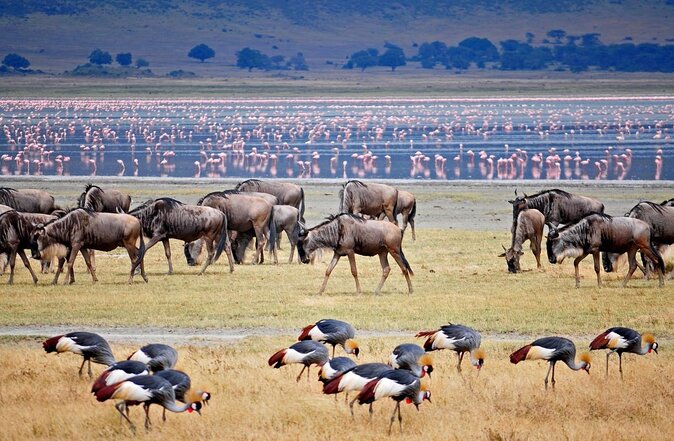
- Ngorongoro crater floor game drive for about 5 hours plus a picnic at the hippo pool.
- Lake Manyara half-day on the way back for tree-climbing lions and flamingo shoreline timing.
7 days, 5 parks: what this Tanzania route feels like
This is a classic north Tanzania circuit, but it is tightly packed. You start in Arusha, then move through Lake Manyara, Tarangire, and the Serengeti, before finishing with Ngorongoro Crater and a final return through Manyara. The payoff is variety, not just repetition of the same scenery.
The rhythm is also very safari-logical. You drive early for wildlife when animals are active, you eat picnic lunches in the field, and you settle in for heavy dinners at camp or lodge each day. Even if you do not spend all day staring out a window, you will feel like you are in the right place at the right time. The long distances between parks are real, so you will want to travel light and keep your daily routine simple.
Because it is a private tour, only your group participates. That matters for comfort. You can move with less friction, and your guide can focus on your pace during spotting, breaks, and photo pauses.
More Lake Manyara safaris:
- Private 6-Day Tarangire Manyara Crater and Serengeti with Mid-Range Lodges
★ 5.0 · 238 reviews - 3 Days Tarangire, Ngorongoro & Lake Manyara Group Camping Safari
★ 5.0 · 102 reviews - 3 Days Private Safari – manyara, Ngorongoro & Tarangire
★ 5.0 · 94 reviews
Arusha National Park with an armed ranger walk
Day 1 sets the tone. You start with pickup in the Arusha area (the schedule lists an early departure, and the day-one pickup is described as 8:30 AM). Then you head into Arusha National Park at the base of Mount Meru.
What makes this start special is the walking portion with an armed ranger. Safari walking is not the same experience as driving. It is slower, more sensory, and more about noticing movement in trees, undergrowth, and birdcalls. You also get a picnic lunch during the park time, so you are not constantly transferring between logistics and wildlife.
Arusha National Park is also a strong choice for mix-of-habitat scenery. Expect forest areas and bird life, plus moist savannah and alpine moorland depending on where you are. The park is mentioned as home to black-and-white colobus monkeys, and it can also host flocks of flamingos in lakes. Even if your first day is your easiest for legs, the park gives you a preview of Tanzania beyond grassland.
A small practical note: a walk with an armed ranger means you should be ready for rules and a tighter group dynamic. You will also want good footwear, since you are not just stepping out for a photo.
Tarangire full-day game drive and those baobabs that dwarf everything
After breakfast you transfer to Tarangire National Park for a full day drive with a picnic lunch. Tarangire’s signature is the baobab trees dotted across the landscape, and the way they make the animals look smaller in comparison. If you like wildlife with context, this is a park that gives you both animals and strong visual scale.
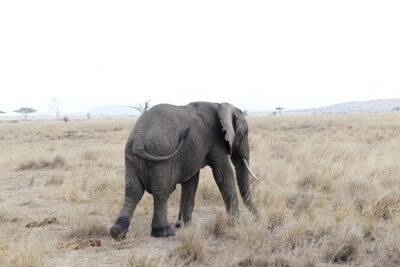
The other anchor here is the Tarangire River, which is described as central to the area and famous for large herds of elephants. That elephant focus is important because it influences the whole day. Your route is likely to keep you in places where water and feeding overlap, and that often means you spend more time watching the slower behaviors, dusting around trunks, and feeding patterns.
Tarangire is also a good predator-and-ungulate mix. The driving day may include sightings of lion, leopard, cheetah, plus lesser kudu, buffalo, oryx, eland, giraffe, and zebra. In plain terms, it gives you multiple chances to hit different groups of species, not just one animal type.
If there is any drawback to a full day here, it is energy management. You are out for a long drive, and Tarangire is not a park you can quickly pass through if the sightings are good. Bring water, keep snacks simple, and be ready for a later dinner afterward.
Serengeti afternoons and the Seronera lion-rich central area
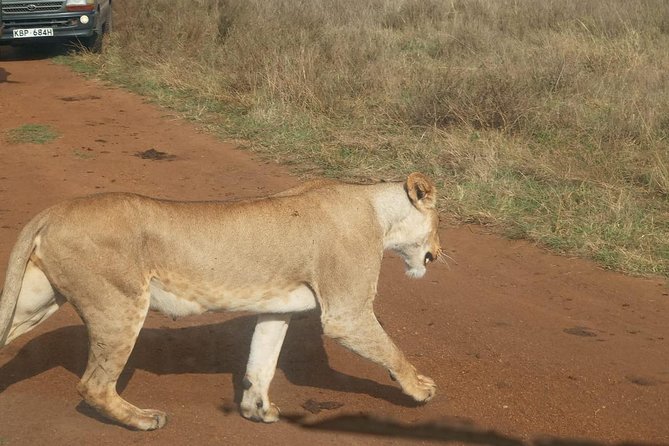
Once you head into the Serengeti National Park, you are in the part of Tanzania people talk about for a reason. The description emphasizes the endless plains and the huge wildlife populations, including wildebeest, zebra, gazelles, and lions or leopards depending on what the day hands you.
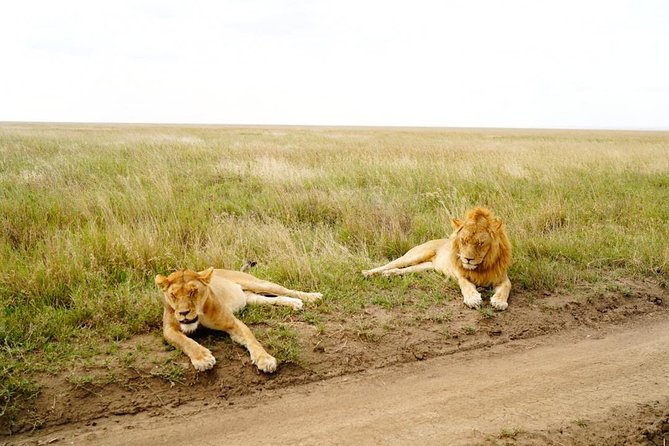
On Day 3, you get an afternoon game drive after travel. The timing is smart. Late day light can be good for photography, and it can also be when animals start moving more actively. The day is described as a chance for great herds of wildebeest and zebra, and the possibility of a lion pride lounging in shade.
Day 4 is focused on the central Serengeti, specifically the Seronera area. This is a key detail. The Seronera region has the Seronera River as a water source, which attracts wildlife. That is not just a nice-to-know fact, it affects your odds: animals tend to cluster where water is stable, so you can sometimes spend more time with consistently active sightings.
The guidance also points out something useful for timing. During the off season of migration, you need to look out for lion prides that thrive in this region. Translation for your planning: if you are not there when wildebeest are in dramatic transit patterns, you can still have excellent predator viewing by watching resident behavior around water and cover.
One practical consideration: Serengeti sightings are never guaranteed, and the “best” spot changes hourly. Your job as a passenger is simple: stay patient, give your guide room to reposition, and keep your eyes moving between obvious open grass and the tree-line edges where animals pop into view.
More Tarangire safaris:
- 5-Day Highlights mid-Range Crater, Serengeti, Tarangire
★ 5.0 · 296 reviews - 5 Days Camping Tarangire, Serengeti & Ngorongoro crater & Visiting Maasai
★ 5.0 · 229 reviews - 4 Days Join Group tour Tarangire Serengeti and Ngorongoro crater
★ 5.0 · 219 reviews - 4-Day Safari from Arusha: Tarangire, Serengeti and Ngorongoro
★ 5.0 · 173 reviews
Ngorongoro crater rim to crater floor: the day you remember
If you want one day that feels like the centerpiece, it is Ngorongoro Crater. Day 5 takes you to the crater rim with a picnic lunch, and Day 6 goes down to the crater floor for the main drive.
The crater itself is described as the largest collapsed volcanic crater in the world, with about 14 kilometers of isolated natural beauty. More importantly, the floor contains watering holes and shelters around an estimated 30,000 animals, concentrated in a limited space. That concentration is what makes Ngorongoro so special. You are not searching a wide area for hours. The animals come to the same water and feeding zones.
Day 5 is a setup day. You get morning game drive in Serengeti first, then you travel to the crater rim. Expect the day to feel full, since you are switching from Serengeti plains to a dramatic geological bowl. Even without the full descent yet, the rim views usually set your expectations: you are looking at a whole wildlife theater.
Then comes Day 6. After an early breakfast, you descend to the crater floor for a drive described as about 5 hours. The animal list is long, which is a good sign that your time is not designed around a single target. You might see lions, elephants, zebra, hippos, flamingos, jackals, rhino antelopes, plus many birds.
The bird section is detailed, and that matters because people often forget birds in crater settings. You can look for eagle, vulture, flamingos, and other species such as stork, sacred ibis, kori bustard, long-necked heron, and cattle eagle. If you enjoy nature lists and not just mammals, this is a day that rewards close attention.
Lunch is at a hippo pool, and then you start the steep climb back to the exit. After that, you drive about 2 hours to your accommodation in Karatu, with dinner ready for you.
This is also the day that can feel physically demanding. The descent is one thing, but the climb back out is real. So if you have mobility limits, you should think carefully. You cannot shrink the crater’s slope.
Lake Manyara half-day return: tree-climbing lions and flamingo timing
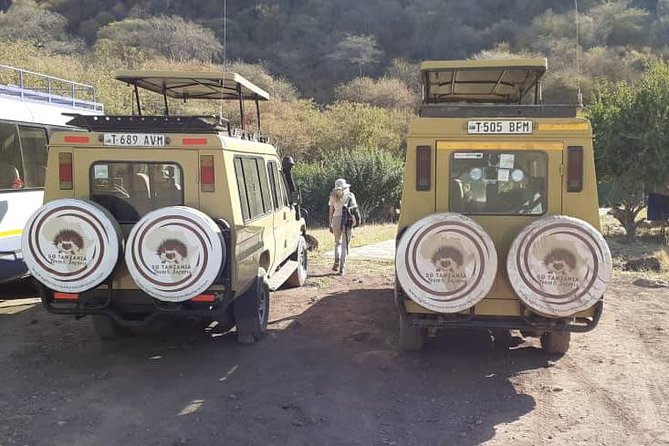
Your last day starts with breakfast and then returns to Arusha via Manyara National Park. You get a half-day game drive from about 9 AM to mid-afternoon, with a picnic lunch break.
Lake Manyara is a great bookend because it gives you different habitat from Serengeti and the crater. The day is described with lush acacia and mahogany areas and a chance to spot buffalo, giraffes, impalas, baboons, and blue monkeys.
The headline Manyara moments are the tree-climbing lions and the flamingos. Tree-climbing lions are explicitly described as a luck-based sighting, which is honest. You are not promised them, so the best way to enjoy this is to watch the general wildlife and treat any lion tree sighting as a bonus.
Flamingos are also season-dependent. The description mentions that in the right season the shoreline can turn pink with millions of flamingos. If your trip matches that timing, Manyara becomes a photo paradise. If not, you still get the birdlife and the woodland vibe.
From a pacing point of view, this half-day is a smart choice. You have already done the heavy days, and this gives you a final wildlife taste without sending you straight into another overnight transfer.
Getting value from the private 4×4 and your accommodation choice
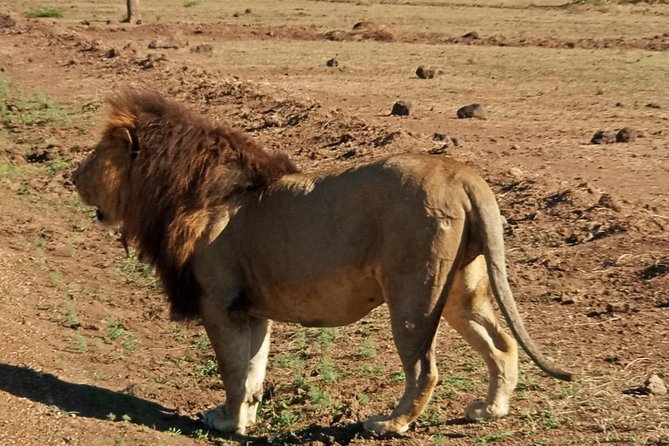
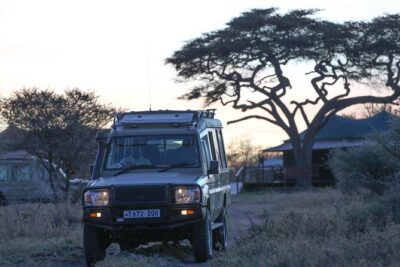
The route rides in a customized pop-up-top 4×4 jeep, which is a big part of why these drives feel good. Pop-up roofs help you see over bushes and share a similar viewing angle across the vehicle. When you are trying to track animals that appear fast and move unpredictably, that visibility matters.
You also get flexibility on accommodation. The tour offers optional economy, comfort, or luxury safari lodges and tented camps. That is not just about bed comfort. It changes your overall safari feel each night. Economy options can still be great, but luxury tends to reduce the stress of long days, with better space and nicer downtime. Tented camps often add that classic safari vibe, while lodges can feel more structured.
The price, $3,430 per person, is a serious chunk of money, so it is worth judging what you are buying. You are paying for a full 7-day circuit across multiple parks, daily game drives, picnic lunches, and daily dinners, plus private transport in a dedicated jeep. You are also buying time planning peace. Safari logistics in Tanzania are not something you want to piece together day by day.
One more practical item: your ticket is described as a mobile ticket, which helps keep things simple on the road. And the tour includes pickup, so you are not stuck negotiating the start.
How culture and Olduvai-style stops fit into a safari week
Not every moment here is about wildlife. The highlights mention time for a cross-section of local people and living styles, and a focus on Olduvai Gorge with remains of pre-historic man.
You should treat these parts as context. When you learn about why people live where they live, and how the region’s past is interpreted, it makes the parks feel less like an isolated show. It also gives you a break from pure game drive scanning, which is good after days of motion and heat.
Because the details of exactly when these cultural elements are slotted are not spelled out day-by-day in the schedule you shared, I would do one simple thing: ask your guide when the Olduvai and local-life time occurs. Then you can plan your expectations, timing, and photo priorities.
If you like people as much as animals, this safari gives you room for both.
Who should book this 7-day Tanzania safari, and who should rethink it
This is best for you if:
- You want multi-park variety in one trip, without stringing together separate tours.
- You care about the big three moments, the Serengeti, Ngorongoro Crater, and the Tarangire elephants and baobabs.
- You are okay with early starts, long drives, and packing light for changing locations.
- You like a private setup where only your group participates.
You might rethink it if:
- You are looking for a super relaxed pace or minimal driving.
- Walking does not work for you. Day 1 includes walking with an armed ranger in Arusha National Park, and Ngorongoro includes a steep climb back after the crater-floor drive.
If you are traveling with teens or older kids, this format can work well, because the days are structured and the wildlife focus is obvious. Just remember this is a lot of moving around.
Should you book this 7-day Tanzania safari?
I would book it if you want a strong, organized Tanzania route that hits the major wildlife stages in a reasonable time window. The Ngorongoro crater floor piece is the hardest to replicate elsewhere, and stacking it with Serengeti predator country and Tarangire elephant culture makes the whole week feel efficient.
I would not book it only if your dream trip is slow, flexible, and low-effort. This safari is active. It is not hard-adventure hiking, but it is real time in a vehicle, early mornings, and one very physical crater climb.
If you do book, I’d also ask who your guide will be. In feedback tied to this operator, names like George, Salu, and Joseph came up with praise for smooth driving and strong wildlife spotting. A great guide can turn a good sighting into a memorable story, and that is what makes these days stick.
FAQ
What parks are included on this 7-day Tanzania safari?
The route includes Arusha National Park, Tarangire National Park, Serengeti National Park, Ngorongoro Crater, and Lake Manyara National Park.
Is transportation included during the safari?
Yes. You travel in a customized pop-up-top 4×4 jeep.
Is this a private tour?
Yes. It is listed as a private tour/activity, and only your group participates.
What kind of accommodation can I choose?
Accommodation options are available in economy, comfort, or luxury safari lodges and tented camps. You choose based on your budget and style.
What meals are included each day?
The schedule describes picnic lunches during game drives and dinner each evening, with days ending back at your camp or lodge for dinner and rest.
Where does the safari start and end?
The activity starts and ends back at the meeting point described as Kilimanjaro International Airport, Kilimanjaro Airport Rd, Tanzania. The Day 1 plan also includes pickup from your Arusha hotel.
What start time should I expect?
The activity lists a start time of 7:00 AM, and Day 1 pickup is described as 8:30 AM from your Arusha hotel.
What is the cancellation rule if weather is poor?
Cancellation is free up to 24 hours in advance for a full refund. If the experience is canceled due to poor weather, you are offered a different date or a full refund.
More Ngorongoro Crater Trips
- 2 Days Tarangire and Ngorongoro Group Camping Safari
★ 5.0 · 146 reviews - 4 Days Tarangire Serengeti Ngorongoro Crater
★ 5.0 · 117 reviews - 5 Days Tanzania Group Joining Safari, Tarangire/Serengeti/Ngorongoro Crater
★ 5.0 · 85 reviews - 4 Days Tarangire, Serengeti and Ngorongoro Mid-Range Group Safari
★ 5.0 · 84 reviews
More Serengeti Safaris
- Balloon Safari & Bush Breakfast in Serengeti – Miracle Experience
★ 5.0 · 1,646 reviews - 3 Days Serengeti & Ngorongoro Group Camping Safari
★ 5.0 · 574 reviews - 3-Day Classic Serengeti Safari
★ 5.0 · 263 reviews - 10-Day Serengeti Wildebeest Migration Safari from Arusha
★ 5.0 · 218 reviews
Just posted around Arusha
- 8 Days Serengeti Migration safari★ 5.0 · 11 reviews
- tarangire & ngorongoro 2 days tour★ 5.0 · 14 reviews
- serengeti, ngorongoro & tarangire 4 days private tour★ 5.0 · 18 reviews
- tarangire, ngorongoro & lake manyara park 3 days private tour★ 5.0 · 11 reviews
- serengeti & ngorongoro 3 days private tour★ 5.0 · 15 reviews
- climb the KILIMANJARO via Lemosho route★ 5.0 · 4 reviews
- Mt. Kilimanjaro: Shira plateau to Cathedral point 3872m Day hike★ 5.0 · 7 reviews
- 2 Days Tanzania Midrange Group Join Safari★ 5.0 · 7 reviews
Serengeti Safaris, compared.
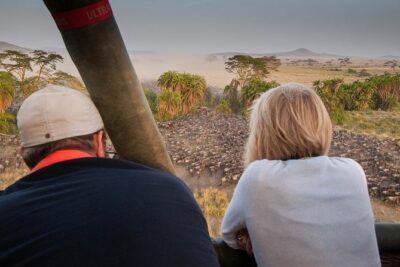
Serengeti Balloon Safari and authentic bush breakfast
Read our review →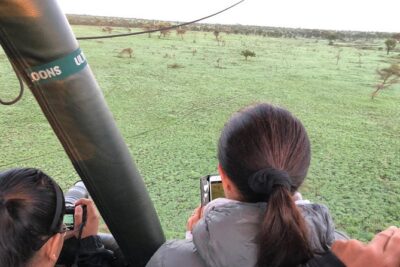
Balloon Safari & Bush Breakfast in Serengeti – Miracle Experience
Read our review →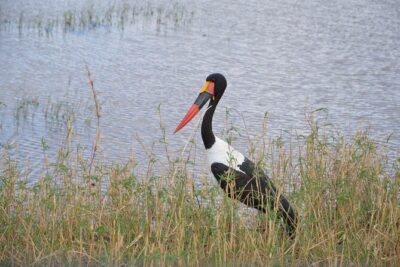
3 Days Serengeti & Ngorongoro Group Camping Safari
Read our review →
5-Day Highlights mid-Range Crater, Serengeti, Tarangire
Read our review →
Private 6-Day Tarangire Manyara Crater and Serengeti with Mid-Range Lodges
Read our review →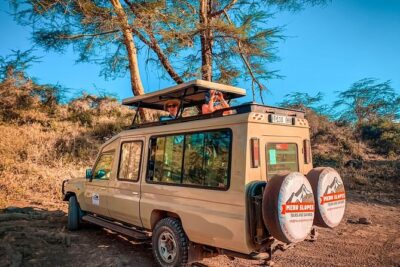
5 Days Camping Tarangire, Serengeti & Ngorongoro crater & Visiting Maasai
Read our review →Browse the lists this tour appears in