
Reviewed · SAFARIS IN MOSHI
7-Day Tanzania Odyssey Safari- High End Tour
A 7-day safari is intense, in a good way. This trip is built around real migration drama, from Serengeti herds moving through crocodile country to Mara River crossings that can happen and then not happen again for days. You also get a strong mix of parks, from Tarangire elephants and baobabs to Ngorongoro Crater black rhino chances.
What I like most is the focus on where sightings actually happen, plus the way the schedule gives you time to react. You spend key blocks in Serengeti and the Mara area, not just quick pass-through drives. Another big plus is the human factor, multiple guides are repeatedly praised for steering you toward the best action and even the best camera positions, like Frank Winstone, Rodrick, Juma, and Albert.
One drawback to weigh up: migration and river crossings are still luck. Even with planning, you may see herds near the Mara River without crossing the day you want, and the tour also depends on weather, since it requires good conditions.
In This Review
- Key things to know before you go
- From Kilimanjaro Airport to Moshi, the “why this route works” plan
- Day 1: Arusha start and a calm arrival with pickup
- Day 2 at Tarangire: elephants, baobabs, and tree-climbing lion odds
- Day 3 at Ngorongoro Crater: black rhino potential and predator density
- Days 4-5 in Serengeti: migration timing, copycat behavior, and real action
- Day 6 in Mara: why a second game drive day is smart
- Day 7: the Kogatende flight out and a clean end back to Kilimanjaro
- Guides and vehicles, the human engine behind the best sightings
- Accommodations and meals: what you get, and why it affects your wildlife time
- Price and value: is $7,630 per person worth it?
- Practical expectations: timing, weather dependence, and vehicle days
- Who this safari suits best, and who might want a different style
- Should you book this 7-Day Tanzania Odyssey Safari?
- FAQ
- What is the tour price and who is it for?
- Where does the safari start and how do you get there?
- Which parks are included in the 7 days?
- What is included in the price?
- What is not included?
- Are tips required?
- Does the tour offer pickup?
- Does it use a mobile ticket?
- What happens if weather is poor or you cancel?
Key things to know before you go
Wildlife timing beats just checking boxes
Serengeti and Mara get two dedicated days for a better shot at crossings
Ngorongoro Crater is a density game, including black rhino potential
The tour is private, so you can ask questions and adjust your pace
Meals and park fees are included, but tips are not
From Kilimanjaro Airport to Moshi, the “why this route works” plan
This is a route that starts with easy logistics and then moves fast into the parts of Tanzania where wildlife clustering turns into action. You begin around Moshi and Kilimanjaro, then work your way through Tarangire and Ngorongoro before you hit the Serengeti migration corridor and Mara River country.
For you, that matters because long safaris are mostly about timing. When you spend two days in the Serengeti Mara region, you gain flexibility, which is how you maximize the chance of a Mara River crossing instead of hoping for one on a single drive. The route also makes sense geographically, so you are not zig-zagging the country constantly.
More Safaris in Moshi
- Safari Serengeti And Ngorongoro
★ 5.0 · 288 reviews - Big Five Safari In Tanzania
★ 5.0 · 99 reviews - Unforgettable Tanzania Safari And Zanzibar Beach
★ 5.0 · 97 reviews
Day 1: Arusha start and a calm arrival with pickup
Your first day is straightforward. You will be picked up by Gosheni Safaris staff from Kilimanjaro International Airport, get a short safari briefing, and head to your accommodation in Arusha at Acacia Coffee Lodge.
This kind of arrival day is practical value. It buys you one stress-free evening before the driving begins in earnest. You also get a briefing right away, which helps when you are hit with early mornings later.
Day 2 at Tarangire: elephants, baobabs, and tree-climbing lion odds
After breakfast in Arusha, you drive to Tarangire National Park. Tarangire is one of the park favorites for people who want variety, because you can see big herds of elephants, striking baobab trees (the so-called Tree of Life), and the standout feature here, tree-climbing lions.
Tarangire is also unusually helpful in dry periods because the Tarangire River flows year-round and supports wildlife during dry seasons. That means the park often feels more consistently alive than places that rely on seasonal water.
The potential drawback is simple: a lot of what you want to see depends on where the animals are that day. Your best bet is to go with patience, use your guide’s spotting skill, and accept that Tarangire can be calmer on one drive and explosive on another.
Day 3 at Ngorongoro Crater: black rhino potential and predator density
Day 3 is crater day, and it has a reputation for a reason. You drive to Ngorongoro for a crater tour with a picnic descent to the crater floor, where around 20,000 mammals live and about 20 black rhinos are part of the mix.
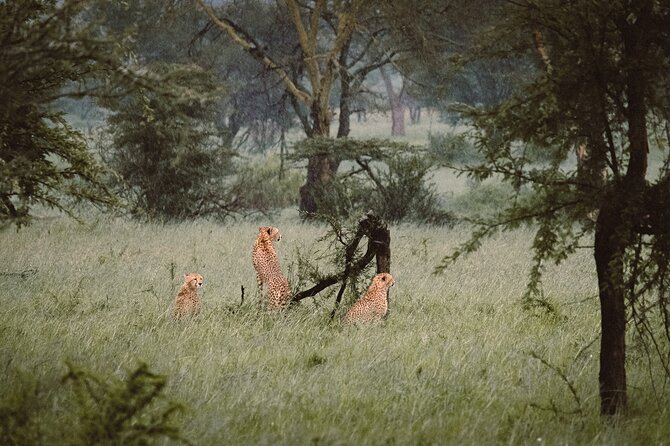
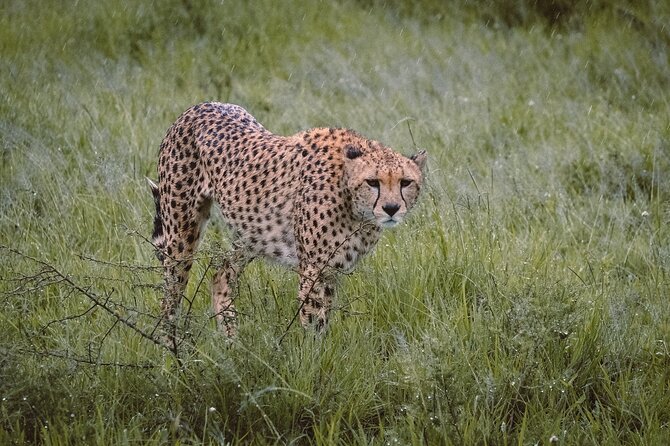
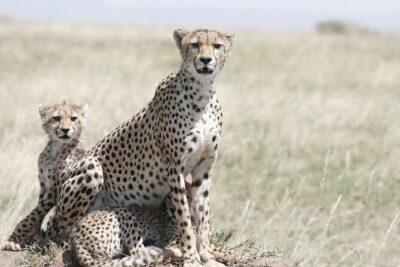
Here’s why this day is valuable for you: the crater environment concentrates animals, so you can often see more per hour than in more open habitat. The same is true for predators, with the crater described as having one of the highest carnivore densities in the world. Lions, cheetahs, hyenas, and jackals are commonly seen, and with luck you might spot leopards, servals, and bat-eared foxes.
Possible consideration: crater mornings can be long and you will likely be doing lots of slow driving and scanning from a vehicle. If you prefer quick, constant movement, this can feel slower. If you like wildlife observation and careful searching, this day fits you well.
More safaris from Moshi:
- 8-Day Essence of Tanzania Safari – Luxury
★ 5.0 · 72 reviews - Great Migration Safari In Tanzania
★ 5.0 · 71 reviews - 6 Days 5 Night Safari
★ 5.0 · 57 reviews - 7-Day Magical Tanzania Safari -Premium High End Package
★ 5.0 · 53 reviews
Days 4-5 in Serengeti: migration timing, copycat behavior, and real action
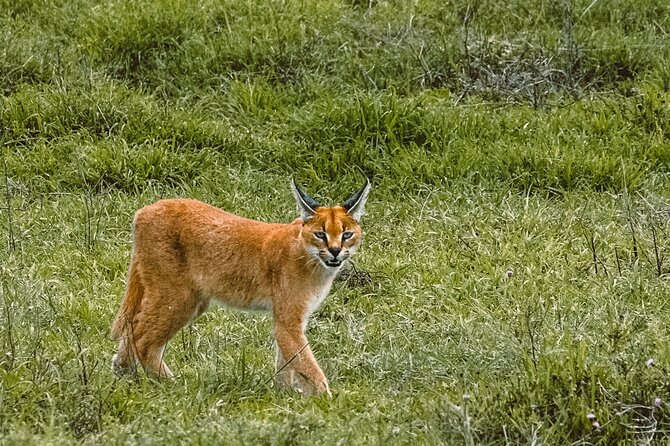
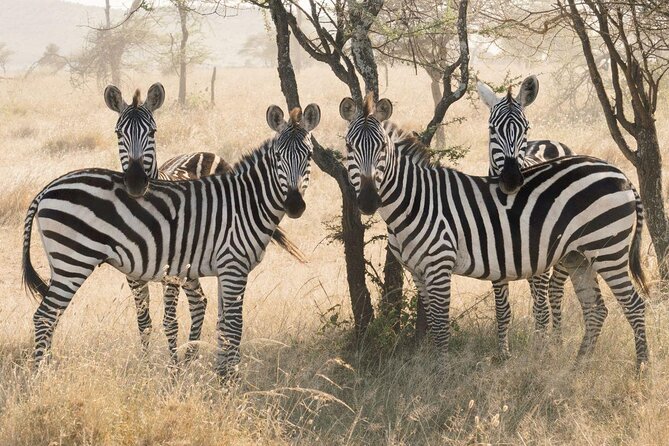
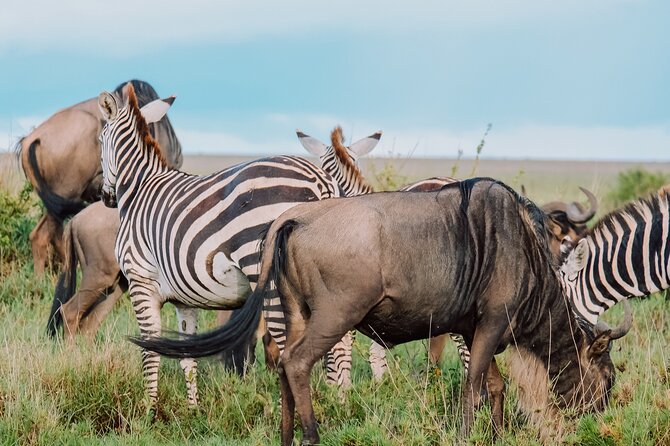
By Day 4, you are headed to Central Serengeti National Park with a picnic lunch and game drive along the way. Serengeti is famous for the annual migration, especially July to October, when millions of wildebeest and large zebra herds are in motion.
The tour timeframe matters because migration is not a single event. The wildebeest are described as producing more than 8,000 calves daily before the big pilgrimage, so you are effectively traveling into the season of reproduction and movement. You get a chance to watch territorial behavior and mating activity, which often looks chaotic until you understand it is survival and dominance in motion.
Day 5 continues into the Mara region, which is where migration stops being theory and starts feeling like a countdown. The Mara River is the main character, and herds can cross north on one day and then back south a few days later. Your guide can line things up, but finding a crossing is still challenging and often comes down to luck.
The upside for you is that the Mara region is visually rich, with kopjes, woodland, riverine vegetation, and open plains. Even when the crossing is not happening at that exact moment, you are often still in the thick of migration patterns.
Day 6 in Mara: why a second game drive day is smart
Day 6 is another game drive in the Mara region. This is not filler time. This is how you improve your odds when the main show depends on weather, river conditions, and animal decision-making.
If your one goal is to see a Mara crossing, two days helps because you can hit different parts of the cycle. Sometimes you will spot herds near the river but they do not cross until later, and sometimes you get action that starts and ends quickly. A second day gives you room for that reality.
From a value standpoint, this extra day is a big reason the tour feels “high end,” because it spends time where timing matters rather than just ticking a third park off the list.
Day 7: the Kogatende flight out and a clean end back to Kilimanjaro
On Day 7, you drive toward Kogatende Airstrip, catch your flight to Arusha, arrive for lunch, and then get driven to Kilimanjaro International Airport for your final departures.
This is a smart way to end the trip because it avoids one more long day of land travel. It also helps you keep the safari feeling like a safari, not an extended road transfer day.
Guides and vehicles, the human engine behind the best sightings
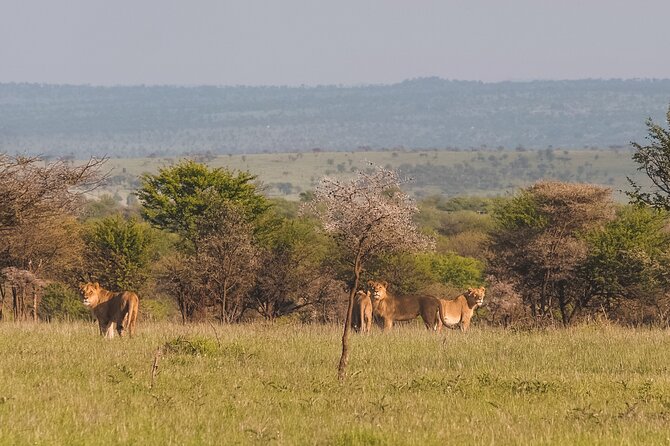
The most consistent praise across guides is not just that they can drive. It is that they find animals, read behavior, and position you for good viewing.
Names you may hear in connection with this experience include Frank Winstone, Elibariki, Albert, Calvin Kileo, Juma, James, Rodrick, Samir, and Hassan. Each gets credit for a mix of patience, field experience, and the ability to spot animals early, even at a distance. Some guides are also described as sharing local culture context along with wildlife explanations.
That matters because in Tanzania, the difference between a good day and a great day is often small. One guide’s decision to stop five minutes earlier can be the moment the cheetah moves or the herd commits to the river.
Accommodations and meals: what you get, and why it affects your wildlife time
This tour includes all accommodations and meals: 6 breakfasts, 6 lunches, and 6 dinners plus park entrance fees. That matters for a safari because meals and logistics can quietly eat up energy if you are managing them yourself.
Several reviews highlight satisfaction with the tented lodge style experience and the overall quality of accommodations. You will also find emphasis on food variety and flavorful meals, which is helpful when you are waking early and spending hours in a vehicle.
Just be aware that on a safari, your “comfort” is partly about timing. When you are out chasing sightings, you do not want to spend extra time on optional meals or detours.
Price and value: is $7,630 per person worth it?
At $7,630 per person, you are paying for a bundle: park entrance fees, all accommodations, and transportation with a professional driver/guide included. You also get private touring, meaning you are not sharing drives and game viewing with random strangers from a larger group.
So where is the value?
1) You are paying to concentrate time in high-sighting areas, especially the Serengeti and Mara region with multiple days.
2) You are paying for reduced friction: pickup, meals, and park fees are handled, so you spend your mental energy on spotting and photography.
3) You are paying for the skill layer, the guide’s ability to locate action fast.
Where it is not automatic value is the hardest part of safari math: migration crossings are not guaranteed. If your trip hinges on one exact moment, the high price means you should be realistic. You are buying access, time in the right places, and guide support, not a guaranteed river-crossing photo.
Also factor in what is not included: airport or departure tax, additional accommodation before and at the end, personal items, visa fees, travel insurance, and tips.
Practical expectations: timing, weather dependence, and vehicle days
This experience is listed as requiring good weather. If conditions are poor, you may be offered a different date or a full refund, so check your travel plan flexibility.
You should also expect driving days. Each day is listed as about 8 hours, plus transfers. That is normal for this part of Tanzania, but it means you will want to pack for long sits in the vehicle, not just short walks.
If you are sensitive to early mornings or long days, bring that up when you plan. With a private tour, your guide can often adjust the day’s pacing within the realities of wildlife watching.
Who this safari suits best, and who might want a different style
This tour suits you if you want a high-end, organized safari with professional guiding and a route that targets the migration story rather than bouncing between random parks. It is also a strong fit for couples and families who want private time and the comfort of having meals and park fees handled.
It is less ideal if your top priority is a fast checklist of many parks with minimal driving. It is also not the best match if you cannot handle the uncertainty of migration and weather.
Should you book this 7-Day Tanzania Odyssey Safari?
If your dream includes Serengeti migration and Mara River country, and you want the convenience of park fees, accommodations, and guides wrapped into one plan, this is a solid choice. The schedule gives you more chances where it counts, especially by spending time in Serengeti and returning to Mara for another game drive day.
I would book it if you can accept that a Mara crossing is not guaranteed, and you are okay paying extra for time, organization, and guide skill. I would think twice if you are extremely price-sensitive or if your itinerary has strict non-flexible timing that cannot handle weather-related changes.
If you want a safari that treats migration like the main event, not a side quest, this route is built for that.
FAQ
What is the tour price and who is it for?
The price is $7,630.00 per person. It is a private tour/activity, so only your group participates.
Where does the safari start and how do you get there?
The experience starts with pickup from Kilimanjaro International Airport area. The tour ends back at the meeting point.
Which parks are included in the 7 days?
You visit Tarangire National Park, Ngorongoro Crater, Central Serengeti National Park, and the Mara region for game drives.
What is included in the price?
Park entrance fees, all accommodations, a professional driver/guide, all transportation (unless labeled optional), and meals are included. Meals listed as included are 6 breakfasts, 6 lunches, and 6 dinners.
What is not included?
Airport/departure tax, additional accommodation before and at the end of the tour, personal items (like souvenirs), travel insurance, visa fees, and tips are not included.
Are tips required?
Tips are not included. A tipping guideline listed is US$20.00 per person per day.
Does the tour offer pickup?
Yes, pickup is offered from Kilimanjaro International Airport.
Does it use a mobile ticket?
Yes, a mobile ticket is included.
What happens if weather is poor or you cancel?
This experience requires good weather. If it is canceled due to poor weather, you will be offered a different date or a full refund. Free cancellation is available up to 24 hours in advance for a full refund.
Just posted around Moshi
- machame route★ 5.0 · 16 reviews
- Wildlife Extravaganza: Manyara, Tarangire & Ngorongoro in 3 Days★ 5.0 · 3 reviews
- Mt Kilimanjaro 6 days Marangu route hike★ 5.0 · 3 reviews
- Kilimanjaro Climbing Umbwe Route★ 5.0 · 3 reviews
- 3 Days Private E-Bike Tour in West Kilimanjaro★ 5.0 · 3 reviews
- West Kilimanjaro cycling Adventures★ 4.5 · 8 reviews
- Kilimanjaro Climb • Marangu Route ~ 9 Day★ 5.0 · 4 reviews
- Private Cycle to Kilimanjaro Bike Park Safari★ 5.0 · 6 reviews
Safaris in Moshi, compared.

Unforgettable Tanzania Safari And Zanzibar Beach
Read our review →
7-Day Magical Tanzania Safari -Premium High End Package
Read our review →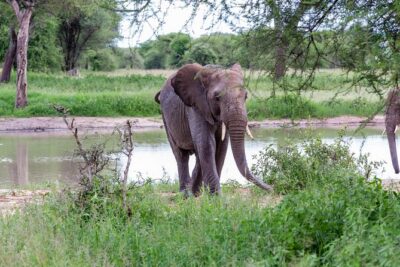
Browse the lists this tour appears in