Reviewed · SERENGETI SAFARIS
7 Day Joined Safari Serengeti,Ngorongoro,Manyara,Tarangire,Arusha National Park
Some trips feel like a checklist, this one feels like a plan. You cover five prime safari areas in 7 days, with long game drives where animals do not care about your schedule. It also adds a true change of pace with activities beyond just driving around.
What I like most is the chance to chase the big 5 while still getting real variety: Tarangire’s elephants, Serengeti’s predators, and Ngorongoro’s high concentration of wildlife in one dramatic bowl. Second, the wildlife focus comes with bird power too, with a route designed around habitat differences and a total stated range of 550+ bird species across the parks.
One drawback to weigh: mornings are early and the trip is a mix of driving days and game drives, plus you are camping in at least some nights (Serengeti public campsite, Simba campsite, and Fig tree area). If you need a soft bed every night, you will want to confirm which lodge level you get.
In This Review
- Key moments that make this safari worth your time
- The route: why this 7 day order makes sense
- Day 1 in Arusha: pickup, city sights, and an easy landing
- Day 2 Tarangire National Park: elephants, acacia woodlands, and migration drama
- Day 3 Serengeti National Park: half day drive, Seronera campsite, and predator odds
- Day 4 Sunrise Serengeti: the best lighting and the chance at hunting action
- Day 5 Ngorongoro crater: a long crater drive with a real payoff
- Day 6 Lake Manyara: greener habitat, lake views, and tree climbing lions
- Day 7 Arusha National Park: small scale safari with walking, canoeing, and craters
- Transport and comfort: what the joined format feels like
- Your day-by-day rhythm: early mornings, long drives, and real wildlife time
- Price and value: what $1,615.70 is buying you
- Beyond the drive: balloon, canopy walk, and canoeing in the mix
- Packing and wildlife strategy: small moves that help a lot
- Who this safari is best for
- Should you book this 7 day joined safari?
- FAQ
- What parks are included in the 7 day safari?
- What is the total duration and start time?
- How much does the tour cost per person?
- Is pickup and drop-off included?
- What is included in the price?
- What activities beyond game drives are included?
- How big is the group?
- What is not included, and what should I plan for?
Key moments that make this safari worth your time
- Joined group size up to 6 means you avoid the chaos of huge buses and can keep conversations with your guide going.
- Four wheel pop-up safari jeeps during crater time give you better angles for wildlife.
- Ngorongoro crater day is built around a long descent and at least 6 hours in the crater.
- Tree climbing lions at Lake Manyara are a special style of wildlife viewing, not just another savanna drive.
- Arusha National Park with walking safari options lets you slow down for smaller, active wildlife.
- Hot air balloon plus canopy walk and canoeing are included in the overall package lineup.
The route: why this 7 day order makes sense
This itinerary strings together Tanzania’s best “style of nature” puzzles. Tarangire gives you elephants and acacia woodland scenes. Serengeti is where you look for predators and sweeping movement. Ngorongoro is the shortcut, a high altitude crater that can stack species into fewer hours. Lake Manyara adds a water and forest mix, plus the famous tree climbing lion chance. Then Arusha National Park closes the loop with smaller scale wildlife, crater viewpoints, and optional walking.
The big win is that each day has a clear wildlife goal, not just “see what we can see.” That matters because in a joined safari, you want every hour to count.
More National Park Trips in Arusha
- 7 Days Tanganyika Wilderness Safari
★ 5.0 · 159 reviews - Arusha National Park Private Safari
★ 5.0 · 59 reviews - 4 Day Ngorongoro Crater Tarangire and Serengeti National Park
★ 5.0 · 44 reviews
Day 1 in Arusha: pickup, city sights, and an easy landing
Your trip starts in Arusha with airport pickup and drop-off, and after arrival you get a city tour component built into the schedule. You are set up for an orientation-style day covering places like the Kilombero Vegetable and Food market, Maasai Market, Clock Tower, and Mwenge Tower. There is also an Arusha Village Experience entry included.
Why this matters: your first day is not a sprint. You get a lay of the land and a feel for local culture before the parks start demanding full attention.
What to watch for: start times and daily structure depend on your flight details. Since you are sharing the experience in a small group, your pickup may flex a bit based on others’ arrivals.
Day 2 Tarangire National Park: elephants, acacia woodlands, and migration drama
You leave around 7:30 a.m. after breakfast, then drive about 2.5 hours to Tarangire’s gate. Around 10 a.m. you start the game drive, with a lunch picnic around 1 p.m. and more driving through the late afternoon before exiting around 4 p.m.
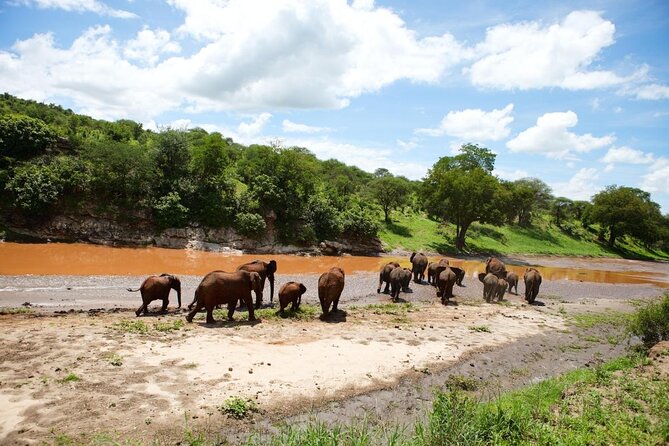
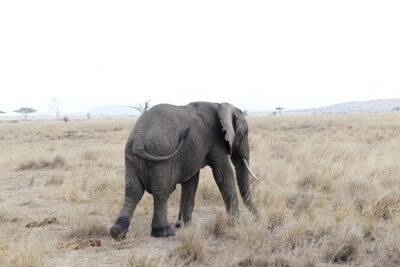
Tarangire’s standout theme is elephants. The park is famous for huge numbers of them, and there is also a dry season mini migration described as roughly 2,500 to 3,000 animals entering for the Tarangire River area. The habitat mix you’re driving through is also specific: acacia woodlands, baboba trees, and ribbons of aquatic forest.
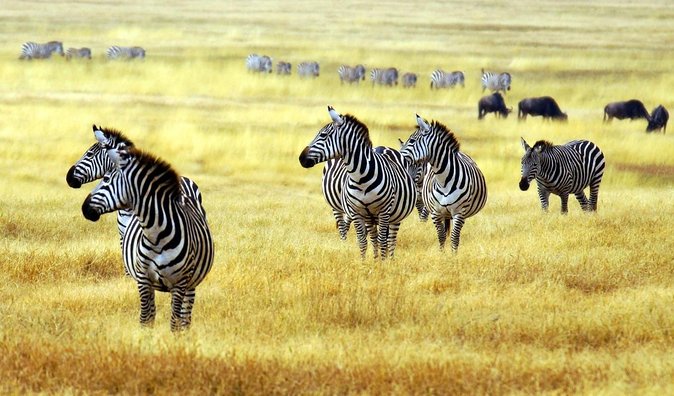
What you can realistically aim for today, based on the plan: elephants, wildebeest, giraffes, cheetahs, zebra, and Thomson gazelle.
Practical consideration: because the drive time to and from the park is part of the day, you get a long day even if your animal viewing is strong. If you are sensitive to early starts, this is where you’ll feel it first.
Day 3 Serengeti National Park: half day drive, Seronera campsite, and predator odds
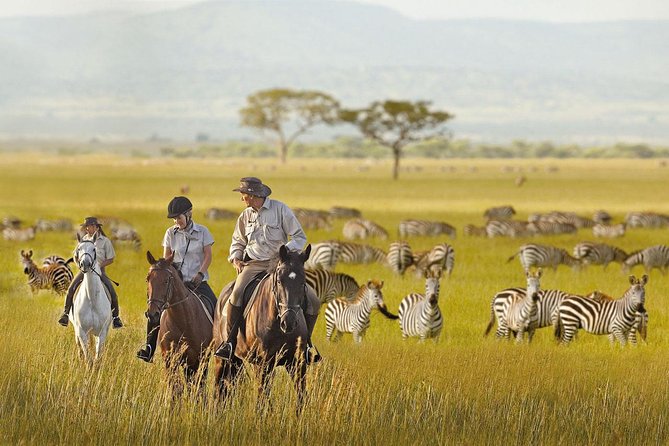
After breakfast you depart around 9 to 10 a.m. toward Serengeti via Ngorongoro. You’re expected to reach Serengeti gate around 1 to 2 p.m. You get lunch on arrival, then a half day game drive inside Serengeti.
This day is about the classic Serengeti predator and motion setup. The plan specifically calls out wild cat and wild dog type habitats, and lists likely sightings like cheetahs, wildebeest, zebras, giraffes, elephants, and lions.
Then you settle into the Seronera Public Campsite for overnight, with hot dinner prepared by the camp team.
Why this pacing works: you’re not stuck doing only one long drive. The half day structure can keep you sharp, and the afternoon timing often helps with sightings that stay active through the day.
The trade-off: you are moving again. Serengeti is big, and getting to the gate eats some time, so you will want to keep your expectations flexible on exactly what shows up.
More Safaris in Arusha
- Balloon Safari & Bush Breakfast in Serengeti – Miracle Experience
★ 5.0 · 1,646 reviews - 4 Days Group Camping Safari
★ 5.0 · 1,101 reviews - 5 Days Group Camping Safari
★ 5.0 · 730 reviews - 3 Days Serengeti & Ngorongoro Group Camping Safari
★ 5.0 · 574 reviews
Day 4 Sunrise Serengeti: the best lighting and the chance at hunting action
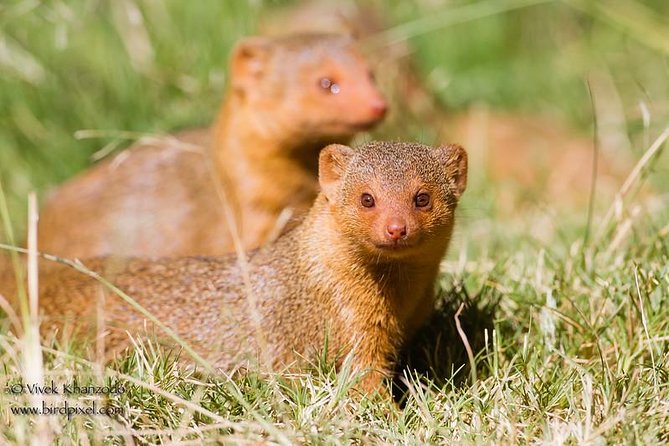
Day 4 starts with breakfast at your lodge or campsite, then a sunrise game drive. This is the day designed for better angles and more intense predator behavior odds, since the schedule literally aims you at early action. Lunch happens around 1 to 2 p.m., and afterward you drive out toward Ngorongoro, heading for the Simba Campsite for overnight.
In plain terms, sunrise drives are where you catch animals when they are still deciding where to feed. If you care about photography, this is the most “worth waking up for” slot in the week.
Possible drawback: it is another early morning. Also, once you leave Serengeti, you will spend more time in transit than on a dedicated park day, so save your biggest photo lens expectations for the crater day.
Day 5 Ngorongoro crater: a long crater drive with a real payoff
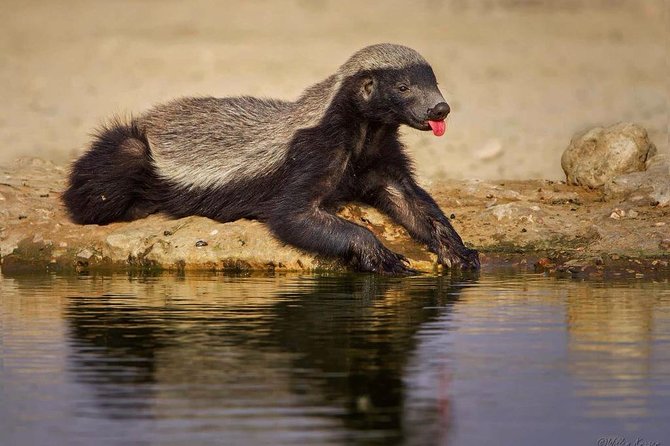
This is the keystone day. After an early 7 a.m. breakfast, the crater plan starts with pickup around 8:30 a.m. You descend into Ngorongoro and get at least 6 hours of game drive time inside the crater using four wheel pop-up safari jeeps. Lunch is at a picnic site around 1 p.m., then you exit around 4 p.m.
You also get the crater’s biology story with it. The plan highlights fertile volcanic soils, which support many habitats. There is mention of Lake Makat, a soda lake (salt in Maasai language), which is part of the crater’s bird and habitat mix. The overall promise here is that Ngorongoro is the only park in Tanzania that offers a yearly around view of the big 5 in a single day visit.
Then you finish the day with dinner and overnight at Fig Big Tree.
Why this is so valuable: the crater model compresses wildlife into fewer hours. Instead of searching all day across scattered terrain, you’re watching a high density ecosystem where multiple species can show up in the same general area.
What to consider: crater days can feel long. You’re in the vehicle for extended stretches. Also, the success rate depends on animal movement and weather, not just your plan. The good news is the schedule gives you the time to work with what happens.
Day 6 Lake Manyara: greener habitat, lake views, and tree climbing lions
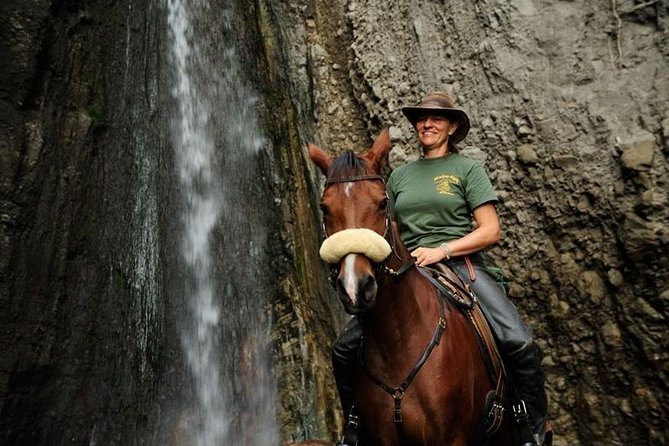
After breakfast you head out around 7:30 a.m. to Lake Manyara. You’re aiming to enter the park and drive through habitats designed to shift throughout the day: the plan calls out acacia woodlands, savannah grasslands, forested areas, flood zones, and rocky escarpment along the Rift Valley.
Lake Manyara is described as green through the year because 2/3 of the park is covered with water, which changes animal behavior and where you look for them. Today’s signature is the chance at tree climbing lions, compared in style to Uganda’s Queen Elizabeth tree climbing lion behavior.
Lunch is at a picnic site around 1 p.m., then more game drive time. You exit the park around 4 p.m. and head back toward Arusha.
Likely animals listed include elephants, zebras, buffalo, wildebeest, plus lots of birds around the lake area.
Practical notes: because the park has water influence, animals may be spread out differently than in drier parks. It is still a game drive day, so you’ll want patience and good spotting habits, not just speed.
Day 7 Arusha National Park: small scale safari with walking, canoeing, and craters
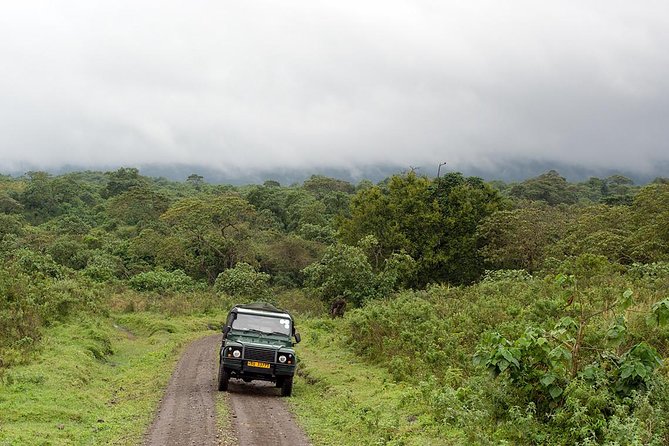
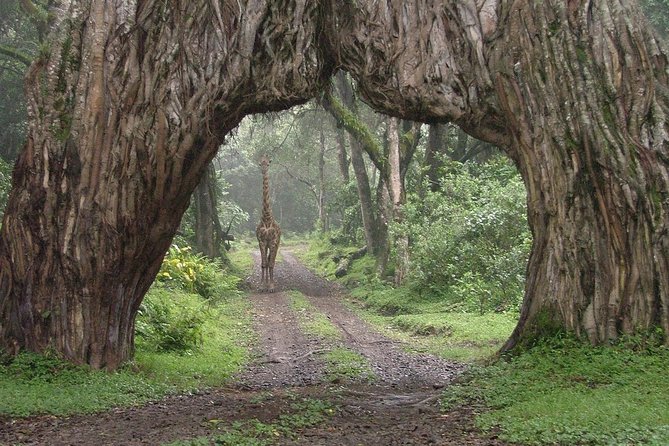
Your last day brings you back to a more intimate park setting. You depart around 7:30 a.m. for a game drive in Arusha National Park, which is described as 552 square kilometers with a lot packed into it. The plan calls out specific areas and viewpoints like Serengeti Ndogo (Little Serengeti), Uwanja wa Mbogo (Buffalos Glade), Ngurdoto and Meru Craters, Tululusia Hill, Lake Momella and Longil, Fig Arch tree, and Ngarenanyuki River.
Here is where Arusha feels different from the big circuit parks: the plan says you can do game drive plus walking safari. It also lists other options you might choose among, including cycling, canoeing, and horse riding. The schedule suggests you can select a game drive and a walking safari, or select 2 options from the list, with your guide doing their best to cover likely spots.
Why this matters: after several days of longer drives, walking can help you spot smaller action, birds, and behavior you miss from a vehicle.
Trade-off: walking and optional activities depend on conditions and what time you have in the day. If you want the most relaxed finish, you might pick fewer extras and keep it simple with one main activity plus a drive.
Transport and comfort: what the joined format feels like
This safari is designed for a maximum of 6 travelers, so you’re not lost in a crowd. That typically means faster decision making with your guide and more chance to hear the explanations about plants and animal habits as you go.
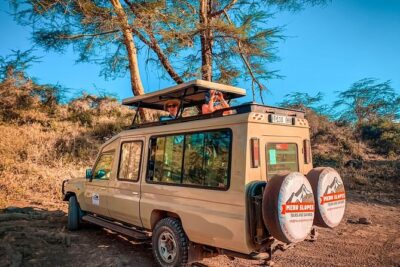
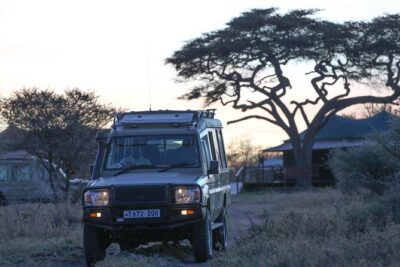
On the vehicle side, one review mentions shifting from an Arusha pickup vehicle to a safari Land Cruiser, which is consistent with how park days usually work: you start with a general transfer, then move into dedicated safari transport for the game drive days.
For comfort, your package includes sleeping bag plus bath towels, along with drinking water and wine. Food is scheduled with 6 breakfasts, 6 lunches, and 6 dinners, which is a big deal for budgeting and energy.
What to keep in mind: camping nights mean your comfort level depends on the accommodations used. You might get camping setups in Serengeti and the crater transition nights, so pack for weather and for being outdoors.
Your day-by-day rhythm: early mornings, long drives, and real wildlife time
The week has a clear rhythm:
- mornings that start after breakfast and move you into the next park area
- midday picnic lunches inside the parks
- afternoon game drive time, with exits around mid to late afternoon in most parks
That rhythm is not accidental. It keeps the bulk of your wildlife viewing during daylight hours when animals move and when guides can track activity better.
If you are the type who wants maximum sleep, you will have to adjust. If you are the type who values seeing more animals rather than waking at noon, the pacing is a good fit.
Price and value: what $1,615.70 is buying you
At $1,615.70 per person for a 7 day safari, the value comes from what is bundled, not just the driving itinerary.
Included items from the package:
- All fees and taxes
- game drive activities across the parks, plus walking safari where indicated
- lodging for 6 nights
- drinking water and wine
- breakfast, lunch, and dinner for each scheduled day
- entry fees for Arusha Village Experience, and for the national parks including Serengeti, Ngorongoro Crater, Tarangire, Lake Manyara, and Arusha National Park
- airport pickup and drop-off
Not included items:
- international flights and visas
- travel insurance
- personal spending
- tips for the driver, guide, and safari cook
Here’s how I’d think about it: you are paying for a full week of transport, park access, and planned meals. That usually saves you from surprise costs and booking overhead that can happen when you stitch a safari together yourself. The joined group format also suggests cost sharing across travelers, which can make a big circuit safari more reachable.
Still, check your expected lodging level. The package says accommodation can be camping, mid range, or lodge. That range matters for comfort.
Beyond the drive: balloon, canopy walk, and canoeing in the mix
The tour description includes extra experiences beyond the classic vehicle game drive. You have a hot air balloon trip plus canopy walking and canoeing included in the overall experience list.
Why these extras matter: they break the monotony. A balloon ride is a different kind of wildlife viewing, and the tree canopy and canoe segments shift you from savanna spotting into a more vertical and water based perspective.
Practical consideration: the exact timing of these activities is not spelled out day by day in the details provided. When you book, ask your operator how those segments fit into your specific dates, so you can plan footwear, camera gear, and early starts.
Packing and wildlife strategy: small moves that help a lot
Even with an excellent guide, your safari success comes from simple habits. Here are a few that match how this trip runs:
- Pack for early mornings since several days start around sunrise or shortly after breakfast.
- Bring a light layer for mornings and a warmer option for crater altitudes, since crater conditions can feel different from lowland parks.
- Use neutral clothing for better photo results and less animal disturbance.
- Keep your camera ready during exits and transitions. Many animals are found near water sources or along travel routes, and your schedule gives you time to stop when sightings happen.
Also, choose what you want to focus on in each park. Tarangire is for elephants and woodland scenes. Serengeti is for predators and big cat chances. Ngorongoro is for concentration. Lake Manyara is for habitat variety and the tree climbing lion possibility. Arusha is for walking and smaller scale viewing.
Who this safari is best for
This tour fits best if you:
- want a joined safari with small group feel (up to 6)
- care about seeing the big 5 plus a lot of birds
- are comfortable with early starts and at least some camping style nights
- like being guided by someone who can explain local flora and fauna during drives
It may be less ideal if you:
- need consistent lodge comfort every night
- strongly prefer a slower pace with minimal driving days
- dislike waking up before sunrise
Should you book this 7 day joined safari?
I think you should book this tour if you want a smart, time efficient circuit that hits Serengeti and Ngorongoro, then balances them with Tarangire and Lake Manyara for variety. The schedule is built around real viewing time, especially the long Ngorongoro crater session and the sunrise Serengeti drive.
You might skip it or negotiate details first if you are very sensitive to camping conditions or early morning wakeups. If your comfort priority is top tier bedding and minimal movement, you should ask what lodging level you will receive for your dates and how the balloon, canopy walk, and canoeing are slotted.
If you do book, the biggest tip is simple: keep your expectations flexible on which predator appears on which hour. This itinerary gives you the time for good chances, and it keeps the week packed with different habitats, which is exactly how Tanzania rewards a good plan.
FAQ
What parks are included in the 7 day safari?
The route includes Tarangire National Park, Serengeti National Park, Ngorongoro Conservation Area including Ngorongoro Crater, Lake Manyara National Park, and Arusha National Park.
What is the total duration and start time?
The safari runs for 7 days (approx.) and the start time is listed as 7:00 am.
How much does the tour cost per person?
The price is $1,615.70 per person.
Is pickup and drop-off included?
Yes. Airport pickup and drop-off are included, and a pickup is offered from Arusha as the start point.
What is included in the price?
Included items are listed as all fees and taxes, activities like game drives (and walking safari if indicated), 6 nights accommodation, meals (6 breakfasts, 6 lunches, 6 dinners), drinking water and wine, bath towels, sleeping bag, and park entry fees.
What activities beyond game drives are included?
The tour description says it includes a hot air balloon trip, canoeing, and canopy walking in the overall experience.
How big is the group?
The tour has a stated maximum of 6 travelers.
What is not included, and what should I plan for?
Not included are international flights, visas, travel insurance, and personal expenses, plus tips for the driver, guide, and safari cook.
More Lake Manyara Safaris in Arusha
- Private 6-Day Tarangire Manyara Crater and Serengeti with Mid-Range Lodges
★ 5.0 · 238 reviews - 3 Days Tarangire, Ngorongoro & Lake Manyara Group Camping Safari
★ 5.0 · 102 reviews - 3 Days Private Safari – manyara, Ngorongoro & Tarangire
★ 5.0 · 94 reviews - 05 Days Tarangire, Serengeti, Ngorongoro and Lake Manyara
★ 5.0 · 54 reviews
More Arusha National Park & Lake Duluti Trips in Arusha
- Arusha National Park Full-Day Safari
★ 4.8 · 25 reviews - Arusha National Park Day Trip
★ 4.5 · 18 reviews - Arusha National Park: Private Jeep Tour
★ 4.8 · 9 reviews - 1 Day: Arusha National Park
★ 5.0 · 9 reviews
Just posted around Arusha
- 8 Days Serengeti Migration safari★ 5.0 · 11 reviews
- tarangire & ngorongoro 2 days tour★ 5.0 · 14 reviews
- serengeti, ngorongoro & tarangire 4 days private tour★ 5.0 · 18 reviews
- tarangire, ngorongoro & lake manyara park 3 days private tour★ 5.0 · 11 reviews
- serengeti & ngorongoro 3 days private tour★ 5.0 · 15 reviews
- climb the KILIMANJARO via Lemosho route★ 5.0 · 4 reviews
- Mt. Kilimanjaro: Shira plateau to Cathedral point 3872m Day hike★ 5.0 · 7 reviews
- Kilimanjaro Waterfalls Hike & Moshi Hot Springs Day Trip Tour★ 5.0 · 4 reviews
Serengeti Safaris, compared.
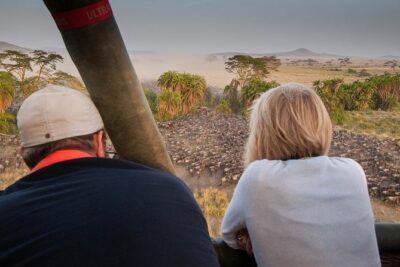
Serengeti Balloon Safari and authentic bush breakfast
Read our review →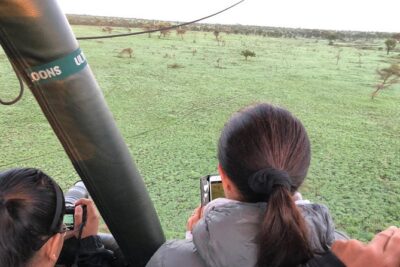
Balloon Safari & Bush Breakfast in Serengeti – Miracle Experience
Read our review →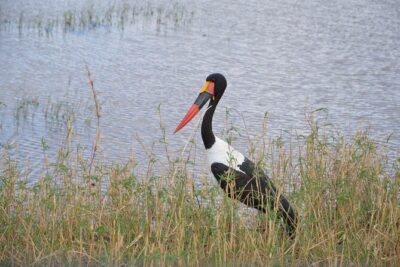
3 Days Serengeti & Ngorongoro Group Camping Safari
Read our review →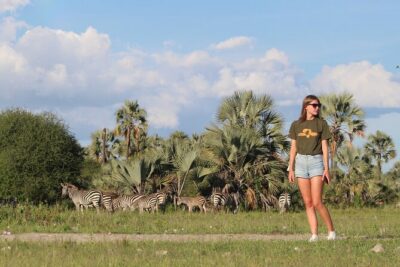
5-Day Highlights mid-Range Crater, Serengeti, Tarangire
Read our review →
Private 6-Day Tarangire Manyara Crater and Serengeti with Mid-Range Lodges
Read our review →