
Reviewed · SERENGETI SAFARIS
7-Day Group Camping Tarangire/Serengeti/Ngorongoro/lake Manyara
Wildlife drama, day after day.
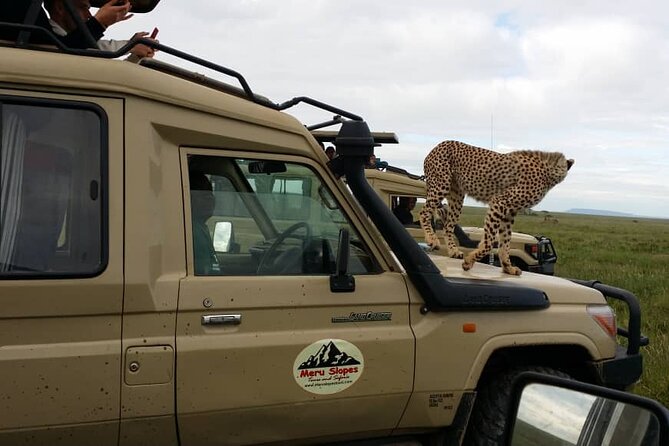
This 7-day camping safari in Tanzania lines up wildebeest migration season (Oct to Dec) with classic big cat country, plus a crater day that’s built for serious sightings. I like how the week mixes full game drives with real time in the ecosystems, not just rushed checklists.
What I especially like is the practical setup: group camping quarters with all meals included, plus park fees covered under all fees and taxes. The main trade-off is that you are doing long driving days and early starts, including very early mornings for game drives and crater descent.
In This Review
- Key highlights to look for
- October to December Migration Season, with UNESCO sites and real camp life
- Price and value: what $1,790 is really buying
- Getting to the safari: Arusha pickup, airport transfers, and mobile tickets
- Your small-group setup, and why the guide matters most
- Day 1 in Tarangire: elephants, baobabs, and a first full game drive
- Day 2: driving into Serengeti and doing the sunset game drive in Seronera
- Day 3 in Serengeti: Mara River and Ndutu Plains style migration watching
- Day 4 in Serengeti: a second full day built for better migration odds
- Day 5: sunrise in Serengeti, then heading toward Ngorongoro and Simba campsite
- Day 6: Ngorongoro crater floor for Big Five sightings, flamingos at lunch, and Mto wa Mbu walking culture
- Day 7 in Lake Manyara: climbing-tree lions, hot spring time, and Maasai boma culture
- Should you book this Tarangire, Serengeti, Ngorongoro, and Lake Manyara camping safari?
- FAQ
- What parks does the 7-day safari visit?
- When is this safari offered for the wildebeest migration?
- What time do you start and how does pickup work?
- What vehicle do you use for game drives?
- Are meals included, and how many?
- Where do you sleep during the safari?
- Do you visit Ngorongoro crater and see the Big Five?
- Are there cultural visits included?
- Do I need to tip, and what is the cancellation policy?
Key highlights to look for
- Migration-focused planning: you aim for Mara River and Ndutu Plains flashpoints in Serengeti timing windows
- A guide who spots the action fast: names like Mohamed and Jacob come up in feedback for finding the right spot at the right time
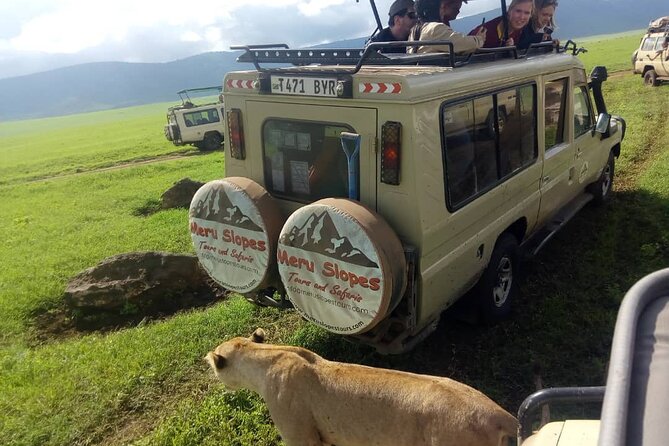
- Ngorongoro crater Big Five energy: crater floor game drives, including black rhino, then flamingos and birds over lunch
- Meals done for you: breakfast, lunch, and dinner are included each day, with chefs like Salim and Gadi praised for keeping it tasty
- More than parks: a walking visit in Mto wa Mbu plus a Maasai boma cultural stop at Lake Manyara
October to December Migration Season, with UNESCO sites and real camp life
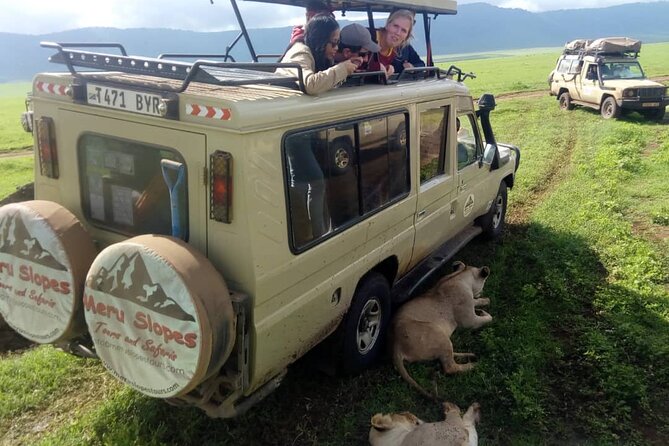
This safari is built for people who want wildlife, not just photos. You visit Tarangire, Serengeti, Ngorongoro, and Lake Manyara, and the route is described as covering three UNESCO World Heritage sites. Even if you only care about animal sightings, UNESCO areas usually mean well-managed landscapes and strong conservation rules, so your time in the parks feels focused.
The timing matters. The tour is offered during the great wildebeest migration season from October to December. Real talk: migration timing shifts year to year, and river crossings do not arrive on a fixed calendar. What makes this trip feel smart is that the plan repeatedly targets key Serengeti areas where the movement tends to funnel, rather than treating every day like the same loop.
You also get the rhythm of camping travel, not a sit-behind-the-glass lodge week. That means simpler routines, closer contact with the outdoors, and a group setup that keeps the logistics efficient. If you like being out early and sleeping in after dinner, camping is a good match.
More Lake Manyara safaris:
- Private 6-Day Tarangire Manyara Crater and Serengeti with Mid-Range Lodges
★ 5.0 · 238 reviews - 3 Days Tarangire, Ngorongoro & Lake Manyara Group Camping Safari
★ 5.0 · 102 reviews - 3 Days Private Safari – manyara, Ngorongoro & Tarangire
★ 5.0 · 94 reviews
Price and value: what $1,790 is really buying
At $1,790 per person for a 7-day safari, the value comes from what is bundled. This price includes:
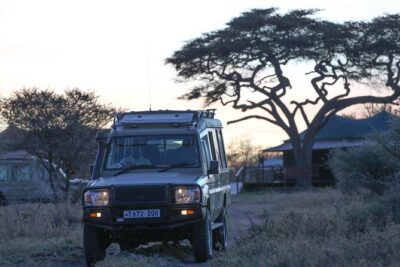
- A 4×4 safari jeep with a pop-up roof for better viewing
- Transfers between the international airport and Arusha
- Two nights in Arusha town (night before and after the safari)
- All meals: 7 breakfasts, 7 lunches, 7 dinners
- All fees and taxes (and the itinerary lists admission ticket as free)
So you are mostly paying for transportation, guide service, access, and food. What is not included is straightforward: tips and gratuities for your safari guide and cook.
If you compare this to “cheaper” options that charge extra for park fees, vehicle, or meals, this kind of all-in structure often ends up costing less than you think. The best way to judge it is simple: you are buying fewer add-ons, and your days are planned around game drive timing.
Getting to the safari: Arusha pickup, airport transfers, and mobile tickets
The tour centers on Arusha. You get pickup from your Arusha hotel, with the tour start described as 7:30 am and the first drive listed at 8:00 am from Arusha. Either way, plan for an early morning, because park game viewing runs best before the heat.
Transfers from the airport to Arusha and back are included. That matters more than it sounds. Arriving after a flight can be chaotic, and having someone handle the connection reduces stress on day one.
You also get a mobile ticket and confirmation at booking time. That combination is helpful if you prefer to travel light and avoid paperwork hunts.
Your small-group setup, and why the guide matters most
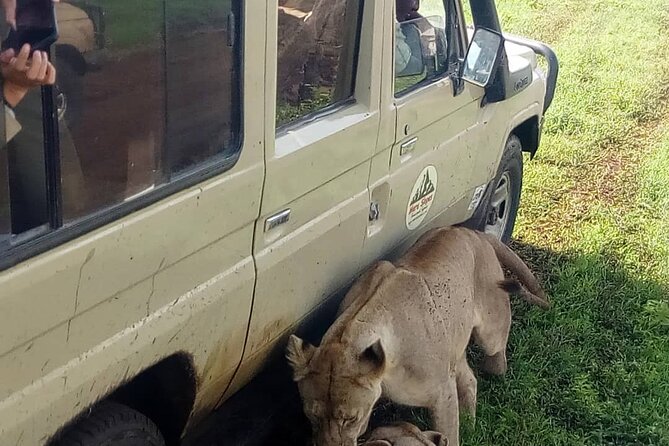
This is a small group experience, and the listing notes that a small group means more attention from your guide. In big safari country, that can translate into:
- Less time stuck while the group rearranges
- Better chances of getting the guide’s full attention when something happens
- More flexibility for where to go next, within the park rules
The names that show up in feedback are also a clue about what you are paying for. You’ll see driver-guide praise tied to people like Mohamed for staying in the right place when the action turns on. You’ll also see praise for Jacob and cooks like Salim, and for multi-role team members such as Gadi. If you care about spotting animals, pay attention to that pattern: the staff matters as much as the itinerary.
More Tarangire safaris:
- 5-Day Highlights mid-Range Crater, Serengeti, Tarangire
★ 5.0 · 296 reviews - 5 Days Camping Tarangire, Serengeti & Ngorongoro crater & Visiting Maasai
★ 5.0 · 229 reviews - 4 Days Join Group tour Tarangire Serengeti and Ngorongoro crater
★ 5.0 · 219 reviews - 4-Day Safari from Arusha: Tarangire, Serengeti and Ngorongoro
★ 5.0 · 173 reviews
Day 1 in Tarangire: elephants, baobabs, and a first full game drive
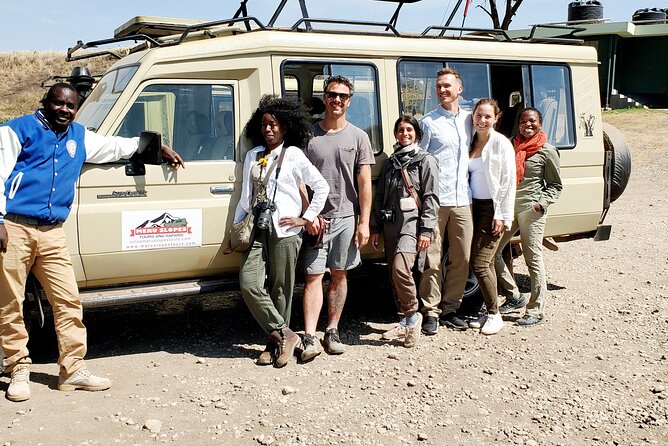
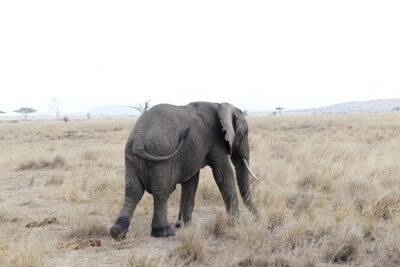
Tarangire is the “warm-up with teeth” park of the route. You drive from Arusha to Tarangire, about 115 km, and you get a full day game drive after pickup. The park is known for its elephant density and its dramatic vegetation, including baobab trees. You can also see animals that are harder to find elsewhere, like pythons and climbing-tree action.
Tarangire’s water story is part of the magic. Wildlife gathers around the Tarangire River, and even the name connects to that river life. It’s one of those parks where you often feel like the animals are set up on a stage, because the watering points pull everything into view.
You’ll end the day at Jambo lodge for dinner and overnight. That setup is practical after a long first driving day. You start the next morning fresher for Serengeti.
Possible drawback? Tarangire is active, but it can set your expectations high. If you expect the rest of the week to feel as elephant-dense, you may need a mindset shift: each park has its own “signature,” and Serengeti’s drama often looks different.
Day 2: driving into Serengeti and doing the sunset game drive in Seronera
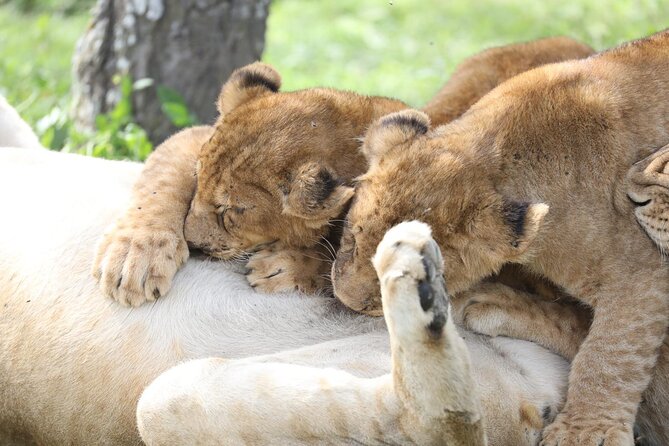
On day two, you wake up, have breakfast, then pack and head toward Serengeti. The plan includes an en-route game drive with lunch inside the jeep, and you get views of the Rift Valley plus sightlines linked to Ngorongoro Crater from the route.
You reach Serengeti around 3 pm, then you go for an evening game drive in central Serengeti. This is the classic timing for golden-hour sightings and relaxed animal movement. After that, you drive to Seronera campsite for dinner and overnight.
What I like about this day is the pacing. You’re not only transferring. You’re arriving with enough daylight left to see animals that come out more comfortably at lower sun angles. If you enjoy watching behavior, this is a good day to be patient and let the drive unfold slowly.
Day 3 in Serengeti: Mara River and Ndutu Plains style migration watching
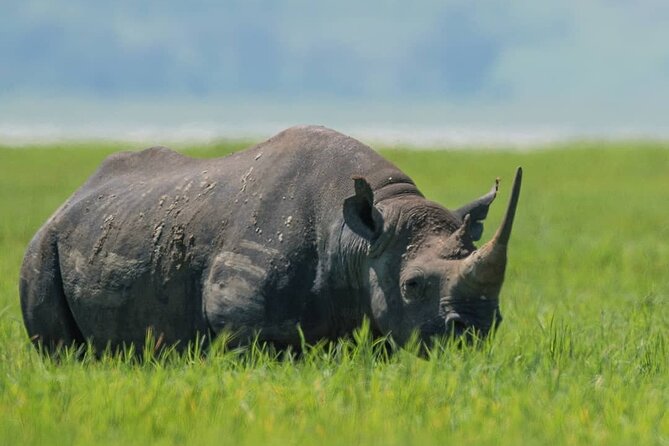
Day three is about going early, then following the mass movement. You wake up early, eat breakfast, and do a game drive into key areas in Serengeti’s northern zones. The plan aims for flash points linked to the wildebeest drama, especially Mara River and also mentions Ndutu Plains.
The important detail is this: wildebeest movement changes. Between July and October, the itinerary notes that river crossings can be frequent, but it also explains the herds tend to cross back and forth, moving with rains and fresh grass rather than traveling in one strict direction.
That’s why a good guide becomes non-negotiable. A team that can read the signs and reposition inside Serengeti can make the difference between seeing the migration from a distance and seeing it right as it unfolds.
You’ll spend the night back at Serengeti, and the day is framed as your chance to witness the mega-herd energy up close.
Day 4 in Serengeti: a second full day built for better migration odds
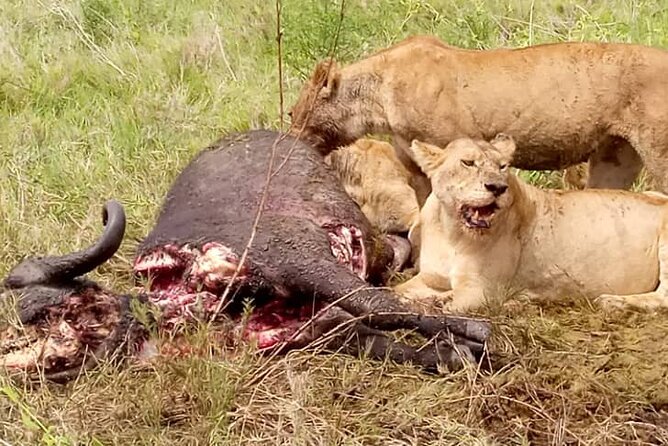
You do another early start with breakfast and a full day game drive in Serengeti. The goal here is repeat exposure, but with different positioning. You’ll still follow the migration, again focusing on the timing windows when the Mara River crossings tend to be active.
The itinerary points out a key timing reality: the best chances of seeing big river crossings are often tied to June to September for the major migration patterns, and you might not see the exact same action in October to December every year. However, you are not sitting idle. You’re using your extra day to chase likely areas and respond as sightings change.
This is also a good day for anyone who loves variety. Even if the river drama is quiet, Serengeti delivers plenty of predators and grazing herds, and the density means you can keep seeing new scenes as you move.
If you are easily tired by long days, this is where you should be honest with yourself. Day four is not a break day. It’s part of what keeps the trip wildlife-heavy.
Day 5: sunrise in Serengeti, then heading toward Ngorongoro and Simba campsite
Day five starts early, about 5:45 am, for breakfast and sunrise time inside Serengeti. After breakfast you go on an early morning game drive up to 11:30 am, then return to camp for a hot lunch and pack.
After lunch, you shift gears and do more game viewing while heading toward Ngorongoro Crater, with dinner and overnight at Simba campsite.
What I like here is the structure. You get the morning window when animals often move and feed more actively, then you still keep a game drive going during the transfer. So you do not lose an entire afternoon to logistics.
If you’re the type who wants a “wow” moment before changing regions, sunrise in Serengeti is a strong bet. Even if the migration moment is not perfectly timed, the sheer variety of life around dawn can still feel like a movie.
Day 6: Ngorongoro crater floor for Big Five sightings, flamingos at lunch, and Mto wa Mbu walking culture
This is your signature day. You wake around 5:30 am, then descend to the crater floor for a game drive that can bring you face to face with the Big Five. The itinerary explicitly mentions black rhino inside the crater, and you also have birds and other wildlife concentrated in the crater’s distinct ecosystem.
You’ll have lunch inside the crater while watching nature, and the plan notes high concentrations of flamingos. Then you do about 6 to 7 hours of crater driving before ascending and packing at the campsite on the way back.
On top of the wildlife, you get a walking cultural stop in Mto wa Mbu village. You’ll see banana plantations, and the plan says you can taste local food. That combination helps break up the intensity of crater sightings and gives you a real sense of how people live around these protected areas.
Potential drawback? Ngorongoro is all-day energy. You’ll sit for long periods during descent and drives, and the morning start is early. If you have mobility issues, this day needs careful planning.
Day 7 in Lake Manyara: climbing-tree lions, hot spring time, and Maasai boma culture
Day seven begins with breakfast, then it is off to Lake Manyara National Park for a full day game drive. Lake Manyara is known for specific behaviors, and the itinerary highlights climbing-tree lions, which is exactly the kind of detail that makes a safari feel more than generic.
You’ll also look for flamingos attracted by algae in the lake, and you’ll visit a hot spring. It’s a good contrast to the cooler crater morning: this is more relaxed, with varied scenery and a mix of animals and natural features.
Later, you visit a Maasai boma to see how people live and learn culture and traditions. That cultural stop is placed before the return to Arusha for dinner and overnight, so you end the safari feeling like you took in both wildlife and community life.
Should you book this Tarangire, Serengeti, Ngorongoro, and Lake Manyara camping safari?
Book it if you want:
- A wildlife-first route with multiple Serengeti days focused on migration timing
- A crater day where Big Five sightings are a realistic goal, plus black rhino mentioned for the crater
- Included logistics that make the trip easier: jeep, transfers, and all meals
- A small-group feel where your guide can keep attention on what matters
Skip it or ask more questions before booking if:
- You hate early mornings and long driving days. This week is structured around peak viewing windows, not resting
- You are expecting a guaranteed migration crossing in the exact style of classic mid-year stories. Even with planning, migration timing shifts
My practical advice: if your dates line up with the migration season in October to December, and you’re okay with early starts, this itinerary is a strong value package. The experience is not just about reaching parks. It’s about staying in the game long enough to let the wildlife come to you, with guides and chefs who are repeatedly recognized for making the days run smoothly, from sightings to meals.
FAQ
What parks does the 7-day safari visit?
It visits Tarangire National Park, Serengeti National Park, the Ngorongoro Conservation Area (for Ngorongoro crater), and Lake Manyara National Park.
When is this safari offered for the wildebeest migration?
It is offered during the great wildebeest migration season from October to December.
What time do you start and how does pickup work?
The start time is listed as 7:30 am, and the first day includes pickup from your Arusha hotel at 8:00 am.
What vehicle do you use for game drives?
You use an extended 4 x 4 luxury safari jeep with a pop-up roof for game viewing.
Are meals included, and how many?
Yes. Breakfast (7), lunch (7), and dinner (7) are included.
Where do you sleep during the safari?
You get two nights in Arusha town (night before and after the tour). During the safari, the itinerary includes nights at places like Seronera campsite (inside Serengeti) and Simba campsite near Ngorongoro.
Do you visit Ngorongoro crater and see the Big Five?
Yes. You descend to Ngorongoro crater floor for a game drive where the itinerary notes the Big Five, including black rhino.
Are there cultural visits included?
Yes. You’ll do a walking tour in Mto wa Mbu village, and you’ll also visit a Maasai boma.
Do I need to tip, and what is the cancellation policy?
Tips and gratuities for your safari guide and cook are not included. Cancellation is free up to 24 hours in advance for a full refund, and if poor weather cancels the experience, you are offered a different date or a full refund.
More Ngorongoro Crater Trips
- 2 Days Tarangire and Ngorongoro Group Camping Safari
★ 5.0 · 146 reviews - 4 Days Tarangire Serengeti Ngorongoro Crater
★ 5.0 · 117 reviews - 5 Days Tanzania Group Joining Safari, Tarangire/Serengeti/Ngorongoro Crater
★ 5.0 · 85 reviews - 4 Days Tarangire, Serengeti and Ngorongoro Mid-Range Group Safari
★ 5.0 · 84 reviews
More Serengeti Safaris
- Balloon Safari & Bush Breakfast in Serengeti – Miracle Experience
★ 5.0 · 1,646 reviews - 3 Days Serengeti & Ngorongoro Group Camping Safari
★ 5.0 · 574 reviews - 3-Day Classic Serengeti Safari
★ 5.0 · 263 reviews - 10-Day Serengeti Wildebeest Migration Safari from Arusha
★ 5.0 · 218 reviews
Just posted around Arusha
- 8 Days Serengeti Migration safari★ 5.0 · 11 reviews
- tarangire & ngorongoro 2 days tour★ 5.0 · 14 reviews
- serengeti, ngorongoro & tarangire 4 days private tour★ 5.0 · 18 reviews
- tarangire, ngorongoro & lake manyara park 3 days private tour★ 5.0 · 11 reviews
- serengeti & ngorongoro 3 days private tour★ 5.0 · 15 reviews
- climb the KILIMANJARO via Lemosho route★ 5.0 · 4 reviews
- Mt. Kilimanjaro: Shira plateau to Cathedral point 3872m Day hike★ 5.0 · 7 reviews
- 2 Days Tanzania Midrange Group Join Safari★ 5.0 · 7 reviews
Serengeti Safaris, compared.
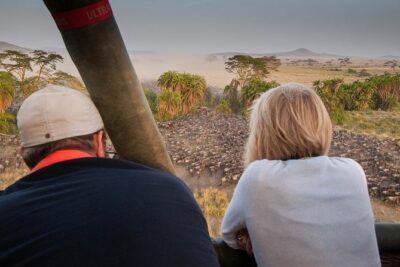
Serengeti Balloon Safari and authentic bush breakfast
Read our review →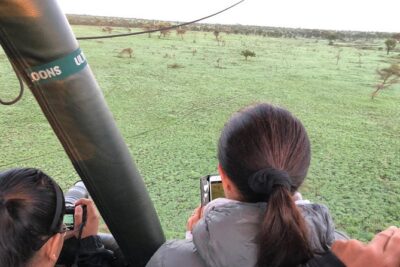
Balloon Safari & Bush Breakfast in Serengeti – Miracle Experience
Read our review →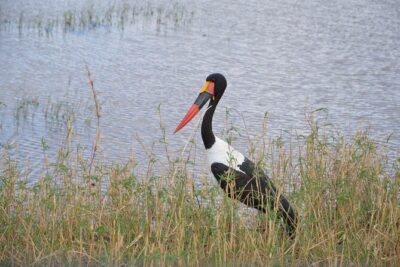
3 Days Serengeti & Ngorongoro Group Camping Safari
Read our review →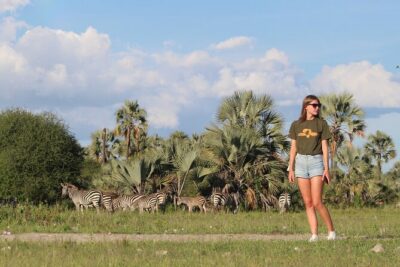
5-Day Highlights mid-Range Crater, Serengeti, Tarangire
Read our review →
Private 6-Day Tarangire Manyara Crater and Serengeti with Mid-Range Lodges
Read our review →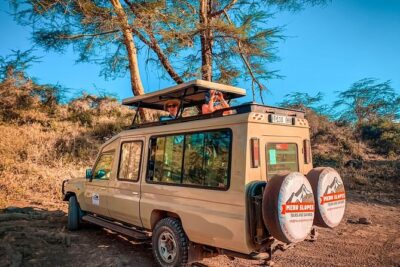
5 Days Camping Tarangire, Serengeti & Ngorongoro crater & Visiting Maasai
Read our review →Browse the lists this tour appears in