
Reviewed · SERENGETI SAFARIS
6 Days lodge &camping tour Serengeti ,Tarangire ,Ngorongoro Crater and Manyara
Baobabs, crater views, and a lot of wildlife time. This 6-day Northern Tanzania circuit is built around big-name parks and a camping-and-lodge mix, so you get both the comfort moments and the full safari feel.
What I like most is that you’re not just doing scenery, you’re doing animal time in Tarangire, Serengeti, Ngorongoro, and Lake Manyara. You also get guided game drives with early departures, including the classic 06:30 starts that help you catch predators and feeding behavior.
One consideration: the schedule moves fast, and the early mornings can be tough if you want a slow, lazy trip every day.
In This Review
- Key things I’d circle on your map
- Day 1 from Arusha to Tarangire National Park, baobabs and elephants
- Serengeti day, Ngorongoro gate checks and a crater rim viewpoint
- Early Serengeti game drive at 06:30, cats, mist, and breakfast in the bush
- Ngorongoro Conservation Area transfer and Simba Campsite time near the rim
- Ngorongoro Crater at 06:30, descending over 600 meters into wildlife density
- Lake Manyara after the crater, baboons, flamingos, and a tree-climbing lion possibility
- Price and value: $1,600 for a four-park, early-start safari
- Guides, group size, and why vehicle time matters
- What camping-and-lodge nights mean in real life
- How to plan your expectations for migration and crater sightings
- Who this safari suits best
- Should you book this 6-day northern circuit with Simbaland Magic Tours?
- FAQ
- Which national parks are included?
- Do you get pickup and a mobile ticket?
- What is the maximum group size?
- Is the safari mostly camping, or is there lodge time too?
- Is cancellation free?
- What happens if weather is bad?
Key things I’d circle on your map
- Tarangire elephants and baobabs, plus strong birding chances with 400+ recorded species
- Serengeti with rim viewpoints and Seronera area time, including early-morning drives
- Ngorongoro Crater descent over 600 meters, putting you on a dense wildlife stage
- Wildebeest migration timing is a factor, so the best action depends on when you travel
- Small group size, up to 6 travelers, which usually means a calmer safari vibe
Day 1 from Arusha to Tarangire National Park, baobabs and elephants
The day starts with breakfast in Arusha, then you head straight toward Tarangire National Park. There’s a practical stop at a last-minute supermarket in town, which is handy if you forgot sunscreen, snacks, or any essentials. From there, the drive takes you along the Great Northern Highway across Masai steppe and past villages before you reach the park.
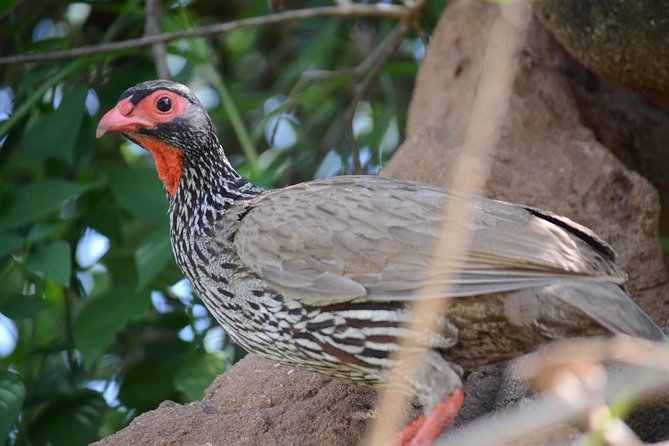
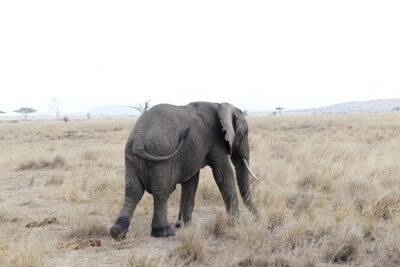
Tarangire is famous for its huge baobab trees and its large elephant population. In a good game drive, you can expect the usual suspects like giraffe, zebra, wildebeest, buffalo, and baboons, and you’ll want to keep an eye out for hippos near water. If you like birds, Tarangire is especially rewarding, with 400+ species recorded, including rarities like Ash Starling and Great Kudu.
Why this works for you: Tarangire has a reputation for being a bit more visually distinctive than some of the other parks, because the landscape is shaped by those baobabs and the wildlife tends to be very approachable on the drive routes. It’s also a good “warm-up park,” meaning your first day doesn’t feel like an info dump, it feels like you’re immediately in safari mode.
A small tip: if you’re camera-first, don’t wait for perfect light. Elephants and baobabs can deliver strong photos at almost any hour once you’re inside the park.
More Lake Manyara safaris:
- Private 6-Day Tarangire Manyara Crater and Serengeti with Mid-Range Lodges
★ 5.0 · 238 reviews - 3 Days Tarangire, Ngorongoro & Lake Manyara Group Camping Safari
★ 5.0 · 102 reviews - 3 Days Private Safari – manyara, Ngorongoro & Tarangire
★ 5.0 · 94 reviews
Serengeti day, Ngorongoro gate checks and a crater rim viewpoint
On day 2, you leave for Serengeti National Park, and the drive is part of the experience. You travel via the high-lying farmland of Karatu and cross through the Ngorongoro Conservation Area. At Ngorongoro gate, you check in and then go for crater rim viewpoints where you can take photos of the crater floor from above.
After that, the day continues with driving around the rim, passing through Malanja depression, then descending into Serengeti via the vast rolling plains. You’ll check in at Naabi Hills gate and can grab your packed lunch either there or around the rocky outcroppings called kopjes. Finally, you head toward the Seronera area, a classic wildlife zone inside Serengeti.
What I like here is the sequencing. You get the scale of Ngorongoro from the rim first, and then you shift into Serengeti plains, which feel open and endless in a way crater basins don’t. It’s two different safari moods in one day.
Possible drawback: that crater-and-Serengeti travel day can feel like a long one, even though the schedule sets aside about six hours. If you get motion sick, plan for it, and if you’re prone to fatigue, keep your water and snacks within reach during the longer stretches.
Early Serengeti game drive at 06:30, cats, mist, and breakfast in the bush
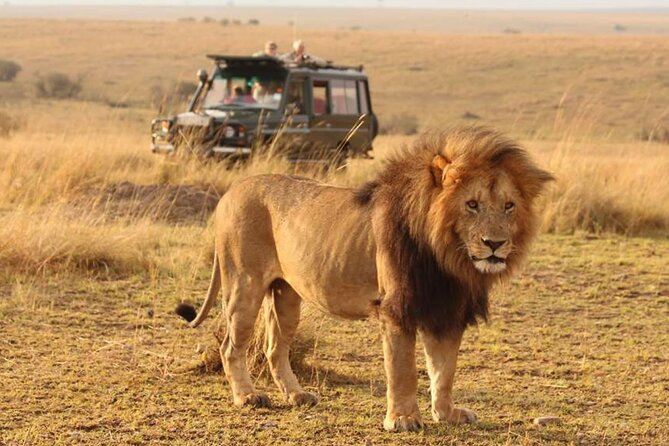
Day 3 starts with an early 06:30 departure for an early morning game drive. You get packed breakfast and lunch boxes, and the timing matters because wildlife behavior shifts with the light and the morning mist. The morning drive can be a great time for action, since cat family sightings are possible as they move and hunt under changing conditions. The plan also mentions the chance of nocturnal predators returning from night hunting, plus lioness activity like ambush planning or feeding along the road.
Then you break for breakfast in the bush, which is one of those safari moments that sounds simple but stays in your memory. You’re not just watching from a vehicle, you’re literally eating in the ecosystem you came to see.
After breakfast, the game drive follows the Great Wildebeest Migration when timing allows. In other words, you’re not locked into one view. You’re responding to the movement of herds, with time spent watching how they feed, interact, and sometimes clash.
Why I think you’ll like this day: early starts are annoying at 6 a.m., but they pay off. Predator sightings often come down to when you’re on the roads, not just where you are. And breakfast in the wild adds a pause that helps you reset before the next hours of scanning grasslands.
Ngorongoro Conservation Area transfer and Simba Campsite time near the rim
After breakfast on day 4, you head into a game drive that continues into the afternoon before transitioning toward the Ngorongoro area. The plan includes exiting Serengeti and driving about two hours to Simba Campsite, located near the rim of Ngorongoro Crater.
This is the “setup day” for one of the most dramatic experiences in East Africa. Being based near the rim means you wake up close to your descent time rather than spending hours traveling the morning of your crater visit.
You’ll want to keep an eye on animals during the drive and game drive portion, because even when you’re moving between ecosystems, wildlife routes can still deliver. But the bigger reason this day matters is mental. By day 4, you’re primed, and you understand how huge the crater is from the rim. Day 5 will feel like the next level.
More Tarangire safaris:
- 5-Day Highlights mid-Range Crater, Serengeti, Tarangire
★ 5.0 · 296 reviews - 5 Days Camping Tarangire, Serengeti & Ngorongoro crater & Visiting Maasai
★ 5.0 · 229 reviews - 4 Days Join Group tour Tarangire Serengeti and Ngorongoro crater
★ 5.0 · 219 reviews - 4-Day Safari from Arusha: Tarangire, Serengeti and Ngorongoro
★ 5.0 · 173 reviews
Ngorongoro Crater at 06:30, descending over 600 meters into wildlife density
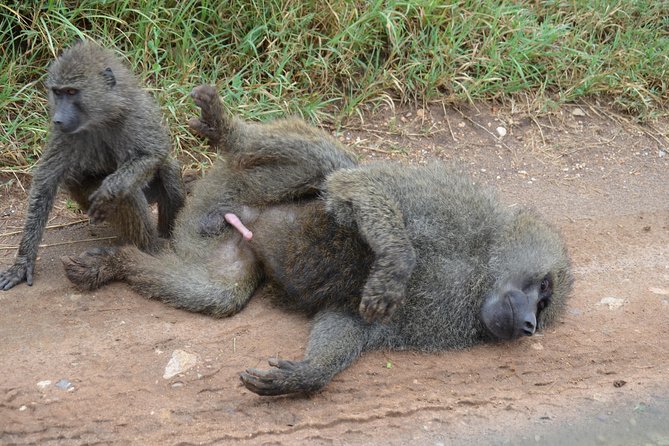
Day 5 is where the crater experience takes over. Another early start at 06:30 begins with breakfast at your campsite, then you descend over 600 meters down into the crater floor for game viewing. This part is special because Ngorongoro isn’t just scenic. It’s an animal system with a lot of reliable resources.
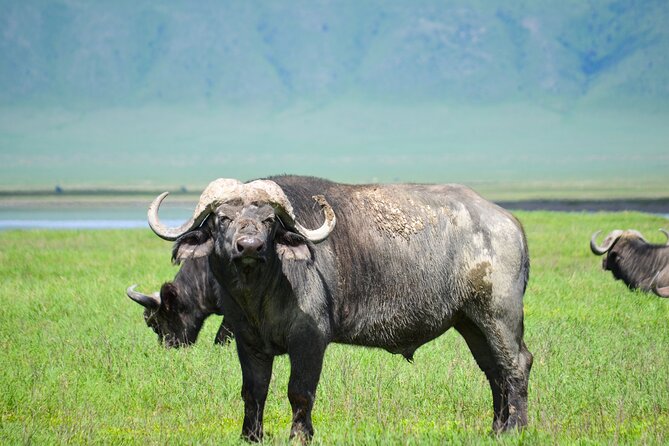
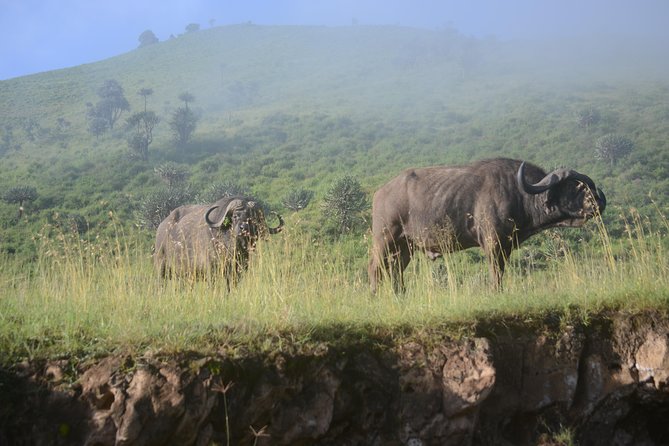
The crater itself is described as a natural wonder formed around three million years ago due to internal forces beneath the Earth’s crust. And because the crater supports water and fodder year-round, it becomes a stronghold for many species. The plan lists herds of buffalo, zebra, wildebeest, eland, topi, warthog, hippo, and giant African elephants.
One of the biggest draws here is the predator chance. The plan specifically calls out dense populations of predators, and that’s what makes a crater day feel intense. When prey and predators live close together, your game drive can turn from spotting to seeing real hunting patterns.
Practical reality check: crater drives often require more focus than you expect. Visibility can be great, but the roads and viewing points mean you need to scan constantly and listen when your guide points out movement.
Lake Manyara after the crater, baboons, flamingos, and a tree-climbing lion possibility
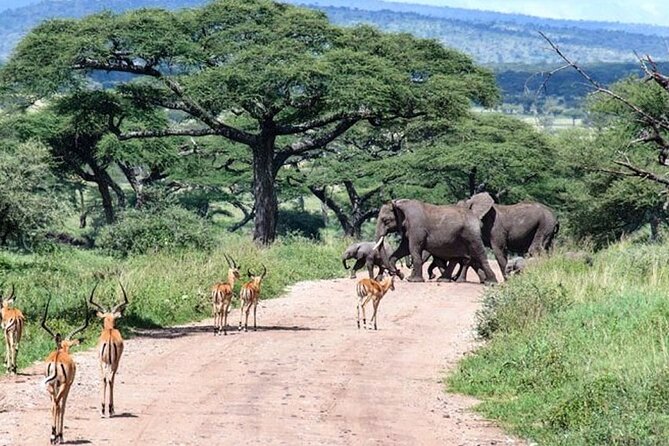
Day 6 takes you to Lake Manyara National Park with a short drive after breakfast. After park formalities, you start the game drive.
Lake Manyara is dramatic in how varied it feels for its size. The plan describes overlapping habitats like underground water forest, acacia woodlands, swamps, baobab-strewn cliffs, algae-streaked hot springs, plus the lake itself. That mix helps explain why the park can deliver both birdlife and mammals in the same general day.
Baboons are a headline feature, with the largest concentration mentioned anywhere in the world. You can also expect large flocks of flamingos, and one of the most famous attractions is the Lake Manyara tree-climbing lion. The plan also notes you might see other animals, but it’s the baboons and the birds that tend to make this park feel different from the earlier ones.
Why this ending day is a smart choice: you go from crater intensity to a park with a different rhythm and habitat variety. If you want your final day to feel like a win without repeating the same kind of wildlife viewing, Lake Manyara is a good closer.
Price and value: $1,600 for a four-park, early-start safari
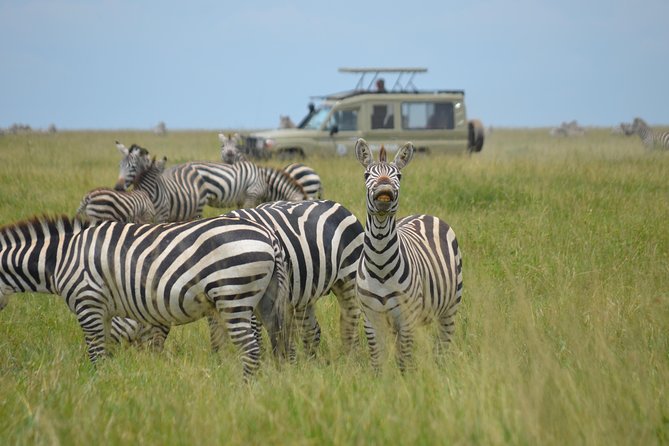
At $1,600 per person for about six days, you’re paying for access, time, and logistics more than you’re paying for a room and a meal plan. You also get a route that hits multiple top parks in Northern Tanzania: Tarangire, Serengeti, Ngorongoro Crater, and Lake Manyara.
The schedule you’re working from also indicates park admissions are handled in a way that’s favorable on several days, with admission marked free for Tarangire, Serengeti, and Lake Manyara days, and included for the crater day. That matters because park fees can be one of the biggest “gotchas” for first-time safari budgeting.
The main value question for you is how the package matches your travel style:
- If you want maximum wildlife density in fewer days, this is a strong match.
- If you need lots of downtime and late mornings, the early 06:30 starts will feel demanding.
A good move before you pay: ask what personal extras are not included, like drinks, laundry, and any optional activities not mentioned in the standard safari plan. The broader structure is clear, but personal spending habits vary.
Guides, group size, and why vehicle time matters
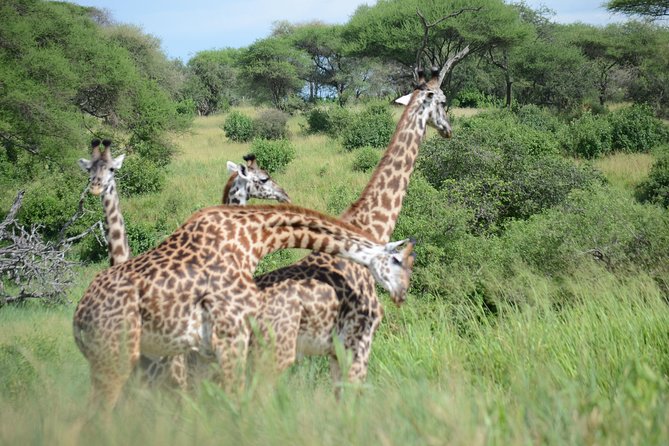
This tour is set for a maximum of six travelers, which usually makes for less crowding and more flexibility during game drives. You also get pickup offered, and the use of a mobile ticket helps reduce paper chaos.
The biggest praise thread in the experience details is about the quality of the driving and guiding. Names like Elias come up repeatedly, with descriptions that he’s a great driver, friendly, and professional, and that he did everything to make the trip run smoothly. Other organizers and guides, like David, Faith, Sam, and Hassan, are also mentioned in positive terms for responsiveness and care.
I think that matters because your safari success depends on more than luck. A good guide helps you spot behavior early, interpret tracks and movement, and keep the vehicle in the right place at the right time. And on a tight schedule, a team that handles timing well is a real value.
What camping-and-lodge nights mean in real life
This is a “lodge and camping” style safari, with the plan indicating nights split between camping sites and lodge time for two nights. The point is variety. You get the outdoors feeling when you’re camping, and you get the chance to recharge in more solid accommodation during lodge nights.
What you should prepare for:
- Cold mornings are common in safari regions, especially around early departures.
- Packing layers matters more than fancy stuff. Light gloves or a warm hat can be the difference between annoyed and fine before sunrise.
- You’ll likely spend long hours in a vehicle, so comfortable shoes for quick steps around viewpoints help.
If you’re new to camping safaris, keep expectations simple. You’re not signing up for a hotel. You’re signing up for close-up nature, good logistics, and the ability to wake up already where the wildlife action starts.
How to plan your expectations for migration and crater sightings
One of the promises of Serengeti is the Great Wildebeest Migration, but the plan is careful about timing. Migration sightings depend on when you travel. That’s normal in real wildlife travel, and it’s not something a company can guarantee.
So how do you make that work for you? You treat migration as a bonus, not the only reason to go. The early-morning drive and the Seronera-area game viewing are valuable even without a full migration spectacle. The crater day is the most consistently dramatic component, because Ngorongoro’s ecosystem supports a dense animal community.
Who this safari suits best
This tour fits you if:
- You want a four-park highlight route in about six days.
- You like action and early mornings, at least a few days in a row.
- You’re okay with camping nights and want the safari atmosphere.
- You want a smaller group experience, up to six people.
It may be less ideal if you need lots of quiet time, dislike mornings before sunrise, or you’re uncomfortable with vehicle days that can run several hours.
Should you book this 6-day northern circuit with Simbaland Magic Tours?
If your priority is big wildlife areas in a compact trip, I think this is a very reasonable pick. The route makes sense: Tarangire sets the tone with baobabs and elephants, Serengeti delivers early-game-drive energy and possible migration action, Ngorongoro gives you the crater descent experience with high wildlife density, and Lake Manyara finishes with baboons, birds, and a different habitat vibe.
I’d book if you can handle 06:30 starts and you’re excited by camping-and-lodge variety rather than needing a purely hotel-style comfort level. I’d also feel good about the people side, since guides like Elias are repeatedly singled out for being great drivers and professional, and the organization is described as smooth in multiple trips.
Quick decision rule: if you want maximum safari return per day, this itinerary fits your style. If you want a slow travel pace, plan a longer trip or ask for a version with fewer early starts.
FAQ
Which national parks are included?
The tour covers Tarangire National Park, Serengeti National Park, Ngorongoro Crater within the Ngorongoro Conservation Area, and Lake Manyara National Park.
Do you get pickup and a mobile ticket?
Yes. Pickup is offered, and the experience uses a mobile ticket.
What is the maximum group size?
The maximum group size is 6 travelers.
Is the safari mostly camping, or is there lodge time too?
It is described as a camping tour with opportunities for camping sites and lodge time, including lodge time for two nights.
Is cancellation free?
Yes, free cancellation is listed. You can cancel up to 24 hours in advance for a full refund.
What happens if weather is bad?
The experience requires good weather. If it’s canceled due to poor weather, you’ll be offered a different date or a full refund.
More Ngorongoro Crater Trips
- 2 Days Tarangire and Ngorongoro Group Camping Safari
★ 5.0 · 146 reviews - 4 Days Tarangire Serengeti Ngorongoro Crater
★ 5.0 · 117 reviews - 5 Days Tanzania Group Joining Safari, Tarangire/Serengeti/Ngorongoro Crater
★ 5.0 · 85 reviews - 4 Days Tarangire, Serengeti and Ngorongoro Mid-Range Group Safari
★ 5.0 · 84 reviews
More Serengeti Safaris
- Balloon Safari & Bush Breakfast in Serengeti – Miracle Experience
★ 5.0 · 1,646 reviews - 3 Days Serengeti & Ngorongoro Group Camping Safari
★ 5.0 · 574 reviews - 3-Day Classic Serengeti Safari
★ 5.0 · 263 reviews - 10-Day Serengeti Wildebeest Migration Safari from Arusha
★ 5.0 · 218 reviews
Just posted around Arusha
- 8 Days Serengeti Migration safari★ 5.0 · 11 reviews
- tarangire & ngorongoro 2 days tour★ 5.0 · 14 reviews
- serengeti, ngorongoro & tarangire 4 days private tour★ 5.0 · 18 reviews
- tarangire, ngorongoro & lake manyara park 3 days private tour★ 5.0 · 11 reviews
- serengeti & ngorongoro 3 days private tour★ 5.0 · 15 reviews
- climb the KILIMANJARO via Lemosho route★ 5.0 · 4 reviews
- Mt. Kilimanjaro: Shira plateau to Cathedral point 3872m Day hike★ 5.0 · 7 reviews
- Kilimanjaro Waterfalls Hike & Moshi Hot Springs Day Trip Tour★ 5.0 · 4 reviews
Serengeti Safaris, compared.
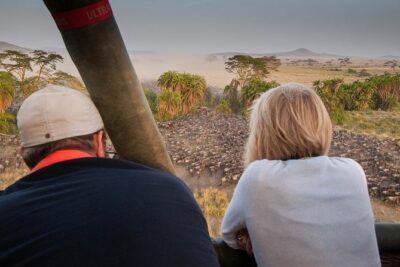
Serengeti Balloon Safari and authentic bush breakfast
Read our review →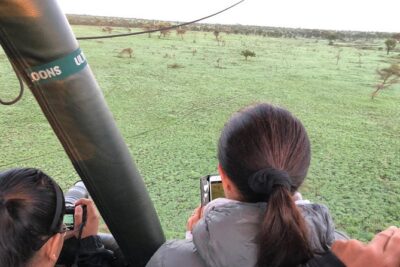
Balloon Safari & Bush Breakfast in Serengeti – Miracle Experience
Read our review →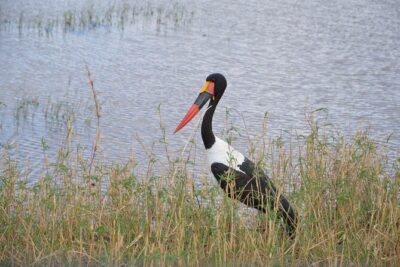
3 Days Serengeti & Ngorongoro Group Camping Safari
Read our review →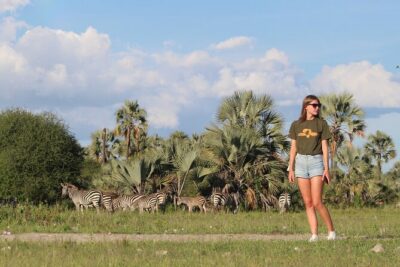
5-Day Highlights mid-Range Crater, Serengeti, Tarangire
Read our review →
Private 6-Day Tarangire Manyara Crater and Serengeti with Mid-Range Lodges
Read our review →
5 Days Camping Tarangire, Serengeti & Ngorongoro crater & Visiting Maasai
Read our review →Browse the lists this tour appears in