
Reviewed · CAMPING SAFARIS
6-Day Tanzania Adventures Safaris – Group Joining Camping Safaris
Waking to the crater sunrise hits different. This 6-day Northern Tanzania camping safari is built for big wildlife days, starting with famous elephant herds in Tarangire and ending with Lake Manyara’s tree-climbing lions. I like that it stays friendly with a small group size and a private 4×4, and I also like the practical “do the parks, sleep close” rhythm. The only real drawback to weigh is that this is camping, so expect basic comforts and long, active days.
You start in Arusha with a pickup and a 7:30 am start time, then you spend your days on game drives with an English-speaking guide. Meals are planned for most days, camping gear is included, and park fees are covered, which helps the trip feel like one package instead of a bunch of add-ons.
In This Review
- Key highlights before you go
- Price and logistics that actually affect your trip
- A small group safari that still feels social
- Day 1 Tarangire: elephants, baobabs, and camp near the action
- Day 2 to 3 Serengeti: endless plains, kopjes, and migration shaped by rain
- The migration element you should understand
- Predators, crocodiles, hippos, and all the rest
- Day 4 Serengeti to Ngorongoro edge: Big Five odds and sunset camp views
- Day 5 Ngorongoro Crater: that 610-meter drop and the animal density factor
- Day 6 Lake Manyara finale: birds, hippos, and tree-climbing lions
- Camping safari comfort: included gear plus how the cooking matters
- Guides and vehicle time: why it affects your sightings
- What to pack for this specific type of trip
- Best season notes based on migration movement
- Who should book this camping circuit
- Should you book Kipok Africa Adventures for this 6-day safari?
- FAQ
- What parks are included in this 6-day Tanzania camping safari?
- How long is the safari?
- Do I get picked up in Arusha, and where does the tour end?
- What time does the tour start?
- What is included in the price?
- What meals are provided?
- What is not included?
- Can I cancel and get a full refund?
Key highlights before you go
- Small group size (max 7 people) keeps the safari experience calm and flexible
- Private custom-built 4×4 means you are not sharing vehicles with strangers
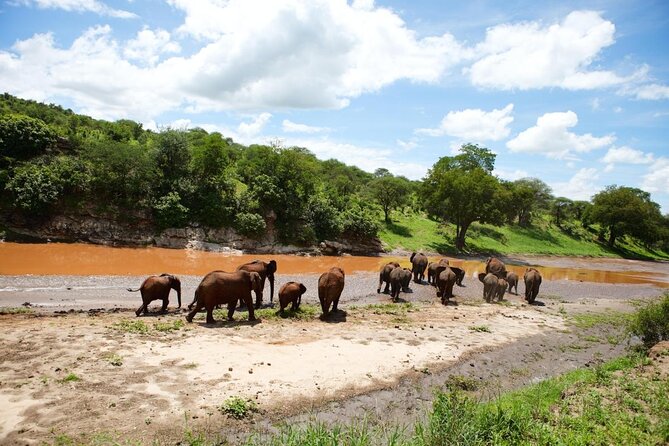
- Tarangire elephant time with a park known for large herds
- Serengeti migration timing shaped by rainfall, with kopjes where predators often watch
- Ngorongoro Crater crater-edge camping for that early start and big views
- Lake Manyara finale with primates, hippos, and the chance at tree-climbing lions
Price and logistics that actually affect your trip
At about $1,904.77 per person for roughly 6 days, this is not a budget “just wing it” safari. The value comes from what is already built in. You get national park fees, a professional English-speaking guide, camping according to the itinerary, and the camping setup itself (tents, sleeping mats, chairs, tables and more). You also have a private 4×4 custom built safari vehicle with fuel, plus scheduled breakfasts, lunches, and dinners.
So when people feel “sticker shock” with safari prices, the key question is: what are you still paying once you arrive? Here, the big core items are handled. International flights and Tanzania visa are not included. Tips and personal spending are also on you. If you are the type who hates surprise costs, that bundled-fee approach is a plus.
One more practical detail: the tour uses a mobile ticket, and it starts from Arusha with pickup offered. That matters because in Tanzania, being organized at the start reduces stress before you ever see animals.
More camping safaris from Arusha:
- 4 Days Group Camping Safari
★ 5.0 · 1,101 reviews - 5 Days Group Camping Safari
★ 5.0 · 730 reviews - 3 Days Serengeti & Ngorongoro Group Camping Safari
★ 5.0 · 574 reviews
A small group safari that still feels social
This is a group joining style tour, but the group size is kept tight, with a maximum of 7 people. That sweet spot is usually what makes these safaris feel good. You still get that social energy of meeting others, but you are not stuck in a big crowd. On a wildlife trip, you want your driver focused, not playing traffic-controller in a long line of vehicles.
If you are traveling solo, that small cap can be a big deal. One past solo traveler specifically noted how easy it was to gel with the group. Even if you travel with friends, you may still appreciate the smaller-team feel when schedules change due to sightings.
Possible tradeoff: because it is a group format, you do not control the pacing. If you want a completely private rhythm, this is not that style. But if you like the idea of a guided circuit through multiple parks, this structure fits well.
Day 1 Tarangire: elephants, baobabs, and camp near the action
Tarangire National Park is the kind of place where you feel you are in a real ecosystem, not a zoo with a timetable. You drive into a park that is huge in feel and packed with savannah, baobab trees, and seasonal swamps. It is also a bird lover’s stop, with 550+ bird species, so even if big mammals take a while to show up, you will still have plenty to spot.
The reason most people get excited about Tarangire is elephants. The park is especially known for large elephant herds. And there is a practical advantage to that familiarity: elephants here are accustomed to the sound of safari vehicles, which can mean you get closer, calmer viewing than you might elsewhere where animals startle easily.
After an extensive game drive, you sleep at a campsite just outside the park. That “close to the park” setup is a time-saver. You are not wasting your first night hours far away from your best first-walk-and-first-drive window.
Day 2 to 3 Serengeti: endless plains, kopjes, and migration shaped by rain
Serengeti is where the trip turns from great to unforgettable. The name itself is a hint: it means endless plains in the Masai language. The savannah stretches out in a way that makes “just one more look” happen without you realizing it.
A big feature of the Serengeti experience is the terrain. You see grassy plains, but also kopjes, those unusual rock formations where predators often watch from above. That is useful information for your eyes. When you notice rocks breaking up the flat, do not just pass them. Slow down, scan, and watch for movement around the base and the ledges.
A few more Arusha trips to compare
- Balloon Safari & Bush Breakfast in Serengeti – Miracle Experience
★ 5.0 · 1,646 reviews - Tanzania Classic – 7 Days
★ 5.0 · 1,151 reviews - Materuni Waterfalls, coffee tour & Kikuletwa Hot Springs
★ 5.0 · 643 reviews - 7-Day Premium Luxury Tanzania Safari All-Inclusive
★ 5.0 · 426 reviews
The migration element you should understand
Serengeti is famous for the migration, but the important part is this: the timing depends on rainfall, and it varies year to year. Still, the general pattern is laid out. In November and December, animals move from the northern region toward the grassy plains of the south. During the longer rainy stretch from April to June, they tend to return to the north.
What you should take from that: you cannot guarantee the exact moment you hoped for, but you can maximize your odds by going in the right season for your expectations. If you want a more reliable “migration atmosphere,” pick travel dates that line up with where the herds typically move during that window.
Predators, crocodiles, hippos, and all the rest
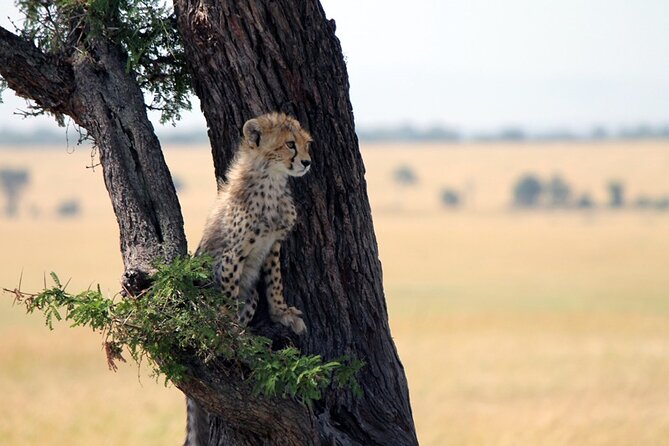
Migration grabs headlines, but the rest of the Serengeti ecosystem is the reason the days feel full. You might see impalas, buffalo, crocodiles, hippos, and other animals depending on the areas you cover. Predators like lions, cheetahs, and leopards are possible too, especially since the kopjes and open ground give them good visibility.
On the third day, the night is at a campsite in the Seronera Area. That helps you stay central enough to keep game drive time productive.
Day 4 Serengeti to Ngorongoro edge: Big Five odds and sunset camp views
This is a day that often feels like two safaris in one. You start with an early breakfast and head out again for more Serengeti game drives. The goal here is simple: keep searching for the heavy hitters. You might be able to spot the Big Five, including lion, elephant, buffalo, rhino, and leopard.
A useful point about Serengeti viewing is that the areas are largely unfenced. That means animals roam with more freedom, which can create more natural interactions and less “forced lineup” behavior.
Then you shift toward the Ngorongoro Crater. Arriving at the crater edge gives you a first glimpse of what is ahead: streams, open grassland, and that feeling that you are looking into a whole living world below.
You also sleep at a campsite directly on the crater’s edge. The big value here is timing. You get to see that orange sunset glow and then wake up already “in the moment” instead of traveling in from far away.
Day 5 Ngorongoro Crater: that 610-meter drop and the animal density factor
Ngorongoro Crater is one of those places that makes your camera work overtime, even if you do not consider yourself a photographer. You start early so you can catch sunrise over the crater’s rim, then after breakfast you drive down into the crater along an adventurous track.
This is a UNESCO world heritage site, formed millions of years ago. It is about 610 meters deep and covers roughly 260 square kilometers. The reason it delivers strong wildlife viewing is density. The crater has an estimated 25,000 animals, which means you spend less time waiting for “something to happen” and more time tracking motion.
You can see wildebeest, zebras, gazelles, elephants, and more, plus 500+ bird species. The black rhino is mentioned as an exciting possibility too. Even if you do not see it, you still get a packed safari experience because the habitat supports so many animals in a relatively contained area.
Day 6 Lake Manyara finale: birds, hippos, and tree-climbing lions
Your last park is Lake Manyara National Park, a smaller stop compared to some of the others, named after the shallow alkaline lake that covers about 200 square kilometers. What makes Manyara special is variety. You get open grassy plains, primate-filled woodlands, and baobab-dotted cliffs.
Bird life is a huge part of the appeal here, with 400+ species, so even if you are already “animal-saturated” by day 6, you will find new things to watch. The park also has hippos and elephants, along with baboons and wildebeest.
Then there is the famous detail that keeps Manyara on people’s wish lists: tree-climbing lions. Not every day is a guaranteed sighting, but the fact that the park is known for this behavior means your guide will look for it seriously.
After an extensive game drive, you leave the flamingos behind and head back to Arusha, arriving in the early evening. That timing is helpful. You end the safari with enough daylight to feel human again and enough time to plan the next step.
Camping safari comfort: included gear plus how the cooking matters
This is a camping safari, so you should plan for “outdoor comfortable,” not “hotel comfortable.” The good news is you are not showing up to guess your way through. Camping equipment is included, including tents, sleeping mats, chairs, and tables. That basic kit can make the difference between enjoying the outdoors and constantly thinking about discomfort.
Food is handled, too. Your schedule includes 5 breakfasts, 6 lunches, and 5 dinners. And the cooking is not an afterthought. In one past trip report, a chef named Joaquin was praised for feeding campers well, with friendly service and good food. Another report named Prospe as part of the cooking team.
You may also find that the operator can add small comfort upgrades. One solo traveler reported nights with private rooms in Serengeti and Manyara. You should not treat that as guaranteed, but it does show they can sometimes adjust comfort without changing the core safari plan.
Guides and vehicle time: why it affects your sightings
On a safari, the driver and guide are not just background. They shape what you see by where they stop, how they read the animals’ behavior, and how quickly they spot movement you might miss from far away.
You travel in a private 4×4 custom built safari vehicle with a knowledgeable driver/guide and fuel included. That matters because it reduces time wasted on logistics. It also means you can get more consistent viewing angles and smoother repositioning when an animal crosses or a predator shifts.
The guide quality seems to be a standout. Past departures mention guides like Giovanni and Elías, with notes about finding animal sightings until the end of the day and answering questions carefully, even if the guide does not talk constantly unless you ask. That tells me something important for your own expectations: be curious. Ask questions. When you do, you will get good answers.
What to pack for this specific type of trip
The tour info does not list a packing list, so I will stick to what is practical for a Northern Tanzania camping circuit. You will spend long hours in a vehicle and likely in varying temperatures from morning to night.
Bring:
- Light layers for morning game drives and warmer afternoon sun
- A warm layer for cooler starts, especially around crater mornings
- A hat and sunscreen
- Comfortable shoes for camp and short walks
- Binoculars if you have them, since Serengeti and Manyara can reward slower scanning
- A small day bag so you can keep essentials handy during drives
Also, keep your expectations realistic on big species. You are working with wildlife movement, rainfall patterns, and animal behavior. The best strategy is to stay flexible and treat every stop as its own “main event.”
Best season notes based on migration movement
If your dream is the migration, your travel dates matter. The patterns given for the herds are tied to rainfall cycles: in Nov-Dec, animals move from the northern area toward the southern plains, and in Apr-Jun, they return to the north during the longer rainy season.
If you go outside those windows, you might still see lots of animals and predators, but the migration itself can look different. Your guide will still search hard. The point is not to chase a single checklist photo. It is to time your trip so you are more likely to feel that migration energy.
Who should book this camping circuit
This safari fits best if you:
- Like a guided plan that hits Tarangire, Serengeti, Ngorongoro Crater, and Lake Manyara in one trip
- Are comfortable with camping and simple outdoor lodging
- Want a small-group feel with a cap of 7 people
- Enjoy early starts, long game drives, and being outdoors all day
It may not be ideal if you want luxury accommodation every night or if you prefer a fully private safari with total control over daily pacing.
Good news for first-timers: the tour notes say most people can participate, so you do not need to be a hardcore outdoors person to enjoy it, as long as you are fine with the camping format.
Should you book Kipok Africa Adventures for this 6-day safari?
I would book this if you want a classic Northern Tanzania route with strong wildlife odds and you are comfortable trading hotels for camping. The value is in the package: park fees included, meals planned, camping gear provided, and a private 4×4 so you spend your energy on sightings instead of logistics.
I would hesitate only if camping is a dealbreaker for you, or if you strongly need guaranteed sightings of specific animals every day. On this kind of circuit, the rhythm is excellent, but wildlife is still wildlife.
If you want, tell me your travel month and whether you care more about migration, big cats, or elephant herds, and I’ll help you decide which part of this route should be your priority.
FAQ
What parks are included in this 6-day Tanzania camping safari?
You visit Tarangire National Park, Serengeti National Park, Ngorongoro Crater, and Lake Manyara National Park.
How long is the safari?
It runs for 6 days (approximately).
Do I get picked up in Arusha, and where does the tour end?
Pickup is offered in Arusha, and the activity ends back at the meeting point in Arusha.
What time does the tour start?
The start time is 7:30 am.
What is included in the price?
The national park fees, camping safari according to the itinerary, a professional English-speaking guide, camping equipment, and the private 4×4 safari vehicle with fuel are included. Breakfast, lunch, and dinner are also included as planned in the itinerary.
What meals are provided?
The itinerary lists 5 breakfasts, 6 lunches, and 5 dinners.
What is not included?
International flights, Tanzania visa, tips, and personal expenses like souvenirs and laundry are not included.
Can I cancel and get a full refund?
Yes, free cancellation is available up to 24 hours in advance for a full refund. If you cancel less than 24 hours before the start time, you will not receive a refund.
Just posted around Arusha
- 8 Days Serengeti Migration safari★ 5.0 · 11 reviews
- tarangire & ngorongoro 2 days tour★ 5.0 · 14 reviews
- tarangire, ngorongoro & lake manyara park 3 days private tour★ 5.0 · 11 reviews
- serengeti, ngorongoro & tarangire 4 days private tour★ 5.0 · 18 reviews
- serengeti & ngorongoro 3 days private tour★ 5.0 · 15 reviews
- climb the KILIMANJARO via Lemosho route★ 5.0 · 4 reviews
- Mt. Kilimanjaro: Shira plateau to Cathedral point 3872m Day hike★ 5.0 · 7 reviews
- Kilimanjaro Waterfalls Hike & Moshi Hot Springs Day Trip Tour★ 5.0 · 4 reviews
Camping Safaris, compared.
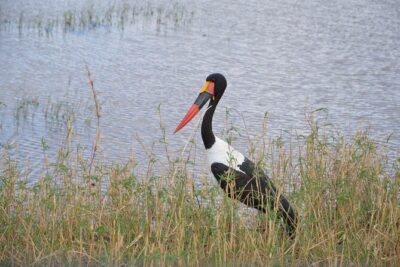
3 Days Serengeti & Ngorongoro Group Camping Safari
Read our review →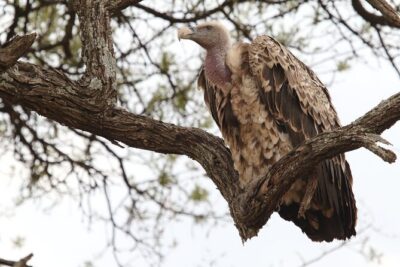
2 Days Tarangire and Ngorongoro Group Camping Safari
Read our review →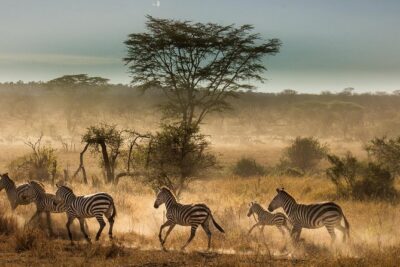
3 Days Tarangire, Ngorongoro & Lake Manyara Group Camping Safari
Read our review →
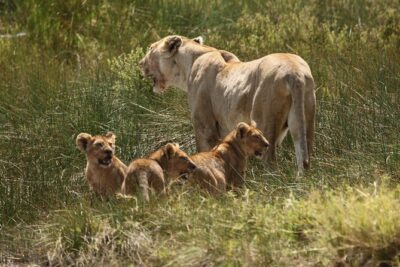
5-Day private Camping Safari Tour in Tanzania
Read our review →
Browse the lists this tour appears in