
Reviewed · CAMPING SAFARIS
4 Days Tanzania Camping Safari
Four days can feel short for safari. This plan hits three top parks with a private, camping-style setup and a guide who works hard to get you on the right tracks.
I especially like the value math here: park fees, meals, and accommodation are built into the cost, so you are not doing surprise budgeting every time you stop. One thing to consider is that it is truly a camping safari, so comfort levels can vary by campsite, and a couple of past comments also flagged luggage-handling issues.
In This Review
- Quick hits before you go
- Why this 4-day Arusha camping safari feels like good value
- Tarangire National Park: baobabs, elephant herds, and a smarter first game drive
- Serengeti National Park: the migration story, plus predator hunting
- Ngorongoro Conservation Area: sunrise energy, crater-rim views, and the day’s payoff
- Camping setup, meals, and the comfort items that matter most
- Price and logistics: what you pay for, what you still handle
- The guide makes or breaks your spotting success
- What to expect on a long wildlife-focused day
- Handling the potential rough edges, like luggage and comfort
- Who this safari suits best
- Should you book this 4-day Tarangire, Serengeti, and Ngorongoro camping safari?
- FAQ
- What parks are included in the 4-day safari?
- Where does the safari start, and is pickup included?
- What is included in the price?
- Are meals included, or do I need to budget for food?
- Is a vegetarian option available?
- Do I need a visa before I travel?
- What about gratuities?
- Is this a private tour?
Quick hits before you go
- Three parks in four days: Tarangire, Serengeti, then Ngorongoro Conservation Area, with long wildlife-focused drives.
- 4×4 with pop-up roof: you get better sightlines for animals up close, without constantly shifting positions.
- Meals, water, and park fees included: helps you travel with less stress and fewer extra payments.
- A real guiding team: multiple named guides (Roger, Rashid, Jonny, Francis, Musa, Ronald, Alan) are praised for spotting and wildlife talk.
- Camping nights at set campsites: you sleep at Pimbi Campsite and Simba campsite, with crater views the focus later.
- Small extras included: binoculars, a birds and animal field guide book, and coffee or tea.
Why this 4-day Arusha camping safari feels like good value
At $1,479.49 per person, the price is not low, but you are paying for what can easily add up on Tanzania safaris: park access, guide time, vehicle time, and the overnight stays. A lot of tours advertise a low base price, then layer on park fees, meals, and lodging. Here, those core costs are included, which makes planning simpler.
You also get a private experience for your group. One of the best parts of a private safari is that your guide can adjust the route based on sightings, herd movement, and where animals are actually behaving at that moment, not where the schedule says they should be.
Is it perfect for everyone? If you hate camping, you might find this too rugged. If you are okay with simple, nature-first nights and you want maximum animal time, this format is a strong fit.
More Safaris in Arusha
- Balloon Safari & Bush Breakfast in Serengeti – Miracle Experience
★ 5.0 · 1,646 reviews - 4 Days Group Camping Safari
★ 5.0 · 1,101 reviews - 5 Days Group Camping Safari
★ 5.0 · 730 reviews
Tarangire National Park: baobabs, elephant herds, and a smarter first game drive
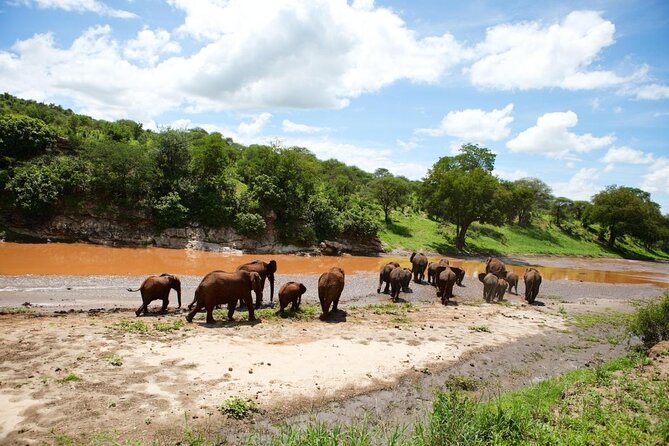
Tarangire is the kind of park that gives you a different Africa than you expect. Sparse vegetation means you can often see animals clearly, and the huge baobab trees make the whole place feel dramatic even before you spot the first elephant.
Your day starts with pickup from your Arusha hotel area, with the example of Four Point Arusha Sheraton in the plan. Then you drive into Tarangire, where the big story is elephants. The park is known for huge baobabs and large elephant groups, sometimes up to 300. You are looking for animals in dry riverbeds where they search for underground streams.
The wildlife also tends to cluster around shrinking water sources. That is where you might see wildebeest, zebra, and buffalo gathering around remaining lagoons. After the morning drive, you get an afternoon game drive with a picnic lunch. That picnic detail matters more than it sounds, because it keeps your day from breaking into long, inconvenient meal breaks far from wildlife.
A possible drawback: Tarangire’s action depends on where water and animals are that day. You will not control that. What you can control is your attitude and patience, and this tour is built around longer park time so you are not rushed.
Serengeti National Park: the migration story, plus predator hunting
Serengeti is the name everyone knows, but what I love about this kind of stop is how the park keeps rewarding you even when the headline animals are not the only focus. The big draw is the great migration of wildebeest and zebra, with dramatic predator activity around it.
On this tour, you drive into Serengeti and then plan a wildlife-heavy day. You are not just going for one quick loop. You get time in the park to look for lions, cheetahs, leopards, and other predators. This is where a good guide really earns their fee, because your job becomes spotting small clues like movement, dust, bird behavior, and the direction animals react.
You sleep at Pimbi Campsite. That means you are positioned for an early start and the best kind of safari rhythm, wildlife in the morning, recovery and planning in camp, then more time in the bush.
One practical tip: when you hear your guide talking about where animals are likely to be, listen. On safari, location predictions can beat random scanning. Even when the migration is the headline, predator decisions often happen fast, based on what prey is doing right then.
Ngorongoro Conservation Area: sunrise energy, crater-rim views, and the day’s payoff
Ngorongoro Conservation Area is a different beast. The crater rim views are the obvious reason people remember it, but the real magic is how quickly the wildlife encounters can turn intense once the day warms up.
Your morning begins with a Serengeti sunrise moment and then your first game drive focused on predators. The plan is to look for lions and other hunters during their morning activity. That matters because big cats often take advantage of the lower light and cooler temperatures.
After brunch, you head toward the rim of the Ngorongoro Crater and go for the final game drive of the day. Before dinner, you get views down into the crater below. Even if you are not the type to stare at scenery for long, the crater’s scale is hard to ignore. It is the kind of view that makes the rest of the day feel like it added up to something.
You overnight at Simba campsite. That gives you the chance to end the day on a calm note after a wildlife-focused schedule.
Possible drawback: crater days can feel like a lot of driving plus a long day in the vehicle. If you are sensitive to bumpy roads or long sitting time, plan for it mentally and bring what helps you ride comfortably.
More camping safaris from Arusha:
- 3 Days Serengeti & Ngorongoro Group Camping Safari
★ 5.0 · 574 reviews - 2 Days Tarangire and Ngorongoro Group Camping Safari
★ 5.0 · 146 reviews - 6 Days Tanzania Budget Camping Safari
★ 5.0 · 145 reviews - 3 Days Tarangire, Ngorongoro & Lake Manyara Group Camping Safari
★ 5.0 · 102 reviews
Camping setup, meals, and the comfort items that matter most
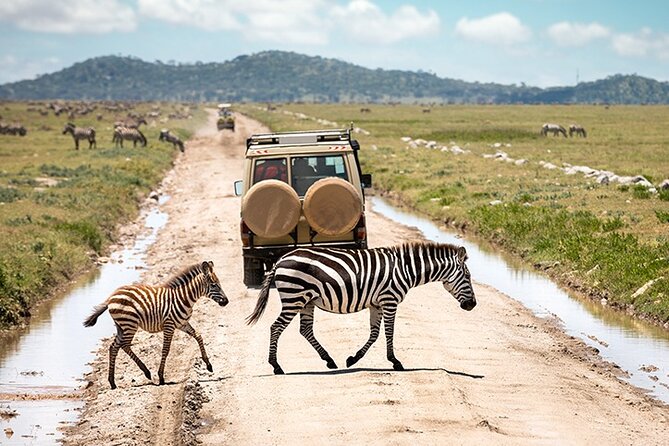
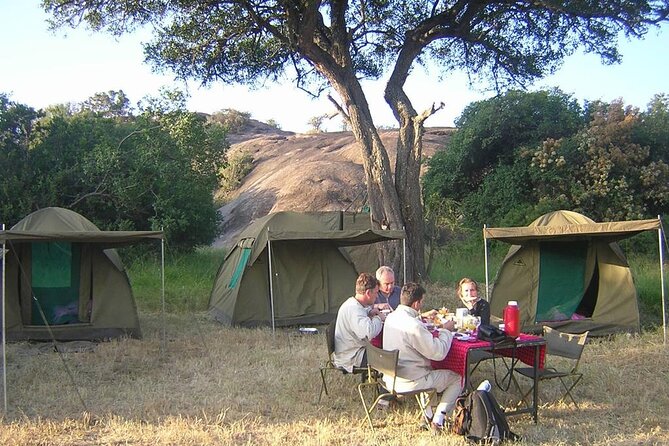
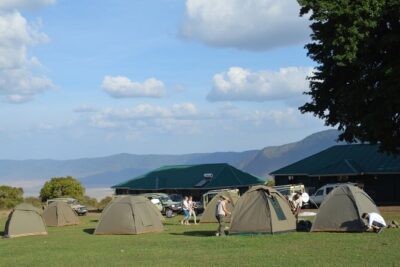
This is a camping safari, not a lodge safari. That changes the “feel” of the trip. You will spend more time in shared camp routines, and you trade some indoor comfort for a closer connection to the outdoors.
The plan includes meals as per itinerary: breakfasts, lunches, and dinners, plus bottled water, and coffee and/or tea. Having meals included is a big deal on safari, because it reduces the time you need to manage food logistics in remote areas.
The cooking team also gets real praise in the comments provided. Names like Deo, Samuel, and Sele show up alongside descriptions of delicious food and consistently good service. That does not mean every meal will be perfect for every palate, but it does suggest your cook is not an afterthought.
A couple of small comfort notes to keep in mind: one comment mentioned trouble with getting a hot shower during the safari, and another mentioned binocular quality not matching expectations. Those are not deal-breakers for every person, but they are the kind of issues you want to be realistic about on a camping trip.
The good part is that the tour includes a pair of binoculars and a birds and animal field guide book. If you love wildlife details, you will likely use them. If you do not, you will still appreciate having them ready when a guide calls something out quickly.
Price and logistics: what you pay for, what you still handle
Let’s talk money in the way that helps you decide. You pay $1,479.49 per person, and what you get includes:
- 3 nights accommodation
- national park fees
- a professional guide
- hotel pickup and drop-off
- a 4×4 vehicle with pop-up roof and unlimited mileage
- bottled water, coffee or tea
- meals (breakfasts, lunches, dinners) as scheduled
- emergency evacuation insurance
- binoculars and a birds and animal field guide book
- government taxes
What you do not pay for includes personal items, alcoholic drinks, and gratuities. The guidance given is $15 a day to the cook and $20 a day to your guide, divided by everyone in your vehicle.
You will also need your visa obtained at the border or airport. Pre and post accommodation and airport transfers are not included, but booking is available on request.
Finally, this is a mobile-ticket style plan. That is one less thing to worry about when you are arriving in Tanzania.
For me, the key value signal is the inclusion of park fees plus meals plus accommodation. Those are usually the biggest cost leaks on safari, and closing those leaks makes the experience feel more predictable.
The guide makes or breaks your spotting success
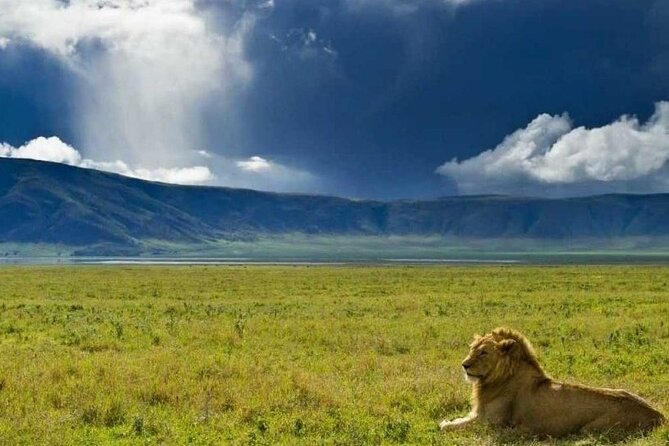
Safari math is simple: the animals are out there, but your odds improve when someone knows where to look and how to read the park that day. This tour leans into that with professional guidance and a long time in parks.
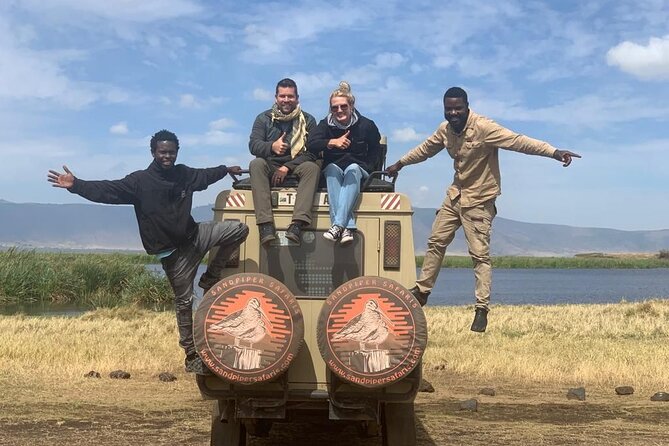
In the comments, guide names come up repeatedly. Roger and Rashid get praise for spotting animals from far away and turning sightings into close encounters. Jonny is mentioned for tireless driving and strong animal knowledge. Francis is noted for professionalism. Musa and Ronald also appear in positive notes, including Ronald’s bird focus.
There is also a theme that the guide tries to keep things upbeat and helpful. One comment even highlights a guide creating a welcoming atmosphere, which matters when you are spending hours together in a vehicle and you want the day to feel like it is going somewhere.
A practical suggestion: if you care about specific animals, tell your guide at pickup. Even broad goals like birds, big cats, or elephant herds can shape how your guide scans and which moments they prioritize.
What to expect on a long wildlife-focused day
This is not a sightseeing bus tour. It is a wildlife vehicle day, meaning time can shift based on animal movement. Expect:
- long game drives in each park
- picnic lunch in Tarangire
- morning hunt style viewing in the predator-focused segments
- crater-rim views as a major payoff later
- camping rhythms at Pimbi Campsite and Simba campsite
Also keep in mind that you are in a 4×4 with a pop-up roof for game viewing. That roof is there for a reason. You get a better angle for spotting, and you waste less time. You will still need patience, but you will not be stuck with a bad view.
Handling the potential rough edges, like luggage and comfort
Most of what you hear about this safari format sounds great, but I do not want to gloss over risk. In the comments provided, there are a couple reports about damaged backpacks and disputes about compensation afterward. The same comments include apologies from the operator, but the fact that damage and money became the main issue is a caution flag.
My practical takeaway is simple: pack smart. Keep zippers closed, secure loose straps, and place fragile gear where it cannot be impacted by other items. If you bring camera bags, treat them like they are going into a vehicle trunk, not a living-room chair.
On the comfort side, camping works differently for different people. One comment mentioned no hot shower, which can happen depending on the campsite setup. Go in expecting basic comfort, not hotel comfort, and you will enjoy it more.
Who this safari suits best
This 4-day camping safari is a strong match if you:
- want three iconic Tanzania parks without a long multi-week schedule
- like being in the vehicle early and often
- are comfortable with camping nights
- care about guide-driven spotting and wildlife explanation
- want most big costs included, so the trip feels financially clear
It might not be right if you:
- need consistently hot showers every night
- want a lodge-style comfort level
- are very sensitive to long days in a vehicle
Should you book this 4-day Tarangire, Serengeti, and Ngorongoro camping safari?
I would book it if your top priorities are wildlife time, smart guiding, and predictable costs. The combination of park fees, meals, and accommodation included makes the $1,479.49 per person price feel easier to justify, especially for a trip that covers a lot of ground fast from Arusha.
I would also book it with two “do it now” mindset adjustments. First, pack with vehicle movement and luggage protection in mind. Second, set expectations for camping comfort, and treat any hot shower or extra creature comforts as a bonus, not a guarantee.
If you want a Tanzania safari that feels focused, not scattered, this one is built for you.
FAQ
What parks are included in the 4-day safari?
The tour covers Tarangire National Park, Serengeti National Park, and Ngorongoro Conservation Area.
Where does the safari start, and is pickup included?
Hotel pickup and drop-off are included in Arusha. The plan mentions pickup from Four Point Arusha Sheraton.
What is included in the price?
National park fees, 3 nights accommodation, a professional guide, meals as per the itinerary, bottled water, coffee or tea, emergency evacuation insurance, a 4×4 vehicle with pop-up roof, government taxes, and a pair of binoculars plus a birds and animal field guide book.
Are meals included, or do I need to budget for food?
Meals are included as per itinerary, with breakfast, lunch, and dinner listed for the days on the program.
Is a vegetarian option available?
Yes. A vegetarian option is available if you advise at the time of booking.
Do I need a visa before I travel?
The information provided says you must obtain your visa at the border or airport.
What about gratuities?
The guidance given is $15 a day to the cook and $20 a day to your guide, divided by everyone in the vehicle.
Is this a private tour?
Yes. It is listed as private, meaning only your group participates.
More Safaris from Arusha
- 7-Day Premium Luxury Tanzania Safari All-Inclusive
★ 5.0 · 426 reviews - 3-Day Classic Serengeti Safari
★ 5.0 · 263 reviews - 8 Days Great Wildebeest Calving Migration Safari from Arusha
★ 5.0 · 254 reviews - Group Safari 7 Days in Tanzania’s Main Parks
★ 5.0 · 240 reviews
Just posted around Arusha
- 8 Days Serengeti Migration safari★ 5.0 · 11 reviews
- tarangire & ngorongoro 2 days tour★ 5.0 · 14 reviews
- serengeti, ngorongoro & tarangire 4 days private tour★ 5.0 · 18 reviews
- tarangire, ngorongoro & lake manyara park 3 days private tour★ 5.0 · 11 reviews
- serengeti & ngorongoro 3 days private tour★ 5.0 · 15 reviews
- climb the KILIMANJARO via Lemosho route★ 5.0 · 4 reviews
- Mt. Kilimanjaro: Shira plateau to Cathedral point 3872m Day hike★ 5.0 · 7 reviews
- 2 Days Tanzania Midrange Group Join Safari★ 5.0 · 7 reviews
Camping Safaris, compared.
3 Days Serengeti & Ngorongoro Group Camping Safari
Read our review →
2 Days Tarangire and Ngorongoro Group Camping Safari
Read our review →
3 Days Tarangire, Ngorongoro & Lake Manyara Group Camping Safari
Read our review →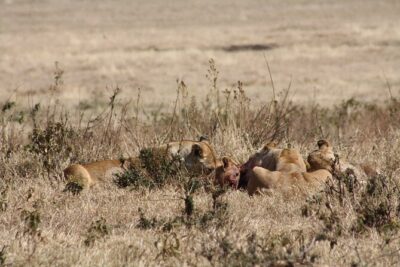
5-Day private Camping Safari Tour in Tanzania
Read our review →
Browse the lists this tour appears in