
Reviewed · SERENGETI SAFARIS
4 Days /3 nights Tarangire, Serengeti and Ngorongoro crater
One day elephants, then endless Serengeti plains, then crater wildlife.
This 4-day, 3-night safari links three Tanzania highlights in a tight loop from Arusha, with game drives timed for serious spotting opportunities and an unhurried feel across the parks. The standout mix here is Tarangire’s elephant focus and baobab trees, Serengeti’s famous visibility over wide plains, and Ngorongoro’s dense animal “pressure cooker” on the crater floor.
Two things I especially like. First, the route is built around the best habitat for each park, like Tarangire where elephants are a near-constant possibility and Serengeti’s Seronera area where water draws animals in. Second, the service and communication score high, with the pre-trip planning handled closely (including WhatsApp messaging) and a guide, Adam, described as answering questions and adjusting the days to fit interests.
One possible drawback to consider is the pace and time in the vehicle. You’re looking at long driving days between parks, plus full game-drive blocks, so pack for comfort and expect a lot of hours outdoors and on the road.
In This Review
- Key things I’d bet on
- Tarangire, Serengeti, Ngorongoro, in 4 days: a route that actually makes sense
- Tarangire National Park: elephants, baobabs, and a full day in the thick of it
- Serengeti National Park: Seronera’s river pull and classic big-plains viewing
- Ngorongoro Crater: the day wildlife gets packed together
- Camp nights and included meals: what the “3 nights” really means for you
- Pickup, mobile tickets, and timing in Arusha: how logistics affect your safari mood
- Price and value: what $980 buys you in real safari terms
- Who this safari suits best
- Tips to help you see more, photograph better, and enjoy the ride
- Should you book this 4-day Tarangire, Serengeti, Ngorongoro loop?
- FAQ
- Which parks are included in this 4-day safari?
- How long is the trip and how many nights are included?
- What is the price per person?
- Are meals included in the safari price?
- Is pickup offered from Arusha?
- Are admission tickets included?
- What is not included in the tour price?
- Can I cancel for a full refund?
Key things I’d bet on
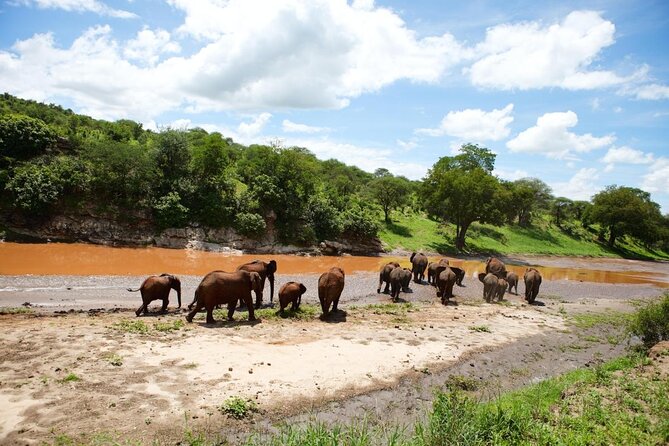
- Tarangire elephants year-round: Baobabs bring elephants back, making sightings plausible in many seasons.
- Seronera water effects: The Seronera River area supports a strong concentration of species compared with drier zones.
- Ngorongoro Crater density: You’re visiting a place described as extremely crowded with wildlife, including predators and even black rhino.
- Small group feel: Max 6 travelers, which usually means less chaos during sightings and photo stops.
- Meals kept simple: Breakfast, lunch, and dinner are included across the 4 days, with picnic-style lunches on safari days.
Tarangire, Serengeti, Ngorongoro, in 4 days: a route that actually makes sense
If you only have a few days, the smartest safari plan is not “see everything,” it’s “hit the right habitat at the right times.” This itinerary does that by rotating through three very different wildlife zones instead of repeating the same scenery again and again.
In plain terms, Tarangire is your elephant park. Serengeti is your big-plains safari. Ngorongoro is where animals bunch up, because the crater floor offers steady water and food. When those three come together in one trip, your chances of seeing a range of species improve fast, without feeling like you’re constantly guessing where the animals will be.
Another value point is the structure of the days. You’re not just driving past places. You get game drives in each area, with picnic lunches that keep you in the bush instead of rushing back and forth to town. That matters, because wildlife time is the real commodity on safari.
You also start and end in Arusha, with a morning pickup window listed as 8:00 AM to 10:30 AM. On the final day, you’re driven back to Arusha and arrive around 5:00 PM. That’s a helpful detail for planning the rest of your schedule.
More Tarangire safaris:
- 5-Day Highlights mid-Range Crater, Serengeti, Tarangire
★ 5.0 · 296 reviews - Private 6-Day Tarangire Manyara Crater and Serengeti with Mid-Range Lodges
★ 5.0 · 238 reviews - 5 Days Camping Tarangire, Serengeti & Ngorongoro crater & Visiting Maasai
★ 5.0 · 229 reviews
Tarangire National Park: elephants, baobabs, and a full day in the thick of it
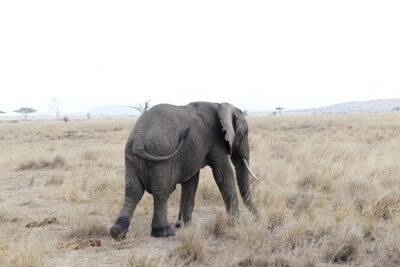
Tarangire is often the “first day wow” park on this kind of circuit, and for good reason. It’s described as the only destination accommodating thousands of elephants, and the baobab trees are a major reason why. In other words, the food source is built into the scenery, so you’re not depending on luck alone.
On day 1, you depart after breakfast for Tarangire with a game drive and a picnic lunch inside the park. Then you keep going with a full day of driving and spotting, returning in the late afternoon for dinner and an overnight at the campsite.
Here’s what you should expect to feel during this day:
- Longer, slower wildlife time rather than quick look-and-leave stops.
- A high chance of hearing elephants before you see them, because of how active herds can be in the right areas.
- A lot of time among baobabs, which helps you understand the park’s ecology instead of just “checking a box.”
A detail I like in the park framing is the mention of an annual migratory cycle with very large numbers (up to 3,000 elephants, 25,000 wildebeest, and 30,000 zebras). Even if those exact figures vary year to year, it tells you something important: Tarangire is not a small, quiet reserve. It’s a living system.
Potential drawback: because you’re trying for a full day, you’ll want to plan your comfort gear well. Sun protection, water, and a seat-ready attitude matter. If you’re sensitive to long sitting time, bring what you need early, not after the first few hours.
Serengeti National Park: Seronera’s river pull and classic big-plains viewing
On day 2 you move from the highlands toward Serengeti, passing through Karatu and the Ngorongoro Conservation Area. Then the big moment happens: you descend into the heart of wild Africa, with wide open views stretching out.
Your focus inside Serengeti is the central park area known as Seronera, and that’s an important choice. The Seronera River is described as a valuable water source, and water is usually where animals stack up. In practical safari terms, it means your game drive is less about wandering randomly and more about being positioned where sightings are more likely.
The day is paced like this: arrive for lunch, then enjoy an afternoon game drive. You end with dinner and an overnight at the campsite.
Why this works for most people:
- Afternoon drives often feel calmer and more visual, because the light can make animals and movement easier to track.
- Being in Seronera gives you a better odds story than a purely “wherever we end up” plan.
- You get at least one solid drive block in Serengeti without cutting your time too short.
I also like that the route doesn’t skip the scenic build-up. Serengeti feels more dramatic once you’ve left the high-lying farmland behind. It’s the kind of transition that helps you understand why these ecosystems are so different from each other.
Possible drawback: Serengeti is large. Even with a smart location like Seronera, game drives still depend on animal movement patterns that day. So if you’re the type who needs certainty, set your expectations for “great odds,” not guarantee.
Ngorongoro Crater: the day wildlife gets packed together
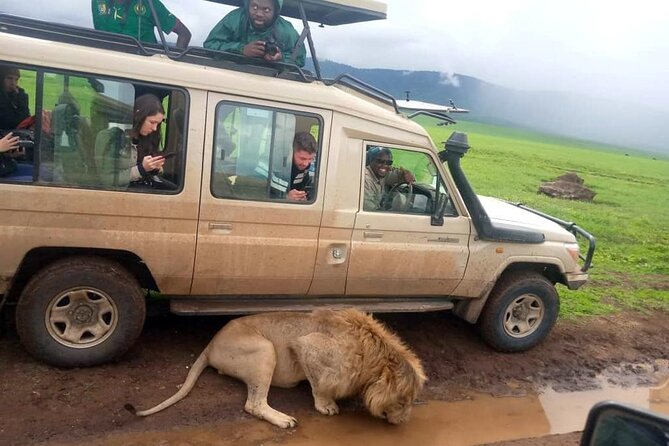
Day 3 is the crater day, and it has two key advantages. First, you get a morning game drive. Second, you then head to Ngorongoro Crater with lunch boxes and a game drive en-route, which helps you use the full day rather than waiting around.
The Ngorongoro Crater is described as one of the most densely crowded African wildlife areas in the world, with an estimated 30,000 animals. It’s also listed as home to Tanzania’s last remaining black rhino, plus a long cast of other species like wildebeest, zebra, buffalo, eland, warthog, hippo, and giant African elephants.
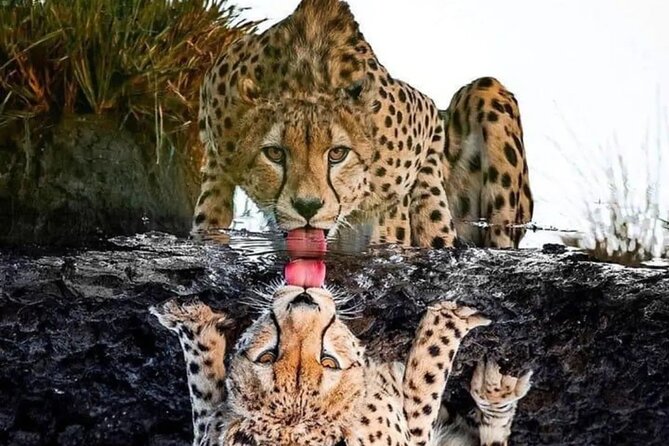
Then there’s the predator angle. The crater is highlighted as having predators such as lions, hyenas, jackals, cheetahs, and the elusive leopard. That’s useful for planning your mindset. You’re not only looking at grazing animals. You’re also watching for behavior, movement, and interaction that predators create.
On the crater floor, you’ll have a picnic lunch. That detail matters more than you might think. Being able to eat on-site keeps you in the action rather than resetting your whole day.
Later, you return for dinner and another overnight at the campsite.
A practical consideration: crater days can feel intense. When animals are concentrated, sightings can happen back to back, and the day can fly by. If you’re photographing a lot, you’ll want charging options ready and a plan for keeping gear dry and protected from dust.
More Serengeti safaris:
- Balloon Safari & Bush Breakfast in Serengeti – Miracle Experience
★ 5.0 · 1,646 reviews - 3 Days Serengeti & Ngorongoro Group Camping Safari
★ 5.0 · 574 reviews - 3-Day Classic Serengeti Safari
★ 5.0 · 263 reviews - 4 Days Join Group tour Tarangire Serengeti and Ngorongoro crater
★ 5.0 · 219 reviews
Camp nights and included meals: what the “3 nights” really means for you
This tour includes breakfast (3), lunch (4), and dinner (3). That keeps your day planning simple, especially because safari time is limited and unpredictable.
You should expect the meals to be practical and safari-friendly, not formal restaurant pacing. Picnic lunches are specifically mentioned on park days, including the crater floor day. Breakfast is used to start each morning on schedule.
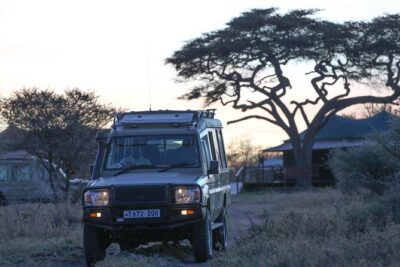
The trip also runs with overnight stays at campsites. The reviews you shared highlight that accommodations felt good and the team provided excellent service and communication. You should still treat campsites as part of the adventure. If you prefer hotel-style comforts every night, you might find the camping format a mismatch, but it also usually helps keep logistics smoother and game-drive time higher.
Group size is capped at 6 travelers. That’s a big deal for comfort and flow. It usually means you get better sightline management at the vehicle level and less waiting around when someone spots something.
Pickup, mobile tickets, and timing in Arusha: how logistics affect your safari mood
This type of safari lives or dies on timing, and the details here are fairly clear. Pickup is offered, and the activity window is listed as Monday to Sunday, from 8:00 AM to 10:30 AM. That means you’re not dragged into a 5:00 AM start, but you also shouldn’t plan a late breakfast in Arusha.
A mobile ticket is mentioned. That’s helpful because it reduces the need to coordinate paperwork in person. You also get a confirmation at booking.
One small but useful note: the description says “near public transportation.” That can matter if you’re arriving into Arusha independently and need a simple way to reach your meeting point area.
The final return drive is listed as arriving in Arusha around 5:00 PM on day 4. If you have a flight later that night, you’ll want a buffer. Even if the schedule holds, traffic and driver pace can shift.
Price and value: what $980 buys you in real safari terms
At $980 per person for 4 days and 3 nights, this is not a budget safari, but it also doesn’t read as an ultra-luxury package. The value comes from the combination of:
- Multiple parks in one loop (Tarangire, Serengeti, Ngorongoro)
- Game drives included during key blocks of each day
- Small group size (max 6), which often improves the experience versus large tours
- Meals included for most of the trip rhythm
- Pickup offered and mobile ticket support
Also, the tour description lists admission tickets as free on days 1, 2, and 4, and included on day 3. That’s important when you compare package prices, because park fees can be a major hidden cost in safari travel.
What’s not included: airfares and travel insurance. So the real “all-in” cost depends on how you’re traveling to Tanzania and what insurance choices you make. If you already have a good flights plan and you don’t need premium coverage, this price can feel like a fair way to buy time in the parks without adding extra hassles.
Who this safari suits best
This itinerary is especially good for:
- First-time safari travelers who want a fast sampler of Tanzania’s top wildlife regions
- People who like a guided plan with structured game-drive time
- Small groups, friends, or family groups who want a calmer vehicle experience (max 6)
- Travelers who value spotting elephants, then moving into Serengeti’s plains, then hitting Ngorongoro’s concentrated wildlife
It may not be perfect if:
- You hate long driving days and want a more relaxed day-by-day pacing
- You need hotel-only comfort every night
- You want a fully flexible, on-your-own itinerary (this is a scheduled tour with structured stops)
Tips to help you see more, photograph better, and enjoy the ride
You’ll get the most out of this safari if you treat it like a day-by-day outdoor routine.
- Bring binoculars if you have them. In Serengeti and the crater, animals can be visible but not always close.
- Pack for sun and dust. Tarangire and open-country drives can get bright fast.
- Expect a lot of sitting in the vehicle. Even with good driving, you can feel it in your back and legs after a few hours.
- Keep your camera habits simple. With dense wildlife areas, you’ll be switching between scanning and shooting frequently.
- Use the lunch and rest breaks to reset. Picnic lunches help you stay in the field, but you still need to hydrate and cool down.
If you care about communication and planning, lean into it early. One review highlighted Adam’s attention and helpful Q and A before and during the trip, and that approach is exactly what helps your expectations match the day’s reality.
Should you book this 4-day Tarangire, Serengeti, Ngorongoro loop?
I think you should book it if you want a well-paced sampler that hits the big three wildlife zones in a single trip, and you’re happy with campsite nights in exchange for better time in the parks. The biggest reasons to feel good about this plan are the park logic (elephants in Tarangire, water-driven Seronera sightings in Serengeti, packed wildlife on Ngorongoro’s floor) and the service signals from the guide and team, including strong communication.
If you’re mainly chasing one single species with total certainty, you might feel safer picking a longer safari focused on just one area. But if your goal is “see a lot, see variety, and do it efficiently,” this circuit is a solid choice.
FAQ
Which parks are included in this 4-day safari?
The tour covers Tarangire National Park, Serengeti National Park, and Ngorongoro Crater, with time for game drives tied to each area.
How long is the trip and how many nights are included?
It runs for 4 days and 3 nights.
What is the price per person?
The price is listed as $980.00 per person.
Are meals included in the safari price?
Yes. Breakfast is included for 3 days, dinner is included for 3 days, and lunch is included for 4 days.
Is pickup offered from Arusha?
Pickup is offered, and the activity timing window is listed as 8:00 AM to 10:30 AM.
Are admission tickets included?
Admission tickets are listed as free for Tarangire, Serengeti, and the final day time in Arusha, and admission for the Ngorongoro Crater day is listed as included.
What is not included in the tour price?
Airfares and travel insurance are not included.
Can I cancel for a full refund?
The policy says free cancellation is available, and you can cancel up to 24 hours in advance for a full refund.
More Ngorongoro Crater Trips
- 4-Day Safari from Arusha: Tarangire, Serengeti and Ngorongoro
★ 5.0 · 173 reviews - 2 Days Tarangire and Ngorongoro Group Camping Safari
★ 5.0 · 146 reviews - 4 Days Tarangire Serengeti Ngorongoro Crater
★ 5.0 · 117 reviews - 3 Days Tarangire, Ngorongoro & Lake Manyara Group Camping Safari
★ 5.0 · 102 reviews
Just posted around Arusha
- 8 Days Serengeti Migration safari★ 5.0 · 11 reviews
- tarangire & ngorongoro 2 days tour★ 5.0 · 14 reviews
- serengeti, ngorongoro & tarangire 4 days private tour★ 5.0 · 18 reviews
- tarangire, ngorongoro & lake manyara park 3 days private tour★ 5.0 · 11 reviews
- serengeti & ngorongoro 3 days private tour★ 5.0 · 15 reviews
- climb the KILIMANJARO via Lemosho route★ 5.0 · 4 reviews
- Mt. Kilimanjaro: Shira plateau to Cathedral point 3872m Day hike★ 5.0 · 7 reviews
- Kilimanjaro Waterfalls Hike & Moshi Hot Springs Day Trip Tour★ 5.0 · 4 reviews
Serengeti Safaris, compared.
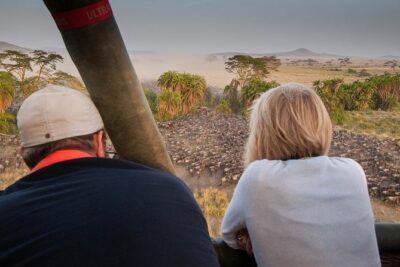
Serengeti Balloon Safari and authentic bush breakfast
Read our review →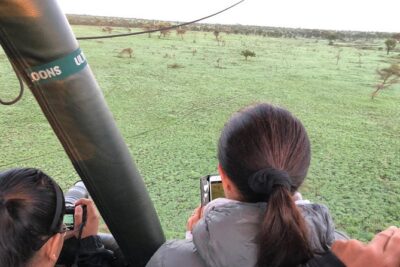
Balloon Safari & Bush Breakfast in Serengeti – Miracle Experience
Read our review →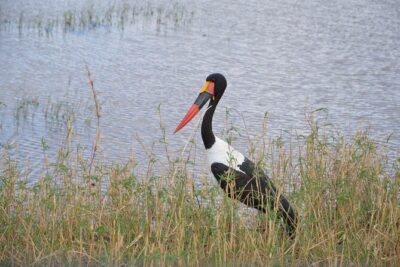
3 Days Serengeti & Ngorongoro Group Camping Safari
Read our review →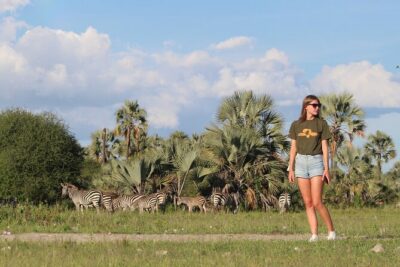
5-Day Highlights mid-Range Crater, Serengeti, Tarangire
Read our review →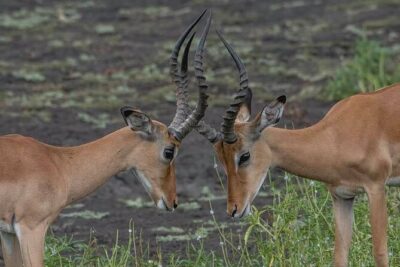
Private 6-Day Tarangire Manyara Crater and Serengeti with Mid-Range Lodges
Read our review →
5 Days Camping Tarangire, Serengeti & Ngorongoro crater & Visiting Maasai
Read our review →Browse the lists this tour appears in