
Reviewed · SERENGETI SAFARIS
4-Day Tarangire Serengeti, Ngorongoro & Maasai Guided group tour
A good safari is mostly about timing, and this one is built around it. I love the mix of Tarangire elephants and Ngorongoro Crater density, plus the fact that you get both daytime drives and a sunset game drive inside the Serengeti. I also really like that your days are guided and structured, with meals handled and nights in safari camps. The only real drawback to plan for is the camping style, so it can feel less comfortable than a hotel-style trip, especially on cooler or windy nights.
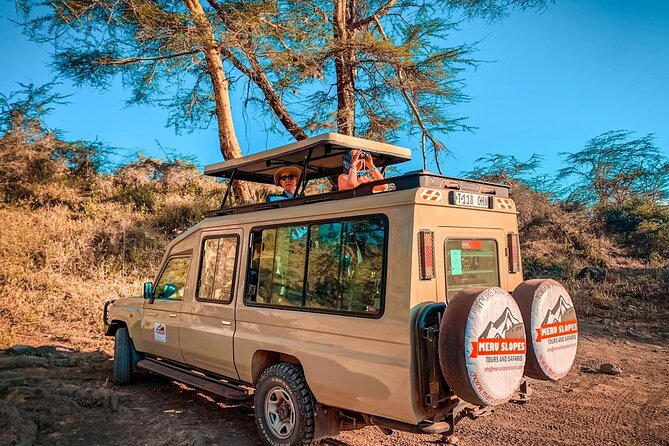
You start early from Kilimanjaro Airport, then you work your way through three major wildlife areas without wasting days on endless transfers. The group size is limited to 18 travelers, which usually means you do not feel like you are on a packed bus at the watering hole. You also get free Wi-Fi in the safari jeep during the entire safari, which is a nice perk when you want to message home between drives.
The price is $1,030 per person for about 4 days, which can feel steep until you add up three parks, guided game drives, and the included meals. Tips are not included, and that is a small but important line item to budget for if you want zero surprises.
In This Review
- Key highlights from this 4-day Tarangire, Serengeti and Ngorongoro safari
- What you’re paying for: $1,030 in Moshi, three big parks, and real guide time
- Day 1 in Tarangire: dry river beds, elephants, and a picnic lunch
- Day 2 from Tarangire toward Serengeti: the long road that sets up the big game
- Serengeti sunset drive and the reality of predator travel
- Ngorongoro edge night at Simba camp: why that crater rim matters
- Day 4 crater descent at sunrise: 610 meters down and 25,000 animals in one bowl
- Meals, Wi-Fi, and the guide-spotter effect that makes or breaks safari days
- Campsites and comfort level: what to expect at Sun bright, Seronera, and Simba
- Who should book this 4-day group safari from Moshi (and who should not)
- Should you book the Tarangire, Serengeti, and Ngorongoro guided group safari?
- FAQ
- How long is the safari?
- What time and where does the tour start?
- How big is the group?
- What meals are included?
- Is Wi-Fi available during the safari?
- Are park admission tickets included?
- What is not included?
- Is there airport or departure tax included?
- Can I cancel for free?
Key highlights from this 4-day Tarangire, Serengeti and Ngorongoro safari
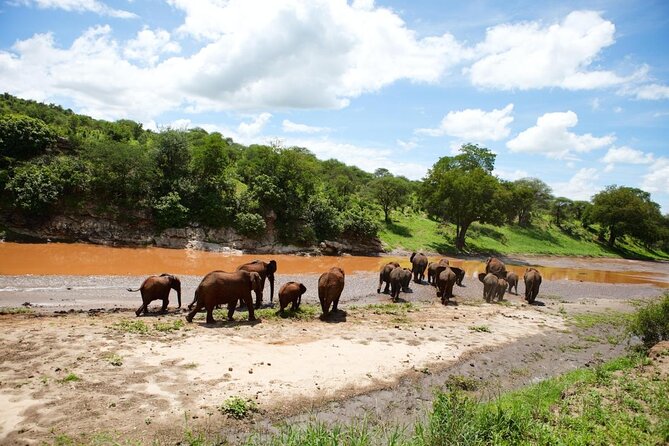
- Tarangire National Park’s elephant pull, including herds up to 300 using dry river beds for water access
- Serengeti sunset and evening driving, with an overnight at Seronera campsite inside the park
- Ngorongoro Conservation Area viewpoints on Day 3, with a crater-edge camp night for sunrise options
- Big game viewing odds in the crater, where the dense population supports fast, close encounters
- Small group size (max 18), which helps keep drives and viewing more comfortable
- Meals and camping handled, with 3 breakfasts, 4 lunches, and 3 dinners included
What you’re paying for: $1,030 in Moshi, three big parks, and real guide time
For $1,030 per person, you are buying access to some of Tanzania’s most famous wildlife zones, plus the logistics that can eat up your energy on your own. This is not a quick photo stop. It is a structured safari with full-day game drives, morning starts, and multiple nights in safari camps.
What makes the value feel more honest is that your core costs are covered: dinner, breakfast, lunch, professional guiding, and park admission is listed as free. On top of that, taxes, fees, and handling charges are included under airport and departure tax.
The big thing to check in your mind is how you feel about camping. Your nights are at campsites such as Sun bright campsite, Seronera campsite in Serengeti, and Simba campsite near the crater edge. That can be a huge part of the adventure, but it also means you are not expecting polished hotel comfort.
More Maasai Village Visits in Moshi
- 5 Days Camping Tarangire, Serengeti & Ngorongoro crater & Visiting Maasai
★ 5.0 · 58 reviews - Maasai village visit and Chemka hot-springs with hot lunch.
★ 5.0 · 33 reviews - Maasai village visit and chemka hot-springs with hot lunch
★ 4.7 · 13 reviews
Day 1 in Tarangire: dry river beds, elephants, and a picnic lunch
Day 1 starts with movement from Arusha toward Tarangire National Park after an early breakfast. You are in for a full day game drive, and you also get picnic-style lunch, which matters out there. Waiting around for food can waste precious daylight, and daylight is the real currency on safari.
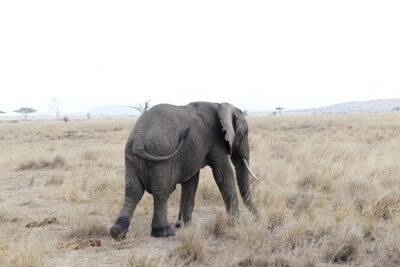
Tarangire is famous for elephants, and this park delivers. You can see herds of up to 300 elephants scraping the waterless river bed for access to alternative streams. That specific behavior is why Tarangire can feel more “alive” in the dry season than some other places. When water is scarce, animals concentrate, and you get better odds of seeing more species in less time.
You should also expect a solid mix beyond elephants: wildebeest, zebra, buffalo, impala, gazelle, hartebeest, and eland. The park is also one of the better places in Tanzania for dry-country antelope, including fringe-eared Oryx and gerenuk, a long-necked species that can look like it belongs in a documentary sketch.
That evening, you sleep at Sun bright campsite. This is your first taste of safari rhythm: game drive in the day, dinner after, then sleep while the wild does its thing.
Day 2 from Tarangire toward Serengeti: the long road that sets up the big game
After breakfast, you drive toward the Serengeti, with a route that passes through the Ngorongoro Conservation Area. Even if your main goal is Serengeti wildlife, this drive adds context and scenery, and you get a chance to see the Ngorongoro Caldera expanse from the area’s height before continuing on.
Along the way, you pass fertile highlands where wheat, coffee, and corn are grown by the Iraqw people. That contrast is useful. It reminds you this is not a theme park. It is a living region where people farm and wildlife moves.
By late evening, you reach Serengeti National Park, and you spend the night at Seronera campsite inside the park. That timing matters. Getting inside the park for your overnight often means you are closer to good viewing at the next morning’s start, rather than burning daylight on transfers.
Serengeti sunset drive and the reality of predator travel
Your Day 3 schedule contains an early game drive in Serengeti and then a move toward Ngorongoro, so the Serengeti is not treated like a quick stop. You also get an evening game drive in central Serengeti, built around sunset. That is a classic moment for a reason. Light changes fast, and animal movement often ramps up as temperatures drop.
The Serengeti’s big draw here is the way the ecosystem shifts with drought. When dry conditions push animals to move, the food chain follows. You get the feel of endless plains, and you can see how herbivores gather, then predators shift to match them.
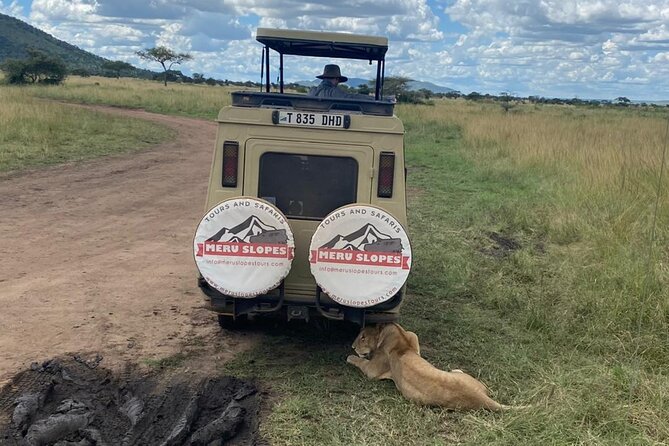
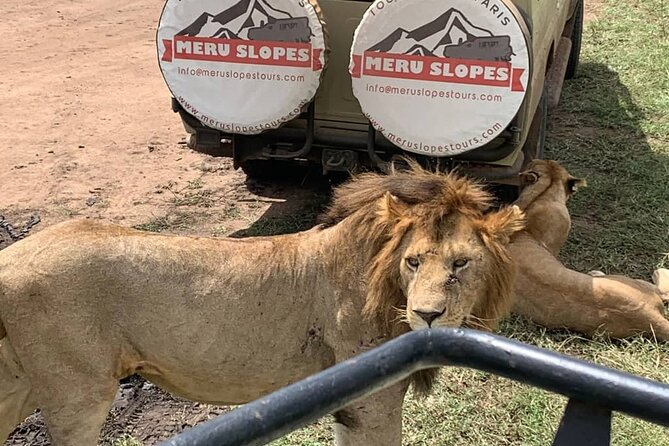
As for the Big Five, the trip description points to chances to spot lion, elephant, buffalo, rhino, and leopard. I would treat Big Five as an odds game, not a promise. Still, the safari is set up for high-probability viewing: morning driving, central areas for better sightings, and multiple days in the same ecosystem rather than only one.
After the sunset drive, you have dinner and continue the safari nights in camp, staying in the Serengeti until your crater-facing day.
More Maasai village visits:
- Private Full-Day Tour Maasai Village and Kikuletwa Hot Spring
★ 5.0 · 12 reviews - Private Tour to Materuni Waterfalls, coffee tour, Kikuletwa Hot Springs & Maasai
★ 3.5 · 6 reviews - 2-Day Masai Village Camping Experience and Kikuletwa Hot Spring
★ 5.0 · 4 reviews - 5 Days Camping Tarangire, Serengeti & Ngorongoro crater & Visiting Maasai
★ 5.0 · 229 reviews
Ngorongoro edge night at Simba camp: why that crater rim matters
On your Serengeti to crater route, you start with an early coffee and then head back out for game drive in the Serengeti. The emphasis is on seeing big game before you head down toward Ngorongoro.
Then comes the transition to the Ngorongoro Crater area. The animals in this region move freely through unfenced reserves, which means you often get more natural, uninterrupted viewing. When you arrive at the edge of the crater, you get your first glimpse of what comes next: glistening streams, open grassland, and animals spread across the scene.
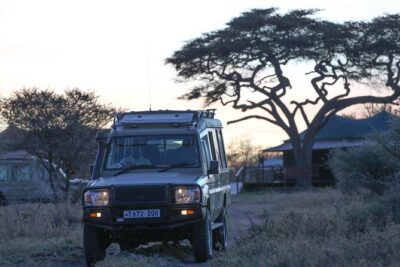
That night is at Simba campsite directly on the crater’s edge. This is one of the smartest parts of the plan, because it sets you up for a sunrise crater experience. You also get that cinematic orange glow effect at sunset, then you sleep with the crater close enough that the landscape feels like part of your campsite.
Day 4 crater descent at sunrise: 610 meters down and 25,000 animals in one bowl
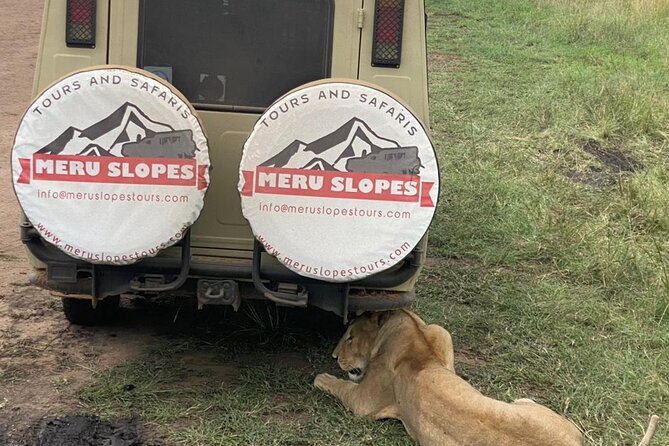
Day 4 is the money day, and the schedule reflects that. Early risers get breath-taking views of the rising sun over the crater’s edge. After breakfast, you drive down into the Ngorongoro Crater itself.
The crater is UNESCO World Heritage and described as one of the seven wonders of Africa. It was formed by a massive volcanic explosion and is about 610 meters deep. The area covered is roughly 260 square kilometers, and the density is the main reason it is so famous. The description cites around 25,000 animals, which is what creates that feeling of seeing wildlife quickly, without needing long, random searches.
From the start of the descent, you can expect game viewing such as wildebeest, zebra, gazelles, and elephants, with the crater’s dense ecosystem doing the work for you. The crater can feel like a natural amphitheater. That makes for excellent sighting speed, but it also means you want to pay attention to where your guide stops. One good stop can beat multiple “drive past and hope” moments.
After the crater tour, you head back toward Arusha.
Meals, Wi-Fi, and the guide-spotter effect that makes or breaks safari days
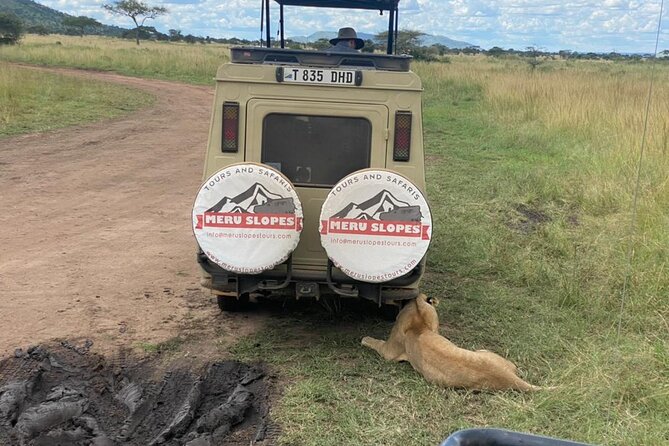
This safari runs on simple, practical support. You get professional guiding, and you get free Wi-Fi inside the safari jeep during the entire safari. That might sound minor until you are doing a multi-day trip and you want to quickly send a message, check a photo, or keep family up to date between drives.
Meals are included too: 3 breakfasts, 4 lunches, and 3 dinners. Picnic lunches on drive days are especially helpful since you can keep moving instead of pausing for a long meal stop. The camp dinners and breakfasts are part of the rhythm, too. You eat, you rest, you reset, then you go again.
The guides and cooks are a major theme in the experience. Names that have come up include Mohamed (guide) with Moshi as the chef, and also Lobulu, Jacob, and Andrew in other safari groups, with cooks like Rashid and Yojan mentioned as well. The consistent takeaway is that good guiding is not just spotting. It is also about pacing, careful driving, and explaining what you are seeing so the sightings stick.
One more point: tips are not included. If you want a smooth end to the trip, plan ahead for gratuities so you do not have to figure it out at the last minute.
Campsites and comfort level: what to expect at Sun bright, Seronera, and Simba
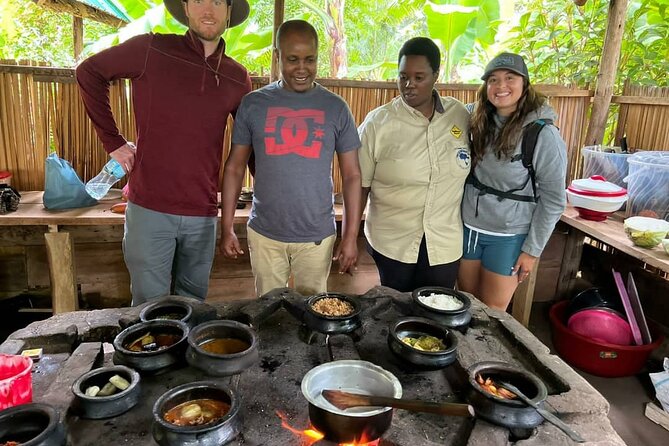
Since the nights are at campsites inside major wildlife zones, you should think of this as camping-first safari travel. You will be sleeping close to where the animals roam, which can be thrilling.
A note from past safari experiences with this operator is that some days include tent nights, so packing for outdoor sleep matters. Bring layers for temperature swings, a flashlight you like using, and anything you need for basic nighttime comfort. If you are expecting hotel-level bedding every night, you may feel disappointed.
The upside is that you are staying inside the ecosystem, not just driving in and out. That is a big part of why sunrise and sunset experiences are built into the schedule.
Who should book this 4-day group safari from Moshi (and who should not)
This tour fits best if you want to see multiple parks in a short time without planning the logistics yourself. With a maximum of 18 travelers, it is also a decent size for group comfort, not a huge crowd.
It is a good match for people who:
- want full-day game drives rather than half-day shortcuts
- are excited by sunrise and sunset viewing moments
- do not mind camping style nights
- like the idea of a professional guide managing the route and timing
You might want to think twice if you:
- expect hotel comfort every night
- are very sensitive to early starts and long drive days
- hate the idea of tent-style sleep even if it is for just part of the trip
Should you book the Tarangire, Serengeti, and Ngorongoro guided group safari?
If your wish list includes Tarangire elephants, Serengeti sunset driving, and an Ngorongoro Crater day with very dense wildlife viewing, this is a strong “see the classics” safari. The biggest strength is structure: you get multiple days in the right places, you start early, and you stay in camps that put you close to your viewing windows.
The value question comes down to your comfort expectations. The price includes a lot of the safari machine: guiding, meals, and key park access, so you spend less time worrying about logistics. Just be honest with yourself about camping and early mornings.
If you want a fast path to Tanzania’s wildlife highlights from Moshi with a small guided group, I think you should seriously consider booking. If you need nonstop comfort like a city break, you may end up wishing you chose a different style of safari.
FAQ
How long is the safari?
It is listed as an approx. 4 days tour.
What time and where does the tour start?
Start is Kilimanjaro Airport, with a start time of 7:00 am.
How big is the group?
The tour has a maximum of 18 travelers.
What meals are included?
Breakfast is included 3 times, lunch is included 4 times, and dinner is included 3 times.
Is Wi-Fi available during the safari?
Yes, free Wi-Fi is available inside the safari jeep during the entire safari.
Are park admission tickets included?
Admission ticket is listed as free, meaning park admission is covered.
What is not included?
Tips are listed as not included.
Is there airport or departure tax included?
Yes, all taxes, fees, and handling charges are included under airport and departure tax.
Can I cancel for free?
Yes. You can cancel up to 24 hours in advance for a full refund.
More Serengeti Safaris
- Safari Serengeti And Ngorongoro
★ 5.0 · 288 reviews - Safari in Tanzania 5 days: Manyara, Ngorongoro, Serengeti
★ 5.0 · 29 reviews - 5-Day Lake Manyara, Serengeti, Ngorongoro Crater and Tarangire
★ 5.0 · 28 reviews - 6 Days: Classic Camping( Tarangire, Manyara, Serengeti And Ngorongoro).
★ 5.0 · 26 reviews
More Tarangire Safaris in Moshi
- 4 Days Group Joining Camping Safari to Tarangire Serengeti Ngorongoro Crater
★ 5.0 · 50 reviews - 3-Day Ngorongoro Crater Manyara and Tarangire Safari from Arusha
★ 5.0 · 49 reviews - 4 Day Private Tour Throughout Tarangire, Serengeti and Ngorongoro
★ 5.0 · 42 reviews - 7 Days Safari. Serengeti, Tarangire, Lake Manyara & Ngorongoro Crater.
★ 5.0 · 34 reviews
Just posted around Moshi
- machame route★ 5.0 · 16 reviews
- Kilimanjaro Climbing Umbwe Route★ 5.0 · 3 reviews
- Wildlife Extravaganza: Manyara, Tarangire & Ngorongoro in 3 Days★ 5.0 · 3 reviews
- Mt Kilimanjaro 6 days Marangu route hike★ 5.0 · 3 reviews
- 3 Days Private E-Bike Tour in West Kilimanjaro★ 5.0 · 3 reviews
- West Kilimanjaro cycling Adventures★ 4.5 · 8 reviews
- Kilimanjaro Climb • Marangu Route ~ 9 Day★ 5.0 · 4 reviews
- Private Cycle to Kilimanjaro Bike Park Safari★ 5.0 · 6 reviews
Serengeti Safaris, compared.
Serengeti Balloon Safari and authentic bush breakfast
Read our review →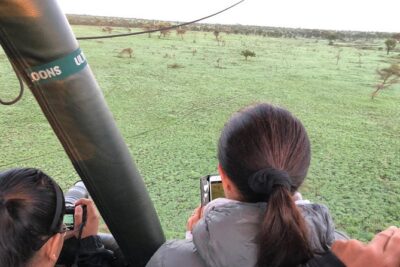
Balloon Safari & Bush Breakfast in Serengeti – Miracle Experience
Read our review →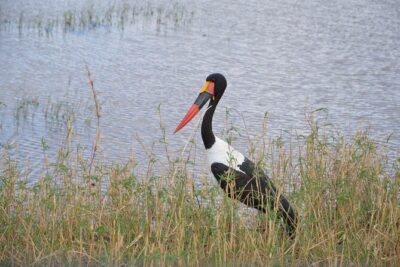
3 Days Serengeti & Ngorongoro Group Camping Safari
Read our review →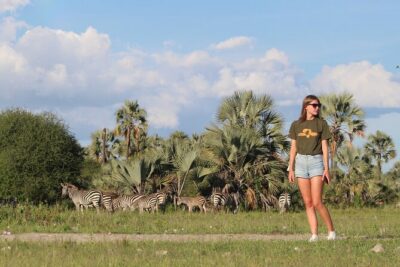
5-Day Highlights mid-Range Crater, Serengeti, Tarangire
Read our review →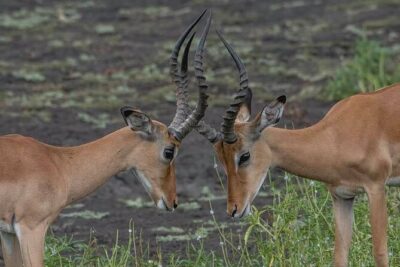
Private 6-Day Tarangire Manyara Crater and Serengeti with Mid-Range Lodges
Read our review →
5 Days Camping Tarangire, Serengeti & Ngorongoro crater & Visiting Maasai
Read our review →Browse the lists this tour appears in