
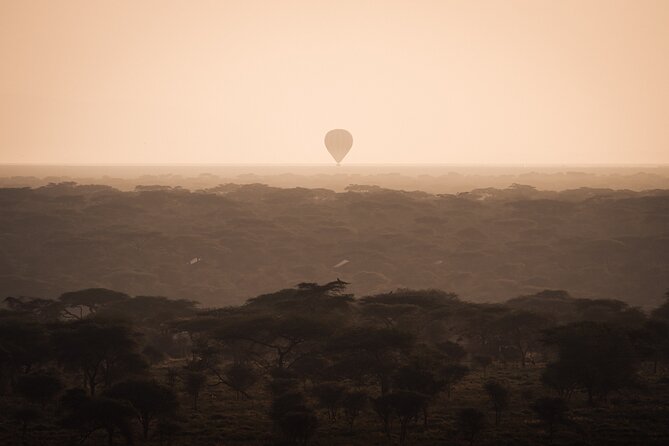
Reviewed · SERENGETI SAFARIS
3 days to Serengeti NP and Ngorongoro Crater Tour in Tanzania
That first day drive into Serengeti feels like a movie. This 3-day safari links Serengeti National Park with the Ngorongoro Crater for big animal energy, plus an overnight camping stop. You start early from Arusha, then get your crater morning, where the black rhino search is the whole point.
Two things I really like here: you get serious time for game drives across two ecosystems, and you also visit a hippo habitat without turning the trip into a checklist. The other nice touch is the small group size, up to 7, which keeps things easier when you are tracking wildlife and navigating long drives. One thing to consider, the itinerary is tight, so you will spend a lot of the clock traveling between parks, not just sitting still in one place.
In This Review
- Key highlights worth planning around
- Why This 3-Day Serengeti and Ngorongoro Plan Works From Arusha
- Getting From Arusha Into Serengeti: The Long Drive and Early Start
- Game Drive Days in Serengeti: Plains, Kopjes, and a Hippo Habitat Stop
- Crossing Into the Ngorongoro Conservation Area and Simba Campsite Night
- Crater Descent for Black Rhino and Game Drive Timing on the Floor
- Food, Small Group Size, and What the Price Covers
- Practical Tips to Make This Safari Feel Easier
- Should You Book This 3-Day Serengeti and Ngorongoro Safari?
Key highlights worth planning around
- Small group safari (max 7), easier pacing for game drives and crater logistics
- Serengeti game drives across the southern, central, and Seronera areas
- Hippo habitat stop adds a different wildlife feel beyond the plains
- Simba Campsite overnight in the Ngorongoro Conservation Area for crater day momentum
- Early crater descent focused on finding black rhino, with realistic expectations for spotting
- English-speaking driver/guide plus park fees and meals handled for you
Why This 3-Day Serengeti and Ngorongoro Plan Works From Arusha
If you only have three days, this tour makes a smart trade. You do not try to cover every corner of Tanzania. Instead, you focus on the two places most people picture when they think of safari in the north, then you add a camping night inside the Ngorongoro area so you can go for the crater early.
The value is not just that you hit famous parks. It is the flow. You drive from Arusha into the south part of Serengeti via Ngorongoro gate, do game drives while you are in the area, then work your way toward Ngorongoro for a crater-centered day 3. That rhythm matters, because safari time is short and animal sightings are unpredictable.
You are also not left doing the paperwork. Park fees are included, meals are included for three breakfasts, three lunches, and dinner, and you get a mobile ticket. Pickup is offered, which helps if you do not want to manage local transport while you are already tired from travel.
The one practical downside is the schedule is full. Day 1 includes a long drive to reach Serengeti, then you go straight into exploring. If you are the type who needs a slower pace, you might feel the days start running together.
More Serengeti safaris:
- Balloon Safari & Bush Breakfast in Serengeti – Miracle Experience
★ 5.0 · 1,646 reviews - 3 Days Serengeti & Ngorongoro Group Camping Safari
★ 5.0 · 574 reviews - 5-Day Highlights mid-Range Crater, Serengeti, Tarangire
★ 5.0 · 296 reviews
Getting From Arusha Into Serengeti: The Long Drive and Early Start
Day 1 begins with the kind of timing that signals safari days ahead. After breakfast around 7:30 a.m., you are picked up around 8:00 a.m. Then you drive about 6 hours for roughly 335 km into the south part of Serengeti National Park, passing through Ngorongoro gate.
That drive can be tiring, but it is also part of the experience. You are repositioning from highland Arusha into the country where the plains stretch out and animals move differently than they do around town. If you want the best chance at sightings, getting into the park early is a real advantage, because wildlife patterns and visibility can shift as the day progresses.
A small detail that affects how you feel on day 1: the tour is built around longer days and game drives rather than late starts. If you are prone to motion sickness, pack what helps you. If you hate sun on long drives, plan to cover up and use sunscreen anyway, because open-air time is common during game viewing.
One more thing to expect: driving between regions means you spend time watching the scenery roll by. Still, the goal is to get you into the park fast enough for the best use of your limited days.
Game Drive Days in Serengeti: Plains, Kopjes, and a Hippo Habitat Stop
Your Serengeti time is split across day 1 and a half day on day 2, with an additional on-route game drive while heading toward Ngorongoro. That combination gives you variety, not just one long straight drive and hope.
In Serengeti, you are exploring the southern, central, and Seronera Valley areas. This is classic “endless plains” territory. Even the local naming reflects that sense of openness, with Maasai calling it Serengit, land of endless plains. When you are out there, you can see why grazers and browsers like wide open grassland. You also get the dotted acacia look around Seronera, where groups of rocky outcrops show up as kopjes. Those rocky islands matter, because they break up the plain and create spots where animals pause, rest, or scan for movement.
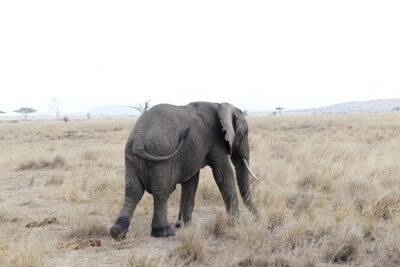
The wildlife focus is explicit. You are likely to run into wildebeest, zebra, Coke’s hartebeest, waterbuck, Grant’s and Thomson gazelle, and impala. The point of targeting this area is that it is built for sightings. On a good day you can compare herds grazing in open grassland with animals lingering closer to cover.
Then there is the hippo habitat visit. Serengeti is often pictured as big cats and migration, but hippos tell a different story. When you add a hippo stop, you are balancing the day with wildlife that moves and feeds around water, not just out on the plains. It is a great mental switch. And it helps you notice more than one kind of “wildlife rhythm.”
What might feel challenging? Serengeti sightings depend on where animals are that day, and the half-day portion means you are not going deep into one single zone for hours. If you are chasing one specific animal, you may need a longer safari for higher odds. If your goal is the overall experience, the format is strong.
Crossing Into the Ngorongoro Conservation Area and Simba Campsite Night
Day 2 is where the safari starts feeling more like a journey than a single-location outing. You depart for a half day game drive in Serengeti, using a lunch box setup, then you head toward the Ngorongoro Conservation Area. You still get game viewing along the way, so you are not simply transferring by bus or rushing through.
When you arrive in the Ngorongoro area, you check in at Simba Campsite for dinner and an overnight stay. That matters more than it sounds. Staying inside the area means day 3 can be an early start with less scrambling. You are also already in the right zone mentally, because crater day is not the time to be thinking about logistics.
Camping overnight also changes the pacing. Instead of returning to a town at the end of the day, you end with the “out there” feeling. You will want a practical mindset: warm layers for evenings, basic personal items ready to go, and a willingness to accept that comfort is different out in the bush than it is in a city hotel.
If you are traveling as a family or a small group, this is another place where the max 7 size helps. Fewer people means easier coordination for meals, timing, and vehicle management.
Overall, day 2 is the bridge. It takes you from plains game viewing into the crater world, where visibility and animal behavior change because you are on a bowl shaped landscape.
More Ngorongoro Crater trips:
- 5 Days Camping Tarangire, Serengeti & Ngorongoro crater & Visiting Maasai
★ 5.0 · 229 reviews - 4 Days Join Group tour Tarangire Serengeti and Ngorongoro crater
★ 5.0 · 219 reviews - 4-Day Safari from Arusha: Tarangire, Serengeti and Ngorongoro
★ 5.0 · 173 reviews - 2 Days Tarangire and Ngorongoro Group Camping Safari
★ 5.0 · 146 reviews
Crater Descent for Black Rhino and Game Drive Timing on the Floor
Day 3 is the reason you chose this itinerary. After early breakfast, you descend the crater for a focused search for black rhino. The tour frames it realistically: black rhino are the hardest to spot, and because Ngorongoro is a floor crater, many animals are easier to spot once you are down at the crater level.
That detail is important for your expectations. A crater changes how animals appear, and it changes how the guide reads the terrain. When the tour is designed around crater descent, it is not just scenery. It is the practical positioning that improves sightlines.
Your day is structured too. You descend in the morning, then after lunch you do another game drive and ascend the crater back toward the campsite area to pack and return to Arusha town.
Two practical notes for you here. First, bring patience. Even in a well planned safari, rhino spotting is never guaranteed. Second, listen to your guide about movement and quiet behavior. In crater country, small decisions can be the difference between a clear sighting and a missed one.
If you want the most value from day 3, focus less on rushing through the crater views and more on using your time for animal tracking and repositioning. The crater is where your “serious safari” moments are most likely to land.
Food, Small Group Size, and What the Price Covers
The advertised price is $800 per person. On a three-day circuit, that is not a bargain price, but it can be good value if you compare it to what safari costs usually include. Here, the tour covers the core expenses that tend to add up fast on your own.
What is included:
- Dinner
- Three breakfasts and three lunches
- Professional driver/guide in English
- All park fee
- Pickup is offered
- Mobile ticket
That means you are not paying park entry separately, and you are not trying to source meals between long drive legs. For many people, that alone is worth a lot. Safari days already cost time and energy, and meal and entry hassles are the last thing you want to add.
The group size is also a standout practical plus. Maximum 7 travelers keeps the vehicle less crowded and helps with timing at viewing spots. It is easier for the guide to manage everyone, and it is easier for you to hear directions and coordinate.
There is also a human factor. The tour provider, Safari G.O.A.T.S, has guides known for being personable and clearly tuned into the area and wildlife. One guide named Eddy comes up for being very knowledgeable and taking care of the group. Even if you do not get Eddy specifically, it tells you what standard the operator seems to aim for.
The main thing you should budget separately: tipping. Tipping is not included, so make sure you plan for it. Also, visas are not included, so handle that before you go.
Practical Tips to Make This Safari Feel Easier
You can make this tour smoother with a few smart choices. They sound basic, but they matter on a three-day run with early starts and big driving days.
1) Pack for long sun days and cooler early mornings
You are starting early, then spending hours outside for game drives. Bring sunscreen, sunglasses, and a hat. Add a light layer for early and evening air, especially with camping overnight.
2) Bring your own small comfort upgrades
Even with meals handled, you will appreciate snacks for between drives and a reusable water bottle if allowed. You will also want a phone camera plan, because you will be stopping and repositioning frequently.
3) Binoculars help more than you expect
A lot of the excitement is spotting animals at the edges of visibility. Binoculars can turn distant movement into something you can track.
4) Manage your expectations on black rhino
Day 3 includes a rhino search, but the tour itself notes black rhino are hardest to spot. Treat it as a guided effort, not a promise. Your best move is to stay alert, patient, and ready when opportunities appear.
5) Plan your energy like a trip, not a marathon
Three days is enough for unforgettable moments, but it is not enough for a slow travel rhythm. If you can, set the mindset that day 1 and day 2 are about getting into position and building sightings, while day 3 is the payoff focus.
Should You Book This 3-Day Serengeti and Ngorongoro Safari?
I would book this if you want a high-impact safari that hits Serengeti plains and Ngorongoro crater within three days, without making you handle park fees, meals, or day-to-day logistics. The inclusion of meals, park fees, English guidance, and a camping night at Simba Campsite makes it feel organized and value-focused.
You should think twice if you hate early starts or you want a slower pace with more time in one area. This is a “see the highlights fast” style of safari. It is not a slow wander through one park.
If your priority is classic Serengeti wildlife country plus a crater day built around black rhino searching, this tour fits that goal well.
Just posted around Arusha
- 8 Days Serengeti Migration safari★ 5.0 · 11 reviews
- tarangire & ngorongoro 2 days tour★ 5.0 · 14 reviews
- serengeti, ngorongoro & tarangire 4 days private tour★ 5.0 · 18 reviews
- tarangire, ngorongoro & lake manyara park 3 days private tour★ 5.0 · 11 reviews
- climb the KILIMANJARO via Lemosho route★ 5.0 · 4 reviews
- Mt. Kilimanjaro: Shira plateau to Cathedral point 3872m Day hike★ 5.0 · 7 reviews
- serengeti & ngorongoro 3 days private tour★ 5.0 · 15 reviews
- Kilimanjaro Waterfalls Hike & Moshi Hot Springs Day Trip Tour★ 5.0 · 4 reviews
Serengeti Safaris, compared.
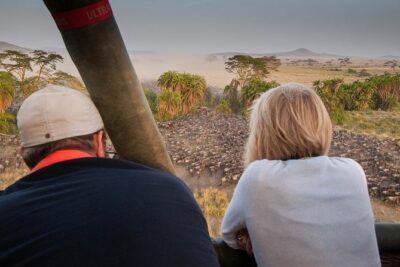
Serengeti Balloon Safari and authentic bush breakfast
Read our review →
Balloon Safari & Bush Breakfast in Serengeti – Miracle Experience
Read our review →
3 Days Serengeti & Ngorongoro Group Camping Safari
Read our review →
5-Day Highlights mid-Range Crater, Serengeti, Tarangire
Read our review →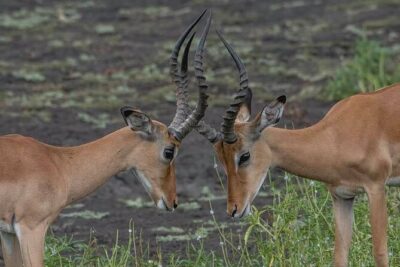
Private 6-Day Tarangire Manyara Crater and Serengeti with Mid-Range Lodges
Read our review →
5 Days Camping Tarangire, Serengeti & Ngorongoro crater & Visiting Maasai
Read our review →Browse the lists this tour appears in