
Reviewed · SERENGETI SAFARIS
3 Days Serengeti & Ngorongoro Tour
Serengeti feels endless, and Ngorongoro feels like a secret bowl. This 3-day safari packs game drives in two UNESCO World Heritage parks plus camping with full board into a tight schedule that works if you have limited time. With a maximum group size of 6, you get more focus from your guide, and less time stuck waiting on the back row.
What I like most is the combo of Seronera Valley sightings plus the dramatic crater rim and crater views, all without the stress of juggling hotels. The other big win is the small-group attention, which shows up in the way guides talk about what you are seeing and where to look next. One thing to consider, though, is that this is fast paced by design, so you will spend long stretches in the vehicle and you may not get every animal you dream about.
You start with pickup near Kilimanjaro, then you work your way from the broad Serengeti grasslands into Ngorongoro’s enclosed ecosystem. It is a classic Tanzania safari route, just compressed into 3 days with the practical parts handled for you.
In This Review
- Quick Takeaways
- Serengeti and Ngorongoro in 3 Days, Does It Really Work?
- Group Size, Camping, and the Comfort Reality Check
- Day 1 in Serengeti: Kopjes, Seronera Valley, and Big Cats Looking Right Back
- Day 2: Serengeti Game Drive to Ngorongoro Rim Camping
- Day 3 Inside Ngorongoro: A Caldera That Concentrates Wildlife
- Why the Small Group Changes the Safari Feel
- Value for $800: What You Are Paying For, and What You Are Not
- Practical Packing and Safari Habits That Pay Off
- Who Should Book This Serengeti and Ngorongoro Tour
- A Note on Service: Mostly Praise, With a Few Red Flags
- Should You Book This 3-Day Serengeti and Ngorongoro Safari?
- FAQ
- What parks are included on this 3-day safari?
- Where is the safari starting point?
- How many people are in the group?
- Is pickup offered?
- What kind of accommodation and meals are included?
- Are admission tickets included?
- What is the duration and schedule like?
- How does cancellation work?
Quick Takeaways
- Up to 6 people: you get more eyes on the spotting and more time for questions
- Two UNESCO parks in 3 days: Serengeti National Park and Ngorongoro Conservation Area
- Camping plus full board: you sleep in tents and eat well without hunting for meals
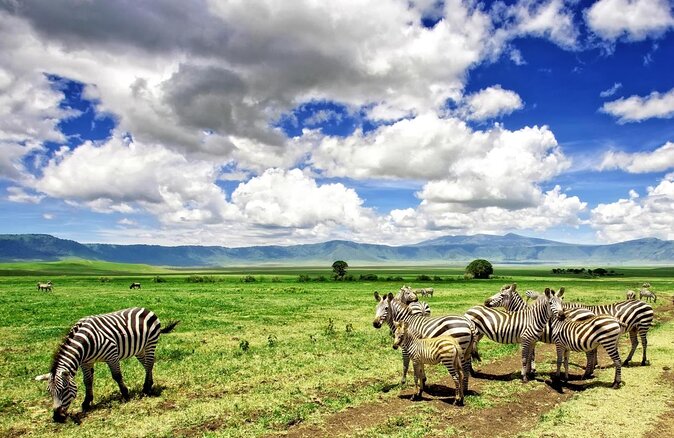
- Seronera Valley is the star zone: wildebeest, zebra, lions, and big cats are common here
- Big Five odds inside Ngorongoro: the crater can concentrate wildlife fast
Serengeti and Ngorongoro in 3 Days, Does It Really Work?
It can, if you keep your expectations realistic. This tour is built for people who want the core safari experience, not a slow, multi-stop marathon. You cover two of the most famous ecosystems in Tanzania, which is exactly what you want when time is short.
The pacing also makes sense for wildlife. Serengeti is about scanning wide space for motion, and Ngorongoro is about reading a contained landscape where animals gather. You go from “endless plains” views to a crater drive where biodiversity can show up quickly.
The small-group size matters. With only a handful of people, you tend to feel like the guide is driving for your group, not for a giant busload of strangers. That usually means better spotting angles, fewer delays, and faster course corrections when animals move.
More Serengeti safaris:
- Balloon Safari & Bush Breakfast in Serengeti – Miracle Experience
★ 5.0 · 1,646 reviews - 3 Days Serengeti & Ngorongoro Group Camping Safari
★ 5.0 · 574 reviews - 5-Day Highlights mid-Range Crater, Serengeti, Tarangire
★ 5.0 · 296 reviews
Group Size, Camping, and the Comfort Reality Check
This safari includes camping accommodation and full board, which is a big value point for the price you pay. You are not just looking at nature, you are living it, tent-to-dinner-to-bed, in the middle of the safari routine.
From the feedback I saw, people often praise the food and the cooking team. Names that came up include chef Dadri and chef Raymond, and another chef called Safiri. Guides also get frequent credit, with Francis, Dio, Amani, and Bakarai showing up in multiple positive notes.
Comfort is usually “camp comfort,” not hotel comfort. Still, the reviews mention comfortable mattresses and tents that feel roomy. If you are the type who packs for camping anyway, you will likely feel fine. If you hate sleeping outdoors, you should mentally prepare for that tradeoff.
One practical point: camping in safari areas often means you will be awake to the day’s schedule. You should plan on an early start, and you should also pack for cool mornings and warm afternoons. You cannot rely on the day staying the same.
Day 1 in Serengeti: Kopjes, Seronera Valley, and Big Cats Looking Right Back
Day 1 is Serengeti National Park, and you start with the setting that makes this place famous. The name Serengeti comes from the Masai word Siringitu, often explained as endless plains. You get that “grassland savannah to the horizon” feeling, with kopjes breaking up the view.
Kopjes are those odd rock outcrops that rise like islands in the grass. They form as granite weathers, and they matter because wildlife uses them for shade, vantage points, and movement corridors. If you see lions or leopards, those rocks are often part of the story.
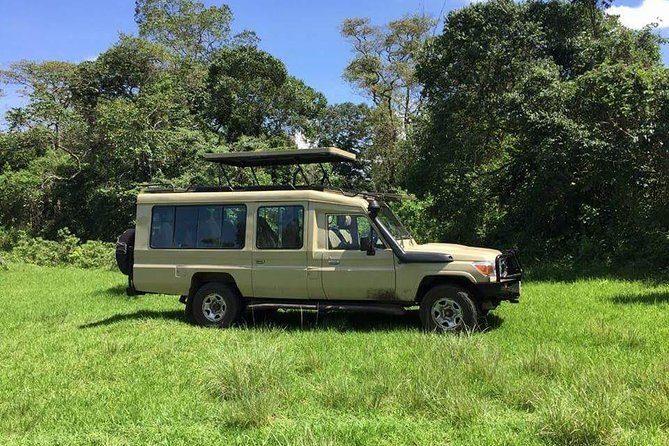
In many safaris, “seeing big cats” is mostly hope. Here, you get a serious chance because Seronera Valley is a key area for wildlife sightings, especially big cats hunting or resting. The tour setup uses vehicles where you can look out from above, which can improve spotting and photos.
At the end of the day, you camp in the central Serengeti area, with Seronera Valley as your base. That matters because you are not doing a giant back-and-forth commute. You are in the action zone for the next morning’s drives.
What can be tricky on Day 1 is the sheer amount of looking you do. Your eyes will bounce between grass movement, trees, and rock breaks. Bring binoculars if you have them, and don’t forget that sometimes the best sightings happen when you slow down and let your eyes adjust.
Day 2: Serengeti Game Drive to Ngorongoro Rim Camping
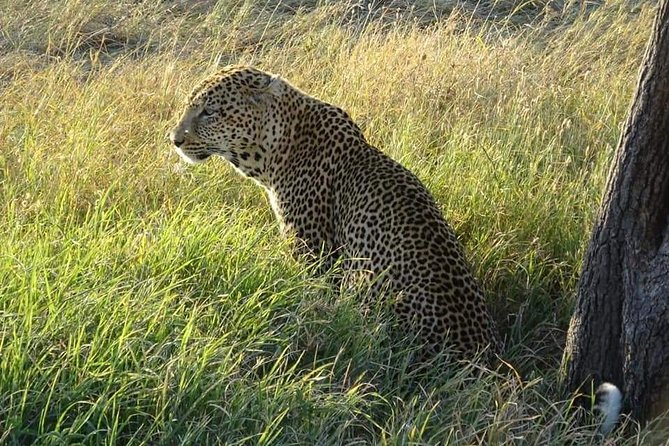
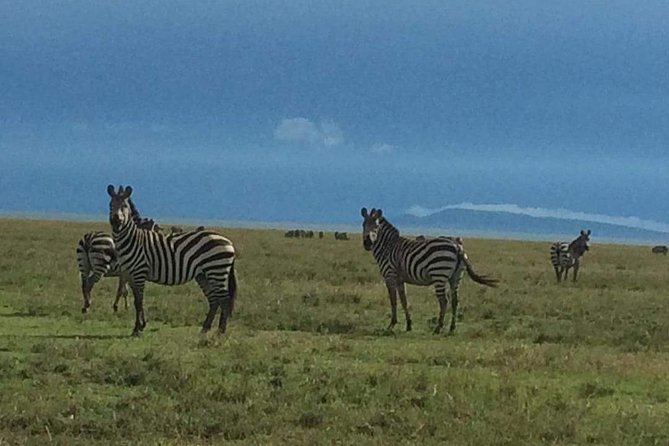
Day 2 starts with another round of Serengeti driving after breakfast. In Seronera Valley, you can encounter hundreds of wildebeest and zebras, plus lions and other big cats such as leopards and cheetahs. You are not guaranteed any one animal, but the density here makes your odds better than places with more scattered sightings.
You also stop for lunch at a picnic site. That is a practical break from the vehicle, and it helps you stay focused instead of burnt out by the long hours. After lunch, the plan shifts toward Ngorongoro.
Approaching the crater rim is the moment a lot of people remember. The caldera opening up in front of you makes the whole route feel real, like you just turned a corner into a different world. Then you reach the edge and camp overnight with the view as the sun goes down at Simba campsite.
Even if you are not a sunset person, this part helps. Watching light change over the crater rim gives you a quick sense of how Ngorongoro “works.” It is not just a scenic viewpoint, it is a clue to where animals will be at different times.
Consider a possible drawback here: drives between parks take time. You spend a lot of the day in transit, and you will feel it if you are not comfortable sitting for long stretches.
More Ngorongoro Crater trips:
- 5 Days Camping Tarangire, Serengeti & Ngorongoro crater & Visiting Maasai
★ 5.0 · 229 reviews - 4 Days Join Group tour Tarangire Serengeti and Ngorongoro crater
★ 5.0 · 219 reviews - 4-Day Safari from Arusha: Tarangire, Serengeti and Ngorongoro
★ 5.0 · 173 reviews - 2 Days Tarangire and Ngorongoro Group Camping Safari
★ 5.0 · 146 reviews
Day 3 Inside Ngorongoro: A Caldera That Concentrates Wildlife
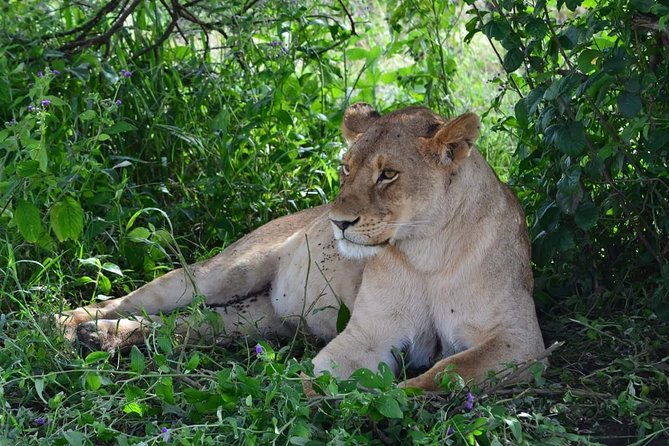
Ngorongoro is where the safari becomes intense in a good way. After an early breakfast, you drive down into the crater. Ngorongoro Crater is described as the largest unbroken caldera, and what that means in practice is that the environment holds animals in a smaller space.
The crater’s mix of grass steppe and acacia woodlands supports a wide range of species. The tour notes that you can find almost all East African savannah species, with some exceptions such as topis, giraffes, and impalas. That is useful information because it helps you calibrate what you are likely to see.
The highlight pitch is Big Five potential. The tour describes that within a couple of hours, you can often observe Big Five species, including lion, elephant, buffalo, rhino, and leopard. In real safari life, “often” still means you should keep your hopes up and stay flexible. Wildlife moves. Your best tool is time spent calmly scanning and listening to the guide’s instructions.
Once your crater driving is done, you head back toward Arusha for overnight. The schedule then allows for a flight back at night the same day, or the next day. That is a helpful option if you are planning your Tanzania trip around flight times.
Why the Small Group Changes the Safari Feel
A safari can feel either like a tight experience or like a shuffle. With a maximum of 6 travelers, you tend to get the second one less often. In a group that size, the guide can manage positioning more smoothly, and it is easier to spread out for a better sight line.
Small groups also tend to make wildlife learning easier. One of the highlights is learning about the local ecosystem from your guide. When the group is small, your questions get answered in context, not as quick generic tips.
The reviews also emphasize how helpful and responsive the company owner is. Humphrey is repeatedly mentioned by name as quick to answer questions and supportive with changes. That kind of communication matters because safari logistics often shift based on conditions, not just schedules.
Guides are also praised for professionalism and safe driving. Names like Francis and Dio show up often, and the pattern is consistent: people describe guides who do everything they can to find animals and keep the experience smooth.
If you are the type who hates feeling rushed, this is one reason to like this format. You may still feel “time is short,” but you usually feel less “you are one of many.”
Value for $800: What You Are Paying For, and What You Are Not
At $800 per person, this tour is not a bargain-basement deal, but it also does not look overpriced for what is included. You are getting two major parks, camping with full board, and admission tickets are listed as free.
The value equation here is simple. If you tried to replicate this independently, you would still pay for vehicle time, guiding, and camping logistics. Plus, you would need to arrange coordination between Serengeti and Ngorongoro so you are not wasting half your trip solving problems.
Another value lever is the small group size. Big, shared safari groups can reduce price, but they can also reduce attention. Paying a bit more for a group cap of 6 can be worth it if you care about finding animals efficiently and learning as you go.
What you are not paying for is a luxury hotel stay at every step, because the included model is tent camping. If you want guaranteed private comforts, you should compare against higher-end lodge safaris.
Also, since the trip is only 3 days, you are paying for focus on two parks rather than slow depth in each one. If you love researching behavior and spending long hours in one place, you might find 3 days short. If you want the big highlights without a long timeline, the compressed format is the point.
Practical Packing and Safari Habits That Pay Off
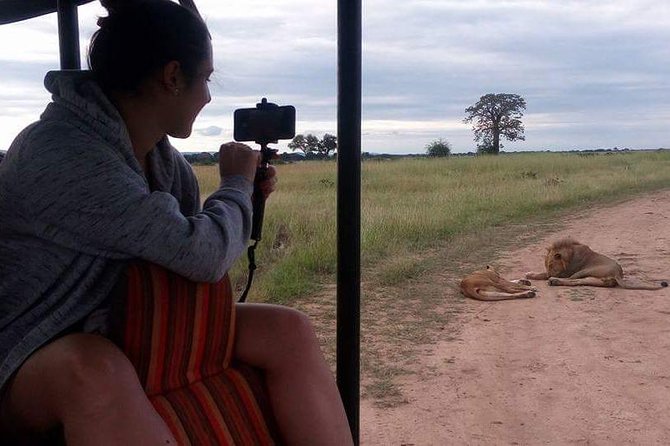
If you do only a little prep, do these things. They help you enjoy the ride and improve your spotting.
- Bring light layers for mornings and evenings. Safari days can swing temperature.
- Pack sunscreen and a hat, but also keep sunglasses handy for glare.
- Use binoculars if you have them. If you do not, rely on the guide’s positioning and slow scanning.
- Expect dust. Even if the road looks calm, you will still get dusty.
- Bring comfortable, closed-toe shoes for the tent camp routine and short walks.
During drives, give the guide your full attention when they stop. Animals often reveal themselves right after you think you have nothing. That is especially true in Ngorongoro, where visibility can change quickly with light and distance.
Finally, be flexible in your expectations. This is a wildlife safari, not a checklist parade. The route is structured, but animals are not.
Who Should Book This Serengeti and Ngorongoro Tour
I think this safari is best for you if:
- You want Serengeti plus Ngorongoro without losing days to extra transfers
- You like group learning and want a guide who can focus on you
- You are comfortable with camping and you value good food and sleep over luxury furniture
- You want a strong chance of big-cat sightings and Big Five opportunities within limited time
It may not be the best fit if:
- You hate early starts and long vehicle days
- You require lodge-level comfort every night
- You expect certainty. Wildlife sightings are always dependent on movement and timing
Also, keep an eye on your own priorities. If you care most about seeing rhinos or leopards, you should know those sightings can be variable even when the odds are good.
A Note on Service: Mostly Praise, With a Few Red Flags
The overall rating is high, with 95% recommended and strong scores across many individual comments. The most praised themes are personal attention, responsive leadership from Humphrey, and the quality of guides and chefs like Francis, Dio, Amani, Bakarai, and cooking support from people such as Dadri, Raymond, and Safiri.
Still, there is at least one negative note that calls out poor service, without giving enough detail in the excerpt to diagnose the exact issue. My advice: before you go, confirm key things directly with the provider, especially pickup timing, vehicle arrangement, and who will be your guide and chef. That is good practice for any safari, and it reduces the chance of unpleasant surprises.
Should You Book This 3-Day Serengeti and Ngorongoro Safari?
If your goal is Tanzania wildlife in a short window, I would book this type of tour. You get two UNESCO World Heritage sites, tent camping with full board, and a driving plan built around real wildlife zones like Seronera Valley and the Ngorongoro crater environment.
Book it if you want efficient safari days and you are happy trading hotel luxury for the real outdoors experience. Also book it if you value a small group because it tends to improve both learning and spotting.
Skip it if you want a slower pace, expect guaranteed Big Five sightings, or you want lodge comfort over camping. Safari is living nature, not a stage show, so the best move is matching your expectations to the format.
If you do decide to go, pack for early mornings, dust, and outdoor living, and then lean into the guide’s instructions. The crater and the plains reward patience, and with this small-group setup, you are positioned to enjoy both.
FAQ
What parks are included on this 3-day safari?
You visit Serengeti National Park and the Ngorongoro Conservation Area (including Ngorongoro Crater).
Where is the safari starting point?
The start is listed as Kilimanjaro International Airport, with the address shown as Kilimanjaro Airport Rd, Tanzania.
How many people are in the group?
The tour has a maximum of 6 travelers.
Is pickup offered?
Yes, pickup is offered.
What kind of accommodation and meals are included?
The tour includes camping accommodation and full board.
Are admission tickets included?
Admission tickets are listed as free for the safari days.
What is the duration and schedule like?
The tour is about 3 days, including game drives and camping. The plan includes camping in Serengeti on Day 1, camping at the crater edge at Simba campsite on Day 2, then crater driving and return toward Arusha on Day 3, with a flight back at night or on the second day.
How does cancellation work?
You can cancel for a full refund if you cancel at least 24 hours before the experience start time. If you cancel less than 24 hours before, the amount you paid is not refunded.
Just posted around Arusha
- 8 Days Serengeti Migration safari★ 5.0 · 11 reviews
- tarangire & ngorongoro 2 days tour★ 5.0 · 14 reviews
- serengeti, ngorongoro & tarangire 4 days private tour★ 5.0 · 18 reviews
- tarangire, ngorongoro & lake manyara park 3 days private tour★ 5.0 · 11 reviews
- serengeti & ngorongoro 3 days private tour★ 5.0 · 15 reviews
- climb the KILIMANJARO via Lemosho route★ 5.0 · 4 reviews
- Mt. Kilimanjaro: Shira plateau to Cathedral point 3872m Day hike★ 5.0 · 7 reviews
- 2 Days Tanzania Midrange Group Join Safari★ 5.0 · 7 reviews
Serengeti Safaris, compared.
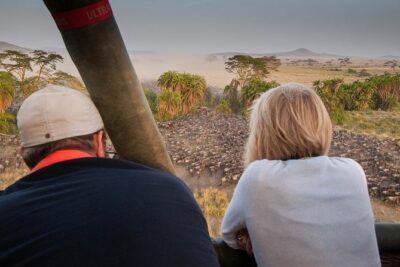
Serengeti Balloon Safari and authentic bush breakfast
Read our review →
Balloon Safari & Bush Breakfast in Serengeti – Miracle Experience
Read our review →
3 Days Serengeti & Ngorongoro Group Camping Safari
Read our review →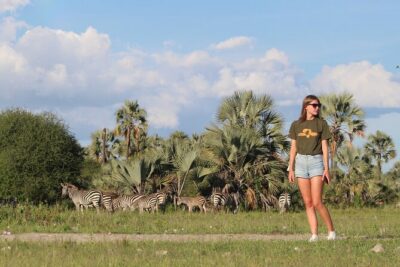
5-Day Highlights mid-Range Crater, Serengeti, Tarangire
Read our review →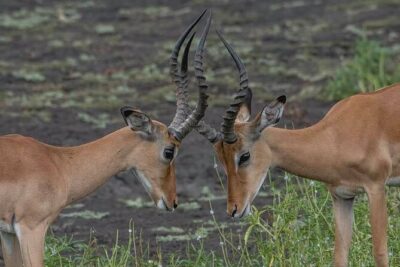
Private 6-Day Tarangire Manyara Crater and Serengeti with Mid-Range Lodges
Read our review →
5 Days Camping Tarangire, Serengeti & Ngorongoro crater & Visiting Maasai
Read our review →Browse the lists this tour appears in