
Reviewed · SERENGETI SAFARIS
3 Days /2 nights Serengeti and Ngorongoro crater
Two safari legends in three days is rare. I especially like the Serengeti Seronera area around the Seronera River for strong wildlife odds, and the way guides such as Mandela can explain behavior and then pinpoint animals. Camp nights come with a real consideration, you might find rented sleeping bags too cold, with a zipper that does not close well.
Pick up is at Shoppers Supermarket in Arusha, with departures in the early 6:00 AM to 7:00 AM window. The group stays small, up to 6 travelers, and you get a mobile ticket, which makes check-in easier.
At $820 per person, the value comes from packing in major park time plus breakfasts, lunches, and dinners and all fees and taxes, while airfares and insurance are on you. Your schedule is tight, with long driving days, so you need to enjoy the ride as much as the viewing.
In This Review
- Key highlights worth clocking
- How this 3-day Serengeti and Ngorongoro safari actually feels
- Price and value: what $820 covers, and where costs can sneak in
- Day 1 in Serengeti: Seronera River, lunch timing, and the afternoon drive
- What to set expectations for on Day 1
- Day 2 to Ngorongoro Crater: morning sightings and the drive with game time
- Ngorongoro Crater basics you should know before you arrive
- Day 3 in Ngorongoro: crater descent, lunch box, and the crater-floor picnic
- A reality check on “packed” wildlife viewing
- Where this safari tends to earn trust
- Possible drawback: camping comfort and the “hidden” comfort items
- Possible red flags: how to protect yourself before you commit
- Who this tour is best for (and who should consider another option)
- Should you book this Serengeti and Ngorongoro crater package?
- FAQ
- Where does this tour start?
- What time does the pickup depart?
- How long is the safari?
- How many people are in the group?
- Are meals included?
- Is park admission included?
- Is pickup offered?
- What should I bring for this safari?
- What is not included in the price?
- What is the cancellation policy?
Key highlights worth clocking
- Seronera River focus in Serengeti: This central area is built around a reliable water source that pulls animals in.
- A guide who tracks and teaches: One standout example is Mandela, praised for explaining animal behavior and finding wildlife.
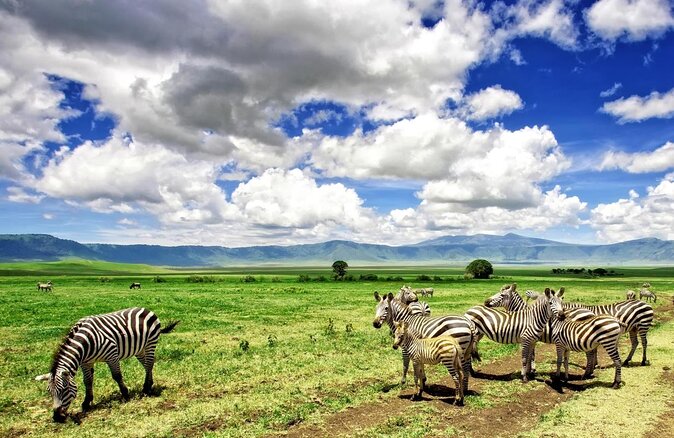
- Ngorongoro crater wildlife density: The crater supports an estimated 30,000 animals in a compact space.
- Black rhino presence, but not a promise: The crater is home to some of Tanzania’s last remaining black rhino.
- Campsite nights: Two nights on-site keeps the timing efficient, and also means you should plan for cool sleeping gear.
- Small-group pace: Maximum group size is listed as 6 travelers, which often helps with coordination in busy parks.
How this 3-day Serengeti and Ngorongoro safari actually feels
This is a fast-hit safari that strings together two of Tanzania’s biggest safari draws. In just 3 days, you move from the endless Serengeti plains to the dramatic bowl of Ngorongoro Crater, with game drives on most parts of the schedule.
The biggest reason this trip works is the structure. Day 1 is designed to get you into Serengeti central time, Day 2 is built around getting to Ngorongoro with another wildlife-focused drive, and Day 3 is the crater day with a lunch on the crater floor. You are not “passing through.” You are there to watch, with your days carved up for sightings and meal breaks.
The other reason I like this format is clarity. You always know what you are doing next: breakfast, drive, game drive, lunch, then another shift of driving or crater time. Even if you get tired, the plan keeps you from wondering what’s happening.
More Serengeti safaris:
- Balloon Safari & Bush Breakfast in Serengeti – Miracle Experience
★ 5.0 · 1,646 reviews - 3 Days Serengeti & Ngorongoro Group Camping Safari
★ 5.0 · 574 reviews - 5-Day Highlights mid-Range Crater, Serengeti, Tarangire
★ 5.0 · 296 reviews
Price and value: what $820 covers, and where costs can sneak in
At $820 per person, the value is mainly about what you do not have to juggle. The package includes all fees and taxes, plus multiple meals: breakfast is listed for 2 days, lunch for 3 days, and dinner for 2 days. That matters because safari food inside park areas is not cheap when you pay day-by-day.
It also helps that the itinerary notes park admission as free on Day 1 and Day 3, and included on Day 2. Even if you do not memorize those details, it signals that the package is built to handle the major park cost rather than leaving you to pay at the gate.
What is not included is equally important. Airfares and travel insurance are not included, and tips and personal items are your responsibility. If you are budgeting, I suggest you plan for:
- A day or two of tipping to the guide and camp staff
- Any personal purchases at stops
- Your own travel insurance, especially if you are worried about schedule disruption or safari-day logistics
If you want a simple rule, here it is: this price is best for you if you want to minimize planning headaches and get a structured route through Serengeti and Ngorongoro on a short timeline.
Day 1 in Serengeti: Seronera River, lunch timing, and the afternoon drive
Day 1 starts with an early push out of Arusha. You drive through the high-lying farmland of Karatu and the Ngorongoro Conservation Area before dropping toward Serengeti. That transition is more than scenic for photos. It also gives you a smoother sense of “we are getting closer,” because the scenery shifts as you head down toward the park.
Once you reach Serengeti, you head to the central park area known as Seronera. This part is highlighted for one big reason: the Seronera River acts as a water anchor, drawing wildlife and supporting a lot of the species you came for.
You arrive in time for lunch, then you go out for an afternoon game drive. I like the afternoon timing because it often gives you a strong mix of animal activity without requiring you to be on the road for the entire day. Also, afternoon drives can be easier for jet-lag and early-morning fatigue, since you already hit the park and then get your big viewing time.
Dinner and overnight are at a campsite. That’s a key value piece. You are staying close to where the action is instead of bouncing back and forth. The tradeoff is sleep comfort. Based on feedback from past guests, rented sleeping bags can be a weak point, so you should plan for that possibility rather than assuming you will be toasty all night.
What to set expectations for on Day 1
- You are likely to see plenty, but not every rare animal is guaranteed.
- The goal is a strong first wildlife hit in Serengeti’s central hub, not trying to cover the entire park.
- The afternoon drive is your main viewing window that day, so protect that time and stay focused.
More Ngorongoro Crater trips:
- 5 Days Camping Tarangire, Serengeti & Ngorongoro crater & Visiting Maasai
★ 5.0 · 229 reviews - 4 Days Join Group tour Tarangire Serengeti and Ngorongoro crater
★ 5.0 · 219 reviews - 4-Day Safari from Arusha: Tarangire, Serengeti and Ngorongoro
★ 5.0 · 173 reviews - 2 Days Tarangire and Ngorongoro Group Camping Safari
★ 5.0 · 146 reviews
Day 2 to Ngorongoro Crater: morning sightings and the drive with game time
After breakfast, you go out for a morning game drive. Then you have lunch, and you depart with your lunch to drive to Ngorongoro, including a game drive en-route.
That “en-route” game drive detail is easy to overlook, but it can make a big difference in a short safari. Instead of treating the transfer day as travel only, the day is structured so you keep searching for wildlife while you are moving toward the crater.
Dinner and overnight are at a campsite again. Two campsite nights in 3 days means you should think like a camper, not like a hotel guest. You will likely want:
- Warm layers for the evening hours
- A dry, reliable system for your gear
- Extra patience for the realities of outdoor sleeping
One positive thread from past safari experiences is that the camp setup and equipment can be solid, and cooks can put out genuinely good food. That helps a lot. When your camp experience is comfortable enough, the whole safari feels smoother.
Ngorongoro Crater basics you should know before you arrive
Ngorongoro is a bowl that concentrates animals. The tour information places the crater’s wildlife count at about 30,000 animals, supported by year-round water and fodder. That density is why this crater day is such a big draw.
It is also why you should expect to see a mix of:
- Herbivores such as wildebeest, zebra, buffalo, eland, warthog, and hippo
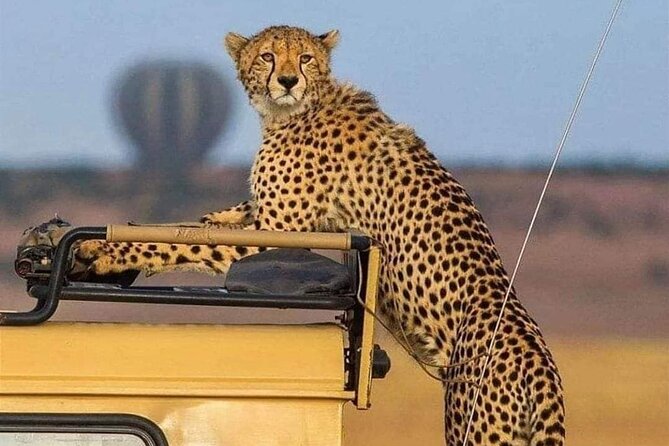
- Predators such as lions, hyenas, jackals, and cheetahs
- The elusive leopard, which is possible but not guaranteed
And then there’s the black rhino angle. The crater is described as home to some of Tanzania’s last remaining black rhino. Still, rhino sightings are never a sure thing on any safari, and past experiences show you may come away seeing almost everything except the rarest animals.
Day 3 in Ngorongoro: crater descent, lunch box, and the crater-floor picnic
Day 3 begins with a descent into Ngorongoro with a lunch box. This is your full-day game drive, meaning the plan is to keep you in crater territory for most of the day.
A highlight here is the crater-floor picnic lunch. It’s not just a meal stop. Eating down on the crater floor while you can look out at wildlife territory helps the whole experience feel grounded and real. It’s also a practical break in the middle of a long day.
Late afternoon, you drive back to Arusha. The tour lists about 6 hours for that day’s driving portion, so this is the day you should plan to be tired, but satisfied. You do not just drive out for an hour and then call it a trip. You spend real time in the crater, then get the return drive scheduled so you end back at the meeting point.
A reality check on “packed” wildlife viewing
The tour information calls Ngorongoro one of the most densely crowded African wildlife areas in the world. That density has two sides.
- The good side: chances for sightings can be higher because animals are numerous in one place.
- The tricky side: animal movement can be unpredictable, and there can be a lot of vehicles seeking the same subjects.
So you want a guide who can manage expectations and vehicle positioning, plus a mindset that says: keep scanning, keep listening to the guide’s clues, and stay calm if an animal you want does not show up on cue.
Where this safari tends to earn trust
This is the part where I separate “nice brochure” from “works in real life.”
The best sign here is the consistent praise for guides who can both explain and locate animals. In particular, Mandela shows up in the story as a guide who understands animal behaviors and can find them. That combo is important. If your guide only knows the facts but cannot read the bush, sightings can feel random. If they only know spotting but cannot explain, the day can feel like busy luck instead of understanding.
Camp logistics also matter. Equipment and tent setup are mentioned positively in past experiences, which helps a lot when you have two nights on-site. And cooks producing good food is not a small detail. On a safari, you are up and out early, you drive a lot, and you need meals that restore you, not just fill you.
That said, you should also pay attention to the existence of one very negative account. It describes broken jeeps at night, issues around park fees not being paid, and a lack of responsibility during a problem. I cannot verify what happened from a single account, but the existence of it is a fair reason to ask your operator hard questions before you go.
Possible drawback: camping comfort and the “hidden” comfort items
The tour includes two nights at campsites. That is part of the value because it saves time and keeps you in position for game drives. But campsite comfort depends heavily on what you bring and what the camp provides.
One concrete comfort issue raised in past feedback was sleeping bag rentals that ran cold, plus a zipper that did not close properly. That tells me you should treat sleeping gear like a real part of the safari, not an afterthought.
If you are sensitive to cold or you want a more predictable sleep, consider bringing your own sleeping bag or a warm sleeping liner, or at least ask what the provided sleeping bag situation is like before departure.
Possible red flags: how to protect yourself before you commit
Here is the balanced approach I recommend for any short safari that includes vehicle transport and park entry handling.
Before you pay or before you travel, ask your operator these practical questions:
- Who handles park fees, and can they provide proof that fees are settled as part of the package?
- What happens if a vehicle breaks down during a game drive, especially during dark hours?
- Who is responsible for rescue or towing, and how is that communicated to you on the ground?
- Confirm your group size at the time of departure, since one past experience described a total of 7 people even though the max is listed as 6.
You are not being difficult. You are being smart. A safari is not the place to learn the process when something goes wrong.
Who this tour is best for (and who should consider another option)
This 3-day route is a great match if you:
- Want two iconic safari areas without spending a full week traveling
- Like a structured schedule that gets you into the parks fast
- Are comfortable with camping nights
- Want a guide who actively helps you find animals, not just drive around
It might be less ideal if you:
- Need luxury hotel comfort every night
- Hate long driving days
- Are very sensitive to cold sleeping conditions and do not want to manage sleeping gear
- Want maximum chance at specific rare animals every day, since even dense areas cannot guarantee sightings
Should you book this Serengeti and Ngorongoro crater package?
I would book it if you want efficiency, a guide who helps you spot animals, and a clear Serengeti-to-crater progression. The route is built for wildlife concentration, and the included meals and fees make it easier to compare value against other safari options.
I would hesitate or investigate more if camping comfort, vehicle reliability, or park-fee handling are major concerns for you. The one very negative report about broken jeeps and unpaid park fees is enough to justify asking tough questions ahead of time. If your operator answers calmly and clearly, you can feel much better about the risk.
If you want a short safari that gives you a real taste of both Serengeti and Ngorongoro, this is a solid choice. Just go prepared for long days, and treat sleeping gear as part of the plan.
FAQ
Where does this tour start?
The tour starts at Shoppers Supermarket in Arusha, Tanzania.
What time does the pickup depart?
The listed opening hours are Monday to Sunday from 6:00 AM to 7:00 AM.
How long is the safari?
It is listed as 3 days (approximately), with 2 nights.
How many people are in the group?
The tour/activity lists a maximum of 6 travelers.
Are meals included?
Yes. Breakfast is included for 2 days, lunch for 3 days, and dinner for 2 days.
Is park admission included?
The itinerary notes admission as free on Day 1 and Day 3, and included on Day 2. The package also lists all fees and taxes as included.
Is pickup offered?
Yes, pickup is offered, and the activity ends back at the meeting point.
What should I bring for this safari?
You should be ready for campsite sleeping. Since sleeping gear comfort has been a concern for some past guests, bring warm sleeping items or plan accordingly.
What is not included in the price?
Airfares, travel insurance, personal items, and tips and gratitudes are not included.
What is the cancellation policy?
Free cancellation is available up to 24 hours in advance for a full refund. If you cancel less than 24 hours before the experience starts, the amount paid is not refunded.
Just posted around Arusha
- 8 Days Serengeti Migration safari★ 5.0 · 11 reviews
- tarangire & ngorongoro 2 days tour★ 5.0 · 14 reviews
- serengeti, ngorongoro & tarangire 4 days private tour★ 5.0 · 18 reviews
- tarangire, ngorongoro & lake manyara park 3 days private tour★ 5.0 · 11 reviews
- serengeti & ngorongoro 3 days private tour★ 5.0 · 15 reviews
- climb the KILIMANJARO via Lemosho route★ 5.0 · 4 reviews
- Mt. Kilimanjaro: Shira plateau to Cathedral point 3872m Day hike★ 5.0 · 7 reviews
- Kilimanjaro Waterfalls Hike & Moshi Hot Springs Day Trip Tour★ 5.0 · 4 reviews
Serengeti Safaris, compared.
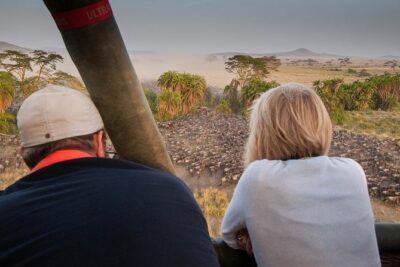
Serengeti Balloon Safari and authentic bush breakfast
Read our review →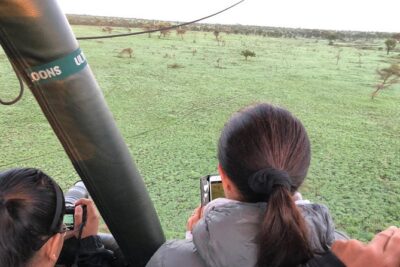
Balloon Safari & Bush Breakfast in Serengeti – Miracle Experience
Read our review →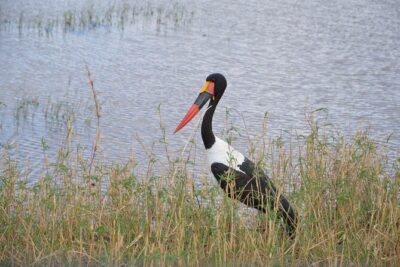
3 Days Serengeti & Ngorongoro Group Camping Safari
Read our review →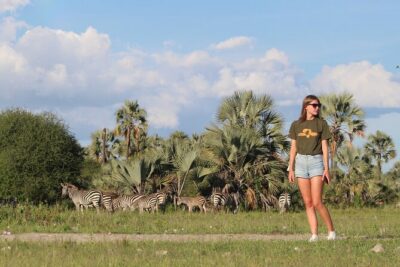
5-Day Highlights mid-Range Crater, Serengeti, Tarangire
Read our review →
Private 6-Day Tarangire Manyara Crater and Serengeti with Mid-Range Lodges
Read our review →
5 Days Camping Tarangire, Serengeti & Ngorongoro crater & Visiting Maasai
Read our review →Browse the lists this tour appears in