
Reviewed · NGORONGORO CRATER TOURS
2 Days Tarangire and Ngorongoro Crater Tour
Two days, one world-class wildlife circuit. This is the kind of safari that makes sense if you’re short on time, because it packs Tarangire or Manyara plus the Ngorongoro Crater into a tight, well-timed trip from Arusha. You’re in a 44 open-roof safari vehicle, so you get real sightlines, not window hunting.
What I like most is the focus on keeping the logistics easy. With meals included and an overnight base in Karatu, the day feels like a nature escape, not a travel project. The second win is the small-group size, max 7, which usually means more patience when animals show up close to the road.
The main drawback is also the honest one: it’s a fast safari. You’ll see a lot, but you won’t have the same slow-breathe pace as longer safaris, so manage expectations if you want hours of driving every single day.
In This Review
- Key Things to Know Before You Go
- Two Parks, One Tight Schedule From Arusha
- Getting Started at 5:30 am: The Arusha Meeting Point
- Tarangire National Park: Elephants and Baobabs First
- Manyara as the Alternative Day One Option
- Karatu Overnight: A Rest Stop That Actually Helps
- Ngorongoro Conservation Area: The World Heritage Big Stage
- Ngorongoro Crater: What to Expect When You Drop Into the Bowl
- Your Safari Vehicle and Small-Group Advantage
- Price and Value: Is $515 Fair for Two Days?
- Who Should Book This 2-Day Arusha Safari?
- Should You Book This Tarangire and Ngorongoro Tour?
- FAQ
- What time does the tour start?
- Where does the tour start and end?
- How long is the safari?
- Which parks will I visit?
- What vehicle is used for game drives?
- What is included in the price for meals and drinks?
- Are entrance fees included for the park stops?
- Is this tour private?
- Can I cancel and get a full refund?
Key Things to Know Before You Go
- Open-roof 44 game viewing for big views and better animal spotting angles
- Tarangire or Manyara pairing with Ngorongoro every time, depending on the exact departure
- Karatu overnight stop so you can rest and set up for the crater day
- Ngorongoro is a real caldera and the crater’s depth makes the experience feel dramatic
- Meals and drinks included: breakfast, dinner, 2 lunches, plus bottled water and soft drinks
- Small groups, max 7, and private-style touring if there are 5 people or more
Two Parks, One Tight Schedule From Arusha
This 2-day safari is built for travelers who want the headline wildlife experiences without eating up a whole week. You start from Arusha, the usual launching pad for northern Tanzania safaris, then you move straight into the two most “signature” areas on many short-lists: Tarangire or Manyara, then Ngorongoro Crater.
The best part for first-timers is that the tour design is practical. You’re not moving in and out constantly, and you’re not relying on guesswork to find meals or transportation between the highlights. Even the timing is geared toward game viewing, with early starts and the kind of route that helps you reach the next area without chaos.
The elephant-sized question is Big Five. The tour description frames this as a quick chance to see the famous animals, but in reality safaris always come with uncertainty. What you can count on is excellent habitat variety in a short window: acacia woodlands and baobabs in one area, then the crater ecosystem in the other.
More Tarangire safaris:
- 5-Day Highlights mid-Range Crater, Serengeti, Tarangire
★ 5.0 · 296 reviews - Private 6-Day Tarangire Manyara Crater and Serengeti with Mid-Range Lodges
★ 5.0 · 238 reviews - 5 Days Camping Tarangire, Serengeti & Ngorongoro crater & Visiting Maasai
★ 5.0 · 229 reviews
Getting Started at 5:30 am: The Arusha Meeting Point
This tour starts early, at 5:30 am, with pickup offered from the Four Points by Sheraton Arusha, The Arusha Hotel (Fire Road, Clocktower Roundabout, Plot 2). That early start matters more than it sounds. Morning light typically makes spotting easier, and roads can be calmer before the day gets busy.
You end back at the same meeting point. That’s a small detail, but it’s a big convenience when you’re on a tight schedule and you don’t want to rebuild your plan at the end of the safari day.
One more “comfort” detail: the tour is listed with a mobile ticket. That usually means less paper handling and fewer surprises at check-in points, especially when you’re dealing with multiple park areas over two days.
Tarangire National Park: Elephants and Baobabs First
On one version of the trip, the first day is Tarangire National Park, named for the Tarangire River running through the area. Tarangire is known for a few specific things that make it a strong opener for a short safari.
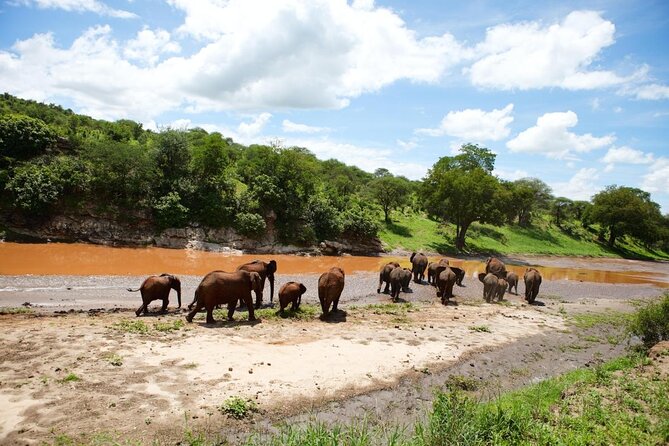
Elephants are the star, with the park famous for high elephant density. Even if you’ve never been on safari before, you can usually understand the action quickly here, because the animals you’re looking for tend to be visible in the landscape around the river and woodland edges.
Then there are the baobab trees. They’re not just scenery. When you see them in a park setting, you get a sense of how long these ecosystems have shaped wildlife behavior. For photographers, baobabs also help you anchor your images, even when the action moves faster than you can frame.
Season matters for what you’re most likely to see. In the June to November dry season, the park description points to large herds, often of zebra, wildebeest, and cape buffalo. Dry-season mornings can make the woodland and river features feel extra “open,” so you spend more time spotting and less time guessing.
A practical consideration: Tarangire drives can be long. Your first day is listed as around 8 hours on the Tarangire stop, so expect a full game-viewing block, not a quick look-and-leave.
Manyara as the Alternative Day One Option
Depending on your exact departure, the first day can switch to Manyara National Park instead of Tarangire. The core idea stays the same: you’re still doing the short safari sprint that ends at Ngorongoro.
If you’re choosing between dates, ask the operator to confirm which park you’re assigned that day. Two people on different dates can have noticeably different first-day terrain and animal rhythms, even though the crater is the constant finish.
This is also where your personal safari style matters. If you love dry-season herd energy and the baobab-and-elephant vibe, Tarangire tends to be the more direct match. If your goal is variety and you’re happy following the guide’s lead to what’s most active on the ground that day, Manyara can be a fine fit.
More Ngorongoro Crater trips:
- 3 Days Serengeti & Ngorongoro Group Camping Safari
★ 5.0 · 574 reviews - 4 Days Join Group tour Tarangire Serengeti and Ngorongoro crater
★ 5.0 · 219 reviews - 4-Day Safari from Arusha: Tarangire, Serengeti and Ngorongoro
★ 5.0 · 173 reviews - 2 Days Tarangire and Ngorongoro Group Camping Safari
★ 5.0 · 146 reviews
Karatu Overnight: A Rest Stop That Actually Helps
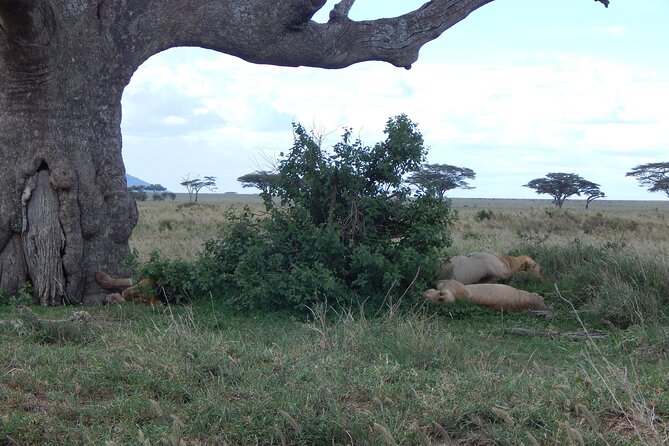
After your first day of game viewing, you’re set up for an overnight stay in Karatu, described as a town base before the crater day. This is one of those “boring logistics” choices that pays off.
Karatu matters because it gives you a place to sleep and regroup before the crater. Instead of pushing through a full day and then trying to rush the next morning, you get a proper break, plus dinner and breakfast included in the package.
Your overnight time is listed as around 10 hours, so you shouldn’t expect endless downtime, but you also shouldn’t feel like you’re living out of a backpack. On a short safari, that balance makes the difference between feeling refreshed for the crater or mentally running on fumes.
Meals are part of the value here. You’ll also have lunches included (two lunches total across the trip), and each day includes 1 bottle of water plus soft drinks. I like this setup because it keeps you from spending your energy on food logistics when your head should be on wildlife.
Ngorongoro Conservation Area: The World Heritage Big Stage
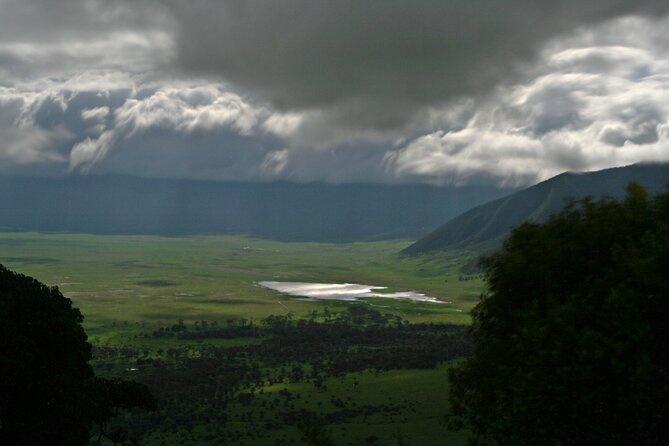
The second day centers on the Ngorongoro Conservation Area and then specifically the Ngorongoro Crater. This is where the tour earns its reputation as a short safari that still feels like a “destination.”
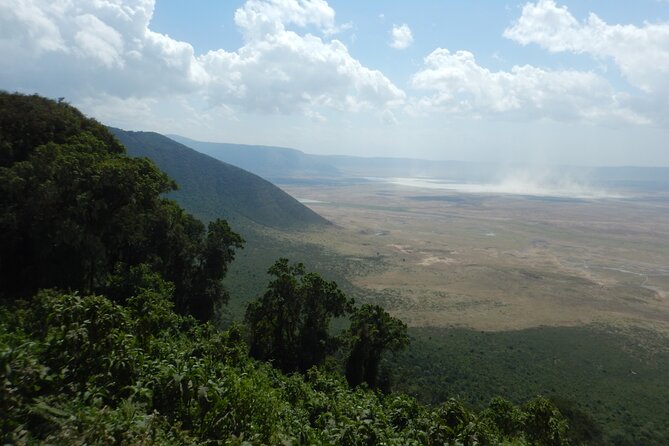
Ngorongoro is described as a World Heritage Site and a protected area about 180 km west of Arusha, in the crater highlands. The crater itself is the main event: it’s an inactive volcanic caldera, formed when a volcano collapsed on itself millions of years ago.
Here are the numbers that help you visualize the scale. The crater is described as about 610 metres deep, with a floor area of 260 square kilometres. It sits far above sea level, with the crater floor around 1,800 metres high. When you’re on the ground, that depth is the reason the crater can feel like a separate world.
Also, Ngorongoro is voted among the Seven Natural Wonders of Africa (listed as 2013). You don’t have to care about awards to feel what they point to. The crater bowl creates a natural viewing arena, and that makes the game viewing rhythm feel different from flatter parks.
A good note from the tour style: guides and coordinators tend to focus on keeping the day calm and organized. Some departures are coordinated by people like Sam, and you may travel with a guide such as Frank. If you’re nervous about your first safari, it helps when the team is the kind that talks you through what’s next, then delivers on the plan.
Ngorongoro Crater: What to Expect When You Drop Into the Bowl
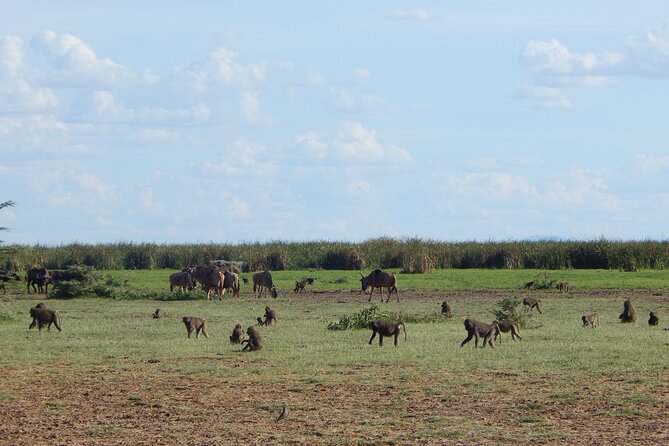
This is the “wow” moment most people remember, the crater descent and the shift from open-roof views to a wider sense of being surrounded by the habitat.
The tour keeps you on Ngorongoro Crater for about 5 hours, which is a solid chunk for a two-day program. In that time, the crater’s ecosystem typically gives you more variety in what you see and where you see it, compared with one single-type habitat.
One more detail that matters: admission is listed as free for the crater stop in the tour plan, which suggests the package is designed to reduce separate ticket hassles. I can’t guarantee every traveler’s experience with fees, but in general, when a package lists admission as included, it usually means fewer stop-starts at gate points.
What you should do as a traveler is simple: stay mentally flexible. Crater safaris can feel fast-moving even when your total time is fixed. Animals might appear near a viewpoint and then move, so your best move is to be ready to shift your attention quickly without getting frustrated.
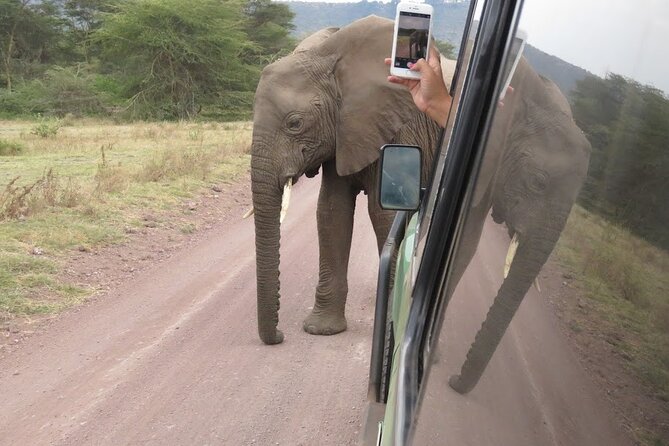
Also, the open-roof vehicle is a real advantage here. Even if you’re sitting while the guide scans, you can usually angle your body better for spotting than you can through a closed window.
Your Safari Vehicle and Small-Group Advantage
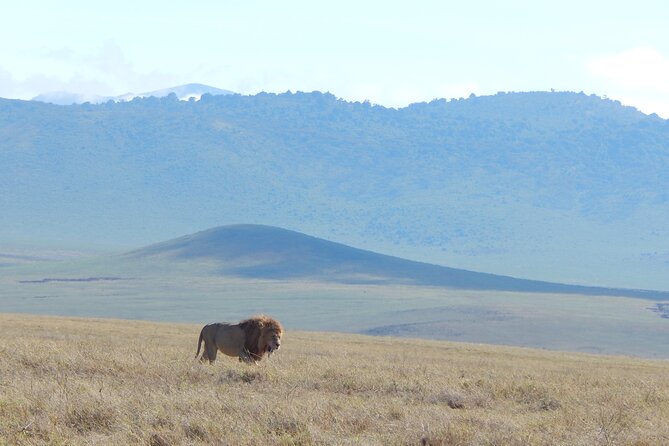
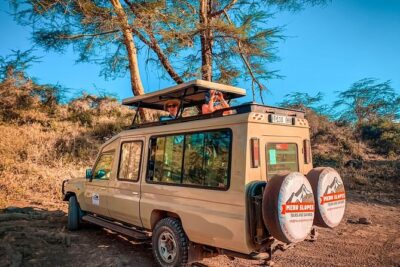
This tour uses a 44 open-roof safari vehicle. For many people, that’s the difference between watching wildlife and actually experiencing it. You get better all-around sightlines, and you can often hear the guide more easily because the setting is less boxed in.
The vehicle type also fits a short safari schedule. When you’re only out for about two days, you want the time you paid for to be “in motion for wildlife,” not trapped in slow transfers. Open-roof safari design helps make those drive hours feel like part of the viewing, not dead travel time.
Group size is another major factor. The tour is listed with a maximum of 7 travelers. That’s small enough that the guide can usually manage everyone’s viewing angles without a constant stream of “move over” moments. If your booking has 5 people or more, the tour is described as private, which is a nice option if you want more focused pacing.
Price and Value: Is $515 Fair for Two Days?
At $515 per person, this isn’t a bargain-basement safari, but it can be fair value if you compare it to what you’re getting: the use of a 44 open-roof safari vehicle, park admissions listed as free in the plan, and multiple meals.
Included items listed:
- Breakfast and dinner
- Lunch (2) across the trip
- 1 bottle of water per day and soft drinks
- Safari vehicle: 44 open-roof
- Mobile ticket
That means the package handles several things you’d otherwise pay for separately or spend time coordinating: transportation for the park days, meals, and at least the admission fees as listed for stops.
What is not included is also important to factor in:
- Tips and porterage to guides
- Any transfers not specified
- International airfare and visa
- Health insurance and medical evacuation
- Personal items
If you add the typical costs you’d expect to manage yourself on a two-day wildlife trip, the value picture usually improves. If you’re the type who hates “cost surprises,” an organized package like this often feels worth it.
My advice: ask what’s included versus what’s just implied by the package. The tour plan clearly lists meals and vehicle. The one area to double-check before you go is any transfer coverage that might matter for your specific Arusha location.
Who Should Book This 2-Day Arusha Safari?
Book this if:
- You have limited time and want a concentrated wildlife hit.
- You’re doing safari for the first time and want the plan handled for you.
- You prefer a small-group experience, max 7, with open-roof viewing.
- You want a quick shot at big wildlife, with Tarangire or Manyara feeding into the crater experience.
Skip or reconsider if:
- You want deep, slow safari pacing with many extra game drives. This is about coverage.
- You’re extremely sensitive to early mornings. The start time is 5:30 am, and the schedule moves.
- You want the kind of trip where you can linger in one park for a whole day.
Should You Book This Tarangire and Ngorongoro Tour?
If you’re deciding whether this is “right enough” for your time in Tanzania, my take is yes, it’s a strong choice for the right traveler. You’re paying for an efficient route, open-roof 44 game viewing, and the practical comfort of meals plus an overnight base in Karatu.
One smart move before you book: confirm whether your date includes Tarangire or Manyara so you’re not surprised by the first-day scenery. After that, go into it with one clear goal, see wildlife, relax, and let the crater do its job. Even with a tight schedule, Ngorongoro has a way of making two days feel like more.
FAQ
What time does the tour start?
The start time is 5:30 am.
Where does the tour start and end?
It starts at Four Points by Sheraton Arusha, The Arusha Hotel (Fire Road, Clocktower Roundabout, Plot 2) and ends back at the same meeting point.
How long is the safari?
It’s a 2-day tour, listed as approximately 2 days.
Which parks will I visit?
Depending on the day and inquiry, the tour can include Tarangire National Park or Manyara National Park, and it also includes Ngorongoro Crater.
What vehicle is used for game drives?
You’ll travel in a 4*4 open roof safari vehicle.
What is included in the price for meals and drinks?
The package includes breakfast, dinner, and lunch (2). It also includes 1 bottle of water per day and soft drinks.
Are entrance fees included for the park stops?
The tour plan lists admission ticket free for the park stops, indicating admissions are included.
Is this tour private?
It’s described as private if the booking has 5 people or more, and the maximum group size is 7 travelers.
Can I cancel and get a full refund?
Yes, you can cancel for free up to 24 hours in advance of the experience start time for a full refund. Cancellation with less than 24 hours is not refunded.
Just posted around Arusha
- 8 Days Serengeti Migration safari★ 5.0 · 11 reviews
- tarangire & ngorongoro 2 days tour★ 5.0 · 14 reviews
- serengeti, ngorongoro & tarangire 4 days private tour★ 5.0 · 18 reviews
- tarangire, ngorongoro & lake manyara park 3 days private tour★ 5.0 · 11 reviews
- Mt. Kilimanjaro: Shira plateau to Cathedral point 3872m Day hike★ 5.0 · 7 reviews
- serengeti & ngorongoro 3 days private tour★ 5.0 · 15 reviews
- climb the KILIMANJARO via Lemosho route★ 5.0 · 4 reviews
- Kilimanjaro Waterfalls Hike & Moshi Hot Springs Day Trip Tour★ 5.0 · 4 reviews
Ngorongoro Crater Tours, compared.
3 Days Serengeti & Ngorongoro Group Camping Safari
Read our review →
5 Days Camping Tarangire, Serengeti & Ngorongoro crater & Visiting Maasai
Read our review →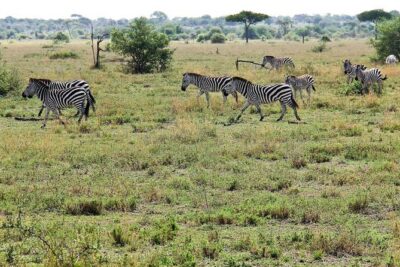
4 Days Join Group tour Tarangire Serengeti and Ngorongoro crater
Read our review →
4-Day Safari from Arusha: Tarangire, Serengeti and Ngorongoro
Read our review →
2 Days Tarangire and Ngorongoro Group Camping Safari
Read our review →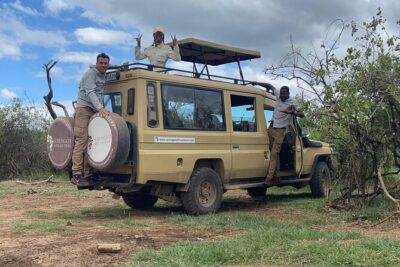
3 Days Tarangire, Ngorongoro & Lake Manyara Group Camping Safari
Read our review →Browse the lists this tour appears in