
Reviewed · NGORONGORO CRATER TOURS
2 Days 1 Night Tarangire & Ngorongoro Crater
Tarangire first, then Ngorongoro, and you get the best kind of wow. I like how the day in Tarangire National Park mixes baobab-lined scenery with serious elephant herd potential. I also love the timing on Ngorongoro, that early descent when the crater floor is just starting to wake up.
This trip is also built for comfort and flow, with hotel pickup in Arusha, 4×4 safari transport, picnic lunches, and a real overnight base for day two. One thing to consider is the schedule has early hours and a steep go-down and go-up, so it helps if you are ready for a long day and lots of camera time.
In This Review
- Key points before you go
- Tarangire to Ngorongoro in two days, 1 night
- Day 1: Arusha to Tarangire National Park, full-day game drive
- Where the Tarangire experience can feel different day to day
- Day 2: Early descent into Ngorongoro Crater, 5 hours on the floor
- Guides, game drives, and why this tour feels well run
- Food and overnight value: one night that sets up day two
- Price and value: what $730 gets you, and what it does not
- Who should book this Tarangire and Ngorongoro combo
- Practical checklist for a smooth safari
- Should you book this 2 days, 1 night Tarangire and Ngorongoro safari?
- FAQ
- What parks are included in the 2 days, 1 night safari?
- Where does the tour start and end?
- What is the pickup time from Arusha?
- How long is the Ngorongoro Crater game drive?
- What animals might I see?
- What is included in the price?
- What is not included?
Key points before you go
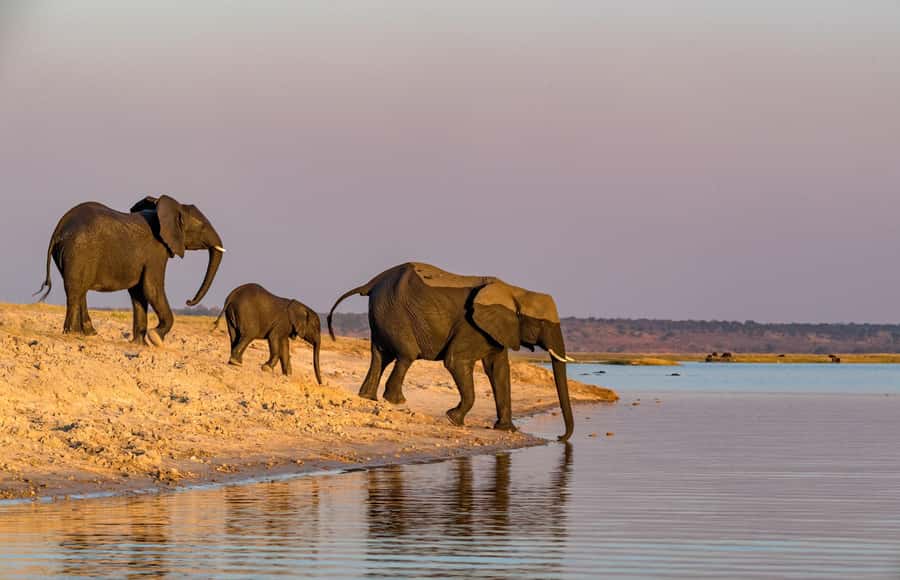
- Tarangire elephants and baobabs: third largest park feel, with the Tarangire River as the animal magnet
- UNESCO Ngorongoro Crater timing: early 6:30 AM descent for prime visibility and action
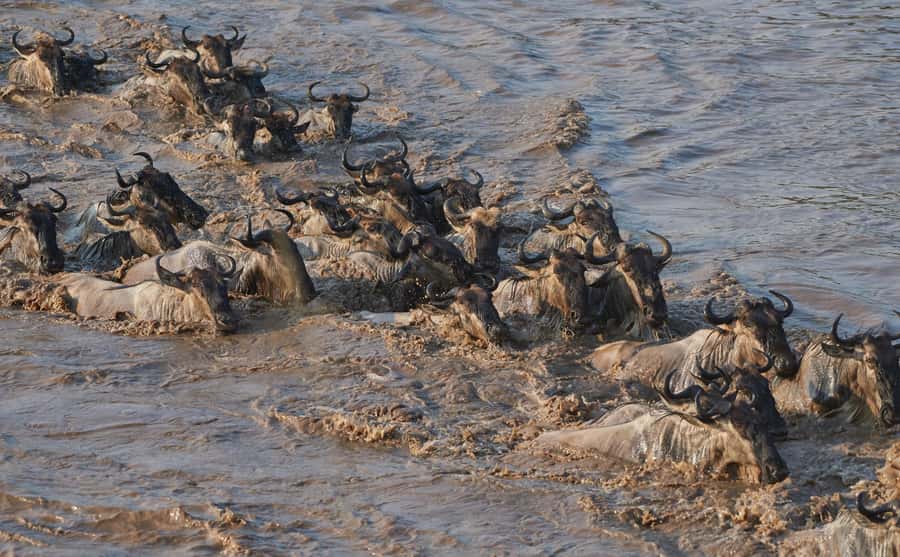
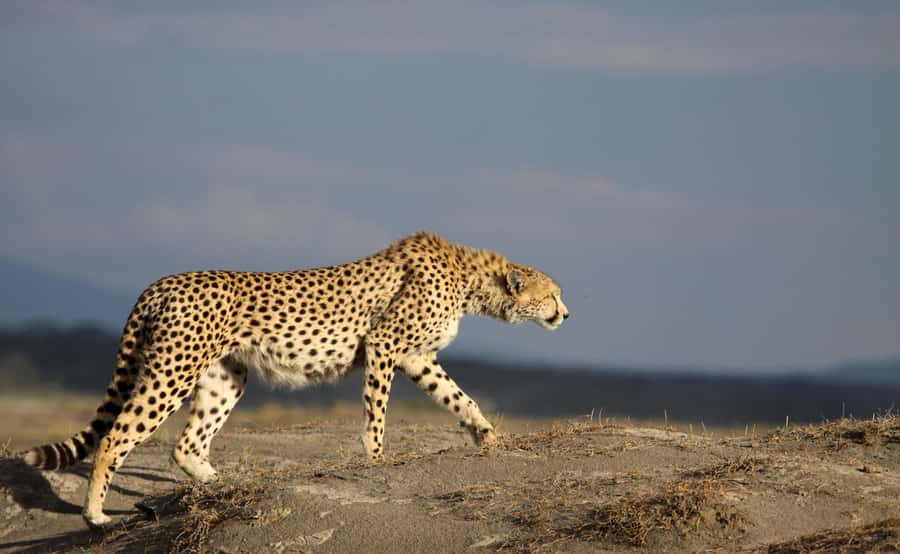
- Lots of animal chances: expect stops for lion, cheetah, hippos, hyenas, buffalo, and black rhino potential
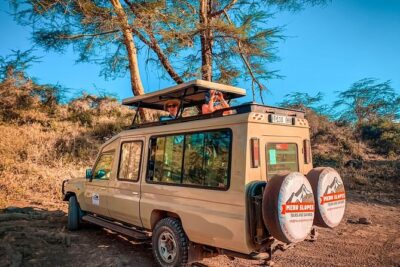
- 4×4 safari comfort: land cruiser plus a professional driver/guide, with drinking water included
- Picnic lunch at the right moments: food breaks that keep the day moving, including a crater picnic near the hippo pool
Tarangire to Ngorongoro in two days, 1 night
If you only have a short window in northern Tanzania, this safari-style trip is a smart way to see two heavy hitters without spending weeks on logistics. You start and end in Arusha, with one full day focused on Tarangire National Park and the next morning dedicated to Ngorongoro Crater’s enclosed crater floor.
The big idea here is variety. Tarangire is famous for baobab trees and big elephant gatherings along the Tarangire River. Then you drop into a volcanic caldera at Ngorongoro, where animals concentrate in a closed, bowl-shaped world. That difference matters. You get wide-open searching in Tarangire, then a more intense, “watch the edges of the grass and wait for movement” kind of game drive on Ngorongoro.
More Tarangire safaris:
- 5-Day Highlights mid-Range Crater, Serengeti, Tarangire
★ 5.0 · 296 reviews - Private 6-Day Tarangire Manyara Crater and Serengeti with Mid-Range Lodges
★ 5.0 · 238 reviews - 5 Days Camping Tarangire, Serengeti & Ngorongoro crater & Visiting Maasai
★ 5.0 · 229 reviews
Day 1: Arusha to Tarangire National Park, full-day game drive
Your day starts with pickup from your hotel in Arusha at 8:30 AM. After you leave town, you go straight into the Tarangire experience with a picnic lunch built in, so you are not losing half the day to stops.
Tarangire National Park is the third largest park in Tanzania, and it has a distinctive look. Baobab trees dot the area like living landmarks, and they can make animals look extra small, even when you are watching something huge. The guide role is important here because Tarangire can reward patience. Some days you see the action from a distance and then suddenly the herd shifts, or a predator decides to move across open ground.
What you are aiming to spot in Tarangire
This tour sets you up for a broad mix of wildlife. Based on the itinerary, your chances include:
- Elephants (Tarangire is known for some of Africa’s largest herds)
- Lion, leopard, and cheetah (possible during the game drive)
- Lesser kudu, buffalo, oryx, eland, giraffe, zebra
- Other common sightings that can pop up when herds gather near water
In plain terms, Tarangire is great when you want animals plus scenery. One of the strongest benefits is that you are not just chasing one species. You are scanning for many kinds of wildlife over hours, and that keeps the day feeling full even if any single sighting takes time.
How the day’s rhythm works
You get a full-day game drive, then you head back to your camp or lodge for dinner. That overnight matters, because it keeps you rested for the early Ngorongoro start. It also means the safari is not just a day-trip grind. A good night’s sleep is not glamorous, but it’s what lets you appreciate the crater the next morning.
A practical note on timing
This is a long day in the car. Even with a comfortable 4×4, your body will notice the hours. Bring a light layer, keep your electronics protected from dust, and pack your camera gear in a way that you can grab it quickly when your guide calls the moment.
Where the Tarangire experience can feel different day to day
Tarangire is often fantastic, but it is not automatically the best part for everyone. One review point I’d take seriously is this: Ngorongoro can feel more consistently intense, with animals sometimes farther apart on Tarangire days depending on where the herds are and how the sightings line up.
So here is the balanced way to look at it:
- If you love elephant herds and the “we found the water source” feeling, Tarangire will likely win your heart.
- If your priority is close predator action, Ngorongoro tends to deliver that higher concentration because of the terrain and how animals use the crater floor.
The good news is this itinerary gives you both, so your short trip does not hinge on one park being perfect.
Day 2: Early descent into Ngorongoro Crater, 5 hours on the floor
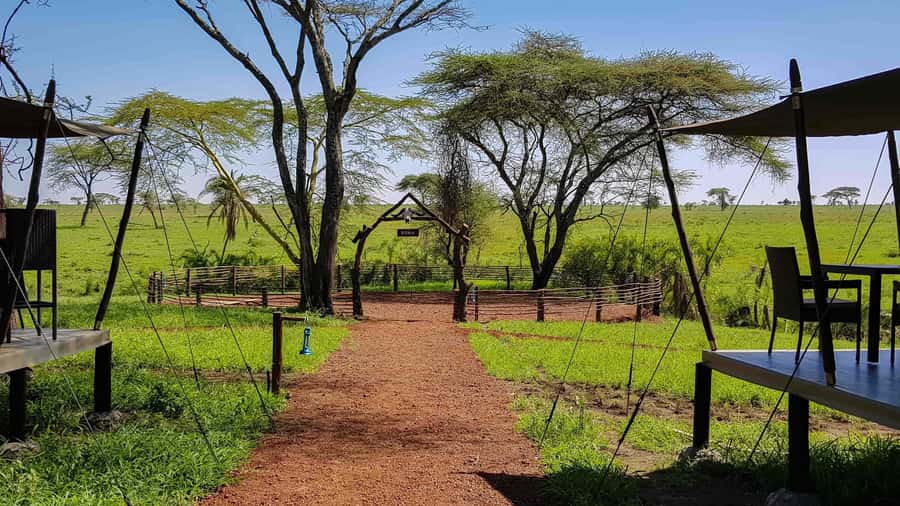
The second day is the signature moment. After a quick breakfast, you start early, with the plan to begin the descent around 6:30 AM into the crater floor.
Ngorongoro Crater is the world’s largest inactive, intact, unfilled volcanic caldera. The floor is about 260 square kilometers, and it sits over 2,000 feet below the rim. That scale is not just trivia. It helps explain why this crater feels so different from open parks. Animals use the enclosed space, and your guide’s job becomes more about reading movement and water sources than just “driving until something shows up.”
During the 5-hour game drive on the crater floor, the focus is on animal action and steady scanning. The itinerary highlights species you should watch for, including:
- African elephant
- Buffalo
- Black rhino
- Hippos
- Hyenas
- Cheetahs
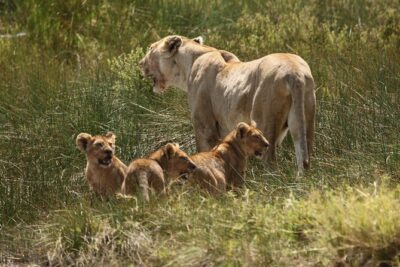
- Lions
Watching black rhino is a big deal because it is not a casual sight anywhere. Even when sightings are not guaranteed, the presence of black rhino potential is a strong reason Ngorongoro stays on top of many safari lists.
The hippo pool lunch break
You stop for picnic lunch at the hippo pool, a moment that turns the game drive into a crater-floor wildlife break. If you have never watched hippos up close, you will understand why this pause feels like part of the wildlife experience rather than just a meal stop.
Then comes the part you should plan for mentally: the steep climb out of the crater. After lunch, you begin the ascend to the top exit, and the tour includes a remaining drive time back to Arusha. The plan is about 4 hours of driving left, with drop-off in Arusha by around 6:00 PM.
Camera and comfort tips for the crater
Ngorongoro can give you both long-distance viewing and sudden closer sightings. A helpful tip from experience on this kind of safari is simple: keep your camera ready, but also keep your eyes busy. If the animals are far, use binoculars if you have them. If something comes closer, you do not want to be fumbling for settings.
Also, remember this is not only a driving day. It is a long, full sighting block. Sun and dust can change fast from rim to crater floor, so pack like you are going between worlds.
More Ngorongoro Crater trips:
- 3 Days Serengeti & Ngorongoro Group Camping Safari
★ 5.0 · 574 reviews - 4 Days Join Group tour Tarangire Serengeti and Ngorongoro crater
★ 5.0 · 219 reviews - 4-Day Safari from Arusha: Tarangire, Serengeti and Ngorongoro
★ 5.0 · 173 reviews - 2 Days Tarangire and Ngorongoro Group Camping Safari
★ 5.0 · 146 reviews
Guides, game drives, and why this tour feels well run
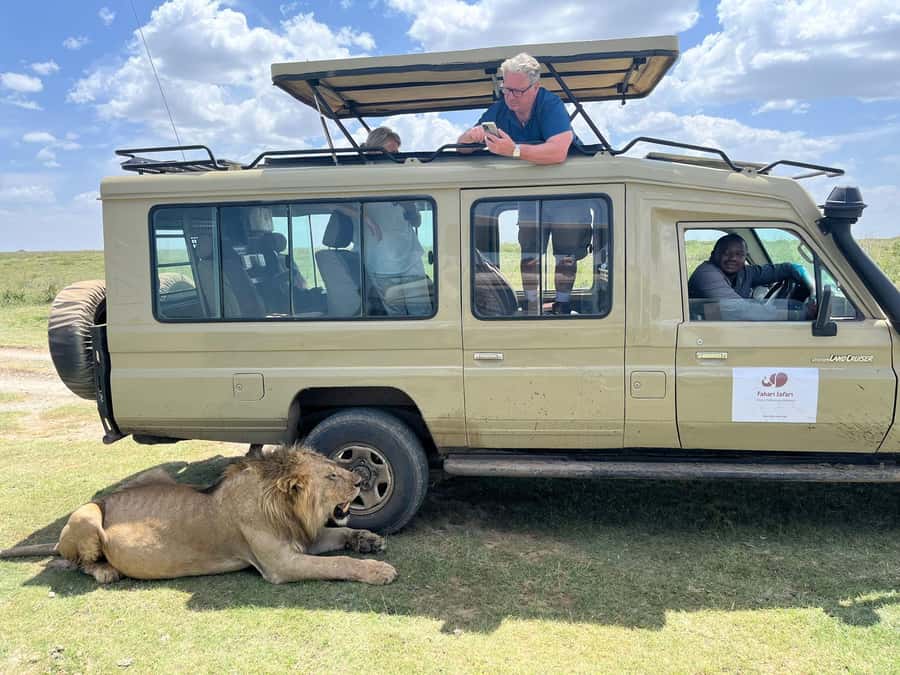
One of the most consistent praise points across experiences like this is the quality of the guide and driver teamwork. You should expect a professional driver/guide and an English live guide, with a 4×4 Land Cruiser.
In practical terms, this matters because safari driving is not random. A good guide helps you:
- understand animal behavior you are seeing in real time
- know where to look next based on terrain and water
- stay comfortable during stops for photos
The itinerary also includes drinking water, 2 liters per person per day, which is a small line item that makes a real difference on long drives. When you are out for hours, hydration becomes not negotiable.
And yes, stopping for pictures is part of the deal. If you want more than a single quick snapshot, this kind of guide can often make that work without dragging the day.
Food and overnight value: one night that sets up day two
This safari includes meals as per the itinerary, and it includes dinner at the lodge or camp after your Tarangire day. On the food side, at least one experience noted the lunch packed for the day felt good, which is not a given on all safari schedules.
The overnight itself is also part of the value equation. One review specifically mentioned an overnight experience with glamping style accommodations at a lodge that had dinner, a bar, and even evening entertainment with music, dancers, and acrobats. Not every lodge will have that exact setup, but it’s a good signal that the overnight included with this kind of package can be more than a bare-bones stop.
This matters because your day two start is early. A comfortable night helps you enjoy the crater instead of feeling wrecked before you even descend.
Price and value: what $730 gets you, and what it does not
The price is listed as $730 per person for 2 to 3 days. That number is tied to the fact that you are doing:
- park-based activities in two major wildlife areas
- guided game drives each day
- 4×4 safari transport
- meals as per itinerary
- park and concession fees (for non-residents)
- taxes and VAT
- drinking water while on safari
So you are paying for more than driving. You are paying for access. The tour includes park fees for non-residents, plus concession and camping fees, which can be a major part of safari costs that many other trips treat like an afterthought.
What is not included is clear and should shape your budget:
- international flights
- airport transfers unless mentioned otherwise
- additional accommodation before and after the tour
- personal items, travel insurance, visa fees, and souvenirs
- government imposed increases of taxes or park fees
- anything not listed in the itinerary
How to judge value for yourself
If you need a fast itinerary from Arusha with a guide, and you want the convenience of having fees and logistics handled, this kind of package often feels fair. If you are counting every dollar and you plan to arrange everything locally, you might find cheaper options, but you will also be taking on more uncertainty.
Who should book this Tarangire and Ngorongoro combo
This tour fits best if you:
- want the classic northern Tanzania wildlife combo in a short time
- prefer a guided safari with hotel pickup and a structured plan
- are comfortable with early starts and long game drive days
- care about both elephant-rich Tarangire and the crater’s high concentration
It can also work well for solo travelers because the tour offers private or small groups, and it keeps the experience social but not chaotic.
One practical consideration: because this is a concentrated route, you do not get lots of “free time” built in. If you want to wander markets, sit in cafes, and stretch out your days, you may prefer a longer safari.
Practical checklist for a smooth safari
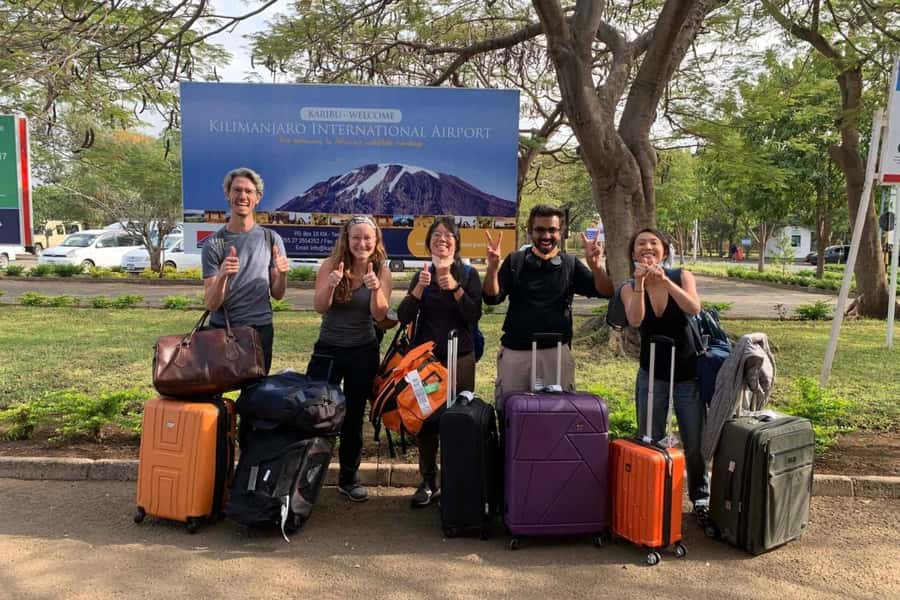
Based on what this itinerary demands, pack for dust, sun, and long hours.
Bring:
- a light rain layer or poncho (weather can shift fast in Tanzania)
- sunglasses and sunscreen
- a hat that you can tolerate all day
- binoculars if you already own them
- a power bank for phones and cameras
- a small dry bag or zip pouches for electronics
Wear:
- closed-toe shoes you can stand in during sightings
- breathable layers for warm afternoons
- a light jacket or fleece for early mornings and crater rim shifts
During the drives:
- keep water accessible
- keep your camera settings ready when the guide signals
- ask questions while animals are moving. You learn faster when you can match explanations to what you see.
Should you book this 2 days, 1 night Tarangire and Ngorongoro safari?
If your goal is a high-impact Tanzania wildlife trip with tight planning, I think this is a strong choice. The biggest reasons are the mix of Tarangire elephants and baobabs plus the early, crater-floor focus at Ngorongoro where animal action is part of the daily rhythm. Add in English guidance, 4×4 transport, picnic lunches, park fees included for non-residents, and plenty of water, and the package feels built for real safari time, not just sightseeing checkmarks.
Book it if you can handle early mornings and a packed schedule. Consider a different plan if you want slower pacing or you strongly dislike long days in a vehicle.
If you do book, do one thing before you go: set your expectations for the day. You are not just traveling between parks. You are participating in a living wildlife day where timing matters, guides matter, and patience pays off.
FAQ
What parks are included in the 2 days, 1 night safari?
The trip covers Tarangire National Park for a full-day game drive and Ngorongoro Crater for a game drive on the crater floor.
Where does the tour start and end?
The tour starts and ends in Arusha, with hotel pickup and a drop-off back in Arusha.
What is the pickup time from Arusha?
Pickup from your hotel in Arusha is scheduled for 8:30 AM on the first day.
How long is the Ngorongoro Crater game drive?
The Ngorongoro Crater portion includes a 5-hour game drive on the crater floor.
What animals might I see?
The itinerary mentions chances to see lion, leopard, cheetah, elephants, buffalo, hippos, hyenas, black rhino, and other species such as giraffe and zebra.
What is included in the price?
Inclusions listed are park fees (for non-residents), concession/camping fees, daily game drives, a professional driver/guide, a 4×4 Land Cruiser, taxes and VAT, meals as per itinerary, and drinking water (2 liters per person per day).
What is not included?
Not included are international flights, airport transfers unless mentioned, extra accommodation before or after the tour unless mentioned, personal items (travel insurance, visa fees, souvenirs), any government-imposed increases to taxes or park fees, and activities not listed in the itinerary.
Just posted around Arusha
- 8 Days Serengeti Migration safari★ 5.0 · 11 reviews
- tarangire & ngorongoro 2 days tour★ 5.0 · 14 reviews
- tarangire, ngorongoro & lake manyara park 3 days private tour★ 5.0 · 11 reviews
- serengeti, ngorongoro & tarangire 4 days private tour★ 5.0 · 18 reviews
- serengeti & ngorongoro 3 days private tour★ 5.0 · 15 reviews
- climb the KILIMANJARO via Lemosho route★ 5.0 · 4 reviews
- Mt. Kilimanjaro: Shira plateau to Cathedral point 3872m Day hike★ 5.0 · 7 reviews
- Kilimanjaro Waterfalls Hike & Moshi Hot Springs Day Trip Tour★ 5.0 · 4 reviews
Ngorongoro Crater Tours, compared.
3 Days Serengeti & Ngorongoro Group Camping Safari
Read our review →
5 Days Camping Tarangire, Serengeti & Ngorongoro crater & Visiting Maasai
Read our review →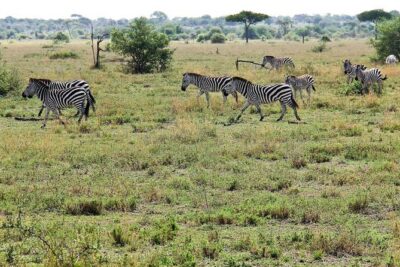
4 Days Join Group tour Tarangire Serengeti and Ngorongoro crater
Read our review →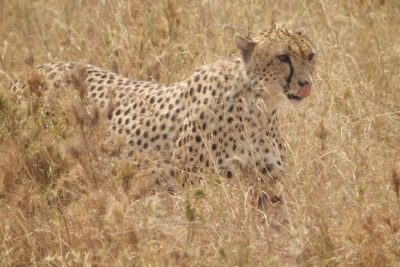
4-Day Safari from Arusha: Tarangire, Serengeti and Ngorongoro
Read our review →
2 Days Tarangire and Ngorongoro Group Camping Safari
Read our review →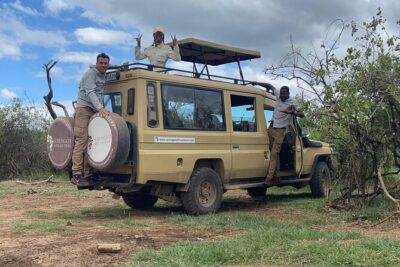
3 Days Tarangire, Ngorongoro & Lake Manyara Group Camping Safari
Read our review →Browse the lists this tour appears in