
Reviewed · VIP
10-Day Predators Tanzania Safari Luxury Package
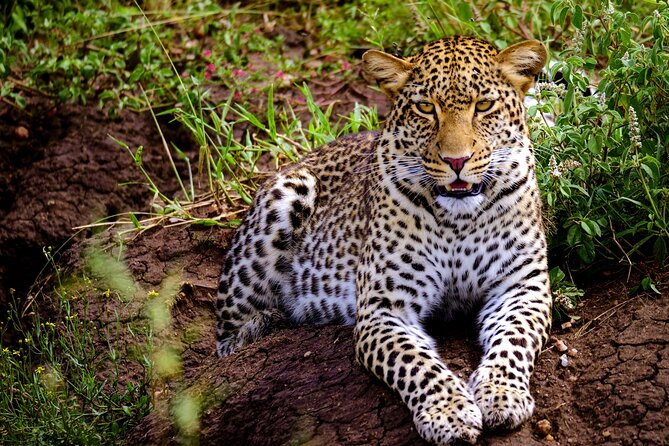
Kilimanjaro country delivers wildlife fast. This 10-day safari works because it strings together the right parks for predators, then repeats the game-drive rhythm often enough to give you real odds at lion, cheetah, and leopard sightings. I also like the hands-on meal setup during drives, with hot lunches served table-style by your driver and drinks included with the meal. One thing to factor in is the overall price of $8,074 per person, with international flights and daily tips not included.
You also get the kind of “start smooth, worry less” support that matters in Tanzania. There is a meet-and-greet after you land at Kilimanjaro, help is offered for visa or passport control hiccups, then you head straight to Arusha for dinner and sleep.
The days are long in the best possible way, meaning lots of time in the safari vehicle. And because the route is weather-dependent, you should be ready for a schedule that can shift if conditions are poor.
In This Review
- Key points worth knowing before you book
- Why this route makes sense for predators
- Day 1: landing at Kilimanjaro, then Arusha dinner and sleep
- Day 2: Tarangire full-day game drive, quiet safari energy
- Day 3: Tarangire morning walking safari plus more predator search time
- Day 4: Lake Manyara for birds, tree-climbing lions, and elephants
- Days 5 and 6: Serengeti Seronera, migration country and big-cat time
- Day 7: another full Serengeti day for the big five dream
- Day 8: Serengeti to Ngorongoro, then a camp night
- Day 9: Ngorongoro crater day plus Lake Magadi
- Day 10: Lake Eyasi culture visit, then back to Arusha airport drop-off
- Price and value: what $8,074 really buys you
- Comfort, pace, and the reality of long safari days
- The guide factor: why these names matter
- Is this tour for you?
- Should you book this Tanzania predators safari?
- FAQ
- Where does the safari start?
- How does pickup work?
- How long is the tour?
- What meals are included?
- Are park fees included?
- Is international airfare included?
- What about tips?
- Is the Lake Eyasi culture visit ticket included?
- Is there a walking safari?
- Is the tour refundable if weather is bad?
Key points worth knowing before you book
- Armed-ranger walking safari in Tarangire, a rare add-on that turns a normal game drive into something more hands-on
- Serengeti Seronera full-day drives, built around predator and big-cat search time, with time aimed at the migration season window
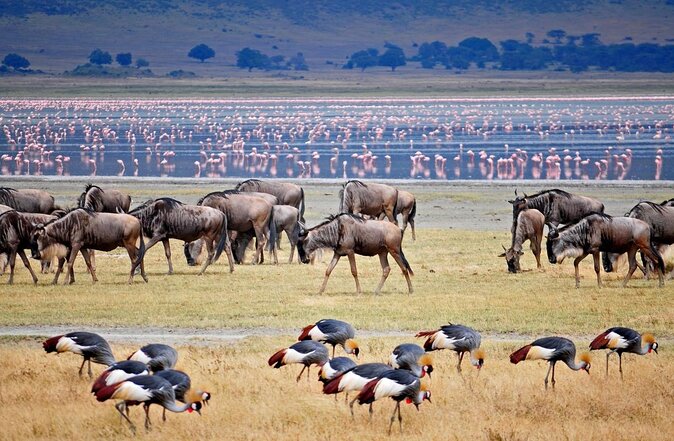
- Ngorongoro crater day plus Lake Magadi, where flamingos, hippos, and waterbirds often show up
- Hot lunch service during game drives, described with soup, rolls, main dish, fruit salad, plus wine, tea, and coffee
- Strong guide track record, with repeat praise for guides like Juma, Ombeni, Cleopa, George, Samir, William, and Calvin Kileo, often paired with safety and sharp spotting
Why this route makes sense for predators
If your goal is predators, the park mix matters. This itinerary sets you up across Tarangire, Lake Manyara, central Serengeti (Seronera area), Ngorongoro Conservation Area, and Lake Eyasi. That is a lot of different ecosystems in 10 days, and predators tend to follow prey and structure. So you get variety in habitat, not just the same scenery repeated.
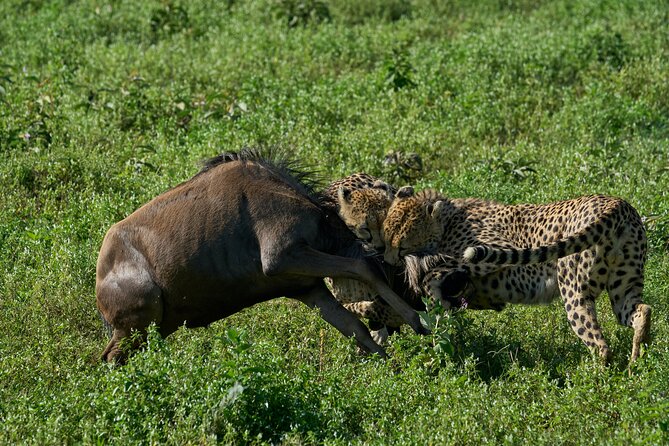
It also helps that the schedule spends multiple full days in Serengeti. You are not doing one short stop and leaving. Instead you get repeated chances to find lions on the move, cheetahs on patrol, and leopards whenever the light and cover cooperate. That repeat exposure is one of the best “value drivers” in a safari package like this.
More Safaris in Moshi
- Safari Serengeti And Ngorongoro
★ 5.0 · 288 reviews - Big Five Safari In Tanzania
★ 5.0 · 99 reviews - Unforgettable Tanzania Safari And Zanzibar Beach
★ 5.0 · 97 reviews
Day 1: landing at Kilimanjaro, then Arusha dinner and sleep
Your safari begins at Kilimanjaro Airport. The plan is straightforward: you get meet-and-greet help from the local office representative after arrival, including support if there are visa or passport control issues. Then you refresh, meet your guide, and transfer to Arusha for dinner and an overnight at the hotel.
Why I like this setup: it reduces that first-day stress. When the arrival day is handled cleanly, you wake up the next morning with fewer problems to solve, and safari days are long enough without adding admin.
Arusha matters too. It is the gateway city for the Northern safari circuit, with Mt. Meru nearby as a dramatic backdrop and a practical base before you start driving into the parks.
Day 2: Tarangire full-day game drive, quiet safari energy
After breakfast and a short safari briefing, you drive to Tarangire National Park for a full day of game viewing, with lunch in the middle of the day. Tarangire is often calmer than the busiest circuits, and that calm can be a gift for photography and for staying alert instead of rushed.
Tarangire is famous for elephants and for the sense that the wildlife is concentrated around key areas. The itinerary highlights elephants in large numbers and describes them scratching dry river beds for underground streams. That detail is not just interesting trivia, it explains why the same “hot spots” keep paying off.
Practical note: this day is a long one, with game drive time before and after lunch. If you are prone to getting stiff on road trips, pack a simple comfort kit for the vehicle ride.
Day 3: Tarangire morning walking safari plus more predator search time
Day 3 keeps the momentum. You start with a morning walking safari escorted by an armed ranger. That is a big deal in terms of how you experience the park. Instead of only scanning from a vehicle, you learn to read tracks, sounds, and movement patterns on foot.
After the walk, you return to game drive mode for the rest of the day. The itinerary repeats the same lunch style, described as a full hot meal with soup, bread rolls, a main dish, fruit salad, plus wine, tea, and coffee. That consistency means fewer “where do we eat now?” worries.
This is also where Tarangire’s predator potential comes in indirectly. When prey is concentrated, predators follow. The itinerary frames Tarangire as a strong wildlife concentration outside the Serengeti ecosystem, where you can see species tied to drier country and where predators benefit from reliable food signals.
More safaris from Moshi:
- 8-Day Essence of Tanzania Safari – Luxury
★ 5.0 · 72 reviews - Great Migration Safari In Tanzania
★ 5.0 · 71 reviews - 6 Days 5 Night Safari
★ 5.0 · 57 reviews - 7-Day Magical Tanzania Safari -Premium High End Package
★ 5.0 · 53 reviews
Day 4: Lake Manyara for birds, tree-climbing lions, and elephants
From Tarangire you head to Manyara National Park. This is a full day in the bush with another lunch stop during the drive and an evening transfer back to your lodge.
Manyara is often described as a bird-lover’s park, and the itinerary gives a strong number: more than 400 bird species recorded. Even if you only catch a portion of them, the sheer chance of bird variety is high.
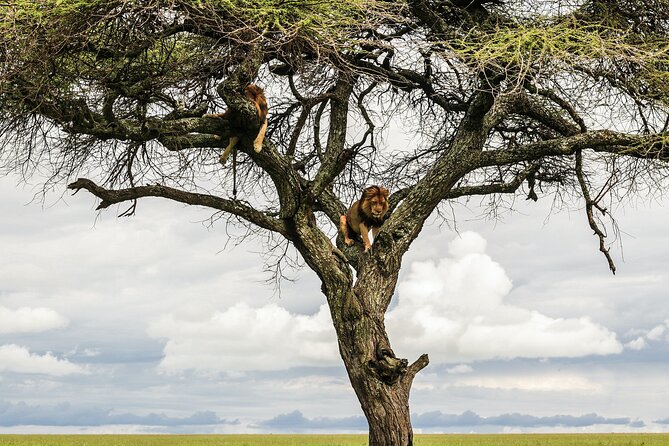
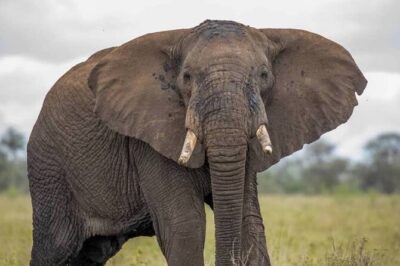
The headline wildlife feature here is the legendary tree-climbing lions, plus impressive tusked elephants. Not every day guarantees tree-top views, but Manyara’s mix of acacia woodland and floodplain edge conditions makes it a good place to look for something a little different than the classic open-grassland chase.
Days 5 and 6: Serengeti Seronera, migration country and big-cat time
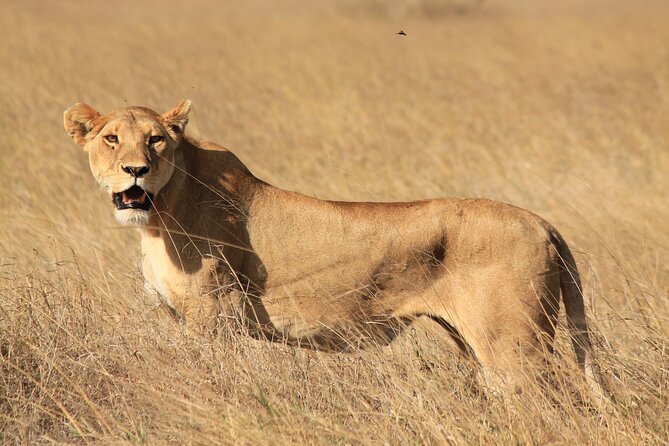
You transition to Serengeti National Park and specifically the central Seronera area. Day 5 is a full day game drive broken up by lunch, then dinner and overnight at your camp or lodge.
Day 6 continues with a full day in Serengeti Seronera, including time aimed at the migration. Serengeti’s big advantage is that it holds resident wildlife as well as seasonal movement, so you are not only dependent on one migration moment. The itinerary also mentions that lions are believed to be abundant, in part because of strong prey availability.
Here is how to make these days work for you. During Serengeti drives, you get the best results when you stay patient with the hunt. Predator sightings are not always on schedule. Your guide’s job is to keep you in the game areas that match your sighting goals. The strong guide praise in the supplied reviews is a real clue that guides running this circuit tend to be aggressive about positioning.
Also watch for comfort upgrades in the vehicle. One review specifically mentions a canopy that can be opened, which can improve viewing angles and help you get photos with less glass glare.
Day 7: another full Serengeti day for the big five dream
Day 7 is another full day game drive focused on big cats and the big five. Then you head back late afternoon to camp for dinner and overnight.
This is a key day in the overall logic of the itinerary. Big cats are a mix of chance and positioning, but odds grow when you have multiple full days in the same broader area. With Serengeti, the terrain and animal patterns reward repetition.
The itinerary also includes vivid migration context, describing wildebeest movements, crossings, and the life cycle that follows. Even if you do not witness the exact same crossing described, it is useful background for why guides keep searching and repositioning. When herds move, predators track.
Day 8: Serengeti to Ngorongoro, then a camp night
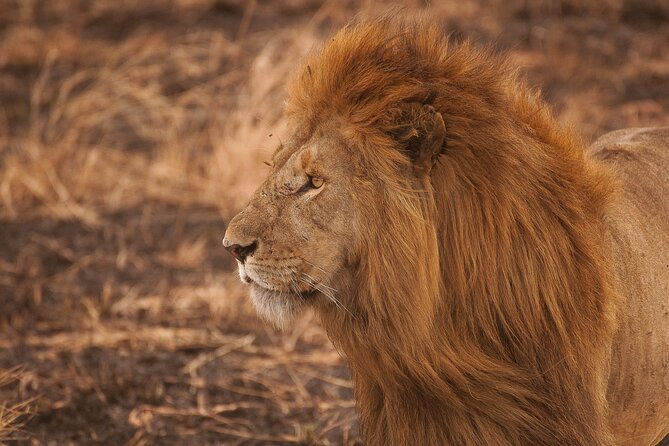
Day 8 keeps you in Serengeti for more big-cat searching, then you travel late afternoon to Ngorongoro Conservation Area for your camp night. This travel shift matters because it changes the type of wildlife you might see. Ngorongoro’s crater can feel like a natural amphitheater, so you often spend time anticipating different species behaviors and movement patterns compared with open Serengeti plains.
If you are thinking about photography, this is where light changes quickly. The best time for sightings is still usually during daylight, but your guide will likely aim for productive windows before you start the crater day.
Day 9: Ngorongoro crater day plus Lake Magadi
Day 9 is a full crater experience. You start with a morning game drive in Ngorongoro crater, then continue with a full day crater tour.
The itinerary specifically calls out Lake Magadi, located in the south western corner of the crater. It describes it as a shallow alkaline lake, with flamingos and often hippos and other waterbirds.
This is a good day to keep your expectations flexible. The crater can deliver dramatic sightings, but it can also mean you watch animals move in patterns that are less like a chase and more like a slow reveal. That is still exciting if you are paying attention and letting your guide lead you to the right viewing points.
Evening ends with you departing for Lake Eyasi, then overnight at the lodge.
Day 10: Lake Eyasi culture visit, then back to Arusha airport drop-off
Your last day begins with breakfast at the lodge, then you visit the Datoga and Busmen communities. The itinerary notes that hunting activities are included in the afternoon visit. After that, you return to the lodge for lunch.
Then you depart after lunch and drive back to Arusha for airport drop-off. The cultural stop is about 2 hours, with an admission ticket included in the overall package details.
One extra detail worth knowing: the supplied info also references Hadzabe bushmen around Lake Eyasi and mentions click-language similarities in that region. Even if your cultural encounter is different from the exact description you read, Lake Eyasi is the right place for people-focused moments after days of wildlife-first driving.
Price and value: what $8,074 really buys you
Let’s talk value in a realistic way. At $8,074 per person for 10 days, this is not a budget safari. But “luxury” in safari often means three things you can actually feel:
- fewer hassles handled for you (airport meet-and-greet, transfers, transportation)
- a strong rhythm of full days in top parks
- meals and on-drive food that are planned, not improvised
Inclusions are solid and easy to track:
- professional driver/guide
- park fees for non-residents
- all transportation (unless labeled optional)
- 10 breakfasts, 9 lunches, 9 dinners
What is not included is equally important:
- international flights
- tips, with a stated guideline of $10 per person per day
- additional accommodation before or at the end of the tour
- personal items and visa fees
If you compare safaris, do not just compare nightly price. Compare what you get per day, and whether meals and park fees are included. Here, the meal pattern and park fees inclusion reduce hidden add-ons.
Comfort, pace, and the reality of long safari days
Even with good planning, safari is physical. You will spend many hours in a vehicle over uneven roads, and game drive days can be intense. This is why the “hot meal lunch” setup described in the itinerary matters. A warm lunch and drinks can keep morale up and make afternoon drives feel less like endurance tests.
Also pay attention to the walking safari. The itinerary specifically says it is escorted by an armed ranger. Walking in the bush can be demanding depending on heat, ground conditions, and your comfort level. Most people can participate, but if you have mobility issues, you should ask questions during booking.
Weather is another factor. The experience requires good weather, and if it gets canceled due to poor conditions you are offered a different date or a full refund. That does not remove the risk, but it clarifies how the operator handles it.
The guide factor: why these names matter
Safari outcomes often depend on the guide’s skill, patience, and safety focus. The reviews provided strong consistency around that theme.
Guides repeatedly praised by name include:
- Juma, described as professional and kind, with strong big-five spotting ability
- George, credited with exceeding expectations and delivering an amazing experience
- William and James, with emphasis on bird and animal identification plus careful driving
- Ombeni, praised for excitement and for predator sightings including lions, cheetahs, and leopards
- Cleopa, mentioned as knowledgeable, responsible, and strong on safety and driving
- Samir, praised specifically for experience spotting animals and for showing close-up views, plus the vehicle canopy detail
You do not need to memorize names. But you should treat the guide assignment as a core part of the trip. If you have strong preferences, bring them up early in the planning stage, then trust the guide to translate that into where you go and what you prioritize on each drive.
Is this tour for you?
This 10-day package is a good match if you want:
- a predators-focused route across multiple Tanzanian ecosystems
- full days in Serengeti, not a quick taste
- a walking safari add-on at Tarangire
- cultural time at Lake Eyasi after the wildlife days
- a package that keeps meals and park logistics handled
It might not be the best match if:
- you want to keep costs ultra-low, since park-fee-included safaris at this level still come with a serious price
- you dislike long days in a safari vehicle
- you are not comfortable with a guided bush walk, even when escorted by an armed ranger
Should you book this Tanzania predators safari?
I’d book it if your priority is maximizing time in the right wildlife areas, with meals and transport managed for you, and if you are excited by a route that hits Tarangire, Manyara, Serengeti, Ngorongoro, then ends with Lake Eyasi culture.
Before you commit, do two quick checks:
- Confirm the start and end airport logistics match your flight plan, since the trip starts at Kilimanjaro Airport and ends with an Arusha airport drop-off.
- Budget for tips at the stated guideline of $10 per person per day, and remember international flights are not included.
If you line those up, this itinerary offers a strong mix: predator country, classic Tanzania scenery, and just enough variety to keep your days feeling different.
FAQ
Where does the safari start?
It starts at Kilimanjaro Airport with a meet-and-greet and assistance for visa or passport control issues, then a transfer to Arusha.
How does pickup work?
Pickup is offered as part of the tour, and the meet-and-greet happens after you arrive at Kilimanjaro Airport.
How long is the tour?
The duration is 10 days (approximately).
What meals are included?
You get 10 breakfasts, 9 lunches, and 9 dinners included during the safari.
Are park fees included?
Yes, park fees for non-residents are included.
Is international airfare included?
No, international flights are not included.
What about tips?
Tips are not included. The provided guideline is US$10.00 per person per day.
Is the Lake Eyasi culture visit ticket included?
Yes, the Lake Eyasi admission ticket is included, and the cultural visit is listed as about 2 hours.
Is there a walking safari?
Yes. On Day 3 you do a morning walking safari in Tarangire, escorted by an armed ranger.
Is the tour refundable if weather is bad?
The experience requires good weather. If it is canceled due to poor weather, you are offered a different date or a full refund.
Just posted around Moshi
- machame route★ 5.0 · 16 reviews
- Wildlife Extravaganza: Manyara, Tarangire & Ngorongoro in 3 Days★ 5.0 · 3 reviews
- Mt Kilimanjaro 6 days Marangu route hike★ 5.0 · 3 reviews
- Kilimanjaro Climbing Umbwe Route★ 5.0 · 3 reviews
- 3 Days Private E-Bike Tour in West Kilimanjaro★ 5.0 · 3 reviews
- West Kilimanjaro cycling Adventures★ 4.5 · 8 reviews
- Kilimanjaro Climb • Marangu Route ~ 9 Day★ 5.0 · 4 reviews
- Private Cycle to Kilimanjaro Bike Park Safari★ 5.0 · 6 reviews
VIP, compared.
7-Day Premium Luxury Tanzania Safari All-Inclusive
Read our review →
5 Days Best of Tanzania Luxury Safari Northern Circuit
Read our review →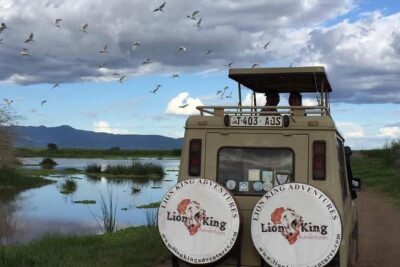
12 days Luxury Tanzania Honeymoon Safari and Zanzibar
Read our review →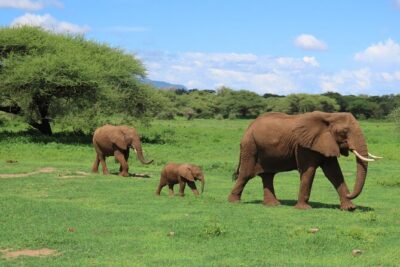
Top Best 5 Days Tanzania Luxury Safari to Serengeti
Read our review →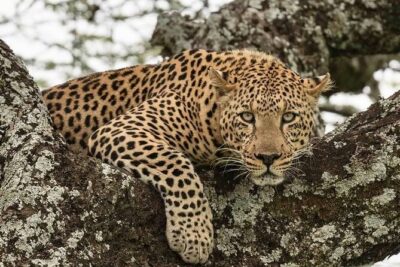
Browse the lists this tour appears in