
Reviewed · SERENGETI SAFARIS
03 days Serengeti and Ngorongoro Crater group (camping)
Serengeti feels endless, even from a car window. This 3-day camping safari is built around the big moments: long savanna game drives, then a night camped on the edge of Ngorongoro for an early descent next morning.
What I really like is the 4×4 transport with a viewing roof plus the way your days are paced for wildlife spotting. I also like the hospitality-and-logistics focus, where your driver guide handles timing, meals, and park time so you can just stay present in the moment.
One thing to consider: a 3-day route is intense, and seeing every Big Five animal is never guaranteed. One review notes Big Five except rhino, which is a good heads-up for setting expectations, especially on a tight schedule.
In This Review
- Quick highlights you will feel fast
- Day 1 pickup and Serengeti: the savanna opens up like a map
- Why that Serengeti game drive hits hardest in the morning
- Ngorongoro day 2: caldera views plus the best kind of camping location
- Day 3 inside Ngorongoro: early descent and the species that make it special
- The driving, timing, and guides that keep the day from feeling chaotic
- Camping value: what included means when you are tired
- Price check: what $815 buys you on a tight, wildlife-heavy route
- Who this Serengeti and Ngorongoro camping plan is best for
- Should you book this 3-day Serengeti and Ngorongoro camping safari?
- FAQ
- Where does the safari start, and what time does it pick up?
- How long is the Serengeti and Ngorongoro crater safari?
- Which parks and main stops are included?
- Is pickup included?
- Is this a group tour or private?
- What does the tour include for camping and food?
- What is the cancellation window for a full refund?
Quick highlights you will feel fast
- Early start for maximum park time with pickup at 6:30 am
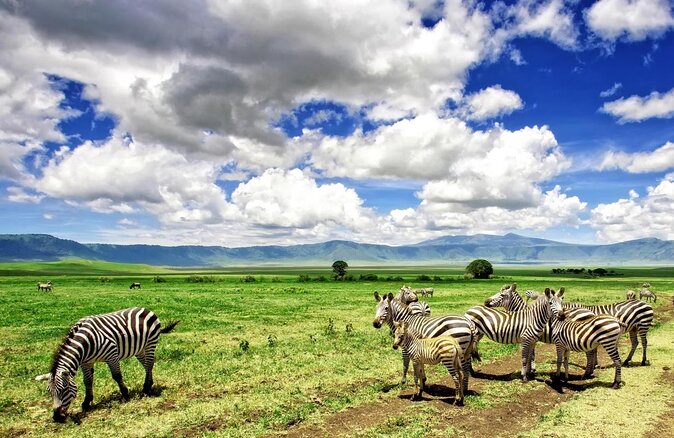
- Serengeti grasslands plus kopjes for classic views and better big-cat chances
- Picnic lunch timing that keeps the driving efficient
- Crater-edge camping at Simba campsite with sunset views built in
- Ngorongoro early descent when animals are most active
- Experienced driver guides named Emanuel, Charles, and Innocent in feedback
Day 1 pickup and Serengeti: the savanna opens up like a map
The day begins with real momentum. Your pickup is set for 6:30 am (meeting at Kilimanjaro Airport), and you head toward Serengeti by 4WD with a viewing roof. That open roof detail matters. You are not hunched behind glass, so you can actually track movement, scan for leopard in trees or on rock, and get clean angles for photos.
Once you reach Serengeti, you get the core idea behind the region’s name. Serengeti comes from the Maasai word Siringitu, meaning endless plains. You can see why that stuck: the grassland savannah stretches toward the horizon, broken only by kopjes, those strange little clusters of granite rock formed by weathering of granite outcrops. From a safari perspective, kopjes are not just scenery. They create perches, hiding spots, and vantage points, which is why big cats are often tied to them.
Your day 1 route is about spotting big cats in a natural setting, with the promise of game-drive time for leopards and other hunters. In practical terms, you are buying daylight hours plus the driver’s ability to read animal behavior, not just driving for driving’s sake.
More Serengeti safaris:
- Balloon Safari & Bush Breakfast in Serengeti – Miracle Experience
★ 5.0 · 1,646 reviews - 3 Days Serengeti & Ngorongoro Group Camping Safari
★ 5.0 · 574 reviews - 5-Day Highlights mid-Range Crater, Serengeti, Tarangire
★ 5.0 · 296 reviews
Why that Serengeti game drive hits hardest in the morning
Day 2 starts with breakfast, then another stretch of Serengeti game drive time. The route targets classic Serengeti wildlife density. You are positioned for sightings like hundreds of wildebeests and zebras, plus a chance at lions and other big cats such as leopards and cheetahs.
The Seronera Valley gets a special mention because it is where those sightings often stack up. That matters because it shapes your odds. When wildlife is concentrated, you spend more time watching behavior instead of searching for it. Lions can appear near prey movement, cheetahs tend to be more visible when the day warms, and leopards can be spotted when the light and the vegetation lines up with their habits.
Then you break for lunch at a picnic site. This is one of those small logistics wins that make the day feel manageable. It gives you a chance to recharge so your eyes do not go dull mid-afternoon, and it keeps the schedule moving while still giving you a proper stop rather than a rushed snack.
After lunch, the focus shifts. You start driving toward Ngorongoro Crater, setting up the next day’s biggest moment.
Ngorongoro day 2: caldera views plus the best kind of camping location
As soon as you reach the edge of Ngorongoro, the landscape changes fast. The caldera opens up in front of you, and it’s easy to see why people call it one of Tanzania’s natural spectacles. You are not just looking at a crater, you are looking into a full ecosystem that sits inside a massive geological bowl.
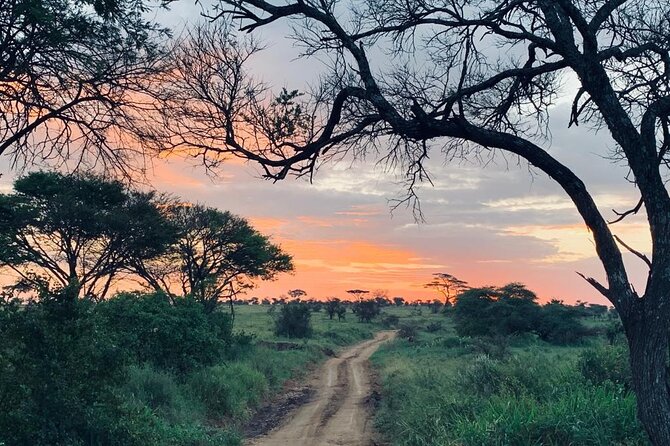
You spend the night camping on the crater’s edge at Simba campsite. This is a huge part of the value of a camping itinerary. You get the sunset views right where the action feels close, without needing a long drive to and from viewpoints. The camp setup also gives you a more “in-the-wild” feeling than a standard lodge-only plan.
Camping also changes how the day feels afterward. You are awake for the same big views, then you wind down with the sounds that come with living close to wildlife habitat. Even if you prioritize comfort, you still get the trade-off: more atmosphere, fewer hotel comforts, and a little more awareness that you are in a working wildlife landscape.
Day 3 inside Ngorongoro: early descent and the species that make it special
Day 3 starts with an early breakfast, then you drive down into Ngorongoro Crater. This is where the route earns its name. Ngorongoro is described as the largest unbroken caldera, and wildlife diversity inside the crater is what draws people back again and again.
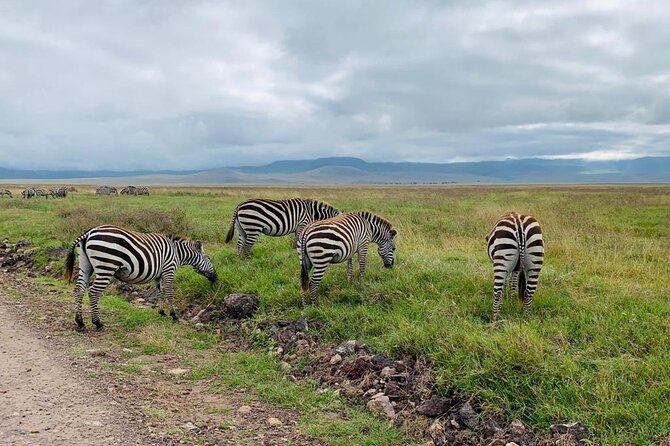
The habitat is not uniform. You can expect a mix of grass steppe and acacia tree woods, which is why the animal mix can feel surprising as you drive deeper. The itinerary also points out an important fact that is easy to miss if you only think of Ngorongoro as a “Big Five zone”: many East African savannah species are present, but there are notable exceptions. You likely will not see topis, giraffes, or impalas, even though you can see almost everything else that defines the wider savannah.
That detail is worth respecting because it affects your planning mindset. You are not guaranteeing every iconic species. You are aiming for a high-likelihood mix of savannah animals in a confined area.
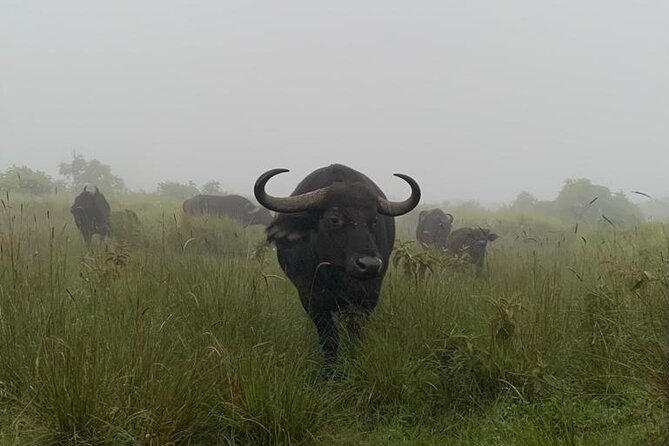
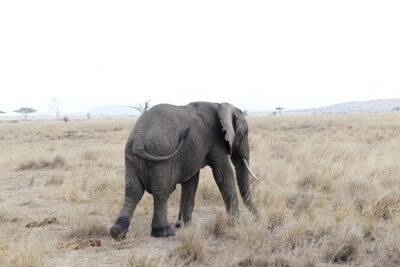
And yes, there is a strong Big Five chance. The plan notes you can often see Big Five (lion, elephant, buffalo, rhino, leopard) within a couple of hours. In real life, “within a couple of hours” means your driver will position you, then you will watch other vehicles’ movements and animal behavior to find the right pockets. One review notes Big Five except rhino, which suggests rhino can be the toughest of the set depending on where animals are that day.
Then you drive back out of the crater and continue to your hotel in Arusha for overnight. Your flight home can be the same night or the second day, depending on your schedule.
More Ngorongoro Crater trips:
- 5 Days Camping Tarangire, Serengeti & Ngorongoro crater & Visiting Maasai
★ 5.0 · 229 reviews - 4 Days Join Group tour Tarangire Serengeti and Ngorongoro crater
★ 5.0 · 219 reviews - 4-Day Safari from Arusha: Tarangire, Serengeti and Ngorongoro
★ 5.0 · 173 reviews - 2 Days Tarangire and Ngorongoro Group Camping Safari
★ 5.0 · 146 reviews
The driving, timing, and guides that keep the day from feeling chaotic
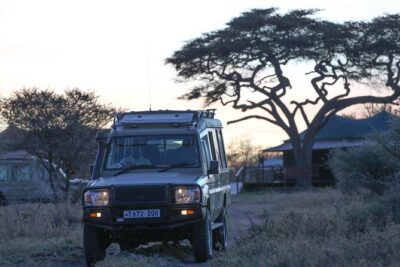
A safari can either feel smooth or stressful. This itinerary is built to reduce stress. You are traveling with a qualified driver/guide in a 4WD vehicle with viewing roof, and the schedule is paced into three major blocks: Serengeti game drive, crater-edge arrival and camping, then an early crater descent.
The feedback is consistent about the human side. People describe guides like Innocent as professional and helpful, and mention Charles as a kind driver who gave clear wildlife explanations. Emanuel comes up as the planner and communicator, described as responsive and attentive.
There is also evidence the operator handles the small emergencies that happen in vehicle travel. One review notes a flat tire and says it was managed quickly. That kind of reliability is not glamorous, but it is exactly what you want when you are dependent on one vehicle and a road network where things do not always go perfectly.
Finally, there is an attitude piece. The tour description emphasizes hospitality and making clients ambassadors of the company. You feel it in how people report that everything ran smoothly, with explanations and a steady pace rather than a constant scramble.
Camping value: what included means when you are tired
If you are choosing this as a camping safari, you should think beyond the novelty. Camping is part of the itinerary’s efficiency. You spend time where wildlife is, and you cut down on extra travel back and forth to town.
This plan includes camping fees and all meals. That matters because meals on safari can become a hidden stress point if a tour does not handle them well. Here, at least in the way the experience is sold, your food logistics are taken care of so you can focus on game drives and sleep.
You still need to be realistic. Camping nights usually mean you will manage cold, limited comfort, and the reality that you are in the wild environment. The upside is that you are staying close enough to the crater-edge atmosphere that sunset becomes part of the itinerary, not an add-on.
In addition, you get an Arusha overnight after Ngorongoro. That gives you a buffer after the crater day. If you are flying out at night, that timing is helpful. If you fly out the next day, you at least get a real chance to reset.
Price check: what $815 buys you on a tight, wildlife-heavy route
At $815 per person for about 3 days, this is not a “budget bargain,” but it also is not priced like a luxury private lodge safari either. Your best value comes from what is included, not from the headline number.
From what you are told upfront, this package covers:
- Transport with a qualified driver/guide in 4WD with viewing roof
- Camping fees
- All meals
- Admission tickets listed as free or included in the experience totals
And you get real scheduling value. Serengeti and Ngorongoro are far apart, and getting to the crater in time for a sunset camp and an early descent takes coordination. That coordination is where many DIY plans get messy, especially when you are trying to make sure you are not missing prime viewing hours.
So the pricing logic is: you are paying for time management, route flow, and access, plus the camping setup. If you are the type of traveler who does not want to juggle park logistics, this price is easier to justify.
Who this Serengeti and Ngorongoro camping plan is best for
This tour is a strong fit if you want the headline parks with a route that stays action-focused. It also suits travelers who like clear planning.
It is also a good choice for:
- First-time safari travelers who want guidance and animal explanations
- People who value early starts because that is when drives can feel most productive
- Travelers who are okay with camping for the experience, while still wanting meals handled and logistics organized
- Groups that prefer a private tour format, since it is listed as private with only your group participating
One practical consideration: a tight 3-day run means you should mentally prepare for a “watch, search, react” style of touring. You are not seeing a long list of parks. You are focusing on two big systems, Serengeti and Ngorongoro, and putting your time where wildlife density is known.
Should you book this 3-day Serengeti and Ngorongoro camping safari?
I’d book it if your priority is serious wildlife time in classic Tanzania landscapes without DIY stress. The combination of Serengeti plains with kopjes, then crater-edge camping at Simba campsite, then an early Ngorongoro descent is a smart flow. It also looks like service quality is a real strength, with guides like Innocent and drivers like Charles getting praised for professionalism and explanations, and with Emanuel cited for responsiveness.
I’d pause if you want a relaxed pace, or if you are traveling with high comfort expectations every night. Camping changes the feel. Also, no safari can promise rhino on demand, and one review suggests missing rhino is a possibility even when Big Five is the goal.
If you like structured days, you want to see the savanna and the crater up close, and you are comfortable trading some lodge luxury for proximity to the wild, this is the kind of safari that can deliver a true once-in-a-lifetime memory.
FAQ
Where does the safari start, and what time does it pick up?
The pickup start point is Kilimanjaro Airport, and the start time is listed as 6:30 am.
How long is the Serengeti and Ngorongoro crater safari?
It is listed as 3 days (approx.).
Which parks and main stops are included?
You will visit Serengeti National Park and Ngorongoro Crater. The plan includes game drives in Serengeti and a drive down into the crater.
Is pickup included?
Yes, pickup is offered.
Is this a group tour or private?
It is listed as private, meaning only your group participates.
What does the tour include for camping and food?
The experience includes camping fees and all meals.
What is the cancellation window for a full refund?
You can cancel up to 24 hours in advance for a full refund. If you cancel less than 24 hours before the start time, the amount paid is not refunded.
Just posted around Arusha
- 8 Days Serengeti Migration safari★ 5.0 · 11 reviews
- tarangire & ngorongoro 2 days tour★ 5.0 · 14 reviews
- serengeti, ngorongoro & tarangire 4 days private tour★ 5.0 · 18 reviews
- tarangire, ngorongoro & lake manyara park 3 days private tour★ 5.0 · 11 reviews
- serengeti & ngorongoro 3 days private tour★ 5.0 · 15 reviews
- climb the KILIMANJARO via Lemosho route★ 5.0 · 4 reviews
- Mt. Kilimanjaro: Shira plateau to Cathedral point 3872m Day hike★ 5.0 · 7 reviews
- 2 Days Tanzania Midrange Group Join Safari★ 5.0 · 7 reviews
Serengeti Safaris, compared.
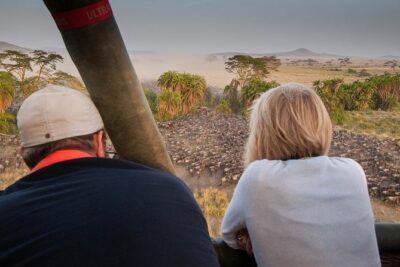
Serengeti Balloon Safari and authentic bush breakfast
Read our review →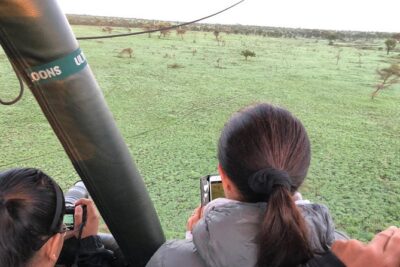
Balloon Safari & Bush Breakfast in Serengeti – Miracle Experience
Read our review →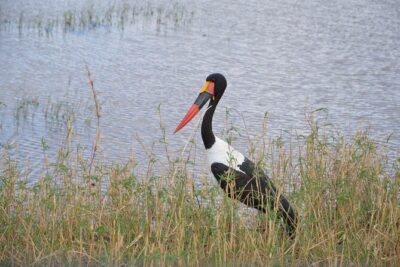
3 Days Serengeti & Ngorongoro Group Camping Safari
Read our review →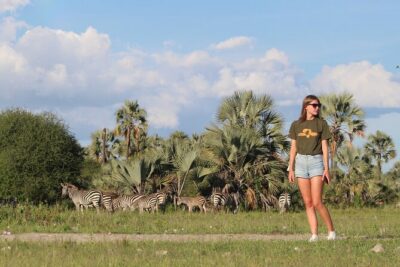
5-Day Highlights mid-Range Crater, Serengeti, Tarangire
Read our review →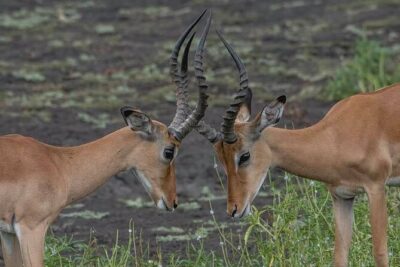
Private 6-Day Tarangire Manyara Crater and Serengeti with Mid-Range Lodges
Read our review →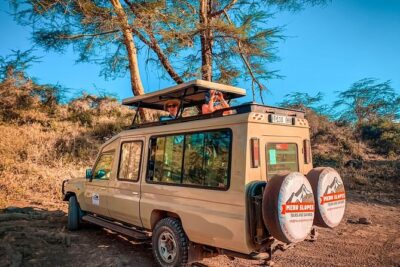
5 Days Camping Tarangire, Serengeti & Ngorongoro crater & Visiting Maasai
Read our review →Browse the lists this tour appears in