
Reviewed · STONE TOWN TOURS
Zanzibar: Stone Town History Walking Tour with a Local Guide
Stone Town rewards slow walking and good stories, and this 3-hour local-guided route is an easy way to get your bearings in a UNESCO World Heritage maze. I like two things most: the photo-friendly stops around classic landmarks, and the way your guide puts Zanzibar’s Swahili culture and architecture into plain, human context as you move from alley to alley. One thing to consider first is that you’ll be on uneven, narrow streets, so comfortable shoes matter more than pretty shoes.
If you want zero walking, this probably is not your day. Even with a wheelchair-accessible option listed, the tour notes uneven streets and modest dress, and it is also not suited for people with back problems. If you prefer long, flat routes, you may want to choose something different or ask the provider about your pace before you go.
In This Review
- Key highlights that make this Stone Town walk worth it
- Stone Town, on foot, is the only way it makes sense
- House of Wonders, Old Fort, and Forodhani Gardens in one practical loop
- Former East Africa Slave market entry, and how to handle it
- Markets, crafts, and street photos you can actually use
- How your guide shapes the experience, not just the route
- What the 3 hours feel like, including breaks and free time
- Price and value: $12 for a guided Stone Town day, with key admissions included
- What to bring and how to avoid common Stone Town mistakes
- Who this private Stone Town tour is best for
- Should you book this Stone Town walking tour?
- FAQ
- How long is the Stone Town history walking tour?
- How much does the tour cost?
- What’s included in the price?
- Is the Freddie Mercury Museum included?
- Where do pickup and drop-off happen?
- What languages are the guides available in?
- Is the tour suitable for wheelchair users?
- What should I bring, and what is not allowed?
Key highlights that make this Stone Town walk worth it
- Local guide-led context on Stone Town’s architecture, traditions, and the spice trade story line
- Landmark time for House of Wonders, Old Fort, and Forodhani Gardens
- Markets plus breaks, including time for shopping and photo stops
- Former East Africa Slave market entry included, with a structured visit
- A flexible private-group feel, where the pace can adapt to your questions
- Water included, so you can focus on the walking and not the logistics
Stone Town, on foot, is the only way it makes sense

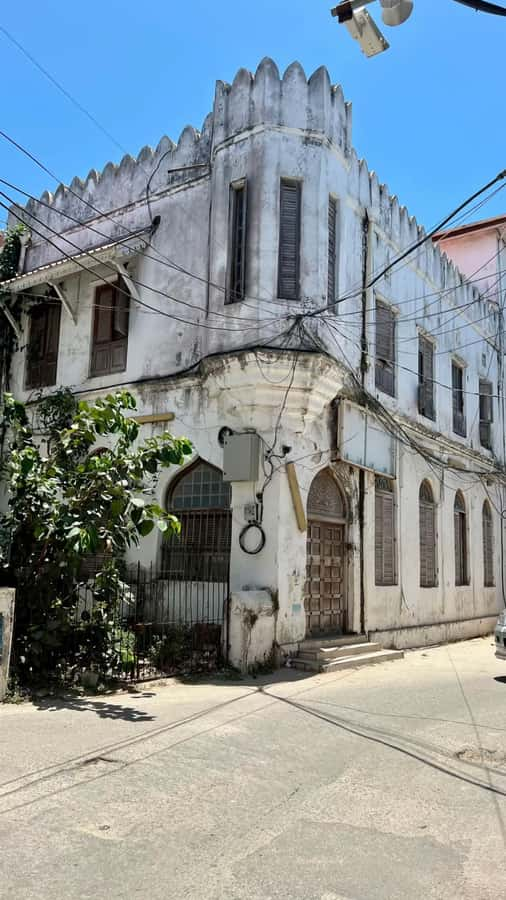
Stone Town can feel like a puzzle box. The lanes are tight, the buildings lean into each other, and the culture is everywhere, from shop shutters to prayer calls to food stalls. What makes this tour a smart value is that you do not just get dropped at a checklist of sights. You walk through the parts that shape the city’s mood, and your guide helps you connect what you see to why it exists.
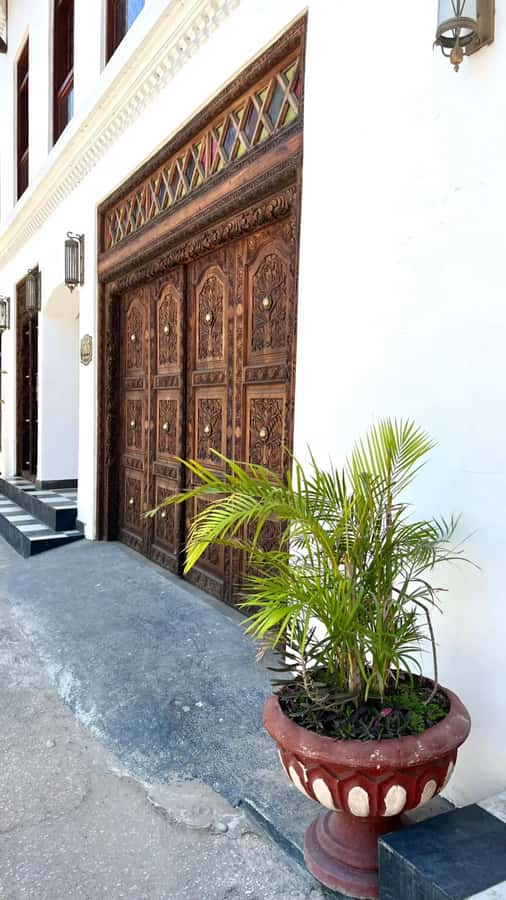
For me, the biggest win is that you get names, functions, and stories while you’re still nearby. When someone points out specific architectural features and ties them to Swahili life and Zanzibar’s trading past, the street stops becoming a pretty background. It turns into a living map.
The second thing I like is the structure for real travel comfort. This is not an all-day hike. It is a focused 3-hour window with a planned break and photo stops, plus some free time. That matters in Stone Town, where you can easily lose an hour just trying to find the next turning.
More Walking Tours in Zanzibar
- Stone Town Private Walking Tour
★ 5.0 · 371 reviews - Zanzibar: 3 Hours Private Stone Town walking Tour with Guide
★ 4.6 · 301 reviews - Zanzibar: Stone Town Historical Cultural Walking Guided Tour
★ 4.5 · 179 reviews
House of Wonders, Old Fort, and Forodhani Gardens in one practical loop
This tour is built around classic Stone Town anchor points, which is great if you’re only here for a short visit. You’ll cover major landmarks like the House of Wonders, Old Fort, and Forodhani Gardens, and you’ll also get the surrounding street context that makes those places click.
House of Wonders is often treated like a single stop, but on a walking tour it works better as a starting idea: how power and wealth were expressed in the built environment. You’ll get the sort of explanation that helps you look past the facade and notice details in the way the area is laid out. It is a good place to slow down, take photos, and listen.
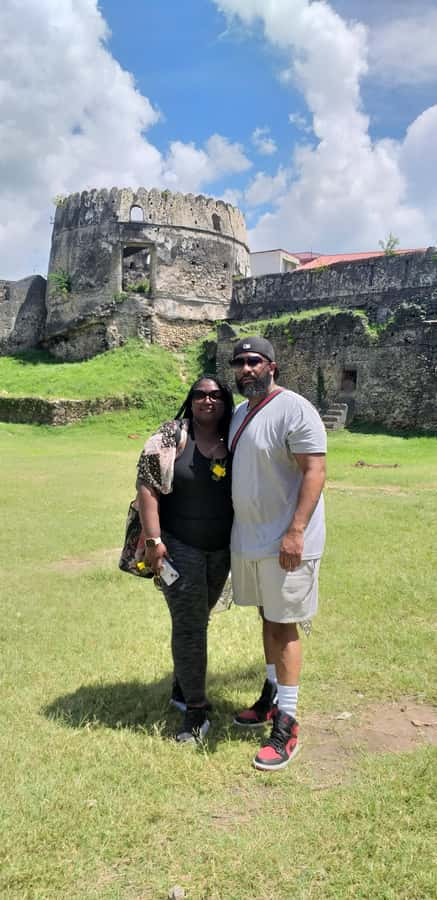
Old Fort is another highlight that tends to reward attention to placement. When you’re walking, you can better understand why a fort makes sense in that spot, and how nearby areas would have supported movement of people and goods over time. Even if you are not a hardcore history person, you’ll still come away with a clearer sense of how Zanzibar’s city shape connects to its trading role.
Forodhani Gardens is the emotional payoff. This is where Stone Town feels social, and where your guide’s timing and pace help you experience the area without turning it into a rushed photo sprint. You’ll have a chance to take in the space, and it pairs well with market stops so the day feels like culture, not just monuments.
Former East Africa Slave market entry, and how to handle it
One of the most important inclusions here is the entry/admission ticket to the Former East Africa Slave market. Since it is included, you do not have to scramble for tickets or adjust your budget mid-tour.
This site is heavy. Even if you do not want the most intense parts of travel history, it deserves your attention. A good guide makes a difference here, because you want respectful framing, not just dates and facts. The tour notes you’ll learn about Zanzibar’s past, including ancient palaces and traditions, and you can expect stories that connect the city to the broader systems that shaped it.
Practical advice: when you visit emotionally serious places, give yourself permission to move at your own speed. Use your guide’s direction, then take a moment to regroup before you head back into brighter market streets. That reset is part of keeping the day meaningful.
Markets, crafts, and street photos you can actually use

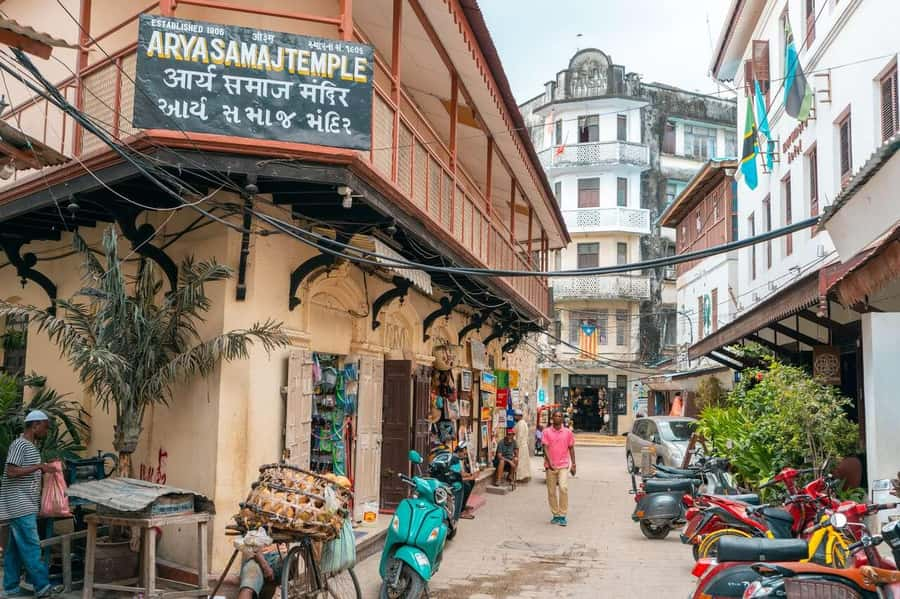
Stone Town markets are where you’ll feel the everyday side of Zanzibar. This tour builds in food market time and arts-and-crafts market time, plus opportunities for shopping. That blend is valuable because it prevents the day from becoming only sightseeing.
I like market stops on guided walks because you get help reading what you’re seeing. Your guide can explain what different areas are known for, and how the city’s trading culture shows up in what people sell and how they live. You also get practical photo timing, since the guide can steer you to the best angles while keeping the flow moving.
From the pace and feedback you’ll likely encounter with guides such as Abdi, one pattern stands out: the walk tends to be paced so you can look closely. Abdi has been described as informative and attentive to pacing, and that matters in markets where your eyes can get overloaded fast. Isaak has also been praised for tailoring the experience to what the group wanted and keeping it from dragging. Translation for you: if you ask questions, a good guide should be able to adjust without making you feel like you’re derailing the schedule.
One more practical note: the tour asks you to dress modestly and mentions modest clothing expectations. In markets, that makes sense both culturally and comfortably, especially when you’re out walking for a few hours in strong sun.
More Stone Town walks:
- Zanzibar: Stone Town, Spice Tour, Prison Island with Lunch
★ 4.4 · 1,219 reviews - Zanzibar: Prison Island, Stone Town, & Spice Farm Tour
★ 4.5 · 579 reviews - Zanzibar: Stone Town, Spice tour & Prison Island with Lunch
★ 4.6 · 453 reviews - Full-Day Private Stone Town +Spice Farm and Prison Island Tour
★ 4.5 · 216 reviews
How your guide shapes the experience, not just the route
This is a private-group walking tour, and that changes the vibe. With a private group, you can ask follow-up questions, linger at a doorway detail, or take an extra photo stop without feeling like you’re slowing down a big bus crowd.
The language options are also useful if you do not want everything in English. The tour lists live guides in English, French, German, Italian, and Spanish. That means you can get real explanations, not just point-and-say tourism.
Guide quality is clearly a big driver of satisfaction. One guide named Isaak has been described as adjusting to the group’s wishes, answering questions, and keeping conversation moving in a way that still feels natural. Another named Abdi has been noted for introducing Stone Town’s history well and finding time for breaks. If you care about having your questions answered, these kinds of guide strengths matter more than any extra stop on a checklist.
Still, there is a reality to manage: history depth depends on the guide’s style and on your own interests. One experience shared in the ratings suggested that the guide did not go into enough detail on certain topics like the slave trade or the 1960 revolution and economic context. So if those themes are your priority, it is worth sending a message ahead of time with your interests, then asking what the guide tends to cover.
What the 3 hours feel like, including breaks and free time

This is not a long day, and it should not feel like one. In three hours, you’ll typically get:
- an opening segment with guided walking through Stone Town’s narrow lanes
- photo stops and short breaks to regroup
- landmark time around the big named sights
- market time, including a food market visit and arts and crafts market visit
- some free time and shopping opportunities
That “break plus free time” structure is smart. Stone Town can be sun-heavy, and your feet will tell you when the day gets too long. Having a break built in helps you avoid the classic mistake of pushing through and then feeling grumpy by the last stop.
It also keeps your pace realistic. Your tour notes uneven, narrow streets, and the comfort factor here is not optional. Even if you feel fine at the start, the combination of heat, stone edges, and tight corners can add up.
Price and value: $12 for a guided Stone Town day, with key admissions included
At $12 per person for a 3-hour guided walk, this is positioned as low-cost, high-impact. The value gets better because guiding services are included, plus bottled water and an entry ticket to the Former East Africa Slave market.
The only notable separate cost mentioned is the Freddie Mercury Museum, listed as about $8 per person if you add it. Since that museum is not included, decide based on your interest. If you are a music fan, you might want to pair it with your walk. If you are more focused on architecture, markets, and trading history, you may prefer to keep the time on Stone Town’s street life.
A good way to think about this price: you are not just paying for a map. You’re paying for someone to explain what you’re seeing right where you’re seeing it, and for admission to a major historical site that you otherwise might skip or pay separately.
Also, the tour lists reserve now and pay later, which is helpful if your Zanzibar schedule might shift. If your plans are a bit fluid, this option reduces stress.
What to bring and how to avoid common Stone Town mistakes

Stone Town can be forgiving if you plan for comfort. The tour specifically suggests:
- comfortable shoes (you’ll be on uneven, narrow streets)
- sunglasses and a sun hat
- a camera
- comfortable clothes
- modest dressing to respect local customs
Not allowed items are also worth noting: pets, loose clothing, and nudity. Loose clothing can snag on stone edges in tight lanes, so this is more practical than it sounds.
If you tend to get tired fast, plan for a slower rhythm. A guide may offer a pace that fits your group, and the better guides will help you keep energy for landmarks and markets without sprinting.
Two “know before you go” points that matter: the tour is not suitable for people with back problems, and it also notes not suitable for people with altitude sickness. Zanzibar is not a high-altitude destination, but the point here is that the operator has a general suitability rule. If you fall into either category, ask before booking.
Who this private Stone Town tour is best for
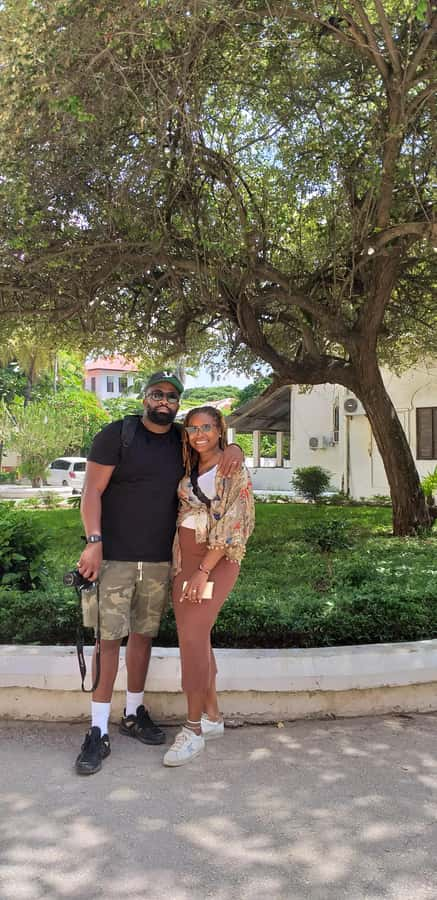
This tour fits best if you want:
- a guided introduction to Stone Town’s streets, not just isolated photos
- time at major landmarks plus market life
- explanations in English or another listed language
- a private-group style where pace and questions can matter
You’ll likely enjoy it if you’re traveling as a couple, friends, or solo and you want structure without feeling like you’re trapped in a big group. It is also a good choice for photographers because the route is built for street views and colorful architecture, with photo stops built in.
If you are a deep history specialist looking for intense detail on every political turning point, you might need to supplement your visit with another form of study or ask the guide directly what topics they emphasize. The experience can be excellent and still vary depending on how a particular guide chooses to frame the story.
Should you book this Stone Town walking tour?
If your goal is a well-paced Stone Town orientation in about three hours, I think this is a solid yes, especially for the included admission to the Former East Africa Slave market and the built-in landmarks like House of Wonders, Old Fort, and Forodhani Gardens. The low price makes it easy to take, and the private-group setup is a real quality boost if you like asking questions.
Book it if you:
- want a practical walking plan with markets and photos
- care about Swahili culture and architecture explained in real time
- appreciate having a guide handle the context, not just the route
Skip or reconsider it if you:
- need flat, easy walking due to mobility or back issues
- hate walking on uneven, narrow streets
- want very specific historical depth on topics your guide might not emphasize unless you request it
FAQ
How long is the Stone Town history walking tour?
It runs for about 3 hours.
How much does the tour cost?
The price is listed as $12 per person.
What’s included in the price?
You get guiding services, bottled water, and an entry ticket to the Former East Africa Slave market.
Is the Freddie Mercury Museum included?
No. The Freddie Mercury Museum is not included, and it’s listed as about $8 per person if you want to visit.
Where do pickup and drop-off happen?
Pickup and drop-off are available in Zanzibar, Stone Town, with pickup from your hotel lobby or main entrance.
What languages are the guides available in?
The tour lists English, French, German, Italian, and Spanish.
Is the tour suitable for wheelchair users?
Wheelchair accessibility is listed, but the tour also notes uneven, narrow streets, so it may still be challenging for some.
What should I bring, and what is not allowed?
Bring comfortable shoes, sunglasses, a sun hat, and a camera, and dress modestly. Pets, loose clothing, and nudity are not allowed.
More Historical Tours in Zanzibar City
- Zanzibar: Stone Town, History and Jozani Forest Guided Tour
★ 4.8 · 13 reviews - Private Zanzibar Stone Town Historical Tour
★ 5.0 · 13 reviews - Zanzibar: Stone Town Heritage & Slave Market Tour
★ 4.4 · 7 reviews - Zanzibar : Stone Town Tour,history without transport
★ 4.8 · 3 reviews
More Walking Tours in Zanzibar City
- Zanzibar: Spice Tour & Stone Town Walking Tour
★ 4.8 · 115 reviews - Zanzibar: Stone Town Walking Tour with Guide
★ 4.7 · 76 reviews - Zanzibar: Walking Spice Tours with Guide
★ 4.3 · 45 reviews - Stone Town: Guided Walking Tour
★ 4.2 · 38 reviews
Just posted around Zanzibar City
- Zanzibar Walking Tour: Unveiling the Secrets of Stonetown★ 4.8 · 11 reviews
- Zanzibar: Tour to Prison Island and Nakupenda sandbank with lunch★ 4.3 · 3 reviews
- Zanzibar: Stone Town Walking Tour With Hotel Pickup★ 4.6 · 4 reviews
- Zanzibar: Stone Town Walking Tour with Freddie Mercury …★ 4.3 · 4 reviews
- Zanzibar: Stone Town Tour with Slave Market Ticket★ 3.5 · 5 reviews
- Zanzibar : Stone Town Tour,history without transport★ 4.8 · 3 reviews
- Zanzibar stone town tour★ 4.2 · 4 reviews
- Stone Town Tour, Prison Island and Spice Tour with Lunch★ 4.8 · 6 reviews
Stone Town Tours, compared.
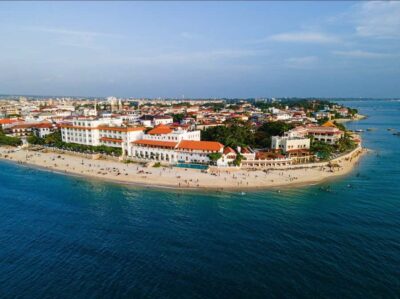
Stone Town, Spice Tour, Prison Island with Lunch
Read our review →

Prison Island, Nakupenda, StoneTown Tour with BBQ
Read our review →Stone Town, Spice tour & Prison Island with Lunch
Read our review →
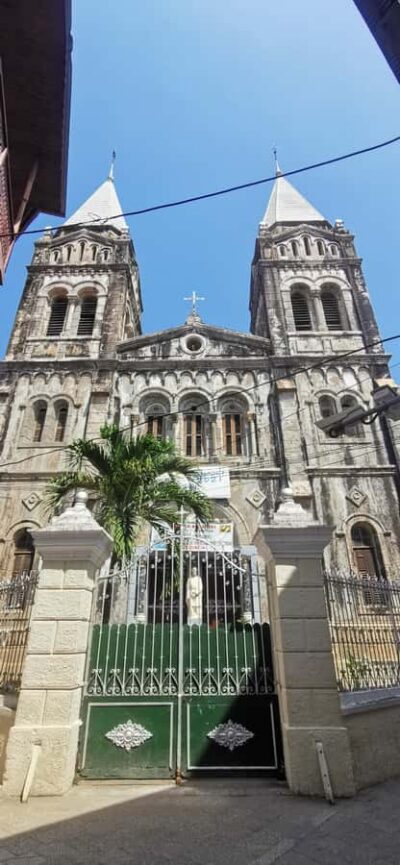
3 Hours Private Stone Town walking Tour with Guide
Read our review →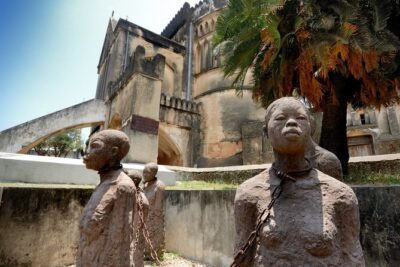
Full-Day Private Stone Town +Spice Farm and Prison Island Tour
Read our review →
Stone Town Historical Cultural Walking Guided Tour
Read our review →Browse the lists this tour appears in