
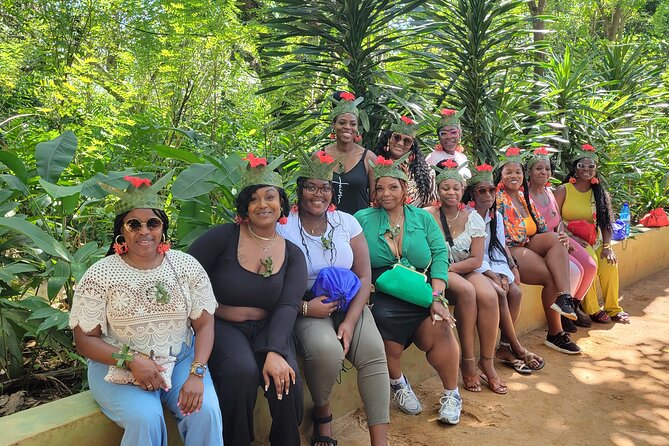
Reviewed · SPICE FARM TOURS
Zanzibar Spice Tour and Lunch Experience
If you love smell-first travel, this one is for you. A trip to the Hill Kidichi Spice Farm is the fastest way to understand why Zanzibar earns the nickname Spice Island, because your guide points out plants you can actually see, then connects them to everyday cooking and traditional uses. After the walk, you switch gears to food, with a Swahili lunch that turns all those aromas into something you can eat.
Two things I really like: the pickup and guided farm time makes it easy, and the lunch is built around local flavors instead of a generic tourist meal. One thing to consider is the pace and sun, since the day is listed as moderate fitness, so bring water and expect some walking on uneven plantation ground.
In This Review
- Key highlights to expect
- Spice Island in about 5 hours: what the day is really for
- From Old Fort to the spice farm: how the day starts
- Hill Kidichi Spice Farm: what you do on the ground
- The Swahili lunch: when spices turn into real flavor
- Spice buying that actually makes sense
- The guide and driver factor: why service changes the day
- Price and value: is $85 for Zanzibar spices worth it?
- Who this Zanzibar spice and lunch tour is best for
- Weather, timing, and what to pack
- Should you book this Zanzibar spice tour and lunch?
- FAQ
- How long is the Zanzibar Spice Tour and Lunch experience?
- Where does the tour start and end?
- Is pickup included?
- Is lunch included in the price?
- Do I need to pay for admission?
- Is this a private tour?
- What fitness level do I need?
- Are tips included?
- What happens if the weather is bad?
- Can I cancel for a full refund?
Key highlights to expect
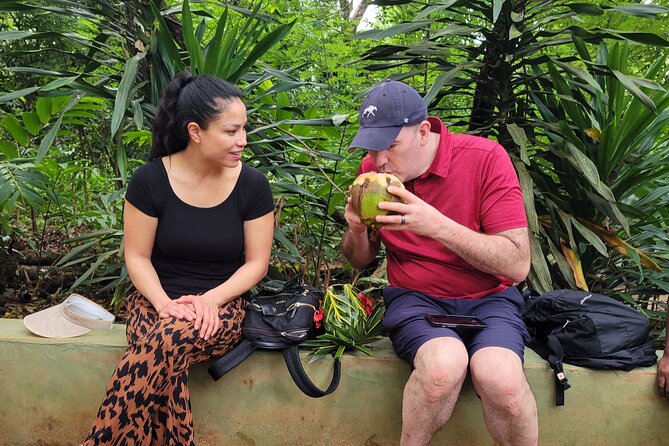
- Hill Kidichi Spice Farm: see tropical spice trees and herbs up close
- Swahili lunch: local food prepared by local chefs
- Spice shopping: buy spices directly to take home
- Small-group feel: described as private, only your group participates
- Named guide support: groups reported excellent guiding from Osman (Othman) and Mohammed
- Extra fruit time: at least one day included fresh fruit at the end
Spice Island in about 5 hours: what the day is really for

This tour is built for people who want the spice story without committing to a full day of logistics. You get a guided plantation visit, time to shop, then lunch. In other words, it’s part education, part sensory experience, and part souvenir run.
Zanzibar’s spice reputation comes from centuries of trade routes, and you’ll hear how these islands became major spice producers starting long ago. The point is not just to memorize names. It’s to connect what you see, like spice plants and fruit, to why spices mattered in trade and still matter in kitchens.
The value here is the combination. Many tours stop at a photo moment and call it done. This one aims to make the smells and flavors stick, so you leave with a bag of spices and a better sense of how Zanzibar uses them.
More spice farm visits in Zanzibar:
- Zanzibar: Stone Town, Spice Tour, Prison Island with Lunch
★ 4.4 · 1,219 reviews - Zanzibar: Prison Island, Stone Town, & Spice Farm Tour
★ 4.5 · 579 reviews - Zanzibar: Stone Town, Spice tour & Prison Island with Lunch
★ 4.6 · 453 reviews
From Old Fort to the spice farm: how the day starts
Your starting point is Old Fort on Mizingani Rd in Zanzibar City, and the activity ends back around the same place. The operator also offers pickup, which helps if you do not want to fight with taxis right before lunch and spice shopping.
Time matters on a half-day style tour. You’re looking at roughly 5 hours total, so your day is structured to move you from Stone Town area to the plantation and back without wasting a full afternoon. Groups reported that transfers were comfortable and efficient, and that pickup was on time, which is a big deal in Zanzibar where traffic can swing.
If you’re staying in Stone Town, this setup is convenient. If you’re farther out, double-check the pickup plan when you book, so you’re not surprised by where the meet-up point is versus your hotel.
Hill Kidichi Spice Farm: what you do on the ground
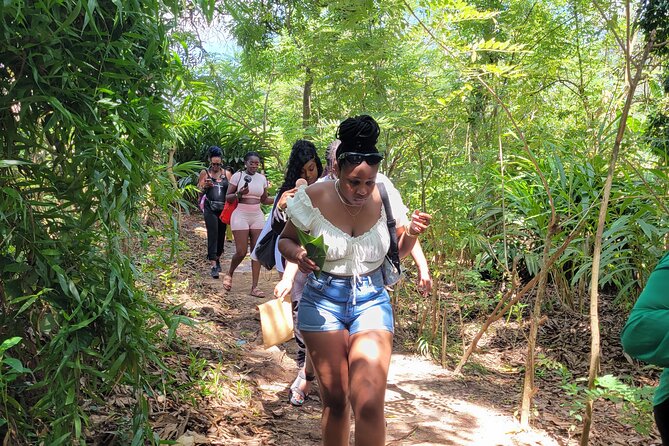
At Hill Kidichi Spice Farm, you’ll spend about 3 hours guided. This is not a museum-style walk. It’s a working plantation where you can see spice plants, herbs, and tropical fruits in the same area.
Here’s what makes this stop meaningful. You are not just hearing that cinnamon, cardamom, and other spices exist. You’re learning what the plant looks like, what parts people use, and why Zanzibar became famous for growing them. That visual memory is what turns into real value when you shop later, because you’ll know what you’re buying.
You’ll also hear about the uses of these plants locally and internationally. The tour description includes traditional claims that spices can be remedies for various conditions. Keep a balanced head on that: think of it as cultural knowledge and traditional practice, not medical advice. Still, it’s a fascinating way to understand why spices are treated as more than seasoning on the island.
Practical tip: expect a mix of walking and standing. If you’re coming from a beach day, give yourself a little buffer, wear shoes with grip, and keep sunscreen and water close by.
The Swahili lunch: when spices turn into real flavor
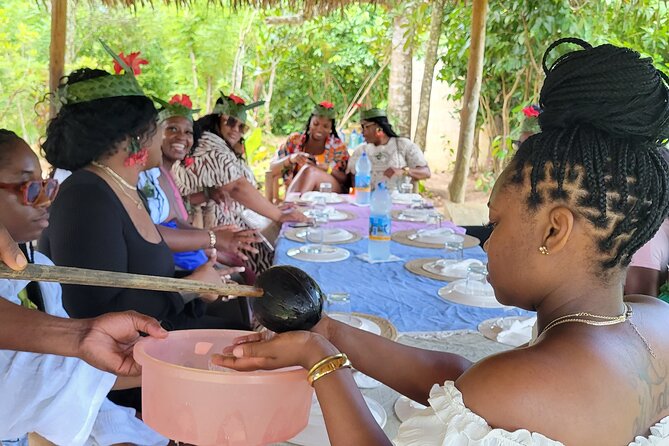
Lunch is included, and it’s local Swahili food prepared by local Swahili chefs. This is one of the biggest reasons the tour feels like more than a quick stop. Spices can sound abstract until you taste how people actually build flavor with them.
On this day, lunch is not separate from the spice theme. It’s the payoff. The aromas you smelled while walking the plantation become part of the dishes in front of you. If you’re a foodie, this helps you connect the dots between what’s growing and what’s on the plate.
One review also mentioned the day included lunch at the Rock restaurant as part of the overall outing. That suggests some versions of the day may add a second food stop, or swap the lunch setting, while keeping the focus on local flavors. If food is a priority for you, it’s worth asking at booking what the lunch arrangement will be for your specific date.
Extra bonus: one group called out fresh fruit at the end as exceptional. If that’s part of your schedule, it’s a nice way to finish because the sweetness and fragrance can feel like a reset after hours of spice scents.
A few more Zanzibar trips to compare
- From Zanzibar: Mikumi Safari Day Trip with Flights and Meal
★ 4.7 · 1,470 reviews - Zanzibar: Quad Bike Adventure departing from Kendwa or Nungwi
★ 4.9 · 1,233 reviews - From Zanzibar: Day Selous Game Reserve Safari with Flights
★ 4.7 · 1,025 reviews - Zanzibar: Prison Island and Nakupenda Boat Trip with Lunch
★ 4.1 · 882 reviews
Spice buying that actually makes sense

Yes, you can buy spices to take home. But the better question is whether you’ll buy the right thing for your cooking. The farm visit gives you that context.
When you shop at a spice plantation, you’re usually looking at small quantities of dried spices and blends, and you’re often learning what they’re used for. The guide-led walk helps you understand the differences between spice types and how they show up in everyday dishes.
A practical approach for buying:
- Decide what you’ll cook with. Do you want baking spices like cinnamon, or warming aromatics like cardamom?
- Smell before you pay. Spices can vary by freshness, and your nose will do more than your wallet.
- Ask what the locals use them for. Even if you just remember one or two uses, that makes your purchase feel worth it.
Also, set your expectations about souvenir shopping. You’re on a working farm, and sales are part of the experience. That said, groups that loved the tour highlighted buying spices directly from the farm as a standout.
The guide and driver factor: why service changes the day

A spice farm can be scenic, but your guide is what makes it educational. Several groups specifically praised named staff for being polite and professional and for sharing a lot of information.
One review mentioned Osman as the guide, spelling uncertain, and called out both the guide and driver Abdulrahman as very good and professional. Another review praised Mohammed as a fantastic, knowledgeable guide, and the day felt like a private tour.
That matters because spices are not always obvious. Without guidance, you might recognize a few plants and miss the rest. With a good guide, you learn what you’re looking at and why it matters in Zanzibar culture and cooking.
If you care about learning, this is where you should lean in. Ask questions about what you see and how spices are used locally. The more you engage, the more your shopping becomes intentional.
Price and value: is $85 for Zanzibar spices worth it?
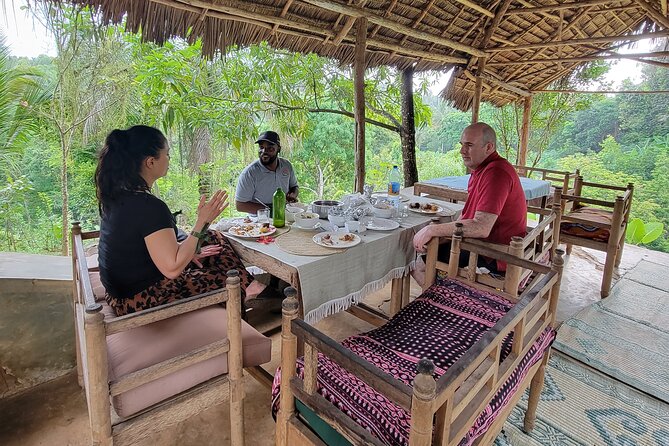
At $85 per person for about 5 hours, this sits in the mid-range for Zanzibar excursions. The best way to judge value is what’s included that you would otherwise have to pay for or organize yourself.
Here’s what you get for your money:
- A guided spice farm experience at Hill Kidichi
- Lunch with local Swahili food
- Time to buy spices to take home
- Pickup offered and a set meeting point near Old Fort
- Group discounts and a mobile ticket option
What’s not included is also clearly laid out. Tips and personal needs are on you. That’s normal, but it’s good to know up front.
Does the tour justify the cost? For me, it looks strongest if you want both the learning and the meal. If you only want photos or you already planned to eat Swahili food without a farm visit, you might question the price. But if you want spices plus a real lunch in one smooth half day, the included meal is a meaningful part of the value.
Also, private participation matters. The activity is listed as private, meaning only your group participates. Even if you’re not a family, that feel usually means less crowd pressure and more room for questions.
Who this Zanzibar spice and lunch tour is best for
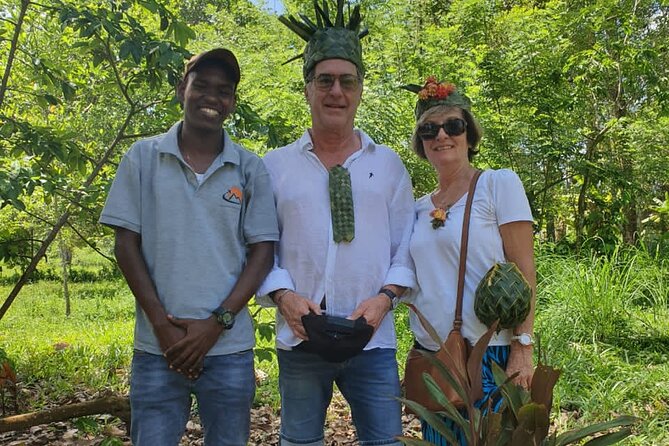
This is a strong fit for:
- Foodies who want local flavor, not just a generic buffet
- Couples and friends who want a guided experience without a long travel day
- Shoppers who want to understand what they’re buying
- Anyone who likes natural, hands-on learning with a clear payoff at lunch
It may be less ideal for:
- People who want a lot of beach time, because this is focused on a plantation day
- Anyone who struggles with walking in warm sun, since the experience lists moderate physical fitness
If you’re in Zanzibar City, especially around Stone Town, the Old Fort Mizingani Rd meeting point and end point make this easy to slot into your schedule.
Weather, timing, and what to pack
This experience requires good weather. If conditions are poor, you should expect an alternate date or a full refund. That’s important in Zanzibar because rain can change how comfortable outdoor walking feels.
For your comfort, pack like you’re going to a guided outdoor walk:
- Water
- Sunscreen
- A hat
- Lightweight long sleeves if you burn easily
- Shoes with grip
Also, remember that the day is partly about shopping. Bring cash or the means you plan to use for purchasing spices, and consider how much weight you can comfortably carry back to your hotel.
Should you book this Zanzibar spice tour and lunch?
If you want a practical, guided Zanzibar experience that connects plants to food, I’d lean yes. The combination of a real spice farm, time to buy spices directly, and an included Swahili lunch is exactly the kind of value that makes a trip feel purposeful.
Book it if:
- You care about local cooking and want the meal to match the education
- You like hands-on travel and would enjoy seeing spice plants, not just hearing about them
- You want a day that feels manageable, about 5 hours total
Skip or reconsider if:
- You hate walking in the sun or need very low physical effort
- You already have a separate plan for Swahili dining and you only want scenery
Overall, it’s the kind of trip that gives you something you can use later, a bag of spices plus the real story behind them.
FAQ
How long is the Zanzibar Spice Tour and Lunch experience?
It runs for approximately 5 hours.
Where does the tour start and end?
The tour starts at Old Fort, Mizingani Rd, Zanzibar, Tanzania, and ends back at the same meeting point.
Is pickup included?
Pickup is offered.
Is lunch included in the price?
Yes. Lunch with local Swahili food is included.
Do I need to pay for admission?
Admission ticket for the spice farm stop is listed as free.
Is this a private tour?
Yes. It is private, and only your group participates.
What fitness level do I need?
The experience is listed as requiring moderate physical fitness.
Are tips included?
No. Tips and personal needs are not included.
What happens if the weather is bad?
The experience requires good weather. If it is canceled due to poor weather, you will be offered a different date or a full refund.
Can I cancel for a full refund?
Yes. Free cancellation is available, and you can cancel up to 24 hours in advance for a full refund.
Just posted around Zanzibar
- Zanzibar:Jozani forest, Spice farm with Swahili Cuisine clas★ 4.2 · 3 reviews
- ZANZIBAR:Amazing tour Nakupenda SandBank with fruits★ 5.0 · 3 reviews
- Zanzibar Walking Tour: Unveiling the Secrets of Stonetown★ 4.8 · 11 reviews
- Zanzibar: The Rock Restaurant and Salaam Cave Tour★ 3.8 · 10 reviews
- Zanzibar: Tour to Prison Island and Nakupenda sandbank with lunch★ 4.3 · 3 reviews
- Zanzibar: Walking Spice Farm with Local Cooking Class★ 4.4 · 9 reviews
- Zanzibar: Swimming With Horse and Clear Kayaking Tour★ 3.9 · 5 reviews
- Dolphin tour at kizimkazi and Salaam cave★ 3.3 · 15 reviews
Spice Farm Tours, compared.

Stone Town, Spice Tour, Prison Island with Lunch
Read our review →
Stone Town, Spice tour & Prison Island with Lunch
Read our review →
Full-Day Private Stone Town +Spice Farm and Prison Island Tour
Read our review →


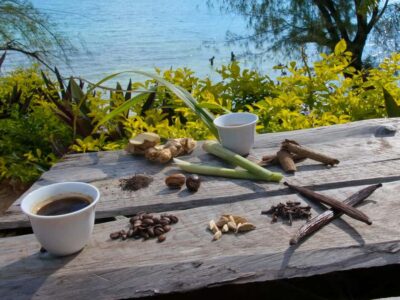
The Swahili Spice Experience – Spice Tour + Culinary Journey
Read our review →Browse the lists this tour appears in