
Reviewed · SPICE FARM TOURS
Zanzibar: Spice farm tour with Zanzibar fruits tasting
You can learn Zanzibar spices on foot, in real village farms. I like how this tour mixes a guided walk with hands-on moments, like watching spice trees and learning what they are used for. You also get tasty tropical fruit and the chance to see how local farming works beyond the postcard version. One thing to factor in is the price, since a few people felt it could include more small extras, and you will only get the experience that is clearly part of the walk and farm visit.
Two highlights I really like: the guide-led stroll through spice cultivation and the practical fruit tasting that helps you connect flavors to plants. You also spend real time at a private spice farm, not just a quick photo stop. The main consideration is timing and meeting point accuracy, because one booking reported arriving and not being met right away.
In This Review
- Key Points to Know Before You Go
- Walking a Zanzibar Spice Route, Not a Museum Lesson
- Meeting at People’s Palace Museum and How the Day Flows
- A practical time tip
- Village Walk and Spice Farm Visit: What You’ll Actually See
- What can feel different from other tours
- The Spices You Hear About, Cloves to Lemongrass
- A helpful mindset
- Tropical Fruit Tasting: The Flavor Half You’ll Be Glad You Got
- Palm Leaf Accessories and the Human Side of Farming
- Shopping Fresh Spices at the Source, Without the Rush
- Price and Value: Is $45 a Fair Deal?
- For whom the value is best
- Private Group, English or French, and Solo Friendly Flow
- What to watch for on meeting day
- Who Should Book This Spice Farm Tour
- Should You Book Zanzibar Spice Farm Tour With Fruit Tasting?
Key Points to Know Before You Go
- A 3 hour guided walking route through villages and spice plantations, paced for learning
- Spice and fruit tasting so you can connect smells and flavors to specific plants
- Hands-on farm moments, including watching people climb and work in the spice trees
- Palm leaf accessories given during the tour, like ties, rings, bracelets, and glasses
- Built-in shopping time at the farm for fresh spices from the source
- Private group format with live guide support in English or French
Walking a Zanzibar Spice Route, Not a Museum Lesson

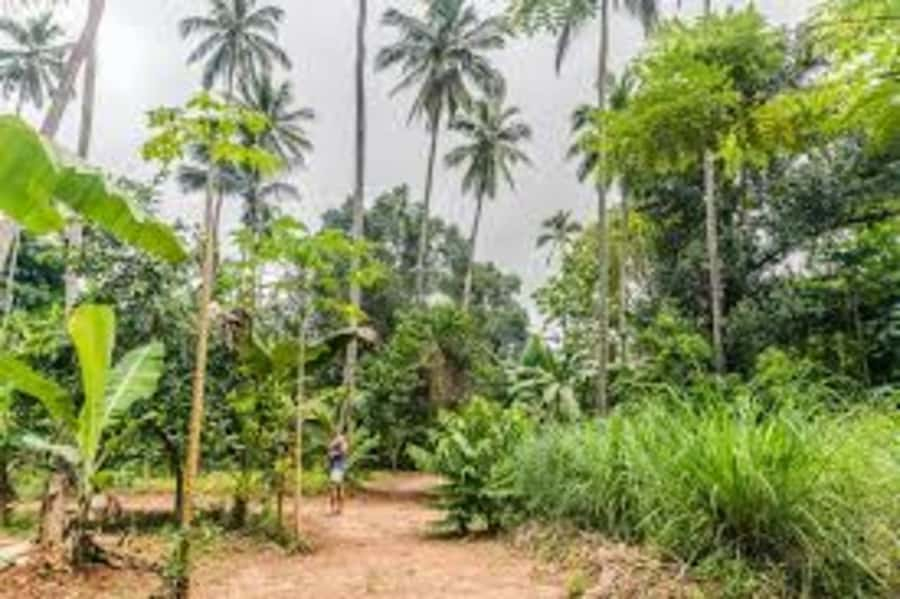
Zanzibar’s spice story is often told in big, dramatic terms. This tour keeps it simple and physical. You start in a central cultural spot, then head out into working village farms where cloves, cinnamon, ginger, lemongrass, and more are grown. The key value here is seeing plants in the place they actually live, and getting explanations for how they’re used.
I love how the tour focuses on identification. Instead of vague descriptions, you’ll be guided through what you’re looking at and how it connects to everyday uses. If you enjoy learning by sight and smell, this format works. The “spices plus fruit tasting” combo also makes the experience feel complete, because you get both the aroma plants and the flavor side of the same landscape.
One more small but meaningful detail, the palm leaf accessories. They make the walking part feel festive and local, not just instructional. It’s the kind of touch that costs little but helps you remember the day.
More Food Tours in Zanzibar
- Zanzibar:Stone town Street food market walking tour,transfer
★ 4.5 · 9 reviews - Zanzibar Cooking Class [Swahili food test ] and Spice farm Private tour
★ 4.5 · 6 reviews - Spice tour and cooking class (local food)
★ 5.0 · 5 reviews
Meeting at People’s Palace Museum and How the Day Flows
The tour meets you at People’s Palace Museum, with the guide waiting in front of the door. This matters because it anchors the day right away, and it also means you can plan around a known point rather than guessing where a vehicle will pick you up.
Transport is included from the meeting point to the tour area and back. That reduces friction, especially if you are staying in a place where getting there on your own is less convenient. You are responsible for getting to People’s Palace Museum first, since pickup from hotels is not included by default.
Because the tour runs for about 3 hours, you can treat it like a focused afternoon activity. If your schedule is tight, you’ll still get a full walking-and-tasting experience without needing a whole day buffer.
A practical time tip
If you are coming from elsewhere in town, give yourself a little margin before the meeting time. There is at least one report of a guide not meeting promptly, so being early is smart.
Village Walk and Spice Farm Visit: What You’ll Actually See
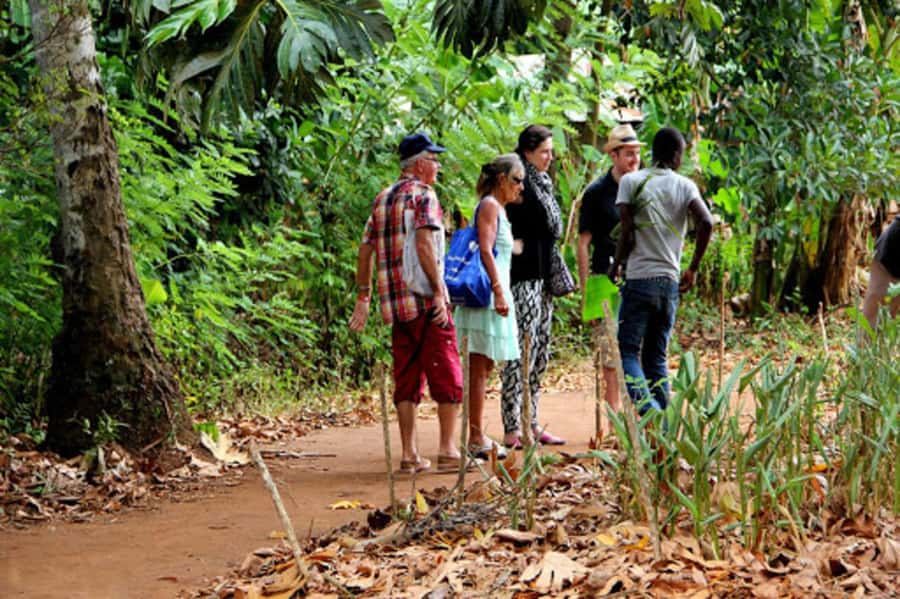
Most spice tours have one problem: you spend too much time standing still. Here, the day is designed around walking through villages and spice plantations, with a guide leading the route. Expect a real, moving tour. You will see how local farms are arranged and how people use spice trees and coconut trees as part of daily work.
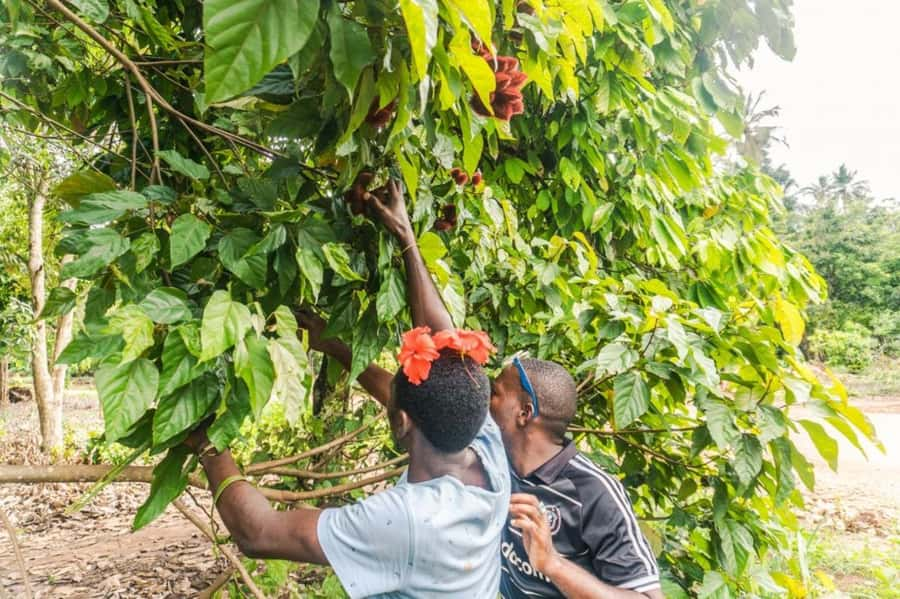
There’s also a memorable visual element, watching local people climb into spice trees and coconut trees. That is not a generic “look at a plant” moment. It gives you a sense of scale and effort, and it helps you understand why cultivation is skilled work, not just planting and waiting.
At the private spice farm, there is time for a photo stop, a guided visit, and shopping. The walk is paired with explanations, so you are not just touring a property. You’re learning what’s there while you’re there.
More spice farm visits in Zanzibar City:
- Zanzibar: Stone Town, Spice Tour, Prison Island with Lunch
★ 4.4 · 1,219 reviews - Zanzibar: Prison Island, Stone Town, & Spice Farm Tour
★ 4.5 · 579 reviews - Zanzibar: Stone Town, Spice tour & Prison Island with Lunch
★ 4.6 · 453 reviews - Full-Day Private Stone Town +Spice Farm and Prison Island Tour
★ 4.5 · 216 reviews
What can feel different from other tours
Because this is a walking format, you’ll feel the rhythm of the villages more than you would on a vehicle-focused tour. If you prefer minimal walking, you may want to consider that this is still a guided stroll through farm areas.
The Spices You Hear About, Cloves to Lemongrass
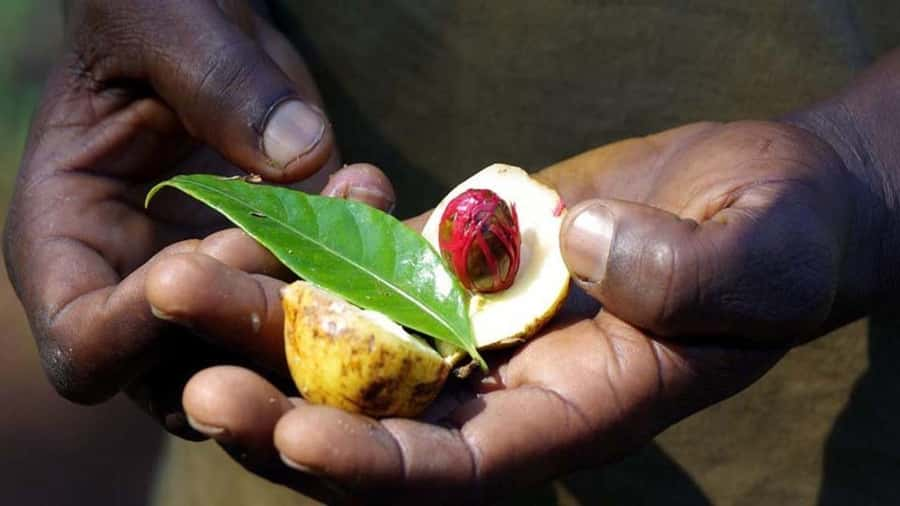
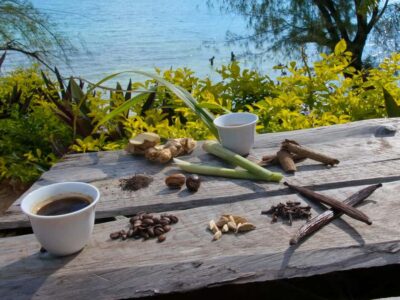
During the tour, you’re guided through a list of spices and plants that thrive in Zanzibar village settings. The big names you can expect to hear about include cloves, cinnamon, ginger, and lemon grass, plus other crops grown in the same spaces.
This kind of lineup is more useful than you might think. When you learn the common spice names and the plant they come from, you stop treating spices as generic powders. Instead, you start recognizing where flavors come from. That helps later when you shop for spices, because you know what you are buying and why you want a certain scent or use.
Also, the tour is built around how Zanzibar’s spice trade shaped local farming and village life. Even when you do not go deep into a textbook timeline, you get context for why these plants matter. Spices are not only a crop here, they’re tied to history, trade, and local livelihoods.
A helpful mindset
Go with your nose open. When you smell the plants described during the walk, you remember better than if you only hear names.
Tropical Fruit Tasting: The Flavor Half You’ll Be Glad You Got
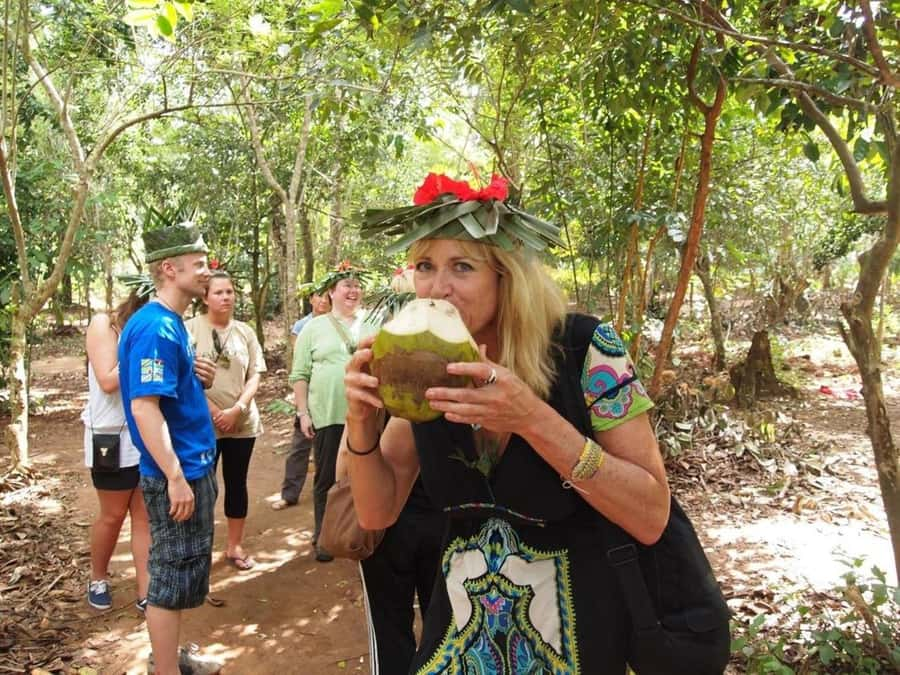
The tour includes tasting Zanzibar fruits during the farm stop. You’ll have the chance to sample tropical fruits such as pineapple, bananas, oranges, and water melon. This is a smart addition because it keeps the day from being all about spices alone.
Fruit tasting also gives you an easier entry point, especially if you are not sure what to look for in spice farming. You can think of it like a “flavor map.” When you try pineapple or banana, then you smell and learn about spice plants, your brain connects the overall orchard and farm ecosystem.
It also makes the tour feel more like a lived day in the countryside and less like a sales pitch. There is still shopping time, but the tasting gives you a grounded reason to care.
Palm Leaf Accessories and the Human Side of Farming

One of the more memorable practical details is that during the tour you are decorated with palm leaf accessories, including ties, rings, bracelets, and glasses. These are quick, playful, and built for the moment. You’ll see how local materials can be turned into wearable crafts during everyday village life.
The day also includes people working in the trees. That human element is part of why the walk feels authentic. You are not only observing plants, you’re observing effort, skill, and how people move through their own environment.
If you like tours where you learn from the guide’s explanations while also noticing day-to-day life, this one fits that style.
Shopping Fresh Spices at the Source, Without the Rush
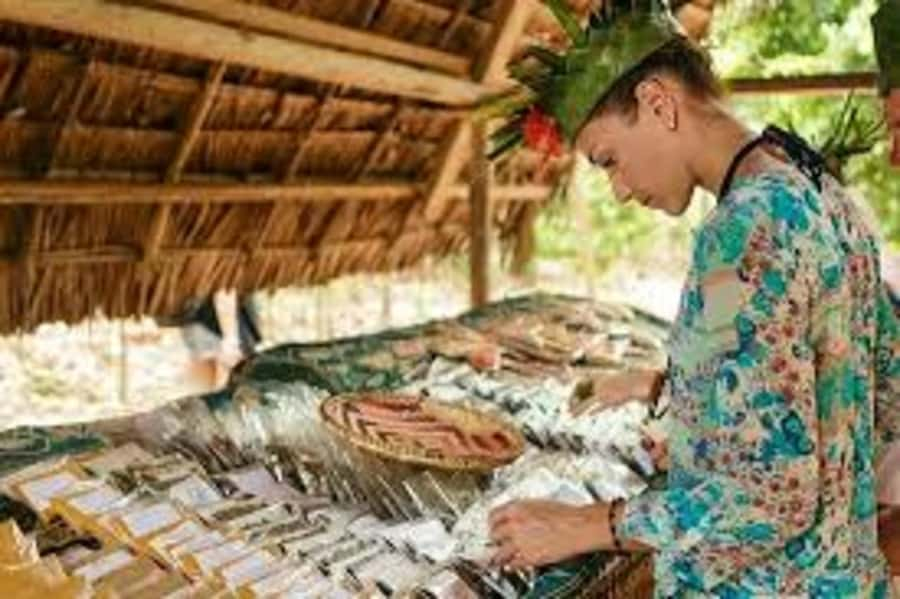
At the private spice farm, you get shopping time. This is important, because buying spices without seeing the plant can be frustrating. Here, you can match what you smelled and learned to what you can purchase.
A balanced approach helps you get value: treat shopping as optional, and use it to fill gaps. If you know which scents you like, you’re in a better position to buy with confidence. If you are new to Zanzibar spices, tasting first gives you a starting point.
Also, since the tour includes entrance fees and guide time, the shopping part does not feel like the only reason you paid. You are paying for the walk and education, and shopping is layered on top.
Price and Value: Is $45 a Fair Deal?

The tour price is $45 per person and the duration is about 3 hours. That is a reasonable range for a guided, private-format walk that includes a guide, entrance fees, fruit tasting, and transport from People’s Palace Museum to the farm and back.
Where value can feel different is in expectations. One review mentioned disappointment because small items like a necklace or crown were not treated as an included giveaway. The takeaway for you is simple: treat any optional souvenirs or extras as possible add-ons, not guaranteed “free gifts.”
On the other hand, multiple positive experiences emphasized that the tour is informative and eye-opening, especially for solo travelers who want a spice farm visit without pairing it with another major activity. If that matches your plan, the price feels easier to justify because you’re buying a focused experience.
For whom the value is best
This is best value if you:
- want a 3 hour activity with strong educational content
- enjoy fruit tasting and plant identification
- prefer a private group format over large crowds
- like having time to shop at a working farm
Private Group, English or French, and Solo Friendly Flow
This activity runs as a private group. You also get a live guide in English or French. In practice, that means you can ask questions as you walk, and you are less likely to lose track of what you are seeing.
Solo travelers often get a lot out of tours like this because you do not have to coordinate with a big group. One positive report highlighted that there is no minimum number of participants, and start times can be flexible based on availability. If you like making your own itinerary and you want a straightforward plan, this works well.
Guides are also a key part of your experience. Positive feedback singled out clear speaking and friendly behavior, which matters on a tour where the learning is the main product.
What to watch for on meeting day
Because there is a report of someone waiting at the meeting point for an hour without being met, you should plan to arrive with a small buffer. Stand outside People’s Palace Museum near the door where the guide is meant to wait, and stay alert for a guide holding a sign or identifying themselves.
Who Should Book This Spice Farm Tour
Book it if you want a compact, guided country walk that teaches you what Zanzibar spices come from and why they matter. It’s ideal for:
- couples and friends who want a hands-on afternoon activity
- solo travelers who want a simple plan and don’t want to combine multiple tours
- food lovers who enjoy learning through tasting and smell
- travelers who prefer village and farm experiences over large-scale attractions
It may be less ideal if you want:
- a long, deep history lecture
- a “luxury” experience with lots of vehicle time and minimal walking
- guaranteed extra souvenirs included as part of the price
Should You Book Zanzibar Spice Farm Tour With Fruit Tasting?
I’d say yes if your goal is a 3 hour spice-focused walk with fruit tasting, clear guide explanations, and time to see cultivation up close. The strongest points are the practical learning, the tasting component, and the way the tour blends spices with village life rather than keeping everything inside a shop.
Before you book, go in with the right expectations: expect walking, plant education, and farm stop activities. Treat souvenirs as possible add-ons, not guaranteed included gifts. If you plan to be punctual at People’s Palace Museum and you arrive early enough to avoid meeting-day hiccups, you’ll set yourself up for a smooth experience.
If you want, tell me your travel month and where you’re staying, and I can suggest the best time of day to fit this into your Zanzibar itinerary.
More Farms in Zanzibar City
- Zanzibar full day Jozani forest + Spice farm and stone town
★ 4.7 · 90 reviews - Zanzibar Private Spice Farm and Stonetown Tour(Include Lunch)
★ 5.0 · 53 reviews - STONE TOWN, PRISON ISLAND AND SPICE FARM ( Lunch included )
★ 5.0 · 53 reviews - Full Day Holiday Package (Prison Island-Stone Town-Spice farm)
★ 5.0 · 33 reviews
More Food & Drink in Zanzibar City
- Stonetown: Food Markets and Street Food Walking Tour
★ 4.7 · 151 reviews - Authentic Street Food Tours in Stone Town, Zanzibar
★ 5.0 · 46 reviews - Arusha: Traditional Tanzania Cooking Class & Food Market Tour
★ 5.0 · 34 reviews - Organic Coffee Tour and Local Food Experience in Arusha
★ 5.0 · 29 reviews
Just posted around Zanzibar City
- Zanzibar Walking Tour: Unveiling the Secrets of Stonetown★ 4.8 · 11 reviews
- Zanzibar: Tour to Prison Island and Nakupenda sandbank with lunch★ 4.3 · 3 reviews
- Zanzibar: Stone Town Walking Tour With Hotel Pickup★ 4.6 · 4 reviews
- Zanzibar: Stone Town Walking Tour with Freddie Mercury …★ 4.3 · 4 reviews
- Zanzibar: Stone Town Tour with Slave Market Ticket★ 3.5 · 5 reviews
- Zanzibar : Stone Town Tour,history without transport★ 4.8 · 3 reviews
- Stone Town Tour, Prison Island and Spice Tour with Lunch★ 4.8 · 6 reviews
- Zanzibar stone town tour★ 4.2 · 4 reviews
Spice Farm Tours, compared.

Stone Town, Spice Tour, Prison Island with Lunch
Read our review →
Stone Town, Spice tour & Prison Island with Lunch
Read our review →
Full-Day Private Stone Town +Spice Farm and Prison Island Tour
Read our review →

The Swahili Spice Experience – Spice Tour + Culinary Journey
Read our review →Browse the lists this tour appears in