

Reviewed · STONE TOWN TOURS
Walking in Stone Town with a Expert Tourguide
Stone Town reads like a live textbook. A guided walk through the UNESCO streets with a female guide is one of the best ways to understand how Zanzibar really works, not just what it looks like. I love the way the route connects landmarks like the House of Wonders to everyday market life, and I love the focus on Zanzibari doorways and architecture details. One thing to consider: the pace and guide English level can vary by group, and you may be routed briefly into a sales stop.
You start at Forodhani Gardens, then wind through narrow alleys where trade history, Muslim and Christian landmarks, and spice-market sounds all overlap. It’s a practical way to “read” Stone Town as you walk, including stories about the island’s mix of African, Arab, Indian, and European influences.
If you’re sensitive to lots of walking on uneven streets, or you want very slow, stop-everywhere sightseeing, this tour may not fit. It’s designed to move steadily, and it’s not suitable for baby strollers.
In This Review
- Key things I’d pin on your map
- Forodhani Gardens to the Anglican Cathedral: where your bearings click
- The UNESCO street story: how Old Fort fits the whole picture
- House of Wonders: the landmark, plus the reasons it’s discussed
- The former Sultan’s Palace area: power, politics, and everyday connections
- Spice and local markets: the part you’ll remember past the photos
- Zanzibari doors and secret courtyards: why the details matter
- Women’s perspective: how the guide’s viewpoint changes the whole walk
- English guidance, group pace, and the risk of surprise stops
- What you get for $25 and where the costs can rise
- Who should book this walking tour
- Should you book this Stone Town walking tour?
- FAQ
- FAQ
- Where does the tour start?
- How long is the walking tour?
- What’s included in the price?
- Is hotel pickup guaranteed?
- What language is the guide?
- Are entrance fees included for the Old Slave Market?
- Are food and drinks included?
- What should I wear or bring?
- Can I bring a baby stroller?
Key things I’d pin on your map
- Female guide perspective: you’ll hear Stone Town through local, day-to-day life stories, including the role of women in Zanzibari society.
- Landmarks that actually connect: Old Fort, House of Wonders, and the former Sultan’s Palace come with trade-focused context, not just names.
- Market time with real buying energy: spice stalls and local vendors help you understand why Zanzibar became known as the Spice Island.
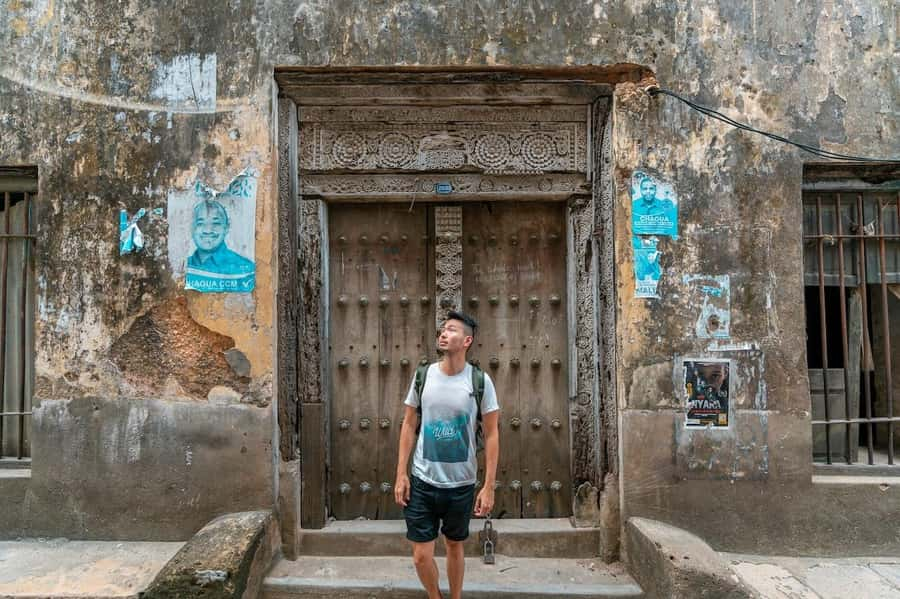
- Architecture you can spot as you walk: carved wooden doors, coral-stone walls, balconies, and secret courtyards.
- Tour style can change: the guidance is listed in English, but at least one group has had German-speaking guidance, and speed can vary.
Forodhani Gardens to the Anglican Cathedral: where your bearings click
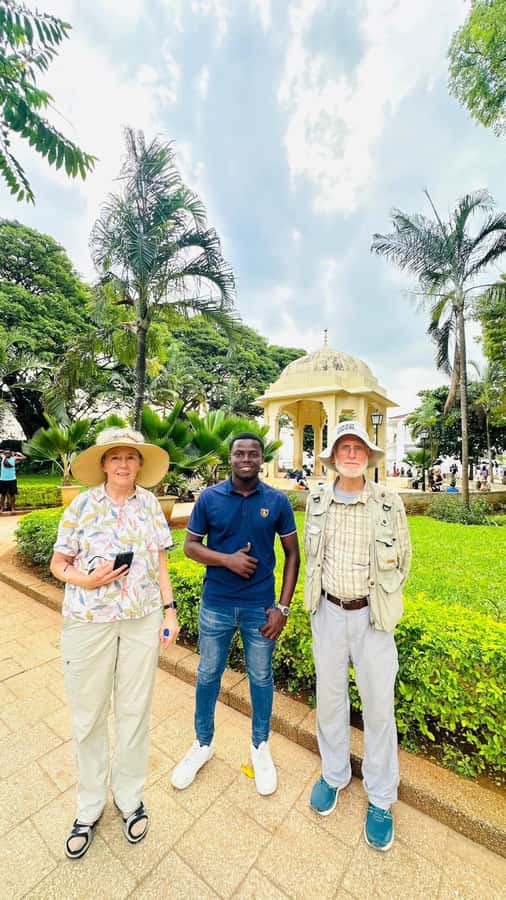
Meeting at Forodhani Gardens at the bandstand is smart, because it puts you in the center of Stone Town life. You’re not starting on the edge of town. You’re starting where the streets begin to branch into those tight lanes that can feel like a maze unless someone guides you.
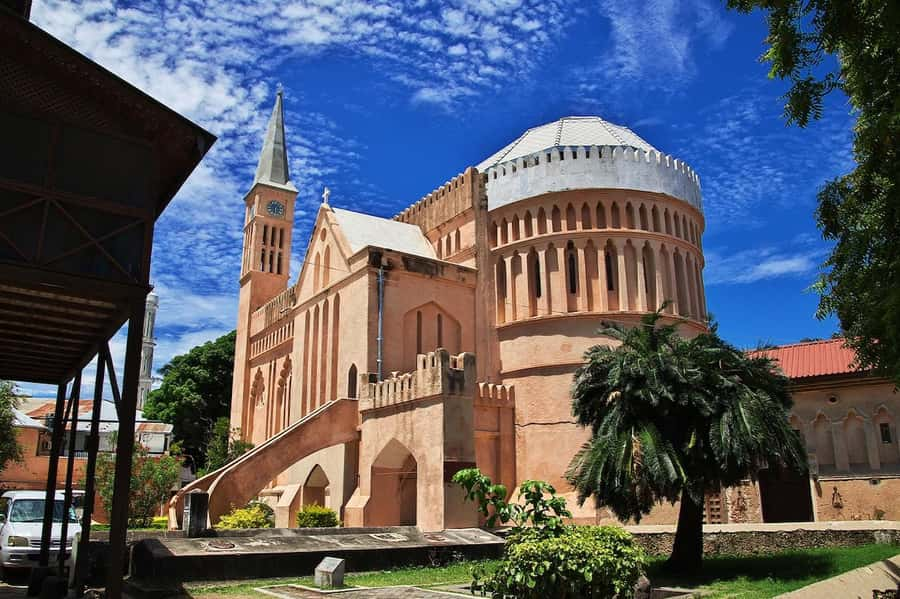
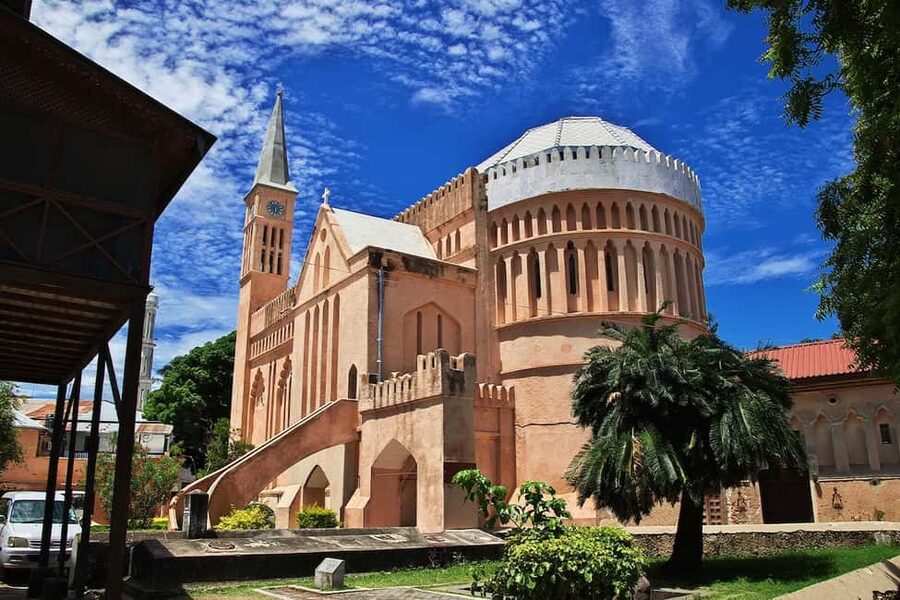
Early on, you’ll hit the Anglican Cathedral Stone Town area for a photo stop and guided viewing. Even if you’ve seen other cathedrals, this one helps set the tone: Stone Town isn’t just one cultural thread. It’s a crossroads. In that early stop, your guide’s explanations start connecting the dots you’ll see later around the forts, palaces, and market streets.
A practical note: Stone Town’s sidewalks and street surfaces can be uneven. Comfortable walking shoes matter more than you think, especially if you’re planning to add more exploring afterward.
More Walking Tours in Zanzibar
- Stone Town Private Walking Tour
★ 5.0 · 371 reviews - Zanzibar: 3 Hours Private Stone Town walking Tour with Guide
★ 4.6 · 301 reviews - Zanzibar: Stone Town Historical Cultural Walking Guided Tour
★ 4.5 · 179 reviews
The UNESCO street story: how Old Fort fits the whole picture
Once you’re deeper into the maze, the tour shifts from “look at a building” to “understand why this place matters.” Old Fort is one of those anchors. It’s a recognizable name, but the real value is the way the guide uses it to talk about Zanzibar’s role in trade and cultural exchange.
This is where I like a walking format best. On a bus, you get a quick view. On foot, you can notice the coral-stone texture, the compact street layout, and how buildings sit close together. Those details make the trade-story feel real, not abstract.
You also get a better sense of the city’s design logic. Stone Town’s layout helped people move goods, visitors, and stories through the island’s world connections. The guide’s explanations on foot tend to stick because you can pair the information with what you’re seeing right now.
House of Wonders: the landmark, plus the reasons it’s discussed

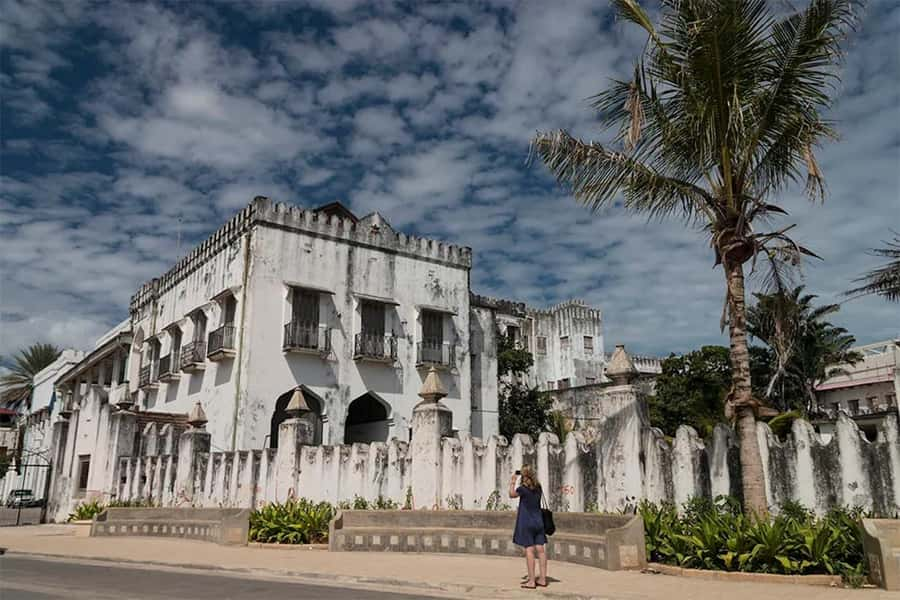
The House of Wonders is the headline stop most people hope to see, and it’s also one of the best places for your guide’s context to land. The tour doesn’t treat it like a photo backdrop. It uses it to explain Stone Town as a crossroads, where African, Arab, Indian, and European influences shaped the architecture and the culture you still see today.
If you like architecture, you’ll appreciate how your guide points out specific features as you get close. Even when you cannot enter every area, you can still learn to “read” the building style, including the blend of influences that show up in form, ornament, and layout.
When I’m choosing walking tours in places like this, I look for one thing: can the guide turn a famous site into something you understand? This tour aims to do exactly that.
The former Sultan’s Palace area: power, politics, and everyday connections
The former Sultan’s Palace is where the tour’s cultural narrative tightens. You’ll learn about Zanzibar’s leadership history and why this region mattered to wider networks of trade.
The best part is that this stop doesn’t sit alone. Your guide ties the palace story back to what you’ll see later in markets, courtyards, and local street life. That makes the tour feel like a chain, not a set of unrelated attractions.
And if you appreciate how cities reflect their rulers and their merchants, this is the moment where you’ll notice the contrast between grand architecture and tight streets. In a short walking loop, you see how status and commerce worked side by side.
More Stone Town walks:
- Zanzibar: Stone Town, Spice Tour, Prison Island with Lunch
★ 4.4 · 1,219 reviews - Zanzibar: Prison Island, Stone Town, & Spice Farm Tour
★ 4.5 · 579 reviews - Zanzibar; Prison Island, Nakupenda, StoneTown Tour with BBQ
★ 4.3 · 457 reviews - Zanzibar: Stone Town, Spice tour & Prison Island with Lunch
★ 4.6 · 453 reviews
Spice and local markets: the part you’ll remember past the photos
The tour includes time in local markets, where you’ll see stalls overflowing with spices, textiles, and crafts. This is one of the most “you are in Zanzibar right now” parts of the walk. The guide helps you connect what you smell and see to the island’s global reputation.
A helpful way to think about this section: it’s not just shopping. It’s cultural literacy. You learn how Zanzibar earned the Spice Island name, and how everyday buying habits link to the island’s longer trading history.
If you plan to buy, bring a small amount of cash. It’s also smart to go slowly and ask questions, because market conversations are part of the experience here. If you rush, you miss the stories and the meaning.
Zanzibari doors and secret courtyards: why the details matter
This is where a good guide earns their fee. The tour focuses on traditional Zanzibari doors, coral-stone architecture, ornate balconies, and tucked-away cultural spaces. Even when the main street looks similar to every other street, the doors and courtyards tell you the city has layers.
You’ll also hear why certain design choices show up repeatedly. In many cases, it’s about climate, materials, and cultural influence arriving over time. Your guide’s explanations make it easier to spot the patterns instead of just walking past them.
If you love photography, this is your section. The best shots often come from doorways and the lines of balconies rather than only from landmarks.
Women’s perspective: how the guide’s viewpoint changes the whole walk
A big reason I’d choose a female guide for this tour is how the stories land. Walking with a woman from the community adds another lens on Stone Town: the role of women in Zanzibari society, both past and present.
This part matters because Stone Town can otherwise feel like a list of monuments. The guide brings it back to people. You hear about resilience, tradition, and change, not just the dates and names attached to buildings.
In at least one case, the guide was Hosna, and the tour experience was praised for clear history explanations and strong ability to answer questions. That’s the kind of guide you want: someone who doesn’t just point, but who can respond.
English guidance, group pace, and the risk of surprise stops

The tour is listed as English, and the meeting point and route are straightforward. Still, language speed can vary depending on the group and the guide. One group experience highlighted that the guide was German-speaking but spoke fast enough to be hard to follow.
Another consideration is that you might be taken into a short sales presentation, such as a gemstone selling stop. That can feel unnecessary if you’re only expecting historical sights, so keep an open mind, and don’t plan to be in a rush afterward.
My practical advice is simple: if you need slower pacing or clearer language, ask about guidance style when you check availability. And if you’re not interested in sales stops, tell your guide early so expectations are aligned.
What you get for $25 and where the costs can rise
At $25 per person for about 2 hours, this tour is good value when you factor in a professional local guide plus hotel pickup in Stone Town (available when requested in advance). For a place like Stone Town, paying for guidance can save you time and help you avoid wandering in circles, especially when you want the context behind what you’re seeing.
What’s not included:
- Entrance fees or tickets to the Old Slave Market
- Food and drinks
- Transfers from other parts of the island (the tour starts in Stone Town)
So your total cost could increase if you choose to pay for additional sites along the way. The fix is easy: decide in advance whether you want that Old Slave Market entrance, and carry some extra cash for any on-site fees and snacks.
Who should book this walking tour
This tour fits best if you want:
- A short, efficient way to cover major Stone Town sights on foot
- Architecture spotting, especially traditional doors and courtyards
- Market learning time, not just photo stops
- A local, female-led storytelling style that connects landmarks to daily life
You might skip it if you:
- Have mobility challenges, because the tour is on uneven streets even at a leisurely pace
- Travel with a baby stroller, since baby strollers are not allowed
Should you book this Stone Town walking tour?
I think you should book if you want a guided walk that explains how Stone Town works culturally, where markets and landmarks connect, and you like details like doors and courtyards. The price feels fair for the time on foot, and the female guide angle adds real perspective.
Skip or ask questions first if you need very slow pacing, struggle with fast spoken English, or you strongly prefer zero sales stops. In that case, it’s worth clarifying guidance style and whether the route includes any short shop or presentation time.
If you’re coming to Zanzibar for the first time and you only have a couple hours in Stone Town, this is one of the more practical ways to get meaningful context without spending your whole day traveling between spots.
FAQ
FAQ
Where does the tour start?
The tour starts at Forodhani Gardens, right at the bandstand (central pavilion).
How long is the walking tour?
It lasts about 2 hours.
What’s included in the price?
You get a professional local expert tour guide. Hotel pickup from Stone Town hotels is available if you request it in advance.
Is hotel pickup guaranteed?
Pickup is available if you request it ahead of time. The tour starts in Stone Town.
What language is the guide?
The tour is listed as English.
Are entrance fees included for the Old Slave Market?
No. Entrance fees or tickets for the Old Slave Market are not included.
Are food and drinks included?
No. Food and drinks are not included.
What should I wear or bring?
Wear comfortable walking shoes. Dress modestly, covering shoulders and knees. Bring sunscreen, a hat, and sunglasses. If you want souvenirs or snacks, carry a small amount of cash.
Can I bring a baby stroller?
No. Baby strollers are not allowed.
Just posted around Zanzibar
- Zanzibar:Jozani forest, Spice farm with Swahili Cuisine clas★ 4.2 · 3 reviews
- ZANZIBAR:Amazing tour Nakupenda SandBank with fruits★ 5.0 · 3 reviews
- Zanzibar Walking Tour: Unveiling the Secrets of Stonetown★ 4.8 · 11 reviews
- Zanzibar: Tour to Prison Island and Nakupenda sandbank with lunch★ 4.3 · 3 reviews
- Zanzibar: Walking Spice Farm with Local Cooking Class★ 4.4 · 9 reviews
- Zanzibar: The Rock Restaurant and Salaam Cave Tour★ 3.8 · 10 reviews
- Zanzibar: Swimming With Horse and Clear Kayaking Tour★ 3.9 · 5 reviews
- Dolphin tour at kizimkazi and Salaam cave★ 3.3 · 15 reviews
Stone Town Tours, compared.
Stone Town, Spice Tour, Prison Island with Lunch
Read our review →

Prison Island, Nakupenda, StoneTown Tour with BBQ
Read our review →Stone Town, Spice tour & Prison Island with Lunch
Read our review →
3 Hours Private Stone Town walking Tour with Guide
Read our review →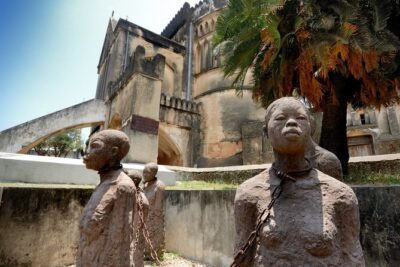
Full-Day Private Stone Town +Spice Farm and Prison Island Tour
Read our review →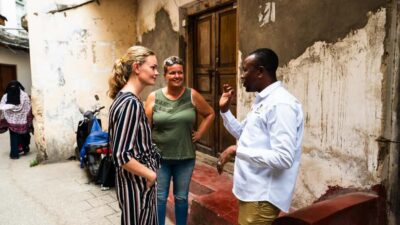
Stone Town Historical Cultural Walking Guided Tour
Read our review →Browse the lists this tour appears in