
Reviewed · SERENGETI SAFARIS
Tanzania safari with guide in Italian, the great Migration of the Serengeti
A safari that hits the real highlights. This 8-day Northern Tanzania trip is built around the Great Migration of the Serengeti, plus the classic one-two punch of Ngorongoro Crater and the wildlife-rich north. You travel in a small group of up to 6, with an Italian-speaking guide, and you keep the pace practical: game drives, a couple of short walks, and enough breaks to actually enjoy the day.
Two things I really like: the size of the group, and the way the itinerary mixes big-ticket wildlife moments with very different ecosystems. The small group (max 6) means you are not lost in a crowd when animals appear, and the route gives you variety across Rift Valley terrain, soda-lake drama at Lake Natron, and giant-animals territory in Tarangire. The main consideration is timing, because migration sightings depend on season and movement, so you should plan with flexibility.
A possible drawback: you will do a lot of time in the vehicle and in parks. If you hate long drives, you may find the days full, even though the trip is organized to keep it comfortable with full board and water on board.
In This Review
- Key things to know before you go
- Price and value: what $4,100 buys you
- Your safari crew and the Italian guide experience
- Day-by-day itinerary: what each stop is really like
- Day 1: Arrive in Kilimanjaro, transfer to Arusha
- Day 2: Lake Manyara photosafari under the Rift Valley escarpment
- Day 3: Ngorongoro Crater photosafari in the caldera
- Day 4: Serengeti Park game drive around Seronera
- Day 5: Mara River and the Great Migration action window
- Day 6: Lake Natron region, flamingos, and Oldoinyo Lengai viewpoints
- Day 7: Lake Natron shore walk, then Tarangire afternoon
- Day 8: Last Tarangire morning drive, back to Arusha
- What you get included, and why it matters in Tanzania
- Animal sightings: how to set your expectations for the Migration
- Logistics that affect comfort: group size, vehicle time, and food
- Who this tour fits best
- Should you book? My take
- FAQ
- Is the safari guided in Italian?
- How long is the safari, and where does it start?
- What is included in the price?
- What is not included?
- Is pickup available?
- What is the group size?
- If I cancel, is there a refund?
Key things to know before you go
- Small group safari (max 6) so you get attention when it matters
- Italian guide included, with past trips featuring guides like Jo, Naftal, Mussa, Michael, Kahim, and Martini
- Serengeti migration focus on the northern sector, typically July to October
- Ngorongoro Crater caldera game drives, where animal density is the whole point
- Lake Natron flamingo season (dry season June to October) and a walking excursion
- No Oldoinyo Lengai trekking after the 2007 to 2008 eruption changed the route
Price and value: what $4,100 buys you
At $4,100 per person for about 8 days, this is not a budget safari. But it can feel like good value because several costly pieces are wrapped in. You get park fees, transfers, full board, AMREF insurance, water on board, and the safari circuit in a 4×4.
That matters because in Tanzania, the difference between a cheap quote and a good one is often what is included. Here, the essentials are covered, so you are not constantly doing the math on add-ons once you arrive. Drinks at lodges are not included, and international flights and the visa are also on you, but the core safari machine is already paid for.
Also, past feedback repeatedly points to organization, safety, and strong guiding. While I cannot promise the exact same guide you will get, the pattern of Italian-speaking competence is a big part of the value.
More Safaris in Arusha
- Balloon Safari & Bush Breakfast in Serengeti – Miracle Experience
★ 5.0 · 1,646 reviews - 4 Days Group Camping Safari
★ 5.0 · 1,101 reviews - 5 Days Group Camping Safari
★ 5.0 · 730 reviews
Your safari crew and the Italian guide experience
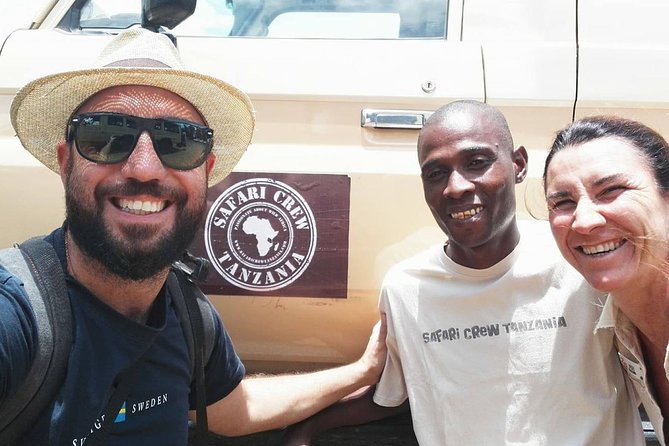
This trip runs as a small group safari of up to 6 participants with a guide who speaks Italian. In real life, this changes everything. You can ask direct questions about animal behavior, why you are stopping where you are, and what you are seeing in each park without playing translator in your head.
From earlier travelers, I saw several guide names connected with excellent experiences, including Jo, Naftal, Omari, Mussa, Michael, Kahim, and Martini. Some people specifically praised the guide’s passion and competence, plus the sense that nothing was left to chance.
If Italian is a must for you, that is a smart filter. You also get the benefit of consistency: the same person is your driver and wildlife expert for the safari days, instead of random staff rotating in and out.
Day-by-day itinerary: what each stop is really like
Day 1: Arrive in Kilimanjaro, transfer to Arusha
Day 1 is about landing, clearing entry formalities, meeting your guide, and getting to Arusha. It is a short setup day, with transfer time after arrival and no park pressure.
This is practical. You are not immediately thrown into long game drives on day one, which helps if your body is still adjusting to travel.
More Serengeti safaris:
- 3 Days Serengeti & Ngorongoro Group Camping Safari
★ 5.0 · 574 reviews - 5-Day Highlights mid-Range Crater, Serengeti, Tarangire
★ 5.0 · 296 reviews - 3-Day Classic Serengeti Safari
★ 5.0 · 263 reviews - Private 6-Day Tarangire Manyara Crater and Serengeti with Mid-Range Lodges
★ 5.0 · 238 reviews
Day 2: Lake Manyara photosafari under the Rift Valley escarpment
Lake Manyara is small for a safari park, but it is biologically busy. The area sits under the Rift Valley escarpment, which contributes to a mix of habitats in a relatively compact space. You can see dense forest pockets, savanna, and marshy areas around the lake.
What you should expect here is variety: elephants and giraffes are possible, and birdlife is a major draw. Earlier descriptions also highlight that this area can be full of monkeys, including large baboon communities, plus other monkey species.
A good thing to know: because the habitats change, animal sightings can come in bursts. Keep your camera ready, but also enjoy the scenery and bird activity, not just the big mammals.
Day 3: Ngorongoro Crater photosafari in the caldera
Ngorongoro Crater is one of those places where the setting does the work. It is the collapsed remnants of a volcanic cone, leaving a caldera that holds a savanna floor. The sheer animal density is the reason this is a top stop.
From the way the area is described, the crater floor supports a lot of large wildlife. You can expect typical Serengeti-region species, with some exceptions. One specific note: giraffes are said to not find nourishment in the crater environment.
This is also a day where you slow down. The views matter, and the drive down and around the crater is part of the experience. If you are chasing the most efficient “wow per hour,” this is one of the best days in the whole route.
Day 4: Serengeti Park game drive around Seronera
Serengeti is where your safari becomes the main event. The route focuses on the ecosystem and the huge number of animals it supports. This is the kind of park where you can see predators, large herds, and constant movement of smaller wildlife, often in the same general area.
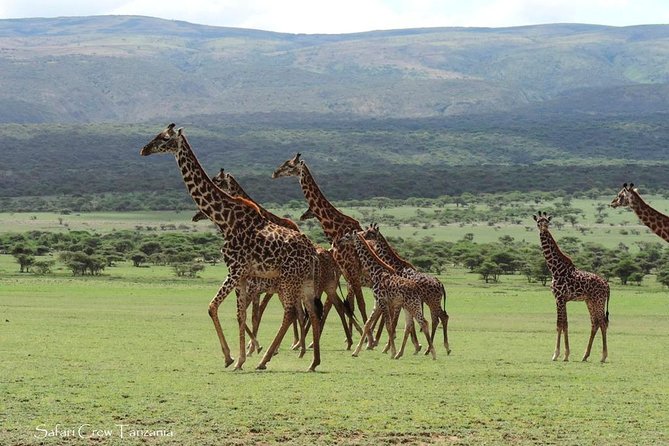
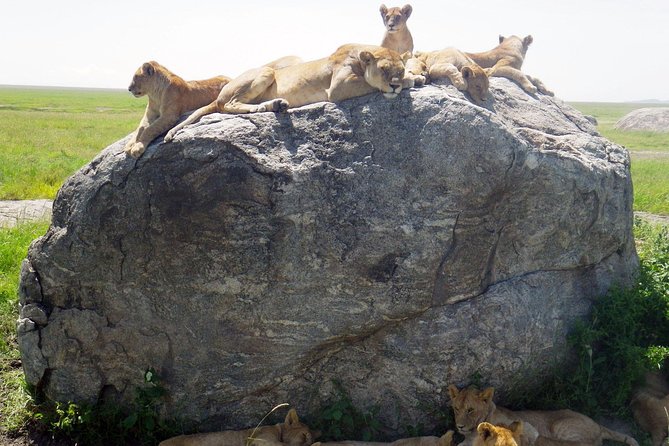
The stop here is around Seronera, which is known as a focal zone for wildlife viewing. Based on how the area is described, you can encounter lions, leopards, cheetahs, elephants, gazelles, giraffes, crocodiles, hippos, and a strong list of birds.
A practical tip: in Serengeti, your best sightings tend to come from being alert, listening to your guide, and letting the day unfold. You do not always control where animals appear, but a good guide helps you read the terrain and water sources.
Day 5: Mara River and the Great Migration action window
Day 5 is your Great Migration day, centered on the Mara River. This is important because the migration is not a single moment. It is a continuous movement driven by pastures and water, and different river areas become key depending on the season.
The plan targets the northern sector of the Serengeti, typically between July and October. That timing matters because you are not going to force the river crossing. You are going where the odds are best for the movement you want to see.
Also, your chance of repeated sightings tends to come down to the guide’s timing and willingness to adjust. This trip is designed to stay on the migration theme instead of scattering you across random parks and calling it a day.
Day 6: Lake Natron region, flamingos, and Oldoinyo Lengai viewpoints
After Serengeti, you shift to the Rift Valley’s extremes. Lake Natron is a strongly alkaline lake in a rugged lava desert region in northern Tanzania. The big reason to come is flamingos.
In the dry season from June to October, millions of pink flamingos use this area for nesting. The description focuses on cyanobacteria in the lake waters, which is the food source that pulls the birds in.
Then there is Ol Doinyo Lengai (Oldoinyo Lengai). This is described as sacred for the Maasai people and noted as the only volcano in the world to emit natro-carbonatitic lava. In other words, this is not just another mountain backdrop.
One key consideration: trekking to the summit is not organized anymore. After the eruption in December 2007 to January 2008, the route changed and the old paths were canceled. You will have viewpoints and related activities, but not the old trekking setup.
Day 7: Lake Natron shore walk, then Tarangire afternoon
Day 7 mixes a short walk with a new park. The morning includes a foot excursion to the shores of Lake Natron through a rugged, almost lunar type of terrain. That is the kind of switch that breaks up the “all day in the vehicle” feel.
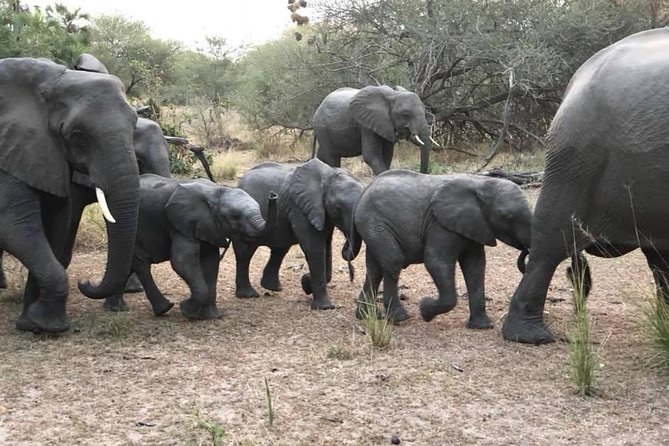
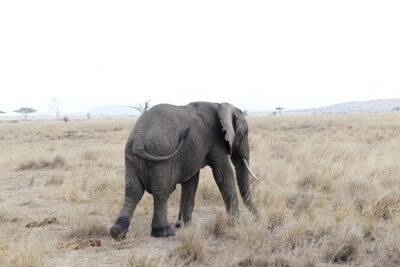
Then you head toward Tarangire National Park for an afternoon photosafari. Tarangire is a different world from Serengeti. It is often described as the park of the giants, with major baobabs and strong elephant presence.
What you should expect in Tarangire is not just big animals. The river system and seasonal water draw wildlife to the same places. The description highlights the Tarangire River becoming a key resource during dry season, and this can concentrate animals when water is scarce.
Day 8: Last Tarangire morning drive, back to Arusha
Day 8 is a final early game drive in Tarangire, then you return to Arusha for lunch and transfer to the airport.
This structure is good. Early drives usually offer active wildlife when the day is still cool, and you are not racing all day before departure. It keeps the final day from feeling like a scramble.
What you get included, and why it matters in Tanzania
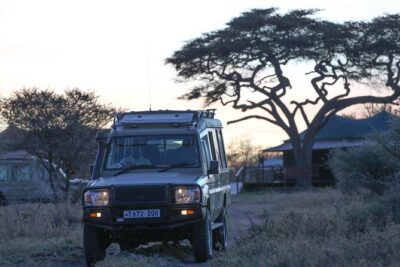
This safari includes the big operational stuff: 4×4 safari circuit, full board, park fees, transfers, and water on board. You also get AMREF insurance, which can be a comfort point in countries where logistics can be complicated.
You are also covered for the actual safari guiding: a small group max 6, with an Italian guide. That is not just convenience. It changes your ability to understand what you are seeing.
Paper ticket is mentioned, and pickup is offered. If you like having a clear arrival and handoff flow, those details are genuinely helpful.
Lodges and tented camps are part of the experience, and earlier feedback specifically mentions spotless accommodations and tented camps. While exact lodge names are not listed here, the consistent praise is a sign they take lodging seriously.
Animal sightings: how to set your expectations for the Migration
You are booking for the Great Migration of the Serengeti, described as the movement involving about 1.5 million wildebeest and around half a million zebras. That is the headline.
Here’s the practical truth: you cannot guarantee a specific river crossing on a specific day. What you can do is pick a route and timing where the odds are good, and then let the guide work the terrain. The plan puts you in the migration zone in the season when it affects the northern sector, typically July to October.
In a good migration safari, you are not only chasing one crossing. You are looking for signs of movement: herds assembling, animals changing direction, and predators positioning themselves. If you want the documentary version of Africa, that is what you are trying to line up here.
If you are going outside the July to October window, you might still see tons of wildlife, just with different migration pressure. This is where it helps to talk with the operator about your travel month before you lock in.
Logistics that affect comfort: group size, vehicle time, and food
Let’s talk comfort like an adult.
A 4×4 safari with multiple parks means long days outdoors. You should expect to spend substantial time in the vehicle. That can be tiring, especially if you are not used to rougher roads.
The upside is that the trip is designed for efficiency. You get full board, plus water on board, so you are not constantly scrambling for basic needs. Earlier feedback also praises food and lodging comfort, plus the sense of safety.
Group size helps here. With up to 6 people, it is easier for the guide to manage movement, positioning, and camera stops. You also avoid the feeling of being one more face in a large group.
Who this tour fits best
This safari makes the most sense if:
- You want an Italian-speaking guide for the full safari, not just a partial translation service
- You care about the Great Migration, especially if you travel in the July to October range
- You like a route that combines Serengeti, Ngorongoro Crater, Tarangire, and Lake Natron instead of repeating the same park type
- You prefer a small group over large coach-style safaris
It may be less ideal if you hate driving days or you want a super relaxed, low-activity vacation. This is a safari built for wildlife focus.
Should you book? My take
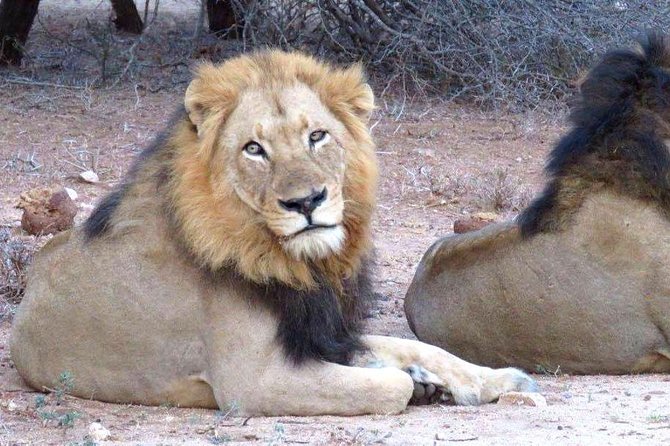
If your dream is to see the Serengeti Migration with real time in the right places, I think this is a strong booking choice. The biggest strengths are the small group, the Italian guide, and the way the itinerary stacks the north’s best “different ecosystems, different wildlife rules” moments.
The main reason to pause is timing and expectations. If your travel dates do not line up with the migration season, you still get a great safari, but the exact crossing you picture might not show up on your schedule. If that is your top priority, target the season when the migration is described as affecting the northern sector, typically July to October.
FAQ
Is the safari guided in Italian?
Yes. The safari includes a small group guide who speaks Italian.
How long is the safari, and where does it start?
The trip duration is 8 days (approx.) and it is based around Arusha, Tanzania, with airport arrival handling on day 1.
What is included in the price?
The tour includes 4×4 safari circuit, full board, park fees, transfers, AMREF insurance, and water on board, plus all fees and taxes.
What is not included?
It does not include international and local flights, the entry visa, lodge drinks, or personal extras.
Is pickup available?
Pickup is offered.
What is the group size?
The safari has a maximum of 6 travelers.
If I cancel, is there a refund?
You can cancel up to 6 days in advance for a full refund. For partial refunds, the policy states:
- 2 to 6 days before start time for a 50% refund
- less than 2 days before start time is not refunded
More Safaris from Arusha
- 7-Day Premium Luxury Tanzania Safari All-Inclusive
★ 5.0 · 426 reviews - 8 Days Great Wildebeest Calving Migration Safari from Arusha
★ 5.0 · 254 reviews - Group Safari 7 Days in Tanzania’s Main Parks
★ 5.0 · 240 reviews - 10-Day Serengeti Wildebeest Migration Safari from Arusha
★ 5.0 · 218 reviews
Just posted around Arusha
- 8 Days Serengeti Migration safari★ 5.0 · 11 reviews
- tarangire & ngorongoro 2 days tour★ 5.0 · 14 reviews
- serengeti, ngorongoro & tarangire 4 days private tour★ 5.0 · 18 reviews
- tarangire, ngorongoro & lake manyara park 3 days private tour★ 5.0 · 11 reviews
- climb the KILIMANJARO via Lemosho route★ 5.0 · 4 reviews
- Mt. Kilimanjaro: Shira plateau to Cathedral point 3872m Day hike★ 5.0 · 7 reviews
- serengeti & ngorongoro 3 days private tour★ 5.0 · 15 reviews
- Kilimanjaro Waterfalls Hike & Moshi Hot Springs Day Trip Tour★ 5.0 · 4 reviews
Serengeti Safaris, compared.
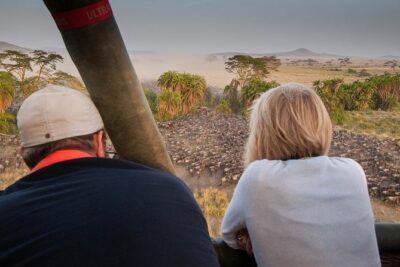
Serengeti Balloon Safari and authentic bush breakfast
Read our review →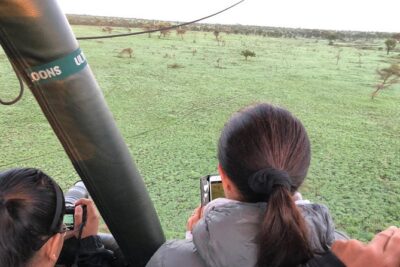
Balloon Safari & Bush Breakfast in Serengeti – Miracle Experience
Read our review →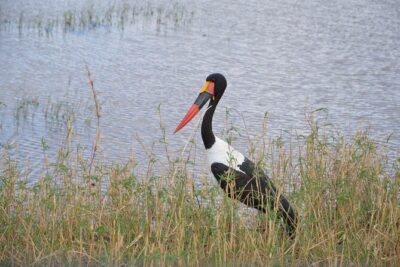
3 Days Serengeti & Ngorongoro Group Camping Safari
Read our review →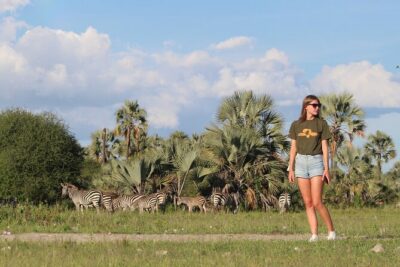
5-Day Highlights mid-Range Crater, Serengeti, Tarangire
Read our review →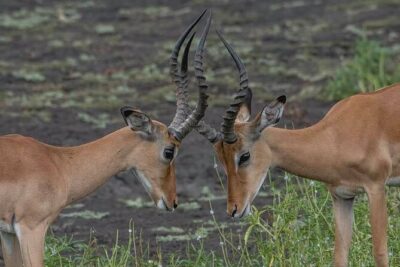
Private 6-Day Tarangire Manyara Crater and Serengeti with Mid-Range Lodges
Read our review →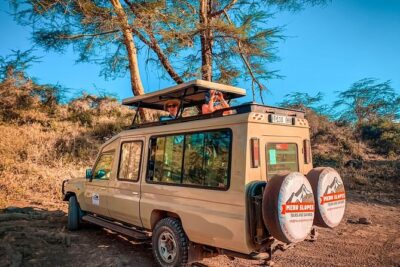
5 Days Camping Tarangire, Serengeti & Ngorongoro crater & Visiting Maasai
Read our review →Browse the lists this tour appears in