
Reviewed · SERENGETI SAFARIS
Serengeti Under Canvas – 9 days
Safari magic comes with real purpose. This 9-day Arusha-based trip pairs Serengeti game drives with conservation-minded community visits, plus a smooth flow between parks and camps. I like that you get focused time in the Great Migration corridor, not just a single drive, and I also appreciate the extra stops like the orphanage visit and the Maasai-led walking experience. One possible drawback to weigh is the price: at $6,233 per person, you’re paying for a luxury-style circuit, and the schedule is active with multiple long driving days.
What makes this experience feel different is how the days are structured. You start with an easy arrival, you layer in wildlife variety at Lake Manyara, then you spend several days dedicated to Serengeti, before finishing with Maasai culture and Kilimanjaro-region views. By the end, you’ll have more than animal sightings. You’ll also have a clearer sense of how tourism can connect to local people and nature, because community visits are built into the trip.
In This Review
- Key highlights at a glance
- Entering Serengeti Safari Mode from Arusha
- Price and Value: Why $6,233 Might Make Sense
- Day 1: A Calm Reset in Tanzania Before the Parks
- Lake Manyara National Park: Birds, Hippos, and Big Wildlife Odds
- Serengeti Migration Days: How to Maximize Great Migration Chances
- Serengeti Again, but Smarter: Central Timing and Better Variety
- Ngorongoro Conservation Area: Maasai Encounters and Orphanage Support
- Day 8 in the Arusha Region: Kilimanjaro Views and a Walking Safari
- Day 9: Decide Your Next Step, Zanzibar or Arusha
- What You’ll Likely Love Most on This Trip
- Who This Tour Fits Best (and Who Might Skip It)
- Should You Book Serengeti Under Canvas?
- FAQ
- What is the duration of the Serengeti Under Canvas tour?
- Where does this tour take place?
- Is pickup offered?
- Is the tour private?
- Does it include admission tickets?
- What meals are included?
- What is not included in the tour price?
- What happens after the safari ends on Day 9?
- Can I cancel and get a full refund?
Key highlights at a glance
- Two full Serengeti days plus another migration-focused day to maximize your odds during the Great Migration season.
- Lake Manyara’s birdlife and hippos, plus the chance to spot tree-climbing lions and a big primate presence.
- Orphanage visits included as part of the experience and support model.
- Guides like Adriano, Freddy, and Moses are frequently praised for animal-finding skill and strong Tanzania context.
- Kilimanjaro-view lunch and a Maasai walking safari option in the Arusha region.
Entering Serengeti Safari Mode from Arusha
You start in Arusha, and that matters because it sets the tone. Day 1 is intentionally low-key, giving you time to rest after your flight before you jump into national parks. That simple buffer is a big deal, because safari days can be long, and you want your brain and legs to be ready for early sightings and long stretches in the vehicle.
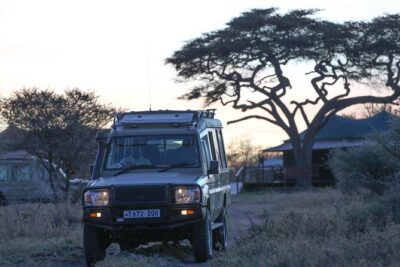
This tour also runs with a setup that feels organized but not stiff. You’ll have transportation throughout, a professional guide, and pickup is offered. You’re also given a mobile ticket, which tends to reduce last-minute hassle when you’re bouncing between locations.
It’s described as a private tour/activity, meaning it’s only your group, not a mixed crowd. That usually helps with pacing and keeps the focus on your safari goals. Still, it’s private, not unlimited, so you’re following a set plan for the parks and cultural stops.
More Serengeti safaris:
- Balloon Safari & Bush Breakfast in Serengeti – Miracle Experience
★ 5.0 · 1,646 reviews - 3 Days Serengeti & Ngorongoro Group Camping Safari
★ 5.0 · 574 reviews - 5-Day Highlights mid-Range Crater, Serengeti, Tarangire
★ 5.0 · 296 reviews
Price and Value: Why $6,233 Might Make Sense
Let’s talk money plainly. At $6,233 per person, this is not a budget safari. You’re paying for several things at once: a 9-day circuit including multiple parks, transportation, a professional guide, and most meals are covered. Accommodation is included too, which is often one of the biggest line items in safaris.
What improves the value is how the time is allocated. You’re not rushing Serengeti for a quick taste. You get multiple days with migration-focused safari time, plus another set of days that keep you in the action zone. That approach can increase your chances of seeing dramatic wildlife moments, especially when the herds are moving and sightings change day to day.
Another value factor is the experience design around conservation and local connection. The trip’s own messaging is about leaving the world better, and the schedule includes direct community touches like the orphanage visits and Maasai-led cultural activities. That doesn’t make the cost cheap, but it does make the “why” feel more grounded.
The one caution is simple: if you’re the type who prefers total freedom, this is a structured wildlife itinerary with specific included activities. You can’t treat it like a do-what-you-want vacation.
Day 1: A Calm Reset in Tanzania Before the Parks
Day 1 is built for jet lag and reality. You arrive and then you rest. There’s no heavy schedule, no pressure to cram in sights immediately. That first day is short and practical, and it helps you arrive in safari mode with better energy for the days ahead.
This is also where you benefit from having pickup and a guide included. Even if your arrival day feels quiet, knowing you’re supported reduces the stress of figuring out timing, routes, and logistics on your own.
Lake Manyara National Park: Birds, Hippos, and Big Wildlife Odds
On Day 2, you drive to Lake Manyara National Park, roughly a two-hour journey. Lake Manyara sits beneath the cliffs of the Manyara Escarpment at the edge of the Rift Valley, and it’s known for wildlife density and variety in a compact area.
Here’s what makes Lake Manyara worth your time, beyond the classic safari checklist:
- Pink flamingos and birdlife around the alkaline lake
- Hippo pods you may spot on the water
- The possibility of tree-climbing lions
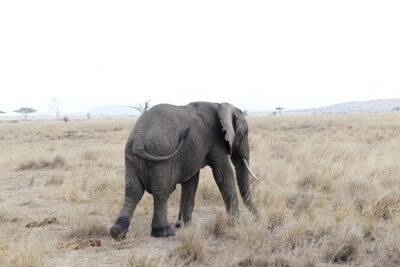
- Big herd animals like elephants, wildebeest, buffalo, giraffe, zebra, warthog, and impala
The park is also known for a strong primate presence, including common monkeys, vervet monkeys, and baboons. If you enjoy watching behavior rather than only scanning for the biggest animals, this is a great day.
There’s also a canoe safari option on the lake. That kind of viewpoint is different from the standard vehicle drive, and it can make animals feel closer, because you’re not just looking from a moving platform.
After the game drive, you’ll visit the Orphanage. This is part of the tour’s stated focus on benefiting local people and nature, and it’s the kind of stop that adds meaning to your safari time. It’s also emotionally heavier than the wildlife portion, so if you’re sensitive to that, go in with a calm mindset.
A possible consideration here is time and energy. Lake Manyara day is described as about a 7-hour block, and you’re also driving. If you dislike long seated days early in the trip, make sure you’re hydrated and ready.
A few more Arusha trips to compare
- Tanzania Classic – 7 Days
★ 5.0 · 1,151 reviews - 4 Days Group Camping Safari
★ 5.0 · 1,101 reviews - 5 Days Group Camping Safari
★ 5.0 · 730 reviews - Materuni Waterfalls, coffee tour & Kikuletwa Hot Springs
★ 5.0 · 643 reviews
Serengeti Migration Days: How to Maximize Great Migration Chances
Then you pivot into the main event: Serengeti National Park. After breakfast on Day 3, you travel onward, enjoy game drives through the southern Serengeti, and check into your luxury safari camp by late afternoon.
The Great Migration is the headline here. The basic idea is that over two million wildebeest and zebra migrate north, crossing the Mara River between Tanzania and Kenya. The river crossing is dangerous, with strong currents and predators nearby.
What I like about structuring the trip this way is that migration viewing is not a one-and-done event. Herds shift, river conditions change, and predators respond. So having dedicated safari time is a real advantage. It’s also why the schedule includes more than one day focused on migration viewing.
Day 4 adds a full day on safari in the Serengeti, giving you a better chance to catch action when it peaks. That day is described as about an 8-hour safari block, which is ideal for staying out when sightings are best, not just rushing through.
On Day 5, you continue into central Serengeti for more drives. It’s another camp-and-drive day, designed to keep you in the ecosystem where migration activity can show up. Day 6 brings yet another full day on safari.
This is where the “value” argument gets strongest. You’re paying for more chances. Wildlife spotting often feels random in the moment, but the odds improve when you stay longer and keep your eyes on the ground rather than rushing.
A drawback to be aware of: Serengeti is big, and game drives are about patience. Even with a great guide, you won’t control where animals appear. So if you’re expecting guaranteed “exact moment” migration drama, treat it as a high-odds pursuit rather than a scripted show.
Serengeti Again, but Smarter: Central Timing and Better Variety
Spending multiple days in the Serengeti is not just repetition. It changes what you notice.
By the time you’re on Day 5 and Day 6, you’ll likely have built a rhythm for the day. You’ll understand when animals are active, how the light affects spotting, and what the guide is scanning for. That matters because Serengeti viewing is not only about the big names like wildebeest crossings. It’s also about predators hunting, smaller drama in the grass, and the way different species move in response to season and pressure.
Another practical plus is that you’re alternating areas within the park, which helps reduce the chance that you miss everything simply because one area is quiet on a given day. Southern Serengeti on Day 3, central Serengeti on Day 5, and then more full-day time overall, gives you flexibility.
And yes, the guide matters. In the praised experiences, guides such as Adriano, Freddy, and Moses are repeatedly mentioned for finding animals and explaining what you’re seeing. When you get that kind of interpretation, the same species sightings can feel fresh, because you understand why they’re there and what to watch for next.
Ngorongoro Conservation Area: Maasai Encounters and Orphanage Support
On Day 7 you shift away from Serengeti and head toward the Maasai Tribe in Ngorongoro Conservation Area. The tour describes a morning departure, a few moments after arrival, lunch at a lodge, and then another Orphanage visit.
This is one of the places where you’ll feel the trip’s “better place” theme most directly. It’s not only about seeing animals. It’s about being part of the local system that tourism can financially support.
It also adds cultural depth. You’re not just watching wildlife in silence. You’re spending time with people, seeing daily life and traditions through a guided lens, and then tying that to a community-focused visit afterward.
A consideration: cultural stops can vary in how they feel. If you prefer minimal structured interactions, you might want to mentally prepare for this day to be more human-focused than animal-focused.
Day 8 in the Arusha Region: Kilimanjaro Views and a Walking Safari
Day 8 is a satisfying change of pace. After breakfast you head to The Original Maasai Lodge in the Arusha Region for lunch and a stunning view of Mount Kilimanjaro.
That view is one of the reasons this day feels special. Serengeti days are about wildlife, but Arusha-region scenery can reset your senses and give you a different kind of Tanzania memory. It’s also part of what makes this trip more than just park driving.
You can also take a bush walk led by local Maasai warriors, described as an authentic walking safari experience. Walking changes your perspective. You notice smaller signs, tracks, and the way terrain shapes movement. And because it’s led by locals, you’re not only looking, you’re learning how people interpret the land.
If you’re worried about physical effort, this is the day to think about your stamina. Walking safaris require more than just sitting, even when the length isn’t specified here. Choose based on your comfort level.
Day 9: Decide Your Next Step, Zanzibar or Arusha
Your final day is straightforward. You have breakfast, then you head to your next destination. The options listed are relaxing on Zanzibar, across the sea, or heading back to Arusha for your onward flight.
Zanzibar is a nice way to end a safari built for wildlife intensity. Even if you only plan a relaxing beach buffer, it can help your body recover from the driving days and long viewing hours. It also gives you a chance to change pace from game drives to downtime.
Because the tour doesn’t specify how you travel to Zanzibar, keep your plans flexible and treat it as a transition day. This is a good time to think about luggage, charging your devices, and having any local SIM or payments ready.
What You’ll Likely Love Most on This Trip
A few elements show up again and again as the core strengths of this kind of safari circuit:
Focused Serengeti time
You’re in the park for multiple days during the Great Migration season, which increases your chances of seeing dramatic movement.
Real guide value
Names like Adriano, Freddy, and Moses are tied to people’s favorite moments, especially when it comes to interpreting animals and spotting things others miss.
Lake Manyara variety
You get flamingos, hippos, and the possibility of tree-climbing lions, plus primates. It keeps the wildlife from feeling one-note.
Meaningful community stops
Orphanage visits and Maasai-led activities make the trip feel purposeful, not just extractive.
Who This Tour Fits Best (and Who Might Skip It)
This is a strong match if you want a luxury safari camp style experience and you care about wildlife viewing during the Great Migration. It’s also a good choice for couples or small groups who value a private setup and want a guide who can explain what you’re seeing, not just drive.
It may not be ideal if you:
- Want maximum freedom to change locations day to day
- Prefer a shorter trip, since 9 days includes multiple driving days
- Are extremely budget conscious, since the pricing is premium
Should You Book Serengeti Under Canvas?
I’d book it if your top priority is Serengeti and you’re serious about seeing migration activity across more than one day. The structure makes sense, the variety is real, and the included community stops add weight to the trip’s purpose.
I would pause if you’re mainly shopping for a cheaper safari or you hate long days in vehicles. This trip is built for people who enjoy the rhythm of early starts, game drives, and shifting between ecosystems.
If you fit the sweet spot, this is the kind of safari that can turn into a “one big memory” trip, the kind you talk about for years because it mixes wildlife drama with human connection.
FAQ
What is the duration of the Serengeti Under Canvas tour?
It is approximately 9 days.
Where does this tour take place?
The tour is based in Tanzania, with time in Arusha, Lake Manyara National Park, Serengeti National Park, and the Ngorongoro Conservation Area, plus a final-day option involving Zanzibar or Arusha.
Is pickup offered?
Yes, pickup is offered.
Is the tour private?
Yes. It is listed as a private tour/activity, with only your group participating.
Does it include admission tickets?
Admission tickets are listed as included or free depending on the day. For example, Days 3 and 4 list admission tickets as included for migration at Serengeti, while other days show admission tickets as free.
What meals are included?
Breakfast is included (8 breakfasts), lunch is included (7 lunches), and dinner is included (7 dinners).
What is not included in the tour price?
Alcoholic beverages, sodas, and water at lodges are not included, and laundry is not included. Optional activities other than those specified are also not included.
What happens after the safari ends on Day 9?
On the final day, you’ll have breakfast and then head to your next destination, with options listed as relaxing in Zanzibar or returning to Arusha for your onward flight.
Can I cancel and get a full refund?
Yes, free cancellation is available up to 24 hours in advance of the experience start time for a full refund.
Just posted around Arusha
- 8 Days Serengeti Migration safari★ 5.0 · 11 reviews
- tarangire & ngorongoro 2 days tour★ 5.0 · 14 reviews
- tarangire, ngorongoro & lake manyara park 3 days private tour★ 5.0 · 11 reviews
- serengeti, ngorongoro & tarangire 4 days private tour★ 5.0 · 18 reviews
- serengeti & ngorongoro 3 days private tour★ 5.0 · 15 reviews
- climb the KILIMANJARO via Lemosho route★ 5.0 · 4 reviews
- Mt. Kilimanjaro: Shira plateau to Cathedral point 3872m Day hike★ 5.0 · 7 reviews
- Kilimanjaro Waterfalls Hike & Moshi Hot Springs Day Trip Tour★ 5.0 · 4 reviews
Serengeti Safaris, compared.
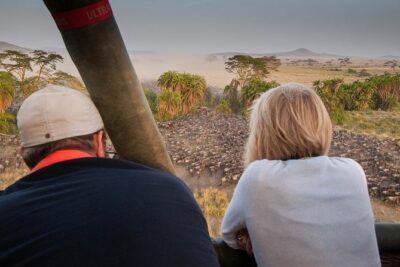
Serengeti Balloon Safari and authentic bush breakfast
Read our review →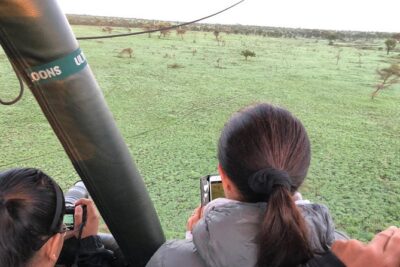
Balloon Safari & Bush Breakfast in Serengeti – Miracle Experience
Read our review →
3 Days Serengeti & Ngorongoro Group Camping Safari
Read our review →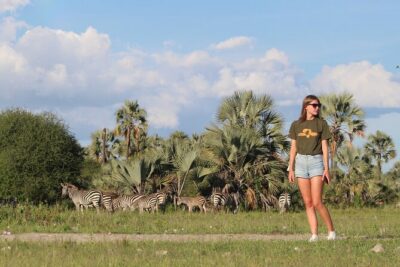
5-Day Highlights mid-Range Crater, Serengeti, Tarangire
Read our review →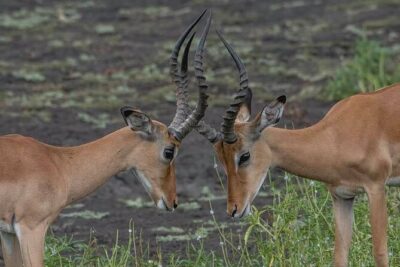
Private 6-Day Tarangire Manyara Crater and Serengeti with Mid-Range Lodges
Read our review →
5 Days Camping Tarangire, Serengeti & Ngorongoro crater & Visiting Maasai
Read our review →Browse the lists this tour appears in