
Reviewed · SERENGETI SAFARIS
Private 6-Day Great Migration Ndutu Serengeti Safari Tour
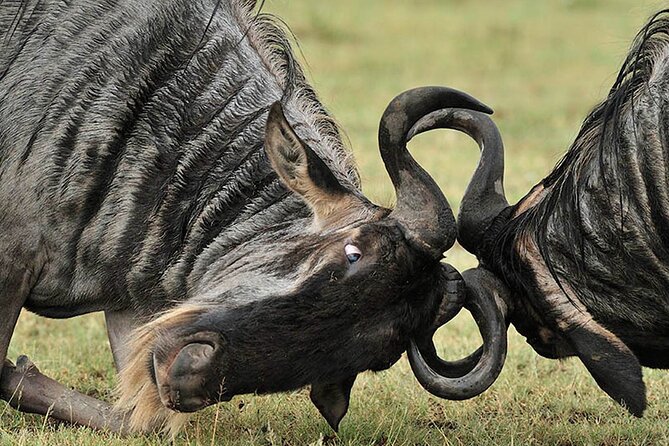
Migration drama starts at Lake Ndutu. This private 6-day tour is built around the Great Migration timing in the Ngorongoro area, with Ndutu calving the main show in the January window. I like that you are not just cruising for a quick look, you are staying close to the short-grass plains where wildebeest and zebra gather. If you get lucky and your dates line up, predators are often working the edges of the action, not hiding far away.
I also love the variety in the route: Tarangire for big elephant energy, then the Ngorongoro Crater for dense wildlife viewing, and a final day at Lake Manyara with its birds, monkeys, and possible tree-lion sightings. One thing to think about first, this trip is non-refundable and also very date-sensitive for the calving peak, so if your travel window misses the roughly 3-week January period, the number of newborn calves could be lower.
In This Review
- Key things to know before you book
- From Arusha to the safari start line, with a real plan
- Tarangire National Park: elephants, swamps, and Maasai road-life
- Lake Ndutu: where the short-grass plains do the work
- A full Ndutu day: calving season around January
- Serengeti en route to Ngorongoro: big game viewing at the crater rim
- Lake Manyara finale: birds, primates, and tree-lounging lions
- Guides and service: why the private piece matters
- Getting value from $2,827 per person
- Who this safari fits best
- Should you book this private 6-day Great Migration safari?
- FAQ
- Where does the safari start and end?
- How long is the Private 6-Day Great Migration Ndutu Serengeti Safari Tour?
- Which parks and areas are included?
- What is the best time to see the migration and calving at Ndutu?
- Is this tour private?
- Is pickup included?
Key things to know before you book
- Ndutu focus for the Great Migration season (Dec to April): The schedule is arranged around the short-grass plains where wildebeest and zebra concentrate.
- Calving timing is specific: You’re aiming for the short window around January, often described as lasting about 3 weeks.
- Park mix is balanced: Tarangire, Ndutu, Serengeti, Ngorongoro Crater, and Lake Manyara give you different habitats and different animals.
- You travel in private comfort: It’s a private tour, so your group is the only group in the vehicle.
- Guides can make a big difference: Past trips highlighted guides such as Shabani, Gilbert, Ozzie, Meck, Evans, David, Fredrick, Gama, Luther, and Shafino Dominick.
- Airport pickup and smooth handoffs: The start includes a pickup coordinated by a Lion King representative, then you return back to the meeting point.
From Arusha to the safari start line, with a real plan
Your trip begins in Arusha, Tanzania. You get picked up from the airport by a Lion King representative and transferred to your Arusha accommodation for an overnight, so you can reset before the driving starts.
Staying in Arusha also makes the first morning easier. You’re set up to leave early for Tarangire National Park the next day, instead of wasting time scrambling to get organized on arrival.
For guides and service style, the consistent theme is communication and follow-through. In past trips, the office team named Pendo, Carolyn, and Florida were praised for responding quickly before departure, and in the field people mentioned guides coordinating the day-by-day flow very well, including pickup and dropoff.
More Safaris in Arusha
- Balloon Safari & Bush Breakfast in Serengeti – Miracle Experience
★ 5.0 · 1,646 reviews - 4 Days Group Camping Safari
★ 5.0 · 1,101 reviews - 5 Days Group Camping Safari
★ 5.0 · 730 reviews
Tarangire National Park: elephants, swamps, and Maasai road-life
Day 2 takes you to Tarangire National Park after pickup from your Arusha lodgings. The drive is described as traveling on a good tarmac road across rolling Maasai plains with scattered acacia trees, and you’ll likely spot Maasai people along the roadside going about daily life.
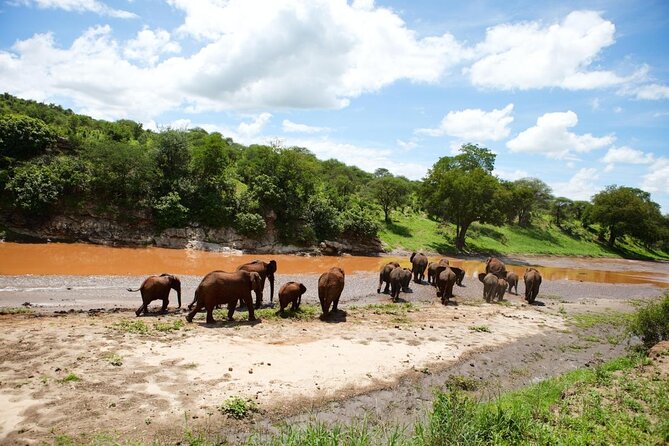
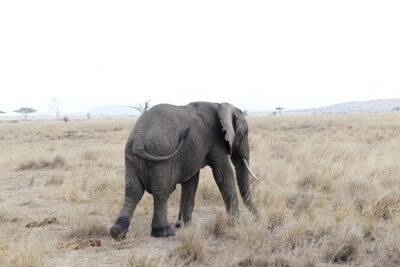
Inside Tarangire, the headline is elephants. The park is known for large elephant herds, and that alone can make the morning feel like a movie scene. Beyond elephants, the plan is to roam through seasonal swamps, savanna, and the Tarangire River area, looking for lots of other wildlife too.
What makes Tarangire useful on this particular safari is pace. After the long Great Migration focus at Ndutu, Tarangire gives you a different kind of wildlife spectacle, with denser classic savanna viewing and more opportunities for elephant moments.
A practical note: this day is an about 8-hour block, so it’s a full safari day. Plan your energy for game drives rather than sightseeing this day, and you’ll enjoy it more.
Lake Ndutu: where the short-grass plains do the work
Day 3 is the big transition into the Ndutu region. After breakfast, you drive roughly 3 hours into the Ngorongoro Conservation Area, which is part of the southern Serengeti ecosystem. You’re in alkaline Rift Valley country around Lake Ndutu, and that setting matters because it’s closely tied to the migration timing.
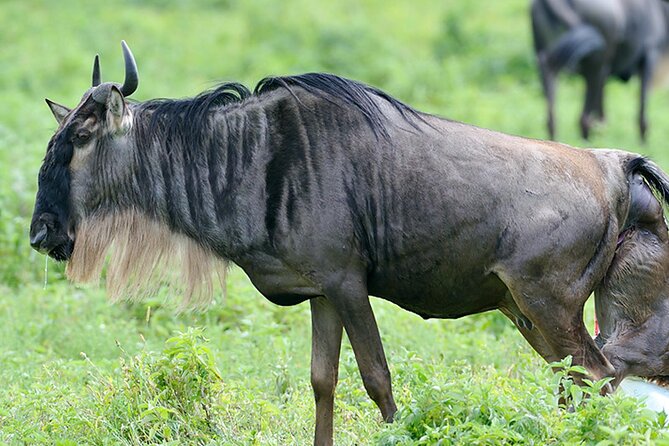
After you get settled for dinner and an overnight, the afternoon game drive is where the Ngorongoro-area magic starts to show up. The goal is to see the wildebeest and zebra migration that normally appears on the short-grass plains from December to April.
This is the part of the trip where being there at the right time really matters. The tour’s main target is Dec to April, and the most famous moment is not a random sight, it’s the birth and calving period. If you’re traveling around January, this is when the odds improve.
A full Ndutu day: calving season around January
Day 4 is a full day game drive in the Ndutu region. The itinerary calls out multiple habitat types you’ll try to cover, including swamps, woodland, soda lakes, and the short-grass plains. That mix matters because animal behavior shifts by habitat. When wildebeest and zebra concentrate on grass, predators also start to look like they are stationing themselves in the right places.
This is also the day where the tour leans hard into the reason you came. Around January, the schedule highlights a short window, often described as about 3 weeks, when wildebeest calves are born in large numbers, sometimes described as hundreds of thousands. The short-grass setting is key, because calves can start running quickly after birth, and the whole system becomes a fast-moving feeding and hunting rhythm.
In plain terms, you’re not just watching wildlife for beauty. You’re watching a biological event unfold, and it happens on a tight time schedule. That makes choosing your travel month important, even if the tour is still likely to produce plenty of sightings.
More Serengeti safaris:
- 3 Days Serengeti & Ngorongoro Group Camping Safari
★ 5.0 · 574 reviews - 5-Day Highlights mid-Range Crater, Serengeti, Tarangire
★ 5.0 · 296 reviews - 3-Day Classic Serengeti Safari
★ 5.0 · 263 reviews - Private 6-Day Tarangire Manyara Crater and Serengeti with Mid-Range Lodges
★ 5.0 · 238 reviews
Serengeti en route to Ngorongoro: big game viewing at the crater rim
Day 5 shifts you toward the Ngorongoro Conservation Area, with an en-route game drive through Serengeti settings. The plan is to look for the Big Five if you’re lucky, with the day’s timing geared around reaching the crater rim before lunch.
Ngorongoro Crater is a UNESCO world heritage site formed millions of years ago after a volcanic explosion. It sits about 610 meters deep and covers roughly 304 square kilometers. The payoff here is viewing density, because the crater is described as having about 25,000 ungulates, which translates into a busy wildlife scene.
Crater days can be intense in a good way. You spend time looking down over a closed-world arena where animals don’t have to roam as far as they would in open plains. If you’ve ever wanted the feeling of wildlife being everywhere you look, this is one of the most direct routes to that experience on a short safari.
A drawback to consider: crater viewing and en-route driving can feel like a long day. The itinerary lists it as about 8 hours, so it’s not a slow, restorative day. If you like structure and steady game drives, you’ll feel right at home.
Lake Manyara finale: birds, primates, and tree-lounging lions
Day 6 brings you to Lake Manyara National Park, about 120 km west of Arusha. Manyara is smaller than some of the headline parks, but it’s diverse, and the short tour finale keeps it packed with different animal chances.
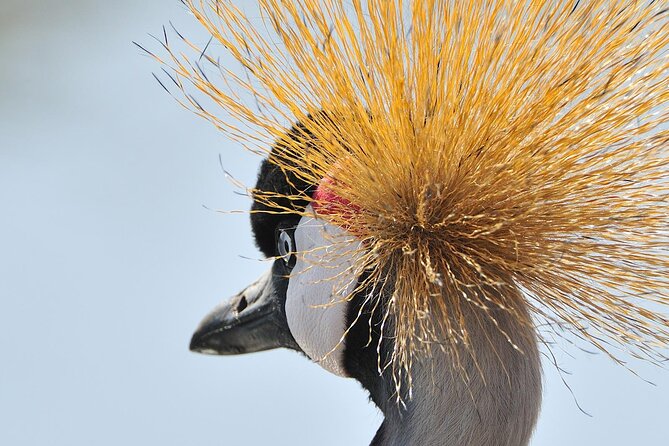
The park takes its name from a shallow salt lake that floods and dries with the seasons. The itinerary calls out flamingos and thousands of bird species, plus around 500 other bird species. Even if you don’t count birds, it’s a useful reminder: this park isn’t just about big mammals.
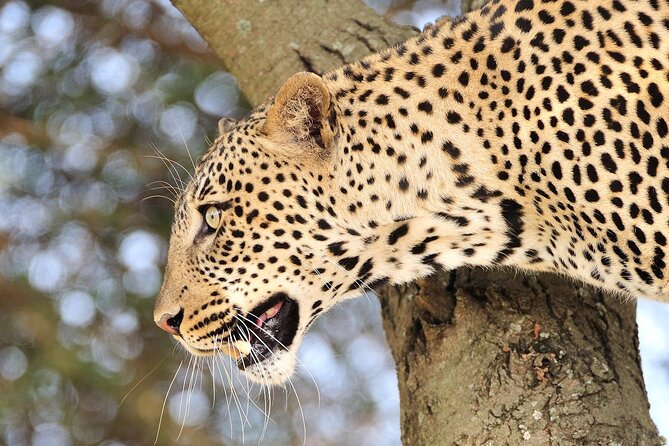
Your game drive is planned to look for monkeys, giraffes, zebra, wildebeest, buffalo, elephants, and with luck, lions in the trees. The route also aims to cover varied terrain, including grassy plains, primate-filled woodlands, and baobab-dotted cliffs.
If you want a closing day with different vibes than Ndutu, this is where you get it. The migration plains energy fades, replaced by more local habitat variety and a good chance at memorable “one more animal” surprises.
Guides and service: why the private piece matters
This tour is private, meaning only your group participates. That matters more than it sounds. It gives your guide room to respond to what the animals are doing instead of waiting for other vehicles and pacing out other schedules.
The praise across past experiences consistently points to guide performance. People specifically mentioned guides like Shabani, Gilbert, Ozzie, Meck, Evans, David, Fredrick, Gama, Luther, and Shafino Dominick for animal-spotting skill and a drive to match your interests. Some also mentioned guides making special efforts to find certain animals, like leopard, rhino, and lions, depending on what’s feasible in the moment.
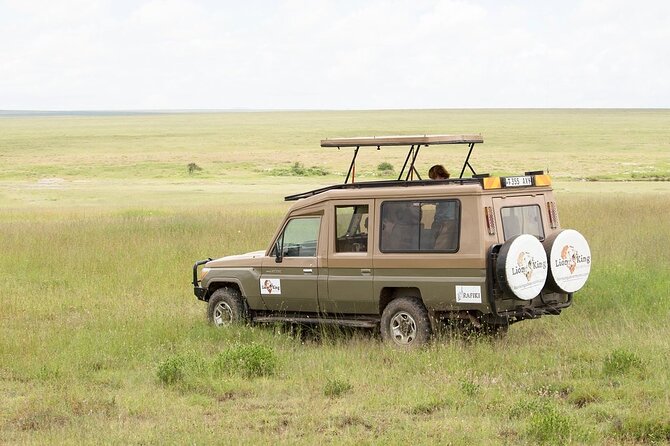
The service side also comes up often. Communication from the office was described as responsive, with help around practical needs, and vehicle quality was described as well maintained. One review specifically praised a guide’s ability to manage a delayed baggage situation, which is a real-world reminder that things happen, and service quality is often measured in how calmly it gets handled.
What I’d tell you to do before you go: share your priority animals early, then let the guide steer. This is one of those trips where knowledge and driving skill can turn “possible” into “we got it today.”
Getting value from $2,827 per person
The price listed is $2,827.00 per person for an approximately 6-day safari. On paper, that’s not cheap, and you should treat it like a serious spend. The value comes from the combination of private routing, multiple major parks, and time spent in the Ndutu area during the Great Migration window.
You’re also not stuck with one ecosystem. You get Tarangire, Ndutu, Serengeti en route, Ngorongoro Crater, and Lake Manyara in a short stretch. That variety tends to reduce the feeling that you paid for one park and the rest is filler.
The trip also includes pickup and a mobile ticket. In this kind of safari, those small logistics matter. You want less uncertainty about where to be and when to be there, so you can focus on getting eyes on animals.
Two cost-impact considerations to keep in mind:
- Dates matter because Ndutu calving is around January for a short period.
- It is non-refundable, so commit only when your travel dates are firm.
Who this safari fits best
This tour is best for people who want the Great Migration experience with a targeted Ndutu plan. If you’re traveling in Dec to April, you’re aligning with the season when the wildebeest and zebra migration is normally present on the short-grass plains.
It also fits couples and families who prefer a private pace. Because it’s private, you can stay together and keep the day rhythm consistent, rather than coping with a larger group’s tempo.
If you want a single trip that hits the major Tanzania highlights without slowing down for lots of extra hotel nights, this six-day structure works well. You get the classic elephant day, the migration calving day(s), the crater viewing, and a varied final park.
Should you book this private 6-day Great Migration safari?
Yes, if your dates fall in the Dec to April range and you’re specifically interested in Ndutu calving around January. This is the kind of itinerary that becomes more valuable the closer you are to that short peak window, and you’re spending enough time in the right region to make it more than a quick stop.
Be cautious if your dates are flexible only in a general sense. The tour is date-sensitive for calving outcomes, and you can’t treat it like a backup plan. Also, because it is non-refundable, only book if your schedule is locked.
If you do book, I’d recommend you take the private nature seriously. Tell your guide what you care about, then trust their spot-choosing. The guides linked with past trips, like Ozzie, Shabani, Meck, Evans, and Luther, were specifically praised for animal-finding effort and day-to-day problem solving, and that skill is exactly what you want when you’re chasing fast-moving wildlife.
FAQ
Where does the safari start and end?
The tour meeting point is Mount Meru Hotel on the Arusha-Taveta Road (Sekei Area, Arusha). The activity ends back at the same meeting point.
How long is the Private 6-Day Great Migration Ndutu Serengeti Safari Tour?
It’s listed as 6 days, approximately.
Which parks and areas are included?
You visit Tarangire National Park, Lake Ndutu (Ngorongoro Conservation Area and southern Serengeti ecosystem), Ngorongoro Crater area via the Ngorongoro Conservation Area route, and Lake Manyara National Park. The plan also includes Serengeti en route to Ngorongoro.
What is the best time to see the migration and calving at Ndutu?
The main target season is Dec to April, and the best time for calving is described as starting around January, often lasting about 3 weeks.
Is this tour private?
Yes. It is a private tour, so only your group participates.
Is pickup included?
Yes. Pickup is offered, including airport pickup by a Lion King representative, and then you are conveyed to your Arusha accommodation for the overnight.
More Safaris from Arusha
- 7-Day Premium Luxury Tanzania Safari All-Inclusive
★ 5.0 · 426 reviews - 8 Days Great Wildebeest Calving Migration Safari from Arusha
★ 5.0 · 254 reviews - Group Safari 7 Days in Tanzania’s Main Parks
★ 5.0 · 240 reviews - 10-Day Serengeti Wildebeest Migration Safari from Arusha
★ 5.0 · 218 reviews
Just posted around Arusha
- 8 Days Serengeti Migration safari★ 5.0 · 11 reviews
- tarangire & ngorongoro 2 days tour★ 5.0 · 14 reviews
- tarangire, ngorongoro & lake manyara park 3 days private tour★ 5.0 · 11 reviews
- serengeti, ngorongoro & tarangire 4 days private tour★ 5.0 · 18 reviews
- serengeti & ngorongoro 3 days private tour★ 5.0 · 15 reviews
- climb the KILIMANJARO via Lemosho route★ 5.0 · 4 reviews
- Mt. Kilimanjaro: Shira plateau to Cathedral point 3872m Day hike★ 5.0 · 7 reviews
- Kilimanjaro Waterfalls Hike & Moshi Hot Springs Day Trip Tour★ 5.0 · 4 reviews
Serengeti Safaris, compared.
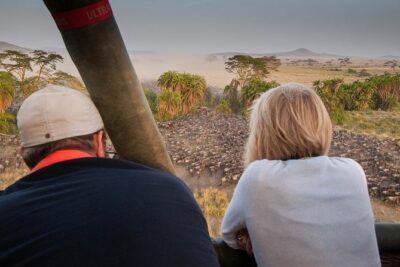
Serengeti Balloon Safari and authentic bush breakfast
Read our review →
Balloon Safari & Bush Breakfast in Serengeti – Miracle Experience
Read our review →
3 Days Serengeti & Ngorongoro Group Camping Safari
Read our review →
5-Day Highlights mid-Range Crater, Serengeti, Tarangire
Read our review →
Private 6-Day Tarangire Manyara Crater and Serengeti with Mid-Range Lodges
Read our review →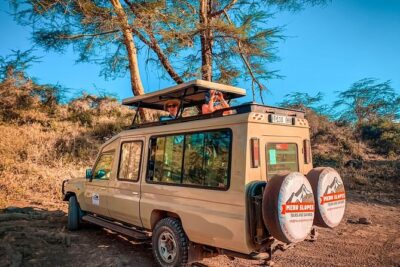
5 Days Camping Tarangire, Serengeti & Ngorongoro crater & Visiting Maasai
Read our review →Browse the lists this tour appears in