Reviewed · SAFARIS IN ARUSHA
Off the Beaten Track Safari in Arusha Tanzania
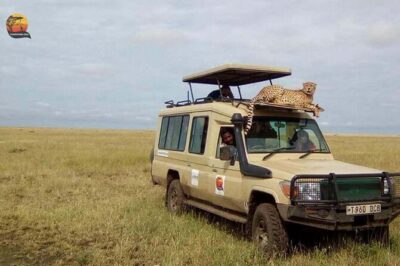
Expect wild animals, then a camp walk. This off the beaten track Arusha safari threads Tarangire, Serengeti, Ngorongoro Crater, and Lake Manyara into one week, with a standout walking safari around Ikoma Wild Camp. I like the mix of big-pulse drives (lions, elephants, the big sights) and slower time on foot, so you feel the change in pace. One possible drawback to plan for is the long day energy, especially the crater day.
You’ll start with a name-sign airport pickup at Kilimanjaro, then settle into Springlands hotel for a real sit-down meal and a pre-safari briefing. I also like that guides are a central part of the experience, with past trips highlighting professionals like Marck, Mustapha, and extra office planning support from Patrick. Still, you should be ready for lots of early starts and substantial time in the vehicle between parks.
The trip balances comfort and closeness to animals, with beautiful hotels and a mix of options inside parks and outside them. The operator flags safety as a priority, and the route is built around game viewing at each stop. If you prefer a totally relaxed pace with minimal driving, this may feel like a “see everything” week, not a slow vacation.
In This Review
- Key highlights if you want the good stuff
- Turning up in Arusha, then getting right into safari mode
- Tarangire National Park: dry-season wildlife on a river schedule
- Olduvai Gorge stop and Serengeti days built for real viewing time
- Ikoma Wild Camp walking safari: when the savanna gets personal
- Ngorongoro Crater: black rhino odds, lion territory, and bird breaks
- Lake Manyara: tree-climbing lions and a pocket of habitats
- Price and logistics: what $2,500 per group really buys you
- Guides, safety, and why the hotels feel more than just places to sleep
- Should you book this Arusha safari?
- FAQ
- What time does the safari start?
- How long is the safari?
- Where does the safari start and end?
- What group size should I expect?
- What is included in the price?
- Are insurance and flights included?
Key highlights if you want the good stuff
- Walking safari time near Ikoma Wild Camp, not just photo stops from the vehicle
- Tarangire in dry season mode, where the Tarangire River pulls animals together
- Serengeti with Olduvai Gorge context, tying wildlife to deep human history
- Ngorongoro Crater game drive, one of Tanzania’s best chances for black rhinos and lions
- Lake Manyara’s tree-climbing lions, plus multiple habitats in a smaller area
- Small-group feel (max 6 travelers listed), which helps keep your guide’s attention personal
Turning up in Arusha, then getting right into safari mode
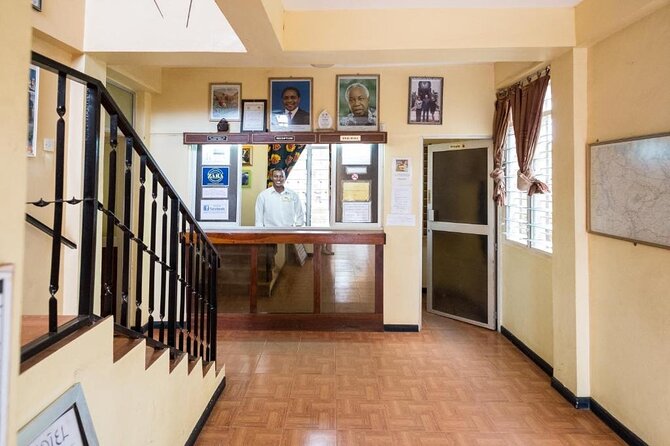
Your week starts the moment you land. The Tanzania Wildlife Adventures driver meets you at Kilimanjaro Airport with a sign that has your name on it, then transfers you to Springlands hotel in Arusha. After you eat, you get a pre-safari briefing from the safari coordinators, so you’re not guessing how the days will run.
Springlands is set up for an easy landing day. You’ll have a swimming pool, a garden, and a bar and restaurant, which is a nice change of pace after travel. This matters because your next days are all about early light and wildlife timing, so you want day one to feel like a reset, not a scramble.
There’s also a practical value here: having coordinators guide you through what to expect makes the long driving days feel more manageable. You’ll know how the vehicle time works, when to expect game viewing, and how to handle meals and pacing across the parks.
More Safaris in Arusha
- Balloon Safari & Bush Breakfast in Serengeti – Miracle Experience
★ 5.0 · 1,646 reviews - 4 Days Group Camping Safari
★ 5.0 · 1,101 reviews - 5 Days Group Camping Safari
★ 5.0 · 730 reviews
Tarangire National Park: dry-season wildlife on a river schedule
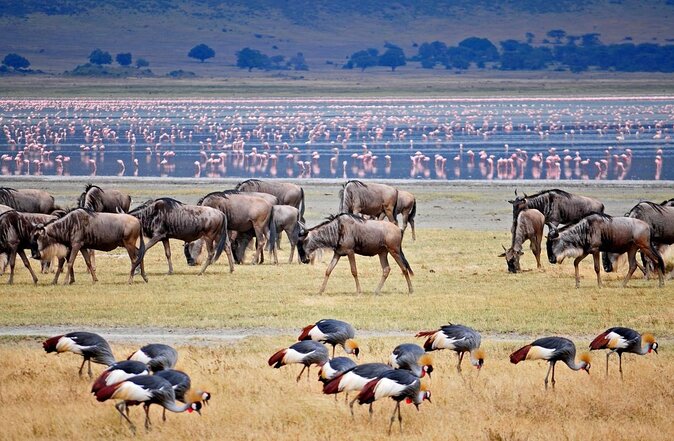
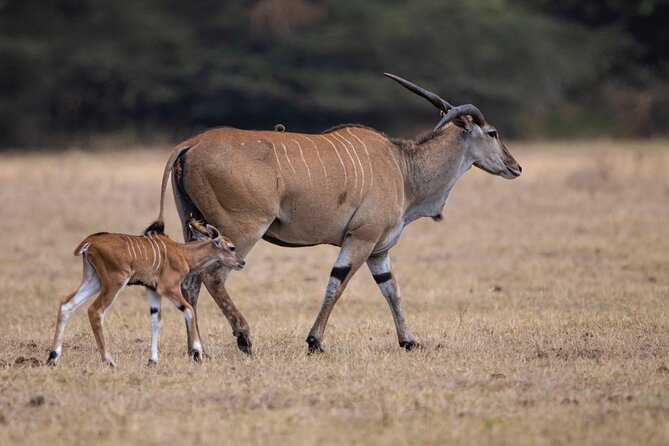
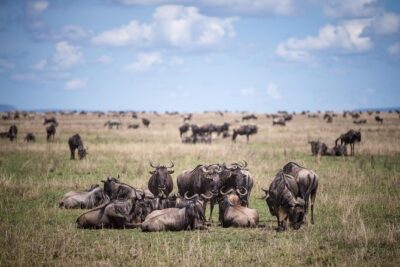
Tarangire is the park day that often hooks people fast, especially when the dry season concentrates animals around the permanent water. After breakfast, you drive into Tarangire National Park, where the Tarangire River becomes a magnet for life. In this season, you can see big herds of wildebeest and zebra, plus elephants and other animals like eland and oryx gathering to feed and drink.
What I like about Tarangire is that it feels different from the later stops. You’re not just chasing the same “headline” animals. You’re watching behavior around water, and the park’s rhythm makes sightings feel frequent, not rare.
Overnight is at Highview Coffee Lodge or a similar option. That lodge base keeps things comfortable while you’re still close to the next day’s momentum. It’s also one less variable to manage, since you’re staying planned rather than improvising between parks.
If you’re the type who gets impatient when game viewing is slow, this day is built for you. The dry season timing is the key idea, and the plan is designed around that.
Olduvai Gorge stop and Serengeti days built for real viewing time
On the way to Serengeti, you get a stop at Olduvai Gorge (about a 15-minute optional visit). It’s not a long museum moment, but it’s a powerful one: Olduvai Gorge is an archaeological site where early human fossils were first discovered. The views and rock setting are tied to tectonic forces that helped create the Great Rift Valley, so you get a “how did the world get like this” feeling without losing the safari day.
Then you move into Serengeti National Park with a full day of wildlife viewing. You’ll have a night in Serengeti Safari Lodge or a similar option, which helps you stay in the action rather than commuting in and out. Serengeti is described as a world heritage site with a large concentration of animals still roaming free, and that’s exactly the kind of place where being on the ground early pays off.
Day after day, the plan keeps you out doing game viewing. There’s a day with a picnic lunch in the park, which is a great way to stretch your time in the right habitat instead of racing back to eat. There’s also an option for a walking or night safari as part of the Serengeti time, so you can lean more adventurous if you want.
One thing to consider: Serengeti days can be long, even when you’re excited. The upside is that the pacing is designed to maximize time where animals actually are, not just the time you spend “between” sightings.
Ikoma Wild Camp walking safari: when the savanna gets personal
The most distinctive element of this trip is the walking safari around Ikoma Wild Camp. Instead of only seeing wildlife from the vehicle, you get a chance to experience the savanna on foot, which changes how you notice movement, sounds, and space.
Walking adds a different kind of thrill, the slow kind. You’re paying attention in a more human way, not just scanning for animals with binoculars. It also tends to make the “off the beaten track” promise feel real, since the experience is closer to the living ground than a standard drive-by.
There’s also a flexibility note in the schedule: during your Serengeti time, a walking or night safari is listed as possible. So if you prefer to trade walking for darker-hour viewing, you may have that option depending on the guide and conditions.
From past trips shared by the operator’s community, the guides matter a lot in how this kind of safari feels. Names like Marck and Martin show up in feedback tied to frequent wildlife encounters and exploring less-traveled areas on the fringes of Serengeti. That’s the practical point for you: walking safari success usually comes down to guidance and interpretation, not luck.
More safaris from Arusha:
- 3 Days Serengeti & Ngorongoro Group Camping Safari
★ 5.0 · 574 reviews - 7-Day Premium Luxury Tanzania Safari All-Inclusive
★ 5.0 · 426 reviews - 3-Day Classic Serengeti Safari
★ 5.0 · 263 reviews - 8 Days Great Wildebeest Calving Migration Safari from Arusha
★ 5.0 · 254 reviews
Ngorongoro Crater: black rhino odds, lion territory, and bird breaks
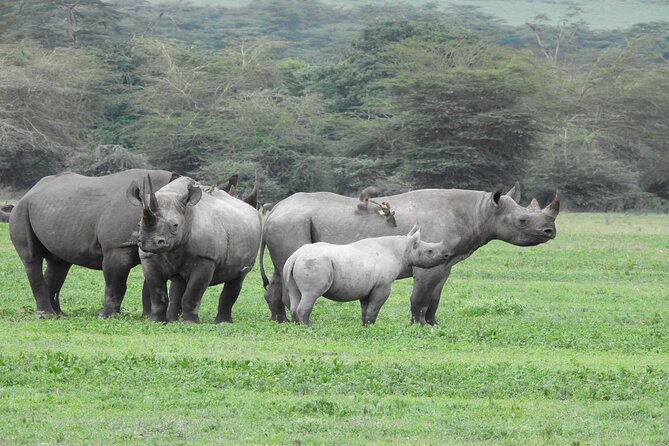
Ngorongoro Crater is the day that feels like a big-ticket wildlife moment. After breakfast, you drive to the crater for a game drive inside. The plan calls out strong chances for black rhinos, plus lions. That combo alone makes this a standout, because it’s not the kind of “maybe” sighting you want to keep guessing about.
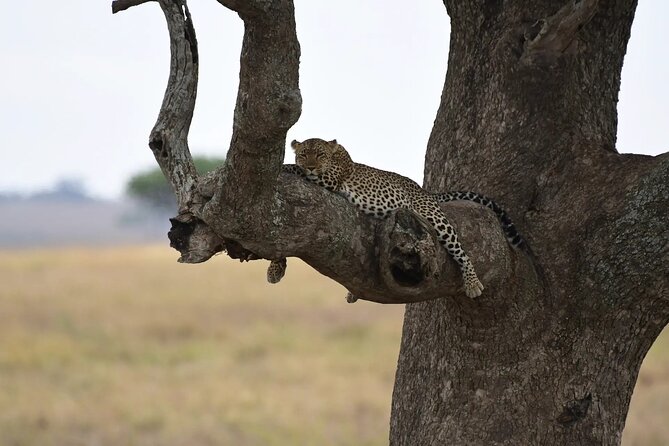
You’ll also look for other predators and big cats in the general rhythm, with leopard, cheetah, and hyena mentioned. On the bird side, the crater is highlighted for colorful flamingos and a variety of water birds, which is a smart reminder that you don’t only see mammals here.
Overnight is back at Highview Coffee Lodge or a similar option, which gives you a comfortable base after what can be a long day. The schedule lists day five as about 12 hours, and that’s your cue to plan for a physically tiring day even if you love it. You’ll be spending lots of time focused and alert.
The crater experience works best if you understand one reality: animals are concentrated, but they are not guaranteed. What you want is a guide who can keep you moving to where signs and sightings are most likely, and this trip emphasizes experienced guiding and a long working ability.
Lake Manyara: tree-climbing lions and a pocket of habitats
Lake Manyara National Park is a contrast after Ngorongoro. You head there after breakfast, and the park’s value is its variety of ecosystems in one area. You’re looking at acacia forests, grassy plains, a swampy delta, and of course the lake itself.
That mix is why the wildlife list is broad. Lake Manyara is described as home to rare tree-climbing lions, plus buffalo, impala, giraffe, warthogs, hippos, and elephants. You’ll also see many birds, and monkeys are called out as well, so you get plenty of life even when the big cats are quiet.
For many people, the “feel” of Lake Manyara is a little more relaxed than Serengeti, even though animals are still active. It’s easier to imagine yourself as part of the habitat, not just a viewer in a long line of vehicles. The park’s different habitat types mean you’re not staring at one kind of scene the whole time.
You’ll sleep at Springlands hotel or a similar option, bringing you back toward Arusha at the end of the safari week. That sets up a smoother final day flight transfer.
Price and logistics: what $2,500 per group really buys you
The price is listed at $2,500 per group, with up to 15 referenced in the pricing info, and the departure capacity listed as a maximum of 6 travelers. Before you book, I’d ask the operator to confirm your exact group size for your dates, because that affects how “small-group” the experience will feel.
Here’s the value angle I’d focus on. The trip includes all fees and taxes, admission tickets are listed as free, and meals are covered (6 lunches, 5 dinners, 6 breakfasts). Pickup is offered, and you get a mobile ticket. That reduces the hassle factor, and it also helps keep the budget predictable once you’re in Tanzania.
What you still pay separately: international and local flights and travel insurance are not included. That matters because safari packages can look great until you price flights and coverage. If you already have flights figured out, this kind of package becomes more straightforward.
Also, with multiple parks in one week (Tarangire, Serengeti, Ngorongoro, Lake Manyara), you’re paying for logistical work you would struggle to coordinate yourself. That includes park timing, transfers between regions, and the guiding effort that makes game viewing more than a drive and hope plan.
Guides, safety, and why the hotels feel more than just places to sleep
This trip leans hard on the human layer: experienced safari coordinators and good guides. The operator explicitly states that safety is a priority, and that shows up in the structure of the days: planned drives, briefing time, and staying in known lodge bases at night.
Comfort is not ignored. You’ll stay at a mix of well-regarded places like Springlands hotel, Highview Coffee Lodge, and Serengeti Safari Lodge or similar. Some lodges are inside parks and others are outside, which changes your morning rhythm. Staying inside can mean earlier access to wildlife time, while outside can mean a calmer base and easier lodge facilities.
From the feedback shared with the operator, certain guide names come up tied to strong wildlife results and good planning. Patrick is credited with office planning, while guides like Mustapha, Marck, and Martin are connected to memorable encounters and exploring areas that feel less traveled. Even if your guide is different, this pattern tells you the operator cares about guide performance, not just vehicle transport.
Practical expectation: you’re going to spend time traveling between major parks. The upside is that the route is built to keep wildlife opportunities active across the week, not concentrated into one or two days.
Should you book this Arusha safari?
Book it if you want a full Safari circuit in about a week, with the rare bonus of a walking safari around Ikoma Wild Camp. You’ll get a strong mix: river-focused Tarangire viewing, Serengeti days with time in the park and a picnic lunch, Ngorongoro Crater with high-value wildlife odds, and Lake Manyara’s habitat variety and tree-climbing lion possibility.
Skip it or at least ask extra questions if you hate long driving days. This route includes a day that runs about 12 hours, and you’ll be in the vehicle a lot to move between parks and maximize sightings.
If you’re traveling with a flexible mindset, and you’re happy to let good guides run the day, this is the kind of safari that can feel both exciting and oddly grounded, because you’re not just watching from afar. You’re learning the rhythm of each place, one day at a time.
FAQ
What time does the safari start?
The experience starts at 9:00 am.
How long is the safari?
The duration is listed as approximately 7 days.
Where does the safari start and end?
It starts in Arusha, Tanzania, and it ends back at the meeting point in Arusha.
What group size should I expect?
The tour lists a maximum of 6 travelers.
What is included in the price?
The price includes all fees and taxes, pickup offered, a mobile ticket, admission tickets listed as free, and meals (breakfast 6 times, lunch 6 times, and dinner 5 times).
Are insurance and flights included?
No. Insurance, international flights, and local flights are not included.
Just posted around Arusha
- 8 Days Serengeti Migration safari★ 5.0 · 11 reviews
- tarangire & ngorongoro 2 days tour★ 5.0 · 14 reviews
- serengeti, ngorongoro & tarangire 4 days private tour★ 5.0 · 18 reviews
- tarangire, ngorongoro & lake manyara park 3 days private tour★ 5.0 · 11 reviews
- serengeti & ngorongoro 3 days private tour★ 5.0 · 15 reviews
- climb the KILIMANJARO via Lemosho route★ 5.0 · 4 reviews
- Mt. Kilimanjaro: Shira plateau to Cathedral point 3872m Day hike★ 5.0 · 7 reviews
- Kilimanjaro Waterfalls Hike & Moshi Hot Springs Day Trip Tour★ 5.0 · 4 reviews
Safaris in Arusha, compared.
Balloon Safari & Bush Breakfast in Serengeti – Miracle Experience
Read our review →
3 Days Serengeti & Ngorongoro Group Camping Safari
Read our review →
7-Day Premium Luxury Tanzania Safari All-Inclusive
Read our review →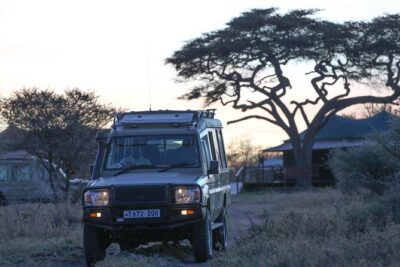
8 Days Great Wildebeest Calving Migration Safari from Arusha
Read our review →