Reviewed · SAFARIS IN ARUSHA
9 Days Safari To See Great Migration Crossing
A single safari day can feel huge, and this one keeps getting bigger. I love the way the route stacks big-migration Serengeti time with classic parks like Tarangire and Lake Manyara, plus a Big Five finale at Ngorongoro. I also like that the plan builds in both early starts and relaxed breaks, including a walking safari in Arusha with an armed ranger. One drawback to weigh is that long drives are part of the deal, so if you hate being in the vehicle, you will feel it.
Because this is a private tour, you do not share game drives with strangers. You get pickup from your Arusha hotel, private transportation between parks, and a full meal plan with breakfast, lunch, dinner, plus snacks and drinks. The tradeoff is that the price is not a budget safari price, so it makes most sense if you value convenience and time efficiency over saving a little money.
In This Review
- Key Highlights You’ll Actually Care About
- Entering the Safari Circuit: Arusha, Timing, and What You’re Buying
- Day 1 in Arusha National Park: The Walking Safari Side of Tanzania
- Tarangire National Park: Baobabs, Water Concentrations, and Predator Timing
- Lake Manyara: Hot Springs, Water Forest, and Tree-Climbing Lions
- Serengeti Entry Day: Ngorongoro Conservation Area and the Optional Olduvai Stop
- Serengeti Game Drives: How to Use Two Full Sight-Seeing Sessions
- The Great Migration Day: Following the Herds, and Why River Crossings Matter
- Ngorongoro Crater Rim to Crater Floor: Big Five, Soda Lake, and Ngoitoktok
- What’s Included (and Why It Changes the Real Cost)
- Service Quality: Where This Operator Seems to Shine
- Potential Tradeoffs to Consider Before You Say Yes
- Who This Safari Fits Best
- Should You Book This 9-Day Great Migration Safari?
- FAQ
- What time is pickup in Arusha?
- Which parks are included on this 9-day safari?
- Is there a Great Migration day in Serengeti?
- Will I see the Big Five?
- Is Olduvai Gorge included?
- Are meals included?
- Is private transportation included?
- Do I get a mobile ticket?
- Are park fees included?
- Are tips included in the price?
- What is the cancellation policy?
Key Highlights You’ll Actually Care About
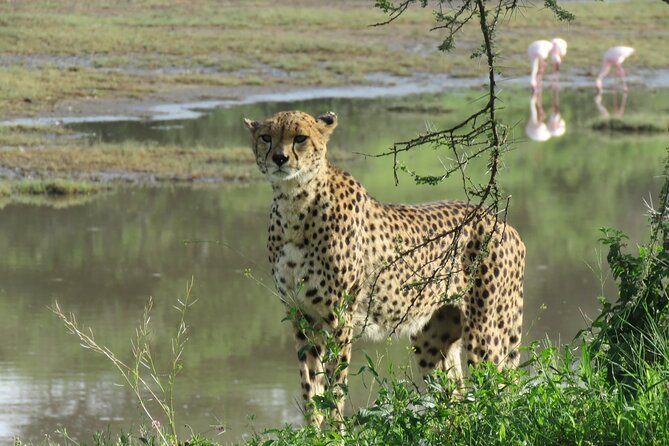
- Great Migration focus in Serengeti with time spent following the moving wildebeest and zebra paths
- Arusha National Park walking safari with an armed ranger and a bird-heavy Momella Lakes area
- Tarangire’s dry-season wildlife drama when animals concentrate around water, plus excellent birding
- Lake Manyara variety including underground water forest scenes, a hot water spring area, and tree-climbing lions
- Ngorongoro Crater Big Five morning with a crater-floor game drive and lunch at Ngoitoktok swamp
Entering the Safari Circuit: Arusha, Timing, and What You’re Buying
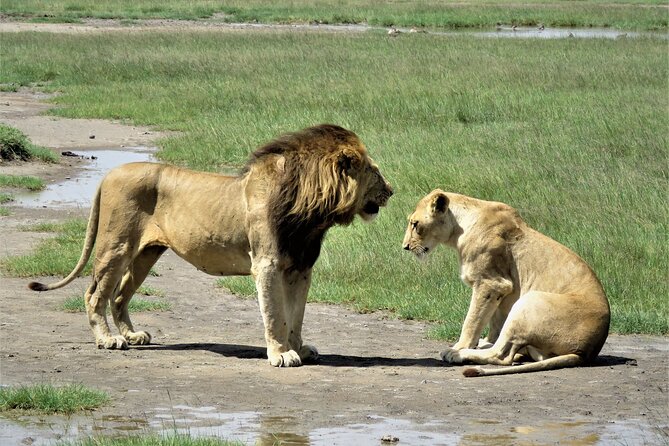
This 9-day safari is designed around a simple idea: see multiple Tanzania ecosystems in one trip, then spend enough time in Serengeti to track the Great Migration. You start in Arusha, work your way through Tarangire and Lake Manyara, then push into the Serengeti for the main migration days, ending with Ngorongoro Crater.
For many people, the best “value” is not just wildlife. It is how much guiding and driving gets packed into each day. Here, you get a full set of included meals, and you are not responsible for park fee logistics. You are also traveling privately, which usually means fewer compromises, better pacing, and more control over where you pause for sightings.
What you should plan around is the nature of the migration itself. The route mentions following migration paths depending on where the herds are, so you will not get one fixed “watch it at exactly this spot” promise. That flexibility is how safari operators keep the odds high.
More Safaris in Arusha
- Balloon Safari & Bush Breakfast in Serengeti – Miracle Experience
★ 5.0 · 1,646 reviews - 4 Days Group Camping Safari
★ 5.0 · 1,101 reviews - 5 Days Group Camping Safari
★ 5.0 · 730 reviews
Day 1 in Arusha National Park: The Walking Safari Side of Tanzania
Your first day begins with pickup from your Arusha hotel in the morning, with timing given as 07:30 in the plan, and 8:30 listed as the experience start time. Either way, you are starting early enough to make the day feel like a real safari, not a long transfer.
After a drive to Arusha National Park, you get lunch and then a walking safari of about 4 hours with an armed ranger. This is the part that many people underestimate until they experience it. A vehicle drive is fast, but walking slows everything down. You notice birds, smaller mammals, and the details of the forest and lakeshore habitat in a way you simply do not get from behind glass.
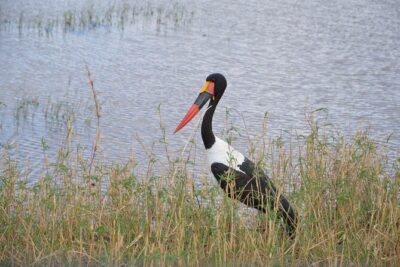
Arusha National Park is also bird country. The plan highlights over 400 species recorded in the area, and it specifically points to Lake Momella as one of the best places in Tanzania to see waterbirds. You can expect flamingos, pelicans, herons, ducks, and other water-loving species. If you like nature that feels “close,” this is a great way to kick things off before you go full-throttle into the big safari parks.
A practical note: walking safaris require comfortable shoes and a willingness to be on your feet. If mobility is an issue, tell your operator ahead of time so they can match you with the right pacing.
Tarangire National Park: Baobabs, Water Concentrations, and Predator Timing
After breakfast, you head to Tarangire. This park is known for dense wildlife, especially in the dry season period the plan calls out as most spectacular between June and September. That seasonal window matters because animals gather at water sources, which means your odds of seeing predators hunting increases along with herbivore sightings.
Tarangire is described as a place where thousands of animals, including wildebeest, buffalo, and oryx, move toward the Tarangire River when water becomes scarce elsewhere. Lions and leopards are said to follow the herds, and the plan also notes that Tarangire has more than 500 varieties of birds.
Day 2 is structured with a game drive session after lunch, plus a late afternoon viewing before you check in for dinner and overnight. That matters because predators often become active when the light starts changing. If you are the type who wants both big-animal chances and good photo light, late afternoon is usually where you feel it.
If you are sensitive to heat, plan for warm days. This is a safari where you will be outdoors on drives, and comfort depends heavily on what time of year you go.
Lake Manyara: Hot Springs, Water Forest, and Tree-Climbing Lions
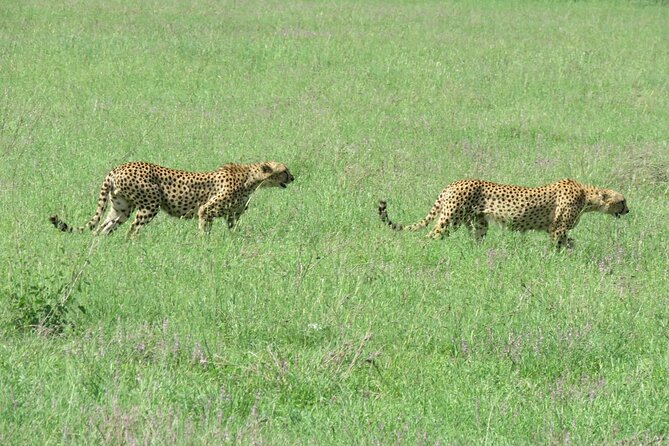
Lake Manyara National Park is a change of pace from Tarangire. The plan sets up an afternoon game drive that starts through an “underground water forest,” moves into acacia woodland and open savanna, and passes by a hot water spring area before reaching the lake environment.
This park is famous for two things in the way your itinerary frames it. First, waterbirds. Lake Manyara is described as a strong place for flamingos and other water birds. Second, the plan highlights tree-climbing lions, which is one of those things you cannot forget if you spot it.
You also get a picnic lunch in the park, and then dinner and overnight after. That keeps the day from feeling like a rushed transfer. It also gives you a chance to take in the lake setting, which is often where birding is at its best.
The species list is also broad: elephants, zebra, buffalo, giraffe, baboon, warthog, and monkeys are mentioned, along with a note that around 350 species of birds have been recorded. That makes Lake Manyara a good “variety day” even if the Great Migration is still far ahead in your route.
If you’re choosing between parks for a first trip, I’d treat Lake Manyara as the emotional reset. It is not just another savanna drive, it is a different kind of habitat mix.
More safaris from Arusha:
- 3 Days Serengeti & Ngorongoro Group Camping Safari
★ 5.0 · 574 reviews - 7-Day Premium Luxury Tanzania Safari All-Inclusive
★ 5.0 · 426 reviews - 3-Day Classic Serengeti Safari
★ 5.0 · 263 reviews - 8 Days Great Wildebeest Calving Migration Safari from Arusha
★ 5.0 · 254 reviews
Serengeti Entry Day: Ngorongoro Conservation Area and the Optional Olduvai Stop
On Day 4, you head to Serengeti, driving through the Ngorongoro conservation area. This is also where the plan includes an option to visit Olduvai Gorge, often described as the cradle of mankind in relation to early hominids.
This is optional, so think of it like this: if you want your safari to be about wildlife only, you may skip it. If you want to add a cultural and natural history layer without giving up game drive time, it can add interest to the day.
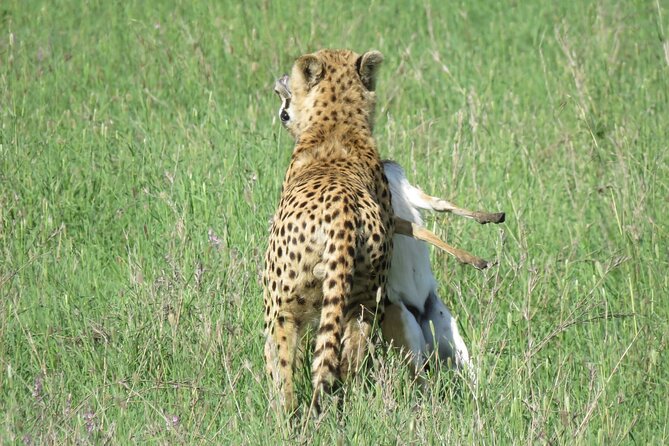
Once you reach the Serengeti plains, the plan emphasizes big game animals, predators, the Great Migration, and even Nile crocodiles. You are then scheduled for a sunset drive and dinner and overnight afterward.
Even if you have seen lions before, Serengeti has a special way of making you feel small. The plains are wide, and wildlife can show up in waves rather than as single sightings. That is why entering in the late day window can still feel productive, because animals tend to react to changing light.
Serengeti Game Drives: How to Use Two Full Sight-Seeing Sessions
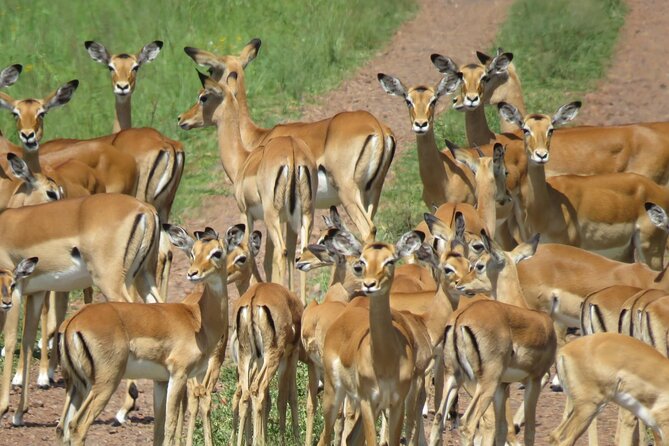
Days 5 and 6 are built around repeatable game drive rhythms. Day 5 gives you morning and afternoon drives in Serengeti, with time for an optional picnic or hot lunch around midday. You return to camp for dinner and overnight.
This “morning plus afternoon” structure is what you want if your priority is both sightings and chances at predators. Morning often brings more movement and hunting behavior, while afternoon can offer fresh activity as temperatures shift.
Day 6 adds an extra layer by describing continued game viewing into the north east of the park, specifically naming the Lobo area as a place where the main migration path has passed. That wording is important. It suggests the operator is trying to align your drives with where herds have moved, instead of just doing generic Serengeti sightseeing.
Also, the itinerary includes time for both morning and afternoon on Day 6, so you are not stuck with only one long push. That reduces fatigue and gives you another shot at the things you missed the day before.
The Great Migration Day: Following the Herds, and Why River Crossings Matter
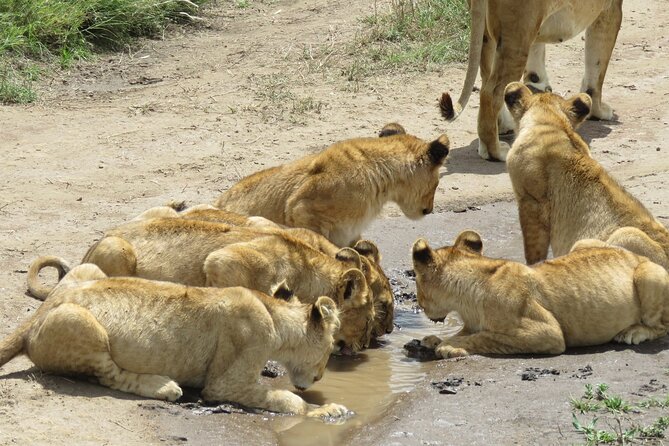
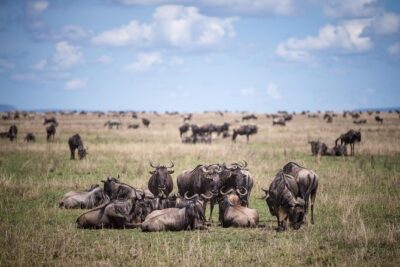
Day 7 is the center of gravity for this trip. You follow migration paths through the Serengeti ecosystem and spend the day tracking about 1.5 million wildebeest and 500,000 zebras, as described.
This is the day the plan calls out with real drama. It mentions dangers being everywhere, with packs of lions and cheetahs waiting for the right moment. It also highlights crocodiles in the Serengeti River, describing the crossing scenes as especially intense.
Now, a balanced reality check. You cannot guarantee a river crossing on command. What you can do is increase your odds by having a dedicated day where you do not rush out early or lose time to admin stops. This itinerary gives you that uninterrupted safari block, which is why it is built the way it is.
If you care about seeing the migration as more than a slideshow, this is also where patience pays off. Watch behavior, not just animals. The timing of pauses, the way herds group up, and where predators position often tells you more than a single roar of excitement.
Ngorongoro Crater Rim to Crater Floor: Big Five, Soda Lake, and Ngoitoktok
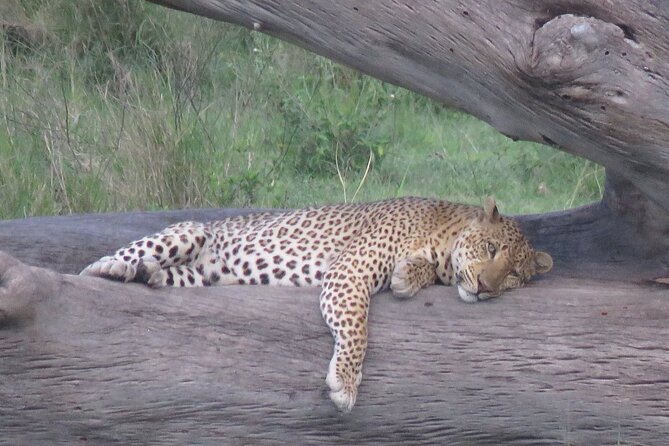
Day 8 transitions toward Ngorongoro Crater rim. You wake up early for morning game drives in Serengeti, then head back to the camp for breakfast, check out, and drive with lunch and game viewing en route to the crater rim for dinner and overnight.
This setup gives you one last Serengeti morning, which matters if you want to end strong on big sightings before changing ecosystems again.
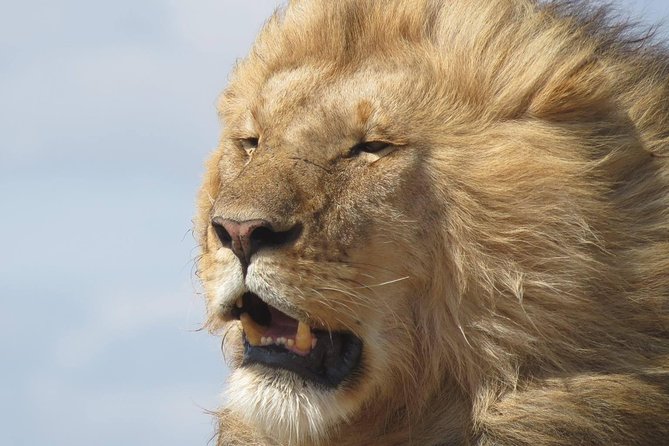
Day 9 is the big finale. You wake early, descend into the crater floor for game drives, and the plan states that all Big Five live there, including rhino, lion, buffalo, and elephant. It also notes zebra, hippo, wildebeest, hyena, and more.
Bird life is a major bonus here too. The plan mentions flamingos on the Soda lake, plus geese, storks, and vultures. That is a reminder that Ngorongoro is not only about mammals.
Lunch is served at a picnic site in the crater at Ngoitoktok swamp, described as a hippo pool. That kind of meal spot can be unforgettable because you are eating in the middle of the ecosystem you were just driving through, not out by the roadside.
After lunch, you drive back to Arusha.
What’s Included (and Why It Changes the Real Cost)
This tour includes private transportation, food and drinks (breakfast, lunch, dinner, snacks, wine, and soft drinks are mentioned), and all fees and taxes. Meals are also clearly counted: breakfast 9 times, lunch 9 times, and dinner 7 times.
That matters for budgeting because safari add-ons are where costs can creep up if you are not careful. Here, the plan is trying to bundle the day-to-day basics so you can focus on the drive schedules and what you might see.
What is not included is tips. The plan lists tips as not included, so you should plan to tip your guide and driver based on your experience and local custom.
One other practical detail: you get pickup, and the tour uses a mobile ticket. Those two things usually reduce stress, especially if you are traveling with limited time or you are coming in from Kilimanjaro or elsewhere.
Service Quality: Where This Operator Seems to Shine
The operator behind this safari comes up again and again for responsiveness and planning support. David is named as a key contact, and multiple trip accounts describe fast communication during preparation, plus help arranging transfers like rides from and to Kilimanjaro airport.
Flexibility shows up too. One account describes changing accommodations during planning, and another highlights post-safari support for a next adventure. That kind of service matters because safaris are complicated even when everything goes smoothly.
On the safari side, guide names appear in the accounts as well. Ziggy is praised for being excellent at navigation, which is a big deal when you are trying to line up with moving wildlife. Driver Tom is mentioned for world-class service, including the detail of cold drinks during drives.
You should not assume the same team will be assigned to you, but it is a useful signal. If you are the kind of traveler who hates being left guessing, this operator style tends to reduce that stress.
Potential Tradeoffs to Consider Before You Say Yes
First, expect long days and long drives. This itinerary visits four major wildlife destinations plus crater time, and that means time on the road is part of the package.
Second, migration viewing depends on where herds are. The plan explains that you follow migration paths depending on location. That is the right approach, but it also means you cannot treat it like a fixed schedule concert.
Third, the tour covers lodge and tented camp options, and budget camping options are mentioned as possibilities in general terms. The exact standard you get should be confirmed before booking so there are no surprises in room type, bedding style, or comfort level.
Finally, the price is high compared to group safaris. For some travelers that is fine because you are paying for private time, included meals, and fewer compromises. For others, it might make more sense to trade privacy for lower cost.
Who This Safari Fits Best
This is a great match if you want a well-paced circuit across Tanzania’s top parks, with Serengeti Great Migration time as the priority. It also suits couples and families, since your itinerary is not built like an extreme adventure. It is structured, with meals and overnight stays planned each night.
If you are a birder, Arusha and Lake Manyara stand out on paper, with hundreds of bird species mentioned and strong waterbird focus.
If you are traveling with limited patience for paperwork and coordination, the included fees and taxes, private transport, and mobile ticket can reduce headaches.
If you hate being in a vehicle, or if you want a shorter trip, you might find 9 days too long. But if you want a “classic circuit” with a true migration day, the time here makes sense.
Should You Book This 9-Day Great Migration Safari?
I’d book this if your top goal is seeing the Great Migration as an experience, not as a single quick stop. The itinerary gives you dedicated Serengeti time on multiple days and then sets aside a full day to follow the wildebeest and zebra herds.
I’d also book it if you value service. The operator’s reputation for responsive planning and flexibility is exactly what you want when you are syncing wildlife movement, park schedules, and accommodation preferences.
But I’d think twice if you are on a tight budget or if you dislike long driving days. Also, confirm the accommodations level you will receive, since the general info points to different camp styles.
If you do book, pack for early mornings, bring comfortable walking shoes for the Arusha section, and plan on being flexible about where you are when the herd is moving. That is how you get the best chance at those unforgettable migration moments.
FAQ
What time is pickup in Arusha?
The plan mentions pickup from your Arusha hotel at 07:30, and the experience start time is listed as 8:30 am. Expect an early start.
Which parks are included on this 9-day safari?
The route covers Arusha National Park, Tarangire National Park, Lake Manyara National Park, Serengeti National Park, and Ngorongoro Crater rim and crater floor.
Is there a Great Migration day in Serengeti?
Yes. The itinerary includes a day following the Great Migration paths in Serengeti, focusing on wildebeest and zebra movement.
Will I see the Big Five?
Yes. The Ngorongoro Crater floor game drives are described as having all Big Five, including rhino, lion, buffalo, and elephant.
Is Olduvai Gorge included?
It is listed as an optional stop while driving through the Ngorongoro conservation area.
Are meals included?
Yes. Breakfast is included 9 times, lunch 9 times, and dinner 7 times. Snacks and drinks are also included, and wine is mentioned.
Is private transportation included?
Yes. The tour includes private transportation, and it is described as private so only your group participates.
Do I get a mobile ticket?
Yes, mobile ticket is listed as a feature.
Are park fees included?
Yes. All fees and taxes are listed as included.
Are tips included in the price?
No. Tips are not included.
What is the cancellation policy?
Free cancellation is offered up to 24 hours in advance for a full refund. If you cancel less than 24 hours before the experience start time, the amount paid is not refunded.
Just posted around Arusha
- 8 Days Serengeti Migration safari★ 5.0 · 11 reviews
- tarangire & ngorongoro 2 days tour★ 5.0 · 14 reviews
- tarangire, ngorongoro & lake manyara park 3 days private tour★ 5.0 · 11 reviews
- serengeti, ngorongoro & tarangire 4 days private tour★ 5.0 · 18 reviews
- serengeti & ngorongoro 3 days private tour★ 5.0 · 15 reviews
- climb the KILIMANJARO via Lemosho route★ 5.0 · 4 reviews
- Mt. Kilimanjaro: Shira plateau to Cathedral point 3872m Day hike★ 5.0 · 7 reviews
- Kilimanjaro Waterfalls Hike & Moshi Hot Springs Day Trip Tour★ 5.0 · 4 reviews
Safaris in Arusha, compared.
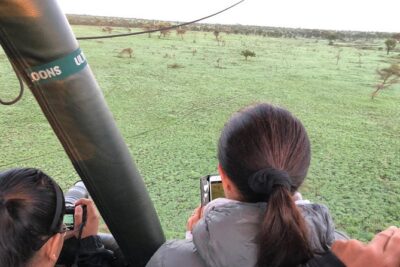
Balloon Safari & Bush Breakfast in Serengeti – Miracle Experience
Read our review →
3 Days Serengeti & Ngorongoro Group Camping Safari
Read our review →
7-Day Premium Luxury Tanzania Safari All-Inclusive
Read our review →
8 Days Great Wildebeest Calving Migration Safari from Arusha
Read our review →