
Reviewed · SERENGETI SAFARIS
9-Day Serengeti Migration Footsteps Tanzania Safari
Migration in motion is hard to beat, and this 9-day Serengeti route is built to chase it with four nights in the Serengeti and dedicated days for the Mara River crossing. I like how the trip strings together several of Tanzania’s big-hitters, so your week feels like more than just one park. One consideration: the price is steep, and migration sightings depend on timing and river conditions.
From Arusha, you get a practical airport pickup by a Lion King representative, then you travel between parks by private transportation. Guides tied to Lion King Adventures, including names like Mwita and Enock, are repeatedly praised for finding animals efficiently and explaining what you’re seeing, which matters a lot when you’re spending long hours out on the plains.
In This Review
- Key things to know before you go
- Great Migration timing: what this route is really built for
- Arusha to Tarangire: a strong warm-up before the Serengeti chase
- Into the Serengeti via Ngorongoro Conservation Area: changing habitats, changing chances
- Northern Serengeti migration days for Mara River crossings: where the drama can happen
- Ngorongoro Crater rim lodge to crater floor day: the most compressed wildlife day
- Lake Manyara to close the loop: birds, trees, and a final safari mood
- Price and value for a 9-day private migration safari
- Guides, game drives, and what makes the difference day after day
- Who should book this 9-day Serengeti migration safari
- Should you book this Tanzania safari to follow the Serengeti migration?
- FAQ
- Where does the safari start and end?
- How long is the safari?
- What parks are included in the itinerary?
- When is the Great Migration expected for this itinerary?
- Is airport pickup included?
- What is included in the tour price?
Key things to know before you go
- Migration timing is the whole game, and this itinerary is designed around the movement season in and around the Serengeti
- Northern Serengeti gets fewer crowds, so your viewing can feel calmer when you reach the Mara area
- Early starts set you up for crossings and predators, especially during the best chance windows
- Ngorongoro Crater is its own category, with a crater-floor day that runs fast and early
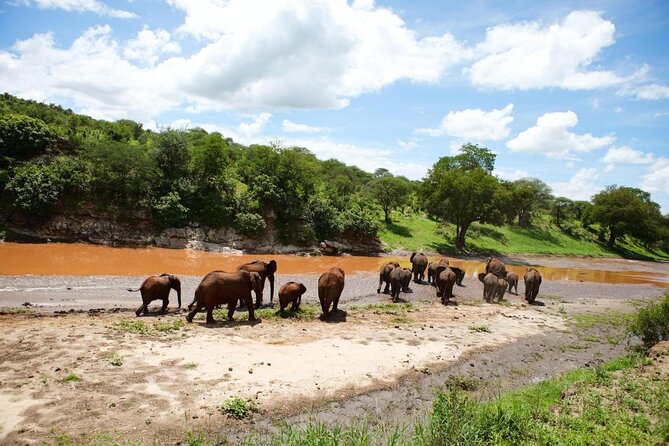
- Tarangire adds “family animal” moments, especially around elephants near the river and baobabs
Great Migration timing: what this route is really built for
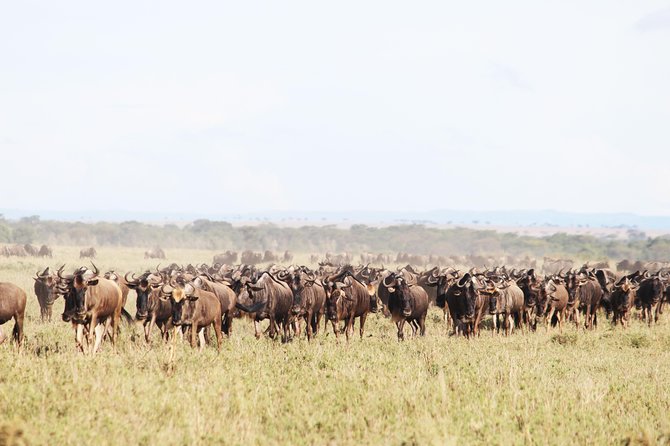
This safari is all about giving you multiple chances at the Great Migration, not just one lucky day. The overview portion of the trip points to two key migration windows: Ndutu in December through March, and the remote northern edge of the Serengeti from July through November. On the Serengeti-focused portion of this itinerary, the northern migration timing is called out for August, which is when many people hope to see the big river-crossing drama.
Why that matters for you: crossings are weather-and-river dependent. If the Mara River is high, low, calm, or loud with current, animals can delay or commit faster than expected. This is why the itinerary builds in several Serengeti days instead of treating the migration like a single scheduled show.
You also get a smart mix of viewing zones. The northern Serengeti portion is described as rolling countryside with rivers, occasional hills, and kopjes like Lobo Kopje. Those rocky outcrops often act like navigation and observation points. They also tend to make wildlife viewing feel more varied than a flat drive with the same horizon everywhere.
Finally, you should think of this trip as a pursuit with a flexible mindset. You’re not guaranteed a perfect crossing every morning. But you are given the structure that improves your odds, plus backup time for resident predators and general wildlife action.
More Safaris in Arusha
- Balloon Safari & Bush Breakfast in Serengeti – Miracle Experience
★ 5.0 · 1,646 reviews - 4 Days Group Camping Safari
★ 5.0 · 1,101 reviews - 5 Days Group Camping Safari
★ 5.0 · 730 reviews
Arusha to Tarangire: a strong warm-up before the Serengeti chase
Day 1 keeps things simple. You arrive in Arusha and get picked up from the airport by a Lion King representative, then you sleep in Arusha so you start the safari rested. It’s a small detail, but it helps on a long trip. You don’t want day one to feel like a sprint.
Day 2 lands you in Tarangire National Park for a full day game drive. Tarangire stands out for two reasons: baobabs and elephants. The park is said to have nine vegetation zones, so you tend to see more change in scenery across one day than you might expect. And the baobabs are huge, ancient, and oddly perfect for photos because they frame the animals.
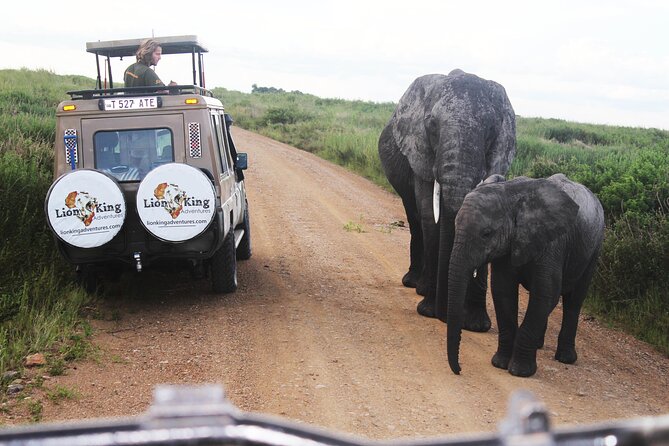
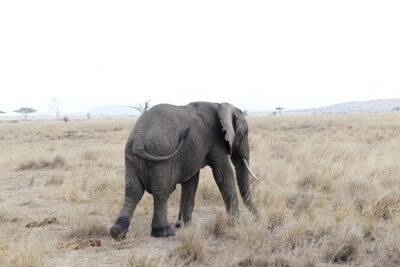
Tarangire also has a river corridor that draws wildlife. The description calls out a very strong elephant population, and that’s where this park can deliver special moments. Instead of only seeing solitary elephants walking by, you’re likely to find “family” behavior: groups feeding close together, calves staying near the herd, and adults moving with steady purpose.
Practical tip: bring layers. Safari days can start cool and warm up fast. You’ll be outside for long stretches, and Tarangire’s mix of vegetation zones means you can feel the temperature shift during the day.
Into the Serengeti via Ngorongoro Conservation Area: changing habitats, changing chances
Day 3 is a travel day with payoff. You head toward the Serengeti after passing through the Ngorongoro Conservation Area, where the itinerary notes mist-shrouded rainforests and the chance to see baboons and possibly even leopards or elephants in dense undergrowth. That’s the kind of wording that hints at “keep your eyes open” driving, not just a highway transfer.
You also travel through agricultural country where wheat and corn are grown by the Iraqw people. Seeing that human landscape helps break up the purely wild feel of the safari, and it gives you a better sense of where the big parks begin and end.
Then you reach the Ngorongoro Crater viewpoint area before continuing on to Serengeti National Park, arriving by midday. The arrival timing is important. Many safaris rush you into the next park only to deliver one short afternoon drive. Here, you get time to reset, then start absorbing the scale of the Serengeti itself.
For you as a planner: if you’re the type who wants “the big view” early, this day does that. You’re not only chasing animals, you’re building an understanding of how Tanzania’s habitats stack up: forests and crater highlands toward open plains.
Northern Serengeti migration days for Mara River crossings: where the drama can happen
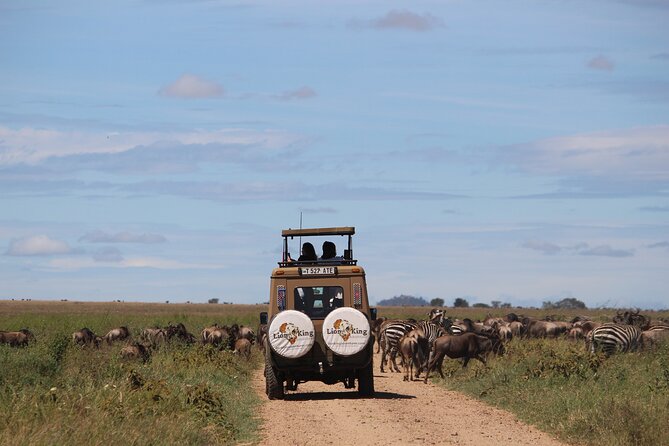
Days 4 through 6 are the heart of the trip. The itinerary positions you in the northern Serengeti region for migration viewing, described as about 100 km stretching from Seronera. It’s also presented as a gentler rolling area broken by small rivers and hills, with kopjes like Lobo Kopje.
One of the most valuable parts of this planning is the emphasis on fewer visitors compared to the main entry points in the south. That can mean less crowded roads, and often a calmer feel when you reach a viewing area. Calmer matters because you’re scanning for animal movement, and you want time and sightlines.
Here’s how your migration odds get structured:
- Day 4 focuses on reaching the northern zone and getting an en route game drive where migration activity is expected around August.
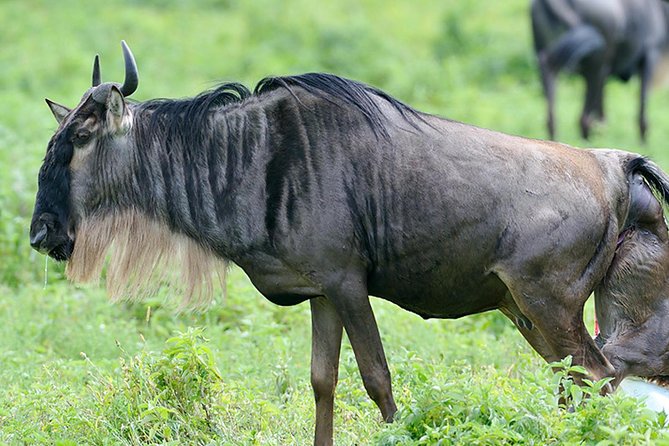
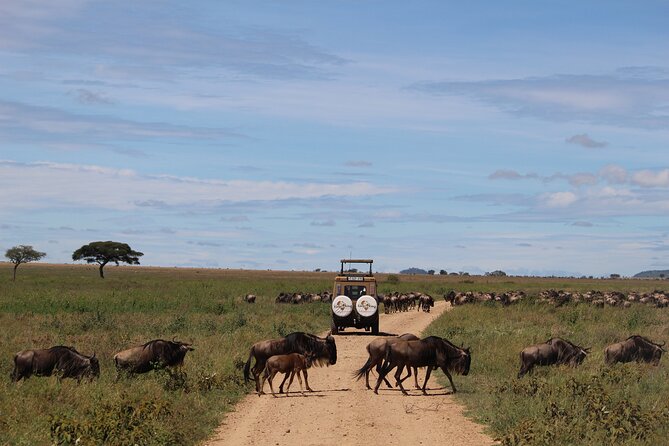
- Day 5 includes an early breakfast and a push for a Mara River crossing, with the story of hundreds of thousands of wildebeest gathering and a single brave individual starting the first plunge. The description also mentions crocodiles waiting, which is exactly why the crossings can feel like tension rather than a quick splash.
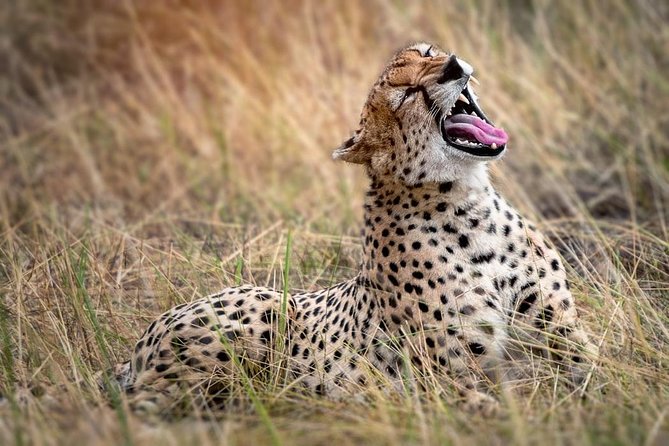
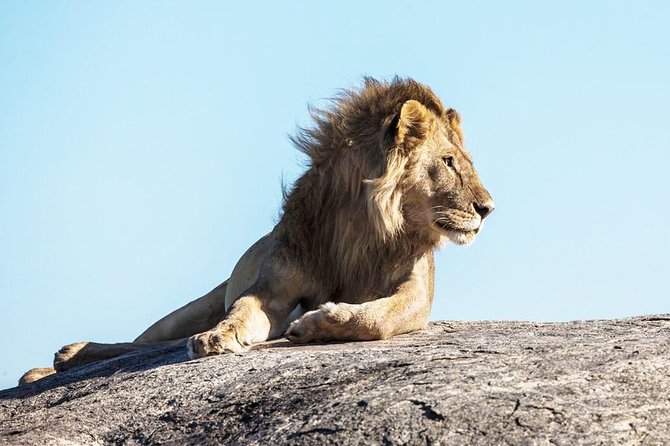
- Day 6 brings you back toward Seronera for more Serengeti wildlife and predator opportunities, including leopard, cheetah, and lion.
Why I like this rhythm for you: it acknowledges that crossings may not happen on your schedule, even when you’re in the right place. Instead of forcing all hopes into one morning, the safari gives you migration time, then pivots to resident predator viewing and broader wildlife.
Practical note: if a crossing does not start, don’t assume the day is a bust. Sometimes the banks look static until suddenly they aren’t. Keep your camera ready but also be ready to stop and wait patiently, because the action is often about timing.
More Serengeti safaris:
- 3 Days Serengeti & Ngorongoro Group Camping Safari
★ 5.0 · 574 reviews - 5-Day Highlights mid-Range Crater, Serengeti, Tarangire
★ 5.0 · 296 reviews - 3-Day Classic Serengeti Safari
★ 5.0 · 263 reviews - Private 6-Day Tarangire Manyara Crater and Serengeti with Mid-Range Lodges
★ 5.0 · 238 reviews
Ngorongoro Crater rim lodge to crater floor day: the most compressed wildlife day
Day 7 transitions you from the Serengeti to the Ngorongoro Crater area. You head out for another Serengeti game drive, then you travel to arrive at the edge of the crater in the afternoon. That late-day arrival is useful. You get the first glimpse of the crater world before the very early crater floor descent.
Day 8 is the payoff day. The itinerary sets up a very early start after breakfast and then descends onto the crater floor for wildlife viewing in a fenced reserve-free style of viewing, with animals roaming without barriers. The description provides real geology details: the caldera formed about three million years ago from a major volcanic explosion, it’s about 610 m deep, and roughly 260 square km. It’s also described as an enclosed ecosystem.
The crater is also described as one of the best places in Africa to view the Big Five. Even if you don’t track each species like a checklist, that promise reflects the reality that the crater concentrates wildlife density more than many other parks. You also learn that Ngorongoro refers to the sound of bells Maasai cows wear around their necks, which adds a cultural layer while you’re looking at animals.
My practical advice: crater days can feel like a whirlwind because everything is concentrated and the light changes fast. Give yourself a bit of mental flexibility. If you try to only chase one target animal, you can miss the other moments that are just as special.
Lake Manyara to close the loop: birds, trees, and a final safari mood
Day 9 finishes with Lake Manyara National Park, about 120 km west of Arusha. It’s a smaller park, but that’s often why people remember it. You can cover more variation without feeling like you are driving in circles for hours.
Lake Manyara is named for the shallow salt lake that covers about 70 percent of the surface area, then floods and dries with the seasons. That seasonal water also supports the park’s birdlife. The itinerary calls out thousands of flamingos and mentions 500 other bird species, which tells you this is a bird lover’s stop, not just a big cat stop.
Expect wildlife mix: monkey, giraffe, zebra, wildebeest, buffalo, elephant. Lions are also mentioned, including the chance of lions lounging in the trees, which is one of the more iconic ways this park gets talked about.
Then it’s back to Arusha in the late afternoon.
If you’re thinking about pacing, this day acts like a reset. After four nights in the Serengeti and a crater day that feels like sensory overload, Manyara gives you a gentler finale, with lots to watch but fewer of the same intense “crossing drama” moments.
Price and value for a 9-day private migration safari
At $4,539 per person, this isn’t a budget trip. So the question becomes: what are you paying for, and does it match what you want?
Here’s the value case your money is likely buying:
- Private transportation and a trip built around getting from park to park without public transport stress
- Meals included: breakfast is included for 9 days, lunch for 8, dinner for 7
- Parking fees included
- Pickup support from Arusha airport by a Lion King representative
- A focused migration plan with multiple Serengeti days rather than one rushed migration “hit”
The “private” part matters more than most people think. On a safari, the difference between sharing a vehicle with strangers and having your own group is the difference between extra waiting and a smoother plan. Since the tour is described as private, only your group participates, which usually helps with scheduling and comfort.
Also consider how this price compares to what you’d pay if you tried to piece together the itinerary yourself. Even if you did everything “cheap,” you’d still need guides, park entry structure, and transport across multiple ecosystems: Tarangire, Serengeti migration zones, Ngorongoro Crater, and Lake Manyara. The itinerary is doing the heavy lifting for you.
One caution on value: your best migration memories are never guaranteed. You’re paying for a setup that increases odds, not for a guaranteed river show. If you’re going in the wrong month for the movement season, or if rivers behave differently, your day might shift more toward predators and general wildlife rather than a perfect crossing.
Guides, game drives, and what makes the difference day after day
This kind of safari lives and dies by spotting skill and calm driving. The trip info and the guest writeups you can learn from point to guides like Mwita, Enock, Gilbert, Yusuph, Shafino, Leonard, Amani, Simon, and Emanuel. That cluster of names suggests the operator puts real effort into staffing guides who know how to read movement and interpret animal behavior.
Here’s what I think you should look for, regardless of which guide you get:
- You want a guide who explains what you’re seeing in plain language, not just pointing
- You want someone who can shift gears quickly when animals move, instead of sticking to one plan
- You want good vehicle habits for long drives, because comfort affects your ability to stay alert
One small detail that often becomes a big deal on safari is lunch. The trip includes lunch on 8 days, and guest feedback highlights picnic-style lunches as a favorite because they give you a break without fully losing the day’s momentum. That’s the kind of practical detail that turns a “ride around and wait” day into a “we’re doing things” day.
Finally, lean into the early starts. When you’re doing Mara-area searches and crater-floor timing, you’re not going to sleep in your way into seeing more. The mornings are where a lot of the action is built.
Who should book this 9-day Serengeti migration safari
I’d point this trip at you if:
- You want a migration-focused itinerary, not a generic Serengeti safari
- You’re excited about combining multiple parks, Tarangire plus crater country plus Manyara birdlife
- You like the idea of multiple chances at the Mara River rather than banking everything on one morning
- You’re traveling as a couple, group, family, or mixed ages, and you want one organized plan with private driving
It may not be the best fit if:
- You’re trying to do Tanzania on a strict budget
- You strongly need a guaranteed crossing at a specific time. This itinerary is built for chances, not certainty
- You dislike very early mornings. The crater day starts very early, and migration days often do too
Should you book this Tanzania safari to follow the Serengeti migration?
If your goal is the Great Migration and you like the idea of a structured route that covers Serengeti, Tarangire, Ngorongoro Crater, and Lake Manyara, I’d say yes, book it with clear expectations. You’re paying for smart timing, private transportation, and multiple migration days that improve your odds.
Before you hit confirm, do two things. First, check the month you’re traveling against the migration windows you want: Ndutu from December to March, northern Serengeti from July to November, with August specifically mentioned for the northern area. Second, ask which lodge or tented camp category you’ll stay in during the crater and Serengeti nights, so you know what “home base” will feel like for you.
If you want one practical “best person” summary, I’d book this for first-time safari travelers too, because it offers variety and clear wildlife objectives without needing you to manage logistics.
FAQ
Where does the safari start and end?
It starts in Arusha, Tanzania. The experience ends back at the meeting point.
How long is the safari?
The duration is 9 days (approximately).
What parks are included in the itinerary?
You’ll visit Tarangire National Park, Serengeti National Park (with migration-focused days), Ngorongoro Crater, and Lake Manyara National Park.
When is the Great Migration expected for this itinerary?
The overview mentions Ndutu from December to March and the remote northern Serengeti from July to November. The northern Serengeti migration days in the itinerary specifically mention August.
Is airport pickup included?
Yes. On Day 1, you are picked up from the airport by a Lion King representative and transferred to your accommodation in Arusha.
What is included in the tour price?
The tour includes parking fees, private transportation, breakfasts for 9 days, lunches for 8 days, and dinners for 7 days.
More Safaris from Arusha
- 7-Day Premium Luxury Tanzania Safari All-Inclusive
★ 5.0 · 426 reviews - 8 Days Great Wildebeest Calving Migration Safari from Arusha
★ 5.0 · 254 reviews - Group Safari 7 Days in Tanzania’s Main Parks
★ 5.0 · 240 reviews - 10-Day Serengeti Wildebeest Migration Safari from Arusha
★ 5.0 · 218 reviews
Just posted around Arusha
- 8 Days Serengeti Migration safari★ 5.0 · 11 reviews
- tarangire & ngorongoro 2 days tour★ 5.0 · 14 reviews
- serengeti, ngorongoro & tarangire 4 days private tour★ 5.0 · 18 reviews
- tarangire, ngorongoro & lake manyara park 3 days private tour★ 5.0 · 11 reviews
- serengeti & ngorongoro 3 days private tour★ 5.0 · 15 reviews
- climb the KILIMANJARO via Lemosho route★ 5.0 · 4 reviews
- Mt. Kilimanjaro: Shira plateau to Cathedral point 3872m Day hike★ 5.0 · 7 reviews
- Kilimanjaro Waterfalls Hike & Moshi Hot Springs Day Trip Tour★ 5.0 · 4 reviews
Serengeti Safaris, compared.
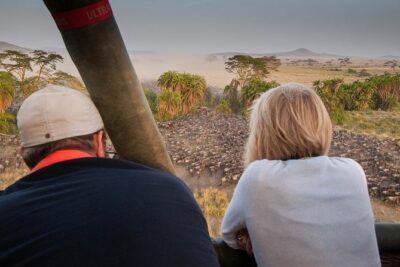
Serengeti Balloon Safari and authentic bush breakfast
Read our review →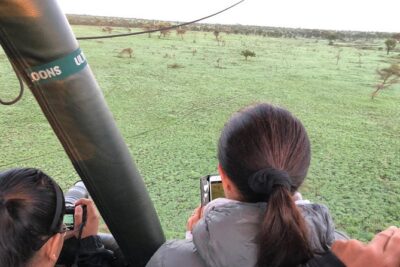
Balloon Safari & Bush Breakfast in Serengeti – Miracle Experience
Read our review →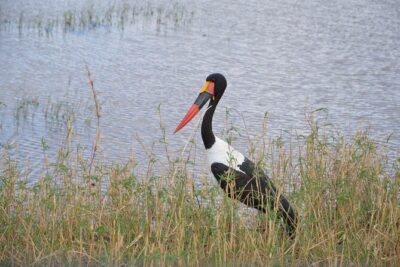
3 Days Serengeti & Ngorongoro Group Camping Safari
Read our review →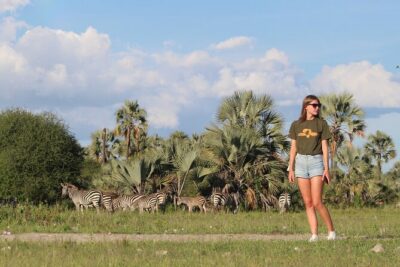
5-Day Highlights mid-Range Crater, Serengeti, Tarangire
Read our review →
Private 6-Day Tarangire Manyara Crater and Serengeti with Mid-Range Lodges
Read our review →
5 Days Camping Tarangire, Serengeti & Ngorongoro crater & Visiting Maasai
Read our review →Browse the lists this tour appears in