Reviewed · VIP
8 Day Luxury Safari
Serengeti and Ngorongoro in one tight trip. I love how this route moves from Lake Manyara into the Serengeti, then caps with a Ngorongoro crater game drive. The other thing I like a lot is the people factor, guides such as Moses and Evans are the reason the days feel organized and calm. The only real drawback to weigh is the premium cost of $5,000 per person, so you’ll want value in the form of included fees, meals, and private guiding.
This is a private tour/activity, so your group stays together the whole way, with pickup offered. The operator listed as MOAK Tanzania Safaris Ltd keeps things structured, and that matters on safari when every hour can bring different animal action.
One more practical note: the start time is listed as 12:00 am, so I strongly recommend confirming your actual pickup and departure time the moment you book. That one line item can be confusing on paper.
In This Review
- Key Safari Highlights You’ll Actually Feel
- Why This Safari Route Works for Real Life (Not Just Brochures)
- Price and Value: What $5,000 Per Person Really Buys
- Arusha Start: Pickup, 12:00 am Timing, and Staying Connected
- Day 1 in Lake Manyara: Your First Game Drive Day
- Day 2 Olduvai Gorge Plus Serengeti: A Human Story Between Wildlife Days
- Day 3 Serengeti Game Drive Then Drive to Ngorongoro
- Day 4 Ngorongoro Crater Game Drive and Return to Arusha
- Hotels and Meals: Luxury in the Details, Not the Ad Copy
- Guide Power: How Moses and Evans Change the Day
- What to Pack and How to Make It Feel Easier
- The Bottom Line: Should You Book This Safari?
- FAQ
- How long is the safari?
- Where does the safari start?
- What parks or stops are included?
- Are meals included?
- Is alcohol included?
- Can I cancel and get a full refund?
Key Safari Highlights You’ll Actually Feel
- Private guiding (your group only), so the pace and stops can match your interests
- Four days of big wildlife country, with Lake Manyara, Serengeti, Olduvai Gorge, and Ngorongoro
- Moses and Evans-style service, credited with smooth planning and quick animal-spotting
- All fees and taxes included, plus breakfast, lunch, and dinner each day you’re on the plan
- Ngorongoro crater game drive, a classic capstone that turns the volume up
Why This Safari Route Works for Real Life (Not Just Brochures)
This itinerary is built around a simple idea: you can pack in major Tanzania wildlife highlights without losing the sense of “journey” that makes safari worth it. You’re not bouncing around random places, you’re concentrating on three heavy-hitter zones, plus one very meaningful breakaway stop at Olduvai Gorge.
I also like that the logistics feel designed for comfort. The tour includes meals (breakfast, lunch, and dinner) and lists all fees and taxes, which removes a lot of the financial guesswork. On safari, that matters because small surprises can turn a dream trip into a headache.
The other reason this route works is balance. Two of your days are focused on game drives in Serengeti and Lake Manyara, then you get a shift into human history at Olduvai Gorge. Finally, you end with Ngorongoro crater, which often feels like the “big finale” day because the crater setting concentrates wildlife viewing.
One more thing: this is positioned as luxury. From the way the hotels are described in client feedback, you’re looking for clean, spacious rooms, and at least one stay even includes the comfort of a fireplace. Even if your room setup is different, the goal is consistent: you return from the savanna to something comfortable.
More Safaris in Arusha
- Balloon Safari & Bush Breakfast in Serengeti – Miracle Experience
★ 5.0 · 1,646 reviews - 4 Days Group Camping Safari
★ 5.0 · 1,101 reviews - 5 Days Group Camping Safari
★ 5.0 · 730 reviews
Price and Value: What $5,000 Per Person Really Buys
At $5,000 per person, this is not a “budget safari” by any stretch. So I’d judge it on what you get that you would otherwise pay for separately.
Here’s the value story based on what’s included:
- All fees and taxes are included, so you are not piecing together park costs later.
- Meals are covered with breakfast, lunch, and dinner, which reduces daily spending and helps keep your day moving.
- Private tour/activity is included, which usually means you get more direct guiding time and less time wasted on group juggling.
- Pickup is offered, and the meeting point is near public transportation, which can make your day-one arrival easier.
The part you should be honest about is the tradeoff. Luxury safari often means higher costs because you’re paying for comfort, private movement, and experienced guiding. If you’re the kind of traveler who hates car time, then a multi-day route with drives between parks could feel like too much. If you’re the kind of traveler who wants your guide focused on finding animals and managing the day, the price starts to make sense.
Also note what’s not included: alcoholic beverages. That’s common on safaris, but it can add up if you plan to drink daily. If you want to keep costs predictable, plan for non-alcoholic options and save the bar budget for a single evening.
Arusha Start: Pickup, 12:00 am Timing, and Staying Connected
You’re based in Arusha, and the tour offers pickup. There’s also a “near public transportation” note, which is helpful if you’re arriving on your own and want options for getting to a meeting point.
The odd part is the listed start time: 12:00 am. That might mean the system time the operator uses, not the real-world moment you’re sitting in the vehicle. Before you get nervous, send a quick message and confirm the practical timing for pickup and day-one departure.
For many safari days, the schedule is built around wildlife activity, which often means early mornings or long driving stretches. Even without a detailed clock-by-clock plan here, you can assume the day will start when it needs to start, not when it’s convenient. That is exactly why pickup matters. You want your first day to be about animals and impressions, not figuring out where to meet.
Finally, since this is listed with a mobile ticket, you should feel good about having your documents handy on your phone. I’d still keep a screenshot offline in case signal decides to take the day off.
Day 1 in Lake Manyara: Your First Game Drive Day
Your first day is a game drive in Lake Manyara National Park. This is the way to start: get out on the road quickly, so your safari senses wake up fast. The first game drive day is not about ticking boxes. It’s about building momentum and learning how your guide reads the landscape and animal behavior.
Lake Manyara is a strong opening because it helps you settle into safari rhythm. You’re likely to spend time scanning for movement, watching how animals shift in response to weather and vehicles, and getting used to the do’s and don’ts of safari etiquette. The small things, like staying patient and listening when your guide calls attention, make the biggest difference on day one.
One thing I like about starting here instead of going straight into a single “big finale” location is pacing. By the time you hit later days, you are already comfortable with spotting habits and the general workflow. That means less mental effort and more enjoyment.
If you are traveling with someone who worries about being bored during wildlife drives, day one is a good baseline. You set expectations from the start: this is the time for eyes-on wildlife, and your guide will keep you moving toward the action.
More safaris from Arusha:
- 3 Days Serengeti & Ngorongoro Group Camping Safari
★ 5.0 · 574 reviews - 7-Day Premium Luxury Tanzania Safari All-Inclusive
★ 5.0 · 426 reviews - 3-Day Classic Serengeti Safari
★ 5.0 · 263 reviews - 8 Days Great Wildebeest Calving Migration Safari from Arusha
★ 5.0 · 254 reviews
Day 2 Olduvai Gorge Plus Serengeti: A Human Story Between Wildlife Days
Day two combines two very different kinds of sightseeing: Olduvai Gorge and then a game drive in Serengeti National Park.
The biggest practical value of this structure is variety. You get a break from the constant animal-search focus. That matters when your brain gets tired from scanning for movement all day. Olduvai Gorge also adds a layer of meaning, because it gives you a chance to connect the safari to a deeper human timeline, not just wildlife spectacle.
Then you shift back to safari mode with Serengeti. Serengeti game drives are where you refine your expectations. Your guide will likely focus on the areas where animals are most active, and your group will start noticing how different prey and predators interact across the day.
I’d also think about what kind of traveler you are. If you love understanding places beyond photos, this day will feel satisfying because it mixes perspectives. If you only want animals and nothing else, you might wish day two was a full game drive day. Still, that’s why this day has a different texture, and it can make the whole safari feel less repetitive.
Day 3 Serengeti Game Drive Then Drive to Ngorongoro
Day three keeps the wildlife focus with a game drive in Serengeti, then transitions you toward the Ngorongoro Conservation Area.
This day is important because it bridges two “modes” of safari: open-plains viewing in Serengeti and the later crater-setting experience at Ngorongoro. Even if both are wildlife days, they can feel different in practice. Serengeti often gives you wide horizons and changing animal patterns across distances, while the later crater environment concentrates viewing opportunities into a tighter, more dramatic setting.
The main drawback to plan for is travel time. Whenever your safari switches from one region to another, you should expect some hours on the road. That is not a dealbreaker, but it’s real. If you get stiff from long drives, bring a comfortable layer and keep small essentials within reach.
The upside is that it keeps your safari momentum. Instead of “wasting” a day with only transfers, day three still delivers an active game drive in Serengeti before you move on.
Day 4 Ngorongoro Crater Game Drive and Return to Arusha
Day four is a game drive in Ngorongoro crater, followed by the drive back to Arusha.
This is your finale, and it’s designed to deliver a standout moment. Ngorongoro is the kind of place where animals can feel close and the viewing can feel intense, especially once you arrive and your guide places you in the right position for what’s happening. Even if you’ve already had great sightings earlier, crater days have a way of pushing the volume up.
What I like about ending here is emotional payoff. You spend the earlier days building your safari expectations, then you finish with a setting that tends to create stronger memories. If you’re the type who wants a clear “best day” and a clean ending, this plan tends to satisfy.
After the game drive, you return to Arusha. That return is practical. You end the trip with your transportation handled, and you’re not left figuring out how to get out of the area after a long day of wildlife viewing.
Hotels and Meals: Luxury in the Details, Not the Ad Copy
While the itinerary is the backbone, the daily comfort is what determines whether a safari feels like luxury or just a costly checklist. In feedback about this operator, hotels are described as clean and spacious, and one guest specifically mentions a room with a fireplace. That kind of detail matters because after a cold early morning drive, or just after a long day outside, you want your room to feel like a real retreat.
Meals are included: breakfast, lunch, and dinner. That takes the pressure off. You can focus on the day because food is handled and you are not trying to hunt for meals between park schedules. It also helps your energy levels, since safari days can be deceptively tiring, even when you’re sitting in a vehicle.
The only meal-related miss is alcohol. Alcoholic beverages are not included, so if your idea of luxury includes daily cocktails, budget accordingly or plan to treat alcohol as a special add-on rather than a default.
Guide Power: How Moses and Evans Change the Day
On safari, the animals are the main character. But the guide is the director, and the difference is huge.
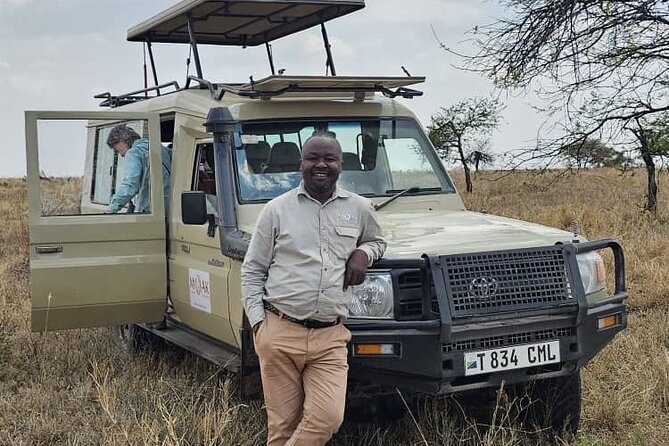
Guides named Moses and Evans are credited with professionalism, organization, and attentiveness to small details. The pattern from multiple comments is consistent: they plan well, keep things organized, and make the experience feel personal. In plain terms, you spend more time watching and less time wondering.
What does that look like in real life?
- Quick positioning to maximize the chance of seeing wildlife activity.
- A calm, organized flow so you do not lose time to confusion.
- Knowledge shared in a way that makes the day feel understandable, not random.
I’d pay attention to this factor if you care about more than just spotting animals. A good guide helps you interpret what you’re seeing, and that can make one good sighting feel bigger because you understand it in context.
Also, when people mention migration moments as highlights, it usually means the guide was paying attention to timing and animal movement patterns. That’s the kind of work you can’t replicate from a phone app.
What to Pack and How to Make It Feel Easier
You do not need to overpack, but you do want to be prepared for long days and changing conditions. Here are practical moves that help on game drives:
- Bring a light layer for early morning and late evening.
- Use good sun protection, you will likely spend hours outdoors.
- Have binoculars if you own them, they can improve viewing comfort.
- Keep a small stash of water and snacks if you tend to get hungry between stops, even though meals are included.
Also, mentally plan for vehicle time. Safari days are not just walking around. You’re often seated, scanning, and waiting. The waiting part is where a good guide earns their keep.
Finally, set expectations about pace. This route is compact, and that can feel efficient. It can also feel like a lot if you’re hoping for long restful downtime each day. If you’re fine with that tradeoff, you’ll likely enjoy how much Tanzania you cover in a short window.
The Bottom Line: Should You Book This Safari?
Book this safari if you want:
- A private experience where your guide matters.
- A focused route that includes Lake Manyara, Serengeti, Olduvai Gorge, and Ngorongoro in about four days of core sightseeing.
- Comfort in the form of included meals and hotels described as clean and spacious.
Skip it or ask more questions if:
- The $5,000 per person price feels too high for you without a lot of wiggle room for extras like alcohol.
- You do not like packed schedules and long drives between regions.
If you match the sweet spot, this is the kind of trip that turns “safari someday” into a real memory. The guide names Moses and Evans come up for a reason, and on a safari, that kind of consistent service can be the difference between seeing animals and feeling like the day was handled well from start to finish.
FAQ
How long is the safari?
The duration listed for this safari is about 4 days, with the experience described as an 8 day luxury safari in the tour name.
Where does the safari start?
The safari is based in Arusha, Tanzania, and pickup is offered.
What parks or stops are included?
The experience includes a game drive in Lake Manyara National Park, a visit to Olduvai Gorge, game drives in Serengeti National Park, and a game drive in the Ngorongoro Conservation Area including Ngorongoro crater.
Are meals included?
Yes. Breakfast, lunch, and dinner are included.
Is alcohol included?
No. Alcoholic beverages are not included.
Can I cancel and get a full refund?
Yes. Free cancellation is available, and you can cancel up to 24 hours in advance for a full refund. If you cancel less than 24 hours before the experience start time, the amount paid is not refunded.
Just posted around Arusha
- 8 Days Serengeti Migration safari★ 5.0 · 11 reviews
- tarangire & ngorongoro 2 days tour★ 5.0 · 14 reviews
- tarangire, ngorongoro & lake manyara park 3 days private tour★ 5.0 · 11 reviews
- serengeti, ngorongoro & tarangire 4 days private tour★ 5.0 · 18 reviews
- serengeti & ngorongoro 3 days private tour★ 5.0 · 15 reviews
- climb the KILIMANJARO via Lemosho route★ 5.0 · 4 reviews
- Mt. Kilimanjaro: Shira plateau to Cathedral point 3872m Day hike★ 5.0 · 7 reviews
- Kilimanjaro Waterfalls Hike & Moshi Hot Springs Day Trip Tour★ 5.0 · 4 reviews
VIP, compared.
7-Day Premium Luxury Tanzania Safari All-Inclusive
Read our review →
5 Days Best of Tanzania Luxury Safari Northern Circuit
Read our review →
12 days Luxury Tanzania Honeymoon Safari and Zanzibar
Read our review →
Top Best 5 Days Tanzania Luxury Safari to Serengeti
Read our review →