
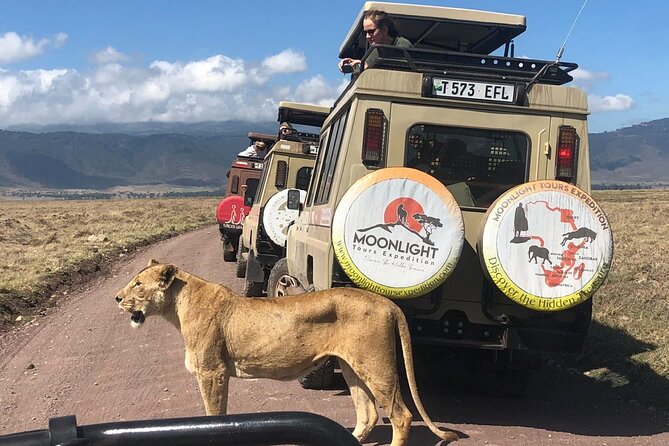
Reviewed · SERENGETI SAFARIS
7Day Serengeti Migration (Ndutu), Crater, Hot Springs & City Tour
Ndutu sunsets feel like the Serengeti’s best trick. I love the private safari vehicle and the exclusive sundowner that puts you right where the action is. The main drawback to plan for is seasonality, because Ndutu migration timing can change what you see (and the days can run long).
This trip also pays off in the “two different worlds” way. You get big animal drama in the national parks, then you finish with real downtime at Chemka Hot Springs after Materuni Waterfalls.
Finally, it includes a welcome and orientation in Arusha, so you are not scrambling on day one. Still, if you want a short-day safari, note that several wildlife days run about 10 hours.
In This Review
- Key highlights you should know before you go
- Where this safari starts: Arusha Serena Hotel and an easy first day
- Ndutu Migration: game drives that end with a private sundowner
- What to consider
- Full-day Serengeti drive in Ndutu: calving season, crossings, and picnic time
- A practical note
- Ngorongoro Crater day: Big Five odds and a hippo pool picnic
- The main consideration
- Tarangire National Park: elephants, baobabs, and birds you can name
- Arusha city tour on day six: markets, Tanzanite, and a taste of local food
- Materuni Waterfalls and Chemka Hot Springs: the relaxation finale you will remember
- What to do before you go
- Price and value: what $9,600 per group covers, and what it does not
- Guides and luxury lodge standards: why people mention names
- Pace, comfort, and weather: the three things that can affect your week
- Who should book this Ndutu to Chemka safari?
- Should you book Moonlight Tours Expedition? My decision checklist
- FAQ
- How long is the 7Day Serengeti Migration (Ndutu), Crater, Hot Springs & City Tour?
- What is the price, and how many people are in a group?
- Is pickup offered, and will I receive a mobile ticket?
- What transportation and guide support is included?
- Are national park entry fees included?
- What meals are included during the safari?
- Is AMREF Flying Doctors insurance included?
- What are the main stops during the week?
- What happens if the tour can’t run due to poor weather or minimum travelers?
Key highlights you should know before you go
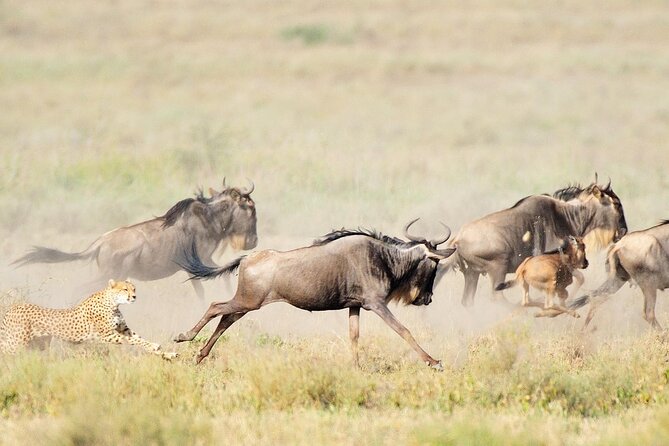
- Ndutu migration focus in the corridor between the Serengeti and Ngorongoro ecosystems
- Exclusive sundowner setup in Ndutu for sunset views and drinks
- Ngorongoro Crater descent with a shot at Big Five wildlife, including black rhino
- Tarangire for elephants, baobabs, and birds (over 500 species recorded)
- Materuni Waterfalls plus Chemka Hot Springs to end on warmth and calm
- Private group experience up to 2 with an English-speaking guide and AMREF Flying Doctors insurance
Where this safari starts: Arusha Serena Hotel and an easy first day
Your adventure begins in Moshi’s region with an arrival pickup and a transfer into Arusha for your first night at Arusha Serena Hotel. That matters more than it sounds. After a flight, having a calm base lets you get oriented, sleep, and start the safari with a clear head.
Arusha Serena is described as a tranquil stop surrounded by coffee plantations. It is a nice contrast to the intense wildlife days ahead. You also have time on day one to settle in and prepare for long drives and early mornings, without feeling rushed.
The other practical win: this is set up as a private experience, so you and your group are the ones planning around your pace. Up to 2 people per group means you avoid the “everyone moves at their own speed” chaos you can get on shared safaris.
More Serengeti safaris:
- Safari Serengeti And Ngorongoro
★ 5.0 · 288 reviews - 5 Days Camping Tarangire, Serengeti & Ngorongoro crater & Visiting Maasai
★ 5.0 · 58 reviews - 4 Days Group Joining Camping Safari to Tarangire Serengeti Ngorongoro Crater
★ 5.0 · 50 reviews
Ndutu Migration: game drives that end with a private sundowner
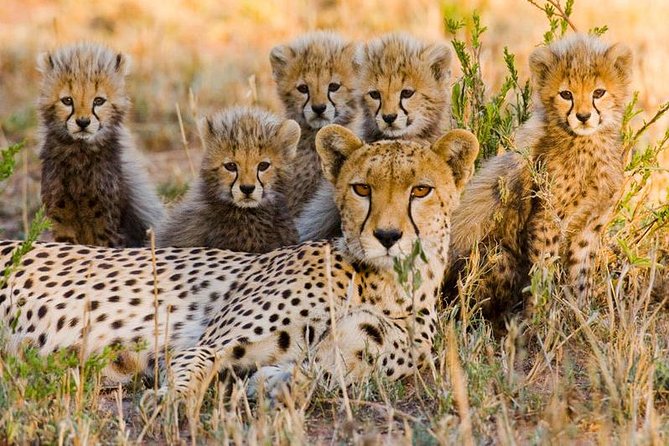
Ndutu is where the Great Migration storyline gets dramatic. The route from Arusha heads out to Ndutu Lake, a migration hotspot located between the Serengeti and Ngorongoro ecosystems. What I like about this focus is that Ndutu is timed for close-up viewing when herds are feeding, resting, and moving across the plains.
On day two, you get an afternoon game drive after breakfast. This is your first chance to spot wildebeest and zebra moving across the landscape, and to watch predators like lions, cheetahs, and hyenas show up when the odds look good. The “every sighting is connected” feeling is real here. You may see a herd changing direction, then understand why a predator suddenly appears.
Then you shift to the kind of moment that makes the drive feel worth it. In Ndutu, you have an exclusive sundowner experience with a private setup overlooking the golden plains. Drinks are part of the plan, described as premium wines and chilled cocktails. You are not just watching sunset, you are watching the ecosystem wind down while the animals keep doing their thing.
What to consider
Ndutu works best when the migration is where it should be for the season you visit. If your dates land outside the strongest action window, you can still see predators and large herds, but the big headline moments may be less frequent.
Full-day Serengeti drive in Ndutu: calving season, crossings, and picnic time
Day three is the long one, and it is the payoff day. You wake up and head out on a full-day game drive in the Ndutu area to track the moving herds. Depending on the season, your guide may steer you toward river crossings, predator-prey interactions, or the calving season moment when newborn calves appear in large numbers.
Even if you know the basics of the migration, you will feel how fast the situation changes. Wildebeest do not wait for perfect timing. Their movement, the grazing rhythm, and predator activity all shift as the day progresses.
You also get a picnic lunch inside the Serengeti. This is one of those logistical details that improves the experience. Instead of forcing you back to a lodge when you are finally in good country, you stay in the action zone and keep your game drive flow intact.
A few more Moshi trips to compare
- Arusha or Moshi : Hot Spring, Waterfall & Coffee Farm Tour
★ 4.8 · 80 reviews - Materuni Waterfalls, Chemka Hot Springs, &/Or Coffee Tour
★ 4.8 · 76 reviews - Chemka Hot Springs Tour from Moshi
★ 5.0 · 17 reviews - Materuni waterfall – coffee tour OR Chemka hot spring Tour
★ 5.0 · 16 reviews
A practical note
Because you are out for a long stretch, plan for comfort. The tour is built around a moderate physical fitness level, so you should be okay with the physical demands of being on safari all day, plus occasional walking at stops.
Ngorongoro Crater day: Big Five odds and a hippo pool picnic
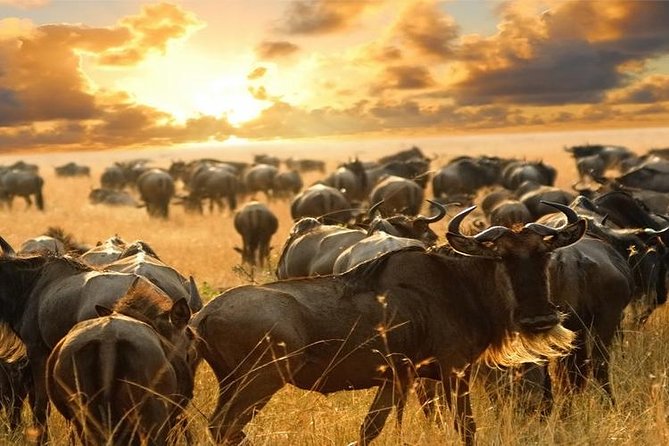
After breakfast, day four moves you to Ngorongoro Crater, a UNESCO World Heritage Site and one of the densest wildlife areas in Africa. The big reason people want this stop is simple: when the crater is active with animals, it can feel like the “best version” of safari all in one place.
You descend into the crater and spend time where you can encounter Big Five wildlife, including the rare black rhino. You also get an up-close look at the crater’s alkaline lakes and dense animal populations, all in an ancient volcanic caldera setting.
Lunch is described as a picnic by a hippo pool, which is a fun pairing. You watch big mammals moving through a specific water setting, not just across open savannah. When you finish lunch, you ascend back up to the crater rim for a scenic drive to your luxurious lodge.
The main consideration
Crater days can be physically demanding because you are going down and up and spending a lot of the day on safari schedules. That is why moderate fitness is listed for the overall experience.
Tarangire National Park: elephants, baobabs, and birds you can name
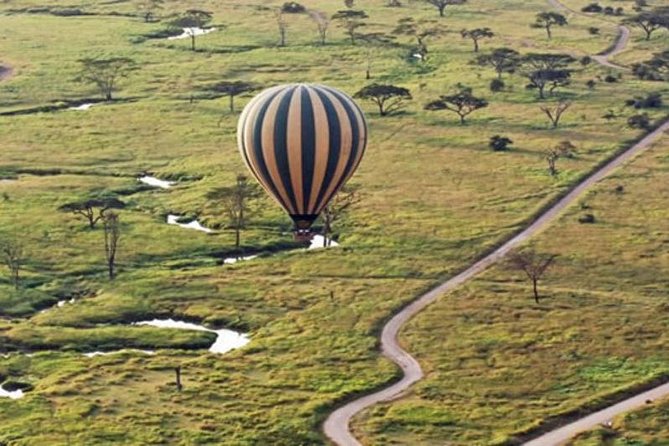
Day five is Tarangire National Park, and it is built for people who want elephants plus variety. Tarangire is known for massive elephant herds and iconic baobab trees, so even your first sightings can feel instantly memorable.
You go out for a game drive with a more relaxed rhythm compared with the migration intensity. Expect wildlife like leopards lounging in trees, large buffalo herds crossing the savannah, and the kind of steady elephant activity that turns into patterns you start to recognize.
Tarangire is also a birdwatcher’s paradise, with over 500 species recorded. Even if birds are not your main focus, this is one of those parks where you can keep adding to your “seen list” during the quiet moments between bigger action.
Then you return to your lodge for the evening. This is a nice reset after back-to-back big wildlife days.
Arusha city tour on day six: markets, Tanzanite, and a taste of local food
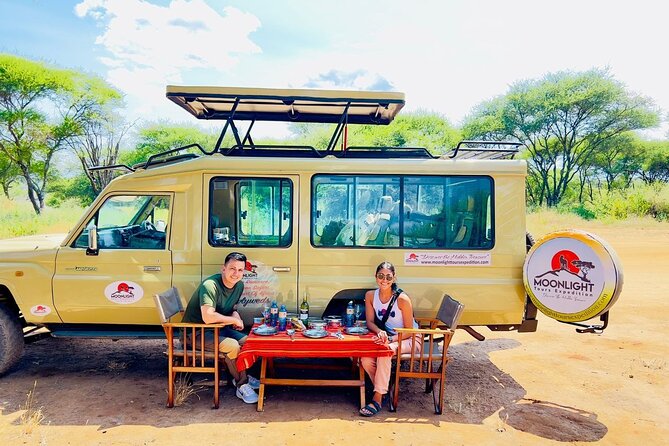
You roll back to Arusha for a guided city tour, which is a welcome pace shift after long safari days. The stops are practical and culturally grounded: the Maasai Market, learning about Tanzanite gemstones at the Tanzanite Experience, and a Tanzanian food stop at a local restaurant.
I like adding a city day because it helps you decode what you are seeing later. If you understand how local crafts and trade work, the whole trip feels less like a nature-only story and more like a living place where people build livelihoods too.
Day six is also a morale booster. You are back in a setting where you can stretch, eat comfortably, and take a breather without the pressure of spotting predators.
Materuni Waterfalls and Chemka Hot Springs: the relaxation finale you will remember
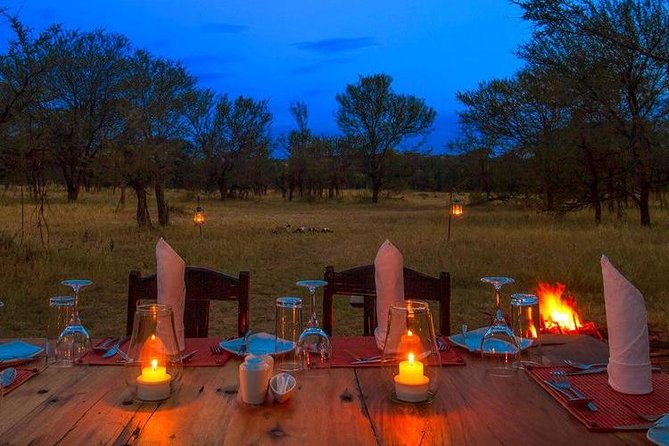
Day seven is a soft landing. You start with Materuni Waterfalls, described as a stunning hidden gem in the foothills of Mount Kilimanjaro. The experience includes a walk through plantations and an introduction to Chagga coffee-making traditions.
This stop is not just about the waterfall. It is about understanding how people turn local agriculture into daily culture. If you like tours that connect nature to human work, this part is worth taking slowly.
After Materuni, you continue to Chemka Hot Springs. The waters are described as crystal-clear and turquoise, and the pools are warm with bubbling hot spots under ancient fig trees. You can relax in a natural setting, soaking in the warmth after several long safari days.
Once you are done, you transfer to the airport for your departure. The plan also mentions an optional extended stay if you want more time in the region.
What to do before you go
Bring something that works for dipping and drying. The tour includes hot springs and a refresh at Materuni, so plan for swim-ready comfort and a simple way to keep your day clothes manageable.
Price and value: what $9,600 per group covers, and what it does not
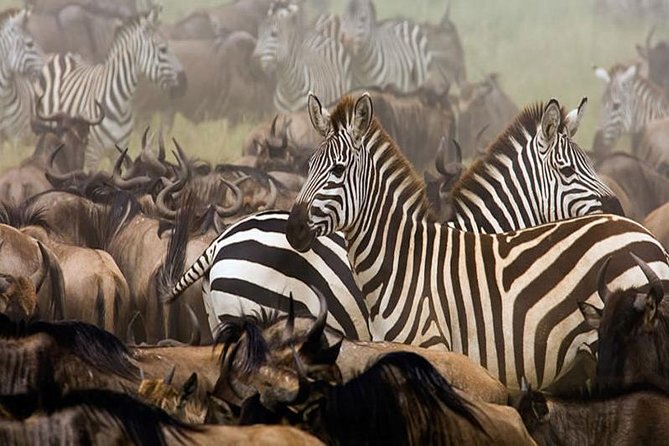
This safari costs $9,600 per group, up to 2 people. The private setup changes the math. You are not just paying for drives and park tickets, you are paying for a dedicated vehicle, dedicated time, and a guide who can reposition you without negotiating around other groups.
Here is what is clearly included:
- Private 4×4 safari vehicle transportation
- Professional English-speaking guide
- All mentioned activities and national entry fees
- Meals, including 7 breakfasts, 6 lunches, and 5 dinners
- Flying Doctors insurance (AMREF) during the safari
That insurance detail is important. It signals that medical coverage planning is part of the safari structure, at least for the safari portion.
What is not included is also listed:
- Alcohol and soft drinks
- Visa fees
- Tips
- Personal spending for souvenirs
- Travel insurance (outside this listed coverage)
So when you ask if it is worth $9,600, I think the honest answer is this: it is a good value if you want a private, luxury-style safari rhythm and you will use the included meals and park access. If you plan to spend heavily on alcohol, souvenirs, or add another layer of medical protection, your real out-of-pocket cost will rise.
Guides and luxury lodge standards: why people mention names
One of the strongest signals in the feedback is how often guides are named. Calvin is called out for being amazing, Wilson is praised for expertise, and Mteena is recognized for taking the extra mile to help the group see rare and special wildlife. That matters because in safari country, guide skill is not theory. It is about knowing where animals are likely to be, reading behavior, and making calls when conditions shift.
People also highlight the “behind the scenes” parts that make safaris feel smooth. The safari car is described as clean and spacious in one experience. Another emphasizes that everything was well organized from the driver to the luxury accommodations, with best lodges across parks and great food.
One person specifically mentions Melia lodge as breathtaking during a safari experience with Moonlight. I would not assume the exact same lodge list for your dates, but it does confirm the company is capable of delivering high-end lodging on at least some routes.
Pace, comfort, and weather: the three things that can affect your week
This safari runs for about 7 days and includes long wildlife blocks. Several days list about 10 hours, so the experience is built for people who enjoy the safari rhythm and can handle lots of time in a vehicle.
Fitness needs are described as moderate. That fits with the crater descent and the walking portions of the waterfall day. You do not need to be an athlete, but you should be comfortable with uneven terrain and being on your feet for short stretches.
Weather matters too. The tour states it requires good weather. That is relevant for outdoor stops, hot springs enjoyment, and overall safari comfort. If the weather is not cooperative, the plan is to offer a different date or a full refund.
Who should book this Ndutu to Chemka safari?
I think this trip is a great match if you:
- Want a Ndutu-focused Great Migration safari, not just a generic Serengeti circuit
- Care about predator-prey action and the specific seasonal moments like calving
- Like a balanced week that includes crater wildlife, elephant country, and real relaxation at the end
- Prefer a private group setup, up to 2 people, with a dedicated guide
- Appreciate luxury lodging and strong food support during the days you are out driving
It may be less ideal if you want very short days, or if you dislike long driving hours and full-day wildlife schedules.
Should you book Moonlight Tours Expedition? My decision checklist
Book it if:
- Your dates line up with strong migration activity in Ndutu
- You want the sundowner moment plus crater and Tarangire, all in one clean flow
- You value included national park fees and meals, not just the vehicle and guide
Consider another option if:
- You know you will feel worn down by repeated 10-hour safari days
- You are looking for nightlife or heavy downtime built into the schedule
If you do book, my best practical advice is to set your expectations for seasonality. The migration is the headline, but the real magic is how your guide uses the day to find the story, whether it is crossings, predators, or calving season drama.
FAQ
How long is the 7Day Serengeti Migration (Ndutu), Crater, Hot Springs & City Tour?
It runs for about 7 days.
What is the price, and how many people are in a group?
The price is $9,600 per group, for up to 2 people.
Is pickup offered, and will I receive a mobile ticket?
Pickup is offered, and you receive a mobile ticket.
What transportation and guide support is included?
The tour includes transportation in a 4×4 safari vehicle and a professional, English-speaking guide.
Are national park entry fees included?
Yes, national entry fees are included.
What meals are included during the safari?
The tour includes 7 breakfasts, 6 lunches, and 5 dinners.
Is AMREF Flying Doctors insurance included?
Yes. Flying Doctors insurance (AMREF) is included during the safari.
What are the main stops during the week?
You visit Arusha, Ndutu Lake (for migration viewing), Ngorongoro Crater, Tarangire National Park, Arusha (city tour), and finish with Materuni Waterfalls and Chemka Hot Springs.
What happens if the tour can’t run due to poor weather or minimum travelers?
If poor weather cancels the experience, you will be offered a different date or a full refund. If the minimum number of travelers is not met, you will also be offered a different date or a full refund.
Just posted around Moshi
- machame route★ 5.0 · 16 reviews
- Kilimanjaro Climbing Umbwe Route★ 5.0 · 3 reviews
- Wildlife Extravaganza: Manyara, Tarangire & Ngorongoro in 3 Days★ 5.0 · 3 reviews
- Mt Kilimanjaro 6 days Marangu route hike★ 5.0 · 3 reviews
- 3 Days Private E-Bike Tour in West Kilimanjaro★ 5.0 · 3 reviews
- West Kilimanjaro cycling Adventures★ 4.5 · 8 reviews
- Kilimanjaro Climb • Marangu Route ~ 9 Day★ 5.0 · 4 reviews
- Private Cycle to Kilimanjaro Bike Park Safari★ 5.0 · 6 reviews
Serengeti Safaris, compared.
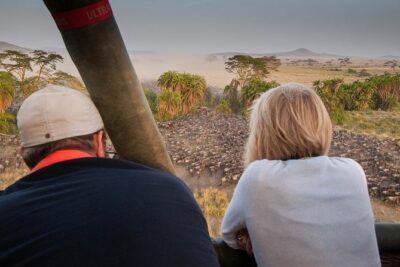
Serengeti Balloon Safari and authentic bush breakfast
Read our review →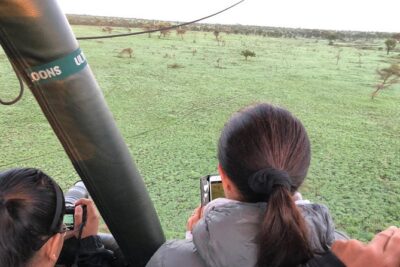
Balloon Safari & Bush Breakfast in Serengeti – Miracle Experience
Read our review →
3 Days Serengeti & Ngorongoro Group Camping Safari
Read our review →
5-Day Highlights mid-Range Crater, Serengeti, Tarangire
Read our review →
Private 6-Day Tarangire Manyara Crater and Serengeti with Mid-Range Lodges
Read our review →
5 Days Camping Tarangire, Serengeti & Ngorongoro crater & Visiting Maasai
Read our review →Browse the lists this tour appears in