
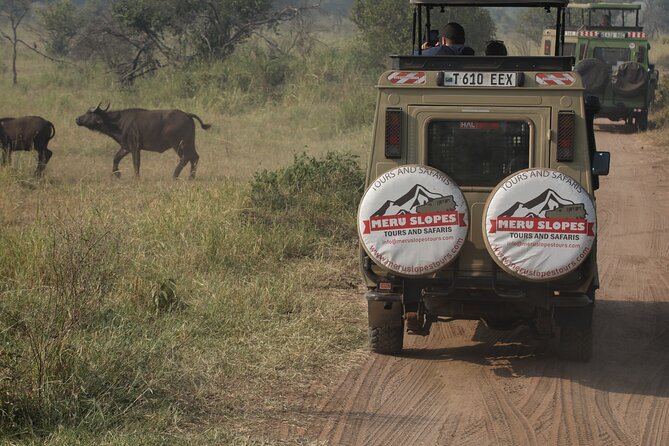
Reviewed · SERENGETI SAFARIS
7 Days Serena Experience to Serengeti Great Migration
The Great Migration is pure motion. In one week you string together Tarangire, Serengeti, and the Ngorongoro Crater with Serena-style comfort, and the best part is the migration timing game. I like the way the days are built around real wildlife viewing time, not just long sightseeing drives. One thing to factor in, though, is that migration sightings depend on rainfall and season, so you may see epic herds or you may just see the lead-up action.
What makes this feel like a stronger safari value is the human side. Guides and drivers connected with Meru Slopes have a reputation for spotting quickly and positioning well for photos, with names like Samwel, Jacob (Jacobo), Saleem, and Florian showing up in praise for sharp anticipation and smooth problem-solving. It’s also a private setup, so the whole route and pace can match your group.
Below, I’ll help you decide if this $4,700 per person safari fits your idea of Tanzania, and how to line up your month if you’re chasing migration.
In This Review
- Key Highlights You Actually Feel on the Ground
- Why Tarangire, Serengeti, and Ngorongoro Works as a Single 7-Day Trip
- Day 1 in Arusha: Arrival Pace, Full-Board Comfort, and a Real Briefing
- Tarangire National Park: Elephants, Baobabs, and River-Water Energy
- The Road Through Ngorongoro Conservation Area: Getting Context Before Serengeti
- Serengeti on Game-Drive Mode: How to Think About the Migration Odds
- Serengeti to the Crater Edge: Why the Lodge Location Changes the Feel
- Ngorongoro Crater Descent at Sunrise: Density, Depth, and Fast Results
- The Final Day Back to Arusha: How to Plan Your Flights
- Price and Value at $4,700 per Person: What You’re Really Buying
- Who This Safari Is Best For, and Who Should Think Twice
- A Few Practical Tips So You Enjoy Every Day More
- Should You Book This 7-Day Serena Migration Safari?
- FAQ
- Where does the safari start, and when do you depart?
- What parks and key sites are included?
- Will I definitely see the Great Migration?
- What meals are included?
- Is pickup included?
- What is included in the price?
- What is the cancellation policy?
Key Highlights You Actually Feel on the Ground
- Serengeti game-drive time on multiple days, which matters because wildlife can change fast
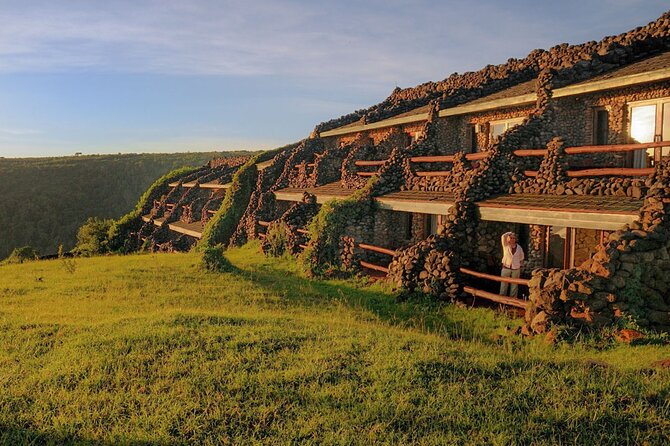
- Ngorongoro Serena Safari Lodge on the crater edge, so you get sunrise access and a calmer setting
- Tarangire’s elephant and baobab country, a different vibe from the plains
- Migration odds that follow rainfall patterns, not a fixed promise
- Guiding that focuses on spotting and timing, including advice for photo positioning
- Meals and park-related basics handled, so you’re not constantly budgeting on the fly
Why Tarangire, Serengeti, and Ngorongoro Works as a Single 7-Day Trip
This itinerary is built around variety, and that’s a big deal when you only have a week. Tarangire gives you river life, elephants, and baobabs. Serengeti gives you the big-sky action of open plains and the chance of migration drama. Then Ngorongoro compresses a huge amount of wildlife into a single, incredible ecosystem.
I also like that this route keeps you moving in the right order. You start with Tarangire to get rolling, then you build into Serengeti for the main safari rhythm, and you finish with the crater, which is one of the most efficient places in Tanzania for tight, high-density viewing.
The only drawback is the same truth that applies to every migration safari: the animals do not follow your schedule. Your best strategy is to pick your travel month with the rainfall cycle in mind, and go in ready for either migration herds or near-migration patterns.
More Serengeti safaris:
- Balloon Safari & Bush Breakfast in Serengeti – Miracle Experience
★ 5.0 · 1,646 reviews - 3 Days Serengeti & Ngorongoro Group Camping Safari
★ 5.0 · 574 reviews - 5-Day Highlights mid-Range Crater, Serengeti, Tarangire
★ 5.0 · 296 reviews
Day 1 in Arusha: Arrival Pace, Full-Board Comfort, and a Real Briefing
Your first day starts in Arusha. You’re met by a Meru Slopes driver and transferred to your hotel, then you get the rest of the day at leisure. In the evening, there’s a tour briefing so you’re not guessing what to expect next.
This is a smart way to begin because Tanzania safari days can feel intense. After a travel day, you want your sleep, your hydration, and your mental focus ready for the early start that follows.
You’re also on full-board basis on day 1, which means meals are handled. That matters because it reduces decision fatigue in your first 24 hours.
Tarangire National Park: Elephants, Baobabs, and River-Water Energy
On day 2, you’re picked up from Arusha at 8:00 am and drive about 3 hours to Tarangire National Park. Tarangire is roughly 115 km from Arusha, and it covers around 2,800 km², so it’s not a tiny detour. The park’s identity is strongly tied to the Tarangire River, where animals come to drink and where the name originates.
What I like about Tarangire is that it’s not just about spotting animals, it’s about understanding the pattern. When you know watering sites draw wildlife, your time in the park feels more like observation and less like random luck.
Tarangire is known for elephants and for the famous baobab trees. You may also spot lions and leopards, and there’s the fun bonus of pythons and lots of different tree species. It’s a great first big game-drive day because the variety is strong and the setting is distinct.
You finish the day at the Farm of Dreams Lodge for dinner and overnight. That’s a practical choice because it gets you fed, rested, and ready for the long jump into the Ngorongoro and Serengeti region.
The Road Through Ngorongoro Conservation Area: Getting Context Before Serengeti
Day 3 is a transit-and-reveal day. After breakfast, you head toward the fertile highlands where the Iraqw people grow wheat, coffee, and corn. This is one of those moments where the country feels real, not just like a wildlife bubble.
From there you pass through the Ngorongoro Conservation Area. You also stop at the Ngorongoro Crater, a formation created roughly 3 million years ago by volcanic explosion. The crater’s beauty is the kind that makes you pause, because it’s hard to believe something like that exists and is still alive with animals.
Then you continue on to Serengeti, arriving around midday. Serengeti itself is huge, and it includes grasslands, swamps, lakes, savannah areas, and mountainous zones. That mix is exactly why multi-day driving matters, because the animal focus can shift with habitat.
A few more Arusha trips to compare
- Tanzania Classic – 7 Days
★ 5.0 · 1,151 reviews - 4 Days Group Camping Safari
★ 5.0 · 1,101 reviews - 5 Days Group Camping Safari
★ 5.0 · 730 reviews - Materuni Waterfalls, coffee tour & Kikuletwa Hot Springs
★ 5.0 · 643 reviews
Serengeti on Game-Drive Mode: How to Think About the Migration Odds
Serengeti is where this safari earns its reputation. Day 4 is set aside for game drives, and day 5 starts with another morning drive before heading toward Ngorongoro. That gives you more chances to catch predators, herds, and migration movement, instead of doing one long drive and hoping for everything at once.
The wildlife variety here includes impalas, buffaloes, crocodiles, and hippos. It’s also where you have the migration as the main storyline, specifically herds of zebras and wildebeest moving across the landscape.
Here’s the key context you should base your expectations on: migration timing depends on rainfall and can vary year to year. If you travel in November and December, herds often move from the north, which is more influenced by woodlands and hills, down to the grassy plains of the south. During the extended rainy season from April to June, they tend to return to the north.
So if Great Migration is your headline goal, your month choice is your lever. But even if the crossing isn’t happening on your specific day, Serengeti is still a strong predator-and-herbivore machine. During these drives, you might see lions, leopards, and cheetahs, depending on conditions and where the animals concentrate.
Serengeti to the Crater Edge: Why the Lodge Location Changes the Feel
On day 5, after breakfast and a final stretch of Serengeti game driving, you head toward Ngorongoro Crater. You might spot the Big Five elements, since the odds include lion, elephant, buffalo, rhino, and leopard. The reserves here are unfenced, which means your view tends to feel less interrupted and more natural.
You then arrive at Ngorongoro Serena Safari Lodge on the crater edge for the night. This is a big part of the experience value because the lodge location sets up what comes next. Waking up close to the crater means the morning doesn’t feel like you’re racing the clock.
The vibe is also about calm after action. You get that orange-sunset mood on the edge, then you sleep close enough that early rising does not feel like a major punishment.
Ngorongoro Crater Descent at Sunrise: Density, Depth, and Fast Results
Day 6 is the day early risers remember. You start with breakfast, then you drive down into the crater on an adventurous track. The crater is UNESCO listed and often described as one of the major ecosystems on Earth.
It’s also deep, around 610 meters, and covers about 260 km². The wildlife density is the star, with estimates around 25,000 animals within the crater ecosystem. In a short time, that kind of concentration makes wildlife viewing feel efficient, which is exactly what you want after two full days of driving.
You can expect to see wildebeest, zebras, gazelles, elephants, and more than 500 bird species. That’s a lot of different life in one place, so even if the migration is elsewhere, you’re still getting a very big Tanzania moment.
This crater day is also where guide skill shows. When you’re on the edge, then down in, then searching across open areas, your driver’s spotting and positioning can make the difference between a quick glance and a satisfying view.
The Final Day Back to Arusha: How to Plan Your Flights
Day 7 is your return day. After breakfast, you’re taken to Kilimanjaro International Airport or Arusha Airport for your drop-off. That gives you flexibility depending on your flight plan and whether you add a beach stop afterward.
If you’re combining safari with Zanzibar, this is usually a convenient pivot point. You’d likely want to arrange your onward flight with enough buffer, because safari logistics can run on road time rather than perfect minute precision.
The good news is that after seven days, you’re not ending with another long, tiring wildlife drive. You’re wrapping up with a straightforward transfer.
Price and Value at $4,700 per Person: What You’re Really Buying
At $4,700 per person, this is not a budget safari. You are paying for a few high-impact things that add up.
First, you get all accommodation included, except upgrades. Second, transportation is handled end to end, including parking fees. Third, meals are included in a solid way: breakfast is included for 7 days, lunch for 5, and dinner for 4.
The practical value is simple. When you don’t have to manage meal spending, transfers, and day-to-day logistics, your focus stays on the wildlife. That matters most in Serengeti, where your time is expensive and conditions change quickly.
Where Serena enters is in the style and comfort, especially with the stay at Ngorongoro Serena Safari Lodge. That crater-edge position is a real advantage for timing and for the feel of the day, not just a branding choice.
The only price-related consideration is migration uncertainty. You are paying for the structure and the viewing effort, not for guaranteed crossing action on a specific day.
Who This Safari Is Best For, and Who Should Think Twice
This safari fits best if you want a classic Tanzania highlights route in about a week. It’s ideal for first-timers who want a route that hits Tarangire, Serengeti, and Ngorongoro without you doing the planning math. It’s also a good fit if you care about comfort upgrades that make early mornings easier to handle.
It’s also a smart choice if you value strong guiding. Praise around guides like Samwel, Jacob (Jacobo), Saleem, and Florian centers on quick spotting, good anticipation, and photo-friendly positioning. If you want wildlife viewing that feels organized, that matters.
You might think twice if your heart is set on a guaranteed Great Migration crossing. This tour gives you the best structure to chase it, but sightings depend on rainfall and season, and migration timing varies year to year.
A Few Practical Tips So You Enjoy Every Day More
Keep your expectations flexible. Great Migration is not a single event on a calendar, it’s a moving pattern. If you travel in a season that aligns with the described movement windows, your odds improve, but Serengeti still delivers without the crossing.
Plan your camera strategy for both sides of the schedule. You’ll likely do a lot of spotting work during drives, but the crater-edge sunrise setting can make low-light photography easier. Bring something for early mornings, even if you think you’re tough. Safari mornings can feel colder than you expect.
Finally, treat the briefing as part of the experience. Getting oriented early helps you ask the right questions and understand how the drives usually work in each park.
Should You Book This 7-Day Serena Migration Safari?
If you want a one-week Tanzania route with serious wildlife time and a strong chance at migration viewing, this is a compelling package. The combo of Tarangire variety, Serengeti multi-day driving, and Ngorongoro’s concentrated crater viewing is a smart way to maximize memories per day.
I’d book it if you like structure but also want to move with conditions. The guides and drivers connected with this operation have a track record for spotting fast and making the most of what the day offers, which is exactly what you want when weather and animal behavior control the schedule.
I would not book it if you need a guaranteed Great Migration crossing on a specific date. You’re buying access and effort, not a fixed outcome. If you can travel around the migration timing windows described, though, your odds get much better.
FAQ
Where does the safari start, and when do you depart?
The safari starts in Arusha, with the start point listed as Arusha Airport and a start time of 8:00 am.
What parks and key sites are included?
You visit Tarangire National Park, Serengeti National Park, and Ngorongoro Conservation Area with a visit to the Ngorongoro Crater.
Will I definitely see the Great Migration?
You may see the Great Migration depending on timing. The migration is influenced by rainfall and varies year to year. The information provided notes patterns for November and December (movement from the north toward southern plains) and for April to June (return during the extended rainy season).
What meals are included?
Breakfast is included for 7 days. Lunch is included for 5 days, and dinner is included for 4 days.
Is pickup included?
Pickup is offered. Transportation is included as part of the tour.
What is included in the price?
Accommodation (unless listed as an upgrade), a professional driver/guide, all transportation, parking fees, and the included meals are covered. A mobile ticket is provided.
What is the cancellation policy?
You can cancel for free up to 24 hours in advance of the experience start time for a full refund. If you cancel less than 24 hours before, the amount paid is not refunded.
Just posted around Arusha
- 8 Days Serengeti Migration safari★ 5.0 · 11 reviews
- tarangire & ngorongoro 2 days tour★ 5.0 · 14 reviews
- tarangire, ngorongoro & lake manyara park 3 days private tour★ 5.0 · 11 reviews
- serengeti, ngorongoro & tarangire 4 days private tour★ 5.0 · 18 reviews
- serengeti & ngorongoro 3 days private tour★ 5.0 · 15 reviews
- climb the KILIMANJARO via Lemosho route★ 5.0 · 4 reviews
- Mt. Kilimanjaro: Shira plateau to Cathedral point 3872m Day hike★ 5.0 · 7 reviews
- Kilimanjaro Waterfalls Hike & Moshi Hot Springs Day Trip Tour★ 5.0 · 4 reviews
Serengeti Safaris, compared.
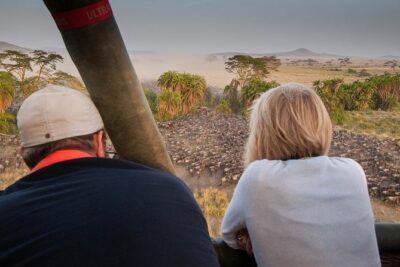
Serengeti Balloon Safari and authentic bush breakfast
Read our review →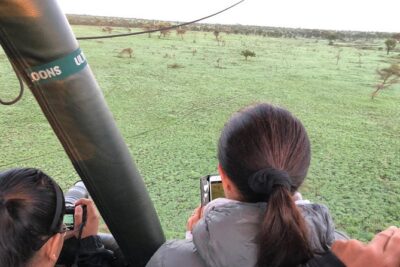
Balloon Safari & Bush Breakfast in Serengeti – Miracle Experience
Read our review →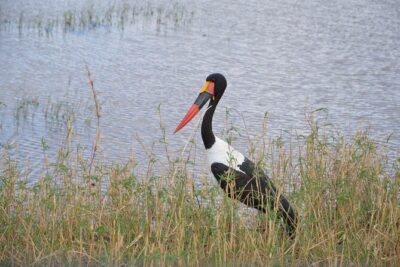
3 Days Serengeti & Ngorongoro Group Camping Safari
Read our review →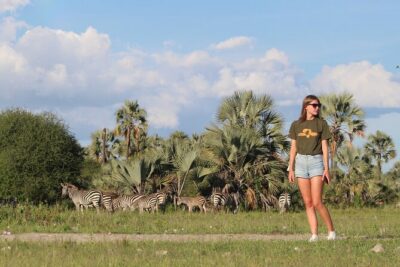
5-Day Highlights mid-Range Crater, Serengeti, Tarangire
Read our review →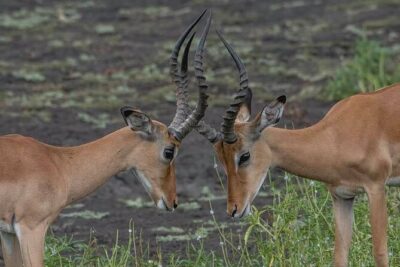
Private 6-Day Tarangire Manyara Crater and Serengeti with Mid-Range Lodges
Read our review →
5 Days Camping Tarangire, Serengeti & Ngorongoro crater & Visiting Maasai
Read our review →Browse the lists this tour appears in