
Reviewed · SERENGETI SAFARIS
6 Day Serengeti wildebeest migration Camping Safari
Four parks, one big migration goal. This 6-day camping safari ties together wildebeest migration country in Serengeti, elephant-rich Tarangire, and the wildlife-packed caldera of Ngorongoro, with overnight safari tents. It also strings in the Rift Valley scenery and a Maasai-led walk, so the days feel more than just driving and spotting.
I especially like how small the group is, with a maximum of 6 people, and how that helps you get more time in the right places during the game drives. I also love the human touch in the guiding, with names like Mr. Godfrey and Calvin showing up in feedback for giving enough time in each area and helping with animal and bird spotting, even with extra identification help.
The main drawback to consider is comfort and budget. This is a camping safari at a $15,000 per person price, so you are trading luxury for closeness to the wild, plus you should expect long drives on dirt and gravel roads.
In This Review
- Key things to know before you go
- Four reserves, one tight 6-day plan in northern Tanzania
- Day 1 in Tarangire National Park: elephants at the river, baobabs everywhere
- Day 2 Lake Manyara region, Mto wa Mbu, and a Maasai waterfall walk
- Day 3 Serengeti arrival: getting from Rift Valley to the endless plains
- Day 4 full Serengeti game drive: strategy matters when rain changes everything
- Day 5 Ngorongoro Crater edge: 20 km of wildlife in a natural bowl
- Day 6 inside Ngorongoro at daybreak: black rhinos and the crater’s bird life
- Camping safari reality: what you get when tents and meals are included
- Price and value at $15,000 per person: what the inclusions actually cover
- Who this safari suits best, and who might want a different fit
- Should you book this Serengeti wildebeest migration camping safari?
- FAQ
- What parks are included in this 6-day safari?
- What kind of accommodation is included?
- How does transportation work during the safari?
- Are meals included?
- Are national park fees included?
- Is pickup offered?
- Does the tour use a mobile ticket?
- What is the group size?
- Is the price inclusive of flights, visa fees, and tips?
Key things to know before you go
- Four parks in six days, with Tarangire, Lake Manyara area, Serengeti, and Ngorongoro each doing a different job
- Small-group rhythm (max 6), which matters when you are trying to find animals during migration shifts
- Camping setup included, including tents and camping gear, plus meals cooked by a professional safari cook
- Migration timing depends on rain, so your guide’s strategy is a big part of your odds for great sightings
- Ngorongoro is the finale, with daybreak viewing potential for species like black rhinos and lions
- Guides with strong wildlife teaching, highlighted in feedback for guides like Mr. Godfrey, David and Monika, and Calvin
Four reserves, one tight 6-day plan in northern Tanzania
This safari is built like a highlight reel, but it is also practical about how wildlife viewing really works. You move through four key areas that each have a different wildlife “style,” so you are not just repeating the same scenery from day to day.
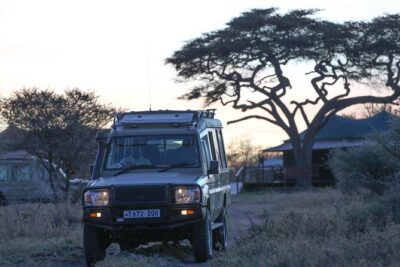
The tour runs about 6 days and includes transport in a 4×4 safari vehicle, a professional English-speaking guide, and a professional English-speaking safari cook. Meals are covered according to the daily schedule, and national park fees are included. You also sleep in safari tents with camping equipment provided, which is part of the point here: you are close to the bush, not in a hotel.
If you want the big moments, this itinerary has them: Tarangire elephants and baobabs, Serengeti grassland migration country, and Ngorongoro’s crater bowl with a packed animal list. The only real “wildcard” is the migration itself. Rainfall changes where herds are at any given time, and your guide’s choice of where to drive is how the day gets good.
More Safaris in Arusha
- Balloon Safari & Bush Breakfast in Serengeti – Miracle Experience
★ 5.0 · 1,646 reviews - 4 Days Group Camping Safari
★ 5.0 · 1,101 reviews - 5 Days Group Camping Safari
★ 5.0 · 730 reviews
Day 1 in Tarangire National Park: elephants at the river, baobabs everywhere
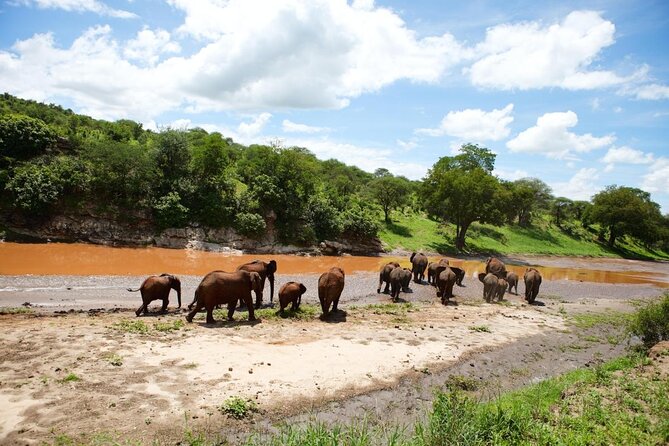
Tarangire is the kind of park that makes you slow down without anyone telling you to. After a short briefing, you head out toward the park and start with classic savannah scenes: baobab trees, seasonal swamps and lagoons, and animals gathering near the life-giving Tarangire River.
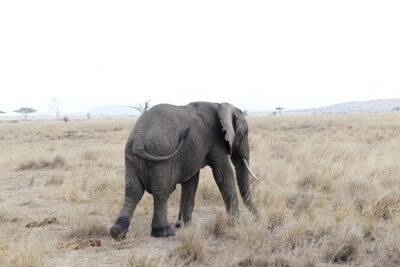
What you are likely to focus on here is elephants. Tarangire is known for huge elephant herds, and that river pull is the reason they show up. You should also keep an eye out for a spread of savannah mammals, including giraffes, bushbucks, hartebeests, and some of the more unusual ones like gerenuk and fringe-eared oryx.
Predators do show up, too. Lions are part of the mix, because the prey you see will often bring hunters along behind. Leopards may appear now and then, while cheetahs are described as rare. That matters because if you chase cheetahs hard, you may feel a bit unlucky here, but if you are open to elephants, antelopes, and the predator-prey rhythm, Tarangire can deliver.
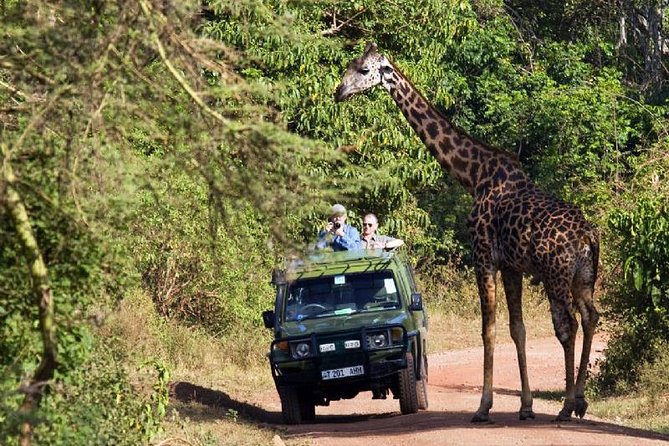
A small detail that really changes the feel of day 1: you ride with an open roof on the safari vehicle. That means quicker scanning for movement and a better sense of speed and sound when animals pop up close to the road.
Day 2 Lake Manyara region, Mto wa Mbu, and a Maasai waterfall walk
Day 2 shifts the experience from “pure game drive” to a mix of scenery and culture. You leave Tarangire and head to Mto wa Mbu, including travel along the Rift Valley Escarpment. Expect a very bumpy gravel road, so this is the day to keep your knees loose and your expectations realistic about comfort.
As you travel, you may spot the Maasai spiritual landmark Ol Doinyo Lengai, called the holy mountain. The Rift Valley has a dramatic feel, and on this route you can also notice the pink glow from thousands of flamingos at Lake Natron. The description here is specific: flamingos breeding and feeding on algae in alkaline Lake Natron. Even if you do not see every bird at close range, the color cue is something you can often spot from the wider area.
The afternoon includes a Maasai-guided walk to a nearby waterfall near the Masai village of Ngare Sero, described as an oasis in the hot and dusty Rift Valley. Then you return to camp for your overnight.
The main drawback to this day is also the easiest to plan for. You are on rough roads and in warmer conditions, and the schedule includes both travel and walking. If you want a day that feels more like a long sightseeing tour than a full game drive, this is it. If you are counting on a big cat day, you may want to stay patient because day 2 is not designed that way.
Day 3 Serengeti arrival: getting from Rift Valley to the endless plains
After an early start, you drive along adventurous dirt tracks and climb out of the Rift Valley to reach Serengeti by midday. This is one of those transitions that makes the whole trip feel like more than a list of parks. Serengeti means endless plains, and that word choice fits the way the grassland stretches toward the horizon.
Because the itinerary is focused on the wildebeest migration storyline, the big idea on day 3 is placement and context. You overnight at a campsite in the northern or central part of the park, which helps position you for the next day’s full migration-focused driving.
What you should expect is a “first taste” game drive where your guide starts reading the situation. Migration is described as the largest animal migration on the planet, with hundreds of thousands trekking for fresh grass and water. That means you are not just looking for one animal at a time. You are trying to understand the flow: where herds are moving, and what predators are quietly shadowing behind.
Day 3 is also where your luck with the animal mix can vary. You will likely see plenty of classic Serengeti wildlife, but the specific predator lineup is tied to where the herds are that day.
More camping safaris from Arusha:
- 3 Days Serengeti & Ngorongoro Group Camping Safari
★ 5.0 · 574 reviews - 2 Days Tarangire and Ngorongoro Group Camping Safari
★ 5.0 · 146 reviews - 6 Days Tanzania Budget Camping Safari
★ 5.0 · 145 reviews - 3 Days Tarangire, Ngorongoro & Lake Manyara Group Camping Safari
★ 5.0 · 102 reviews
Day 4 full Serengeti game drive: strategy matters when rain changes everything
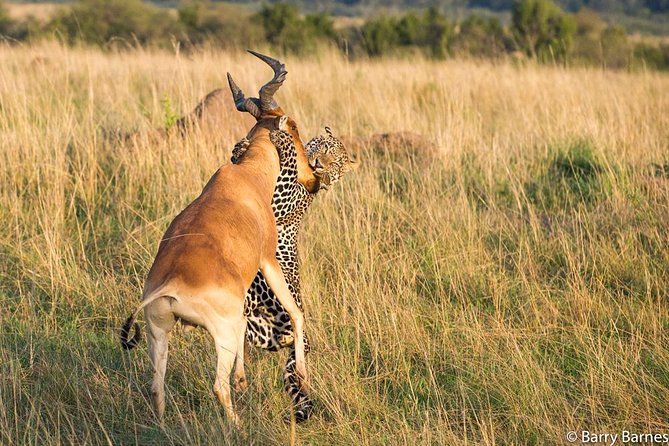
Day 4 is the day you give the Serengeti your full attention. The whole day is spent on a game drive, and the areas you visit depend on where the migrating herds are. The key idea is simple: predators often follow closely behind the trekking animals.
The itinerary gives you the rain-driven migration cycle, which is useful because it explains why your experience may not look exactly like someone else’s. During the shorter rainy season in November and December, herds move from hills in the north to plains in the south. During the longer rainy season from April to June, the herds return up north.
Your guide is expected to know where to find the animals and where to see them best based on current conditions. That means day 4 is not just “start driving and hope.” You should feel like the driving has a purpose, and that is where the best sightings often happen.
Beyond wildebeests and zebras, you might see lions, leopards, and cheetahs. This is also where your earlier day’s patterns start paying off, because once you have seen what the herds are doing, you can spot how predators react to movement and timing.
One practical consideration: a full day game drive is long. It is thrilling, but you will want to stay hydrated and take breaks when your guide offers them. With a small group, it is easier to make these adjustments without slowing everyone down.
Day 5 Ngorongoro Crater edge: 20 km of wildlife in a natural bowl
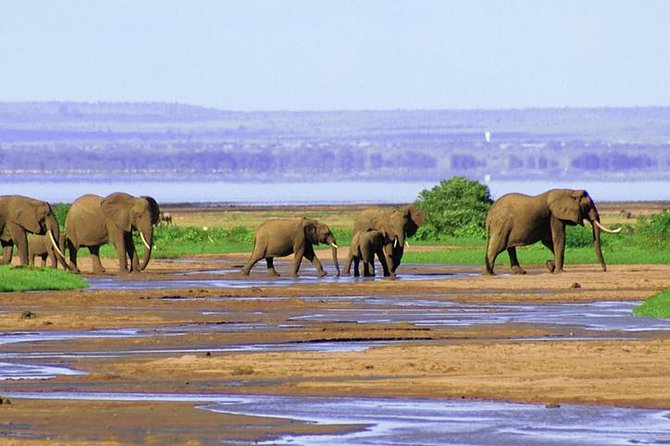
After breakfast, you continue in the Serengeti for another game drive. The itinerary highlights that you might spot animals you have not seen yet, and it also points out the Big Five. The Big Five listed here are lion, elephant, buffalo, rhino, and leopard, and the day is described as a possibility for seeing all members of that group.
Then you move toward Ngorongoro Crater, with lunch at a picnic site. When you reach the crater edge, the caldera opens up before you. The crater described is about 20 km wide, and it is said that over 25,000 animals live within it.
Then comes a big deal for atmosphere: you spend the night at a campsite directly on the crater’s edge. That means your evenings and morning start feel connected to the same wildlife zone, not separated by a long overnight drive.
This day’s drawback is mostly transition fatigue. You are stacking game drive time, then relocating to a new dramatic viewpoint, then settling into camp near the crater rim. If you are the type of person who hates changing locations, this part can feel packed. But if you like momentum, it works.
Day 6 inside Ngorongoro at daybreak: black rhinos and the crater’s bird life
Rise and shine for daybreak. After breakfast, you drive down into the crater for a game drive inside the world’s largest caldera.
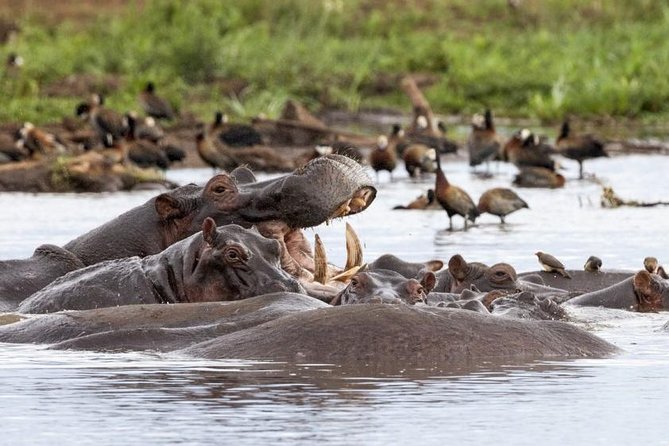
This is the day the itinerary is explicit about species variety. You might see black rhinos, Grant’s and Thomson’s gazelles, lions and leopards, elephants, mountain reedbucks in forest on the slopes, plus buffaloes and spotted hyenas. The list also includes rare wild dogs and mentions more than 500 bird species in the area.
That bird number is worth keeping in mind because it changes how you should watch. Instead of only scanning for movement at ground level, you should also look for activity in trees and along edges. If you love birds, this is one of the strongest payoff days.
After an intensive game drive and a picnic lunch, you leave the caldera in the afternoon and head back to Arusha, arriving in the early evening.
The main practical note is that crater drives can mean a lot of up-close viewing. Bring patience for slower observation. If you are quick to jump out of the vehicle mentally, you may miss the smaller action that makes Ngorongoro memorable.
Camping safari reality: what you get when tents and meals are included
Camping safaris can sound rough on paper. This one is designed to feel organized rather than improvised. Overnight stays are in safari tents, and camping equipment is included, including tents, sleeping mats, chairs, and tables.
Meals are also included according to the itinerary schedule, with a safari cook on board. Mineral water is included as well. That combination matters, because the difference between a great camping trip and a frustrating one is logistics. When food and basic gear are handled, you can spend your energy on wildlife.
Still, you should treat this as a bush experience, not a hotel stay. You will be sleeping in tents, and you will be sharing space with the sounds of the environment. If you are the type who needs the perfect bed every night, you may find the camping portion challenging.
For packing, I would plan around the fact that you are doing game drives and walking. Even though the itinerary does not list a dress code or climate targets, you should generally expect sun, dust, and the need for layers in early and late hours. If you tend to get cold in the morning, day 6 daybreak is where that matters most.
Price and value at $15,000 per person: what the inclusions actually cover
Let’s talk numbers plainly. At $15,000 per person, this is a serious investment. The value question is not only about what you see, it is also about what you do not have to manage yourself.
According to the included list, you get:
- Camping safari setup with tents and camping equipment
- Transport in a 4×4 safari vehicle
- Professional English-speaking guide and safari cook
- Meals as scheduled (breakfasts, lunches, dinners)
- Mineral water
- All national park fees
- The activities listed in the itinerary
Not included items are flights, visa fees, optional activities, tips, and personal spending money for souvenirs.
So the price is paying for an “all the big charges are handled” package: park entry fees, guide time, cook time, vehicle time, and your basic comfort setup in camp. That can be a good deal when you consider how quickly costs add up in Tanzania when you start separating transport, park fees, and accommodations.
The tradeoff is that a high price also raises your expectations. You should go in with a clear idea of what you want most: migration timing, big animals, and the crater finale. If those are your top priorities, this itinerary is built for them. If you are mainly after a cushier resort rhythm, you may feel the camping style is not worth the premium.
Who this safari suits best, and who might want a different fit
This tour is a strong match if you want:
- Multiple northern Tanzania highlights in a single trip, without losing time to separate transport plans
- A small-group experience (max 6) that helps your guide adjust as the day changes
- Migration-focused viewing, where the strategy shifts based on rain and herds location
- The Ngorongoro crater daybreak experience, with a chance at black rhinos and a huge spread of species
It is less ideal if:
- You want a resort-style comfort level every night
- You are sensitive to long drives on dirt tracks and bumpy gravel roads
- You dislike the uncertainty that comes with migration timing, even with a skilled guide
On the people-power side, the feedback highlights guides who manage the day well. Names like Mr. Godfrey, David and Monika, and Calvin show up in compliments for making the experience feel special, providing time to explore areas, and even supporting spotting and identification.
Should you book this Serengeti wildebeest migration camping safari?
Book it if you want the “big five plus migration plus crater bowl” story, and you are comfortable paying for a package where park fees, meals, and camp setup are handled. The route makes sense: Tarangire for elephants, Serengeti for migration-driven predator action, Ngorongoro for dense wildlife in a confined space.
Skip or rethink it if your idea of value is built around lodging comfort, because this is a tent camping format. Also, since migration location shifts with rainfall, make sure you are booking for the right season for your own priorities, and be ready for your guide to adjust.
If you are flexible on exact sighting outcomes, this is the kind of itinerary that can deliver unforgettable animal moments, especially when day 4 and day 6 line up with what the ecosystem is doing at that time.
FAQ
What parks are included in this 6-day safari?
You visit Tarangire National Park, Lake Manyara area near Mto wa Mbu and Ngare Sero, Serengeti National Park (two full days of game drives), and Ngorongoro Conservation Area including Ngorongoro Crater.
What kind of accommodation is included?
You sleep in safari tents with camping equipment provided, including tents, sleeping mats, chairs, and tables.
How does transportation work during the safari?
The tour includes 4×4 safari vehicle transport and an English-speaking professional guide. The itinerary also describes riding from an open roof on the safari vehicle in Tarangire.
Are meals included?
Yes. Meals are included according to the itinerary, with breakfast, lunch, and dinner on most days, plus breakfast and lunch on the final day.
Are national park fees included?
Yes. The tour includes all national park fees.
Is pickup offered?
The tour indicates pickup offered.
Does the tour use a mobile ticket?
Yes. A mobile ticket is listed as a feature.
What is the group size?
The tour has a maximum of 6 travelers.
Is the price inclusive of flights, visa fees, and tips?
No. Flights, visa fees, and tips are not included, along with optional activities and personal spending money.
More Safaris from Arusha
- 7-Day Premium Luxury Tanzania Safari All-Inclusive
★ 5.0 · 426 reviews - 8 Days Great Wildebeest Calving Migration Safari from Arusha
★ 5.0 · 254 reviews - Group Safari 7 Days in Tanzania’s Main Parks
★ 5.0 · 240 reviews - 10-Day Serengeti Wildebeest Migration Safari from Arusha
★ 5.0 · 218 reviews
More Serengeti Safaris
- 5-Day Highlights mid-Range Crater, Serengeti, Tarangire
★ 5.0 · 296 reviews - 3-Day Classic Serengeti Safari
★ 5.0 · 263 reviews - Private 6-Day Tarangire Manyara Crater and Serengeti with Mid-Range Lodges
★ 5.0 · 238 reviews - 5 Days Camping Tarangire, Serengeti & Ngorongoro crater & Visiting Maasai
★ 5.0 · 229 reviews
Just posted around Arusha
- 8 Days Serengeti Migration safari★ 5.0 · 11 reviews
- tarangire & ngorongoro 2 days tour★ 5.0 · 14 reviews
- serengeti, ngorongoro & tarangire 4 days private tour★ 5.0 · 18 reviews
- tarangire, ngorongoro & lake manyara park 3 days private tour★ 5.0 · 11 reviews
- serengeti & ngorongoro 3 days private tour★ 5.0 · 15 reviews
- climb the KILIMANJARO via Lemosho route★ 5.0 · 4 reviews
- Mt. Kilimanjaro: Shira plateau to Cathedral point 3872m Day hike★ 5.0 · 7 reviews
- Kilimanjaro Waterfalls Hike & Moshi Hot Springs Day Trip Tour★ 5.0 · 4 reviews
Serengeti Safaris, compared.
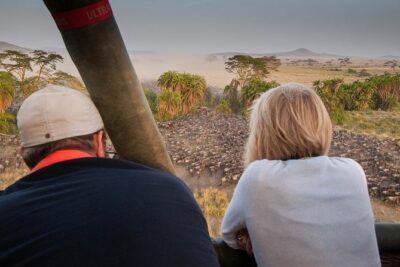
Serengeti Balloon Safari and authentic bush breakfast
Read our review →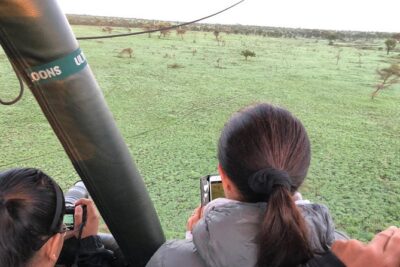
Balloon Safari & Bush Breakfast in Serengeti – Miracle Experience
Read our review →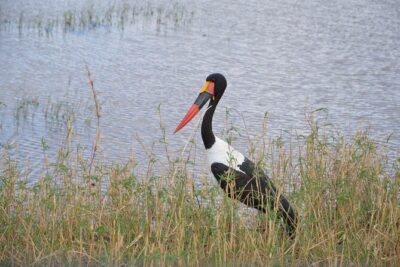
3 Days Serengeti & Ngorongoro Group Camping Safari
Read our review →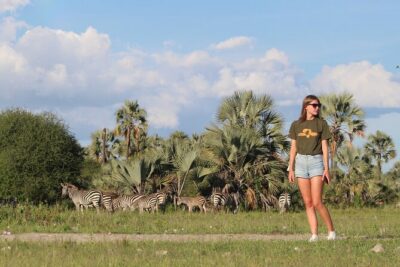
5-Day Highlights mid-Range Crater, Serengeti, Tarangire
Read our review →
Private 6-Day Tarangire Manyara Crater and Serengeti with Mid-Range Lodges
Read our review →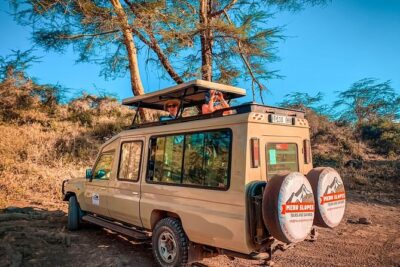
5 Days Camping Tarangire, Serengeti & Ngorongoro crater & Visiting Maasai
Read our review →Browse the lists this tour appears in