Reviewed · ARUSHA TOURS
5 Days_Haking_Mount_Kilimanjaro by_Using_Marangu Route
Kilimanjaro feels close on the easiest route. The five day Marangu climb pairs hut comfort with a real summit push, so you spend less time worrying about sleeping gear and more time focusing on moving well.
I especially like the day by day rhythm, with the trail easing you into altitude instead of throwing you onto the hardest terrain right away. I also like that meals and logistics are handled for you, so your group can stay organized from registration to the return drive. One consideration: the Marangu Route is the shortest and easiest ascent, but it is also the fastest, so altitude still demands respect.
In This Review
- Marangu Route: hut beds on the classic Coca Cola path
- Key highlights that make this trek practical
- Price and value: what $1,809.50 covers, and what it does not
- Getting to the trailhead: Arusha start and park gate timing
- Day 1: rainforest to Mandara Hut at 2,740 m, plus Maundi Crater
- Day 2: Horombo moorlands, giant lobelias, and altitude that starts to show
- Day 3: toward the saddle, last water point, and the moonscape shift
- Day 4: the 2:00am summit push to Uhuru Peak, then the long descent
- Day 5: descent through moorland and rainforest to Marangu Gate
- Who leads you, and why it affects your summit chances
- What to pack for hut comfort, cold summit hours, and wet descents
- Should you book this five day Marangu Kilimanjaro climb?
- FAQ
- How long is the Kilimanjaro climb on this Marangu Route tour?
- What is the summit route and where do you start the climb?
- What kind of accommodation do you get at the camps?
- Are bathroom facilities and running water available during the trek?
- Are meals included, and what about drinking water?
- Is transport included from Arusha and back to your hotel?
- What extra costs should I plan for?
- When do you begin the summit climb?
- What is the cancellation window?
Marangu Route: hut beds on the classic Coca Cola path
The Marangu Route, often called the Coca Cola route, is the most straightforward way up Kilimanjaro. It is generally the shortest route to the summit, and it is the only one on this itinerary where you sleep in huts at every camp. That matters more than people expect. Your sleep quality can influence your energy the next morning, especially on summit night.
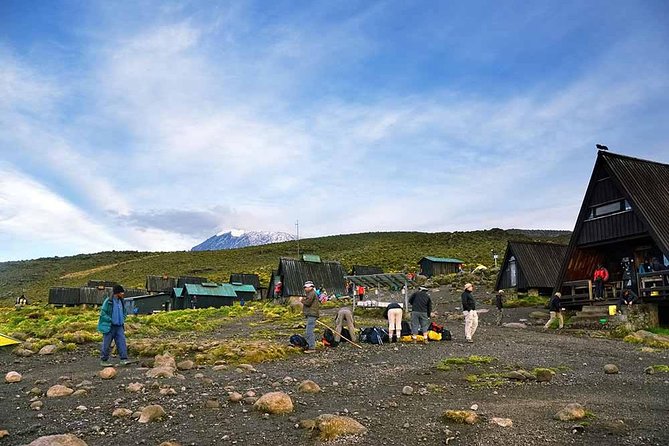
At the camps you sleep in communal huts with solar lights. You get bunks with a sponge mattress and a pillow, which is a big deal compared with carrying and sleeping directly on the ground. If you hate the idea of stuffing everything into a dry bag just to sleep, this route will feel friendlier.
Camp capacity is also part of the picture. There are 60 beds at both Mandara and Kibo huts, and 120 beds at Horombo Hut. You may be sharing the space with people from other countries, and the dining huts for meals create a social, energetic mood.
The comfort comes with a tradeoff. On Kilimanjaro, the weather can still turn and the summit night is still a climb in the dark, often on cold, steep ground. Also, sanitation gets simpler the higher you go. Bathrooms and running water are available at the two lower huts, while the last camp has basic mens and ladies latrines.
Key highlights that make this trek practical
Hut sleeping at every camp with solar lights, sponge mattresses, and pillows
Meals and purified drinking water included, so you do not manage logistics daily
Maundi Crater sidetrip on Day 1, plus birdlife and chances to spot colobus monkeys in the rainforest
A 2:00am summit start, with a clear sequence from Gilman’s Point to Uhuru Peak
Views that build each day, from Mawenzi and Kibo on open moorlands to moonscape near Kibo
A professional guiding team, with guides like chief Gabriel earning praise for leading summit hikes well
A few more Arusha trips to compare
- Balloon Safari & Bush Breakfast in Serengeti – Miracle Experience
★ 5.0 · 1,646 reviews - Tanzania Classic – 7 Days
★ 5.0 · 1,151 reviews - 4 Days Group Camping Safari
★ 5.0 · 1,101 reviews
Price and value: what $1,809.50 covers, and what it does not
At $1,809.50 per person, this is not a budget trek. But the value is strong if you want a smooth, managed climb rather than DIY mountain logistics.
Your included package covers all park fees and rescue fees, plus arrival and departure transfers. You also get professional mountain guides and the core of daily mountain care: nutritious food, clean purified drinking water, and the scheduled meals (five breakfasts, five lunches, five dinners). On top of the trek days, you also receive two nights of hotel accommodations.
That combination matters. You are paying for fewer unknowns, a guided route through multiple altitude zones, and the ability to show up with less gear stress. If you are traveling from farther away and do not want to piece together transportation and permits, this “everything handled” style often feels worth it.
Two things are not included: tips and international flights. Tips are a normal part of the Kilimanjaro ecosystem, and this trek includes a reminder to tip porters and guides. Also, while you can buy soft drinks, bottled water, and beer at the huts, you should budget for that extra spending separately.
Getting to the trailhead: Arusha start and park gate timing
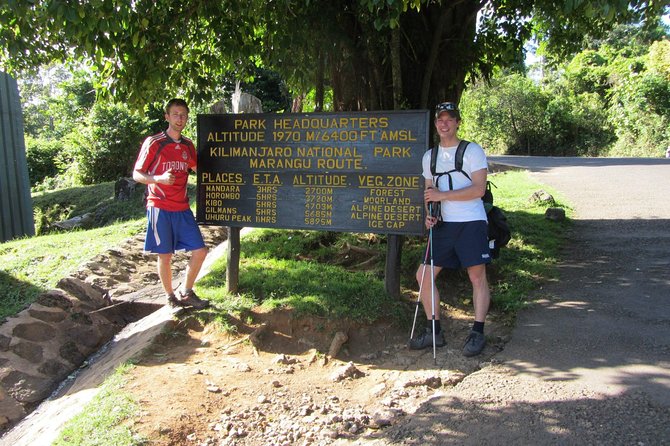
Your trip starts in Arusha, Tanzania. On the first day you take a drive of about 45 minutes to the Kilimanjaro park gate. You will register there and then begin the climb.
This matters because it sets the tone. That early step is where you settle your group, confirm details, and get moving before you start feeling the mental fatigue that comes from delays. It is also one reason I like guided packages on Kilimanjaro, even for experienced hikers, because the first day is not the time to troubleshoot.
By the end of Day 5, you are not left walking out and figuring out transport. A vehicle meets you at Marangu village and drives you back to your hotel in Moshi or Arusha. That means you can celebrate without turning your final hours into a logistics project.
Day 1: rainforest to Mandara Hut at 2,740 m, plus Maundi Crater
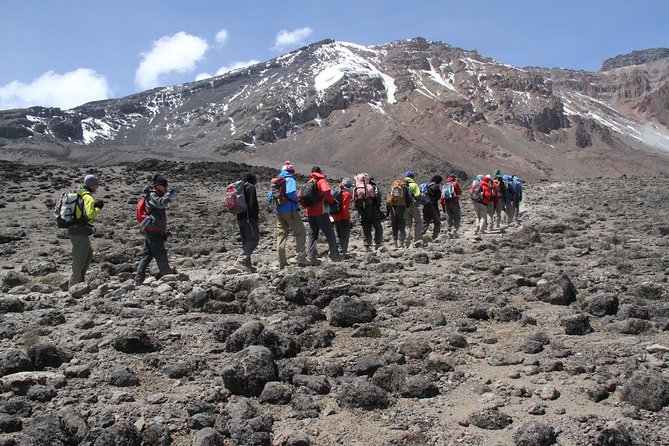
Day 1 starts easy on paper, and then quickly turns into a real hike once you enter the rainforest. After registration, you walk through forest to Mandara campsite at 9,000 feet, about 2,740 meters.
This forest section is one of the reasons people enjoy Marangu. You get a change of scenery without immediately grinding uphill at high altitude. Keep your eyes open for towering eucalyptus trees, birdlife, and the chance to spot colobus monkeys.
A helpful option on Day 1 is the Maundi Crater sidetrip. It is a good way to see the surroundings, including northern Tanzania and Kenya. It also gives your legs a little variety after the rainforest trek, which can help you stay mentally engaged.
Your main consideration on Day 1 is comfort. The forest can be cooler and damp, so even if the day feels manageable, keep rain gear handy. Wet trails can slow you down, and you will want energy for your Day 2 push.
Same base in Arusha, a completely different day:
- 5 Days Group Camping Safari
★ 5.0 · 730 reviews - Materuni Waterfalls, coffee tour & Kikuletwa Hot Springs
★ 5.0 · 643 reviews - 3 Days Serengeti & Ngorongoro Group Camping Safari
★ 5.0 · 574 reviews - 7-Day Premium Luxury Tanzania Safari All-Inclusive
★ 5.0 · 426 reviews
Day 2: Horombo moorlands, giant lobelias, and altitude that starts to show
On Day 2, you leave the glades of the rainforest after about an hour. The trail shifts onto ascending open moorlands toward Horombo campsite.
This is where the route begins teaching you altitude. The walking gets more exposed, and you start to feel the effects of climbing higher, even if your body is not fully struggling yet. Your views become a big part of the day, with incredible sightlines to Mawenzi and the peak of Kibo.
The scenery can look almost like another planet. Look for giant lobelias and groundsels. As the day goes on, your breathing may feel more effortful. If that happens, it is not a sign you are doing something wrong. It is a sign you should keep a steady pace and let the group rhythm carry you.
There is also an optional choice built into the plan: you can prolong your hike by resting an extra day at Horombo, or hike the small peak of Mawenzi. If you are worried about altitude, that extra time can be worth considering. If your schedule is tight, the standard plan still works for many people, but you need to respect how your body responds.
Day 3: toward the saddle, last water point, and the moonscape shift
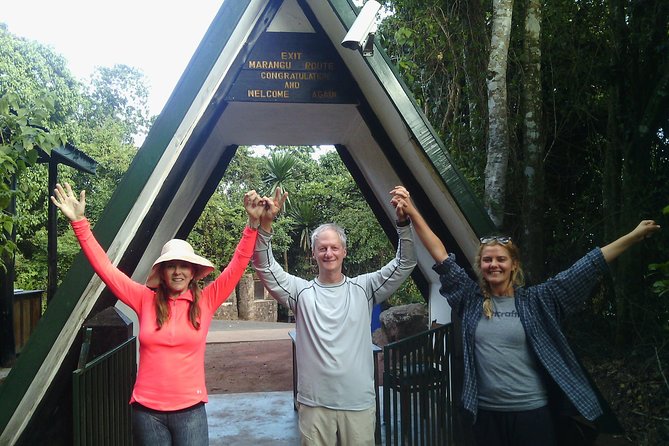
Day 3 is about transitioning into the upper zones. You start mounting the last water point and hike toward the saddle between the peaks of Kibo and Mawenzi.
Vegetation changes here. You begin with upper heathland and then the trail heads into “moonscape,” a stark environment where the plants seem to vanish and the terrain looks bare and quiet. That shift can be unsettling if you expected only rainforest and moorland, but it is also part of the thrill. You can literally feel the mountain stepping you into the highest, driest altitude zones.
Your day is not only hiking. It also includes dinner, rest, and preparation for the summit climb. Use that time wisely. Eat what you can, hydrate steadily with the purified water, and try to sleep as much as possible, because summit night is where you will want every ounce of energy.
The big drawback risk on Day 3 is not the terrain. It is decision fatigue. If you start thinking too much about the summit challenge, you may waste mental energy. Instead, focus on small steps, warm layers, and following your guide’s pace and instructions.
Day 4: the 2:00am summit push to Uhuru Peak, then the long descent
Day 4 is the summit day, and it begins early. At 2:00am you start climbing toward the summit on steep and heavy scree or snow up to Gilman’s Point, located on the crater rim at about 18,640 feet, or 5,861 meters. This segment can take about 4 to 7 hours depending on conditions and your pacing.
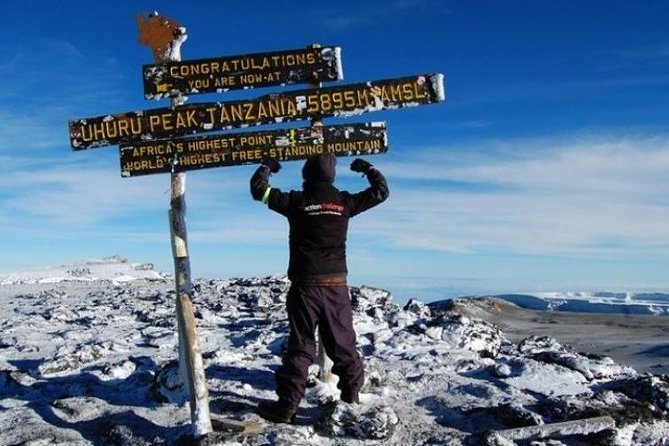
After Gilman’s Point, the ascent continues to Uhuru Peak, about 19,340 feet, or 5,895 meters. That final segment can take about 1 to 2 hours.
At the top, the views are the reward. You also get an image taken at the summit, which is a simple moment that helps you remember what you actually accomplished.
From there, the day turns into survival mode for your legs, in the best way. You go downhill, stop for lunch and rest at Kibo, and then continue on to Horombo for dinner and an overnight stay.
Two practical notes help here. First, your pace will matter more than your speed. Second, warm layers are not optional. Even if the day sounds like one long push, you are still moving through a high altitude environment that can feel much colder than you expect.
Guidance from strong leadership can also make this day feel more structured. In the climb experience I saw discussed, chief Gabriel was praised as very professional on the summit hike, which matches what you want at 2:00am, when confidence and calm instructions make a difference.
Day 5: descent through moorland and rainforest to Marangu Gate
You start Day 5 with breakfast and then begin the steady descent. You walk down through moorland to Mandara Hut at about 2,700 meters, then continue descending through lovely lush forest on a good path to the National Park gate at Marangu, about 1,830 meters.
This is the day you will feel in your knees, even if your mind is ready to celebrate early. The good news is that the trail becomes easier to manage as you descend.
The tricky part is weather and mud. At lower elevations, it can be wet and muddy. That is why gaiters and trekking poles are a smart move, even if you are not a hardcore gear person. They help you maintain footing and reduce slips on wet sections.
Clothing becomes simpler at the end. Shorts and t-shirts will probably be plenty, but you should keep rain gear and warmer clothing handy, because Kilimanjaro days can swing quickly.
When you finish at Marangu village, you get a vehicle back to your hotel in Moshi or Arusha. Then you can truly relax. This is the part where your body finally stops running on adrenaline and starts collecting its gratitude.
Who leads you, and why it affects your summit chances
This climb is guided end to end, and the guiding team quality shows up in how smoothly the group moves at key moments. The most difficult segment is summit night, and that is also where you want calm, clear decision-making.
In the feedback that stood out, chief Gabriel was highlighted for professionalism and for making the summit hike feel well run. Another person connected with the experience, Rafael, was praised for being kind and for leading a team that stayed knowledgeable and positive throughout the trek.
There is also a welcome layer before the climb begins. Mary was mentioned as picking people up and providing a warm start to the journey, especially for those arriving by air. That first contact matters because it helps you get oriented when you are already tired from travel.
In short: a good guide helps you keep your effort steady, not just your direction correct. On Kilimanjaro, steady often wins over heroic.
What to pack for hut comfort, cold summit hours, and wet descents
Because you sleep in huts, you can travel with slightly less “camp survival” gear. Still, you are hiking in multiple climates in a single trip.
Here is what to prioritize based on the actual conditions you will face:
- Warm layers for summit night, when the climb starts at 2:00am and the terrain can include heavy scree or snow
- Rain gear, because the lower elevation descent to Marangu can be muddy and wet
- Gaiters and trekking poles, because they help on slippery sections on Day 5
- Simple everyday clothing at lower elevations, since shorts and t-shirts will probably feel fine by the end
- Small Tanzanian bills for hut purchases, because soft drinks, bottled water, and beer may be available and prices increase with elevation
Also, bring the mental gear. The Marangu Route can feel easier than other routes, but you still need hydration, steady pacing, and respect for altitude.
Should you book this five day Marangu Kilimanjaro climb?
If you want the shortest and easiest summit plan, and you strongly prefer hut accommodations over tent camping, this is a good fit. It is especially appealing when you like structure, included meals, and professional guiding that takes care of park fees, rescue fees, and daily logistics.
You should think twice if you know altitude hits you hard, or if you are very sensitive to cold and early wakeups. Marangu is still altitude climbing, and the summit is still a major effort.
My rule of thumb: book Marangu when you want comfort and clear planning, and consider an extra day at Horombo if your body tends to struggle at elevation. If you want to move fast with minimal cushion, this route can work, but you still need to pace like altitude matters, because it does.
FAQ
How long is the Kilimanjaro climb on this Marangu Route tour?
The trek is about five days, based on the Marangu route itinerary that includes hiking and a summit attempt.
What is the summit route and where do you start the climb?
This experience uses the Marangu Route. You drive from Arusha to the Kilimanjaro park gate, register there, and begin the climb from the forest area toward Mandara campsite.
What kind of accommodation do you get at the camps?
You sleep in communal huts at every camp site, with solar lights. Bunks include a sponge mattress and pillow. Mandara and Kibo huts have 60 beds each, and Horombo Hut has 120 beds.
Are bathroom facilities and running water available during the trek?
Bathrooms and running water are available at the two lower huts. At the last camp, mens and ladies latrines are available, but they are very basic.
Are meals included, and what about drinking water?
Meals are included throughout the trek days, including breakfast, lunch, and dinner. Clean, purified drinking water is also included.
Is transport included from Arusha and back to your hotel?
Yes. The package includes arrival and departure transfers. You drive to the park gate on Day 1, and on Day 5 a vehicle meets you at Marangu village to drive you back to your hotel in Moshi or Arusha.
What extra costs should I plan for?
Tips are not included, and you will also want cash for hut purchases like soft drinks, bottled water, and beer. International flights are not included either.
When do you begin the summit climb?
The summit climb starts at 2:00am on Day 4.
What is the cancellation window?
Free cancellation is available up to 24 hours in advance of the experience start time for a full refund.
Just posted around Arusha
- 8 Days Serengeti Migration safari★ 5.0 · 11 reviews
- tarangire & ngorongoro 2 days tour★ 5.0 · 14 reviews
- serengeti, ngorongoro & tarangire 4 days private tour★ 5.0 · 18 reviews
- tarangire, ngorongoro & lake manyara park 3 days private tour★ 5.0 · 11 reviews
- serengeti & ngorongoro 3 days private tour★ 5.0 · 15 reviews
- climb the KILIMANJARO via Lemosho route★ 5.0 · 4 reviews
- Mt. Kilimanjaro: Shira plateau to Cathedral point 3872m Day hike★ 5.0 · 7 reviews
- 2 Days Tanzania Midrange Group Join Safari★ 5.0 · 7 reviews
Arusha Tours, compared.
Balloon Safari & Bush Breakfast in Serengeti – Miracle Experience
Read our review →
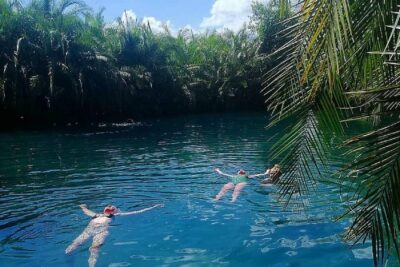
Materuni Waterfalls, coffee tour & Kikuletwa Hot Springs
Read our review →
3 Days Serengeti & Ngorongoro Group Camping Safari
Read our review →
7-Day Premium Luxury Tanzania Safari All-Inclusive
Read our review →
5-Day Highlights mid-Range Crater, Serengeti, Tarangire
Read our review →