
Reviewed · MAASAI VILLAGE VISITS
5- Days Best Mid-range Safari and Maasai Village experience
Five days, big wildlife and Maasai culture. This mid-range Tanzania trip pairs classic safari stops with a guided cultural day at Ol Tukai Village, based around Arusha and organized for smooth park-to-park movement. You get a set rhythm of wildlife time, then hands-on people time, with pickup offered and a private group setup.
What I love most is how the schedule gives you real time in the places that matter most. The full-day Serengeti game drive is built for staying out long enough to feel like you saw the park, not just passed through it. I also like the Maasai component, especially the visit tied to a project school where 20% of profit goes, plus the dancing welcome from warriors and women. One possible drawback to plan for is the early starts and longer road days between parks, so if you want slow mornings, bring patience (and a few snacks).
In This Review
- Key highlights worth planning around
- The big idea: wildlife safari plus Maasai village, in a single 5-day thread
- Day 1 at Tarangire National Park: elephants around the Tarangire River
- Day 2 heading into Serengeti: drive time that turns into game viewing
- Day 3 full-day Serengeti: staying out long enough to feel the park
- Day 4 Ngorongoro Conservation Area: crater views and the chance of big names
- Day 5 at Ol Tukai and the Maasai project school: culture you can ask questions about
- What you actually get for the price, and how to judge mid-range value
- Comfort, meals, and the rhythm of a real 5-day safari
- Who this tour suits, and who might want a different fit
- If you get Eric, Kelvin, or Kipe: how to use the guides to your advantage
- Should you book this 5-day safari and Maasai village experience?
- FAQ
- Where does this tour start and end?
- Is pickup offered?
- What meals are included during the 5 days?
- Are park entrance tickets included?
- What is not included in the price?
- What happens if weather is poor?
Key highlights worth planning around
- Tarangire’s dry-season river pattern, often called the river of warthogs, concentrates elephants near water
- Serengeti for a full day, with a packed hot lunch so you stay in the action longer
- Ngorongoro crater as a one-day “all-in” setting, with hippos, buffalo, and possible black rhino sightings
- Maasai welcome and lifestyle lessons at Ol Tukai, not just photos at the gate
- Project school visit with stated 20% profit support, a direct way to see where your trip money can go
The big idea: wildlife safari plus Maasai village, in a single 5-day thread
If you only do safaris in Tanzania, you can leave feeling like you saw animals and missed the human story. If you only do a cultural day, you can leave knowing a tribe’s customs but still wondering how the land shapes everyday life. This plan tries to connect both, by pairing Tarangire, Serengeti, and Ngorongoro with a Maasai village day between Tarangire National Park and Lake Manyara National Park.
You should also know how this style of trip usually feels on the ground. Even with comfortable, organized logistics, this is still a drive-heavy itinerary. The tradeoff is that you spend your limited Tanzania time where the action is, rather than splitting your vacation into a dozen one-night stops.
More Maasai Village Visits in Arusha
- 5 Days Camping Tarangire, Serengeti & Ngorongoro crater & Visiting Maasai
★ 5.0 · 229 reviews - Maasai village visit, Materuni waterfalls & coffee experience
★ 4.5 · 95 reviews - 7-Day Private Tanzania Safari with Sunset Walking on the Crater Rim and Maasai
★ 5.0 · 40 reviews
Day 1 at Tarangire National Park: elephants around the Tarangire River
Tarangire National Park is often the first place I recommend when people want a safari that feels grounded in the basics of survival. The park is named for the Tarangire River, which becomes the key water source during the dry season. In other words, wildlife gathers where life is easiest, and that can make animal sightings feel more predictable than in places where water is everywhere.
What you can expect here is a mix of open acacia woodlands and thicker patches of elephant grass. Those habitats matter because elephants do not just “appear.” You find them because the river draws them in, including families that can gather near the water. The park is known for seeing elephants at multiple levels of life, from calves to larger bulls.
The other wildlife you may spot includes giraffe, bushbuck, and hartebeest. Predators often follow the prey and the watering points, so once you’re out, your day can shift from browsing to hunting in a way that feels natural.
Practical tip: Tarangire days can be warm and dry, even when mornings feel crisp. You will be better off bringing a hat, sunscreen, and a light layer. Also, if you’re the type who likes long lens photos, start getting your camera ready early, before the best action starts.
Day 2 heading into Serengeti: drive time that turns into game viewing
Day 2 is partly a transit day and partly a safari day. You’ll have early breakfast, then drive to Serengeti with game viewing en route. That matters because you are not losing the whole day just to get to one famous park. Tanzania distances can be long, but good routing turns the road into part of the experience.
Serengeti is the big name for a reason: it holds some of the highest concentrations of plains game in Africa, and it is famous for the migration of wildebeest and zebras. The timing you hear about is not just trivia. Over a million wildebeest and about 200,000 zebras move south with the short rains around October and November, then swirl back west and north after the long rains around April, May, and June. Even if you cannot control the exact herd location, you can still experience why Serengeti earns its reputation as a scientific hotspot and a wildlife drama stage.
Since the itinerary does not promise a guaranteed migration spot, it helps to think of this day as “Serengeti approach.” You will likely build momentum as you near the plains, watching for plains game concentrations that often come with this ecosystem.
Practical tip: ask your guide what the day’s “likely zones” are based on movement and sightings. Even when you cannot predict every animal, your driver and guide can often steer you toward the areas that have been productive.
Day 3 full-day Serengeti: staying out long enough to feel the park

Day 3 is where Serengeti becomes the main event. You get a full-day game drive in Serengeti National Park, plus a packed hot lunch. That is a big deal in safari terms. When you do a long day without breaking to search for food, you keep your rhythm and you spend more time with the animals instead of the clock.
The park’s reputation is tied to the migration of more than one million wildebeest and hundreds of thousands of zebras. It is also known for lion prides, which is exactly why you want a full day. A short drive can give you one good encounter. A full day gives you multiple chances, and it helps you see patterns, like how predators reposition after prey shifts.
In the evening, you return to your accommodation in the Seronera area, listed as Intimate Seronera Camps. That gives you a home base inside the Serengeti region, not a long late-night transfer back out of the park.
What I like about this setup is that it respects your energy. You get a proper day in the field, then you can unwind and sleep with the sense that tomorrow has a different focus, Ngorongoro and crater wildlife.
Practical tip: bring layers. Morning game drives can feel cooler than you expect, and by midday the sun can turn serious. If you’re taking photos, keep your lens cleaned and protected. Dust happens, and Serengeti dust has opinions.
More Safaris in Arusha
- Balloon Safari & Bush Breakfast in Serengeti – Miracle Experience
★ 5.0 · 1,646 reviews - 4 Days Group Camping Safari
★ 5.0 · 1,101 reviews - 5 Days Group Camping Safari
★ 5.0 · 730 reviews - 3 Days Serengeti & Ngorongoro Group Camping Safari
★ 5.0 · 574 reviews
Day 4 Ngorongoro Conservation Area: crater views and the chance of big names
Ngorongoro Conservation Area is one of those “if you’re here, you must” stops. The itinerary is a full-day crater tour with a hot lunch, starting from the crater gate and driving into the crater itself.
Here’s the scale that makes Ngorongoro special. The crater is a large intact volcanic caldera, about 20 kilometers in diameter, covering roughly 300 square kilometers. That size creates a contained ecosystem where lots of animal life can concentrate in one place. The stated list is impressive: over 25,000 large wild animals, including Cape buffalo, black rhinoceros, and hippopotamus. Lions and elephants are also possible.
Even if you do not see every headline species, Ngorongoro tends to deliver because so many habitats exist in one bowl. Water, grazing, and shelter are close enough that animal density can feel high.
After the crater day, you ascend and head back toward Mto wa Mbu, staying at Lake Manyara Africa Safari lodge for overnight and dinner.
A consideration: crater days can be long and physically tiring because you spend so much time scanning and reacting. If you have knee or back issues, plan for breaks and take hydration seriously.
Practical tip: bring binoculars if you use them. With enough scanning time, they can help you spot animals at a distance and reduce the need to constantly zoom and reframe with a camera.
Day 5 at Ol Tukai and the Maasai project school: culture you can ask questions about
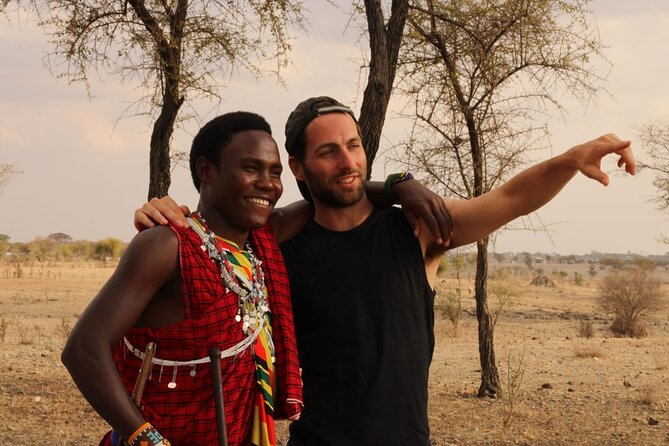
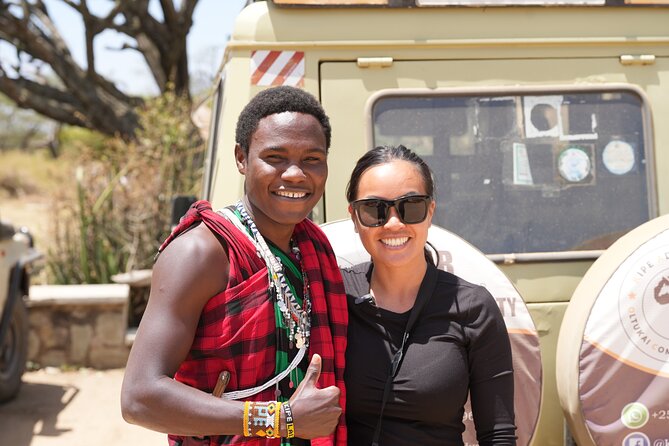
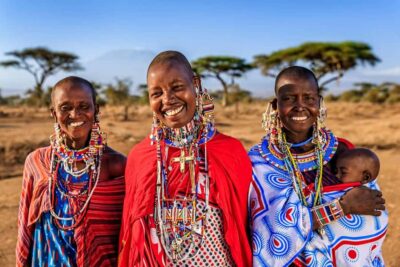
This is the day that makes the whole trip feel different. After breakfast, you visit Ol Tukai Village, described as a Maasai village, plus the owner’s village area at Olasiti. The day is positioned between Tarangire National Park and Lake Manyara National Park, which gives it a natural flow from the wildlife part of the journey.
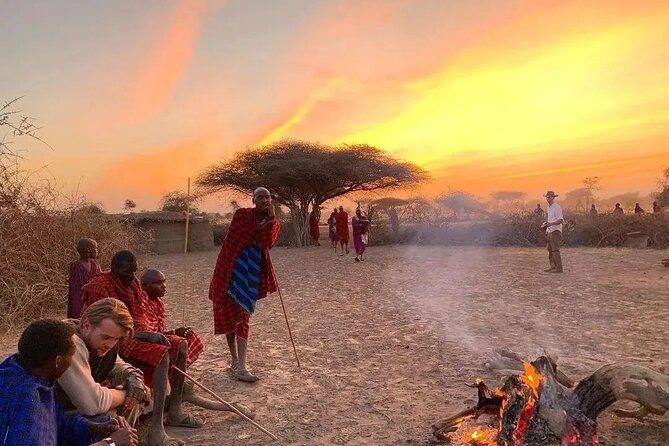
You’ll learn about the Maasai tribe’s lifestyle and values through a guide. That matters because it gives context, not just “this is what they do.” When you arrive, warriors and women welcome you with dancing. Then the day continues with lessons about Maasai lifestyle in general.
The part I would highlight for responsible travel is the project school visit. The information given is clear: 20% of profit goes to the school. That does not make everything perfect, but it gives you a concrete connection between tourism spending and local education support.
One practical note: cultural days can move fast because you are doing multiple activities in one day. I recommend you come with respectful curiosity. Ask questions, listen more than you talk, and follow your guide’s cues on what is appropriate to photograph and what is not.
If you want one souvenir from this day, it should be understanding. A few good conversations can outlast the photos.
What you actually get for the price, and how to judge mid-range value
The price listed is $3,830.77 per person for an approximately 5-day experience. That sounds steep until you look at what safaris often cost once park days, vehicle use, guiding, and lodging are combined. Here, the itinerary is built around multiple major parks: Tarangire, Serengeti, and Ngorongoro, plus the Maasai village day.
A few value points from the structure:
- Park entry tickets are listed as free for the stops, which can be a major cost component on safari
- Meals are largely handled for you, with breakfast (5), lunch (5), and dinner (5) included
- Lunch is described as hot meals not in lunch boxes, which tends to mean less “dry sandwich day” energy
- Pickup is offered, and the tour runs as a private group experience, meaning you are not stacked into a random crowd
Also, the reviews you provided highlight how much the operator focuses on organization and careful client care. You’ll see names like Kipe come up repeatedly, and at least one review mentions guides Eric and Kelvin as helpful. That matters because the quality of safari guiding changes your sightings, your route choices, and how comfortable you feel on long drives.
A straightforward consideration: since tips, visa, flights, alcohol, and personal items are not included, budget a little extra for the parts that always show up late in the process. Tips in particular can be a deciding factor for comfort at the end of a long day, especially in a service-heavy itinerary.
Comfort, meals, and the rhythm of a real 5-day safari
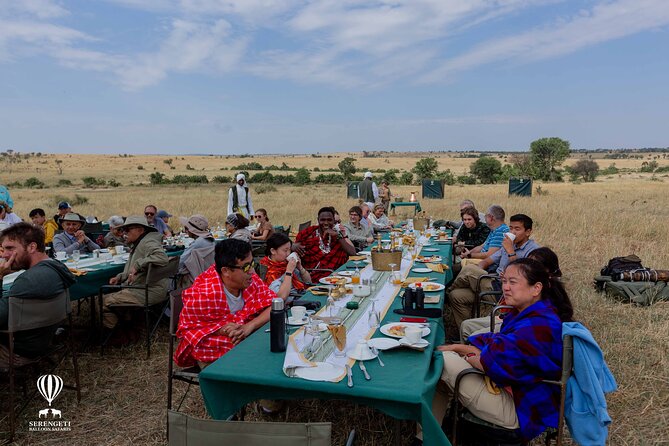
Most people underestimate how much your body relies on logistics working smoothly. This tour includes all the big meal blocks, with dinner, breakfast, and lunch across the five days. The day’s structure also supports what you feel on safari: early starts for wildlife movement, long drives when needed, and then a return to lodging at the end of the day.
One meal detail I like is the mention of hot meals not in lunch boxes. On safaris, “included lunch” can sometimes mean you get something that feels like you are eating on the run. Hot lunch plus a packed hot lunch on the Serengeti day helps you keep energy without constantly searching.
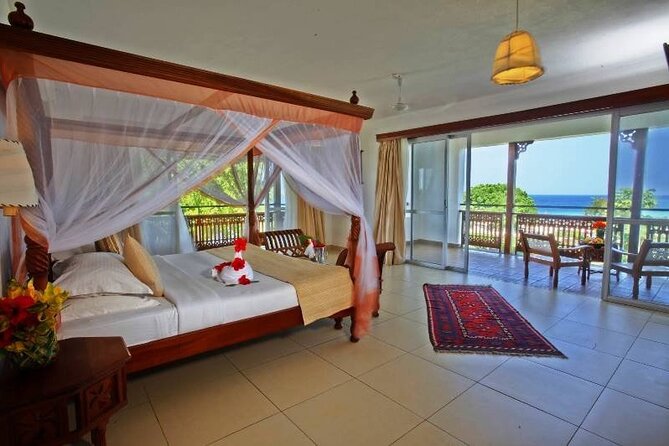
For evenings, you have two different lodging contexts described. You return to Seronera camps after the Serengeti day, then you stay at Lake Manyara Africa Safari lodge after Ngorongoro. That gives you a chance to reset before the next wildlife focus.
If you’re a person who needs downtime, the evening routines are your decompression window. Use it to rest eyes after long scanning time. Safari days can blur together, so a proper dinner and sleep actually help you enjoy what comes next.
Who this tour suits, and who might want a different fit
This experience fits best if you want both wildlife and culture in one trip and you like having your days planned for you. The private group setup and pickup help reduce the mental load.
It is also a strong choice for:
- First-time Tanzania visitors who want the big safari highlights without stitching together three separate bookings
- Families, including mixed ages, since the schedule is structured and the operator style is described as careful and organized
- Travelers who care about local community support, since the school visit with stated 20% profit support is part of the day
You might rethink it if:
- You hate early starts and long road days
- You prefer to spend more nights in one park area rather than covering several parks quickly
- You want zero cultural components and only wildlife (this includes a full Maasai village day)
If you get Eric, Kelvin, or Kipe: how to use the guides to your advantage
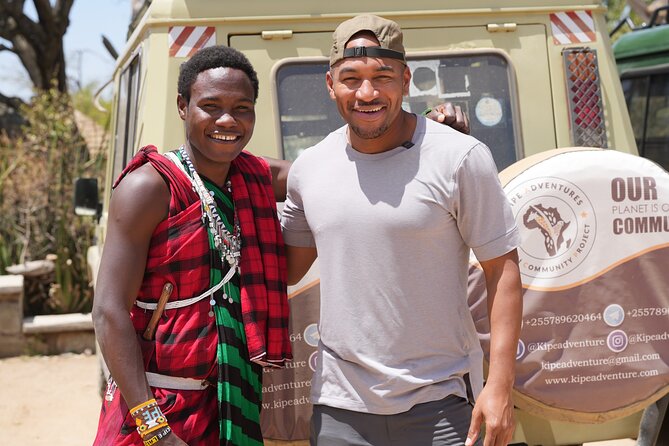
Guides can make or break safari days. In the reviews, Kipe is repeatedly praised, and Eric and Kelvin are specifically named as helpful in at least one positive account. Instead of treating that as luck, treat it as a prompt to use your guide as a tool.
Here are smart things you can do:
- Ask what animals they’re targeting today, and what conditions might affect sightings
- Request a brief explanation of why you’re moving from one spot to another
- On the Maasai day, ask about day-to-day life and values, not just ceremonial items
Your best safari memory often comes from a guide helping you interpret what you’re seeing, like how river access drives Tarangire wildlife, or why timing and space matter on Serengeti.
Should you book this 5-day safari and Maasai village experience?
Book it if you want a tightly planned Tanzania trip that hits Tarangire, Serengeti, and Ngorongoro in five days, then adds a Maasai village day that goes beyond a quick stop. The meal coverage, the fact that entry tickets are listed as free, and the full-day Serengeti component make it feel like a real safari package rather than a skim-through itinerary.
Consider a different option if your top priority is maximum comfort with minimal driving, or if you want more free time with no set structure. You are trading flexibility for focus.
If you decide to go, do two things before you arrive: pack for early mornings (layers, hat, water), and go in with respectful curiosity for the Maasai day. Done right, this is the kind of trip that leaves you talking about more than animals, including how people live beside the wildlife you came to see.
FAQ
Where does this tour start and end?
It starts in Arusha, Tanzania, and ends back at the meeting point.
Is pickup offered?
Yes, pickup is offered.
What meals are included during the 5 days?
Breakfast, lunch, and dinner are included for all five days (breakfast 5, lunch 5, dinner 5).
Are park entrance tickets included?
Admission ticket is listed as free for the tour stops.
What is not included in the price?
Flights, tips to the driver or guide, visa, alcohol and soft drinks, and personal items are not included.
What happens if weather is poor?
The experience requires good weather. If it is canceled due to poor weather, you will be offered a different date or a full refund.
More Safaris from Arusha
- 7-Day Premium Luxury Tanzania Safari All-Inclusive
★ 5.0 · 426 reviews - 3-Day Classic Serengeti Safari
★ 5.0 · 263 reviews - 8 Days Great Wildebeest Calving Migration Safari from Arusha
★ 5.0 · 254 reviews - Group Safari 7 Days in Tanzania’s Main Parks
★ 5.0 · 240 reviews
Just posted around Arusha
- 8 Days Serengeti Migration safari★ 5.0 · 11 reviews
- tarangire & ngorongoro 2 days tour★ 5.0 · 14 reviews
- serengeti, ngorongoro & tarangire 4 days private tour★ 5.0 · 18 reviews
- tarangire, ngorongoro & lake manyara park 3 days private tour★ 5.0 · 11 reviews
- Mt. Kilimanjaro: Shira plateau to Cathedral point 3872m Day hike★ 5.0 · 7 reviews
- serengeti & ngorongoro 3 days private tour★ 5.0 · 15 reviews
- climb the KILIMANJARO via Lemosho route★ 5.0 · 4 reviews
- Kilimanjaro Waterfalls Hike & Moshi Hot Springs Day Trip Tour★ 5.0 · 4 reviews
Maasai Village Visits, compared.
5 Days Camping Tarangire, Serengeti & Ngorongoro crater & Visiting Maasai
Read our review →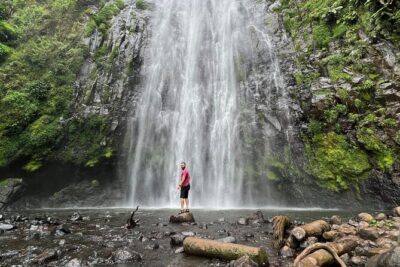
Maasai village visit, Materuni waterfalls & coffee experience
Read our review →5 Days Camping Tarangire, Serengeti & Ngorongoro crater & Visiting Maasai
Read our review →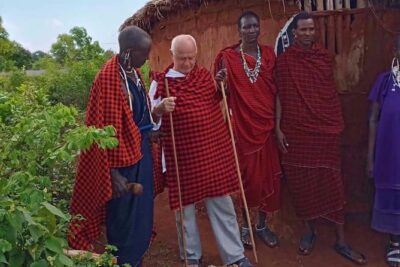
7-Day Private Tanzania Safari with Sunset Walking on the Crater Rim and Maasai
Read our review →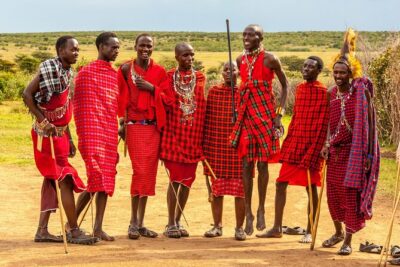
Maasai village visit and Chemka hot-springs with hot lunch.
Read our review →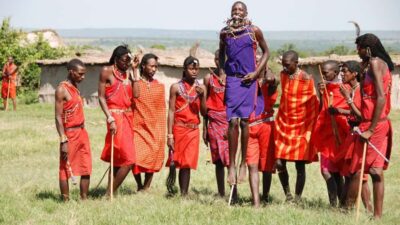
Maasai Village Visit, Waterfalls, & Coffee Tour
Read our review →Browse the lists this tour appears in