
Reviewed · SERENGETI SAFARIS
4 Days Tarangire, Serengeti, Ngorongoro Group Camping Safari
Elephants and crater lions in four days. I like the Tarangire setup for big elephant herds and baobab trees, and I like the Ngorongoro Crater odds of seeing the Big Five in one volcanic bowl. One caution, a few past guests flagged that the safari vehicle experience can vary, so I’d ask about comfort before you lock it in.
What makes this trip work is the pace and the camp rhythm. You get game drives both in the day and around sunrise, then you reset with real time outside, the kind where you can hear the bush doing its thing after dinner.
The trip also aims for authentic camping rather than hotel convenience. If you have a sensitive back, hate early mornings, or want cushy roads, this may feel like a lot, since the itinerary includes long drives between parks.
In This Review
- Key Things That Make This Safari Worth Your Time
- Four Days, Three Parks: The Safari Loop That Builds Excitement Fast
- Starting in Arusha, Then Switching Gears in Tarangire
- Day 1: Tarangire game drives, then camp under the stars
- Tarangire National Park: Elephants, Baobabs, and Why This First Stop Matters
- The Tarangire camp reality
- Serengeti National Park: Afternoon Wildlife, Then Sunrise Predators
- Day 2: Serengeti afternoon game drive and camp set-up
- Day 3: Sunrise game drive, then Ngorongoro Crater direction
- Ngorongoro Crater: The UNESCO Bowl Where Big Five Odds Go Up
- Day 4: Descend into the crater for a full game drive
- Evening wrap-up in Arusha
- Camping Under Canvas: What Included Meals and Weather Really Mean
- Packing that works for real game drives
- Vehicles, Group Size, and Guides: The Human Part of the Safari
- When the guide is excellent, your sightings improve
- A fair note about vehicle comfort
- Price and Value: Is $1,150 Fair for a 4-Day Camping Safari?
- Why the price can still feel worth it
- Safari Etiquette and Rules That Affect Your Photos
- Clothing and gear you should not skip
- Who This Safari Fits Best, and Who Should Consider Another Plan
- Should You Book This 4-Day Tarangire, Serengeti, Ngorongoro Camping Safari?
- FAQ
- What parks are included in this 4-day safari?
- Where does the safari start and end?
- Is park entrance and safari transportation included?
- Are meals and accommodation included while camping?
- What are the group and language details?
- What rules should I follow for wildlife viewing?
Key Things That Make This Safari Worth Your Time
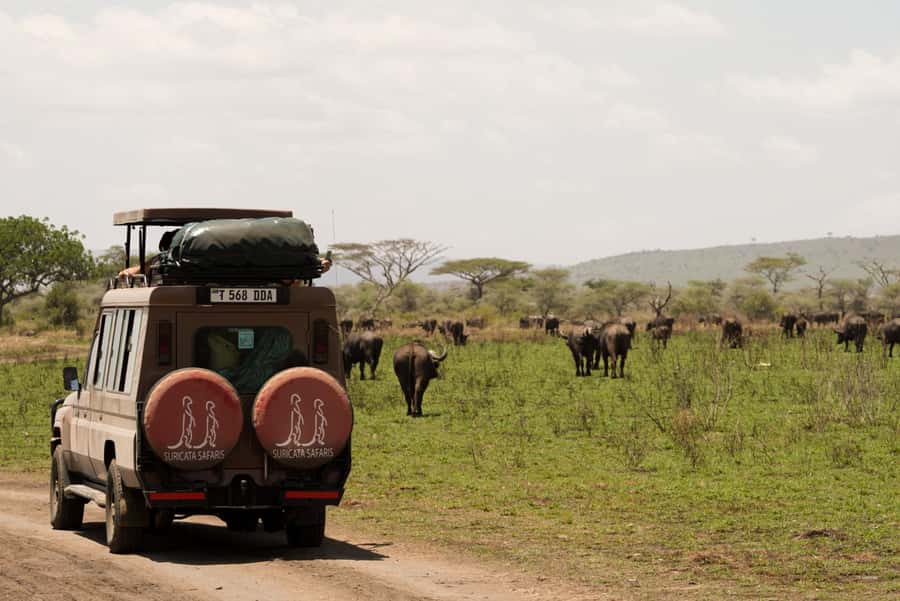
- Tarangire elephant herds with classic baobab scenery and strong photo chances
- Serengeti sunrise game drive timed for active predators
- Ngorongoro Crater descent into a UNESCO caldera for high-density wildlife
- Small group up to 6 for a more personal game drive feel
- Camping plus meals included, so your days run smoothly without constant logistics
- English-speaking guidance, with shared binocular time during drives
Four Days, Three Parks: The Safari Loop That Builds Excitement Fast
This is a tight circuit that strings together Tanzania’s three biggest “wow” areas: Tarangire first, then Serengeti, then Ngorongoro Crater. Doing it in four days means you trade a slower route for more sightings across different habitats and wildlife moods.
You start in Arusha, then head straight into Tarangire the first day. After that, the trip keeps moving so you’re not stuck in one park for too long, which is great if you want variety without waiting a full week.
One smart detail here is how the days alternate between driving and actual time in the parks. You’ll have both morning and afternoon options, plus that critical early start for the sunrise drive.
More camping safaris from Tanzania:
- 4 Days Group Camping Safari
★ 5.0 · 1,101 reviews - 5 Days Group Camping Safari
★ 5.0 · 730 reviews - 3 Days Serengeti & Ngorongoro Group Camping Safari
★ 5.0 · 574 reviews
Starting in Arusha, Then Switching Gears in Tarangire
You’ll get picked up in Arusha, with a representative meeting you at the reception holding a sign with your name. That first handoff matters more than people think, because it reduces that pre-safari stress when you’re trying to figure out where you’re supposed to be.
From there, the plan is an early departure toward Tarangire National Park. The first game drive is usually your best chance to get your eyes trained quickly, because elephant herds and baobabs give you obvious reference points and lots of movement.
Day 1: Tarangire game drives, then camp under the stars
The schedule is straightforward: a morning drive, a lunch in the park, then another game drive in the afternoon. That gives you two shots at animal activity instead of just one, which helps when wildlife decides to take the day off.
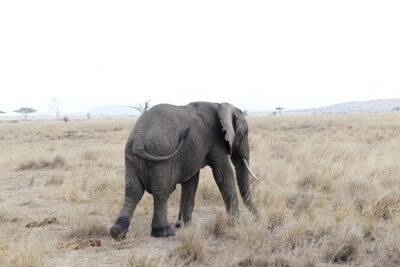
Tarangire’s reputation for elephants is built on more than just size. Large herds show up often enough that you can watch family groups move and regroup, and baobab trees turn a plain sighting into a real scene. After the park time, you head to your camp for the night, with that classic “bush sounds first, city sounds last” feeling.
Tarangire National Park: Elephants, Baobabs, and Why This First Stop Matters
Tarangire hits you early, and that is a plus. On your first day, you’re still learning how game drives work, how spotting happens, and how the guide reads animal behavior.
You’re likely to notice how the elephants and the landscape elements help your brain “lock on” faster. Baobabs give scale. Elephants give energy. Together they make it easier to spot action even if you’re new to safari watching.
This park also functions like your training ground. By the time you’re in the Serengeti, you’ll already know the basics: where to sit, how to keep your camera ready, and why patience matters more than sprinting after a rumor.
More Tarangire safaris:
- 5-Day Highlights mid-Range Crater, Serengeti, Tarangire
★ 5.0 · 296 reviews - Private 6-Day Tarangire Manyara Crater and Serengeti with Mid-Range Lodges
★ 5.0 · 238 reviews - 5 Days Camping Tarangire, Serengeti & Ngorongoro crater & Visiting Maasai
★ 5.0 · 229 reviews - 4 Days Join Group tour Tarangire Serengeti and Ngorongoro crater
★ 5.0 · 219 reviews
The Tarangire camp reality
Camping here is part of the value. You’re not just passing through, you’re staying close to the wild places you’re driving through. Just remember this is camping, so expect a more basic setup than a lodge, plus cooler night air.
The good news is that the itinerary includes accommodation and meals, so you don’t spend the day hunting for dinner plans or figuring out what to do after dark.
Serengeti National Park: Afternoon Wildlife, Then Sunrise Predators
Day 2 shifts you from Tarangire into Serengeti National Park by car. The drive itself gives you changing views across Tanzania’s scenery, and then you’re right into an afternoon game drive once you arrive.
Afternoons in the Serengeti can be great for big visibility. You get wide-open plains where animals move in ways that are easy to track with the naked eye, and your guide can steer you toward where activity is building.
Day 2: Serengeti afternoon game drive and camp set-up
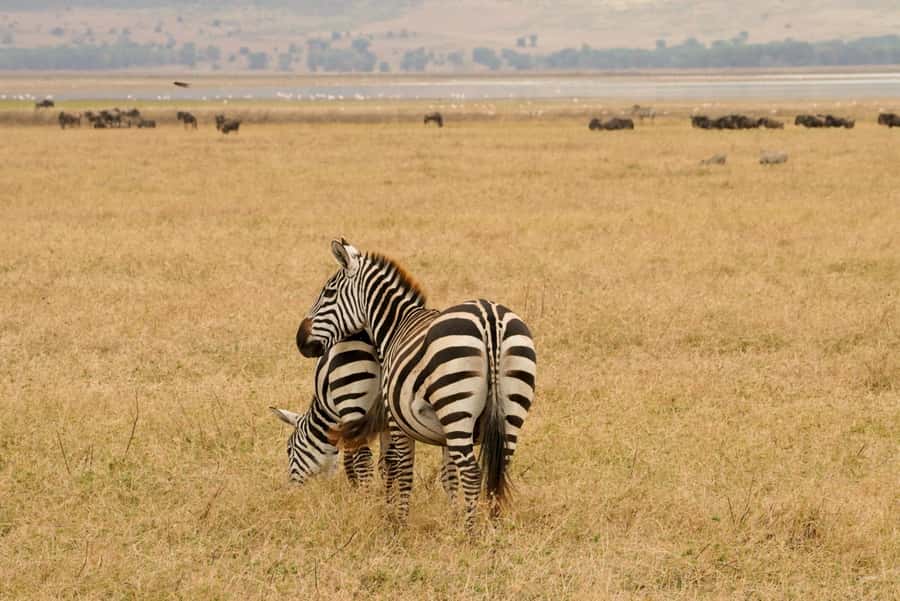
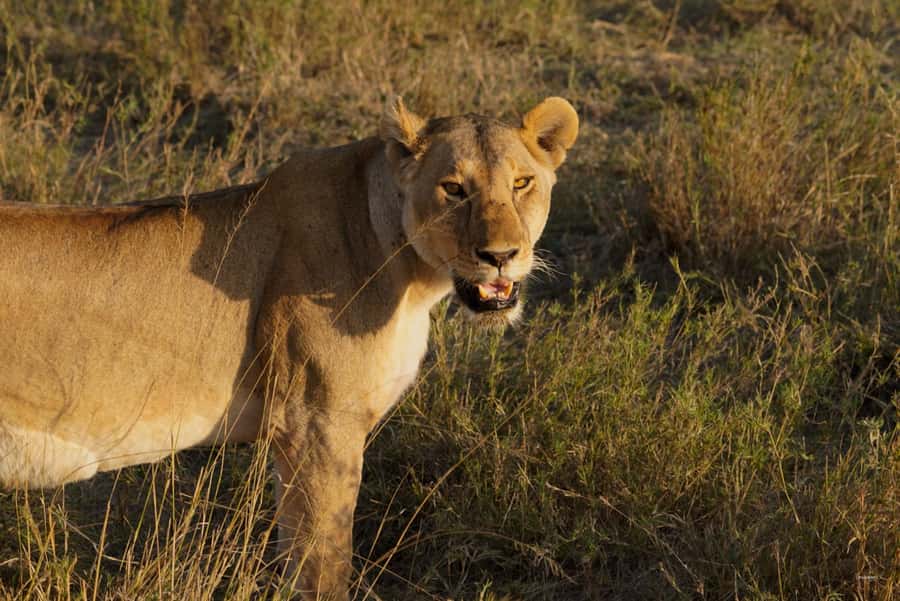
You’ll look for lions, cheetahs, zebras, and more. With that kind of mix, the key is having time on your side, and the afternoon slot gives you time to watch rather than rush.
That night, you camp in the Serengeti. Being out there overnight changes the feel of the trip. The sounds remind you you’re not in a theme park, and that wildlife is simply living its normal schedule.
Day 3: Sunrise game drive, then Ngorongoro Crater direction
Day 3 is where the trip earns its seriousness. You start with a sunrise game drive in the Serengeti, which is timed for predators on the move.
Even if you’ve seen lions elsewhere, sunrise changes the light, and it changes how animals behave. It’s also a morale booster. You often feel like you’re catching the Serengeti in the first moments of the day, before the heat and movement patterns fully shift.
After the sunrise drive, you return for lunch, then head toward Ngorongoro Crater. The drive includes big, dramatic change in scenery as you get closer to the crater area, and then you arrive at camp near the crater for the evening.
Ngorongoro Crater: The UNESCO Bowl Where Big Five Odds Go Up
The Ngorongoro portion is the headline for many people, and for good reason. The crater is a UNESCO World Heritage site and it’s famous for high wildlife density in a closed caldera setting.
Day 4: Descend into the crater for a full game drive
On the final day, you descend into the crater for a wildlife game drive. The plan is simple: go down, watch, and then come back up for the drive to Arusha in the afternoon.
This is where you aim for a dense mix of species. The tour highlights Big Five viewing as a goal, and in the best cases the crater delivers exactly that kind of “all in one place” feeling. Even when everything isn’t perfect, the crater environment itself makes sightings feel more concentrated.
Evening wrap-up in Arusha
You don’t finish late. You drive back to Arusha arriving in the afternoon, with a day that balances safari time and getting home before the next day’s obligations.
Camping Under Canvas: What Included Meals and Weather Really Mean
Camping is the main style here, and it affects comfort and packing. The itinerary includes accommodation and meals during the safari, plus mineral water during the trip. That is real value because it prevents the “surprise costs” that can pop up when camping is not fully organized.
Night temperatures can drop to around 5°C, so you’ll want actual layers, not just a thin jacket. Neutral color clothing is recommended, and a warm sweater, socks, and a jacket make the difference between enjoying the evening and feeling miserable while you wait for sleep.
Packing that works for real game drives
You have a luggage limit of 10kg per person. Additional luggage can be stored at the hotel storage room, and duffel bags are recommended, which makes it easier to manage bags in a vehicle.
Mosquito control is part of the plan. The trip guidance recommends mosquito repellent with a high mint concentration. You’ll also want to dress in neutral colors, because bright colors can be an issue under safari rules.
If you forget binoculars, that’s not a deal breaker. The guide is set up to share binoculars in the vehicle, and one past experience mentioned equipment support before departure.
Vehicles, Group Size, and Guides: The Human Part of the Safari
This is a small-group safari, limited to 6 participants. That helps the guide manage spotting and it keeps the vehicle time from feeling chaotic. In a large group, it’s easy for one person to miss something, and then spotting becomes harder.
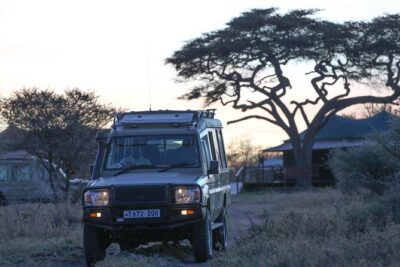
The tour runs with a 4×4 safari vehicle and an English-speaking guide. That matters because safari success is often about interpretation, not just eyesight.
When the guide is excellent, your sightings improve
Two guide names stand out from the experience feedback: Steve and Anthony. One account praised Steve as friendly and credited the guide with making the trip fantastic, including seeing all of the Big Five and enjoying strong food with an excellent camping setup.
Another experience highlighted Anthony’s cheerful style and his guidance even on rough paths. It also mentioned a personal chef preparing delicious meals three times a day, which is a big deal when you’re camping and relying on the schedule to stay on track.
A fair note about vehicle comfort
One caution from past feedback: someone described the cars as terrible. That doesn’t mean every departure is the same, but it does mean you should treat comfort as a question worth asking.
If you’re sensitive to bumpy roads, it helps to plan for that reality. The trip is also not suitable for people with back problems, and that is a strong clue that rough driving is part of the experience.
Price and Value: Is $1,150 Fair for a 4-Day Camping Safari?
At $1,150 per person for four days, this sits in the “organized safari” range, not the “cheap DIY” category. The best way to judge value is to look at what’s included.
Included items cover the big cost drivers for a safari: 4×4 transportation, a professional English-speaking guide, park entrance fees, accommodation and meals, and mineral water during the safari. If you tried to piece those together yourself, you’d likely spend time and money on multiple booking steps, and you might still end up with weaker coordination between parks.
What’s not included is also clear: visa, international and domestic flights, and travel insurance. That means the headline price is only part of your total budget, and you’ll need to add flights and insurance on top if they apply to you.
Why the price can still feel worth it
You’re paying for three things that cost money and time in Tanzania safari planning: park access across multiple regions, a guide who can read wildlife behavior, and a camping setup that does not fall apart after sunset.
If your priority is maximum wildlife time in multiple parks and you want a small-group pace, this kind of package is often a good match.
Safari Etiquette and Rules That Affect Your Photos
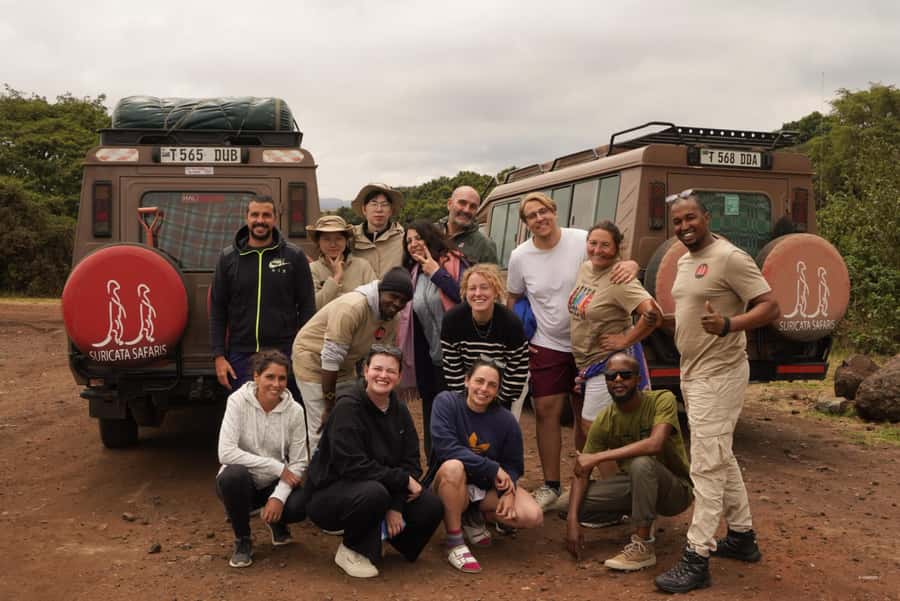
This trip comes with clear guidelines for safety and animal respect. You’re not allowed to feed animals, touch animals, or wear bright colors.
Those rules are not just for show. Feeding and touching can harm wildlife behavior and can create unsafe situations. Bright colors can make animals harder to approach or can interfere with guide strategy, depending on the area and animal response.
Clothing and gear you should not skip
Neutral colors are recommended, and the tour emphasizes packing for cold nights. I’d treat this like a “bring layers” trip, even if you assume Tanzania will be hot during the day.
Also keep your expectations realistic about binoculars. You might find it helpful to bring your own if you’re picky about lens quality, but the guide may share binoculars in the vehicle.
Who This Safari Fits Best, and Who Should Consider Another Plan
This experience is best for wildlife-focused people who can handle early starts and long drives. It suits you if you want camping and you’re okay with a more rugged day-to-day compared with a lodge safari.
It is not suitable for people with back problems, wheelchair users, babies under 1 year, or people over 95 years. That list tells you the driving and vehicle environment can be demanding.
If you hate any kind of roughness, you’ll want to think carefully before booking, especially given the note about a vehicle experience. On the other hand, if you’ve done safari before and you love the idea of camp nights in the wild, this itinerary is a strong fit.
Should You Book This 4-Day Tarangire, Serengeti, Ngorongoro Camping Safari?
I’d book it if you want a classic Tanzania circuit with camping built into the plan and you care about seeing wildlife across different ecosystems. The structure is efficient: Tarangire to train your eyes, Serengeti for big predator energy, then Ngorongoro for concentrated crater viewing.
I’d be cautious if you need high comfort in the vehicle. Even with a small group, the trip relies on 4×4 driving and it is not designed for people with back issues.
If you do book, a smart move is to ask about vehicle comfort when you confirm your departure. Also pack for cold nights and follow the safari rules on colors and animal contact. With that done, you’re setting yourself up for a safari that feels like Africa lived in, not just photographed.
FAQ
What parks are included in this 4-day safari?
The itinerary includes Tarangire National Park, Serengeti National Park, and Ngorongoro Crater.
Where does the safari start and end?
The safari starts and ends in Arusha.
Is park entrance and safari transportation included?
Yes. Park entrance fees are included, and you get 4×4 safari vehicle transportation during the safari.
Are meals and accommodation included while camping?
Yes. Accommodation and meals during the safari are included, and mineral water is provided during the safari.
What are the group and language details?
The safari is limited to a small group of up to 6 participants, and it runs with an English-speaking guide.
What rules should I follow for wildlife viewing?
Feeding animals, touching animals, and wearing bright colors are not allowed.
More Ngorongoro Crater Trips
- 4-Day Safari from Arusha: Tarangire, Serengeti and Ngorongoro
★ 5.0 · 173 reviews - 2 Days Tarangire and Ngorongoro Group Camping Safari
★ 5.0 · 146 reviews - 4 Days Tarangire Serengeti Ngorongoro Crater
★ 5.0 · 117 reviews - 3 Days Tarangire, Ngorongoro & Lake Manyara Group Camping Safari
★ 5.0 · 102 reviews
More Serengeti Safaris
- Serengeti Balloon Safari and authentic bush breakfast
★ 5.0 · 2,480 reviews - Balloon Safari & Bush Breakfast in Serengeti – Miracle Experience
★ 5.0 · 1,646 reviews - Safari Serengeti And Ngorongoro
★ 5.0 · 288 reviews - 3-Day Classic Serengeti Safari
★ 5.0 · 263 reviews
Just posted around Tanzania
- Full Day Safari to Mikumi National Park from Zanzibar with Lunch★ 4.5 · 3 reviews
- Dolphin Watching Tour & Josani Forest Sea Trip – Zanzibar★ 4.5 · 3 reviews
- Stonetown Private Half-day Walking Tour★ 5.0 · 21 reviews
- Come and taste the Zanzibar feelings★ 5.0 · 12 reviews
- Cooking Class Tour★ 5.0 · 9 reviews
- Cultural Walking Tour through Stonetown, a UNESCO World Heritage Site★ 4.5 · 14 reviews
- Private Catamaran – Stone Town Islands & Sandbanks (5 hrs)★ 5.0 · 10 reviews
- Cave Tour & Rock Restaurant Visit★ 3.5 · 5 reviews
Serengeti Safaris, compared.
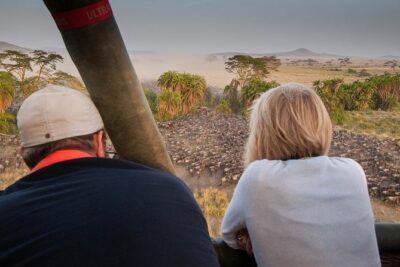
Serengeti Balloon Safari and authentic bush breakfast
Read our review →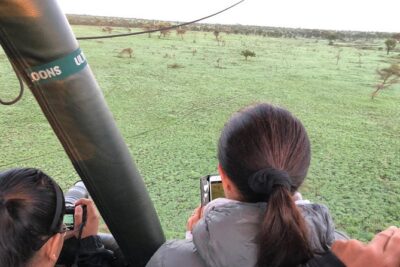
Balloon Safari & Bush Breakfast in Serengeti – Miracle Experience
Read our review →
3 Days Serengeti & Ngorongoro Group Camping Safari
Read our review →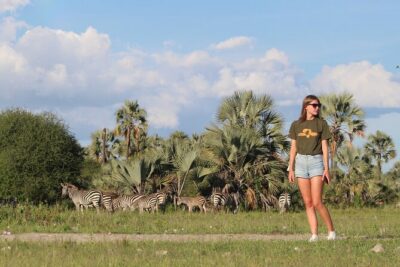
5-Day Highlights mid-Range Crater, Serengeti, Tarangire
Read our review →
Private 6-Day Tarangire Manyara Crater and Serengeti with Mid-Range Lodges
Read our review →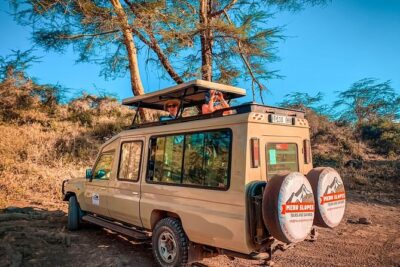
5 Days Camping Tarangire, Serengeti & Ngorongoro crater & Visiting Maasai
Read our review →Browse the lists this tour appears in