Reviewed · SAFARIS IN ARUSHA
4: days Big five safari
One great safari feels like a string of perfect wildlife moments. This 3-day northern circuit is built around Tarangire, Ngorongoro, and Lake Manyara, with park fees, meals, and game drives handled so you can focus on animals. I especially like the use of open-roof Land Cruisers for better sightings and the inclusion of an English-speaking guide plus binoculars and wipes. The main consideration is timing and drive time, since the parks are spread out and you will spend real hours in the vehicle.
A big-five safari in Tanzania is less about a checklist and more about positioning, patience, and the right landscape for each species. Here, the plan aims your best chances at the places where those animals tend to show up, including the Ngorongoro crater floor and its famous black rhino presence. If you hate early mornings or packed days, this route may feel intense.
That said, for a first trip or a repeat safari, it is a strong value way to see multiple park “styles” without extra hassle. You also get practical extras like a mobile ticket, pickup offered, and private group service (up to 6 people), which keeps things moving and personal.
In This Review
- Key highlights to notice before you go
- Entering the safari loop from Arusha, and why the timing matters
- Open-roof Land Cruiser game drives, and how you make the most of them
- Tarangire National Park: elephants, river life, and the armed-ranger walk
- Ngorongoro Conservation Area: the crater descent and why the black rhino fits here
- Serengeti and Maasai village stops: what to expect from the route concept
- Lake Manyara National Park: tree-climbing lions, hot spring views, and lake edges
- Price and what is actually included, so you can judge value fast
- Practical fit: who this Big Five safari works best for
- The human factor: guides you may meet and why it matters
- Should you book this Big Five safari?
Key highlights to notice before you go
- Open-roof Land Cruisers with fridge and inverter, built for long hours without feeling trapped
- Armed-ranger walk in Tarangire, adding a more grounded, hands-on park experience
- Ngorongoro descent of about 600 meters for crater-floor game drives
- Big Five targeting, with black rhino specifically tied to Ngorongoro in the plan
- Tree-climbing lions as a Lake Manyara signature to look for
- Hot springs stops at Ngorongoro and Lake Manyara for quick, scenic breaks
Entering the safari loop from Arusha, and why the timing matters
This trip is designed as a tight northern loop starting in Arusha and working through three major wildlife areas. You will start around 8:00 AM on the first day, then follow a similar early pattern the next mornings. That matters because animals are often most active in the cooler hours, and game drive rules usually work best when you arrive early.
Also, the route is not short. Tarangire is about a 2.5-hour drive from Arusha, so expect the day to be structured around travel plus prime viewing blocks. If you plan your expectations like that, the pace feels purposeful, not exhausting.
You are in a private tour format for your group (up to 6). Private does not mean fancy, it means you can typically move based on what your guide sees rather than waiting for a big group’s slow decisions. That is where the trip can feel more efficient for spotting cats and other fast movers.
More Safaris in Arusha
- Balloon Safari & Bush Breakfast in Serengeti – Miracle Experience
★ 5.0 · 1,646 reviews - 4 Days Group Camping Safari
★ 5.0 · 1,101 reviews - 5 Days Group Camping Safari
★ 5.0 · 730 reviews
Open-roof Land Cruiser game drives, and how you make the most of them
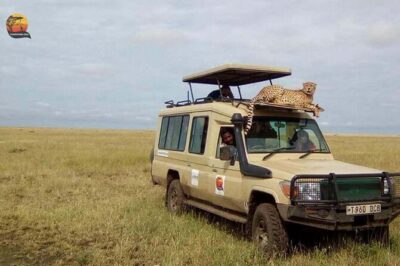
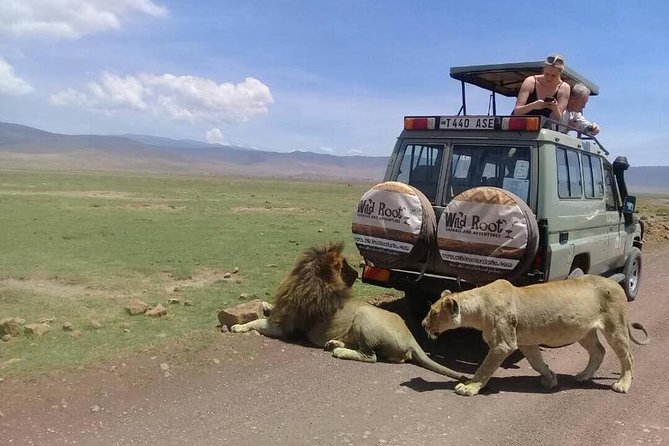
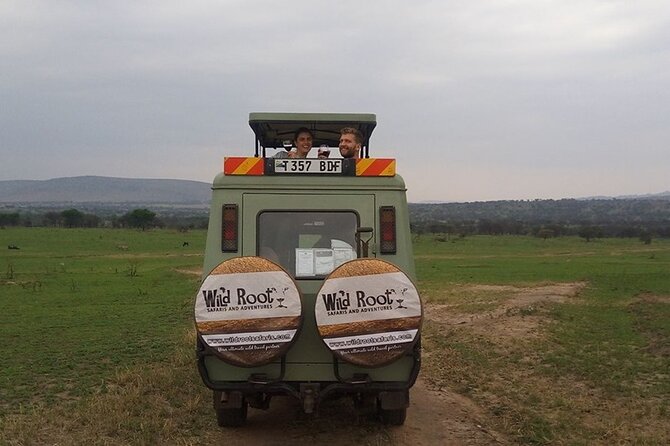
The transport is a pop-up roof Land Cruiser with a fridge and inverter. This is one of those details that sounds small until you are doing multiple days in the vehicle. Open-roof driving helps you get better angles for wildlife photography and just makes it easier to spot action around the edges of the road.
Binoculars are included, as are wipes. Again, not glamorous, but this is the stuff that helps during dustier drives and longer sessions outside the vehicle. If you wear a hat, bring sunscreen, and plan for sun plus wind, you will be happier even with a good vehicle.
One more practical point: you can only do so much from the road. The best safari mindset is to keep scanning, then trust your guide’s calls. With an English-speaking guide included, you should be able to ask questions in plain terms, especially about animal behavior, where to look, and why the driver might position the vehicle a certain way.
Tarangire National Park: elephants, river life, and the armed-ranger walk
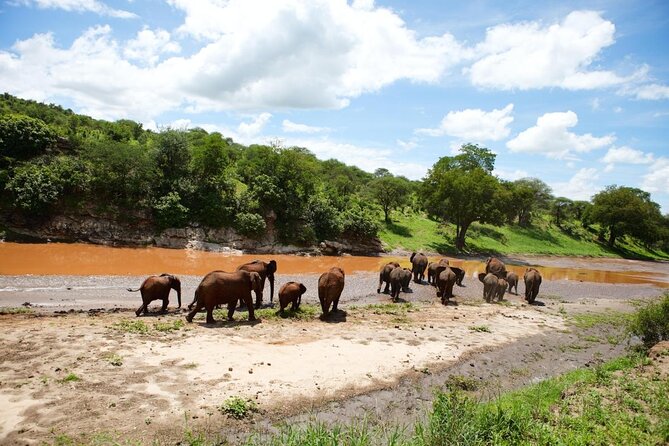
Tarangire National Park is a great first stop because it has a distinct animal identity. The park is strongly associated with elephants and with animals concentrating around water, especially near the Tarangire River. In the July to October window, the plan points out that you may find many animals close to the river, and that is often when you can catch wildlife movements and activity near the water.
What I like about starting here is the rhythm. You are not immediately locked into crater terrain or lakeside views. You get wide open spotting, lots of birds, and a strong chance at the classic “big Tanzania” images.
There is also a walk with an armed ranger in the park. That adds something different from pure vehicle game drives. It also tends to slow you down in a good way, helping you learn how plants, tracks, and small wildlife activity connect to what you later spot from the road. It is also a nice reminder that safaris are not only about big moments, they are about the whole system.
A realistic note: Tarangire can still feel like a long day, because it is a full 8-hour experience block on the first day. If you are sensitive to heat, dust, or early starts, pack like you mean it: light layers for morning, sun protection, and a way to stay comfortable through the mid-day viewing window.
Ngorongoro Conservation Area: the crater descent and why the black rhino fits here
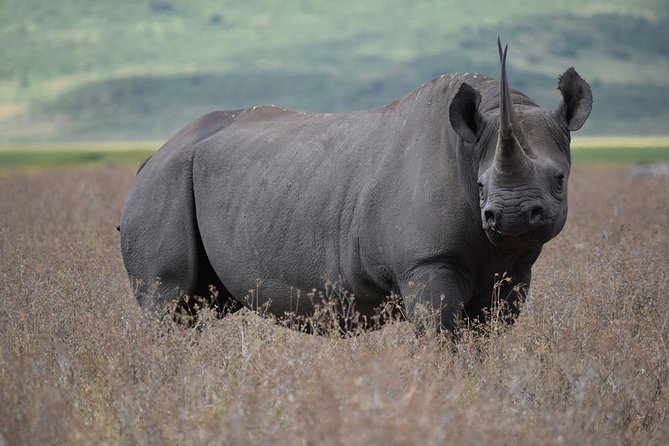
Ngorongoro Conservation Area is built around one headline feature: you descend about 600 meters into the crater floor for game drives. That drop changes everything. It creates a natural bowl effect, and it is one of Tanzania’s most dependable places for dense wildlife viewing in a compact area.
The plan describes the crater floor as supporting over 2500 species of fauna and flora, including an emphasis on the black rhino as the endangered species you are targeting. The Big Five framing matters here. Lions, elephants, buffalo, and the black rhino are specifically tied into this area in the trip concept.
What I find most useful for your planning is how you imagine the day. The schedule is not just driving. It includes early breakfast, then a full day in the conservation area, plus a change of setting from high viewpoints to crater floor movement. You also stop for packed lunch and include a visit connected with ngoitok kitok hot spring views, where hippos are mentioned, plus aquatic birds at the lake area.
You should also know that crater game drives can be intense in the best way. Wildlife can be close and frequent, but you will spend a lot of time scanning and reacting to new sightings. If you tend to get impatient waiting for something big to happen, give yourself mental permission to enjoy the smaller stuff too, like hyenas, jackals, and the constant background birdlife.
One more consideration: you will likely be coordinating a long day of driving plus elevation changes. If you get motion sickness, bring a remedy. If you have knee or mobility issues, the crater transitions can be tiring. The plan does not call out special assistance, so plan conservatively.
More safaris from Arusha:
- 3 Days Serengeti & Ngorongoro Group Camping Safari
★ 5.0 · 574 reviews - 7-Day Premium Luxury Tanzania Safari All-Inclusive
★ 5.0 · 426 reviews - 3-Day Classic Serengeti Safari
★ 5.0 · 263 reviews - 8 Days Great Wildebeest Calving Migration Safari from Arusha
★ 5.0 · 254 reviews
Serengeti and Maasai village stops: what to expect from the route concept
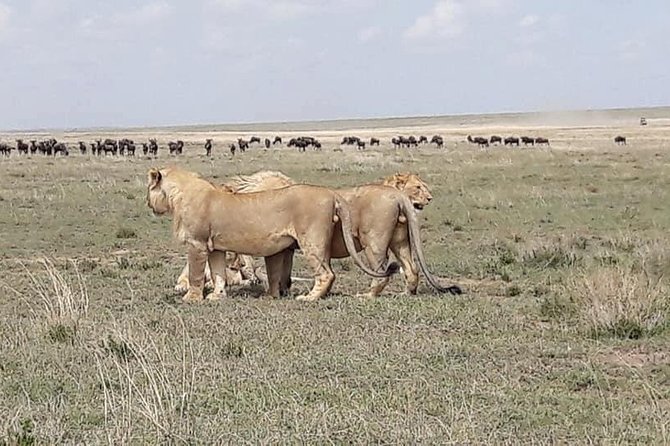
The overall safari concept is northern Tanzania classic. It includes Tarangire, time connected to the Serengeti ecosystem, and a visit to a Masai village before continuing into the crater area. Even when the day-by-day blocks focus on specific parks, the bigger idea is that you are moving through different habitats that share wildlife corridors.
This kind of route helps because you are not only chasing one “look.” Serengeti-type plains tend to favor different animal behavior than a crater floor. Plains viewing often rewards patience for predators and big herds moving in patterns across open ground. Meanwhile, the crater is about density and repeat opportunities in a smaller area.
The Masai village stop adds a cultural pause. The trip framing specifically calls it the pure heart of the Masai village, so treat it as a chance to slow down, ask questions, and connect what you see in the wild to how people live alongside it.
A practical thought: if you prefer strictly wildlife-only days, keep your expectations open. A village visit is short compared with park time, but it is still part of the plan and it will change the pace.
Lake Manyara National Park: tree-climbing lions, hot spring views, and lake edges
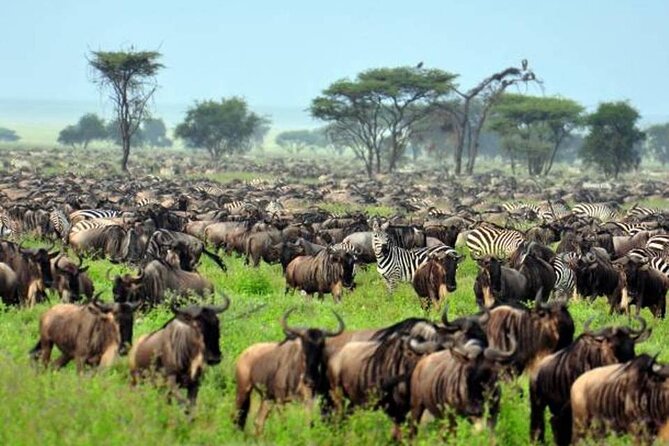
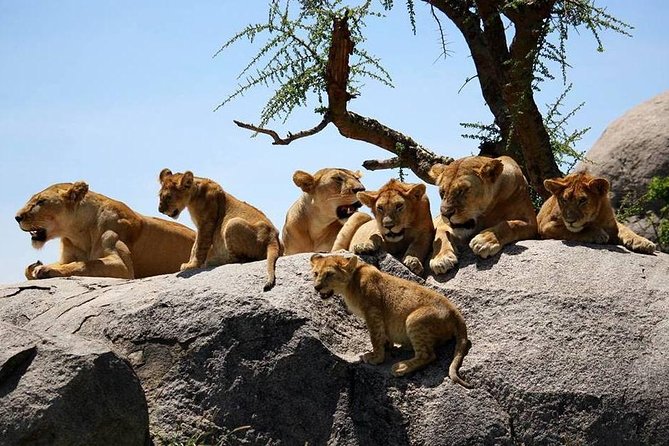
Lake Manyara rounds out the circuit with a different style of wildlife spotting. The park is associated with tree-climbing lions, plus flamingoes and lots of smaller primates and water-dependent animals. The plan also mentions baboons, monkeys, hippos, zebras, giraffes, and elephants as possible sightings.
This day is listed as 8 hours, starting around 8:00 AM. The timing matters again because Lake Manyara animals often use the early hours well, especially for feeding and movement along the lake edge.
You also visit a hot natural spring, and you get views of the lake from that area. Then you enjoy packed lunch while taking in the scenery. That hot-spring stop is a good sanity saver. After days of driving and scanning, it gives your brain a break without losing the nature focus.
The tradeoff? Lake Manyara can feel more variable than crater terrain. You might get amazing sightings, or you might get more “supporting cast” action like birds and monkeys before the big cat moment. When this happens, your best move is to stay flexible and enjoy the park’s signature ecology, not just the headline animals.
Price and what is actually included, so you can judge value fast
The price is $1,641.03 per group for up to 6 people, and it runs about 3 days. For safari pricing, value depends on what you do not have to arrange yourself.
In this plan, you get:
- 2 nights accommodation
- Breakfast, lunch, and dinner (with soft drinks mentioned)
- Transportation in pop-up roof Land Cruisers with fridge and inverter
- Park-related fees, an English-speaking guide, binoculars, and wipes
- Mobile ticket
- Pickup offered from Arusha meeting point
What is not included is also clear: local and international flights, plus tipping and laundry.
So the question becomes: does your budget include park fees and guide services? If you are comparing to options that charge those separately, this package can feel more efficient because the biggest “unknown costs” are already bundled. The biggest cost you control is your own tipping decision, plus what you spend on extras that are not listed.
One more value note: you are not just buying a ride. You are paying for multiple park days with included access items and guiding. That is exactly where a good safari operator helps, by keeping logistics smooth and getting you into the right viewing rhythm.
Practical fit: who this Big Five safari works best for
This tour style works well if you:
- Want a guided, private safari with clear daily structure
- Prefer comfort upgrades like open-roof Land Cruisers and built-in vehicle power
- Like the idea of targeting Big Five animals with emphasis on Ngorongoro for black rhino
- Are okay with early starts and a lot of driving time between parks
It can also be a strong honeymoon or first-safari choice, because the pace is intense but managed, and the included meals reduce decision fatigue. You can focus on sightings instead of food logistics.
If your travel style is slow travel with lots of free time, you might find this schedule too packed. Also, if you are chasing one specific animal, remember that wildlife sightings are never guaranteed on any safari. What this plan does well is put you where the chances are structured, especially around crater viewing.
The human factor: guides you may meet and why it matters
Even though you are booking a route, safari success comes down to people on the ground. This experience includes an English-speaking guide, and the company’s past trips highlight guides such as Mdee, Luka, and Emmanuel, plus a manager contact like Phil mentioned in airport interactions.
What to look for, regardless of the guide’s name, is how they communicate:
- clear instructions on where to look
- calm driving that keeps you positioned without panicking the animals
- respectful pacing so you do not feel rushed
The best sign of a well-run safari is when you feel like the day has a plan, and you are not left guessing what is happening next.
Should you book this Big Five safari?
Book it if you want a 3-day, Big Five focused northern safari that bundles the key pieces, and you like the practical idea of open-roof viewing, included meals, and guided park time. The route’s strongest logic is habitat variety plus targeted viewing, especially with the Ngorongoro crater descent and the emphasis on black rhino.
Hold off or ask more questions first if you are extremely sensitive to long drive days, or if you want long stretches of downtime. This safari is built for mornings, game drives, and packed experiences. It is not a slow weekend.
If you want my simple rule of thumb: if you can handle early starts and you value strong organizing over freedom, this is an easy yes. If you prefer a more relaxed pace, you may want a longer trip with fewer transfers.
Just posted around Arusha
- 8 Days Serengeti Migration safari★ 5.0 · 11 reviews
- tarangire & ngorongoro 2 days tour★ 5.0 · 14 reviews
- serengeti, ngorongoro & tarangire 4 days private tour★ 5.0 · 18 reviews
- tarangire, ngorongoro & lake manyara park 3 days private tour★ 5.0 · 11 reviews
- Mt. Kilimanjaro: Shira plateau to Cathedral point 3872m Day hike★ 5.0 · 7 reviews
- serengeti & ngorongoro 3 days private tour★ 5.0 · 15 reviews
- climb the KILIMANJARO via Lemosho route★ 5.0 · 4 reviews
- Kilimanjaro Waterfalls Hike & Moshi Hot Springs Day Trip Tour★ 5.0 · 4 reviews
Safaris in Arusha, compared.
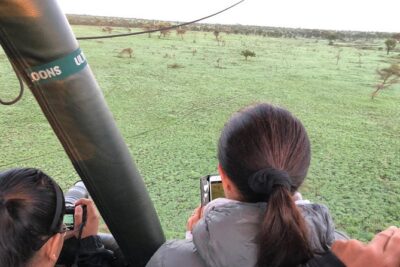
Balloon Safari & Bush Breakfast in Serengeti – Miracle Experience
Read our review →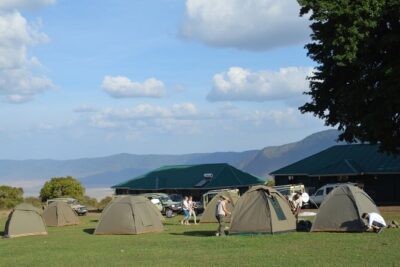
3 Days Serengeti & Ngorongoro Group Camping Safari
Read our review →
7-Day Premium Luxury Tanzania Safari All-Inclusive
Read our review →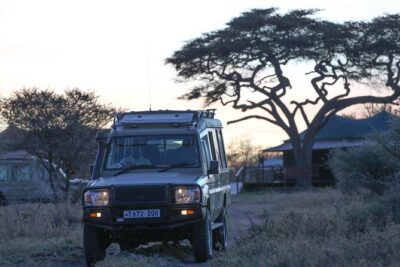
8 Days Great Wildebeest Calving Migration Safari from Arusha
Read our review →