
Reviewed · HIKING & TREKKING
3 Days Mount Meru trekking
Mount Meru tests your legs, then pays off. This 3-day hike starts in Arusha National Park, includes full meals and hut stays, and takes you to the summit at sunrise for big crater-and-Kilimanjaro views. You’ll move with a private team and you also get an armed ranger, since wildlife sightings are a real part of the trail.
What I like most is how the day-by-day format makes the climb feel doable. You’ll get real support from porters who handle and pack your hiking items, plus guidance that keeps you moving through steep sections in stages. I also like the wildlife angle on Day 1, where the route can feel like a walking safari with giraffes, zebras, buffalo, and sometimes elephants in the wider area.
One drawback to plan around: the final push happens at night. You’ll be woken at 00:30 and start the summit attempt at 1:30am, so if you’re not okay with cold, limited sleep, this may feel more intense than you expect.
In This Review
- Key things I’d focus on before you go
- Why Mount Meru is a smart Arusha summit goal
- Getting to Momella Gate, TANAPA check-in, and your ranger team
- Day 1: Walking-safari style hiking into Arusha National Park
- Day 2: Steeper ridge hiking, Mount Meru crater views, and Little Mt. Meru
- Day 3: 00:30 wake-up, 1:30am summit start, and the sunrise payoff
- What included meals and hut accommodation mean on a mountain trek
- Price and value at $800 per person
- Small-group dynamics: private feel, up to 15 people
- Who this trek suits, and who should think twice
- Should you book this 3-day Mount Meru trek with Rupia Adventure?
- FAQ
- FAQ
- Where does the Mount Meru trek start?
- What time does the experience begin?
- How long is the trek?
- What’s included in the price?
- Do I hike with a guide?
- Is an armed ranger required?
- Can I hike Little Mt. Meru on the second day?
- When do I wake up for the summit?
- How high do you reach?
- What is the cancellation policy?
Key things I’d focus on before you go
- An armed ranger is part of the trek because wildlife sightings are likely along the route
- Private guide plus porter support means less hauling and more focus on the trail and acclimatization
- Day 2 has a real acclimatization choice with the option to hike Little Mt. Meru
- The summit is timed for sunrise with the route designed to get you to the top by first light
- Small group size up to 15 keeps the experience more organized than a big trekking crowd
Why Mount Meru is a smart Arusha summit goal
Mount Meru is Tanzania’s 5th-highest peak, and it’s close enough to Arusha that it makes a great “big mountain” target without the logistics of going far from town. You’re not just hiking for the summit sign. You’re hiking through a mix of savanna-feeling trails near the gate, then into higher, harsher terrain as you gain altitude.
On a good clear morning, you’ll see the crater area and the famous Ash Tray view, with Mount Kilimanjaro visible from high on Meru. That “two mountains in one trip” payoff is a big part of why people choose this over a shorter day hike.
More Hiking Trips in Arusha
- 8-Day Small-group Lemosho Kilimanjaro Summit Trekking
★ 5.0 · 186 reviews - Mountain Kilimanjaro Day Hike
★ 5.0 · 102 reviews - Private Full Day Hiking Experience to Marangu Route
★ 5.0 · 61 reviews
Getting to Momella Gate, TANAPA check-in, and your ranger team
Your trek begins with an early start in Arusha (you’ll eat breakfast in town around 1400m), then you’ll be picked up and taken to Momella Gate in Arusha National Park. Once you arrive, your team handles the admin piece with Tanzania National Park, or TANAPA. That matters because Meru trekking follows park rules, and it helps keep the whole operation smooth.
A key detail here: the trek requires an armed ranger for the duration of the hike. This isn’t optional theater. It’s tied to the real odds of seeing wildlife near the trail. Practically, it means you hike with more eyes on safety, and you stay on the right track without wandering off to chase a photo.
You’ll also have porters organizing and packing what you carry. If you’re used to self-guided hikes where you bring everything on your back, that support can make a noticeable difference on a multi-day climb.
Day 1: Walking-safari style hiking into Arusha National Park
Day 1 starts with a climb that feels like a walking safari before it turns fully into a mountain hike. Expect the terrain to be active and animal-friendly, with chances to see giraffes, zebras, antelope, buffalo, and potentially elephants around the wider area of the trail.
The pacing on day one is important. It’s about getting your body working while you’re still fresh enough to enjoy the wildlife moments, without burning everything you have too early. In practice, this means taking short breaks when needed, keeping water going, and not sprinting when the trail tilts up.
You’ll spend about 6 hours hiking on Day 1, then you’ll move into camp life for the night. The structure is useful, because it keeps Day 1 from being a random scramble where you’re too tired to recover for the next altitude step.
Day 2: Steeper ridge hiking, Mount Meru crater views, and Little Mt. Meru
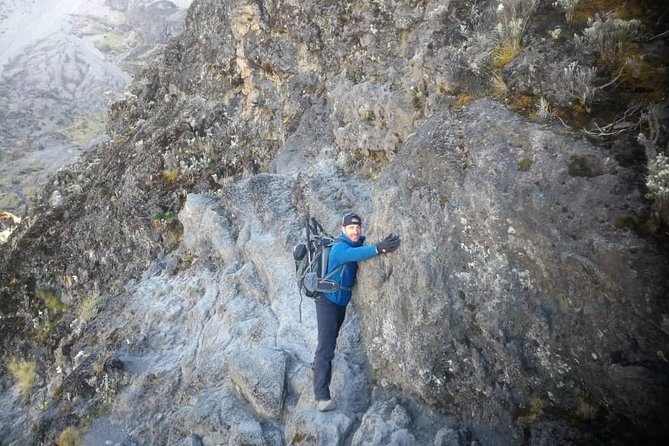
After breakfast, Day 2 turns more serious. You start ascending up steep trail along a ridge, and you’ll get views of Mt. Meru Crater and the Ash Tray area from higher points. This is the day when the scenery starts to look more “mountain” and less “savanna,” even before the summit push.
Wildlife can still show up, but this is also a day for acclimatization thinking. When you reach camp, you have an optional add-on: you can hike Little Mt. Meru, which reaches about 3820m. You’d do this with your guide to help your body adjust before the summit night.
Here’s how to make that choice in real life. If you feel strong and steady, it can be a good way to help acclimatization. If you feel unusually wiped out, go easy and focus on rest. The trek is designed for a final summit attempt, so you want to arrive rested enough to sleep.
You’ll be served an early dinner and you’re advised to get to sleep by 1900. That’s not a throwaway detail. Sleep helps you handle the next day’s wake-up at midnight.
A few more Arusha trips to compare
- 4 Days Mount Meru Trekking
★ 5.0 · 55 reviews - From Arusha/Moshi: Kilimanjaro Hike Marangu Route Day Trip
★ 4.5 · 54 reviews - 4 days Best experience Kilimanjaro Hike, Serengeti &Ngorongoro
★ 5.0 · 54 reviews - 6 Days Serengeti Safari(hiking waterfalls &coffee tour)
★ 5.0 · 48 reviews
Day 3: 00:30 wake-up, 1:30am summit start, and the sunrise payoff
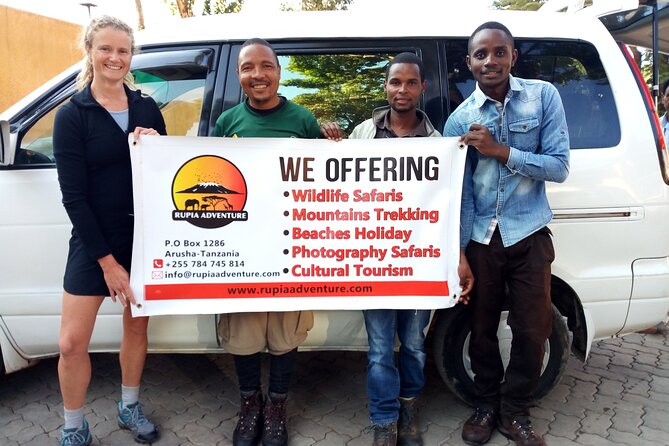
This is the crunch day. Your guide will wake you at 00:30 for tea and biscuits, then the summit attempt starts around 1:30am. You’ll begin with a steep grade, heading first toward Rhino Point (around 3800m), then on to Cobra Point (around 4350m).
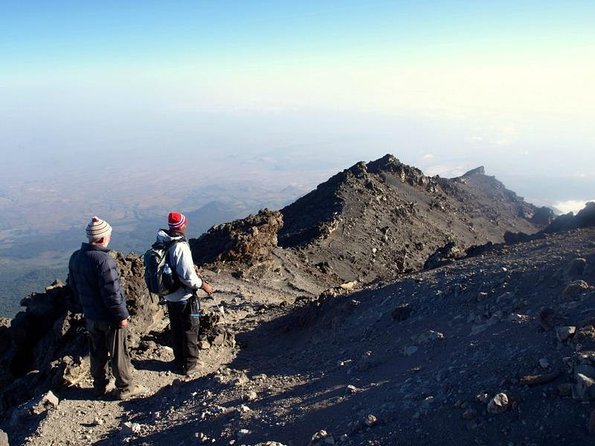
As the altitude climbs, you’ll move onto a rocky ridge section near the crater. The route includes scrambling between the crater and inner cliffs. That’s the part where your trekking poles, foot placement, and calm pace really matter. If you rush, you risk slipping or wasting energy you need for the last hour.
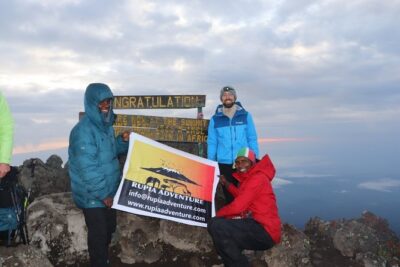
Then it happens: you reach the summit of Mount Meru (about 4565m) at sunrise. From there, you’ll get spectacular views of the Meru Ash Tray area and Mount Kilimanjaro, plus the satisfaction of making the climb in a timed window that actually delivers first light.
After sunrise, you descend back to Momella Gate and return to Arusha. The descent is longer than many people expect, but it’s also where you finally feel the relief of lower altitude after hours on the ridge.
What included meals and hut accommodation mean on a mountain trek
This trek includes all meals and hut accommodation. That’s a big value point, because food and shelter are usually the things that quietly turn a budget trek into a hassle. Here, you can plan around being fed properly, then sleeping somewhere that supports recovery.
Your team also includes people whose job is to support the hike day-to-day. Porters organize and pack items, which can reduce fatigue and let you focus on breathing and balance. The cooking support also matters because you’re operating at high altitude, and your energy is only as good as what you put back into your body.
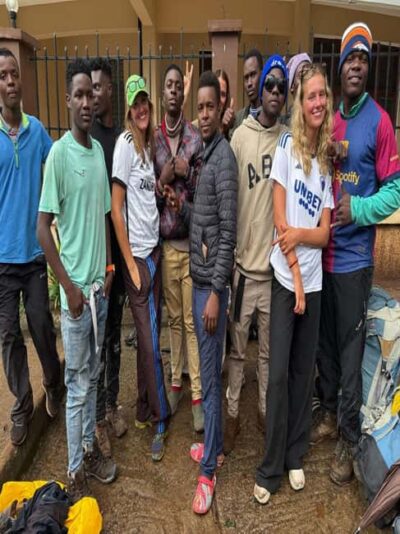
The experience level of the team can make or break your comfort. In real feedback tied to this trek, I’ve seen praise for guides who share information about mountain life, plus cooks and porters who keep things friendly and practical. One guide named Frank stood out for offering information from the start to finish about flora, fauna, and mountain life, and for keeping the team focused on everyone being comfortable.
Price and value at $800 per person
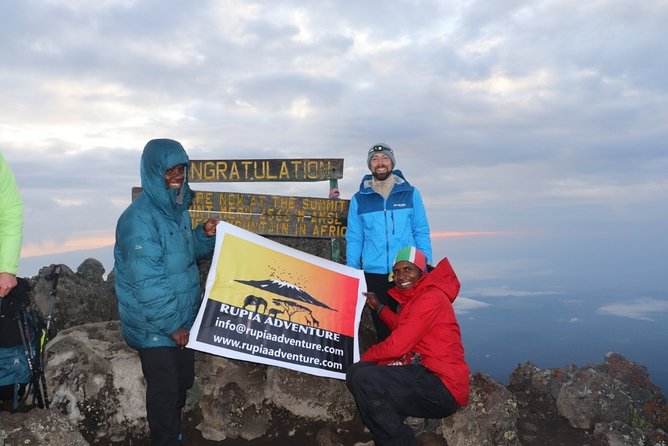
At $800 per person, the price looks mid-range for a 3-day mountain trek, but you should judge it by what’s included. Here you get pickup from your hotel area, a private guide setup, porters to manage and pack your items, all meals, hut accommodation, and admission ticket coverage. You also get the armed ranger requirement handled through the park setup.
Where value shows up:
- You’re not paying separately for park entry admissions, meals, and huts
- You have a safety layer with the armed ranger because it’s required for the wildlife conditions
- The porters reduce day-to-day physical load, which matters at higher altitude
Where you should be cautious:
- The minimum fitness requirement is real. If you’re not in good shape, you could spend the whole trek trying to survive rather than enjoying the views.
- Since summit night requires planning and cold-weather readiness, you don’t want to underpack or assume it’ll feel like a casual hike.
One more practical note. There is at least one negative report about payment handling, with claims of wrong banking details and problems getting refunds, plus frustration about communication. That doesn’t mean every booking will go wrong, but it is enough that you should double-check payment instructions and keep proof of everything you send.
Small-group dynamics: private feel, up to 15 people
Even with a maximum group size of 15, you should still expect a more controlled experience than big-scale treks. This matters on steep sections, where you want a rhythm that matches your pace and where the guide can manage the group without losing anyone.
With a private guide, you also get more direct help for pacing, footwork, and acclimatization decisions, like whether you should do Little Mt. Meru at camp. If you’re the type who worries about getting left behind, this format usually feels reassuring.
Who this trek suits, and who should think twice
You’ll be well matched if you:
- Have strong physical fitness and can handle steep sections and rocky ridge scrambling
- Are okay with cold nights and limited sleep because the summit start is at 1:30am
- Want a guided, structured climb with hut comfort, not a fully roughing-it camp style
You might think twice if you:
- Get easily overwhelmed by sleep deprivation and early wake-ups
- Have trouble on uneven ground or with scrambling
- Are very sensitive to altitude and haven’t trained for sustained hiking
Weather matters too. This experience requires good weather, and if it’s canceled due to poor weather, you should be offered a different date or a full refund.
Should you book this 3-day Mount Meru trek with Rupia Adventure?
If you’re looking for a genuine, high-reward summit with real logistics taken care of, this trek is a solid choice. The combination of meals and huts included, a private guide, the armed ranger requirement handled, and the sunrise summit timing is exactly what you want when you’re spending a few short days on a big mountain.
I’d especially consider booking if you like the idea of seeing wildlife early on, then trading that safari feel for crater views and a night climb that ends in sunrise. And if you value a team that supports your comfort, the feedback about the whole group working together, including guides like Frank, is encouraging.
Before you commit, do one simple thing: verify payment details carefully and keep documentation. Then pack for the cold summit start, not for warm daytime hiking.
FAQ
FAQ
Where does the Mount Meru trek start?
The trek starts with pickup from your hotel in Arusha and then goes to Momella Gate in Arusha National Park.
What time does the experience begin?
The stated start time is 9:00 am.
How long is the trek?
It’s listed as a 3-day trek, approximately.
What’s included in the price?
The price includes pickup offered, a mobile ticket, admission ticket coverage, all meals, and hut accommodation.
Do I hike with a guide?
Yes. The trek includes a private guide.
Is an armed ranger required?
Yes. An armed ranger hired through the National Park is required for the hike due to the high possibility of wildlife sightings.
Can I hike Little Mt. Meru on the second day?
There is an option to hike Little Mt. Meru (around 3820m) with your guide when you arrive at camp.
When do I wake up for the summit?
You’ll be woken at 00:30 for tea and biscuits, and the summit attempt starts at 1:30am.
How high do you reach?
The summit is listed at about 4565m.
What is the cancellation policy?
This experience is non-refundable and cannot be changed for any reason. If it’s canceled due to poor weather, you’ll be offered a different date or a full refund. If it’s canceled because a minimum number of travelers isn’t met, you’ll be offered a different date or a full refund.
Just posted around Arusha
- 8 Days Serengeti Migration safari★ 5.0 · 11 reviews
- tarangire & ngorongoro 2 days tour★ 5.0 · 14 reviews
- serengeti, ngorongoro & tarangire 4 days private tour★ 5.0 · 18 reviews
- tarangire, ngorongoro & lake manyara park 3 days private tour★ 5.0 · 11 reviews
- serengeti & ngorongoro 3 days private tour★ 5.0 · 15 reviews
- climb the KILIMANJARO via Lemosho route★ 5.0 · 4 reviews
- Mt. Kilimanjaro: Shira plateau to Cathedral point 3872m Day hike★ 5.0 · 7 reviews
- 2 Days Tanzania Midrange Group Join Safari★ 5.0 · 7 reviews
Hiking & Trekking, compared.
8-Day Small-group Lemosho Kilimanjaro Summit Trekking
Read our review →
Private Full Day Hiking Experience to Marangu Route
Read our review →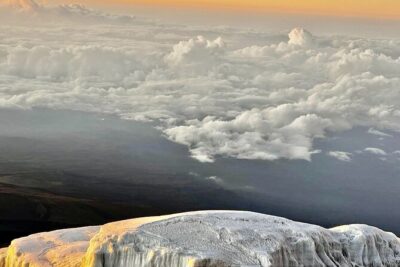
From Arusha/Moshi: Kilimanjaro Hike Marangu Route Day Trip
Read our review →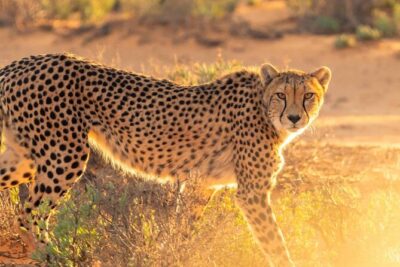
4 days Best experience Kilimanjaro Hike, Serengeti &Ngorongoro
Read our review →
Best Kilimanjaro hiking day trip tour with Kilinge Adventures
Read our review →Browse the lists this tour appears in