
Reviewed · NGORONGORO CRATER TOURS
1-Day Ngorongoro Crater Special Big 5- Joining Group Safari
Ngorongoro puts a whole safari in one day. This Ngorongoro Crater day trip is built around a real wow moment, the rim views, then a fast drop about 600 meters into the crater floor for Big 5 possibilities and plenty of other wildlife. I like that you are not just driving past the scenery, you are doing a structured game drive in the heart of the caldera.
My second favorite part is the pacing around food, especially the hippo pool picnic lunch that lets you rest without losing momentum. One thing to consider: pick-up timing can be tight when groups are being sorted, and the level of guiding can make a big difference in how much you learn, so you will want to ask for a quick overview of what you are likely to see.
In This Review
- Key highlights you will actually notice
- From the rim to the crater floor, in one tight rhythm
- Big 5 game drive: what to look for (and how to make it better)
- Breakfast, then a picnic by the hippo pool
- What you do after lunch: habitats inside the caldera
- Arusha vs Moshi pickup: start time matters more than you think
- Price and value: what $190 includes, and what to budget
- Who should book this one-day Big 5 crater safari
- Should you book Kilinge Adventures for Ngorongoro in one day?
- FAQ
- How much does the 1-day Ngorongoro Crater Big 5 safari cost?
- What is included in the safari?
- Are national park fees included?
- Is pickup available from Moshi?
- Is the guide English-speaking?
- What meals and drinks are provided?
- What animals are you looking for during the Big 5 drive?
- Do I need travel insurance?
- What should I bring with me?
Key highlights you will actually notice
- The 600-meter descent right down to the crater floor, so your day is focused on wildlife time
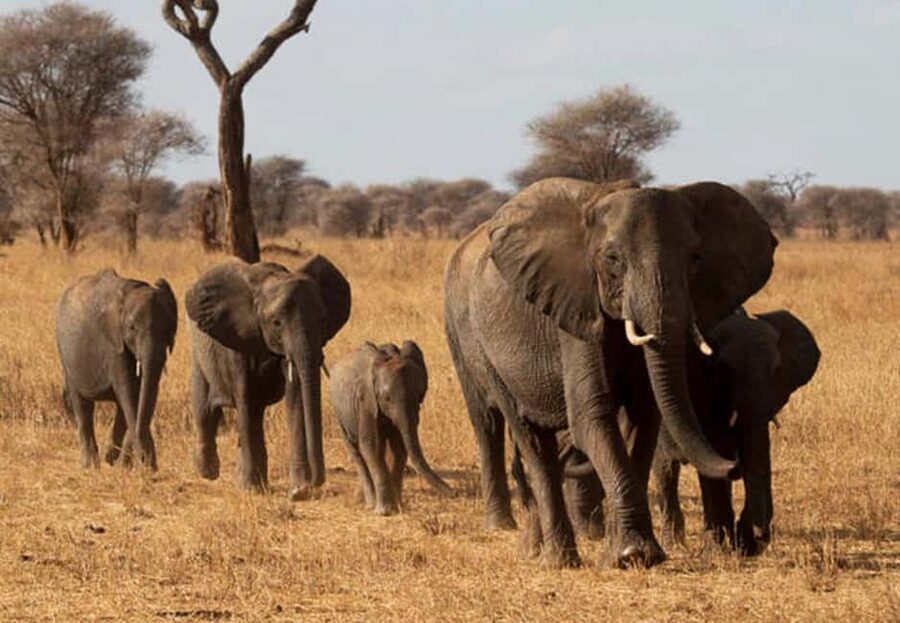
- Big 5 target including lions, elephants, buffalos, leopards, and black rhinoceros
- Lunch with a view at a designated picnic spot, often by the hippo pool
- Multiple habitats in one day like Lerai Forest, grassy plains, and the lake area
- Maasai and geology context shared during the drive, not just animal spotting
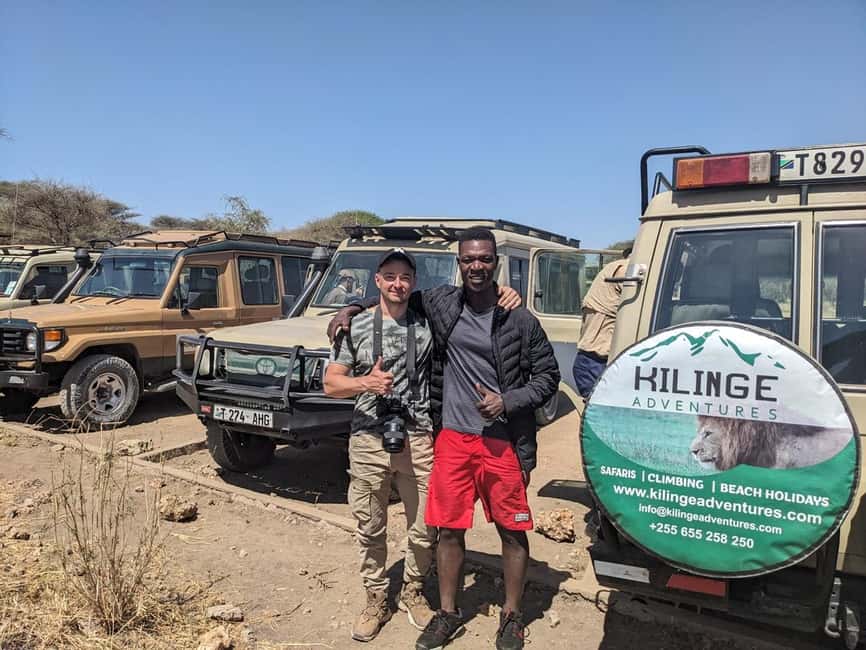
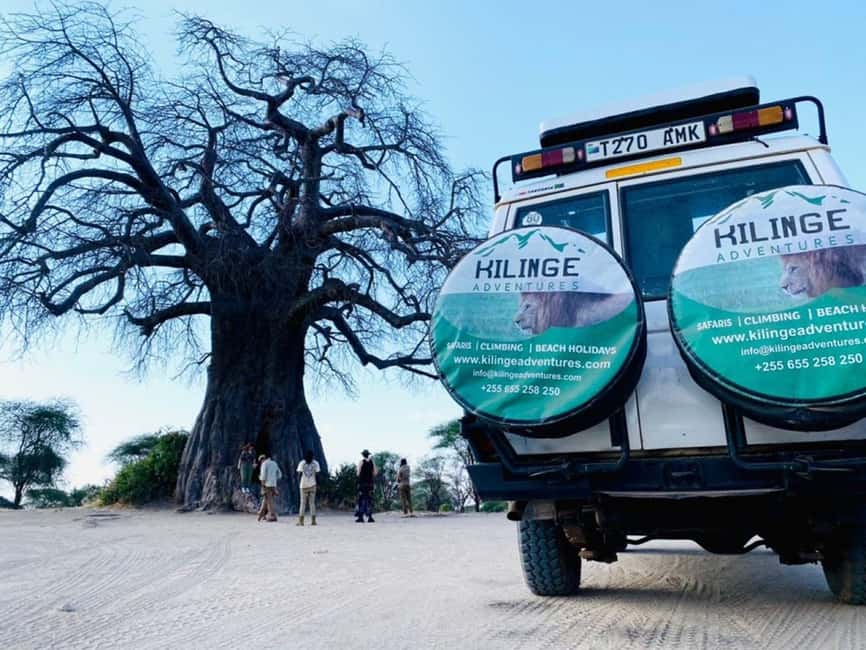
- Kilinge Adventures with English guides, with guide communication quality worth paying attention to
From the rim to the crater floor, in one tight rhythm
A Ngorongoro day trip works because of the vertical drama. You start from Arusha or Moshi very early, then you ride toward the crater through the Great Rift Valley and Tanzanian highlands. The early start matters, because you are trying to arrive for the best light on the rim views before the day gets busy.
When you reach the Ngorongoro Crater, there is a stop for panoramic lookouts over the caldera, described as the world’s largest unbroken caldera. This is not just a photo break. The rim gives you orientation, and once you can see where the plains and lake sit inside the crater, the game drive makes more sense.
Then comes the main event, the descent down to the crater floor, about 600 meters. That drop changes the feel of the day instantly, from open, airy views to a closed bowl where you will often spot wildlife close to the road. If you get motion sick, bring something for it. The ride is part of the experience, but the road down can be a long, winding stretch.
Your guide leads the way, and the timing is usually structured so you do not waste hours. That is the real value of a one-day safari here, you compress the best “inside the caldera” time into a schedule that still includes food and cultural context.
More Ngorongoro Crater trips:
- 3 Days Serengeti & Ngorongoro Group Camping Safari
★ 5.0 · 574 reviews - Safari Serengeti And Ngorongoro
★ 5.0 · 288 reviews - 5 Days Camping Tarangire, Serengeti & Ngorongoro crater & Visiting Maasai
★ 5.0 · 229 reviews
Big 5 game drive: what to look for (and how to make it better)
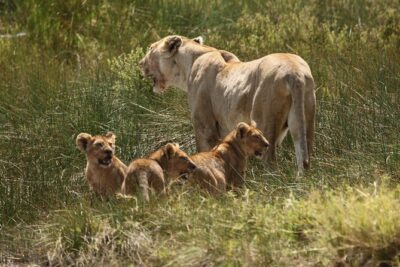
Ngorongoro is famous for concentration, and this itinerary is designed around a Big 5 game drive, looking out for lions, elephants, buffalos, leopards, and the endangered black rhinoceros. You should treat Big 5 sightings as a goal, not a guarantee. But you will have real chances because the crater supports a steady flow of animals.
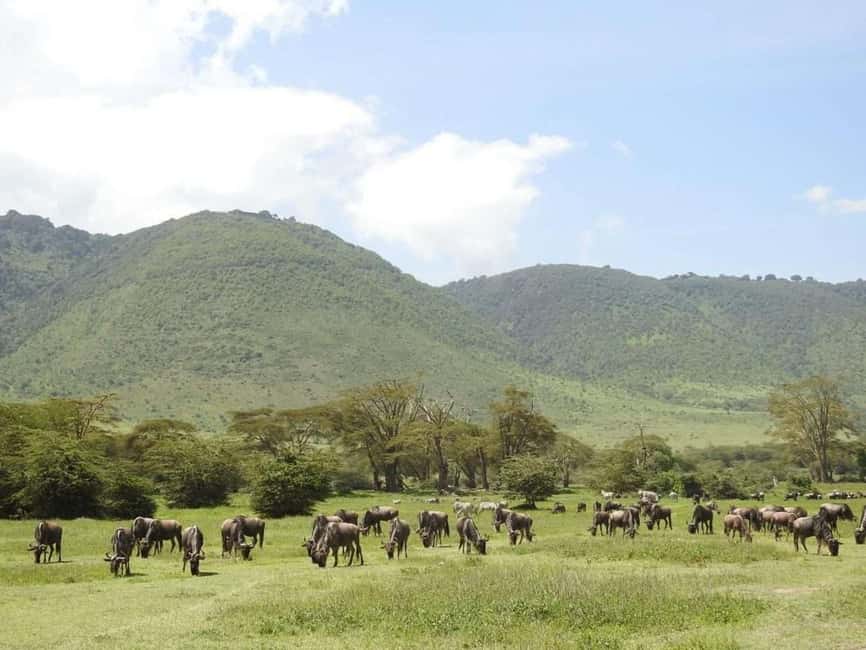
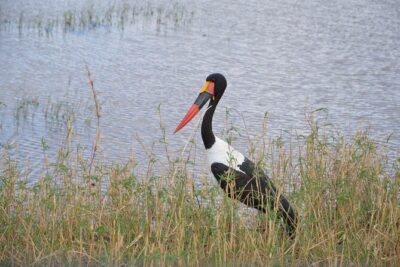
During the drive, you are not only scanning for the headline species. You will also have a good shot at the “supporting cast” that shows you how the ecosystem works: zebras, wildebeest, hyenas, and hippos are specifically part of what you can expect to see. On top of that, expect guide-led spotting for gazelles, warthogs, jackals, and even predators like cheetahs and lions.
Here is a practical tip that can change your day: ask your guide early for a short rundown of what animals they think you are most likely to see that day. One guide experience was praised for indulging every curiosity, with questions answered and stops handled well. Another guide experience was criticized for giving little context about surroundings or which animals live there, leading to guests having to request stops for photos. You can reduce that risk by being direct from the start.
Also, plan to be patient with pauses. In a place like this, the best photo moment can happen between normal stops. If something moves or you spot a line of animals, ask for a quick pause. You will get more out of the drive when your guide’s style matches your expectations.
Breakfast, then a picnic by the hippo pool
You start the day with an early breakfast that should keep you going until lunch. That matters because this is not a “snack and stroll” safari. You are out for the better part of a day with long drives, a crater rim stop, a major descent, then multiple game drive segments.
Lunch is typically a picnic at a designated spot inside the crater area, commonly by a hippo pool or near a swamp. This is one of the most memorable parts of Ngorongoro for a simple reason: you get to eat while watching animal life keep moving. Hippos lounging in the water can turn lunch into an extra mini safari moment, even if you do nothing but look.
Food quality is one of the points that comes up most positively. A recent highlight described breakfast as filling and energizing, and lunch as fresh and nutritious. Another positive theme was that the food timing and the route felt well handled, with the day running smoothly.
One consideration: you will be in crater conditions, and it can feel warmer during midday than at the rim. Wear layers you can manage, and bring water that you can sip between viewpoints. Drinking water is included, which is a relief on a day this long, but you will still want to pace yourself.
If you are a coffee or alcohol person, note that alcoholic beverages are not included. Keep it simple with water and maybe tea if you bring it, then save celebrations for the evening back in Arusha or Moshi.
What you do after lunch: habitats inside the caldera
After lunch, the safari continues through different habitats within the crater. This is where you get variety, because Ngorongoro is not one single type of terrain. The itinerary specifically calls out areas like Lerai Forest, grassy plains, and the lake section.
Why this matters: different animals use different space. Forest edges can bring spotting of animals that like cover, while grassy plains tend to attract grazing herds. The lake area is where you can see water-centered behavior, which is also why hippo activity is such a strong lunch-time theme.
You will typically keep driving and scanning, with your guide helping to spot wildlife such as gazelles, warthogs, jackals, and other smaller signals. Predators can show up as the day continues, sometimes after prey has settled into a routine. That is partly why the afternoon drive is worth staying sharp for, because it is not only repeats of the morning.
There is also a cultural layer added during the day. Your guide shares insights about Maasai communities living in the conservation area and about the crater’s geological history. This can be genuinely useful, not just background talk, because when you understand why Ngorongoro looks and behaves the way it does, you watch more intentionally. Instead of guessing, you learn what to listen for and what patterns to look for.
If you are the type who likes facts, ask one or two pointed questions during the drive, like how the caldera formed or what kinds of animals prefer the forest versus the plains. That turns a long day into an educational one, and it also helps avoid the issue some people reported, a guide who did not offer enough context.
More safaris from Tanzania:
- Serengeti Balloon Safari and authentic bush breakfast
★ 5.0 · 2,480 reviews - Balloon Safari & Bush Breakfast in Serengeti – Miracle Experience
★ 5.0 · 1,646 reviews - From Zanzibar: Mikumi Safari Day Trip with Flights and Meal
★ 4.7 · 1,470 reviews - 4 Days Group Camping Safari
★ 5.0 · 1,101 reviews
Arusha vs Moshi pickup: start time matters more than you think
This is a one-day safari, so logistics are not background noise, they shape your comfort level. You are picked up early morning from your hotel in either Arusha or Moshi. Free pick-up from hotels starts from Arusha, and Moshi pickup is available but comes with an extra transfer cost.
One critique highlighted a messy pick-up sequence. Some participants were collected at 5am while others were booked for 6am, creating a long wait and stolen sleep time. The lesson is not that every day goes that way, but that shared transport can create awkward waiting gaps when pickup groups are being organized.
How to make this smoother for yourself:
- Confirm your pickup window clearly the day before, including how many different hotel stops might be involved.
- Plan to be ready a little earlier than you think you need to be.
- If you are sensitive to early mornings, avoid assuming you will have time for a long breakfast at your hotel.
On the bright side, positive comments noted good timing, a solid route, and an experience that felt responsible. When the schedule works, it feels almost effortless, because you spend less time waiting and more time inside the crater where the wildlife action is.
At the end of the day, you ascend back to the rim and then begin the drive back to Arusha or Moshi, arriving in the early evening. That is a key comfort point if you are on a tight itinerary, because you still get a full evening back in town rather than being stuck in transit overnight.
Price and value: what $190 includes, and what to budget
At $190 per person for this 1-day Ngorongoro Crater Big 5 safari, the big value question is where that money goes. Based on what is included, you are paying for the guided experience, the transport, and the core day structure inside and around the crater.
What is included:
- Guided safari tours and an English-speaking guide
- Transportation during the safari day
- Meals as indicated in the itinerary, including breakfast and the picnic lunch
- Drinking water
- Hotel pickup, with free pickup from Arusha starting locations, and Moshi pickup available with extra transfer cost
What is not included:
- National Park Fee
- Travel insurance
- Alcoholic beverages
The national park fee is the obvious extra cost to plan for. Because you will not see that amount baked into the $190, budget for it separately when you total your trip cost.
Is $190 a fair price? For a one-day Ngorongoro itinerary, it can be solid value if you care about having a guide, organized timing, and meals handled for you. If you already have a vehicle and you are experienced at self-driving wildlife areas, you might compare against other options. But for most visitors, paying for a guided, structured day is what keeps it from turning into a logistical headache.
One more value signal: people praised the food quality and the way the day was run. That usually means fewer gaps, better timing for lunch, and a guide who knows how to keep the group moving without rushing animal viewing.
Who should book this one-day Big 5 crater safari
This trip makes sense if you want a high-impact wildlife day without spending multiple nights in transit. It is also a good fit if you like guided explanations and want a blend of animal spotting and cultural context.
It is especially appealing if you:
- Are short on time in Tanzania but want Ngorongoro Crater specifically
- Want a structured Big 5 game drive route rather than improvising
- Appreciate having meals arranged, including a picnic lunch by the hippo pool
- Prefer an English-speaking guide for both wildlife spotting and Maasai and geology background
It may be less ideal if:
- You hate early mornings and want a slow start
- You are very photo-driven and need lots of spontaneous stops, then you should be ready to ask for them
- You expect a deep lecture style on the crater formation and animals, and your guide does not naturally provide it, so you will need to prompt gently and early
If you go, I’d do one thing that improves the whole day: come with a short list of questions you genuinely care about. Even guides vary in communication style, and good guiding is often about responding to what you ask.
Should you book Kilinge Adventures for Ngorongoro in one day?
If you want a one-day Ngorongoro experience that targets Big 5 animals, includes a picnic lunch (often by a hippo pool), and keeps the schedule tight, this is a strong option to consider. The best version of this safari is when the guide is responsive and the day runs smoothly, with guests getting enough context and enough time to watch and photograph.
Before you commit, do a quick reality check: confirm the pickup details for your hotel, plan for an early start, and budget for the National Park Fee separately. Then you are set up for the best part of the day, the moment you look out from the rim, drop down into the crater, and realize you are watching one of Africa’s most concentrated wildlife arenas.
FAQ
How much does the 1-day Ngorongoro Crater Big 5 safari cost?
The price is listed as $190 per person.
What is included in the safari?
It includes guided safari tours, an English-speaking guide, transportation, meals as indicated in the itinerary, drinking water, and hotel pickup (free pickup starts from Arusha, with Moshi pickup available for extra cost).
Are national park fees included?
No. The national park fee is not included.
Is pickup available from Moshi?
Yes, pickup from Moshi is available, but it is available with an extra transfer cost.
Is the guide English-speaking?
Yes. The safari includes a professional English-speaking guide.
What meals and drinks are provided?
Meals are provided as indicated in the itinerary, and drinking water is included. Alcoholic beverages are not included.
What animals are you looking for during the Big 5 drive?
The safari focuses on lions, elephants, buffalos, leopards, and black rhinoceros. Other wildlife you may see includes zebras, wildebeests, hyenas, and hippos.
Do I need travel insurance?
Travel insurance is not included, since it is listed as not included in the tour details.
What should I bring with me?
Bring a camera.
Just posted around Tanzania
- Stonetown Private Half-day Walking Tour★ 5.0 · 21 reviews
- Full Day Safari to Mikumi National Park from Zanzibar with Lunch★ 4.5 · 3 reviews
- Dolphin Watching Tour & Josani Forest Sea Trip – Zanzibar★ 4.5 · 3 reviews
- Come and taste the Zanzibar feelings★ 5.0 · 12 reviews
- Cooking Class Tour★ 5.0 · 9 reviews
- Cultural Walking Tour through Stonetown, a UNESCO World Heritage Site★ 4.5 · 14 reviews
- Private Catamaran – Stone Town Islands & Sandbanks (5 hrs)★ 5.0 · 10 reviews
- Cave Tour & Rock Restaurant Visit★ 3.5 · 5 reviews
Ngorongoro Crater Tours, compared.
3 Days Serengeti & Ngorongoro Group Camping Safari
Read our review →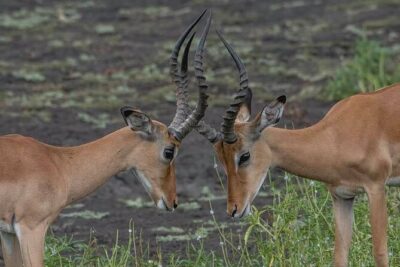
5 Days Camping Tarangire, Serengeti & Ngorongoro crater & Visiting Maasai
Read our review →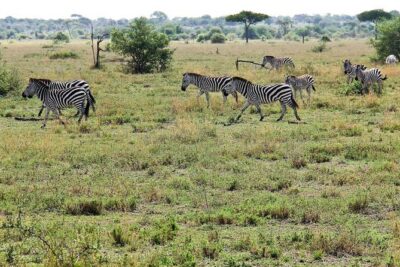
4 Days Join Group tour Tarangire Serengeti and Ngorongoro crater
Read our review →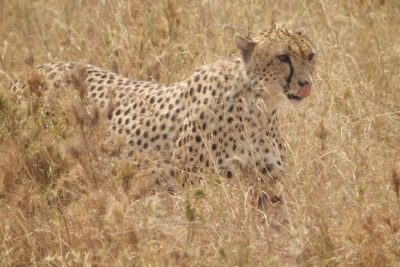
4-Day Safari from Arusha: Tarangire, Serengeti and Ngorongoro
Read our review →
2 Days Tarangire and Ngorongoro Group Camping Safari
Read our review →
3 Days Tarangire, Ngorongoro & Lake Manyara Group Camping Safari
Read our review →Browse the lists this tour appears in