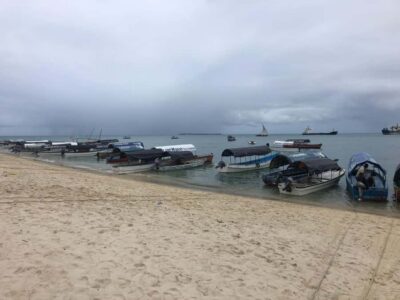
Reviewed · ZANZIBAR TOURS
Zanzibar Tumbatu Island Cultural Experience
Tumbatu Island turns Zanzibar into a village story. You start with everyday scenes at the dhow harbor, then head out by small boat to see how islanders fish, work the nets, and craft dhows. You also get a look at Shiraz ruins dating before the 12th century, plus an included curry lunch with seafood and fruit.
I really like that this tour is built around hands-on daily life, not just photo stops. You spend real time on the island learning fishing methods at the lagoon, meeting dhow crafters, and walking through places like old baobab trees used in the past as school space. The second big plus for me is the personal guide factor, since it runs as a private tour for your group and the pace stays human.
One thing to consider: this is a weather-dependent outing. You’re on the water for about 30 minutes at a time, and the day works best when conditions are calm. Also, you’ll want to plan for tips, since they aren’t included.
In This Review
- Key things that make this tour worth your time
- Why Tumbatu Island Feels Like Real Zanzibar, Not a Theme Park
- Tembo House Pickup, a 9:00 Start, and a Day That Moves at Island Speed
- Market and Working Dhows Before the Boat: The Best Warm-Up You’ll Get
- Crossing to Tumbatu: Small Boat Timing and What It Means for the Day
- Lagoon Fishing Methods, Traps, and the Net Repair Story
- Old Baobab Trees That Once Served as School Space
- Meeting the Spiritual Healer: What to Expect and How to Respect the Moment
- Shiraz Ruins Dating Before the 12th Century, and Why Ruins Fit This Day
- Included Lunch: Curry, Seafood, Rice, and Fruit That Makes the Day Feel Finished
- Price and Value at $200: What You’re Really Paying For
- Who This Private Tumbatu Tour Is Best For
- A Few Booking and Day-Of Tips That Keep It Comfortable
- Should You Book This Tumbatu Island Cultural Experience?
- FAQ
- Where does the tour start and end?
- What time does the experience start, and how long is it?
- Is pickup included?
- What’s included in the price?
- Is this tour private?
- What if the weather is poor or I need to cancel?
Key things that make this tour worth your time

- Boat time with purpose, about 30 minutes each way to get you to the lagoon and village daily life
- Fish and furniture market context, plus views of cargo dhows and working fishing boats
- Fishing methods at the lagoon, including how locals set traps and work with tides
- Dhow crafters and net repair, where you can watch the practical side of island craftsmanship
- Shiraz ruins with real age, ruins dating before the 12th century
- A hot lunch built for the island, curry with seafood, rice, and fruit served during the day
Why Tumbatu Island Feels Like Real Zanzibar, Not a Theme Park

Tumbatu Island is the kind of place where the day’s rhythm matters more than the itinerary. You’re not just going to see a postcard. You’re stepping into a working coastline, with fishing boats, cargo dhows, and the everyday work that keeps island life moving. It’s a strong change of pace from the more tourist-heavy parts of Zanzibar.
I especially like that the tour connects scenes. The market and harbor views do not feel random. They set up what you’ll understand later on the island, where fishing traps and lagoon methods make sense in the context of what you saw onshore. You also get a sense of how knowledge moves through generations, from boat building to practical fishing technique.
The other reason this works is the mix of practical and cultural stops. You’ll walk through areas of daily life, then you’ll meet a spiritual healer. That pairing can feel unusual if you expect Zanzibar culture to be only history and beaches, but it’s also what makes the day feel complete. You’ll leave with a fuller sense of what people value, not just what they sell.
A few more Zanzibar trips to compare
- From Zanzibar: Mikumi Safari Day Trip with Flights and Meal
★ 4.7 · 1,470 reviews - Zanzibar: Quad Bike Adventure departing from Kendwa or Nungwi
★ 4.9 · 1,233 reviews - Zanzibar: Stone Town, Spice Tour, Prison Island with Lunch
★ 4.4 · 1,219 reviews
Tembo House Pickup, a 9:00 Start, and a Day That Moves at Island Speed
The tour starts at 9:00 am, and it begins around the Mkokoni dhow harbor and fishing village area. Your meeting point is the Tembo House Hotel area, and the activity ends back there, so you don’t need to figure out return transport at the end of a long half-day.
I like starting early because it gives you daylight for boat time and ruins. You’re also less likely to feel rushed, since the day is long enough to be meaningful, but short enough to stay energetic. Expect about 6 to 7 hours total, including travel and time on the island.
One practical note: this is not a sit-down, minimal-walking tour. You’ll be moving through different parts of the harbor and island, including meeting people and visiting outdoor sites. If you have moderate physical fitness, you’ll probably be comfortable.
Also, since your time includes boat crossings, it helps to dress for sun and wind. Even on a good day, the water route can feel cooler than the shore, then warmer again when you step back into the village sun.
Market and Working Dhows Before the Boat: The Best Warm-Up You’ll Get
Before you even reach Tumbatu, you get a short visit of the place where the day begins. You’ll check out the local fish and furniture market, and you’ll also see local cargo dhows and fishing boats. This is the kind of stop that turns into a memory later, because it makes the island feel connected.
Here’s what to pay attention to. In the market, don’t just look for dramatic scenes. Watch for the practical details: how the day’s catch and tools move around, and how the market fits into what the fishermen actually do. The furniture element matters too, because it hints at the craft side of island life, which connects nicely to the dhow crafters later.
You’ll also spend time looking at how dhows work in the background. Even if you don’t know the terms yet, you’ll start picking up the vibe of a working port. Then, once you’re on the boat, you understand why people build, repair, and maintain things the way they do.
For photos, go in with a simple mindset. The best pictures here come when you’re respectful and observant, not when you’re trying to stage everything. Keep your camera ready, but let people finish what they’re doing.
Crossing to Tumbatu: Small Boat Timing and What It Means for the Day
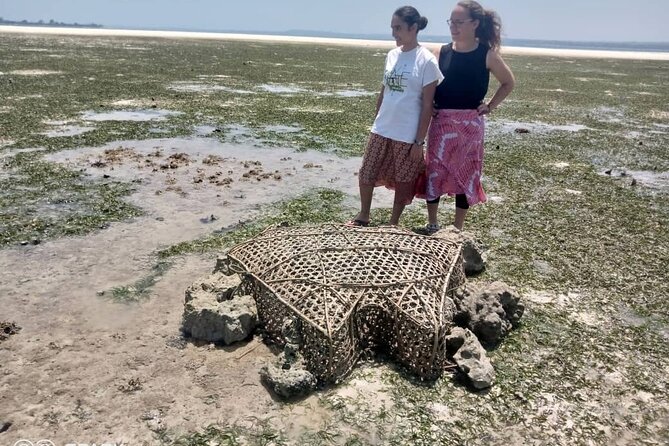
The boat ride to Tumbatu takes about 30 minutes. That timeframe is long enough to feel like you truly traveled, but short enough that it won’t dominate the day. You’ll likely notice the change right away when you leave the initial harbor setting and approach the lagoon environment.
If you’re sensitive to motion, consider planning accordingly. Nothing in the provided info promises smooth water, and Zanzibar’s conditions can change. Bringing a light layer can help too, since sea breeze can cool you between sun moments.
Once you’re at the island, you’ll stop at the lagoon area to learn local fishing methods. This is where the day becomes more than sightseeing. The lagoon setting makes the fishing discussion feel grounded, because you can see the water environment where traps and tactics get used.
This is also where a good guide matters. The experience is described as having a private guide, and the best versions of this kind of tour tend to bring the story to life with details like how tides and moon phases can influence fishing patterns. If your guide happens to explain those timing cues, you’ll likely find the whole fishing section clicks.
Same base in Zanzibar, a completely different day:
- From Zanzibar: Day Selous Game Reserve Safari with Flights
★ 4.7 · 1,025 reviews - Zanzibar: Prison Island and Nakupenda Boat Trip with Lunch
★ 4.1 · 882 reviews - Skydive Zanzibar | Tandem Skydive
★ 5.0 · 877 reviews - Quad Adventures in Zanzibar: Nungwi / Kendwa
★ 4.9 · 640 reviews
Lagoon Fishing Methods, Traps, and the Net Repair Story
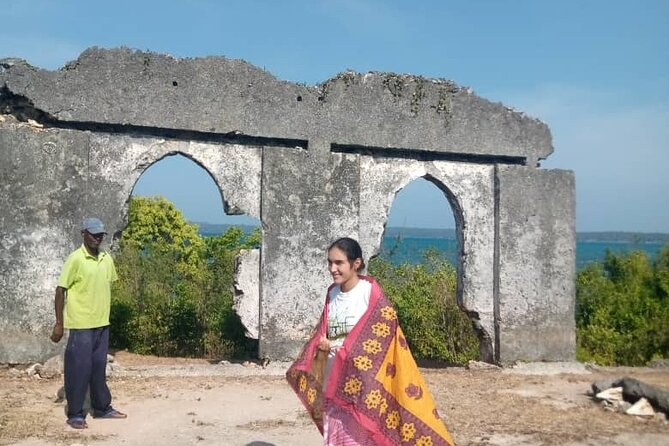
On Tumbatu, you learn fishing methods used by locals and you visit lagoon areas where traps are part of the picture. The point is not to memorize techniques like a field manual. The real value is understanding how fishing fits the island’s daily schedule and landscape.
When you’re at the lagoon, focus on observation over perfection. Look for how people talk through the process, and how the traps relate to where you’re standing. You’ll also move through areas connected to harbors and working spots, including meetings with fishermen and repair work.
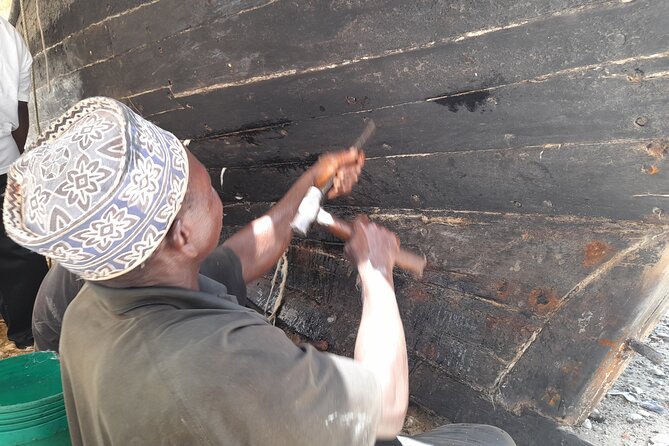
A standout part of the day is the chance to see dhow crafters, plus fishermen repairing nets. Net repair is one of those details that often gets skipped in standard tours, but it’s essential to real island fishing. It shows the maintenance side of the craft, the behind-the-scenes work that keeps everything functioning.
I like that this tour gives you both the “what” and the “how it stays working.” You get fishing methods, then you see repair in action, so the day doesn’t feel like a one-time demonstration. It feels like a living system.
Old Baobab Trees That Once Served as School Space
You’ll also pass by old baobab trees that used to be a school or classroom. This is one of those quiet stops that can hit hard, because it puts today’s landscape into a longer human timeline.
Baobabs are already interesting visually, but here the emphasis is on use. It’s not just a tree. It’s a place that once held lessons. That context changes how you look at the surrounding village area, and it makes your day feel more connected to people’s lived history.
If you like slower moments, this part is a good pause. It’s not a museum. It’s a real place within the island’s daily environment. That’s the difference between reading about culture and actually seeing where it occurred.
Meeting the Spiritual Healer: What to Expect and How to Respect the Moment

A major cultural highlight is meeting a witch doctor, described as a spiritual healer. This is a sensitive category, so your attitude matters.
Plan to approach with respect and with patience. You’ll likely be listening more than speaking, and you might get explanations about how the healer understands health and wellbeing. In the best encounters, the guide frames the visit in a way that helps you understand what’s being shared without turning it into a performance.
This stop can feel surprising if you’re used to Zanzibar’s history being handled in strictly archaeological terms. But if you came for a different side of the island, this part is usually the reason the day stays memorable.
Practical tip: if you’re unsure what to ask, don’t force it. A simple follow-up about what the healer is doing or how the practice is passed along can be enough. Your guide can help translate cultural context in a way that keeps things respectful.
Shiraz Ruins Dating Before the 12th Century, and Why Ruins Fit This Day
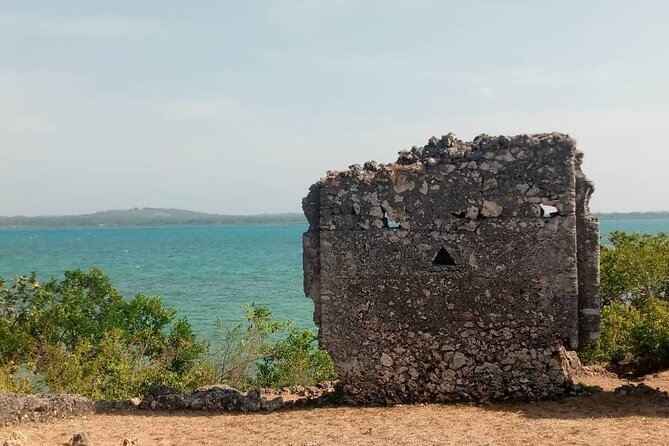
After the village and lagoon sections, you’ll visit the Shiraz ruins. These date back to before the 12th century, which gives the tour a strong sense of time depth.
Ruins can sometimes feel like a stop to check off, especially if you’re tired. Here, the ruins make more sense because you’ve already spent time understanding everyday life, work, and cultural practice. The ruins become less abstract. They feel like part of the same place, just from an earlier era.
I also like that the day keeps moving. You don’t have to choose between culture with people and culture with artifacts. You get both. The day balances active learning with a historical site visit.
One word of caution: ruins mean sun and uneven ground. Wear shoes that you’re comfortable walking on, and keep water on hand if you need it. The tour includes lunch, but it’s still an outdoor half-day.
Included Lunch: Curry, Seafood, Rice, and Fruit That Makes the Day Feel Finished
Lunch is included, and it’s served hot. Expect rice, curry, seafood, and fruit. This matters more than it sounds, because it keeps the day from turning into a scavenger hunt for food.
I like tours that don’t make you decide between authenticity and convenience. Here you get a meal that fits the theme of local life, served during the day when you’re ready for a break. It’s also one of those moments where you can slow down, talk with your guide, and ask questions that came up during fishing, nets, or ruins.
For anyone who’s picky or has dietary constraints: the provided details specify curry, seafood, rice, and fruit. You’ll want to consider that ahead of time and speak to the operator about your needs when booking, since the tour info doesn’t list alternatives.
Price and Value at $200: What You’re Really Paying For
At $200 per person, this is not a budget tour. But when you break down what’s included, it starts to look fair for what you get.
You’re paying for:
- Private guide time, which changes the tone of the day and keeps explanations specific
- All transportation, including hotel pickup and return, plus the water route to the island
- Boat access, which is the core of getting to Tumbatu and not just staring at it from shore
- Lunch, plus all fees and taxes
- An air-conditioned vehicle, at least for the land portions
If you were to arrange a boat and guide separately, you’d likely spend more than $200 once you add logistics and a meal. The biggest value is that the day is structured around multiple meaningful stops, not just one island look.
That said, $200 will feel like a lot if you prefer beach time or if you hate cultural visits that might involve spiritual topics. This tour leans into people, work, and local practice. If that’s your kind of Zanzibar, you’ll probably feel satisfied. If your priorities are only coastline views, you might decide it’s too much money for a boat-and-ruins mix.
Who This Private Tumbatu Tour Is Best For
This experience is a good match if you want Zanzibar beyond Stone Town streets and resort routines. It’s also ideal for small groups who like asking questions and getting a guided narrative instead of following strangers around.
You’ll likely enjoy it most if you care about:
- How coastal communities work, especially fishing and net maintenance
- Craft and boat building connections through dhow crafters
- Cultural stops that include spirituality, not just artifacts
- A structured half-day with transportation handled
It may be less ideal if you:
- Strongly dislike unpredictable weather and water crossings
- Prefer long museum-style pacing rather than movement around the island
- Need very predictable, low-contact experiences at cultural sites
A Few Booking and Day-Of Tips That Keep It Comfortable
Bring sun protection and plan for heat, since you’ll be outdoors through multiple stops. Wear shoes that can handle uneven ground near ruins and village paths.
Also, remember that tips are not included. If this is a private guide experience where you expect high attention, set aside a reasonable amount for gratuity before you go.
Finally, if you have moderate physical fitness only, pace yourself. The tour runs 6 to 7 hours, and the day includes walking and standing while people explain fishing, repairs, and cultural context.
Should You Book This Tumbatu Island Cultural Experience?
I’d book it if you want a Zanzibar day that actually teaches you something and puts you in front of real island work. The mix of lagoon fishing methods, dhow crafters and nets, Shiraz ruins before the 12th century, and an included curry lunch is a strong package for a half-day.
I wouldn’t book it if you’re hoping for a purely scenic island lounge day, or if you’re uncomfortable with spiritual healer visits. This tour is honest about culture, and that’s exactly why it’s memorable.
If you do book, I’d aim for a calm-weather day, wear comfortable shoes, and come with a curious, respectful mindset. You’ll likely leave with more than photos, you’ll leave with a clearer idea of how Zanzibar villages run.
FAQ
Where does the tour start and end?
The meeting point is the Tembo House Hotel area on Shangani Street and Forodhani Street in Zanzibar. The tour ends back at the meeting point.
What time does the experience start, and how long is it?
The start time is 9:00 am. The duration is about 6 to 7 hours.
Is pickup included?
Yes. Hotel pickup is offered, and all transportation is included.
What’s included in the price?
Lunch is included, along with all fees and taxes. The tour also includes an air-conditioned vehicle and the transport needed for the activity.
Is this tour private?
Yes. It is described as a private tour/activity, meaning only your group participates.
What if the weather is poor or I need to cancel?
This experience requires good weather. If it’s canceled due to poor weather, you’ll be offered a different date or a full refund. You can cancel up to 24 hours in advance for a full refund.
Just posted around Zanzibar
- Zanzibar:Jozani forest, Spice farm with Swahili Cuisine clas★ 4.2 · 3 reviews
- ZANZIBAR:Amazing tour Nakupenda SandBank with fruits★ 5.0 · 3 reviews
- Zanzibar Walking Tour: Unveiling the Secrets of Stonetown★ 4.8 · 11 reviews
- Zanzibar: Tour to Prison Island and Nakupenda sandbank with lunch★ 4.3 · 3 reviews
- Zanzibar: Walking Spice Farm with Local Cooking Class★ 4.4 · 9 reviews
- Zanzibar: The Rock Restaurant and Salaam Cave Tour★ 3.8 · 10 reviews
- Zanzibar: Swimming With Horse and Clear Kayaking Tour★ 3.9 · 5 reviews
- Dolphin tour at kizimkazi and Salaam cave★ 3.3 · 15 reviews
Zanzibar Tours, compared.

Mikumi Safari Day Trip with Flights and Meal
Read our review →
Stone Town, Spice Tour, Prison Island with Lunch
Read our review →

Prison Island and Nakupenda Boat Trip with Lunch
Read our review →

Mnemba Island: Dolphin Swim & Snorkeling with Optional Lunch
Read our review →