
Reviewed · JOZANI FOREST TOURS
Zanzibar: Jozani Red Colobos Monkey & Salaam Turtle Santuary
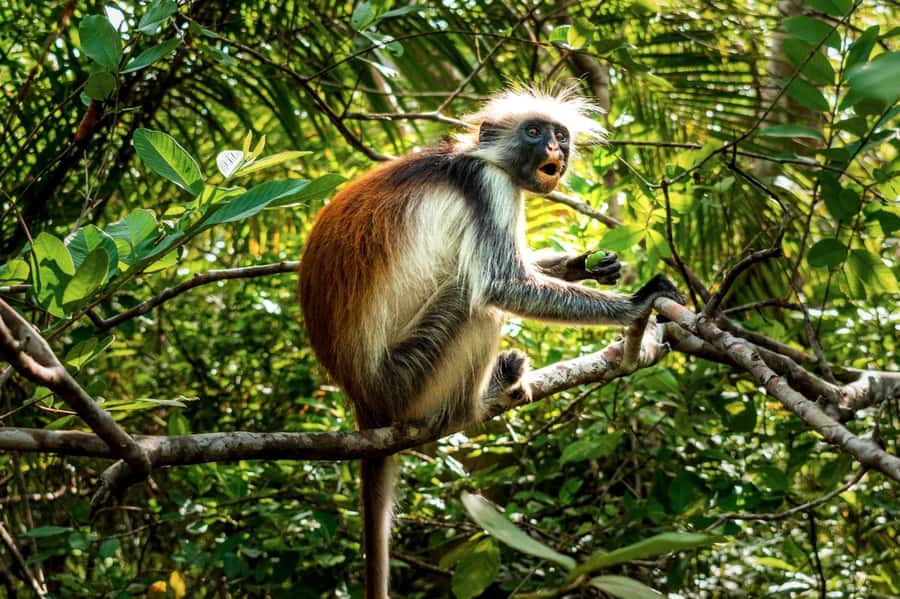
Jozani Forest has a way of stopping you mid-step. This 5-hour combo takes you into Jozani Chwaka Bay National Park to look for Zanzibar’s endemic red colobus monkeys, then heads to Kizimkazi for the Salaam Turtle Sanctuary experience. It is a great match if you want nature, conservation, and a bit of culture without spending a full day in transit.
I like how the forest visit is more than a quick animal sighting, you get a guided walk plus time to see wildlife like mangroves, black crabs, and other small forest stars. One thing to consider is that the Salaam Cave part can feel crowded, and since it is a human and animal interaction setting, you should go in with your eyes open about how animals are handled.
In This Review
- Key Highlights You Should Actually Care About
- The Real Value of This 5-Hour Zanzibar Combo
- Timing and Route: How the Half-Day Flows
- Jozani Chwaka Bay National Park: The Red Colobus Moment
- What Makes Jozani’s Mangroves Worth Your Time
- Salaam Cave in Kizimkazi: Conservation and What to Watch For
- Local Drumming and the Quick Cultural Stops
- Getting the Most Out of Your Monkey and Turtle Chances
- Price Check: Does $40 Make Sense for What You Get?
- Who This Tour Fits Best (and Who Should Rethink It)
- Ethics and Comfort: How to Decide About Turtle Swimming
- Should You Book This Zanzibar Tour?
Key Highlights You Should Actually Care About
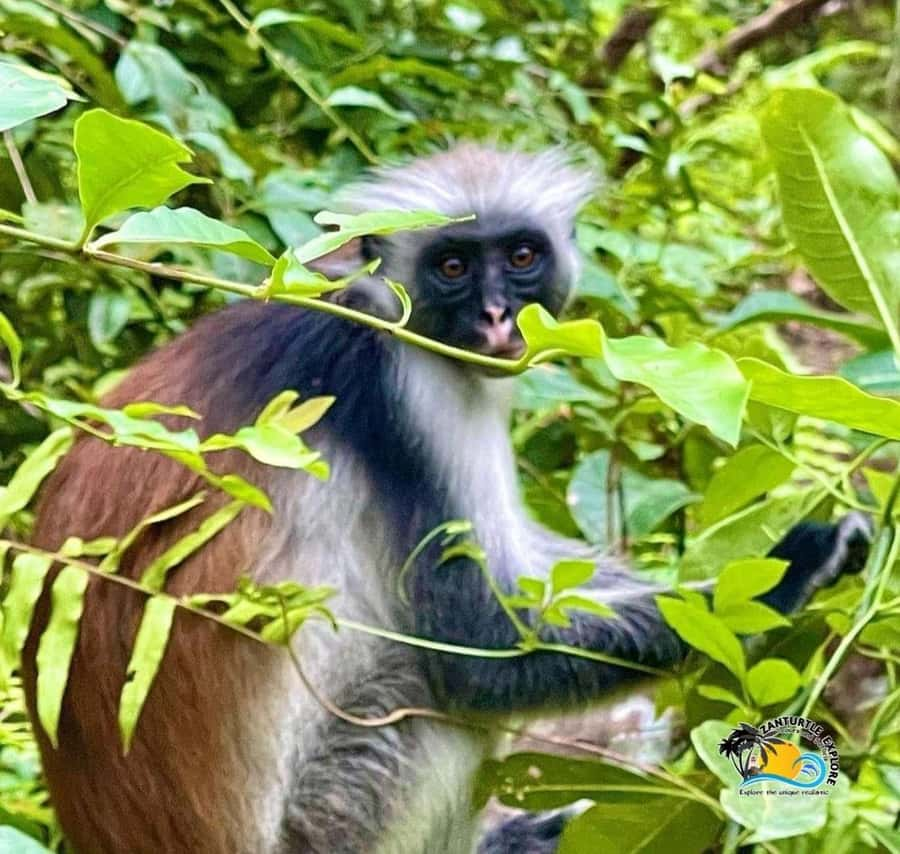
- Red colobus monkeys in Zanzibar’s only national park: you are in the right place for the endemic species to show up
- Mangrove ecology plus black crabs: you learn how the coastline’s wetlands work, not just what they look like
- Wildlife searching, with strong odds: there is up to a 90% possibility of seeing monkeys during the forest portion
- A sea turtle conservation stop at Salaam Cave: you get insight into rehabilitation efforts tied to a dedicated sanctuary
- Possibility of swimming with turtles: this can happen in some cases, depending on what is available during the visit
- Culture added without taking over: a local drumming visit, a short dance show, and an arts and crafts market stop round it out
The Real Value of This 5-Hour Zanzibar Combo
This tour is built for people who like wildlife but do not want a complicated schedule. In one half-day, you get a national-park-style forest walk with a good chance at the headline animal, then you pivot to a conservation-focused marine stop in Kizimkazi.
The value is mostly in the pairing. Jozani is Zanzibar’s signature forest ecosystem, and it is where you are most likely to see the red colobus monkeys in a setting that feels natural and alive. Then Salaam Cave shifts you from forest wildlife to sea turtle conservation, including rehabilitation efforts and (sometimes) swimming. That switch matters because it helps you understand conservation as a whole system, not just one species in one place.
At $40 per person for about five hours, it is not the cheapest thing you can do. But when you factor in a professional guide, park and cave entrance fees, and transport, it starts to feel fair. You are paying for local expertise and access, not just a ride.
More turtle sanctuary visits:
- Zanzibar: Sea Turtle Swim at Salam Cave in Kizimkazi Village
★ 4.2 · 368 reviews - Zanzibar: North Coast and Turtle Sanctuary Tour
★ 4.2 · 90 reviews - Zanzibar: Sea Turtle Swim at Kizimkazi Salaam Cave Tour
★ 4.2 · 78 reviews
Timing and Route: How the Half-Day Flows
The pacing is straightforward. If you pick a hotel pickup option, you are collected at the reception area. Then you transfer by van for about 45 minutes to the Jozani Chwaka Bay National Park area.
Once you get there, you spend around two hours in the park. After that, you ride for about 30 minutes to the Salaam Cave Aquarium area for about 61 minutes. Finally, you return by van, with drop-off at Zanzibar and at the Salaam Cave Aquarium location.
Why this matters: it keeps the experience tight. You are not waiting around for hours. Still, you will be moving between areas, so plan for a full-but-manageable day. The experience also starts with the forest, so if you are hoping to spot the red colobus monkeys, you get your best chance early.
Jozani Chwaka Bay National Park: The Red Colobus Moment
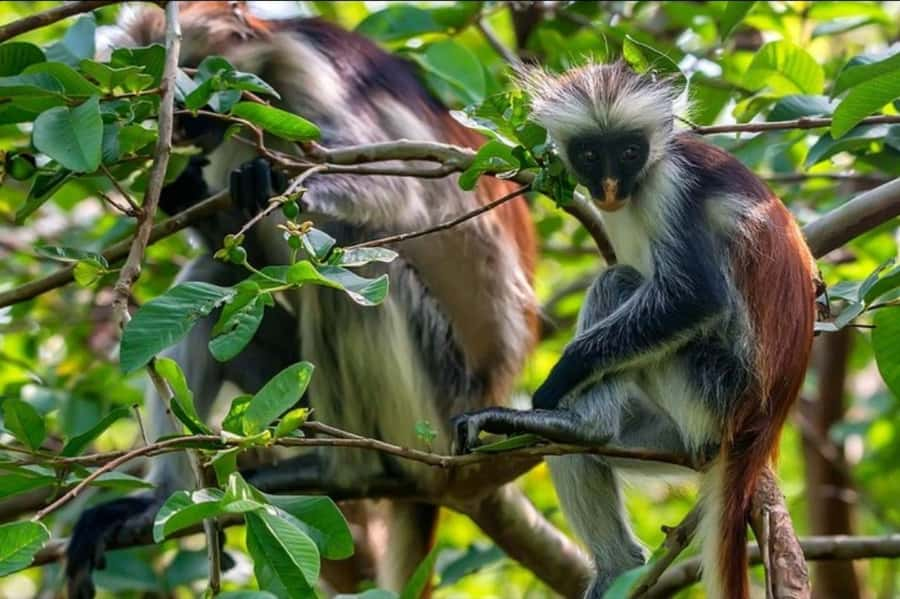
Jozani Forest is Zanzibar’s only national park, and the main reason most people go is the Zanzibar red colobus monkey. They are endemic here, and they have a distinctive look that makes it worth paying attention even when you think you have already spotted a monkey.
In a guided walk, you do not just wander and hope. Your guide helps you locate wildlife and understand what you are seeing. That is a big deal because colobus monkeys are not always out in the open, and forest movement can be confusing without someone who knows the patterns.
What you will likely notice besides monkeys:
- Other small forest animals you might see, like dik-diks, elephant shrews, and chameleons
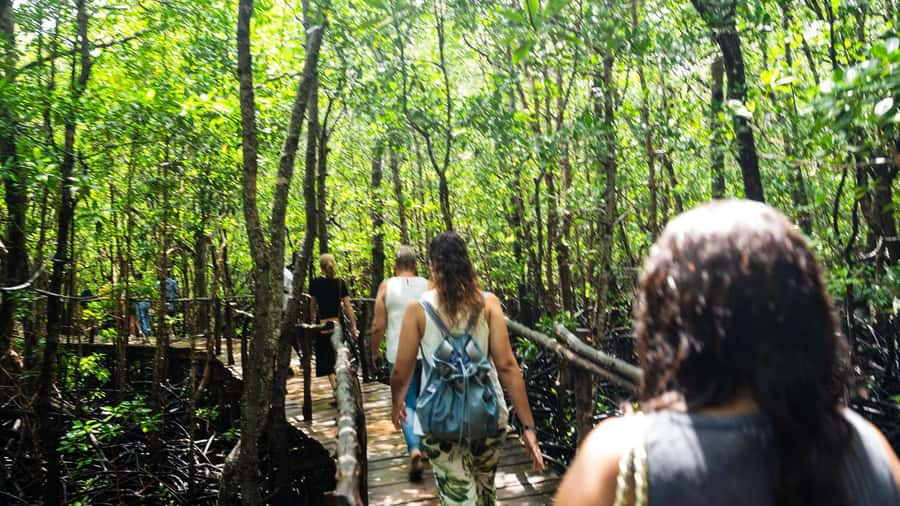
- Mangrove areas, which show up as part of the Jozani ecosystem rather than a separate tourist detour
- Black crabs around mangrove zones, which you can observe as part of the broader coastal food web
- Educational stops that cover ecological importance and even medicinal plants in the area
The tour also includes a photo stop, a guided tour, time for walking, and a short dance show, plus an arts and crafts market visit. Those are quick cultural add-ons, not the main event. I like that the structure gives you a rhythm: look for wildlife, learn something, then shift to a small local experience before heading back out.
Practical note: you will be searching for wildlife. The tour guide sets expectations that there is up to a 90% possibility of seeing monkeys, which is a strong likelihood. Still, forest conditions change. If you come in with flexible expectations, you will enjoy the learning and the ecosystem even if the monkeys are a little elusive on your walk.
What Makes Jozani’s Mangroves Worth Your Time
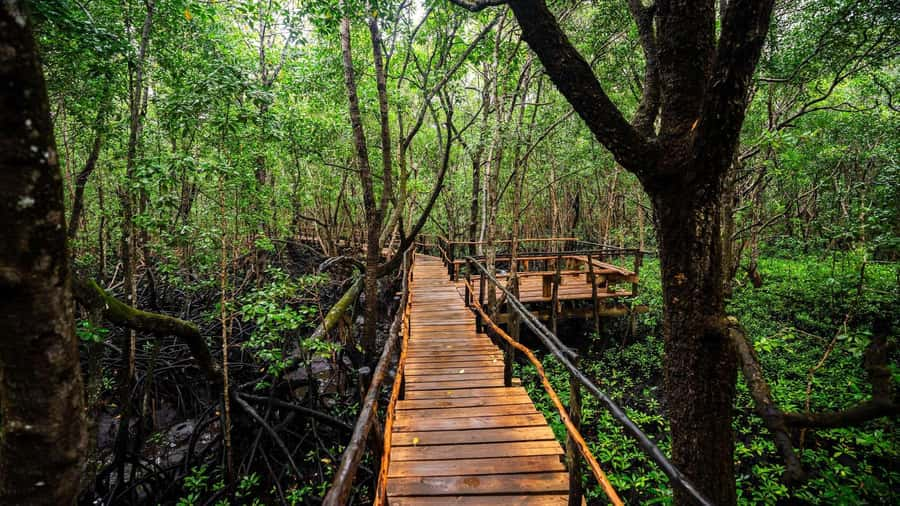
It is easy to think of mangroves as scenic scenery. Here, they are part of the story. In Jozani, the mangroves are tied to the health of the whole ecosystem, and you will get guided context about why they matter.
Even if you are not a science person, you will probably get the point fast once you are standing there:
- Mangroves create a sheltered habitat where coastal life can thrive
- You can spot animals that depend on these wetland conditions, including black crabs
- The plants and their role in the ecosystem connect forest to sea
The tour also comes with a simple rule that makes a difference in how the forest stays intact: do not touch plants. That one instruction protects the habitat and it also keeps your visit from becoming something that damages the very place you came to see.
More Jozani Forest trips:
- Zanzibar: Jozani Forest & Sea Tortoises Sanctuary Tour
★ 4.6 · 204 reviews - Dolphin tour, Jozani Forest, Jambiani Kuza Cave, Paje Beach &The Rock restaurent
★ 4.5 · 164 reviews - Zanzibar full day Jozani forest + Spice farm and stone town
★ 4.7 · 90 reviews - Zanzibar: Jozani nature walk and wildlife tour
★ 4.5 · 89 reviews
Salaam Cave in Kizimkazi: Conservation and What to Watch For
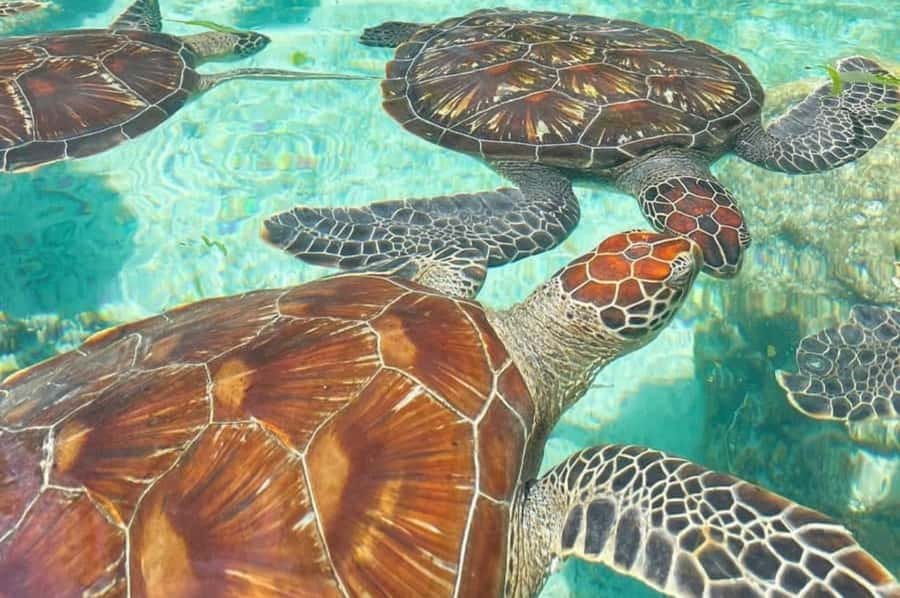
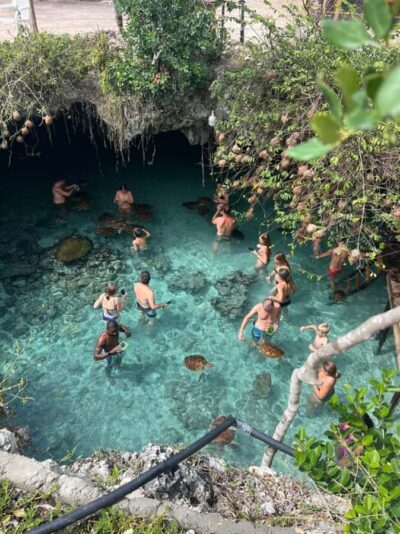
After the forest, you head to Kizimkazi for the Salaam Cave Aquarium experience, with a guided visit and marine life viewing. The core focus here is sea turtle conservation, including rehabilitation efforts. If you want a conservation angle that is more than a poster on a wall, this is the part that leans into that goal.
What to expect at Salaam Cave:
- A photo stop before you settle in
- A guided tour that explains the sanctuary concept and how turtles fit into rehabilitation
- Time spent viewing marine life in the aquarium setting
Swimming with turtles is described as something that can happen in some cases. If it is available during your visit, it can be a memorable moment because you are experiencing turtles up close in water that feels clean and clear.
Important caution, based on a concern I would take seriously: the cave setting can be crowded, and that can make the whole experience less calm. More importantly, crowded environments can lead to sloppy animal handling if the rules are not being followed carefully. If swimming is offered, treat it as a privilege that should be managed well. If you notice poor handling, rough interactions, or overly rushed behavior, you should stick to observing rather than pushing for close contact.
Local Drumming and the Quick Cultural Stops
One reason this tour feels smooth is that it does not ignore local culture. You get a local drumming visit as part of the inclusions, and at Jozani there is also a dance show and an arts and crafts market visit.
These moments are brief. They are not meant to hijack your day. I actually find them useful because they add a human layer while you are between wildlife moments.
If you are the type who likes learning how people in Zanzibar live alongside the ecosystems they rely on, these small cultural inserts help. If you are not, they still add color and context without turning the day into a performance.
Getting the Most Out of Your Monkey and Turtle Chances
This tour has two wildlife priorities. You can improve your odds by getting your basics right.
For the forest:
- Wear comfortable shoes that handle uneven ground.
- Use insect repellent. Forest visits get buggy.
- Keep your attention forward. Colobus monkeys move, and the best sightings are often the ones you catch after you freeze and look.
For the cave area:
- Bring beachwear if swimming is possible.
- Expect you may get time in and around aquarium water, so plan to follow the guide’s instructions rather than guessing.
Also, the tour notes “mosques spray” and recommends comfortable shoes. I assume they mean mosquito spray, but either way, the point is clear. The trip is outdoors for part of the day and your comfort will affect your viewing.
Price Check: Does $40 Make Sense for What You Get?
Here is the practical math of the experience.
For $40 per person, you typically get:
- Guided tour of Jozani Forest
- Entrance fees for both Jozani and Salaam Cave
- A professional guide
- The Salaam Cave visit
- Transfers between the key areas
- A local drumming visit
Meals are not included, so you will want to plan around eating before or after. Still, the big expenses you would normally pay yourself, entrance fees and guided access, are part of the package.
To me, this price works best if:
- You want a guided wildlife walk rather than DIY wandering
- You care about the conservation angle at Salaam Cave
- You do not want to coordinate separate transport to the forest and Kizimkazi yourself
If your priority is only monkeys, you might find cheaper monkey-focused options. If your priority is only turtles, you might find more turtle-forward stops. But as a single half-day with two wildlife worlds, this one earns its keep.
Who This Tour Fits Best (and Who Should Rethink It)
This is a strong match for:
- Couples and small groups who want a clear, efficient plan
- Wildlife lovers who like being guided to the best chances rather than searching on their own
- People interested in conservation stories that connect land and sea
It is not suitable for people with mobility impairments, based on the tour’s description. The forest walking and cave environment can be physically demanding.
If you are traveling with kids, it can work well if everyone is comfortable with short walking segments and a guided schedule. Still, make sure you bring the right shoes because the success of a forest visit depends on being able to move comfortably.
Ethics and Comfort: How to Decide About Turtle Swimming
Because the Salaam Cave experience includes the possibility of swimming with turtles in some cases, your comfort level matters.
Use these practical checks:
- Pay attention to how animals are handled. Gentle, careful behavior should be the norm.
- If the setting feels chaotic, focus on marine viewing instead of participation.
- Follow the guide’s instructions exactly, especially around water contact and behavior.
I am not saying you should avoid the sanctuary. I am saying you should treat it like conservation, not a thrill ride. When it is done right, swimming can feel like being close to an animal that is being cared for. When it is done wrong, it can feel like the opposite.
Should You Book This Zanzibar Tour?
Book it if you want one organized, value-priced half-day that connects Jozani’s red colobus monkeys with a sea turtle conservation stop at Salaam Cave. The guide-led wildlife search and the national park setting are the main wins, and the schedule is tight enough to fit into almost any Zanzibar plan.
Skip or reconsider if:
- You strongly prefer very quiet, low-crowd experiences, especially at the cave
- You are uncomfortable with animal contact scenarios, even if they are framed around conservation
- Your group needs an accessibility-friendly outing
If you do book, go in prepared. Wear comfortable shoes, bring insect repellent and beachwear, and set your mindset to learn as much as you watch. Done that way, this tour is one of the more efficient ways to see Zanzibar’s wildlife personality in just a few hours.
Just posted around Zanzibar
- Zanzibar:Jozani forest, Spice farm with Swahili Cuisine clas★ 4.2 · 3 reviews
- ZANZIBAR:Amazing tour Nakupenda SandBank with fruits★ 5.0 · 3 reviews
- Zanzibar Walking Tour: Unveiling the Secrets of Stonetown★ 4.8 · 11 reviews
- Zanzibar: Tour to Prison Island and Nakupenda sandbank with lunch★ 4.3 · 3 reviews
- Zanzibar: Walking Spice Farm with Local Cooking Class★ 4.4 · 9 reviews
- Zanzibar: The Rock Restaurant and Salaam Cave Tour★ 3.8 · 10 reviews
- Zanzibar: Swimming With Horse and Clear Kayaking Tour★ 3.9 · 5 reviews
- Dolphin tour at kizimkazi and Salaam cave★ 3.3 · 15 reviews
Jozani Forest Tours, compared.
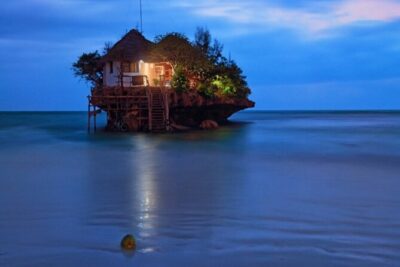
Dolphin tour, Jozani Forest, Jambiani Kuza Cave, Paje Beach &The Rock restaurent
Read our review →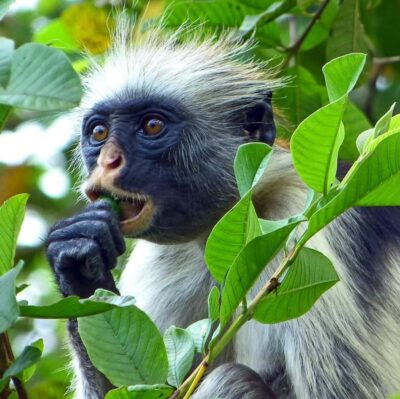
Zanzibar full day Jozani forest + Spice farm and stone town
Read our review →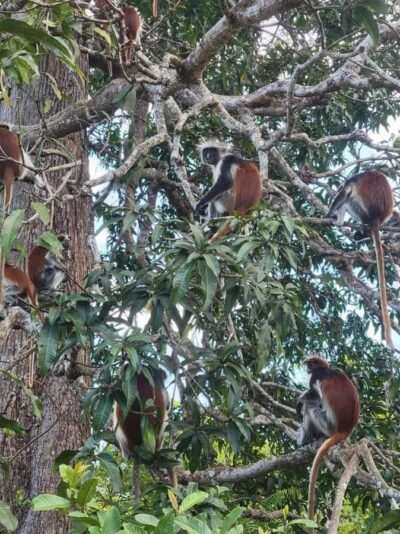
Red Colobus Monkeys in Jozani Forest Guided Tour
Read our review →
Jozani Forest, Salaam Cave & The Rock Restaurant
Read our review →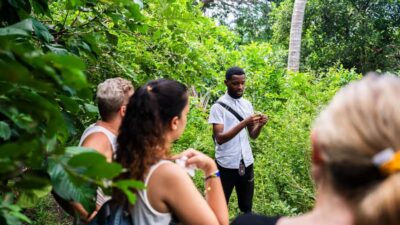
Prison Island, Tortoise, Jozani Forest Guided Tour
Read our review →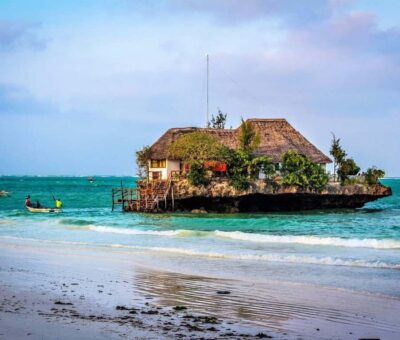
The Rock, Paje Beach, Jozani Forest, Salaam Cave
Read our review →Browse the lists this tour appears in